

Midges are a diverse group of small flies found across the world, ranging from harmless non-biting species to notorious biting varieties. Despite their size, they play important roles in ecosystems as pollinators, decomposers, and food sources for other animals. This guide explores 25 distinct types of midges, highlighting their identifying traits, preferred habitats, behaviors, diets, and lifecycles to provide a clear overview of these fascinating insects.
1. Biting Midge

Biting midges are tiny flying insects known for their painful bites. Despite their small size, they are notorious pests to both humans and animals. They thrive in warm, moist environments and are often found near bodies of water.
Identification
- Very small in size (1–3 mm long)
- Gray to black in color
- Slender body with short legs
- Wings often patterned with spots or hairs
Habitat
Biting midges are commonly found in damp habitats such as marshes, swamps, coastal regions, and areas with wet soil. They breed in mud, moist sand, and decaying vegetation.
Behavior
These insects are most active during dawn and dusk. They fly in swarms and are attracted to carbon dioxide and body heat. Female biting midges feed on blood, while males typically feed on nectar.
Diet
Female biting midges feed on the blood of humans, livestock, and wild animals. Males primarily consume nectar and plant juices.
Lifecycle
Their life cycle includes egg, larva, pupa, and adult stages. Eggs are laid in moist soil or decaying organic matter. The larval stage is aquatic or semi-aquatic, feeding on organic debris before pupating into adults.
2. Non-Biting Midge

Non-biting midges are delicate insects often mistaken for mosquitoes due to their slender bodies and long legs. Unlike their biting relatives, they do not feed on blood and are harmless to humans and animals. They are also important ecological indicators in aquatic environments.
Identification
- Small to medium-sized (2–10 mm long)
- Slender body with long legs
- Often green, brown, or red in color
- Lack piercing mouthparts (unlike biting midges)
- Males usually have feathery antennae
Habitat
They thrive near freshwater habitats such as rivers, lakes, streams, and ponds. Larvae develop in sediment or decaying plant matter in aquatic systems, making them vital contributors to aquatic ecosystems.
Behavior
Non-biting midges often emerge in massive swarms, especially around water bodies and light sources. They are weak fliers but can gather in clouds that may annoy people, even though they do not bite.
Diet
Adults typically do not feed or only consume nectar. Larvae feed on detritus, algae, and organic material found in water, playing a key role in nutrient cycling.
Lifecycle
The lifecycle consists of egg, larva, pupa, and adult. Eggs are laid on the water surface, hatching into larvae that burrow into sediment. After pupating, adults emerge in large numbers, live briefly, and focus on reproduction.
3. Highland Midge

The Highland midge is a notorious species found mainly in Scotland and parts of Northern Europe. These tiny flies are infamous for their painful bites and massive swarms, especially during warm, humid summers. They are considered one of the most irritating insects to humans outdoors in these regions.
Identification
- Very small (1–2 mm long)
- Dark gray or black in color
- Compact body with short legs
- Distinctive patterned wings with hairs
- Often seen in dense swarms
Habitat
Highland midges thrive in damp, marshy areas, peatlands, moorlands, and near rivers or lochs. They prefer shaded, moist habitats that provide suitable breeding grounds.
Behavior
They are most active during early morning and late evening, avoiding direct sunlight. Females are aggressive biters and can swarm in the thousands, making outdoor activities unpleasant. They are strongly attracted to carbon dioxide and body odors.
Diet
Female Highland midges feed on blood from humans and animals. Males, however, feed on nectar and plant juices. This blood-feeding behavior is essential for females to produce eggs.
Lifecycle
The life cycle includes egg, larva, pupa, and adult. Eggs are laid in moist soil or peat. Larvae feed on decaying plant matter in the soil, then pupate before emerging as adults. Several generations may occur during the summer months, depending on climate conditions.
4. Gall Midge
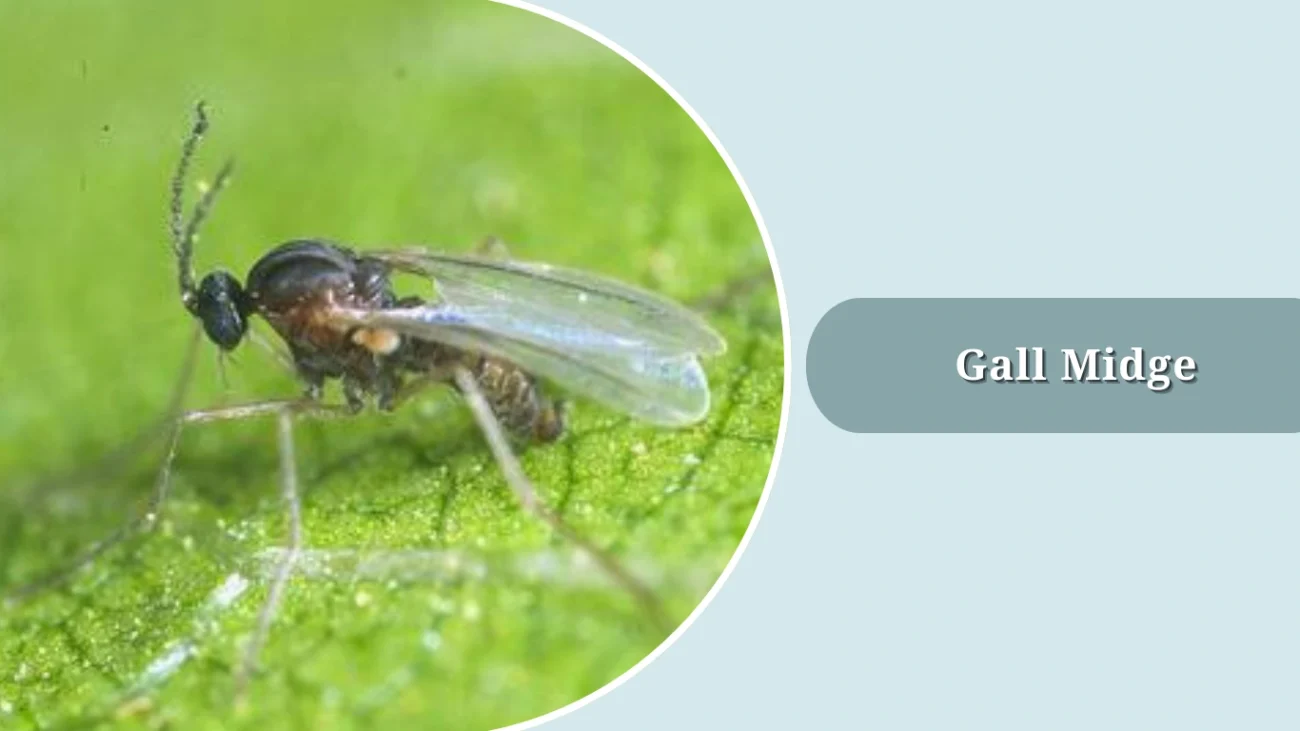
Gall midges are a diverse group of tiny flies belonging to the family Cecidomyiidae. They are best known for their ability to form galls—abnormal plant growths—caused by larvae feeding on plant tissues. Some species are agricultural pests, while others are harmless or even beneficial.
Identification
- Very small (1–5 mm long)
- Slender body with long legs
- Delicate, hairy wings
- Larvae are often bright orange, yellow, or white
- Adults resemble tiny mosquitoes
Habitat
Gall midges are typically found in gardens, forests, grasslands, and agricultural fields. They are strongly associated with host plants, where they lay eggs that lead to gall formation.
Behavior
Females lay eggs on specific plant tissues, and the larvae secrete chemicals that stimulate abnormal plant cell growth, creating galls. These galls provide shelter and food for the larvae until they mature.
Diet
- Larvae: Feed on plant tissues within galls.
- Adults: Rarely feed; some may take in nectar or not feed at all.
Lifecycle
Gall midges undergo complete metamorphosis: egg, larva, pupa, and adult. Eggs are deposited on plants, larvae induce gall formation and develop inside them, then pupate either within the gall or in soil before emerging as adults. Many species have multiple generations per year.
5. Phantom Midge

Phantom midges are unique aquatic insects belonging to the family Chaoboridae. They are transparent, which makes them difficult to see in water, giving them the name “phantom.” Unlike many other midges, their larvae are predators and play an important role in freshwater ecosystems.
Identification
- Small to medium size (2–10 mm long)
- Adults are mosquito-like but do not bite
- Transparent or pale body
- Long legs and narrow wings
- Larvae are glass-like and nearly invisible in water
Habitat
They inhabit lakes, ponds, and slow-moving rivers. The larvae are aquatic and spend most of their time in open water, rising and sinking depending on light conditions and predation risks.
Behavior
Phantom midges are non-biting insects. Their larvae show daily vertical migration: staying deep in the water during the day and moving closer to the surface at night to feed. Adults are weak fliers and often found near water sources.
Diet
Adult phantom midges do not feed or consume very little, while larvae are active predators. Larval phantom midges feed on zooplankton, mosquito larvae, and other tiny aquatic organisms.
Lifecycle
Their life cycle includes egg, larva, pupa, and adult. Eggs are laid on water surfaces, hatching into transparent larvae. After feeding and growing through several stages, they pupate underwater before emerging as adults.
6. Wood Midge
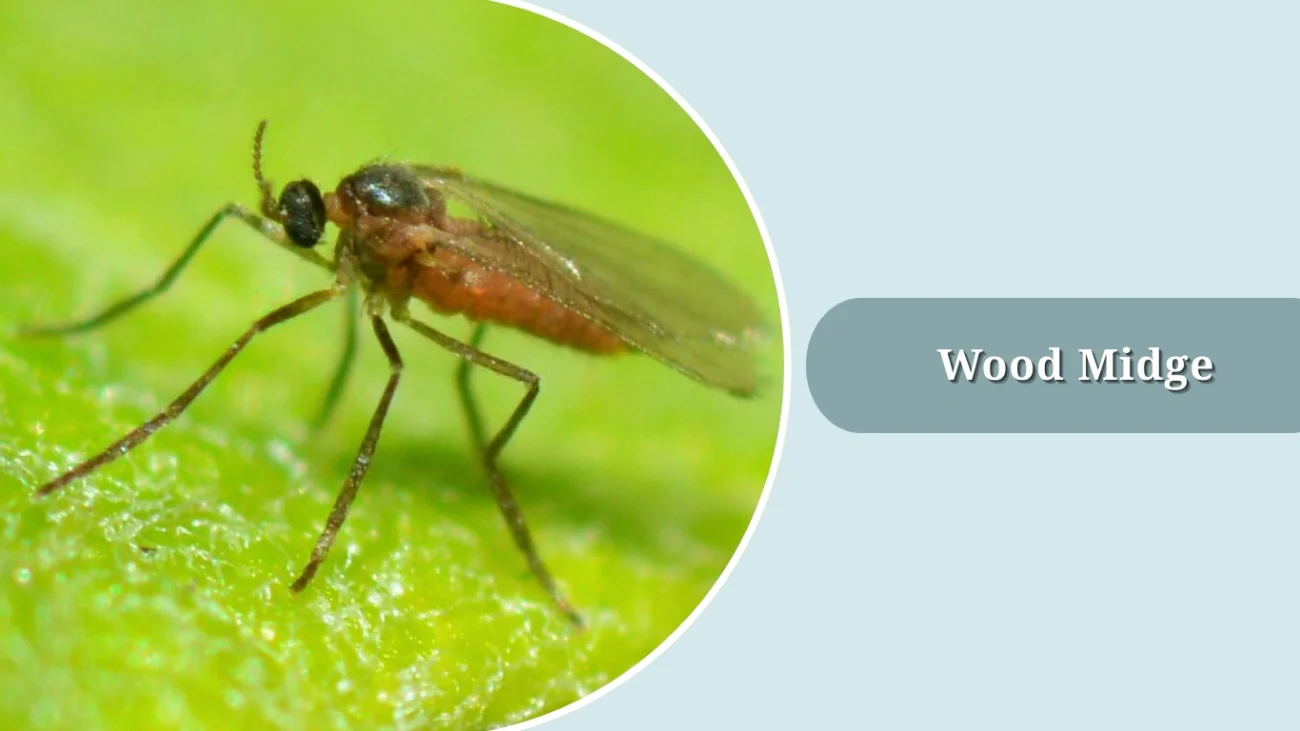
Wood midges are small flies that are closely associated with damp woodland environments. They are lesser-known compared to biting or non-biting midges but still play an important ecological role in decomposition and nutrient cycling.
Identification
- Tiny size (1–3 mm long)
- Soft-bodied with slender form
- Usually dark brown to black in color
- Wings are transparent with fine venation
- Larvae are small, pale, and worm-like
Habitat
Wood midges thrive in moist woodland areas, especially among decaying leaves, rotting logs, and other organic debris. They prefer shaded environments with plenty of damp material for their larvae to feed on.
Behavior
They are weak fliers and often remain close to the ground or vegetation. Wood midges do not bite humans or animals, and adults are often overlooked due to their small size and secretive nature.
Diet
Adult wood midges usually consume nectar, plant fluids, or not at all, depending on the species. Larvae, however, feed on decaying organic matter, fungi, and decomposing plant tissues, helping recycle nutrients in forest ecosystems.
Lifecycle
The lifecycle consists of egg, larva, pupa, and adult. Eggs are laid in damp organic matter. Larvae develop in decaying vegetation, pupate in soil or leaf litter, and later emerge as adults to continue the cycle.
7. Buzzer Midge

Buzzer midges are a common type of non-biting midge, especially recognized by anglers because of their importance as fish food. They are often seen emerging from still waters in large numbers, producing a noticeable buzzing sound in flight.
Identification
- Small to medium size (5–10 mm long)
- Slender body with long legs
- Often dark-colored: black, olive, or brown
- Males have feathery antennae
- Known for their characteristic “buzzing” when swarming
Habitat
They are most often found near lakes, ponds, and reservoirs. Larvae live in the sediment of still or slow-moving waters, while adults gather in huge swarms above water surfaces.
Behavior
Buzzer midges are harmless and non-biting. They are known for forming dense swarms, especially in the evening. Their swarming behavior and buzzing flight pattern make them highly recognizable.
Diet
Adults usually do not feed much, though some may consume nectar. Larvae feed on organic debris, algae, and detritus in the sediment, which also makes them an essential food source for fish.
Lifecycle
The life cycle includes egg, larva, pupa, and adult. Eggs are laid on water surfaces, larvae burrow into the sediment, and after several growth stages, they pupate before rising to the surface as adults. Emergence often happens en masse, producing vast clouds of buzzing midges.
8. Black Midge

Black midges are small flies commonly found near aquatic habitats. While some species can bite, many are harmless. Their dark coloration and tendency to swarm in large numbers make them a noticeable presence in the environments they inhabit.
Identification
- Small size (1–4 mm long)
- Typically black or very dark brown in color
- Slender body with short legs
- Wings are transparent but may appear smoky in some species
- Larvae are pale or whitish and worm-like
Habitat
They are usually found near streams, rivers, ponds, and marshy areas. The larvae develop in aquatic or semi-aquatic environments, often attaching to submerged rocks, vegetation, or sediment.
Behavior
Adults are most active during dawn and dusk. Some species bite and can be irritating to humans and animals, while others are non-biting and harmless. They often form dense swarms, especially near water.
Diet
Adult black midges that bite feed on the blood of mammals, birds, and sometimes reptiles, while non-biting species consume nectar or plant juices. Larvae feed on microorganisms, algae, and organic particles found in water.
Lifecycle
Their life cycle includes egg, larva, pupa, and adult. Eggs are laid in or near water, larvae develop in aquatic environments, and after pupating, adults emerge in large numbers. Some species can produce multiple generations within a single season.
9. White Midge
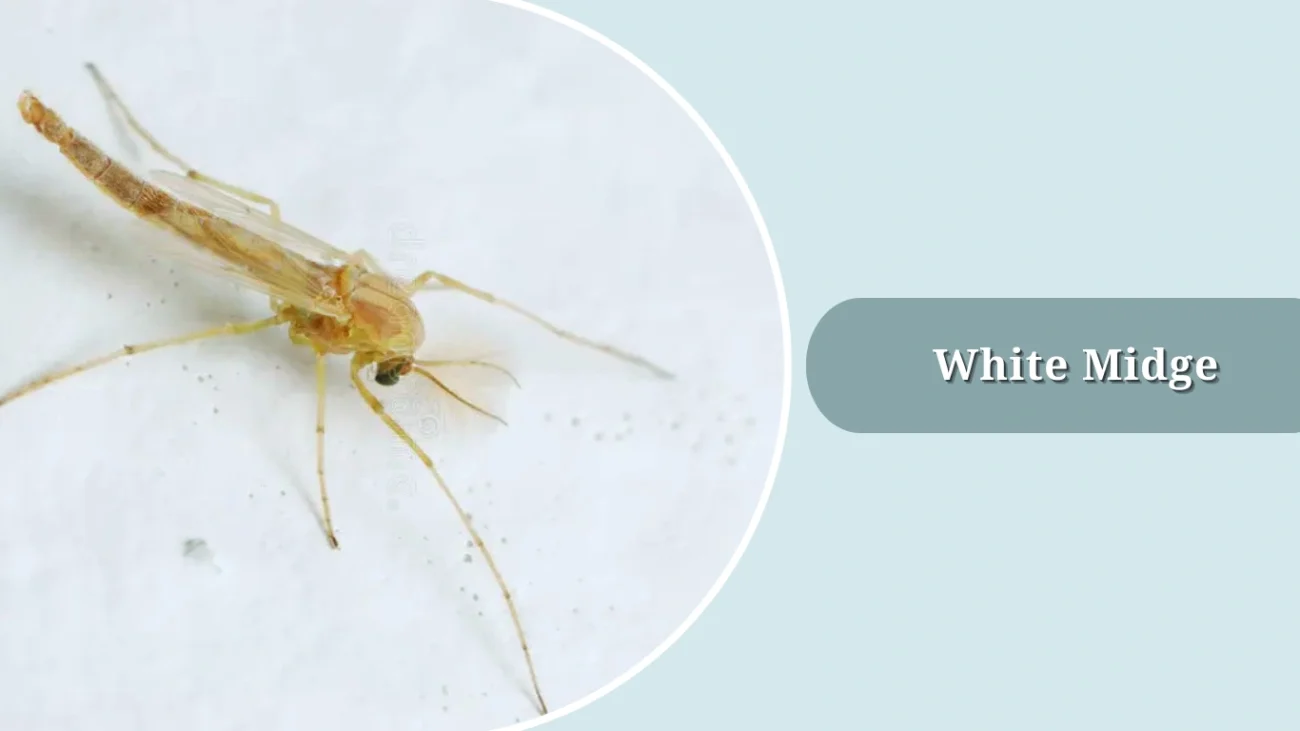
White midges are delicate insects that are lighter in appearance compared to many of their darker relatives. They are often seen around freshwater bodies and can occur in large swarms. Although their pale coloration makes them distinctive, they are harmless to humans.
Identification
- Small size (2–5 mm long)
- Whitish or pale cream-colored body
- Transparent wings with fine venation
- Long slender legs
- Larvae are pale, worm-like, and usually aquatic
Habitat
White midges are usually found near lakes, ponds, streams, and rivers. They prefer freshwater habitats where larvae can develop in sediment or decaying plant matter. Adults are often attracted to light sources at night.
Behavior
They are non-biting insects and pose no threat to humans or animals. Adults often gather in swarms above water surfaces or vegetation, especially during evenings. Their pale bodies can make large swarms appear like drifting clouds of white.
Diet
Adults rarely feed, though some may take in nectar or sugary plant fluids. Larvae feed on organic matter, algae, and microorganisms in aquatic sediments, contributing to the recycling of nutrients in freshwater ecosystems.
Lifecycle
The life cycle consists of egg, larva, pupa, and adult. Eggs are laid on or near water, larvae burrow into sediment, and pupation occurs underwater before adults emerge to swarm and reproduce. Their lifespan as adults is typically very short, lasting only a few days.
10. Dark Midge

Dark midges are small insects that are easily recognized by their darker body color compared to many other midge types. They are widespread near water sources and often emerge in large swarms. While some may resemble mosquitoes, most dark midges are harmless to humans.
Identification
- Size ranges from 2–6 mm
- Dark brown to nearly black body
- Slender shape with long legs
- Transparent wings that may appear slightly smoky
- Larvae are worm-like, usually pale or reddish
Habitat
They are typically found near ponds, lakes, rivers, and marshes. Larvae thrive in damp sediments or decaying organic matter within aquatic systems, making these environments crucial for their development.
Behavior
Dark midges are non-biting and harmless to people, though their swarms can be a nuisance. They are attracted to artificial lights at night and may gather in large numbers near buildings or street lamps close to water sources.
Diet
Adults generally do not feed or only consume small amounts of nectar or plant juices. Larvae feed on algae, detritus, and microorganisms in aquatic habitats, helping to recycle nutrients and support the food chain.
Lifecycle
The life cycle follows the pattern of egg, larva, pupa, and adult. Eggs are laid in clusters on water, larvae live in sediment or organic material, and pupation occurs in water before adults emerge in mass flights. Adult life is short, focused primarily on reproduction.
11. Green Midge

Green midges are a distinctive group of non-biting midges that are recognized by their bright green body color. They are often found in large swarms near freshwater habitats and are an important food source for fish, especially in lakes and ponds.
Identification
- Small to medium size (3–8 mm long)
- Bright green body, sometimes with a metallic sheen
- Slender build with long legs
- Transparent wings with fine venation
- Males often have feathery antennae
Habitat
They inhabit lakes, ponds, streams, and other freshwater environments. Larvae live in sediments and organic matter, while adults swarm above water or nearby vegetation.
Behavior
Green midges are non-biting and harmless. They gather in large swarms, particularly during evenings, and can be seen dancing above water surfaces or around light sources. Their vivid green bodies make them stand out compared to other midge species.
Diet
Adult green midges do not actively feed, though some may consume nectar. Larvae feed on detritus, algae, and organic material in aquatic sediments, playing a vital role in ecosystem balance and nutrient cycling.
Lifecycle
Their life cycle includes egg, larva, pupa, and adult. Eggs are laid on the water’s surface, and larvae burrow into the sediment, feeding until pupation. Adults emerge in synchronized swarms, with a short lifespan dedicated mainly to reproduction.
12. Red Midge (Bloodworm Midge)

Red midges, commonly known as bloodworm midges, are striking insects named for their bright red larvae. The larvae are a vital part of freshwater ecosystems and serve as a major food source for fish and other aquatic life. The red color comes from hemoglobin, which allows them to survive in low-oxygen environments.
Identification
- Adult size ranges from 4–10 mm
- Adults are slender with long legs
- Larvae are bright red, worm-like, and live in sediment
- Adults resemble mosquitoes but do not bite
- Wings are clear and finely veined
Habitat
They thrive in lakes, ponds, rivers, and marshes. Larvae burrow into mud and sediment in aquatic habitats, especially in oxygen-poor waters where few other species can survive.
Behavior
Red midges are non-biting and harmless to humans. Adults emerge in large swarms, often around water bodies. Larvae show burrowing behavior and build small protective tubes in the mud where they live and feed.
Diet
Adult red midges do not feed actively and may consume only nectar or small amounts of plant fluids. Larvae feed on detritus, organic debris, and microorganisms in sediment, helping recycle nutrients in aquatic ecosystems.
Lifecycle
The lifecycle includes egg, larva, pupa, and adult. Eggs are laid in water and hatch into bloodworm larvae, which can survive in sediment with low oxygen levels due to their hemoglobin-rich bodies. After passing through several larval stages, they pupate underwater and emerge as swarming adults.
13. Sand Midge

Sand midges are small flies commonly found in sandy coastal regions and riverbanks. Some species are known to bite, while others are harmless. They are often encountered in large numbers and can be a nuisance to people living or traveling near beaches and wetlands.
Identification
- Small size (1–3 mm long)
- Light brown to grayish body color
- Slender build with long legs
- Transparent wings, sometimes with faint markings
- Larvae are small, pale, and worm-like, living in sandy soil
Habitat
They are typically found in sandy areas near coasts, estuaries, and rivers. Breeding usually occurs in moist sand or soil, where larvae can feed and develop.
Behavior
Sand midges are most active at dawn and dusk, avoiding direct sunlight. Biting species can attack humans and animals, causing irritation, while non-biting species are harmless. Adults often form swarms above sandy ground or vegetation near water.
Diet
Adult sand midges vary depending on species. Biting females feed on blood from humans, birds, and animals, while males and non-biting species feed on nectar or plant juices. Larvae feed on organic debris, microorganisms, and decaying matter in sand.
Lifecycle
Their life cycle follows egg, larva, pupa, and adult stages. Eggs are deposited in damp sand or soil, larvae burrow and feed until pupation, and adults emerge to swarm and reproduce. Some species can have multiple generations per season in warm climates.
14. Marsh Midge

Marsh midges are a group of small flies commonly found in wetlands, swamps, and marshy environments. They are closely associated with aquatic vegetation and organic-rich sediments. Most species are harmless to humans, but their large swarms can become bothersome.
Identification
- Small size (2–5 mm long)
- Dark brown, black, or sometimes reddish body
- Slender form with long legs
- Transparent wings with fine venation
- Larvae are worm-like, often pale or reddish
Habitat
They inhabit marshes, swamps, bogs, and areas with standing water rich in organic matter. Larvae develop in muddy or vegetated areas of wetlands, where they feed and grow.
Behavior
Marsh midges are non-biting and harmless to humans. Adults often gather in large swarms near marshlands, especially at dusk and dawn. Their presence in high numbers can create nuisances around wetland areas and nearby communities.
Diet
Adult marsh midges rarely feed, though some may take in nectar. Larvae feed on decaying organic material, algae, and microorganisms in marsh sediments, helping recycle nutrients and maintain ecosystem balance.
Lifecycle
The life cycle consists of egg, larva, pupa, and adult. Eggs are laid on wet soil or vegetation near marshes, larvae burrow into mud or debris, and pupation occurs in water or moist ground. Adults live briefly, mainly to reproduce in swarms.
15. Lake Midge

Lake midges are abundant insects found around lakes and reservoirs, where their larvae form an essential part of the aquatic food web. They are non-biting and harmless to humans, though their swarms can sometimes be overwhelming.
Identification
- Small to medium size (3–8 mm long)
- Slender body with long legs
- Typically green, brown, or black in color
- Transparent wings with fine venation
- Larvae may be pale, greenish, or red depending on species
Habitat
They are closely associated with freshwater lakes, reservoirs, and large ponds. Larvae develop in lakebed sediments, feeding on organic material and algae. Adults emerge in large swarms above water or along shorelines.
Behavior
Lake midges are non-biting and gather in massive swarms, especially in the evenings. They often form dancing columns above the lake surface or near vegetation, creating a spectacle during peak hatching seasons.
Diet
Adults do not feed significantly, though some may consume nectar. Larvae feed heavily on detritus, algae, and microorganisms in lake sediments, playing a vital role in nutrient cycling and serving as a major food source for fish.
Lifecycle
Their lifecycle consists of egg, larva, pupa, and adult. Eggs are laid on water surfaces and hatch into larvae that burrow into sediment. After developing and pupating underwater, adults emerge in swarms, live briefly, and reproduce to continue the cycle.
16. Pond Midge

Pond midges are small flies closely associated with ponds and other still-water habitats. They are harmless to humans but are ecologically significant, as their larvae provide food for fish, amphibians, and other aquatic animals.
Identification
- Small size (2–6 mm long)
- Slender body, usually brown, black, or greenish
- Transparent wings with fine veins
- Males often have feathery antennae
- Larvae are worm-like, typically pale or reddish
Habitat
They are found in and around ponds, ditches, and small still-water bodies. Larvae live in the sediment or decaying vegetation at the bottom of ponds, where they feed and grow.
Behavior
Pond midges are non-biting and often emerge in large numbers during warmer months. Adults swarm above ponds, especially during dawn and dusk, and are commonly attracted to lights at night.
Diet
Adults usually do not feed, though some may sip nectar. Larvae feed on organic matter, algae, and microorganisms found in pond sediments, playing a crucial role in maintaining pond ecosystems.
Lifecycle
The lifecycle includes egg, larva, pupa, and adult stages. Eggs are laid on the pond surface in gelatinous masses. Larvae burrow into sediment to feed and grow before pupating underwater. Adults emerge in swarms, live for only a few days, and reproduce quickly.
17. Swarm Midge
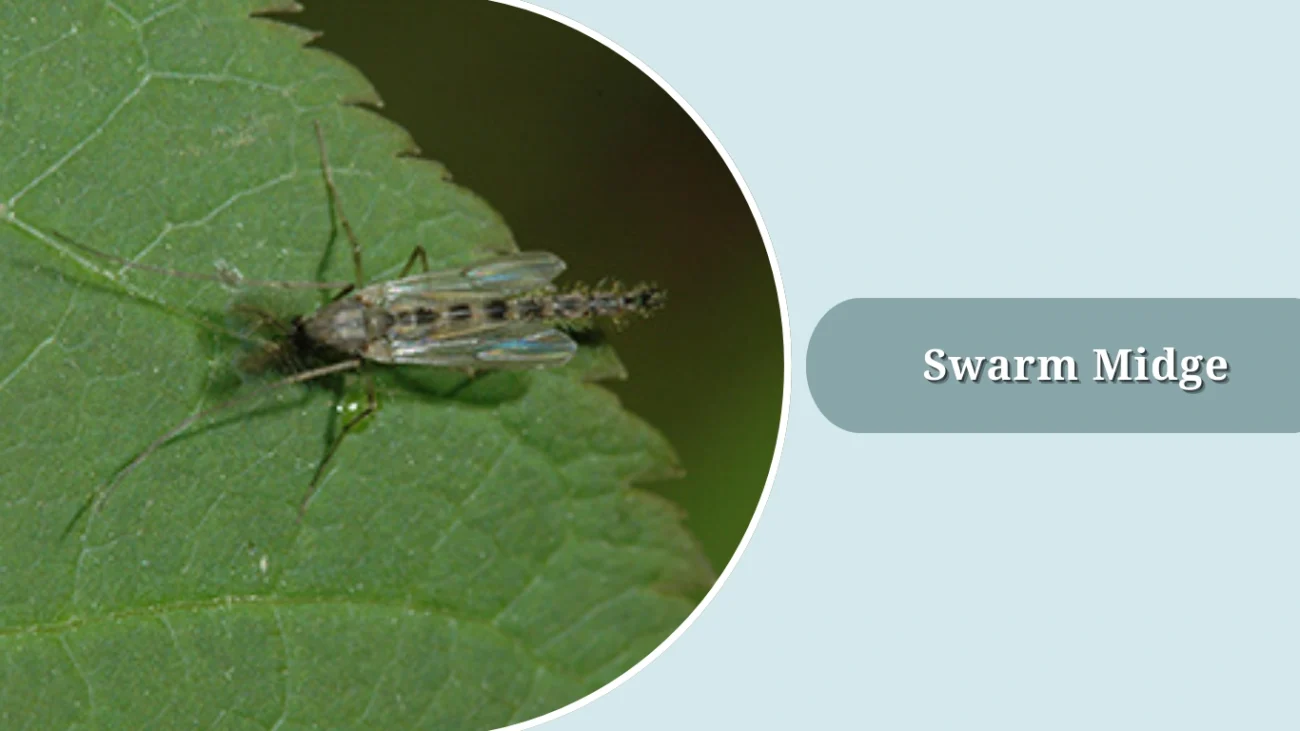
Swarm midges are well known for their habit of gathering in vast numbers, forming dense clouds that can sometimes overwhelm people and animals nearby. Although they may resemble mosquitoes, they are non-biting and harmless. Their synchronized swarming is one of their most defining characteristics.
Identification
- Small to medium size (2–7 mm long)
- Slender body, often dark-colored (brown, black, or greenish)
- Long legs and narrow wings
- Males frequently have feathery antennae
- Larvae are worm-like, often pale or reddish
Habitat
They are typically found near lakes, rivers, ponds, and marshes. Larvae develop in aquatic sediments, while adults gather in swarms above water surfaces, grassy fields, or illuminated areas at night.
Behavior
As their name suggests, swarming is their dominant behavior. They often form massive, dancing columns that can be seen rising above vegetation or water at dusk and dawn. Though harmless, these swarms can be a nuisance when they occur in residential or recreational areas.
Diet
Adult swarm midges do not feed much, though some may take in nectar or plant juices. Larvae feed on organic debris, algae, and microorganisms in aquatic habitats, contributing significantly to the food chain and nutrient cycling.
Lifecycle
Their life cycle includes egg, larva, pupa, and adult. Eggs are laid in or on water surfaces, larvae burrow into sediment, and pupation occurs underwater. Adults emerge en masse, forming spectacular swarms that last only a few days as they reproduce before dying.
18. Sediment Midge

Sediment midges are aquatic insects whose larvae live within the sediments of rivers, lakes, and ponds. They play a vital role in breaking down organic matter and recycling nutrients, making them an important part of freshwater ecosystems.
Identification
- Small to medium size (2–8 mm long)
- Adults resemble mosquitoes but are non-biting
- Slender body with long legs and narrow wings
- Larvae are worm-like, usually pale or reddish depending on oxygen levels
- Males often have feathery antennae
Habitat
They are strongly associated with aquatic sediments at the bottom of lakes, ponds, rivers, and wetlands. Larvae burrow into mud or detritus, while adults remain near water bodies where they form swarms.
Behavior
Sediment midges are non-biting and harmless to humans. Their larvae are burrowers, aerating sediment as they move and feed. Adults often gather in swarms at dusk and can sometimes be attracted to lights.
Diet
Adults typically do not feed, or at most consume nectar or plant juices. Larvae feed on algae, microorganisms, and decompose organic matter in sediment, playing a crucial role in nutrient recycling.
Lifecycle
Their lifecycle follows the typical pattern of egg, larva, pupa, and adult. Eggs are laid on water surfaces and sink to the sediment. Larvae develop in mud or detritus, pupate within their burrows, and emerge as adults to reproduce in swarms.
19. Crane Midge

Crane midges are delicate, long-legged flies that resemble small crane flies but belong to the midge family. They are harmless to humans and are most often seen near wetlands and other moist habitats.
Identification
- Medium size (5–10 mm long)
- Slender body with very long, thin legs
- Brown, gray, or dark-colored body
- Transparent wings with simple venation
- Larvae are elongated, pale, and worm-like
Habitat
Crane midges are commonly found in wetlands, marshes, damp meadows, and along riverbanks. Their larvae live in moist soil or aquatic sediments, depending on the species.
Behavior
They are weak fliers and usually stay close to the ground or vegetation. Unlike mosquitoes, they do not bite and are harmless. Adults are often overlooked due to their small size but can be seen resting on leaves or flying in clusters near water.
Diet
Adult crane midges generally do not feed, or they may consume nectar occasionally. Larvae feed on decaying plant material, fungi, and organic debris in soil or sediment, contributing to decomposition and nutrient cycling.
Lifecycle
The lifecycle includes egg, larva, pupa, and adult stages. Eggs are laid in moist soil or near water, larvae grow by feeding on organic matter, and pupation occurs in the soil before adults emerge. Their lifespan as adults is short, focusing mainly on reproduction.
20. Culicoides Midge

Culicoides midges, also known as “biting midges” or “no-see-ums,” are some of the most notorious members of the midge family. Despite their tiny size, their painful bites and role as disease vectors make them significant both medically and agriculturally.
Identification
- Very small size (1–3 mm long)
- Dark gray to black body
- Short legs with a compact appearance
- Wings patterned with spots or hairs
- Difficult to see with the naked eye, earning the nickname “no-see-ums”
Habitat
They are found in moist environments such as marshes, coastal areas, riverbanks, and damp soil. Larvae develop in wet ground, mud, or decaying organic matter, making these habitats essential for reproduction.
Behavior
Culicoides midges are most active during dawn and dusk. Females are aggressive biters, targeting humans, livestock, and wild animals. They fly in swarms and are attracted to carbon dioxide, body heat, and odors.
Diet
Female Culicoides midges feed on blood, which is necessary for egg development. They target mammals, birds, and sometimes reptiles. Males, on the other hand, do not bite and typically feed on nectar or plant juices.
Lifecycle
Their lifecycle consists of egg, larva, pupa, and adult. Eggs are laid in damp soil or organic debris. Larvae feed in moist habitats before pupating, and adults emerge to feed and reproduce. Multiple generations can occur during warm seasons, leading to high population densities.
21. Forcipomyia Midge

Forcipomyia midges are a diverse group of small flies belonging to the family Ceratopogonidae. While some species bite, many are harmless. They are also known for their ecological importance, with certain species acting as pollinators for tropical plants like cacao.
Identification
- Tiny in size (1–3 mm long)
- Dark gray or black body
- Slender build with short legs
- Wings often with faint spots or hairs
- Males usually have feathery antennae
Habitat
They are widely distributed and thrive in damp environments such as wetlands, forest edges, riverbanks, and even agricultural areas. Larvae live in moist soil, rotting vegetation, or muddy ground.
Behavior
Some Forcipomyia species are biting midges, with females feeding on blood, while others do not bite. A unique feature of this group is that certain species are pollinators, including those responsible for pollinating cacao flowers, which makes them vital to chocolate production.
Diet
Biting females feed on the blood of mammals, birds, and reptiles. Non-biting species consume nectar or plant juices. Larvae feed on decomposing plant material, fungi, and microorganisms found in soil or decaying vegetation.
Lifecycle
The life cycle includes egg, larva, pupa, and adult. Eggs are laid in moist or decaying matter, larvae feed and develop in soil or rotting vegetation, and pupation occurs in damp environments before adults emerge. Depending on the species, multiple generations can occur in a single season.
22. Chironomus Midge

Chironomus midges are one of the most well-known genera of non-biting midges. They are especially recognized for their red larvae, commonly called bloodworms, which are a major food source in freshwater habitats. Although adults resemble mosquitoes, they do not bite and are harmless to humans.
Identification
- Medium-sized (5–12 mm long)
- Adults have slender, mosquito-like bodies
- Males have bushy, feathery antennae
- Larvae are bright red due to hemoglobin content
- Wings are clear and held roof-like over the body when at rest
Habitat
They are found near lakes, rivers, ponds, and reservoirs. Larvae live in aquatic sediments, particularly in areas with low oxygen levels where their hemoglobin helps them survive. Adults swarm above water or vegetation near breeding sites.
Behavior
Chironomus midges are harmless and non-biting. Adults form dense swarms during warm evenings, often around water bodies. Their synchronized hatching can sometimes result in massive emergences that attract fish, birds, and insects.
Diet
Adults generally do not feed or consume only nectar. Larvae feed on detritus, algae, and microorganisms in sediments, helping recycle nutrients and support aquatic food webs.
Lifecycle
Their lifecycle includes egg, larva, pupa, and adult. Eggs are laid on the surface of water in gelatinous masses. Larvae burrow into mud or sediment, pupate underwater, and emerge in large swarms as adults.
23. Smut Midge

Smut midges are small flies that are closely associated with fungi, particularly smut fungi that infect plants. Unlike many other midges, they are not tied to aquatic environments but instead thrive in habitats rich in decaying organic matter and fungal growth.
Identification
- Tiny in size (1–3 mm long)
- Dark-colored body, usually brown or black
- Slender build with narrow, clear wings
- Larvae are pale, worm-like, and often found in association with fungi
- Adults resemble other small non-biting midges
Habitat
They are most commonly found in fields, grasslands, and areas with abundant fungi, especially where smut fungi infect cereal crops and grasses. They also occur in woodland litter rich in fungal material.
Behavior
Smut midges are non-biting and harmless to humans and animals. Adults are weak fliers and typically stay near the ground or fungal hosts. Their behavior is strongly linked to the presence of fungi, where they reproduce and complete their life cycle.
Diet
Adults may feed on nectar or not feed at all. Larvae feed on fungi, particularly smut fungi associated with grasses and crops, which makes them both ecologically significant and sometimes agriculturally relevant.
Lifecycle
Their lifecycle includes egg, larva, pupa, and adult. Eggs are laid near fungal hosts, larvae develop while consuming fungi, and pupation occurs in soil or leaf litter. Adults emerge soon after to continue the cycle, often with multiple generations per year.
24. Beech Gall Midge

The beech gall midge is a specialized insect that targets beech trees, where its larvae induce the formation of small galls on leaves. These galls provide food and protection for the developing larvae. While they may alter the appearance of beech leaves, they generally do not cause serious harm to the tree.
Identification
- Very small size (1–2 mm long)
- Slender body with delicate, transparent wings
- Adults resemble tiny mosquitoes
- Larvae are pale or yellowish and live inside galls
- Galls appear as small swellings or blisters on beech leaves
Habitat
This species is closely associated with beech trees in woodlands, parks, and forests. The midges rely on beech leaves as their primary host for reproduction and development.
Behavior
Adults are weak fliers and short-lived, spending most of their lives focused on reproduction. Females lay eggs on beech leaves, where larvae quickly induce gall formation. The galls provide protection from predators and environmental stress.
Diet
Adults typically do not feed, though some may take in small amounts of nectar or plant fluids. Larvae feed directly on plant tissues inside the galls, using the shelter for both food and protection.
Lifecycle
Their lifecycle follows egg, larva, pupa, and adult stages. Eggs are laid on beech leaves, larvae develop within the galls, and pupation occurs inside or near the gall. Adults emerge to reproduce, often with multiple generations during a single growing season.
25. Hessian Fly (a type of Gall Midge)

The Hessian fly is a notorious agricultural pest belonging to the gall midge family. It is best known for infesting wheat and related cereal crops, where its larvae damage plants by feeding on stems and preventing healthy growth. This insect has had significant economic impacts on wheat production worldwide.
Identification
- Small size (2–4 mm long)
- Dark brown to black body
- Transparent wings with fine venation
- Adults resemble tiny mosquitoes
- Larvae are white, later turning reddish as they mature
Habitat
Hessian flies are closely tied to cereal crops such as wheat, rye, and barley. They thrive in agricultural fields where host plants are grown, and infestations are often worst in monoculture farming systems.
Behavior
Adults are weak fliers and usually remain close to host plants. Females lay eggs on the leaves of wheat plants. Once larvae hatch, they migrate to the plant’s stem base, where they feed and cause significant damage. Heavy infestations can lead to lodging (plants falling over) and reduced crop yields.
Diet
Adult Hessian flies do not feed. Larvae feed directly on plant sap within the stems of wheat and other cereals, weakening the plants and stunting their growth.
Lifecycle
The lifecycle consists of egg, larva, pupa, and adult. Eggs are laid on young leaves, larvae migrate to stems to feed, and pupation occurs within the plant as “flaxseeds,” a hardened pupal case. Adults emerge to continue the cycle, often with multiple generations per year depending on climate.


