










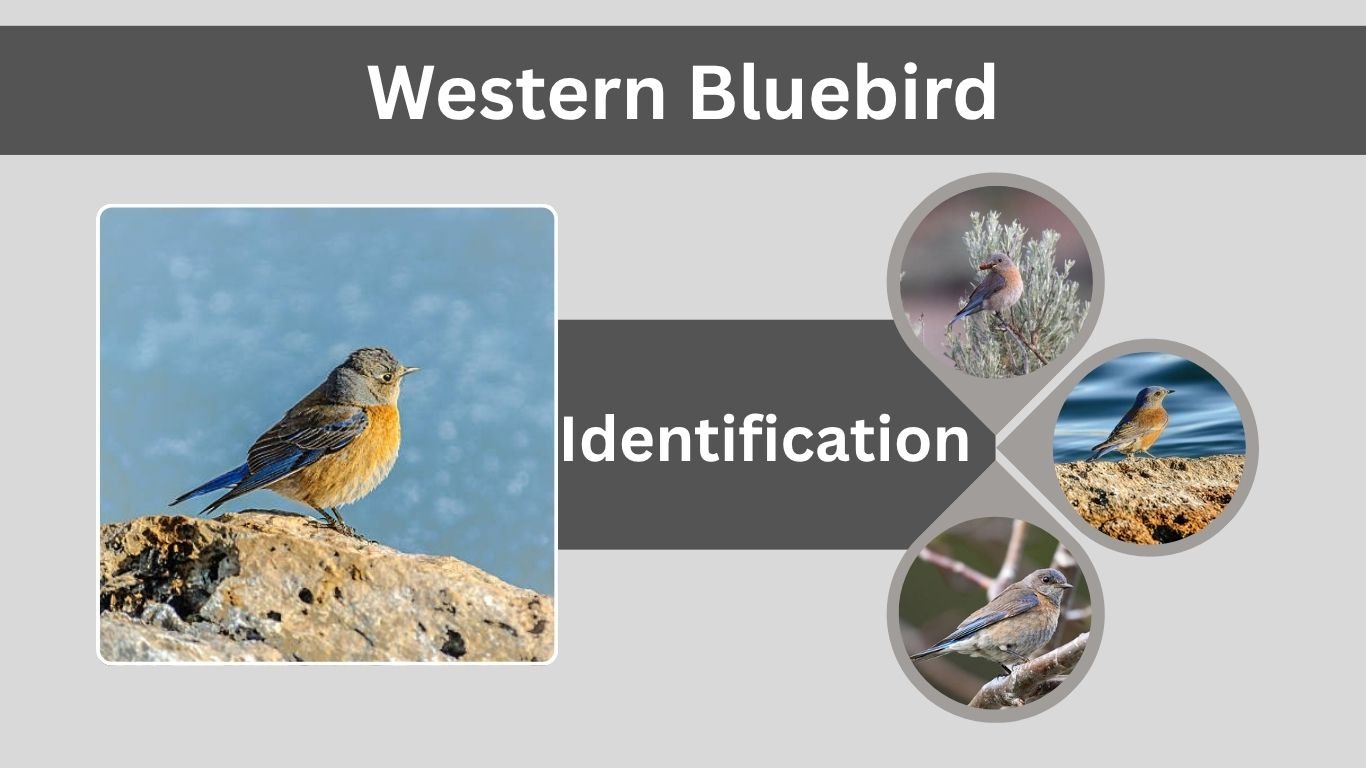
Identification,
The Western Bluebird (Sialia mexicana) is one of the most charming and vividly colored birds in North America. Known for its deep blue plumage and warm orange breast, it symbolizes happiness and renewal in many cultures. Found across the western United States, these small songbirds thrive in open woodlands and meadows. This article explores their identification, habitat, nesting, diet, and fascinating behaviors, offering insights for bird lovers and nature observers alike.
Identification and Appearance
Physical Characteristics
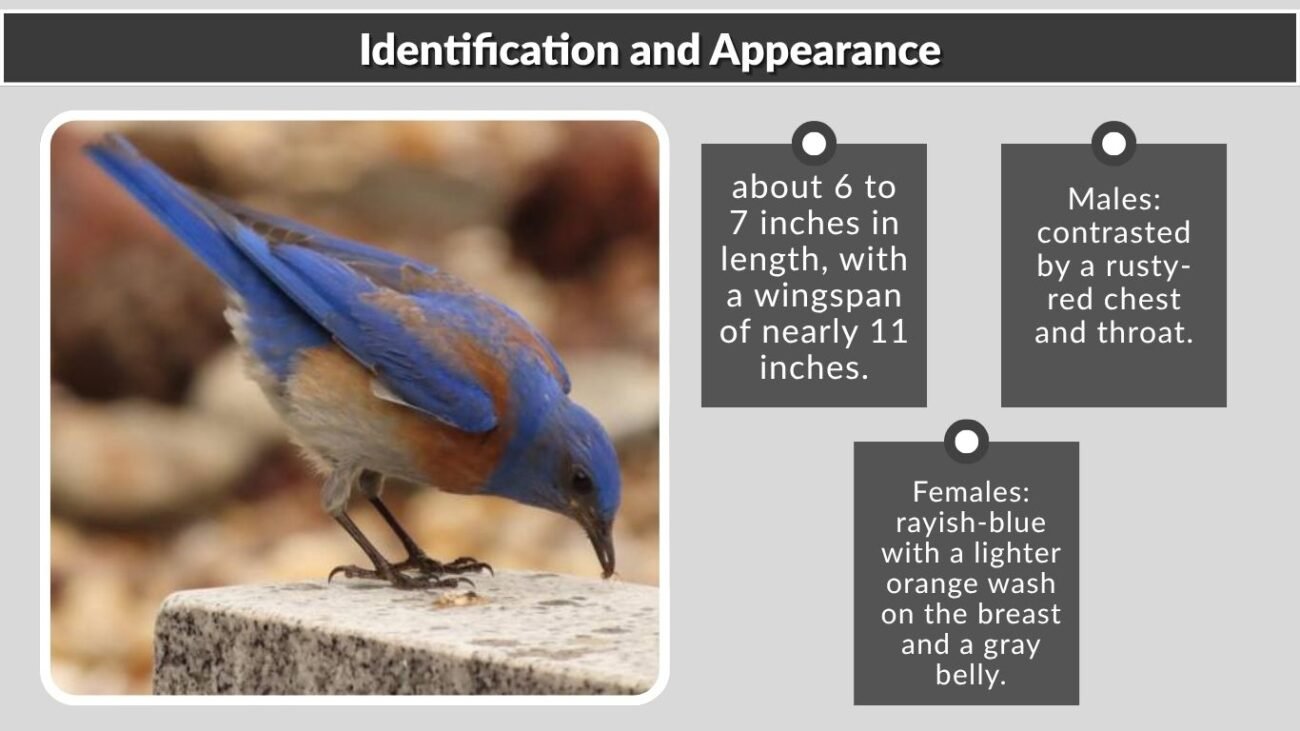
The Western Bluebird is a small, round-bodied bird, about 6 to 7 inches in length, with a wingspan of nearly 11 inches. Males display vibrant royal-blue feathers on their head, wings, and tail, contrasted by a rusty-red chest and throat. Females, however, are softer in tone—grayish-blue with a lighter orange wash on the breast and a gray belly. This sexual dimorphism helps observers distinguish between genders at a glance.
Their compact body and short tail make them agile fliers, often seen flitting between tree branches or hovering low over fields in search of insects. During winter, their feathers may appear duller, offering better camouflage in sparse, grayish landscapes.
Male vs. Female Western Bluebird
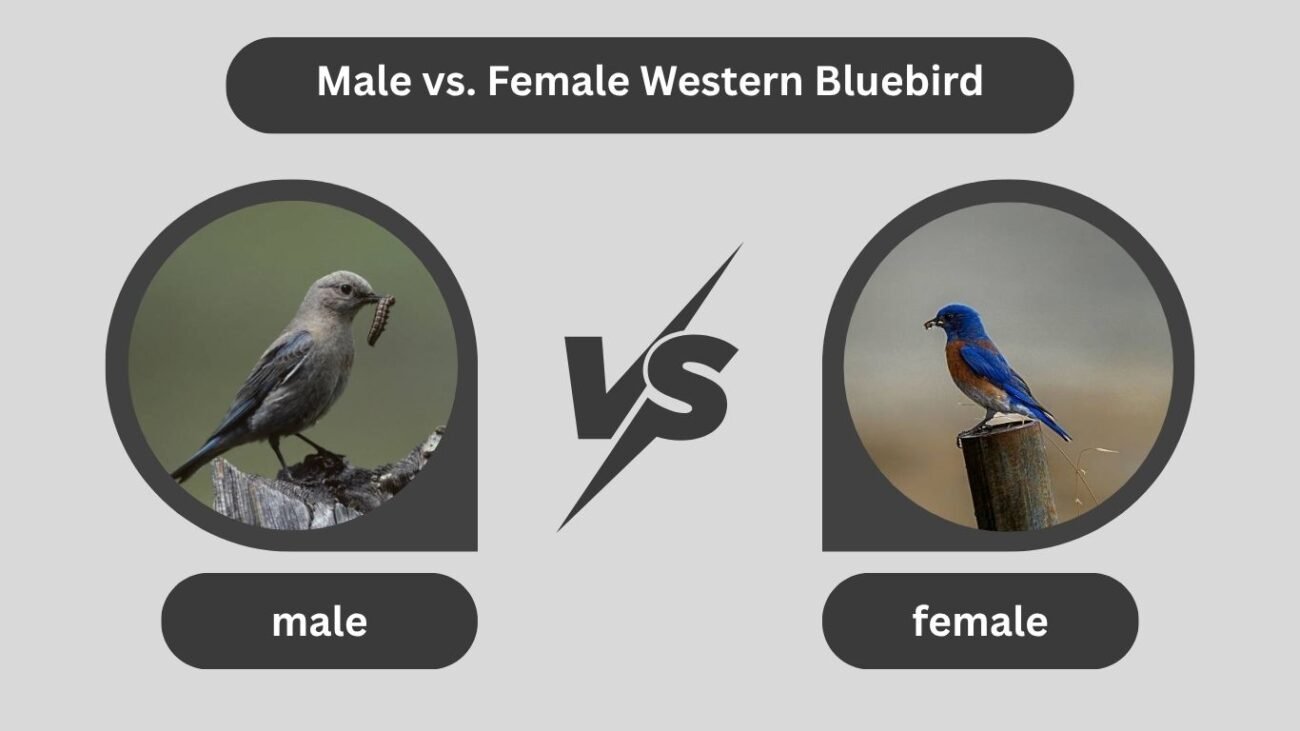
Male Western Bluebirds are strikingly colorful, using their vivid blue and orange hues to attract mates during breeding season. Females, though less brilliant, are equally graceful. Their subdued coloration provides excellent camouflage when nesting, protecting eggs and chicks from predators. During courtship, males perform gentle fluttering displays, presenting nesting materials or singing near potential mates to establish pair bonds.
Juvenile and Fledgling Identification
Juvenile Western Bluebirds have a grayish-brown body with faint blue tinges on the wings and tail. Their speckled chest helps blend them into tree bark, offering protection. As they mature, their plumage gradually turns bluer, and by their first spring, young males begin to resemble adult males. Fledglings often remain near their parents for a few weeks after leaving the nest, learning to forage and navigate their environment.
Habitat and Geographic Range

Preferred Environments
Western Bluebirds prefer open woodlands, meadows, and forest edges dotted with scattered trees. They are particularly drawn to oak and pine forests where natural cavities provide ideal nesting sites. These birds also adapt well to semi-rural and suburban areas, where they may utilize nest boxes or tree hollows near homes and gardens.
They thrive in diverse habitats, from coastal regions of California to the high plateaus of Utah and Arizona. Access to open ground for foraging and trees for nesting is key to their survival.
Western Bluebird Range Map
The Western Bluebird’s range spans the western half of North America—from southern British Columbia and western Washington down through California, Nevada, and Arizona, reaching as far east as New Mexico and Texas. Some populations remain year-round residents in mild climates like coastal California, while others migrate short distances to warmer regions during winter.
In Oregon, Colorado, and Utah, they are commonly sighted during spring and summer breeding seasons. Their adaptability allows them to coexist with humans in parks, orchards, and vineyards, where they help control insect populations naturally.
Behavior and Life Cycle
Daily and Seasonal Behavior
Western Bluebirds are social and cooperative birds, often seen in small flocks outside the breeding season. They perch on fences or low branches, scanning for insects on the ground. Their behavior changes with the seasons—during spring and summer, they focus on nesting and raising young, while in fall and winter, they form loose groups to forage for berries and seeds.
They exhibit strong territorial instincts during breeding, with males defending nesting sites vigorously. Outside the nesting season, however, they display peaceful flocking behavior, especially in regions where food is plentiful.
Nesting Season and Habits
Nesting begins as early as February in warmer climates and extends through July. Western Bluebirds are cavity nesters, relying on old woodpecker holes or man-made nest boxes. The female constructs the nest using grass, pine needles, and animal hair, forming a soft cup where she lays 4–6 pale blue eggs.
Both parents share responsibilities—males provide food while females incubate. After hatching, chicks remain in the nest for about three weeks before fledging. Interestingly, some pairs may raise two broods in one season if conditions are favorable.
Lifespan and Survival
In the wild, Western Bluebirds typically live between 6 and 10 years, though many face challenges from predators such as snakes, cats, and larger birds. Competition for nesting sites with invasive species like House Sparrows and European Starlings also affects their population. However, conservation efforts, including nest box programs and habitat protection, have helped stabilize their numbers across much of their range.
Diet and Feeding Habits

What Do Western Bluebirds Eat?
Western Bluebirds have a diet that changes with the seasons. In spring and summer, they primarily eat insects—beetles, caterpillars, grasshoppers, and ants—capturing them from the ground or midair. During fall and winter, when insects are scarce, they switch to berries and small fruits from plants such as mistletoe, juniper, and elderberry.
Their method of feeding, known as “drop-hunting,” involves perching on a low branch and swooping down to catch prey. This efficient hunting style allows them to conserve energy while securing food for their chicks and flock.
Vocalizations and Calls
Western Bluebird Song and Call Types
The Western Bluebird is known for its gentle, melodious voice. Its song is a series of soft, warbling notes that sound like “cheer cheerful charmer”—a soothing tune often heard at dawn or during courtship. The calls serve multiple purposes: warning signals, mate communication, and territorial defense.
Compared to other bluebird species, the Western Bluebird’s song is lower and more mellow. The male usually sings from a high perch, especially during early morning hours, to attract mates and proclaim his territory.
What Does a Western Bluebird Sound Like?
Their typical call is a short, “few” or “chew” note, sometimes repeated several times. During flight, they emit a softer “tru-ly” sound, maintaining contact with flock members. Birdwatchers can often distinguish Western Bluebirds from Eastern or Mountain Bluebirds by the deeper, less metallic tone of their calls.
Listening closely to their songs is a delightful way to locate them, particularly in spring when males sing persistently to court females and defend nesting sites.
Nest Boxes and Birdhouses
Ideal Nest Box Design
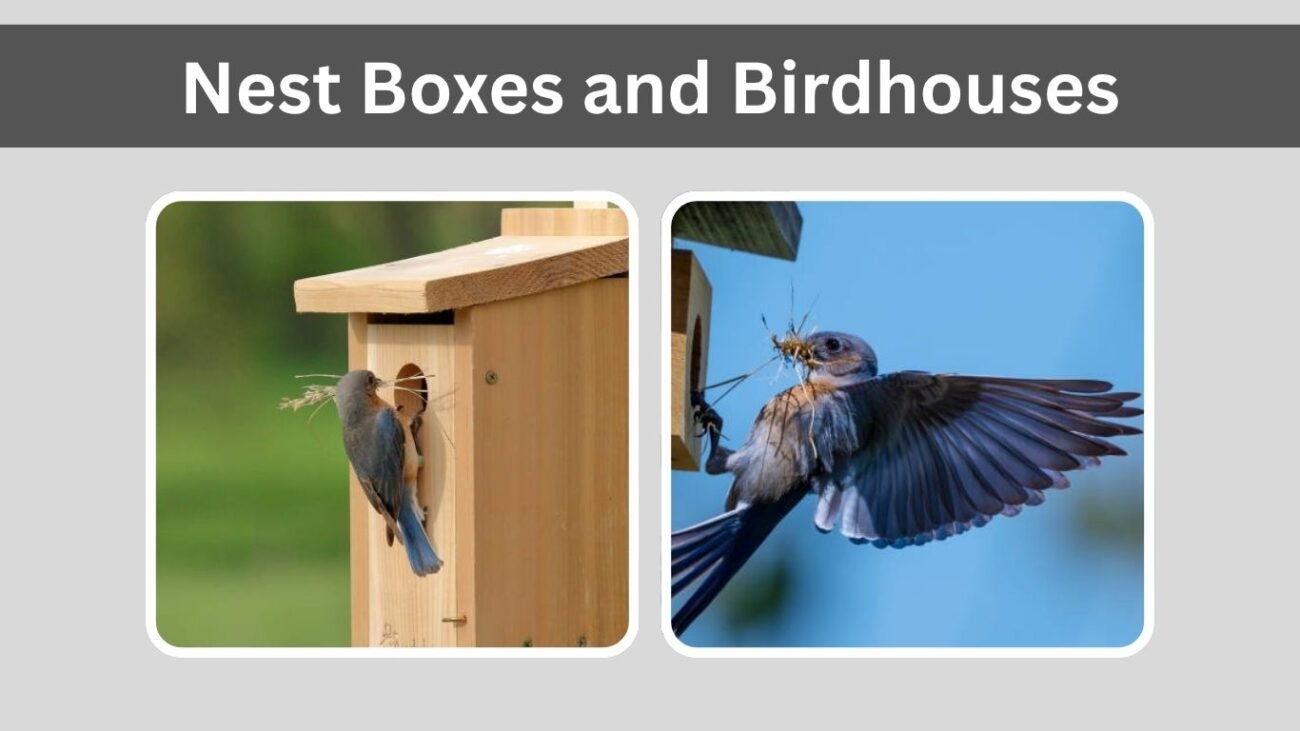
Because Western Bluebirds are cavity nesters, they readily accept man-made nest boxes. The ideal birdhouse should have an entrance hole of about 1.5 inches (3.8 cm)—just large enough for bluebirds but too small for starlings. The interior should measure roughly 5 x 5 inches and stand 8–10 inches deep.
Placement is key: boxes should be mounted 4 to 6 feet above the ground, facing open fields or meadows, and spaced at least 100 yards apart to reduce competition. A slanted roof and drainage holes help keep the nest dry, while predator guards around the entrance prevent intrusion.
Western Bluebird Birdhouse Plans
DIY birdhouse plans for Western Bluebirds are widely available and simple to build. Untreated wood such as cedar or pine is best since it provides insulation and breathability. Boxes should be installed before the breeding season—ideally in late winter.
Regular cleaning after each nesting cycle ensures that parasites and old nesting materials don’t accumulate. Many bird enthusiasts also monitor nest boxes, recording egg counts and fledgling success rates to contribute to bluebird conservation efforts.
Migration and Seasonal Movement
Do Western Bluebirds Migrate?
Western Bluebirds are considered partial migrants, meaning some populations move seasonally while others remain year-round. In areas with mild winters, such as coastal California or southern Arizona, they tend to stay put. In colder inland or northern regions, they migrate short distances south or to lower elevations to find food.
Migration patterns depend heavily on weather conditions and food availability. During colder months, they form loose flocks of up to 50 birds, roving through open habitats in search of berries and other winter fruits. When spring returns, they disperse to breeding territories once again.
Symbolism and Meaning
Spiritual and Cultural Significance
The Western Bluebird holds deep symbolic meaning across various cultures. Often seen as a symbol of joy, renewal, and good fortune, its bright plumage and cheerful song have inspired art and poetry for centuries. In Native American lore, the bluebird represents the arrival of spring and the victory of light over darkness.
Spiritually, seeing a Western Bluebird is thought to be a sign of happiness and emotional clarity. Birdwatchers often associate it with serenity and the simple beauty of nature, reinforcing its reputation as a messenger of peace and hope.
Comparisons with Similar Species
Western Bluebird vs. Eastern Bluebird
While both species share similar size and shape, they differ in coloration and habitat. The Western Bluebird has a blue head and wings with an orange-red chest and a grayish belly, whereas the Eastern Bluebird sports a brighter red chest and a white underbelly. Geographically, the Eastern Bluebird dominates the eastern United States, while the Western species thrives in the west.
Behaviorally, both species are cavity nesters and insectivorous, but their songs and calls vary slightly—the Eastern Bluebird’s being higher and sharper.
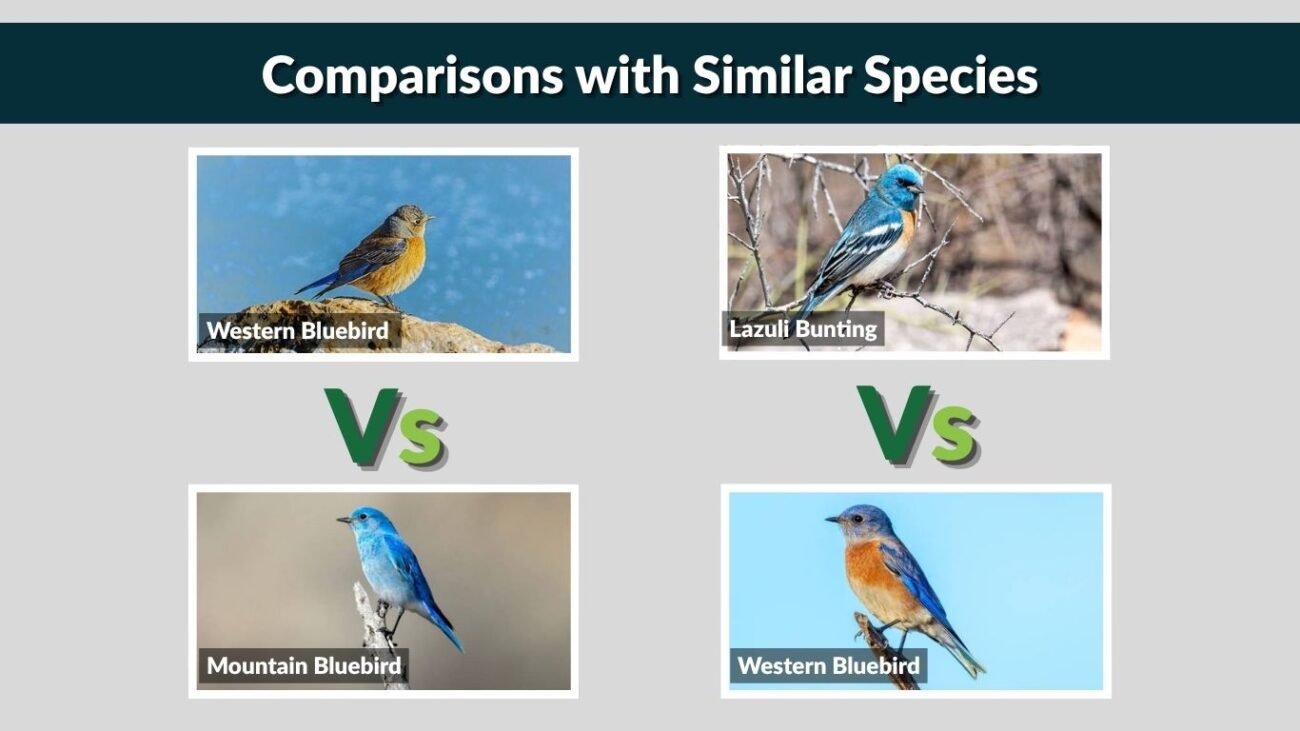
Western Bluebird vs. Mountain Bluebird
The Mountain Bluebird is lighter in shade, with males displaying an almost entirely sky-blue body. Unlike the Western Bluebird, Mountain Bluebirds prefer open, treeless habitats at higher elevations. The Western Bluebird’s reddish chest sets it apart and helps identify it in overlapping regions.
Lazuli Bunting vs. Western Bluebird
At a quick glance, Lazuli Buntings can be mistaken for Western Bluebirds due to their blue coloration. However, Lazuli Buntings are smaller and have a bright blue head with a white belly and orange breast band. Bluebirds are stockier with shorter beaks and different flight patterns.
Fun and Lesser-Known Facts
- Western Bluebirds often reuse nesting sites for several years.
- They are one of the few songbird species where older offspring may help parents raise a new brood.
- Their gentle nature allows them to coexist with humans, making them popular backyard visitors.
- A group of bluebirds is called a “charm,” fitting their delightful personality.
- They play a vital ecological role by controlling insect populations naturally.
Key Takeaways
- Western Bluebirds are small, vividly colored songbirds found throughout the western United States.
- Males are bright blue and orange; females are grayish-blue with subtle coloration.
- They prefer open woodlands and use natural or artificial cavities for nesting.
- Their diet includes insects, fruits, and berries depending on the season.
- Nest boxes play a crucial role in supporting their conservation and breeding success.
FAQs About Western Bluebirds
Are Western Bluebirds endangered?
No, Western Bluebirds are not currently endangered. However, they faced population declines in the 20th century due to habitat loss and competition from invasive species. Conservation programs and nest box initiatives have successfully boosted their numbers across the western U.S.
How long do Western Bluebirds live?
In the wild, Western Bluebirds can live up to 10 years, though many survive about 6 to 8 years. Their lifespan depends on environmental conditions, food availability, and predator exposure. Birds nesting in safe, managed habitats often enjoy longer lives.
What kind of birdhouse is best for them?
A wooden nest box with an entrance hole of 1.5 inches and proper ventilation is ideal. It should be mounted 4–6 feet high, facing open spaces. Avoid painting or treating the inside with chemicals, as natural wood helps maintain temperature and humidity balance.
How do I tell the difference between a male and female?
Male Western Bluebirds have vivid royal-blue plumage and a bright reddish chest, while females are grayish-blue with a softer orange wash on the breast. Females’ subtler colors help them blend into surroundings while nesting, providing natural camouflage.
Do Western Bluebirds migrate every year?
Not always. Western Bluebird migration depends on weather and food supply. Populations in mild regions like California often stay year-round, while those in colder areas migrate short distances southward during winter to find berries and shelter.


