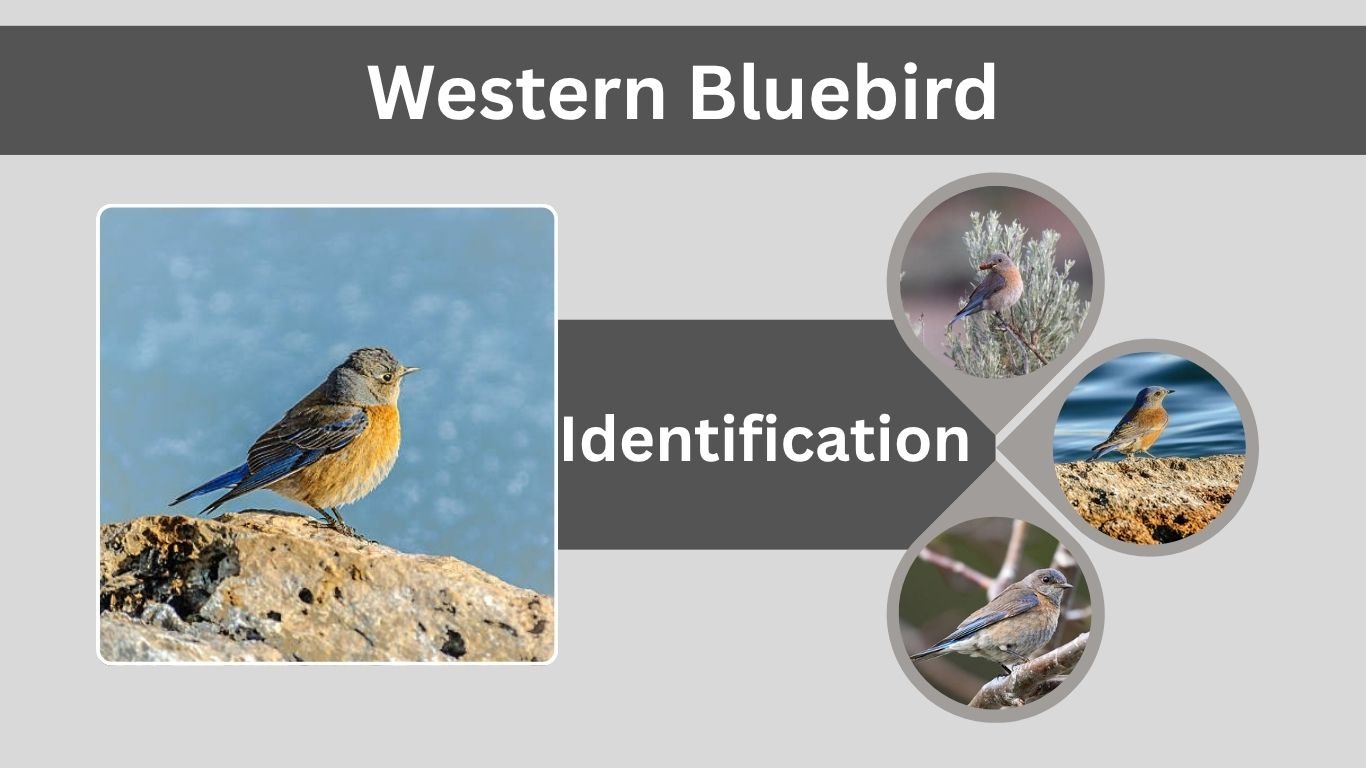
Bluebirds are among North America’s most cherished songbirds, known for their bright plumage and gentle nature. Their eggs are just as fascinating — delicate, colorful, and symbolic of springtime renewal. Understanding bluebird eggs helps birdwatchers, photographers, and nature lovers connect more deeply with these creatures. In this guide, you’ll learn about bluebird egg color, nesting habits, hatching time, and the care these devoted parents provide.
What Do Bluebird Eggs Look Like?

Color and Appearance
Bluebird eggs are typically a soft, powdery blue, resembling a pale sky color. However, not all eggs are identical — around 5–9% of bluebird clutches contain white eggs instead. These white eggs come from genetic variations, not from different species. Occasionally, faint brown speckles may appear, though that’s quite rare.
Each egg is smooth, glossy, and oval, measuring about 0.8 inches long and 0.6 inches wide. The uniform shape and texture make them easy to distinguish from other cavity-nesting birds’ eggs.
Bluebird Eggs vs. Robin Eggs
At first glance, robin eggs may look similar to bluebird eggs because both are blue. However, robin eggs are larger and a darker turquoise shade, while bluebird eggs are smaller and lighter in tone.
A simple field tip: robins often nest on tree branches in open cups, while bluebirds prefer nest boxes or natural cavities, so location helps in identification. Starling eggs, by contrast, tend to be grayish or greenish-blue, helping birders avoid confusion.
Species Variations of Bluebird Eggs
Eastern Bluebird Eggs
The Eastern Bluebird lays some of the most iconic blue eggs — pale blue, smooth, and glossy. White eggs occur in about 4–5% of nests. These eggs are roughly 0.8 inches long and weigh about 2 grams each.
Their nests are built from pine needles, grasses, and small twigs, often in man-made nest boxes. Eastern Bluebirds generally lay 4 to 5 eggs per clutch, though occasionally up to seven.
Western and Mountain Bluebird Eggs
The Western Bluebird also lays light blue eggs, but they can appear slightly palest or whiter in some clutches. The Mountain Bluebird, on the other hand, produces eggs that may look shinier or more saturated in color, though still a soft blue overall.
Differences in egg color are influenced by diet, altitude, and environmental factors — especially calcium levels and sunlight exposure.
Bluebird Egg Size and Quantity

How Many Eggs Do Bluebirds Lay?
Bluebirds usually lay between three and seven eggs in a single clutch. Eastern Bluebirds typically average five eggs, while Western and Mountain Bluebirds may lay slightly fewer.
Egg-laying occurs at a rate of one egg per day, generally in the early morning hours. Once the clutch is complete, the female begins incubation. Larger clutches are common in warmer regions with abundant food.
How Many Times a Year Do Bluebirds Lay Eggs?
Most bluebirds are multi-brooded, meaning they raise two to three sets of chicks each year.
- The first clutch typically appears in early spring (March or April).
- The second brood follows about a month later.
- In southern areas, a third clutch may occur by late July or August.
This ability to re-nest helps bluebirds recover quickly from lost clutches due to weather or predators.
When Do Bluebirds Lay Their Eggs?
Timing of Egg Laying
Bluebirds start laying eggs as early as late March in southern states and around April or May in northern regions. The timing depends on temperature, daylight hours, and food supply.
Females wait until they’ve built a stable nest and mated successfully before egg-laying begins. Once started, the female typically lays one egg each morning until the clutch is complete.
Do Bluebirds Lay Eggs in the Fall?
In rare cases, bluebirds may lay eggs in September or early October, particularly in warmer climates. These late broods are risky because cooler temperatures and shorter days can reduce insect availability. While it’s uncommon, fall egg-laying does occasionally succeed if the weather remains mild long enough for fledglings to mature.
Bluebird Nesting Behavior
Nest Appearance and Location
Bluebird nests are simple yet tidy constructions made mostly by the female. They prefer tree cavities, fence posts, or nest boxes that mimic hollow trees. The nests are cup-shaped, lined with fine grasses or pine needles, and rarely contain feathers or soft materials.
This neat structure helps identify bluebird nests compared to other birds, such as wrens (messy, twig-filled nests) or chickadees (lined with moss and fur).
Bluebird Eggs in the Nest
The female lays her eggs one at a time, often in the early morning. She doesn’t start incubating until all eggs are laid, ensuring they hatch at roughly the same time. This synchronized hatching increases the survival chances of each chick since they all develop together and receive equal care once feeding begins.
Incubation and Hatching Process
Incubation Period
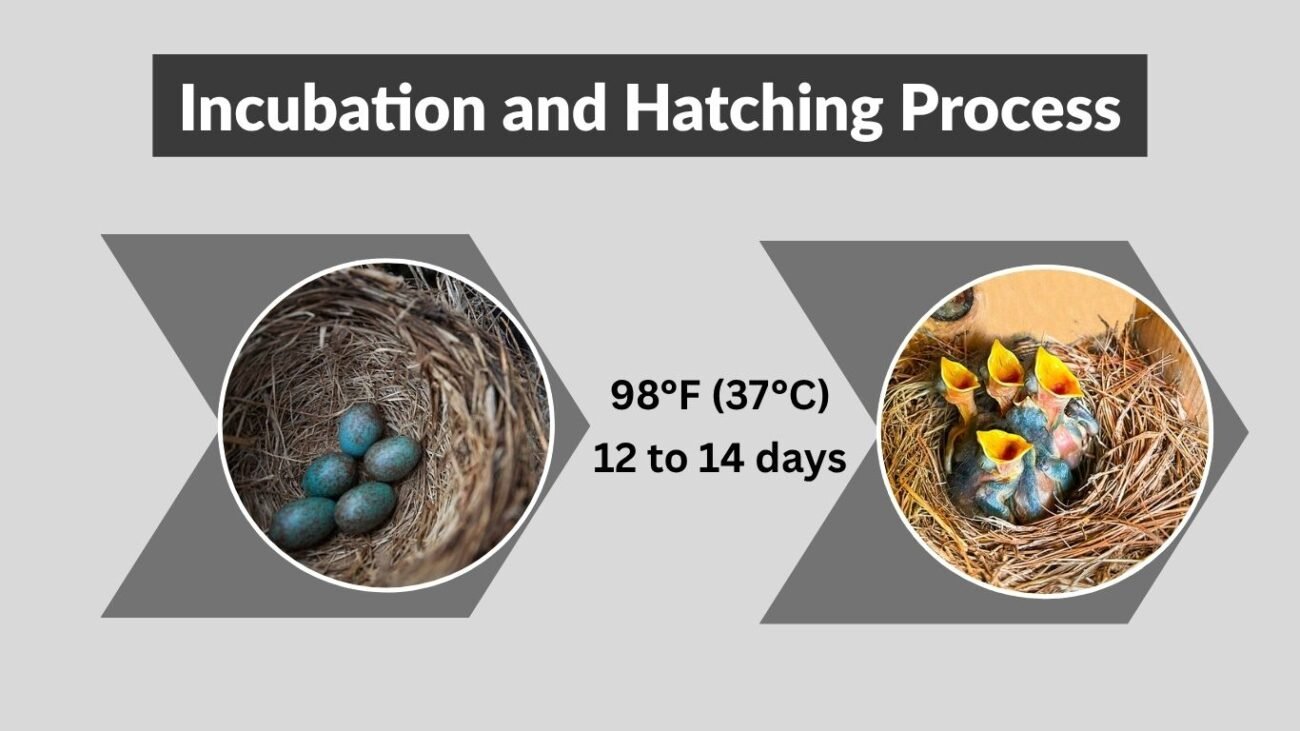
Once the clutch is complete, the female bluebird begins incubation. This phase usually lasts 12 to 14 days, though cooler temperatures can extend it slightly. During this period, the female rarely leaves the nest except for quick feeding trips.
The male bluebird plays a vital role — he stands guard nearby and brings food to his mate, helping her maintain warmth and energy. The eggs remain warm at around 98°F (37°C), ensuring proper embryo development.
Hatching and Nestling Stage
When the incubation period ends, all eggs usually hatch within 24 hours of one another. Newly hatched chicks are blind, featherless, and completely dependent on their parents.
For the next 17 to 21 days, both parents feed the chicks a steady diet of insects, worms, and berries. As the days pass, chicks open their eyes, grow down feathers, and start exercising their wings.
By the end of three weeks, the young are ready to fledge (leave the nest). Even after fledging, the parents continue feeding and protecting them for several more days.
Parental Care and Egg Protection
Do Bluebirds Sit on Their Eggs?
Yes — female bluebirds are solely responsible for sitting on the eggs during incubation. Their constant presence regulates temperature and humidity, both crucial for proper embryo development.
The male bluebird contributes indirectly by bringing food and defending the nesting territory from intruders like sparrows or wrens. In some cases, the male will also feed the female while she’s sitting on the nest.
Abandoned or Lost Eggs
Sometimes, observers may find eggs that seem abandoned. However, it’s important not to assume neglect too quickly. Female bluebirds may take short breaks from incubation, especially during warmer weather.
True abandonment can occur due to predation, nest disturbances, or infertility. In rare situations, the presence of cowbird eggs in the nest can confuse or discourage bluebirds from continuing incubation. Cowbirds are brood parasites, laying eggs in other species’ nests and relying on them to raise their chicks.
If a nest fails, bluebirds often rebuild nearby and try again within 10–14 days, sometimes producing another healthy clutch that same season.
Common Problems with Bluebird Eggs

Eggs Not Hatching
Several factors can cause eggs not to hatch. Infertility is one — sometimes, older or inexperienced pairs produce nonviable eggs. Cold weather can also halt embryo development if the eggs are left unheated too long.
Predators or parasites, such as ants or blowfly larvae, can invade nests and cause egg loss. In these cases, prompt cleaning of nest boxes between broods helps reduce risks for future clutches.
Eggs Disappearing
Disappearing eggs are often the result of nest predation. Snakes, raccoons, squirrels, and even other birds (like wrens or sparrows) may invade nests. Installing baffles or predator guards on nest boxes is one of the most effective preventive measures.
Occasionally, humans checking nests too frequently can scare parents away temporarily — this is why monitoring should always be done briefly and quietly.
Speckled or White Eggs
Speckled or white eggs are normal variations and not a sign of disease. White eggs, though uncommon, hatch and develop just as successfully as blue ones. Experts believe that certain females lack the pigment biliverdin, which gives the egg its blue hue. These eggs are just as viable and are part of natural diversity within the species.
Role of Bluebirds in the Ecosystem
Bluebirds are not just beautiful to watch — they play a vital ecological role. Their diet of insects like beetles, grasshoppers, and caterpillars helps control pest populations naturally.
By occupying nest boxes and cavities, they also promote biodiversity, sharing habitats with other species that benefit from their presence. Bluebirds act as indicator species, meaning their health reflects the wellbeing of their environment.
Protecting bluebird eggs and nests through habitat conservation and safe nesting programs ensures that these gentle songbirds continue to thrive across North America.
Key Takeaways
- Bluebird eggs are usually pale blue, sometimes white or lightly speckled.
- Females lay 3–7 eggs per clutch and may produce 2–3 broods each year.
- The incubation period lasts 12–14 days, followed by 17–21 days of chick rearing.
- Eastern, Western, and Mountain Bluebirds show subtle differences in egg shade and nest design.
- Protecting nests from predators and avoiding frequent disturbance helps ensure successful hatching.
FAQs
What color are bluebird eggs?
Bluebird eggs are most often a delicate sky-blue, but about 5% of nests contain white eggs. These color variations come from genetics and don’t affect hatching success. The blue color results from the pigment biliverdin, which strengthens the eggshell.
How many eggs do bluebirds lay per clutch?
Bluebirds typically lay 3 to 7 eggs, depending on the season and food availability. In favorable conditions, they may raise two or even three broods each year. Each egg is laid one per day, usually in the early morning.
How long does it take for bluebird eggs to hatch?
The eggs hatch after about 12 to 14 days of incubation. The female keeps them warm nearly constantly during this time. Once hatched, the parents feed and protect the chicks for roughly three weeks until they leave the nest.
When do bluebirds lay their eggs during the year?
Bluebirds begin nesting and laying eggs in spring (March to April) and may continue through August, depending on climate. Southern populations often start earlier, while northern bluebirds wait for milder temperatures and insect activity.
Why do some bluebird eggs fail to hatch?
Failed hatching can result from infertile eggs, cold spells, predation, or parasites. Sometimes, the female simply abandons a nonviable clutch and re-nests. Monitoring nest boxes carefully and maintaining cleanliness can help improve success rates.