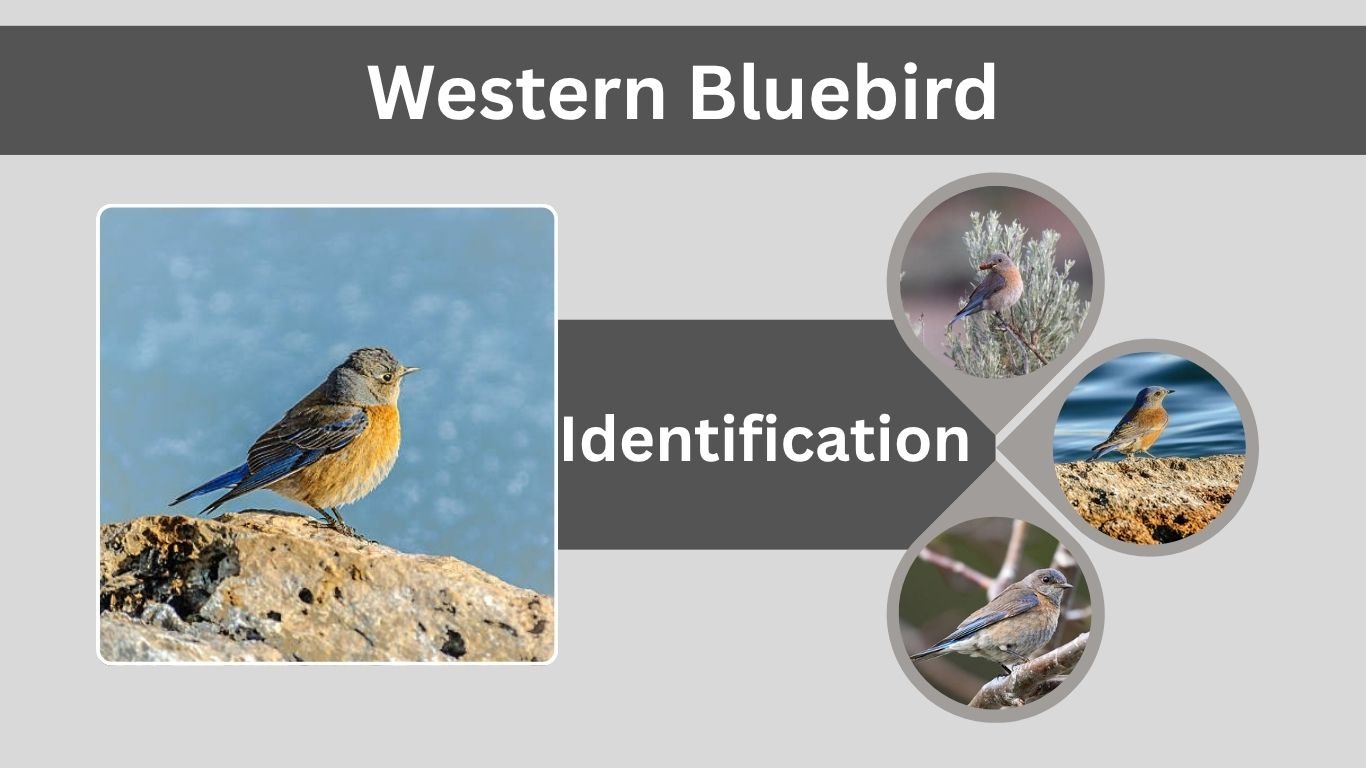
Bluebirds are among the most beloved and visually stunning songbirds in North America. With their bright plumage, gentle calls, and graceful flight, these birds symbolize happiness and renewal in many cultures. Nature lovers often wonder if bluebirds mate for life, given their affectionate nesting behavior and cooperative parenting. This article explores their mating habits, life cycle, species differences, habitat, and how long these charming birds live in the wild.
Do Bluebirds Mate for Life?
Understanding Bluebird Pair Bonds
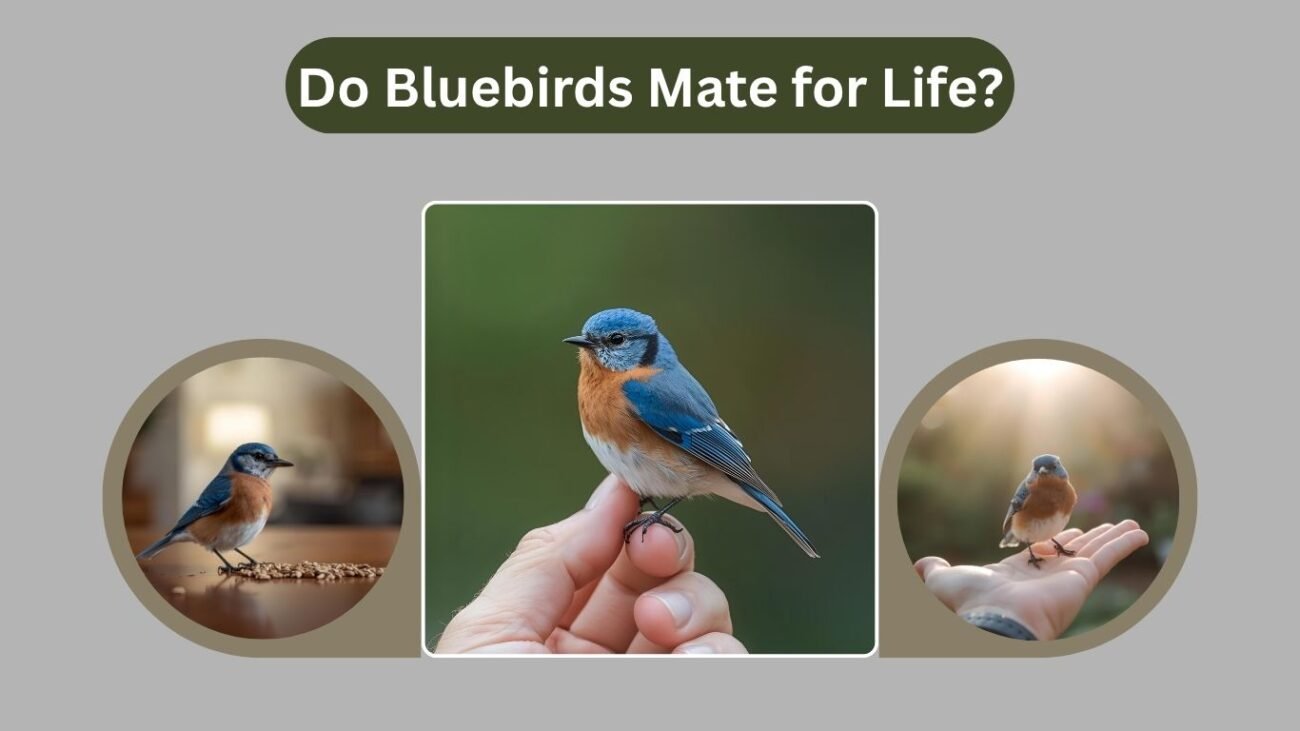
Bluebirds are generally monogamous birds, meaning they pair with one partner for a breeding season. The male bluebird plays a crucial role in attracting a mate — he selects a nesting site, sings melodic songs, and performs fluttering displays to impress the female. Once a pair forms, both birds work together to build the nest, incubate eggs, and feed their chicks.
However, while bluebirds show strong loyalty during the breeding season, this doesn’t always mean they remain together forever. Most pairs stay bonded for the duration of the season, but some may reunite in subsequent years if both survive and return to the same territory. This pattern often leads people to believe that bluebirds mate for life.
Do Eastern, Western, and Mountain Bluebirds Mate for Life?
The Eastern Bluebird (Sialia sialis) is the species most commonly associated with long-term pair bonds. Many Eastern Bluebirds re-pair with the same mate in consecutive seasons, especially when nesting success is high.
Western Bluebirds (Sialia mexicana) are also monogamous but are less likely to stay together after one season. They sometimes form new pairs depending on availability and territory.
Mountain Bluebirds (Sialia currucoides), which live in colder regions, typically form seasonal pairings only. Harsh conditions and migration challenges make long-term partnerships less common.
Overall, while bluebirds exhibit strong social monogamy, lifelong mating is the exception rather than the rule.
Reasons Bluebirds Might Switch Mates
Even loyal pairs may separate under certain conditions. Common reasons include:
- Nesting failure: If a nest is destroyed or eggs don’t hatch, bluebirds may seek new partners to try again.
- Death or disappearance: If one mate doesn’t return after migration, the surviving bird will find a new companion.
- Competition: In some cases, dominant males can take over a territory, causing a change in partners.
Despite these factors, bluebirds remain highly devoted during their time together — sharing nesting duties, defending their young, and even feeding fledglings side by side.
Life Cycle of a Bluebird

The bluebird life cycle is a fascinating journey that highlights their dedication as parents and resilience in nature. Their cycle includes four major stages: egg, hatchling, fledgling, and adult. Each stage plays a crucial role in their survival and population growth.
Egg Stage
The nesting process begins when the female bluebird chooses a suitable cavity — often in a tree hole, fence post, or nest box. She builds a tidy cup-shaped nest from grass and pine needles. After mating, the female lays 3–7 pale blue eggs, which she incubates for about 12–14 days. During this time, the male guards the nest and brings food to his mate.
Temperature and weather can influence the hatching time. Warmer climates may speed up incubation, while cooler regions delay it slightly.
Hatchling Stage
When the chicks hatch, they are blind, featherless, and completely dependent on their parents. The female broods them to keep them warm, while the male gathers insects such as beetles, caterpillars, and spiders. Both parents tirelessly feed the young, making hundreds of feeding trips per day.
The hatchlings grow rapidly, developing feathers and opening their eyes within a week. Parental teamwork is essential during this phase — any disruption, like the loss of one parent, can drastically reduce the chicks’ chances of survival.
Fledgling Stage
After about 18–21 days, the chicks leave the nest and enter the fledgling stage. At this point, they are still learning to fly and forage. The parents continue to feed and protect them for another 2–3 weeks, teaching essential survival skills such as spotting predators and catching insects.
During this stage, fledglings may perch on nearby branches or fence posts, testing their wings and observing their surroundings. It’s common to see bluebird families together in open fields or near nesting boxes during summer.
Juvenile to Adult Stage
Young bluebirds gradually become independent after a few weeks. Juveniles molt into their adult plumage by late summer or early fall, revealing the vibrant blue and rust-red colors characteristic of their species.
They typically reach sexual maturity within a year, ready to start the life cycle anew. Many return to their birthplace or nearby territories to raise their own young the following spring.
Life Cycle by Species
While all bluebirds share similar life stages, each species has unique adaptations that fit its environment and breeding conditions.
Eastern Bluebird Life Cycle
The Eastern Bluebird thrives in open meadows, orchards, and grasslands. It may raise two to three broods per season, especially in warmer regions. These birds benefit greatly from human-made nest boxes, which have helped restore populations after declines due to habitat loss and competition from invasive species like starlings.
Western Bluebird Life Cycle
The Western Bluebird is native to the western United States and parts of Mexico. These birds prefer forest edges, open woodlands, and desert scrub habitats. Their nesting season typically begins in early spring. Females build the nest inside natural cavities or birdhouses, while males help by bringing materials and defending the territory.
Western Bluebirds often raise one or two broods per year, depending on climate and food supply. Interestingly, this species sometimes exhibits cooperative breeding, where young males from previous broods assist their parents in feeding the next generation. This social behavior increases chick survival and strengthens family bonds within the group.
Mountain Bluebird Life Cycle
The Mountain Bluebird, easily recognized by its bright sky-blue plumage, lives in open, high-altitude regions across North America. Because of the harsh environment, its breeding season is shorter, typically from May to July.
Unlike other species, female Mountain Bluebirds can nest independently if males are scarce, showcasing their adaptability. They lay 4–6 eggs and raise one brood per season. Both parents participate in feeding but rely heavily on abundant insect populations during summer. Once fledglings are ready, families migrate together to milder southern areas for winter.
Habitat: Where Do Bluebirds Live?
Preferred Environments
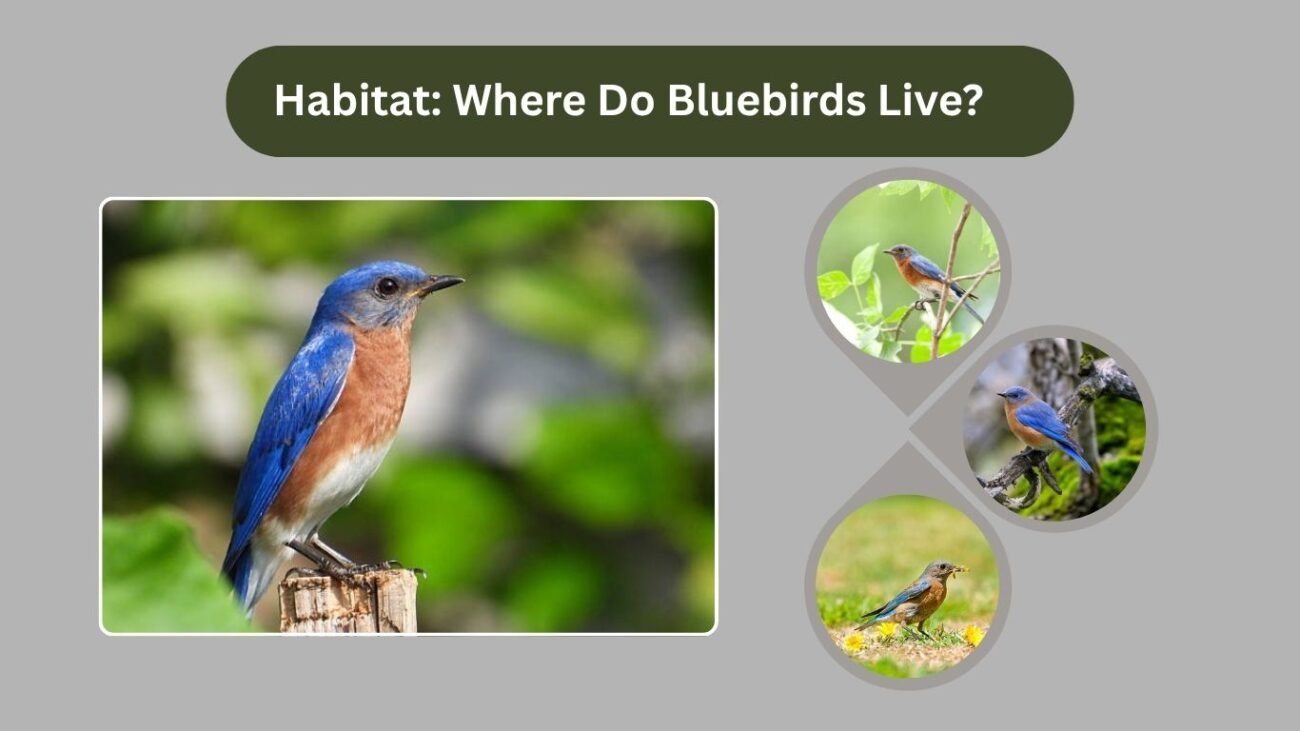
Bluebirds are cavity-nesting birds that thrive in open spaces with scattered trees, avoiding dense forests. Their ideal habitats include pastures, orchards, meadows, and grasslands — areas that provide both nesting cavities and easy access to insects.
They frequently use nest boxes provided by bird enthusiasts, which mimic natural tree holes lost due to deforestation. Bluebirds also prefer areas near a reliable water source, such as ponds or streams, as these support insect populations and offer safe drinking spots.
Regional Distribution
- Eastern Bluebird (Sialia sialis): Found across the eastern United States, southeastern Canada, and parts of Mexico. They are common in suburban areas, golf courses, and open fields.
- Western Bluebird (Sialia mexicana): Inhabits the western U.S., from California to British Columbia and down into Mexico. Prefers dry woodlands and desert margins.
- Mountain Bluebird (Sialia currucoides): Lives in the Rocky Mountains, Great Plains, and northern regions. Adapted to cooler, higher elevations with limited vegetation.
Each species adjusts its nesting and feeding behavior to match its environment, showing remarkable adaptability across climates.
Lifespan and Survival
Average Life Expectancy of Bluebirds
The average lifespan of a bluebird ranges from 6 to 10 years in the wild, though most do not survive that long due to natural threats. Many perish in their first year from predation, harsh weather, or starvation. Those that survive the first winter have a much higher chance of living several more years.
In captivity or protected habitats, bluebirds can live longer, sometimes reaching over a decade. Banding studies have recorded individual bluebirds surviving up to 10 years and 6 months.
Factors Affecting Lifespan
Several factors influence how long bluebirds live:
- Predators: Snakes, raccoons, cats, and hawks pose serious threats to both eggs and adults.
- Competition: Invasive birds such as starlings and house sparrows compete for nesting cavities, often driving bluebirds away.
- Climate: Harsh winters can reduce food availability, while drought limits insect populations.
- Human Support: Nest boxes, mealworm feeding, and predator guards significantly improve survival rates.
Longest Recorded Lifespans
According to bird banding data, the oldest known Eastern Bluebird lived over 10 years, while some Western and Mountain Bluebirds have reached similar ages. Survival beyond 8 years is rare but possible under favorable conditions.
Bluebirds in Culture and Symbolism
The Symbol of Happiness and Hope
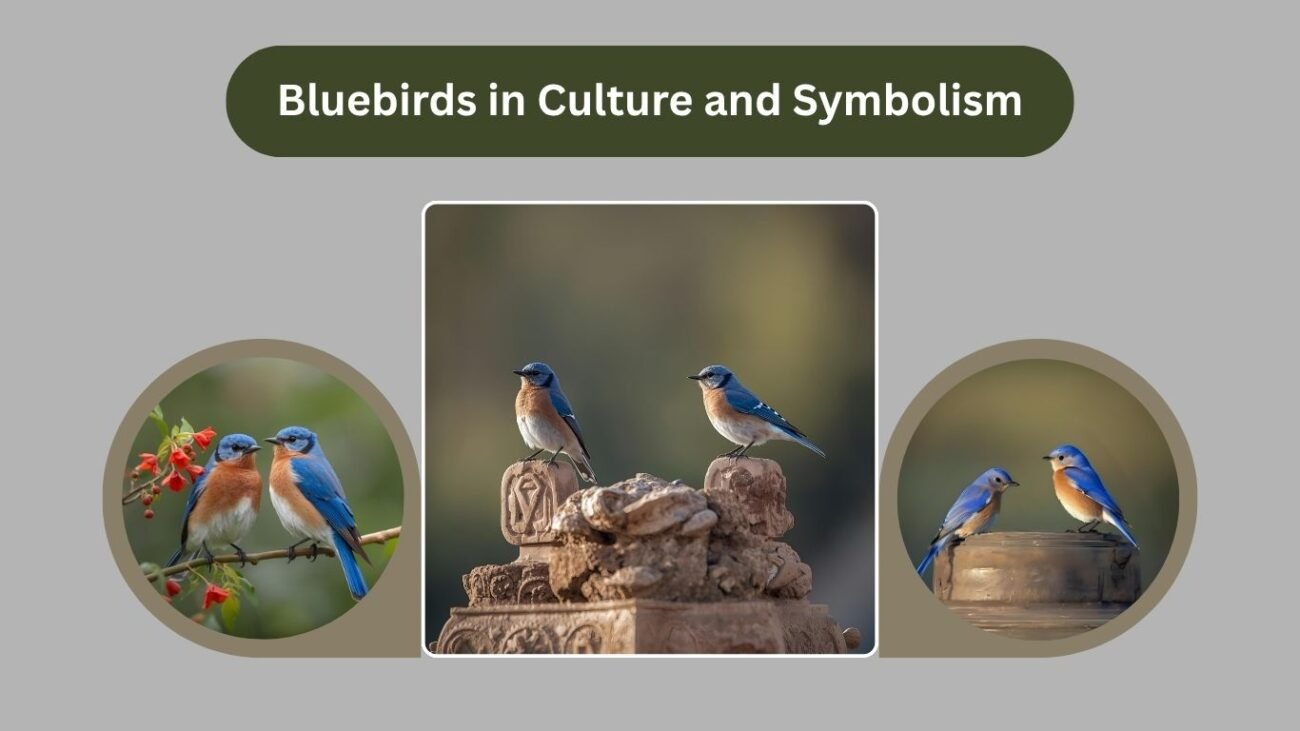
Bluebirds have long symbolized joy, peace, and renewal across various cultures. Native American legends regarded them as harbingers of spring and good fortune. In literature and art, bluebirds often represent the pursuit of happiness — a concept made famous by Maurice Maeterlinck’s 1908 play The Blue Bird.
Their bright blue feathers and cheerful songs evoke serenity and optimism, reinforcing their role as messengers of happiness and new beginnings.
Bluebirds in Music and Media
Bluebirds have inspired countless songs, poems, and films throughout history. Some well-known cultural references include:
- “Bluebird” by Paul McCartney – a gentle love song highlighting peace and devotion.
- “Bluebird” by Buffalo Springfield – symbolizing change and emotional growth.
- “Bluebirds” by Life of Dillon – representing freedom and hope.
- The phrase “Bluebird of Happiness” remains a universal metaphor for joy.
These artistic connections have helped cement the bluebird as not only a natural wonder but also a timeless symbol of beauty and inspiration.
Key Takeaways
- Bluebirds are socially monogamous, often staying with one mate for a season or more.
- Their life cycle includes egg, hatchling, fledgling, and adult stages.
- Eastern, Western, and Mountain Bluebirds differ slightly in nesting habits and lifespan.
- Bluebirds live 6–10 years on average but face challenges like predators and habitat loss.
- They symbolize happiness, renewal, and hope in culture and music.
FAQs
Do bluebirds mate for life?
Bluebirds form strong pair bonds, especially Eastern Bluebirds, which may reunite with the same partner across breeding seasons. However, they are not truly lifelong mates — if a partner dies or nesting fails, a new one is chosen the following year.
What is the life expectancy of a bluebird?
Most bluebirds live between 6 and 10 years in the wild. Survival depends on food supply, climate, and predator threats. Those protected in safe habitats or assisted with nest boxes can live longer.
Where do bluebirds build their nests?
They prefer tree cavities or nest boxes in open grassy areas. The female constructs the nest from dry grass, while both parents guard and feed the chicks until fledging. Human-provided nest boxes have been essential for species recovery.
How many eggs do bluebirds lay at a time?
A typical clutch contains 3–7 eggs, which the female incubates for around two weeks. After hatching, both parents feed the nestlings until they leave the nest about three weeks later.
What do bluebirds eat?
Bluebirds are omnivorous insectivores. In spring and summer, they mainly eat insects such as beetles, caterpillars, and grasshoppers. During winter, they switch to berries and fruits like holly, dogwood, and cedar.