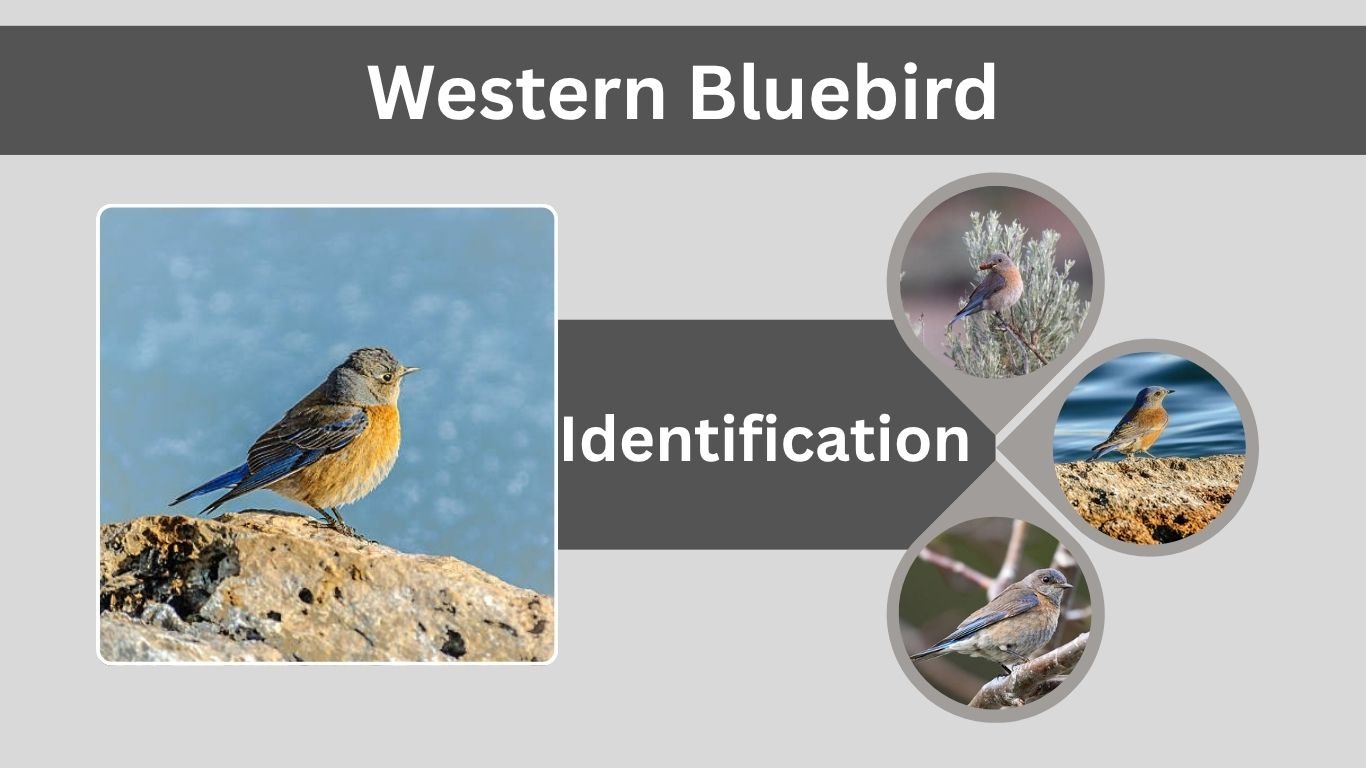
Bluebirds are some of the most beautiful and beneficial birds in North America. With their bright plumage and gentle songs, they not only delight birdwatchers but also help control insects naturally. Understanding what bluebirds eat is essential for attracting and supporting them year-round. Their diet varies with the seasons, habitat, and available food sources — from protein-rich insects in summer to fruits and suet in winter.
Understanding Bluebird Diet
General Feeding Behavior
Bluebirds are primarily insectivorous, meaning insects form most of their diet, especially during the warmer months. They eat a wide variety of ground-dwelling and flying insects like beetles, caterpillars, crickets, and grasshoppers.
They usually hunt from a low perch, swooping down swiftly to catch prey on the ground. This “perch-and-pounce” style makes them efficient hunters. However, when insects become scarce in winter, bluebirds adapt by eating fruits and berries to survive.
Why Bluebird Diet Matters
Diet plays a crucial role in a bluebird’s life cycle. The nutrients from insects and berries help maintain their bright plumage, energy levels, and breeding success. During nesting season, protein from insects ensures the healthy development of chicks.
For homeowners and bird lovers, understanding their diet helps you choose the right foods to attract bluebirds to your backyard and keep them healthy through all seasons.
What Do Different Bluebird Species Eat?

Eastern Bluebirds
The Eastern Bluebird, found throughout the U.S. east of the Rockies, has a diet rich in insects during spring and summer. They eat grasshoppers, caterpillars, beetles, and mealworms.
As winter approaches and insects decline, Eastern Bluebirds switch to eating berries and fruits, including dogwood, sumac, and holly berries. This flexible diet helps them survive in varied habitats, from rural fields to suburban gardens.
Western and Mountain Bluebirds
The Western Bluebird prefers a diet of spiders, beetles, and ants, while the Mountain Bluebird focuses more on flying insects like flies and mosquitoes.
Mountain Bluebirds, living in cooler high-altitude regions, depend heavily on juniper and chokecherries in winter. Although all bluebird species share similar feeding habits, their food sources can differ based on local environments and seasonal changes.
Seasonal Diet Changes
Spring and Summer
During the warmer months, bluebirds feed mostly on insects and larvae. This high-protein diet provides essential nutrients for breeding adults and growing nestlings.
Common foods include grasshoppers, beetles, flies, crickets, and caterpillars. Bluebirds are often seen flying low over open fields or gardens, catching insects mid-air or from the ground. Parents feed chicks soft insects, gradually introducing larger prey as the chicks grow.
Fall and Winter
When winter arrives and insects disappear, bluebirds depend more on berries, fruits, and suet. This shift to a high-energy diet helps them stay warm and active during cold months.
Some of their favorite natural foods include dogwood berries, holly, wild grapes, and elderberries. In areas with harsh winters, bird enthusiasts can help by offering mealworms, chopped fruits, and suet in feeders. These foods are easy to digest and provide vital nutrition when nature’s supply runs low.
What Do Bluebirds Eat at Feeders?
Feeder Food Preferences
Bluebirds don’t usually eat typical birdseed mixes, but they’ll eagerly visit feeders offering mealworms, their all-time favorite food. Both live and dried mealworms are suitable, though live ones are more enticing.
Other great options include suet, peanut butter blends, and chopped fruits like grapes, apples, and blueberries. Some bluebirds also enjoy soaked raisins in winter. Because they prefer soft foods, avoid hard or shelled seeds that they can’t easily digest.
How to Get Bluebirds to Eat at Feeders
To attract bluebirds to your feeders, place them in open, sunny spots about 4–6 feet off the ground. They prefer dish-style or platform feeders where they can perch comfortably. Avoid deep tube feeders used for finches — bluebirds dislike confined spaces.
You can also provide a clean water source nearby, as bluebirds love to drink and bathe regularly. Once they find a reliable food supply, they’ll return to your yard daily, often bringing their young during fledgling season.
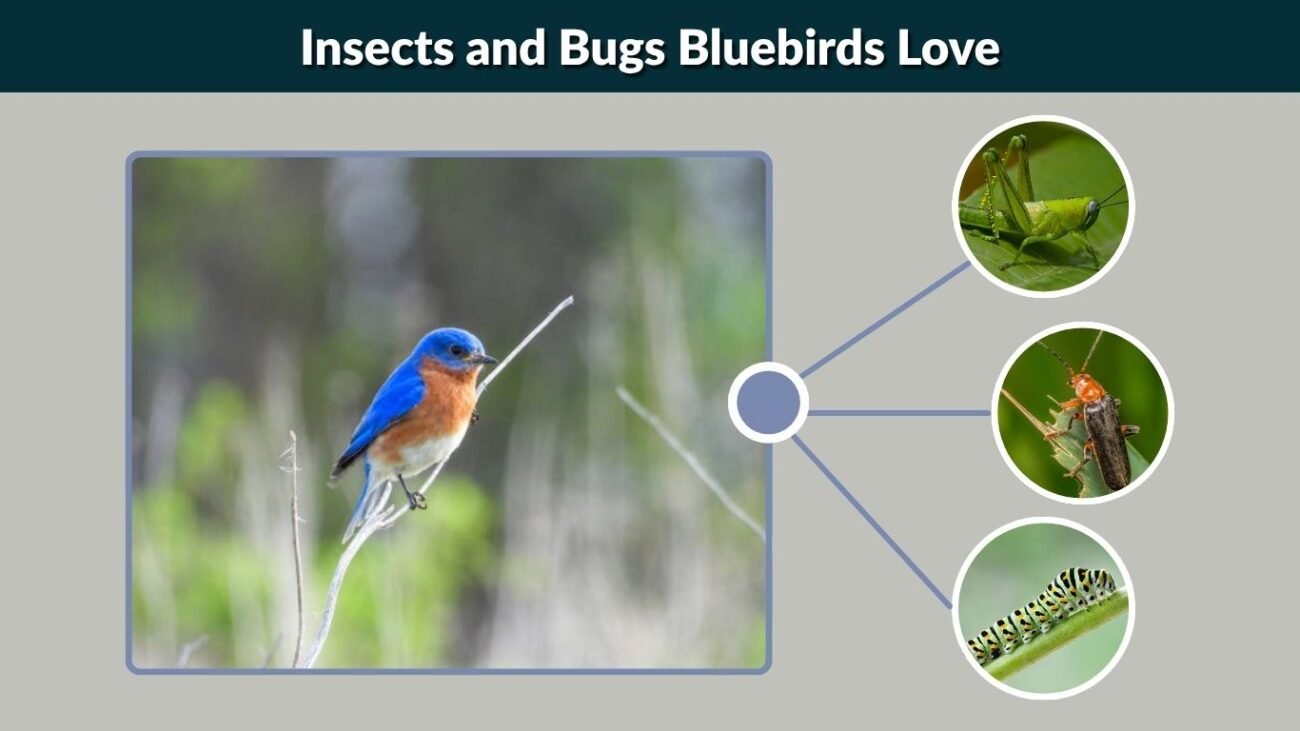
Insects and Bugs Bluebirds Love
Protein-Rich Natural Foods
Bluebirds are enthusiastic insect hunters. Their diet includes grasshoppers, crickets, beetles, spiders, flies, and caterpillars. They even consume earthworms and ants, especially during nesting season.
These insects supply the protein and calcium essential for egg production and chick development. During spring, you might notice bluebirds foraging on lawns or open meadows — these areas are ideal hunting grounds filled with their favorite prey.
Do Bluebirds Eat Mosquitoes and Pests?
Yes! Bluebirds help naturally control pest populations. They eat mosquitoes, ticks, grasshoppers, and other garden insects, making them a gardener’s best ally.
While they occasionally eat small bees or wasps, they typically target softer-bodied insects. Their feeding habits benefit ecosystems by keeping harmful insect populations in check without the need for chemicals or pesticides.
Fruits and Berries in Their Diet
Favorite Fruits and Wild Berries
While insects make up most of a bluebird’s diet in summer, fruits and berries become their main source of nutrition in colder months. Bluebirds have a particular fondness for native berries such as dogwood, elderberries, holly, juniper, and sumac.
They also eat cultivated fruits like blueberries, strawberries, grapes, and raisins. These foods provide essential sugars and carbohydrates that help maintain energy levels when insects are scarce.
Feeding Tips for Fruit
If you want to supplement their diet, offer chopped apples, grapes, or soaked raisins on a platform or dish feeder. Soaking dried fruits in warm water softens them and makes them easier for bluebirds to digest.
Avoid feeding citrus or unripe fruits, as they may upset digestion. Planting native berry-producing shrubs like serviceberry, winterberry, and dogwood is one of the best ways to provide a natural, long-term food source for bluebirds.
Do Bluebirds Eat Seeds and Nuts?
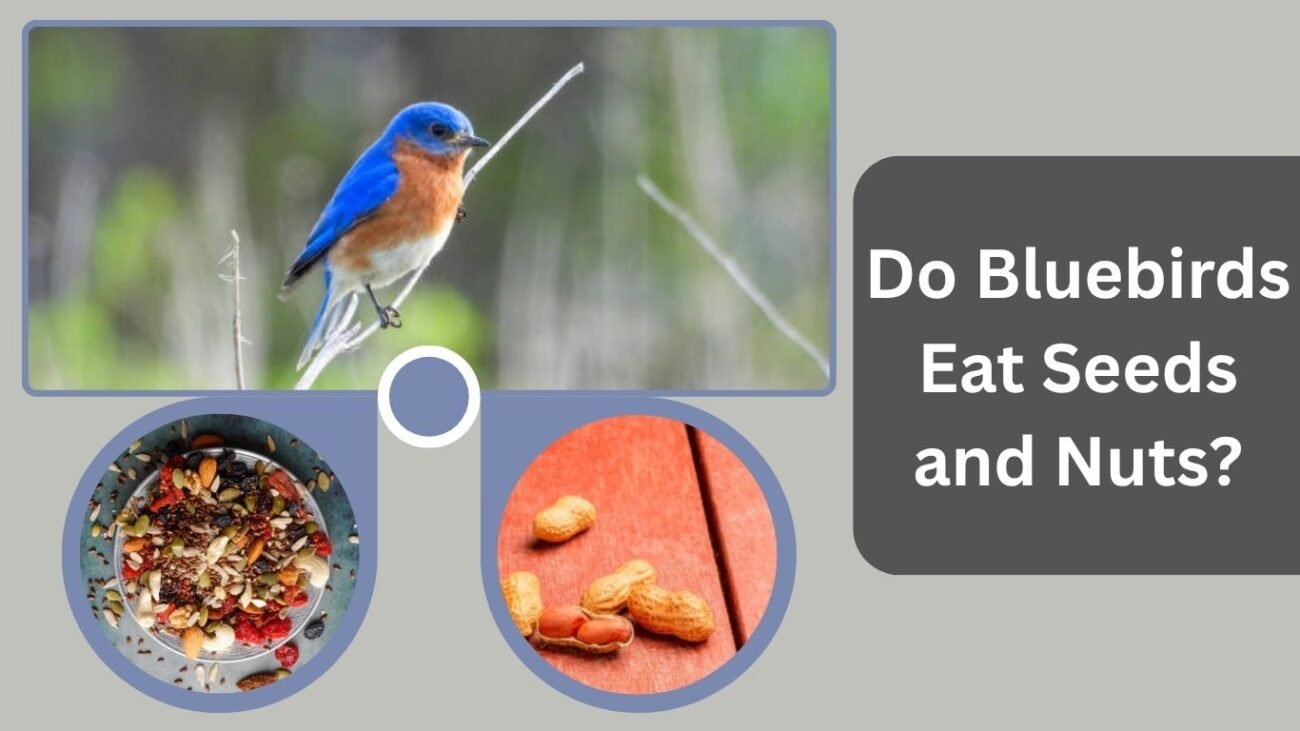
Unlike many backyard birds, bluebirds rarely eat seeds. Their beaks are thin and pointed—perfect for catching insects but not strong enough to crack hard shells. Therefore, typical seed mixes or thistle feeders won’t attract them.
However, bluebirds may occasionally nibble on soft seeds such as hulled sunflower hearts or crushed peanuts, especially if mixed with suet or mealworms.
What Seeds to Avoid
Avoid offering corn, millet, or safflower, as bluebirds generally ignore these. Seed-based diets lack the protein they need for healthy feathers, reproduction, and chick growth. If you want to support them effectively, focus on providing soft, protein-rich foods instead.
Bluebirds and Suet
Suet as a Winter Superfood
Suet is an excellent energy source for bluebirds during harsh winters. It’s made from rendered animal fat, which provides warmth and calories when insects and berries are hard to find.
Bluebirds are especially fond of suet blends containing mealworms, peanuts, or fruit bits. These combinations mimic their natural diet and supply both protein and energy.
How to Offer Suet Safely
Use open cage feeders or flat platforms rather than hanging suet cages, which may be challenging for bluebirds to access. In warm climates, choose no-melt suet blocks to prevent spoilage.
Avoid suet with spicy additives or preservatives, as they can be harmful. Providing suet alongside mealworms and fruit increases your chances of hosting bluebirds year-round.
Foods to Avoid Feeding Bluebirds
Bluebirds have delicate digestive systems, so certain foods can harm them even in small amounts. Avoid feeding:
- Bread and processed snacks — low in nutrients, can cause digestive problems.
- Raw peanuts or salty foods — may be toxic or dehydrate birds.
- Hard seeds or acorns — difficult to digest.
- Spoiled or pesticide-treated fruits — can lead to poisoning.
Unsafe Myths
Some believe bluebirds eat egg shells or other birds’ eggs, but that’s false. They may occasionally peck at old shells to obtain calcium, but they never consume fresh eggs or prey on other species. Always prioritize fresh, natural, and chemical-free foods for their health and safety.
Predators and Safety While Feeding

Common Predators
Despite their bright beauty, bluebirds face many natural dangers. Snakes, squirrels, hawks, and domestic cats are their primary predators. Cowbirds also pose a threat by laying eggs in bluebird nests, forcing bluebirds to raise their young.
To protect nesting birds, install baffles or predator guards on poles and nest boxes. Keeping feeders in open areas away from thick shrubs prevents surprise attacks from lurking predators.
Keeping Feeding Stations Safe
Regularly clean feeders to prevent mold or bacteria. Remove leftover or wet food promptly to avoid attracting insects or rodents. If cats frequent your yard, place feeders at least six feet above the ground and use motion sensors or fencing to keep them away.
Maintaining a safe, clean environment encourages bluebirds to return year after year, especially during nesting season.
How to Encourage Bluebirds in Your Yard
Attracting bluebirds requires a combination of food, water, shelter, and safety. You can make your backyard a haven for them by following these steps:
- Install nest boxes with an entrance hole around 1.5 inches in diameter.
- Offer live or dried mealworms, suet, and chopped fruits regularly.
- Provide fresh water sources, like a birdbath or shallow dish.
- Plant native berry shrubs such as holly, serviceberry, or dogwood.
- Keep the yard quiet and predator-free during nesting periods.
By offering consistent food and a safe nesting environment, you can enjoy the cheerful company of bluebirds throughout the year.
Key Takeaways
- Bluebirds are mainly insect eaters, relying on beetles, crickets, and caterpillars in warm months.
- In winter, they switch to fruits, berries, and suet for energy.
- They rarely eat seeds, preferring mealworms and soft foods.
- Native plants and safe feeders attract bluebirds naturally.
- Avoid processed foods, bread, or pesticide-treated fruits to protect their health.
FAQs
What do bluebirds eat most of the year?
Bluebirds primarily eat insects like beetles, grasshoppers, crickets, and caterpillars. During breeding season, insects make up nearly 80% of their diet because they’re rich in protein and help feed their growing chicks.
Will bluebirds eat from feeders?
Yes, bluebirds visit feeders offering mealworms, suet, chopped fruits, or raisins. They prefer shallow platform feeders in open spaces rather than hanging seed feeders.
What do bluebirds eat in the winter?
In winter, bluebirds rely heavily on berries, fruits, suet, and dried mealworms. Native plants like dogwood and holly provide natural food sources during colder months.
Do bluebirds eat seeds or nuts?
No, bluebirds generally don’t eat seeds because their slender beaks aren’t built to crack hard shells. They may occasionally eat sunflower hearts or crushed peanuts, but their preference is insects and fruits.
What can I feed bluebirds to attract them?
Offer live or dried mealworms, suet mixed with fruit or peanut butter, and fresh water. Planting native shrubs like holly and serviceberry ensures they have a steady food supply year-round.