The Sparrow Hawk is a small yet powerful bird of prey renowned for its speed, precision, and striking hunting abilities. Found across Europe, Asia, Africa, and North America, it is admired for its graceful flight and sharp eyesight. Often mistaken for other raptors like kestrels, this agile hunter plays a vital role in maintaining the balance of ecosystems by controlling small bird populations.
Classification and Physical Characteristics
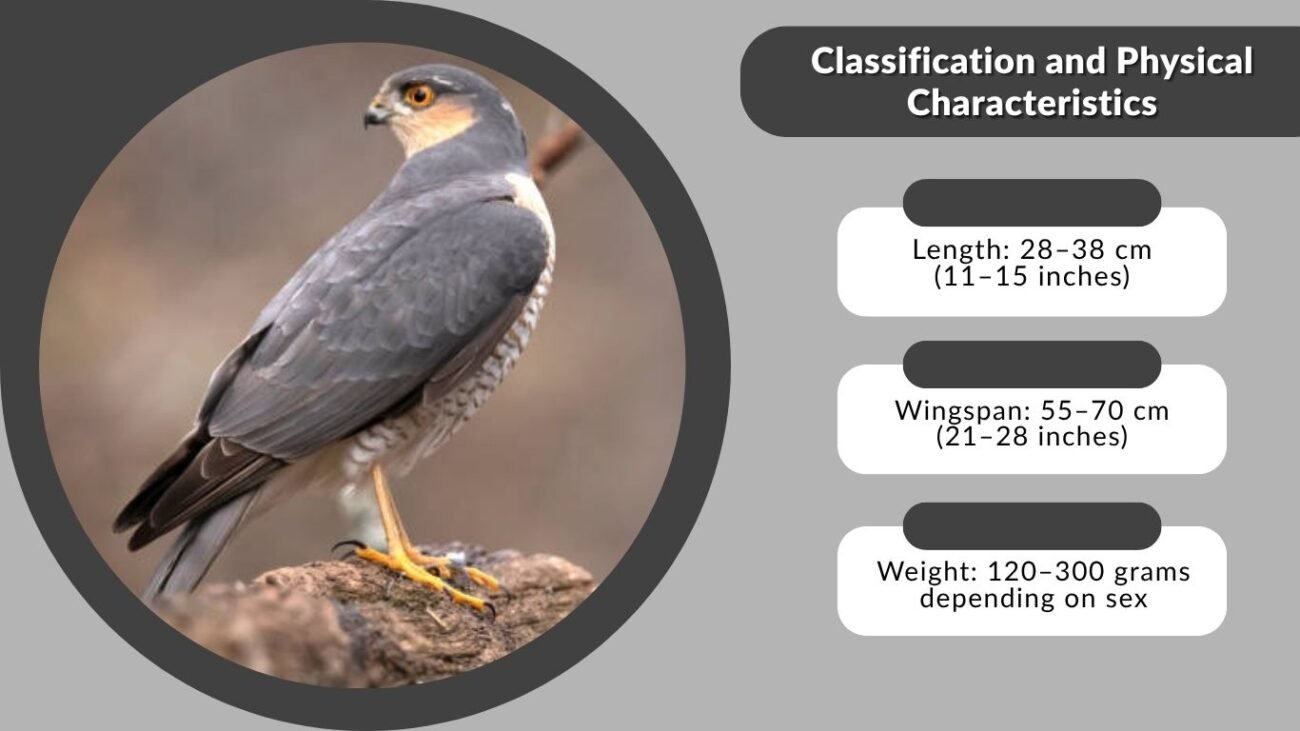
Scientific Classification
The Sparrow Hawk (Accipiter nisus) belongs to the family Accipitridae, which includes hawks, eagles, and kites. It is commonly known as the Eurasian Sparrowhawk in Europe, while in North America, the name “sparrow hawk” often refers to the American Kestrel (Falco sparverius) — a smaller falcon species. Despite this naming confusion, both birds share similar hunting behaviors, targeting small birds and insects with incredible agility.
Appearance and Size
The Sparrow Hawk is compact and muscular, designed for quick bursts of speed.
- Length: 28–38 cm (11–15 inches)
- Wingspan: 55–70 cm (21–28 inches)
- Weight: 120–300 grams depending on sex
Males are smaller with bluish-gray upperparts and orange-barred underparts, while females are larger, with brownish plumage and fine horizontal barring across the chest. Their bright yellow eyes and long, banded tails make them easy to identify in flight. The sexual dimorphism allows them to hunt different prey sizes, reducing competition between pairs.
Habitat and Geographic Distribution
Preferred Habitats
Sparrow Hawks thrive in diverse habitats — from dense woodlands and forest edges to urban gardens and farmlands. They prefer areas with tall trees for nesting and open spaces for hunting. Their adaptability allows them to flourish even in cityscapes, where bird feeders and parks provide an abundant food source.
Global Range
The species is widely distributed across Europe, Asia, and Africa, while closely related hawks and kestrels occupy regions in North America.
- Eurasian Sparrowhawk: Europe to East Asia
- African Sparrowhawk: Sub-Saharan Africa
- Japanese Sparrowhawk: East Asia and parts of Russia
This extensive range demonstrates their versatility and resilience in various climates — from cold northern forests to warmer tropical zones.
Behavior and Flight Patterns
Hunting Style
The Sparrow Hawk is an ambush predator, known for its stealth and sudden speed. It typically hides within trees or hedges and launches a surprise attack when prey appears. Its short, broad wings and long tail are perfectly adapted for maneuvering through dense vegetation. Unlike larger hawks that soar at great heights, sparrow hawks prefer low, fast flights that end in quick, precise strikes.
When hunting, they often fly close to the ground, weaving between trees before making a final upward burst to capture their target. Their prey usually includes small birds such as sparrows, finches, and blackbirds — hence the name “Sparrow Hawk.”
Flight and Sound
In flight, Sparrow Hawks exhibit a distinctive pattern of several quick wingbeats followed by a short glide. This style allows them to conserve energy while staying agile. Their calls are sharp and repetitive, often described as “kek-kek-kek”, particularly during the breeding season or when alarmed.
The flight and vocalizations serve multiple purposes — from communication between mates to territorial defense. Their agility and control make them one of the most skilled flyers among small raptors.
Diet and Feeding Habits
What Do Sparrow Hawks Eat?
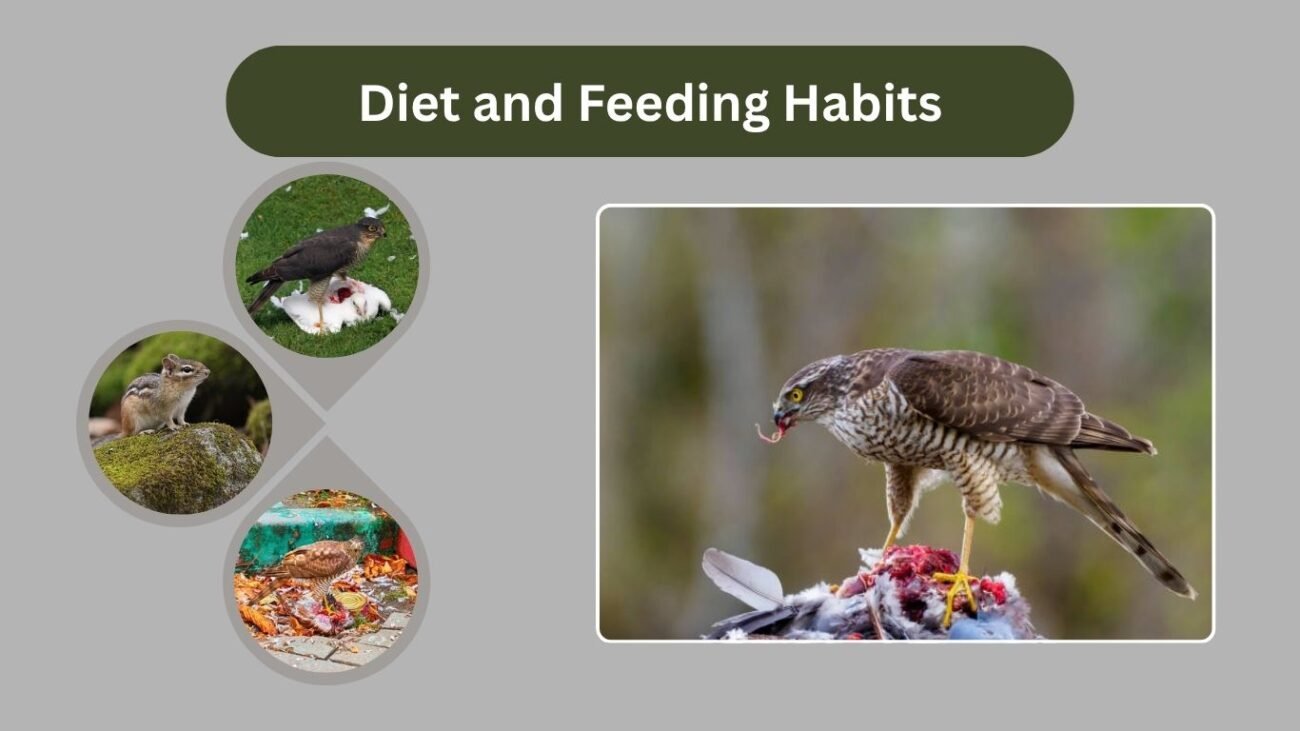
Sparrow Hawks primarily feed on small birds, which make up about 90% of their diet. They also occasionally hunt small mammals, insects, and reptiles. Females, being larger, often take bigger prey such as pigeons and thrushes, while males focus on smaller birds like sparrows and tits.
Hunting typically occurs at dawn and dusk when small birds are most active. With their powerful talons and hooked beaks, Sparrow Hawks can dispatch prey quickly. They usually pluck their prey’s feathers before eating, often leaving a telltale pile of feathers beneath trees or hedges.
Position in the Food Chain
As mid-level predators, Sparrow Hawks play a crucial ecological role. By preying on smaller bird species, they help maintain natural population control and prevent overbreeding that can lead to ecosystem imbalance. However, they also face threats from larger raptors such as Goshawks, Owls, and Eagles, placing them in the middle of the avian food chain.
Reproduction and Lifecycle
Nesting Behavior
Sparrow Hawks are solitary hunters but form strong breeding pairs during the nesting season. They build their nests high in trees using twigs and branches, lining the inside with soft materials like moss and leaves. Both male and female participate in nest building, but the female is the primary incubator of eggs.
Breeding Season and Offspring
The breeding season generally occurs between April and July, depending on the climate. Females lay 4–6 eggs, which hatch after about 30–35 days. The male provides food for both the female and the chicks during incubation.
Young hawks, called fledglings, leave the nest at around six weeks but remain dependent on their parents for several more weeks as they learn to hunt. Mortality rates among young sparrow hawks are high, with many failing to survive their first year due to lack of experience and natural predators.
Sparrow Hawk vs. Other Raptors
Sparrow Hawk vs. Kestrel
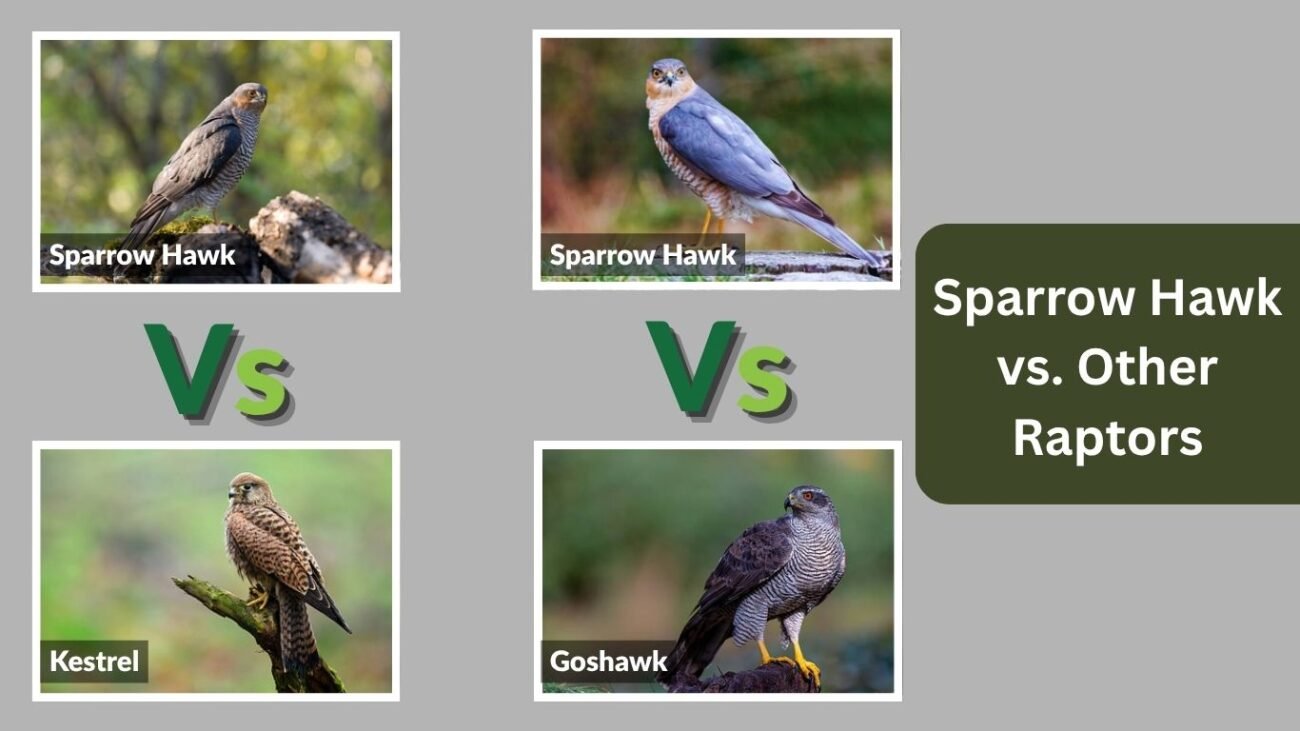
The Sparrow Hawk (Accipiter nisus) and the Kestrel (Falco tinnunculus) are often confused due to overlapping ranges and similar size, yet they belong to entirely different genera.
- Hunting style: The sparrow hawk is an ambush hunter that flies close to the ground, while the kestrel hovers in the air, scanning for prey before diving.
- Prey: Sparrow hawks mainly hunt birds, while kestrels prefer insects, mice, and small reptiles.
- Appearance: Kestrels have longer wings and a more slender body; sparrow hawks are stockier with shorter, rounded wings for forest hunting.
Sparrow Hawk vs. Goshawk
The Goshawk (Accipiter gentilis) is essentially a larger cousin of the sparrow hawk. While both species share similar features — short wings, long tails, and stealthy flight — the goshawk is stronger and capable of taking larger prey, including rabbits and pheasants.
Sparrow hawks, on the other hand, focus on smaller birds and thrive in areas with dense cover. When their territories overlap, competition can occur, though they usually occupy different ecological niches.
Adaptations and Survival Strategies
Vision and Stealth
One of the sparrow hawk’s most remarkable traits is its exceptional eyesight. With binocular vision and a high density of photoreceptor cells, it can detect even the slightest movement of prey from a distance. The positioning of its eyes gives it precise depth perception, essential for mid-flight strikes.
Their muted plumage — gray, brown, and white patterns — acts as natural camouflage, blending with tree bark and shadows. This enables them to ambush prey undetected until the final moment.
Urban Adaptation
Modern sparrow hawks have shown incredible adaptability to urban environments. Tall buildings mimic the cliffs and trees they naturally prefer for nesting. Gardens and parks provide an abundant food source through small birds attracted to feeders.
Despite noise and human activity, sparrow hawks thrive in cities, proving their flexibility in changing habitats. This urban success story makes them one of the few raptors that coexist closely with humans.
Role in the Ecosystem
The Sparrow Hawk serves as a keystone species in many ecosystems. By preying on smaller birds and mammals, it keeps populations stable and prevents overgrazing of vegetation by seed-eating species. This regulation contributes to biodiversity and healthier forest regeneration.
In turn, sparrow hawks provide food for larger predators and scavengers. Their remains and prey leftovers support smaller carnivores and decomposers, sustaining the food web.
When sparrow hawk numbers decline, imbalances often occur — leading to surges in pest populations and reduced plant diversity. Thus, protecting these birds means protecting the broader ecosystem they help stabilize.
Conservation Status and Threats
Current Population Trends
Globally, the Eurasian Sparrowhawk is listed as a species of Least Concern by the IUCN due to its wide distribution and adaptability. Populations have rebounded significantly since the mid-20th century, when pesticide use — especially DDT — caused severe declines by thinning eggshells.
Today, conservation programs and pesticide restrictions have allowed populations to recover across Europe and Asia.
Main Threats
Although stable, sparrow hawks still face multiple threats:
- Habitat loss: Deforestation and urban sprawl reduce nesting sites.
- Collisions: Glass windows and vehicles cause many accidental deaths.
- Pollution and chemicals: Rodenticides and insecticides enter their food chain, affecting reproduction.
- Climate change: Alters migration routes and timing of breeding seasons.
Public awareness and habitat conservation remain essential for ensuring this raptor’s continued survival.
Symbolism and Cultural References
Mythology and Symbolism
Across cultures, the Sparrow Hawk symbolizes focus, courage, and agility. In ancient mythology, hawks were messengers of the gods, representing vigilance and strength. The bird’s sharp vision and hunting prowess made it a spiritual symbol of clarity and insight.
In modern culture, the Sparrowhawk Patronus in the Harry Potter series represents defense, determination, and heightened awareness. It embodies a person who acts swiftly and decisively when faced with challenges — much like the bird itself.
Modern Symbolism
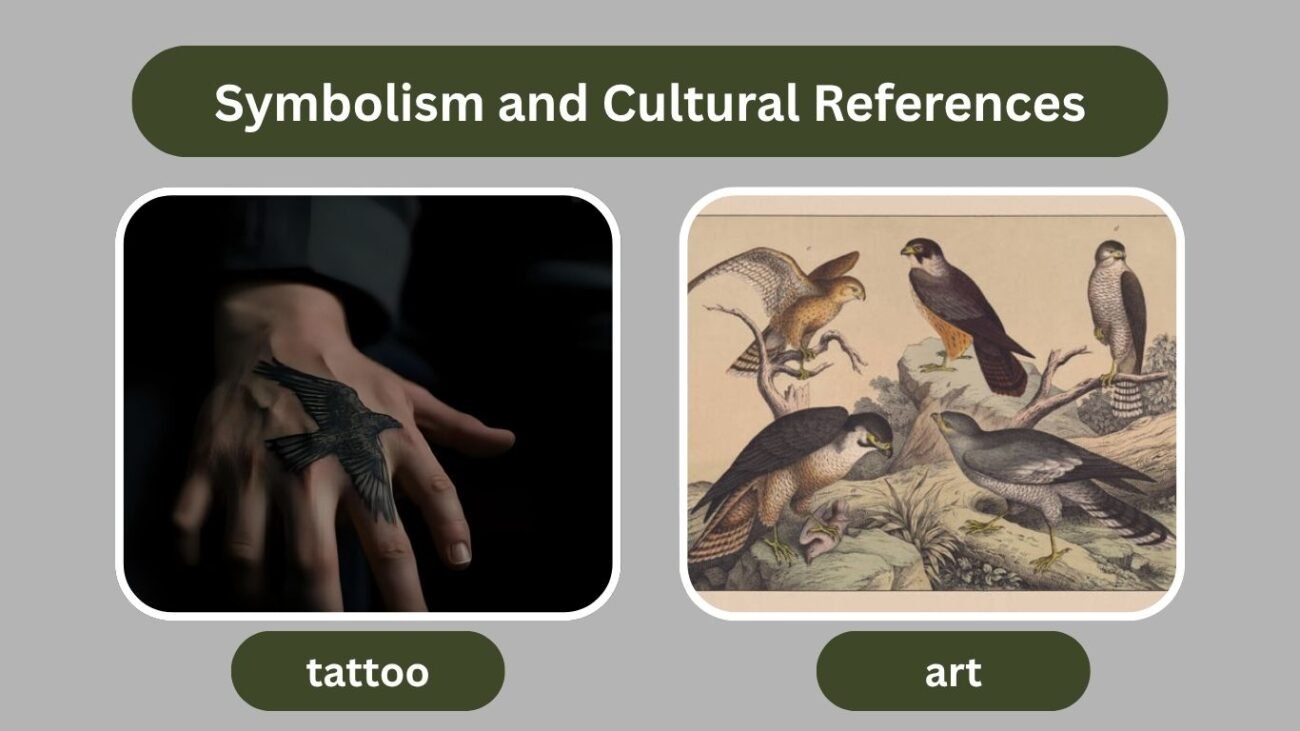
Today, sparrow hawks frequently appear in tattoos, art, and literature, symbolizing independence and power. Bird enthusiasts admire their adaptability as a lesson in thriving amid change. Their presence in poetry and wildlife photography continues to inspire a sense of freedom and precision.
Key Takeaways
- The Sparrow Hawk (Accipiter nisus) is a small, swift bird of prey found across Europe, Asia, and Africa.
- It uses stealth and speed to ambush smaller birds mid-flight.
- Females are larger and hunt bigger prey, while males focus on smaller songbirds.
- Sparrow Hawks have adapted well to urban environments and remain crucial for maintaining ecological balance.
- Despite facing habitat loss and modern threats, conservation efforts have kept their populations stable.
FAQs
What is the difference between a Sparrow Hawk and a Kestrel?
The sparrow hawk belongs to the Accipiter genus and hunts birds using ambush tactics, while the kestrel, from the Falco genus, hovers in the air before striking prey. Kestrels usually hunt insects and small mammals, whereas sparrow hawks prefer birds.
What do Sparrow Hawks mainly eat?
Their diet consists mainly of small birds such as sparrows, finches, and blackbirds. Larger females sometimes hunt pigeons and thrushes. They occasionally eat small mammals and insects depending on prey availability.
Are Sparrow Hawks dangerous to humans or pets?
No, sparrow hawks pose no danger to humans or pets. They rarely attack animals larger than their typical bird prey. Even near gardens and feeders, they maintain a natural balance rather than posing a threat.
Where can you commonly see Sparrow Hawks?
You can spot sparrow hawks in wooded areas, farmlands, city parks, and suburban gardens across Europe, Asia, and Africa. They often hunt near bird feeders, especially during colder months when food is scarce.
What does a Sparrow Hawk symbolize?
The sparrow hawk symbolizes precision, independence, and resilience. In folklore and art, it represents strength through agility and the ability to adapt swiftly to changing circumstances — much like its real-life survival in both wild and urban habitats.