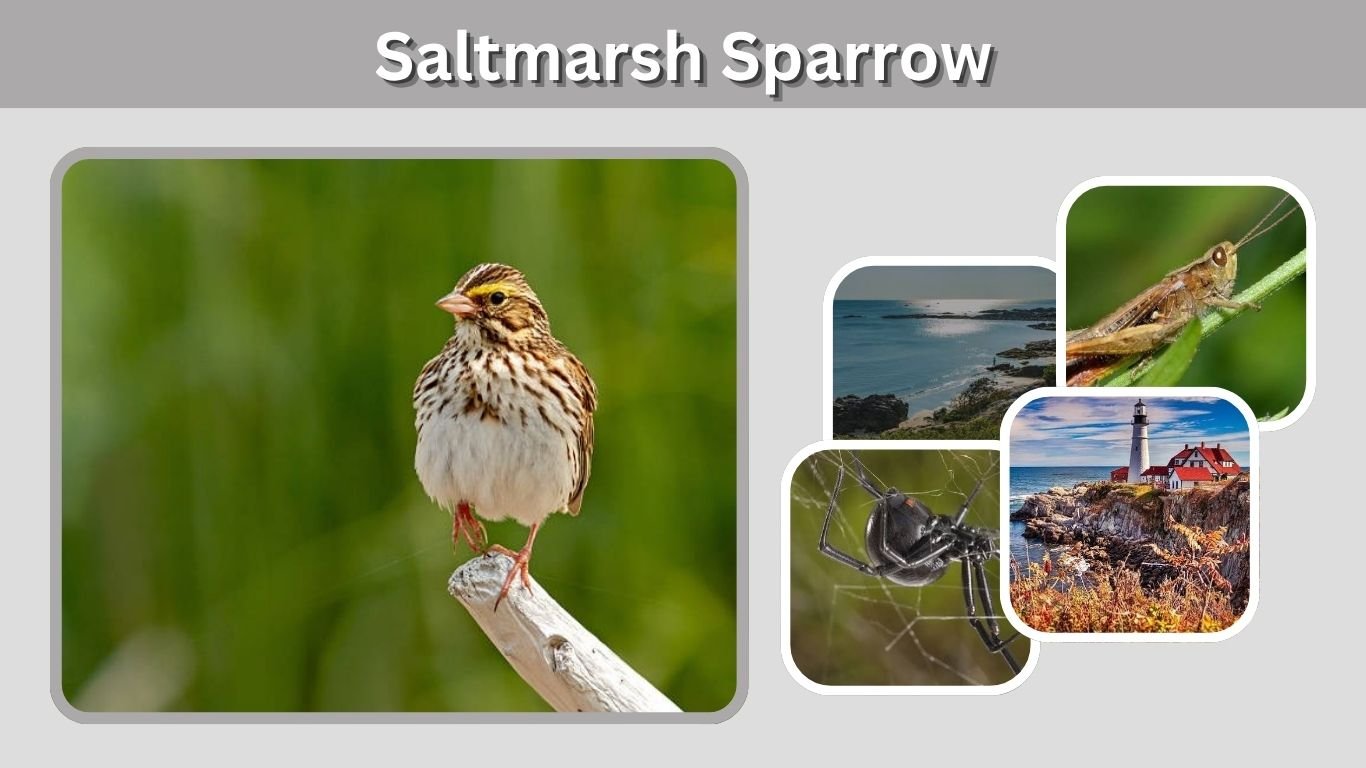
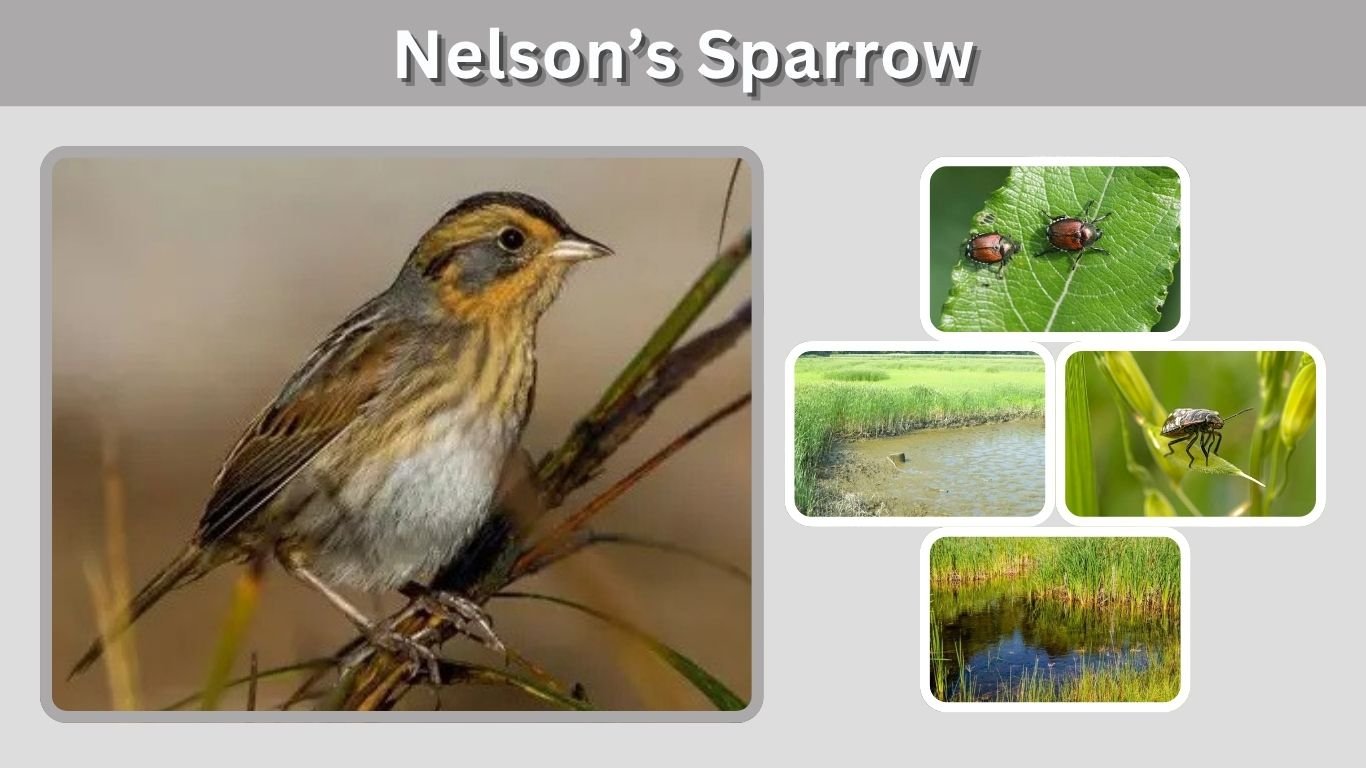
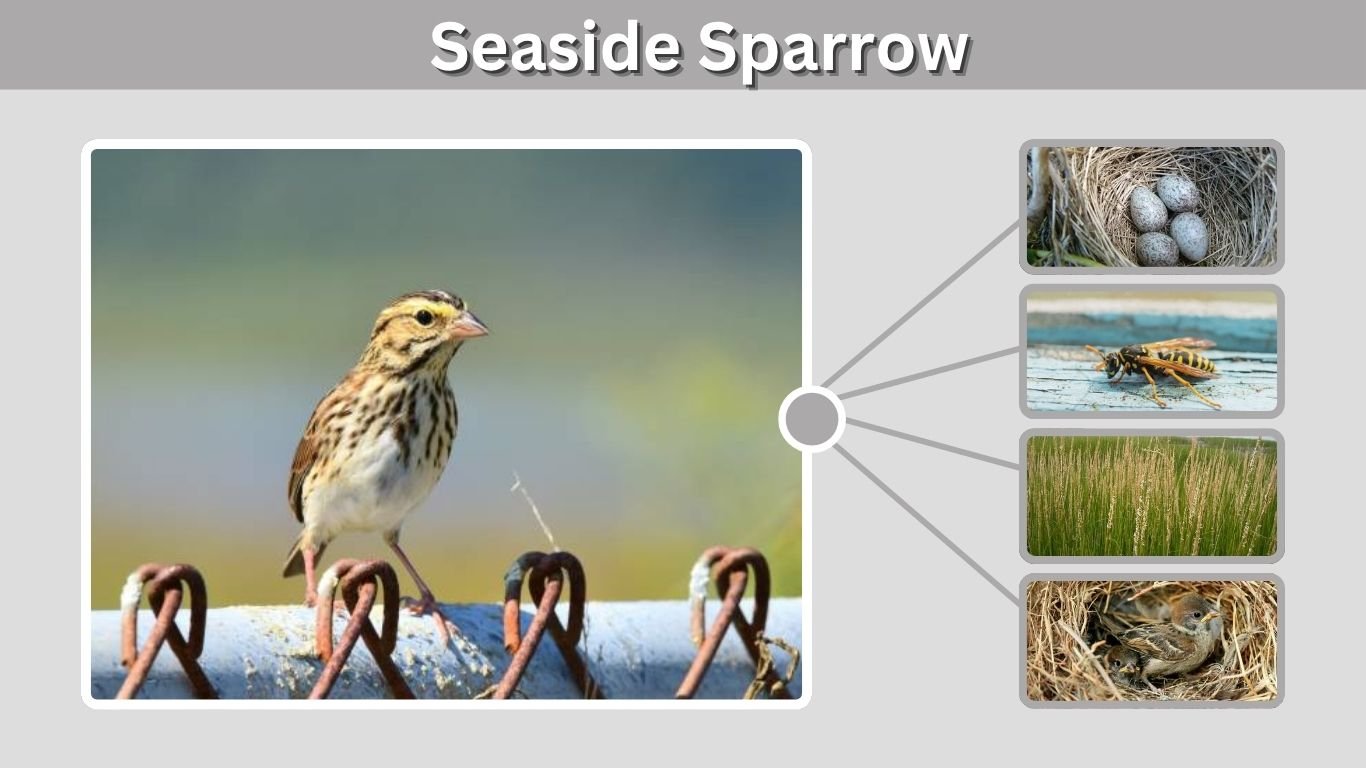
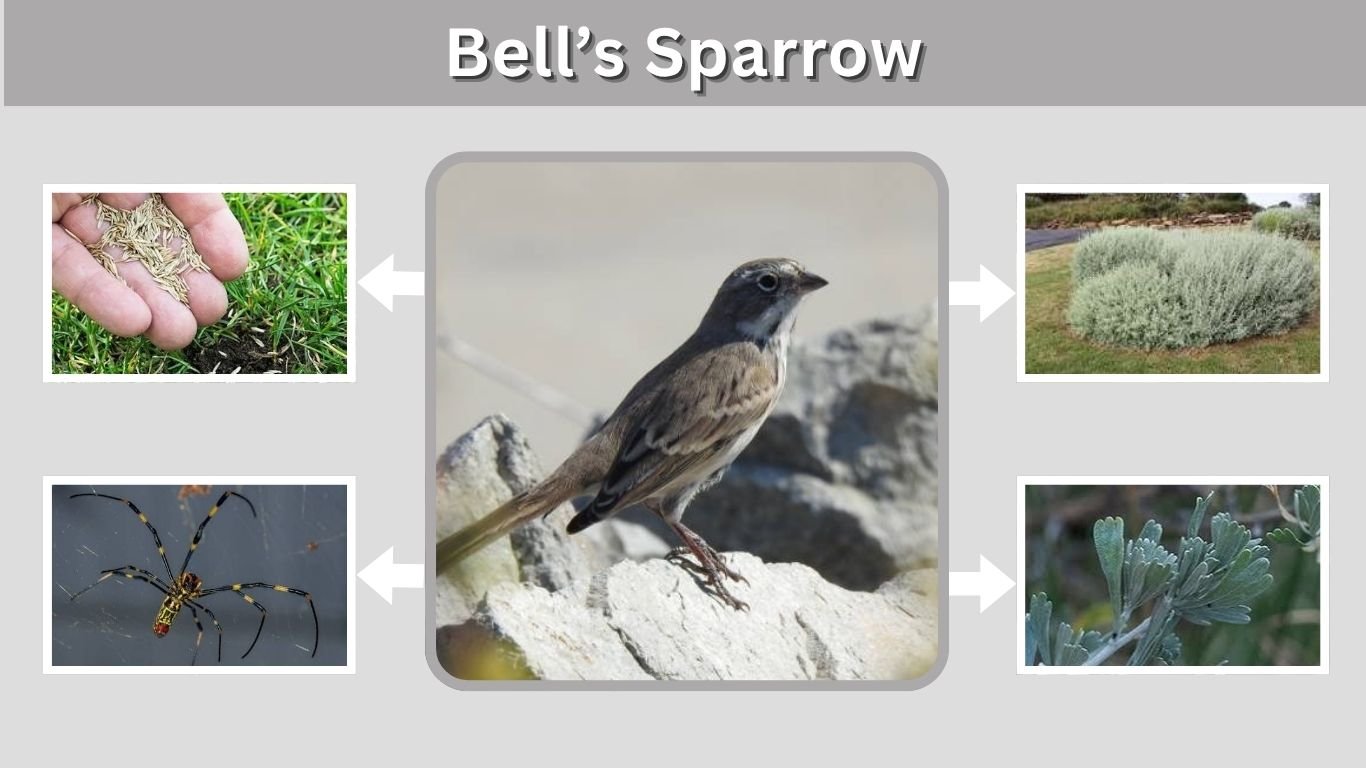
Sparrows are among the most familiar and adaptable birds in the world. Found across cities, fields, and forests, these small birds thrive in diverse environments thanks to their flexible diet. Understanding what sparrows eat helps us appreciate their ecological role and care for them better, especially during harsh seasons. From seeds and grains to insects and fruits, sparrows have varied feeding habits shaped by species, age, and surroundings.
Overview of Sparrow Diet
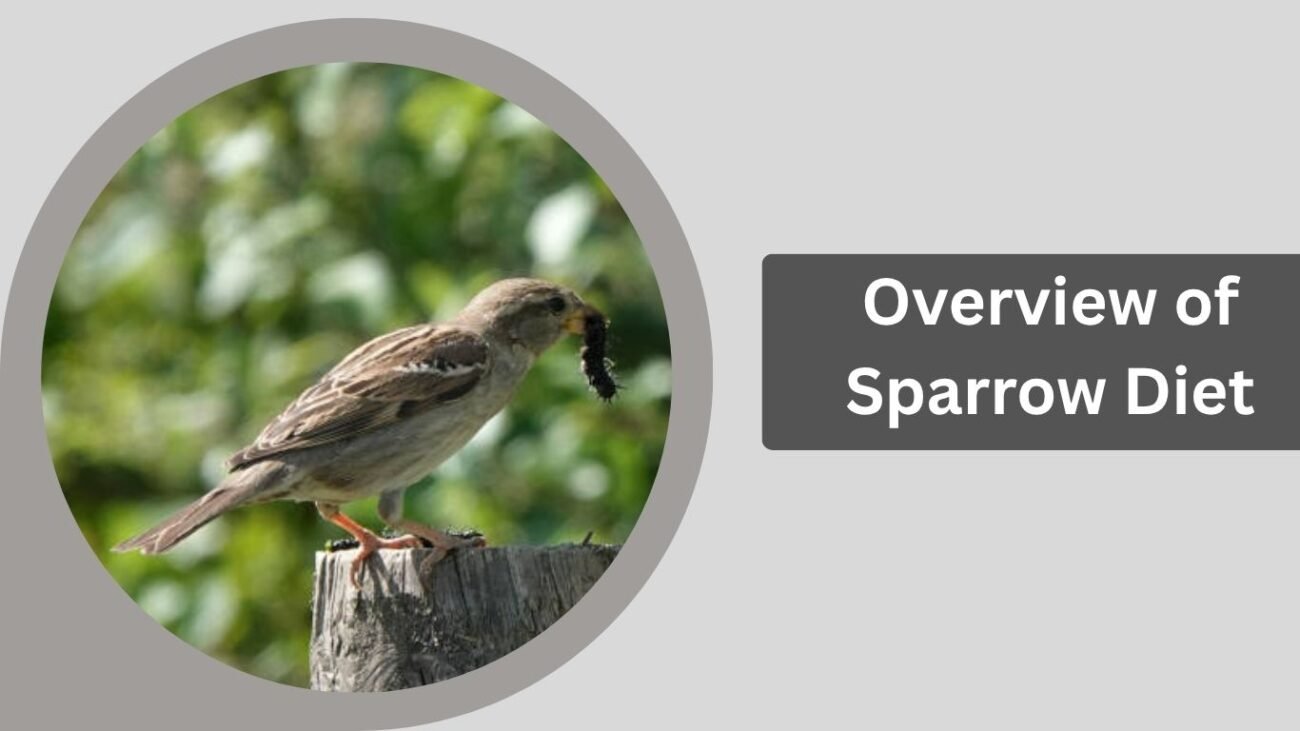
What Do Sparrows Generally Eat?
Sparrows are omnivorous birds, meaning they eat both plant and animal matter. Their diet mainly consists of seeds, grains, small insects, fruits, and green shoots. In agricultural areas, they feed on leftover grains from harvests, while in cities, they scavenge crumbs and food scraps. Their small, conical beaks are perfectly adapted to cracking seeds, making them efficient foragers.
During breeding seasons, sparrows increase their protein intake by eating insects and larvae, which help them maintain strength and feed their growing chicks. This balance of carbohydrates, fats, and proteins is crucial to their survival throughout the year.
What Do Sparrows Like to Eat the Most?
Sparrows show a special preference for small seeds such as millet, wheat, sunflower chips, and cracked corn. In urban areas, they often visit bird feeders and peck at bread crumbs or leftover grains. However, natural food sources like grass seeds and weed seeds remain their top choices.
When insects are available, sparrows eagerly eat caterpillars, beetles, and small flies, which provide vital nutrients. Their adaptability to available food makes them successful survivors in nearly every habitat on Earth.
Species-Specific Diets of Sparrows
House Sparrow (Passer domesticus)
The house sparrow is the most widely recognized species, especially common in human settlements. Its diet mainly includes grains, seeds, weeds, and insects. They also eat crumbs, cereals, and food scraps found around homes and markets.
During breeding, adult house sparrows hunt soft-bodied insects like caterpillars to feed their chicks. In winter, they rely heavily on dry seeds since insects are scarce. If you wish to attract them, providing millet, sunflower chips, or cracked corn in feeders is ideal.
Tree and Eurasian Tree Sparrows
Tree sparrows and Eurasian tree sparrows prefer open woodlands, farmlands, and gardens. Their diet consists of grass seeds, grains, and small insects. In spring and summer, they eat more insects to supply their young with protein. During autumn, they switch to a heavier seed-based diet.
Tree sparrows are less dependent on humans than house sparrows but still visit feeders when food is scarce. Their adaptability ensures they thrive in both wild and semi-urban habitats.
Song and Chipping Sparrows
Song sparrows and chipping sparrows mainly feed on weed seeds, grains, and insects. They forage in fields and backyards, hopping on the ground to pick seeds and bugs. Song sparrows are particularly fond of small berries and sometimes eat fruits during summer.
Chipping sparrows, on the other hand, consume grass seeds and tiny insects. Both species play an essential role in controlling pest populations by feeding on larvae and caterpillars.
White-Crowned, White-Throated, and Fox Sparrows
These northern species adjust their diet with the seasons. In summer, white-crowned and white-throated sparrows eat insects, beetles, and spiders to meet breeding energy needs. In colder months, they depend on grass seeds and berries.
The fox sparrow favors berries, weed seeds, and small insects, often foraging in dense shrubs or near forest edges. Their varied diet reflects how sparrows adapt to shifting food sources in different climates.
Other Species (Java, Hedge, Grasshopper, Golden-Crowned)
- Java sparrows prefer grains and fruits, especially rice and millet.
- Hedge sparrows (dunnocks) eat insects, worms, and spiders, leaning toward an insectivorous diet.
- Grasshopper sparrows consume grass seeds and grasshoppers, reflecting their grassland habitat.
- Golden-crowned sparrows enjoy berries, seeds, and insects, especially in migration seasons.
Each species has evolved a unique feeding pattern based on environment, season, and local food availability.
What Do Baby and Fledgling Sparrows Eat?

What Do Baby Sparrows Eat in the Wild?
Baby sparrows, also called nestlings, rely entirely on their parents for food. Adult sparrows feed them a soft, protein-rich diet of insects, larvae, and small worms. These foods help chicks grow rapidly and develop strong feathers.
In the first few days, baby sparrows eat exclusively insects. As they mature, parents gradually introduce crushed seeds and grains to prepare them for an adult diet.
What to Feed a Baby Sparrow If You Find One
If you find a baby sparrow, it’s essential to mimic their natural diet. The safest foods include softened dog kibble, soaked cat biscuits, crushed mealworms, or baby bird formula available in pet stores. Avoid milk, bread, or raw grains—they can cause digestion problems or even death.
Feed the chick every 20–30 minutes during daylight hours using a dropper or small spoon, keeping it warm and hydrated. As it grows, reduce the feeding frequency and introduce finely crushed seeds.
Seasonal and Habitat-Based Feeding
What Do Sparrows Eat in Winter?
Winter poses a major challenge for sparrows, as insects and fresh plants disappear. During this time, they survive mainly on dry seeds, grains, and leftover human food. In areas with snow, sparrows often visit feeders or barns in search of warmth and food.
If you want to help sparrows in winter, fill feeders with millet, cracked corn, and sunflower seeds, and provide fresh water that isn’t frozen. This simple act can make a big difference in their survival.
What Do Sparrows Eat in Summer and in the Wild?
During summer, sparrows enjoy a much richer diet. The abundance of insects, fruits, and vegetation allows them to eat more protein and vitamins. They actively hunt flies, grasshoppers, and beetles, which are vital for breeding and molting.
In the wild, sparrows forage on the ground, picking up fallen seeds and insects from grasses and shrubs. They also eat berries, soft fruits, and even flower buds. This high-energy diet helps them stay active during long daylight hours and supports the rearing of chicks.
Urban vs. Rural Diets
Urban sparrows are highly adaptive. They eat bread crumbs, grains, cereals, and food waste left by humans. Rooftops, markets, and gardens serve as reliable feeding areas. In contrast, rural sparrows depend more on natural sources such as wild seeds, weeds, and insects.
Interestingly, studies show that urban sparrows often have a higher carbohydrate diet, while rural ones consume more natural protein from insects. This adaptation highlights how sparrows thrive in nearly every human environment.
Seeds, Grains, Fruits, and Plant Diet
What Seeds Do Sparrows Eat?
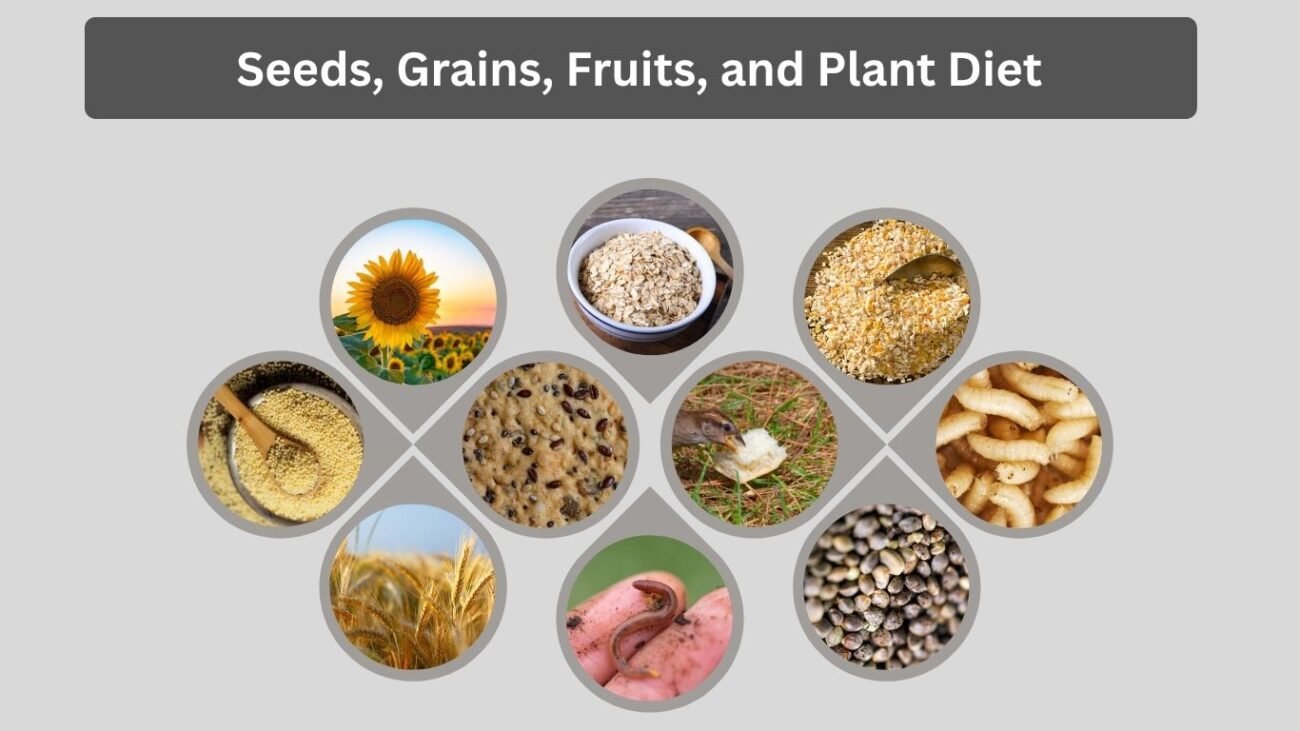
Seeds form the backbone of a sparrow’s diet. Their beaks are designed for cracking small, hard seeds efficiently. Common favorites include millet, wheat, sunflower chips, oats, and cracked corn. In the wild, sparrows also consume weed seeds such as chickweed and dandelion.
At backyard feeders, sparrows prefer white proso millet and cracked corn over larger seeds. Mixed birdseed blends with small grains attract them easily.
What Fruits and Plants Do Sparrows Eat?
Though fruits are not their main diet, sparrows occasionally eat berries, apples, grapes, and pears. They peck at soft fruits during summer for hydration and nutrients. In natural habitats, they also consume wild berries from shrubs and nibble on young plant shoots and leaves.
These fruits supply vitamins and moisture, especially in hot or dry regions where water sources are scarce.
What Seeds Do Sparrows Not Eat?
Sparrows tend to avoid large or tough seeds such as safflower, nyjer, and striped sunflower seeds, as these are difficult to crack. They also ignore overly oily or processed grains. If your feeder contains such seeds, you may notice fewer sparrows visiting, as they prefer smaller, lighter seeds.
Insects and Protein Sources
What Insects and Bugs Do Sparrows Eat?
Insects play a vital role in a sparrow’s nutrition. They eat caterpillars, beetles, grasshoppers, spiders, flies, ants, and small worms. During nesting periods, sparrows catch insects constantly to feed their growing chicks.
Protein from insects boosts feather growth and muscle development, which is especially important for fledglings learning to fly. In agricultural regions, sparrows also help control pest populations by consuming harmful crop insects.
Seasonal Protein Needs
Sparrows’ protein consumption peaks during spring and early summer, when breeding and molting demand extra energy. As temperatures drop in fall and winter, they shift back to a carbohydrate-heavy diet of seeds and grains. This natural cycle keeps their energy balanced throughout the year.
Feeding Stages of Sparrow Life

Diet of Adult Sparrows
Adult sparrows follow a mixed diet that changes with the environment. They eat grains, weed seeds, insects, and fruits, often foraging early in the morning and late in the afternoon. Adult sparrows also play a crucial ecological role by spreading seeds through their droppings, aiding plant regeneration.
Diet of Adolescent and Juvenile Sparrows
Once fledglings begin to leave the nest, they transition from an insect-based diet to mixed grains and seeds. Parents guide them to foraging areas and teach them how to crack seeds. Juveniles often stay near feeders or gardens as they adapt to independent feeding.
This stage is critical for building muscle and stamina, ensuring young sparrows survive their first migration or winter season.
Sparrow Hawks – Predator Clarification
What Do Sparrow Hawks Eat?
Despite the name, sparrow hawks are not sparrows. They are small birds of prey that often hunt sparrows and other small birds. Their diet includes finches, robins, and sometimes small mammals or insects.
This clarification helps avoid confusion between sparrow species (Passeridae family) and sparrow hawks (Accipiter genus). While sparrows are seed-eaters, sparrow hawks are carnivorous hunters that play a natural role in balancing bird populations.
Key Takeaways
- Sparrows are omnivorous birds with diets that vary by season and habitat.
- Seeds, grains, and insects are their main food sources.
- Baby sparrows eat mostly insects provided by their parents.
- Urban sparrows rely more on human food, while wild ones forage naturally.
- Providing millet, sunflower chips, and clean water supports their survival year-round.
FAQs
What is a sparrow’s favorite food?
Sparrows love millet, cracked corn, and sunflower chips the most. They also enjoy weed seeds and grains found in the wild. In cities, they eagerly eat crumbs and grains near human activity, but their natural preference remains small, easy-to-digest seeds.
What do baby sparrows eat at home if rescued?
Feed them soft, soaked dog or cat kibble, crushed insects, or commercial baby bird formula. Feed every 20–30 minutes during daylight hours using a dropper or soft tool. Keep them warm and hydrated, and never offer milk, bread, or raw seeds.
What do sparrows eat in winter?
In winter, sparrows mainly survive on dry seeds, grains, and leftover crumbs. Feeders filled with millet or cracked corn become essential food sources. These high-energy foods help them maintain body heat and survive when natural food is limited.
Do sparrows eat fruits and vegetables?
Yes, sparrows occasionally eat berries, apples, and grapes for moisture and nutrients. They may nibble on soft vegetables or tender shoots but prefer seeds and insects for most of their nutrition. Fruits are a small but healthy supplement to their diet.
What can I feed sparrows in my backyard?
Offer mixed birdseed containing millet, oats, and cracked corn. Add a small dish of water and occasional fruit slices. Avoid salty or fried human food. Consistent feeding helps maintain local sparrow populations and supports them through harsh seasons.