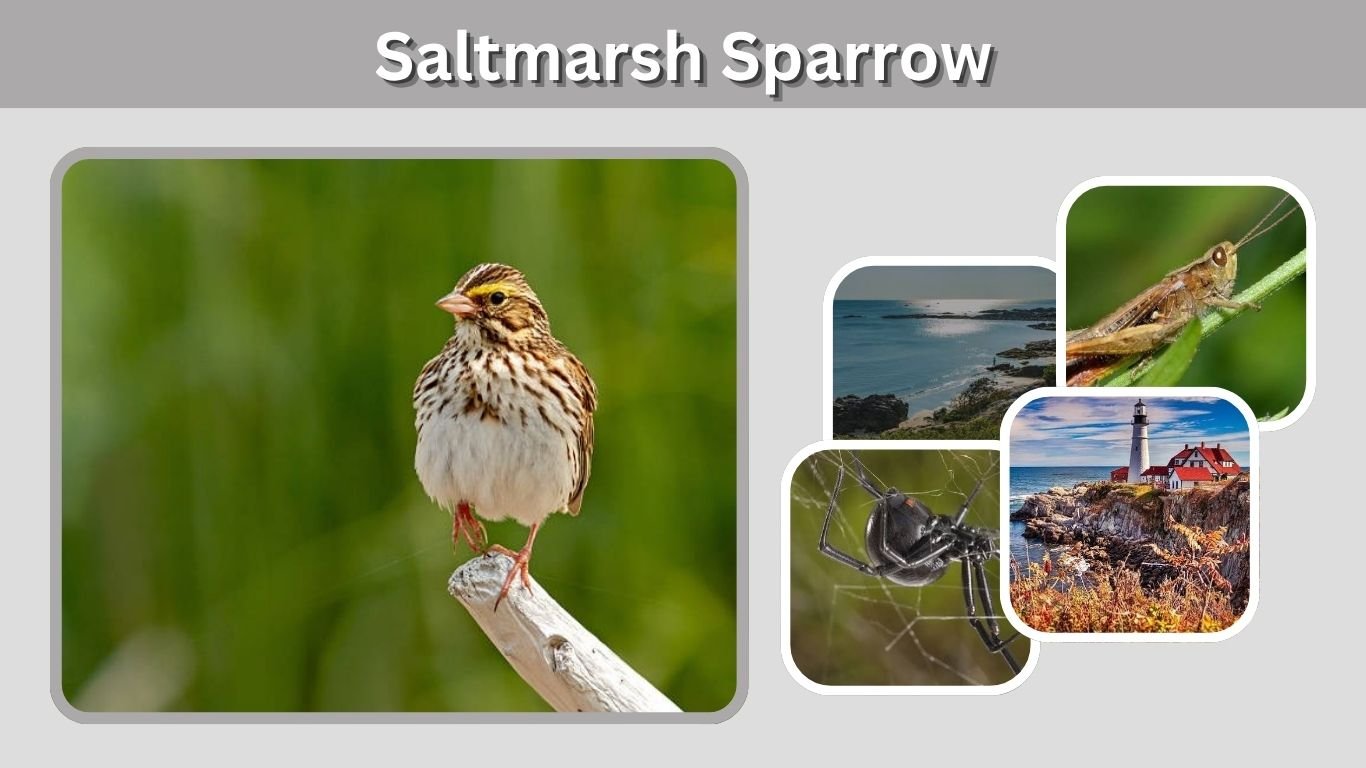
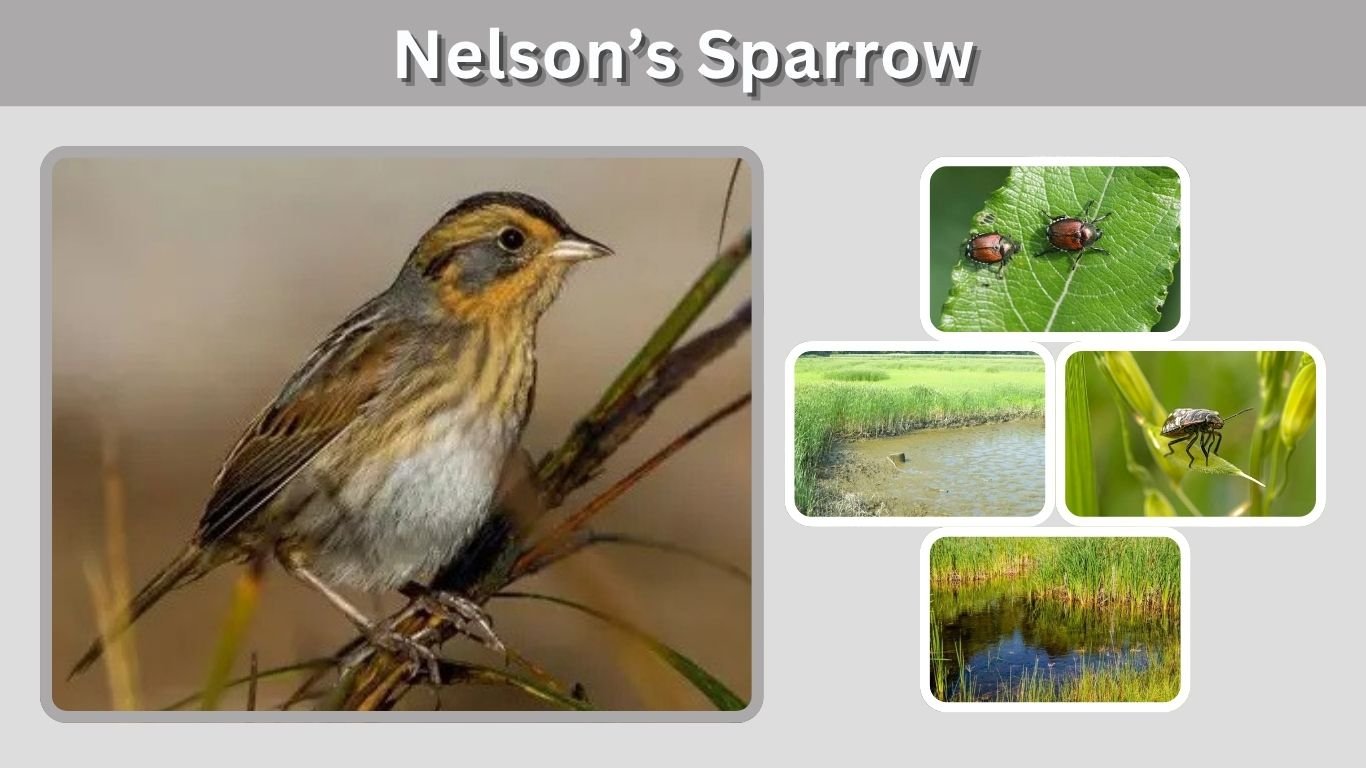
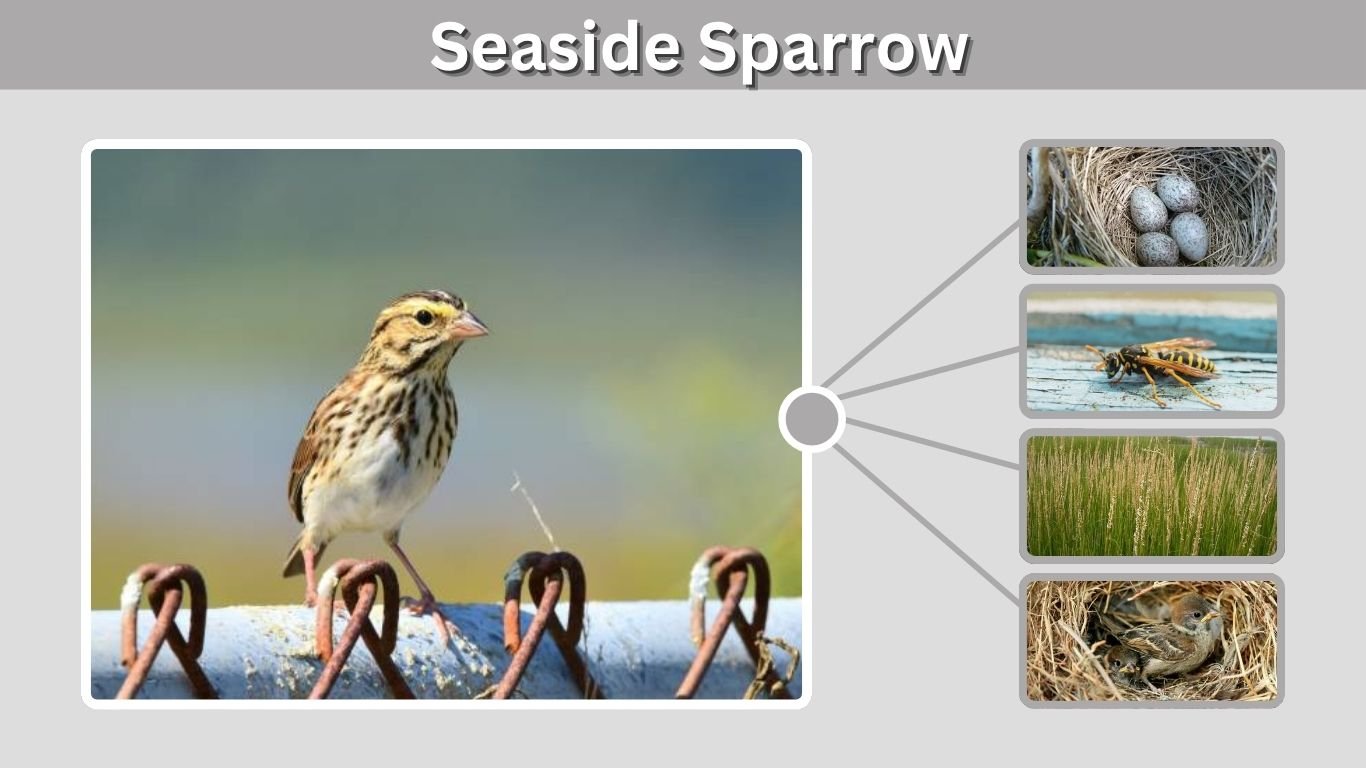
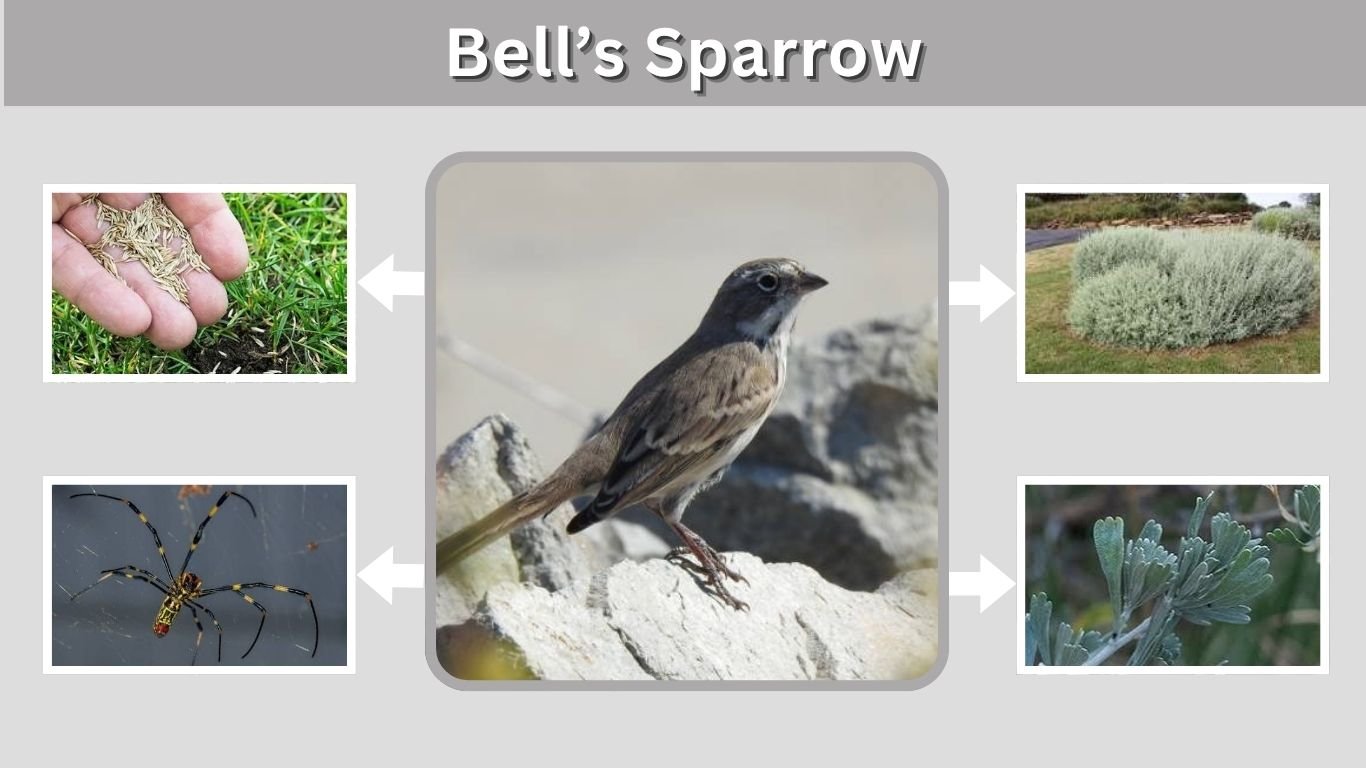
Florida is home to an impressive variety of sparrows — from the common House Sparrow fluttering in city parks to the elusive Florida Grasshopper Sparrow that inhabits the state’s dry prairies. These small, adaptable birds thrive in diverse habitats, from coastal wetlands and pine flatwoods to suburban gardens. Some species are year-round residents, while others migrate south for winter. Among them, the Florida Grasshopper Sparrow stands out as one of the most endangered birds in North America, making its conservation a critical focus for wildlife organizations.
Understanding Sparrows in Florida
Sparrows in Florida represent a fascinating blend of adaptability, diversity, and ecological importance. These small, unassuming birds play a vital role in maintaining natural balance by controlling insect populations and dispersing seeds. While species like the House Sparrow have adapted easily to urban life, others such as the Florida Grasshopper Sparrow depend on fragile prairie ecosystems that are rapidly disappearing. Some sparrows live in Florida year-round, while many migrate south to escape colder northern winters. Their behaviors, songs, and habitats vary widely, yet they all share an ability to thrive in the Sunshine State’s diverse landscapes — from city parks to wild grasslands. Understanding Florida’s sparrows not only deepens appreciation for local wildlife but also highlights the importance of conserving their habitats for future generations.
Identifying Sparrows in Florida
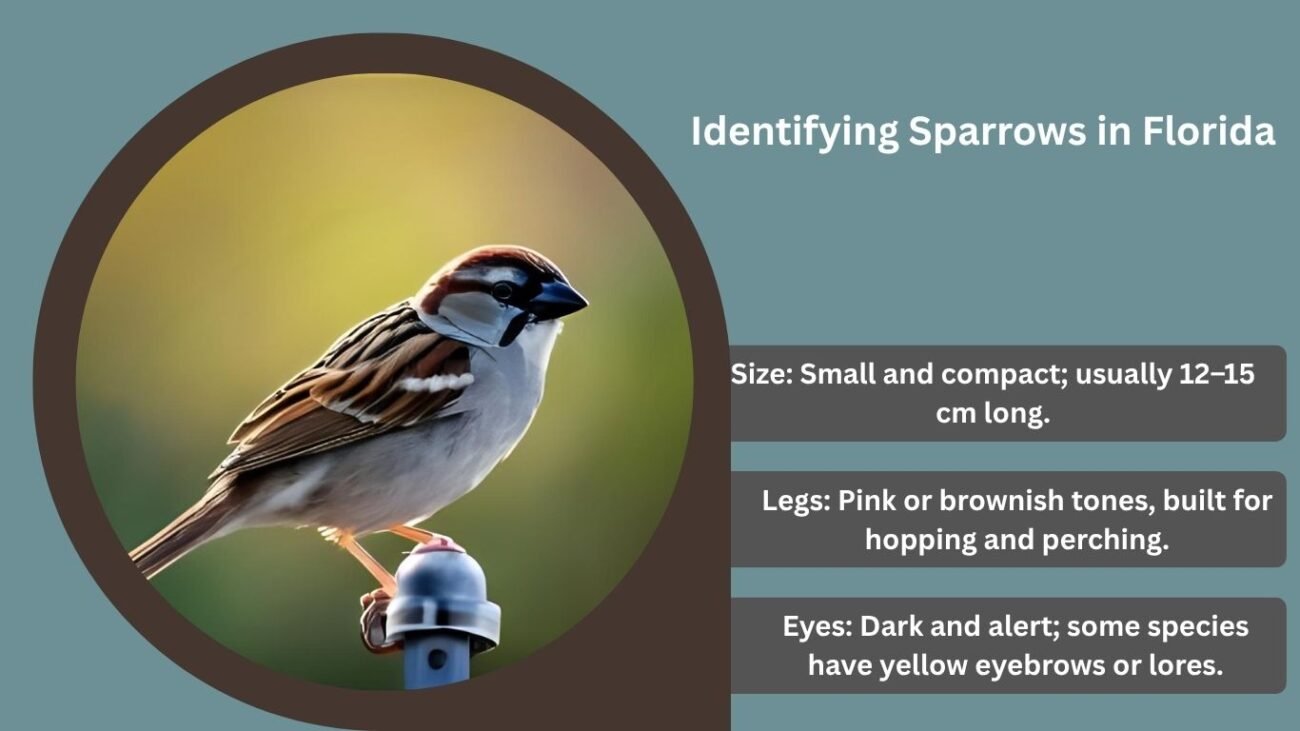
- Size: Small and compact; usually 12–15 cm long.
- Shape: Rounded body, short tail, and conical beak ideal for eating seeds.
- Color: Brown, gray, tan, or buff with streaked backs and pale underparts.
- Markings: Many species show eye stripes, chest spots, or wing bars for identification.
- Beak: Short and thick; perfect for cracking grains and seeds.
- Eyes: Dark and alert; some species have yellow eyebrows or lores.
- Legs: Pink or brownish tones, built for hopping and perching.
- Call: Varies by species — chirps, trills, or buzz-like songs (especially in Grasshopper Sparrows).
- Habitat: Found in grasslands, wetlands, prairies, urban parks, and suburbs across Florida.
- Behavior: Often seen foraging on the ground or perched low on shrubs and fences.
The Florida Grasshopper Sparrow
Species Overview
The Florida Grasshopper Sparrow is one of Florida’s most remarkable and endangered birds. A subspecies of the Grasshopper Sparrow, it is found nowhere else in the world but the dry prairies of Central Florida, mainly in Osceola and Okeechobee Counties. These small, shy birds are so named for their grasshopper-like buzzing song, which they use to communicate across grassy plains.
Appearance and Song
This sparrow is tiny, about 13 cm long, with a short tail, brown-streaked back, and pale underparts. A faint orange wash appears near its face and neck. The males produce a distinctive insect-like buzz that’s audible during the breeding season, helping researchers locate them in their native prairies.
Endangered Status
Once abundant, the Florida Grasshopper Sparrow has suffered a drastic population decline due to habitat loss, nest predation, and altered fire management practices that changed prairie ecosystems. Today, fewer than 100 individuals are believed to exist in the wild. Conservationists have launched extensive efforts, including captive breeding programs led by the U.S. Fish and Wildlife Service, Audubon Florida, and White Oak Conservation. Chicks bred in captivity are now being released into restored prairies to boost wild populations.
Habitat and Regional Distribution
Sparrows in Florida thrive in a wide range of environments, reflecting the state’s rich mix of ecosystems. The Florida Grasshopper Sparrow inhabits the open dry prairies of Central Florida, especially in Osceola and Okeechobee Counties, where native grasses provide both food and nesting cover. Swamp Sparrows and Song Sparrows prefer the marshlands and wetlands of North and South Florida, while Savannah and Chipping Sparrows occupy grassy fields and farmlands. In cities and suburbs, the adaptable House Sparrow is the most common, often nesting near buildings and feeding in parks or around people. Florida’s mild winters also attract migratory sparrows such as the White-throated and White-crowned Sparrow, which join resident populations from November through March. From the pine flatwoods of the north to the coastal wetlands of the south, sparrows have found a home in nearly every corner of the Sunshine State.
Behavior and Ecology
Feeding Habits
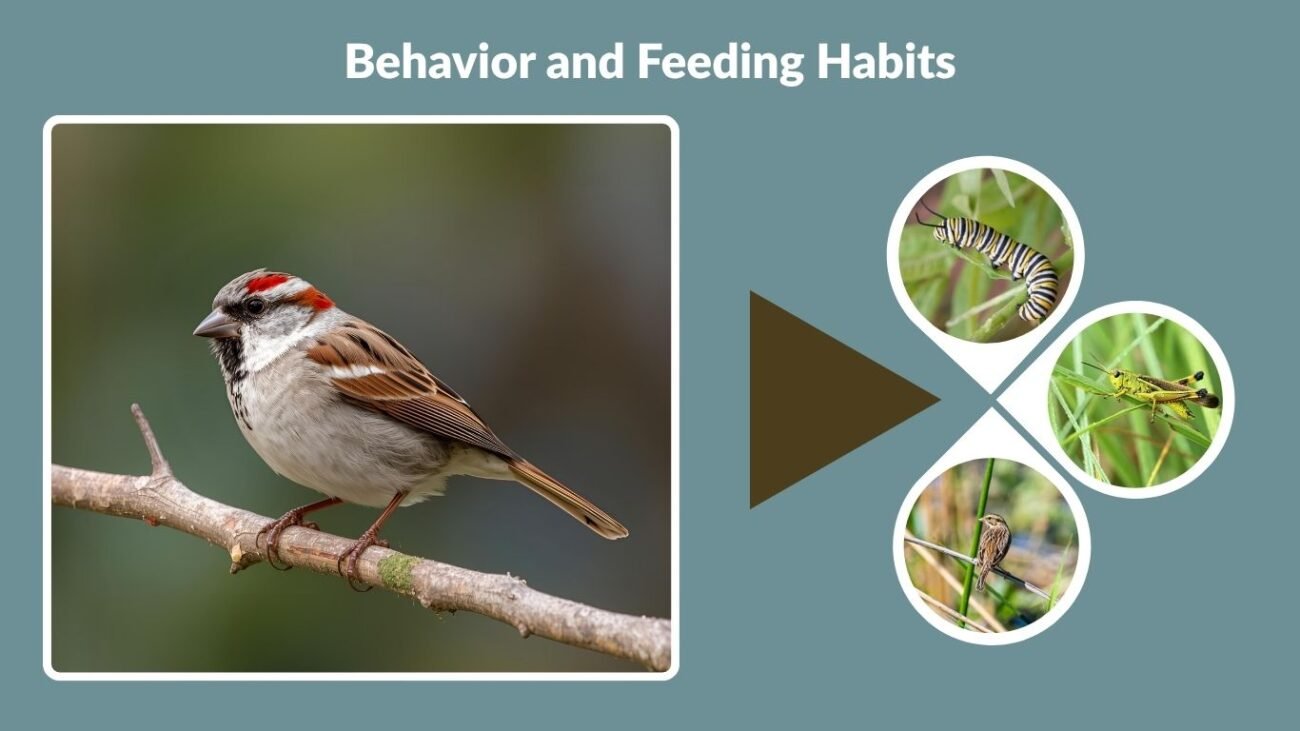
Sparrows are primarily granivorous, feeding on seeds, grains, and small insects. During the breeding season, their diet includes caterpillars, beetles, and grasshoppers to meet the protein needs of growing chicks. They forage mainly on the ground, hopping between grasses and shrubs while using short flights to cover open spaces.
Social Behavior
Most Florida sparrows are social and gregarious outside the breeding season, often forming loose flocks while feeding. However, species like the Florida Grasshopper Sparrow are more territorial and solitary, defending small nesting areas during breeding months. Male sparrows use song not only to attract mates but also to warn rivals of their presence.
Vocalization and Communication
Every sparrow species has a distinctive voice, making their songs one of the best tools for identification.
- The Florida Grasshopper Sparrow is named for its insect-like buzzing call, which resembles the sound of a grasshopper on a summer day.
- The Song Sparrow delivers a long, melodious tune that varies by region, while the Chipping Sparrow offers a high, dry trill often heard in open woodlands.
- The White-throated Sparrow sings a whistled “Oh-sweet-Canada” phrase, a familiar sound during winter migration.
These vocal differences not only help birdwatchers identify species but also play vital roles in communication — establishing territory, attracting mates, and coordinating flock behavior.
Breeding and Nesting
Breeding Season
In Florida, the sparrow breeding season usually runs from March to August, although some species may begin earlier depending on rainfall and temperature. Florida’s mild climate allows for an extended breeding window, with some species raising multiple broods per year.
Nest Construction
Most sparrows construct cup-shaped nests made of grasses, twigs, and feathers. Nests are often hidden low in vegetation, shrubs, or on the ground to protect from predators. The Florida Grasshopper Sparrow, however, builds its nest directly on the ground — carefully weaving grasses into a small dome with a side entrance. This structure provides camouflage but also exposes it to threats like flooding and predators.
Eggs and Chicks
Typical clutches contain three to five eggs, which are pale white or cream with brown speckling. Incubation lasts about 12 to 14 days, with both parents sharing duties. After hatching, the chicks are fed insects and soft seeds until they fledge around two weeks later. Despite their small size, sparrows show strong parental instincts, often raising several broods during favorable conditions.
Lifespan and Survival Challenges
Average Lifespan
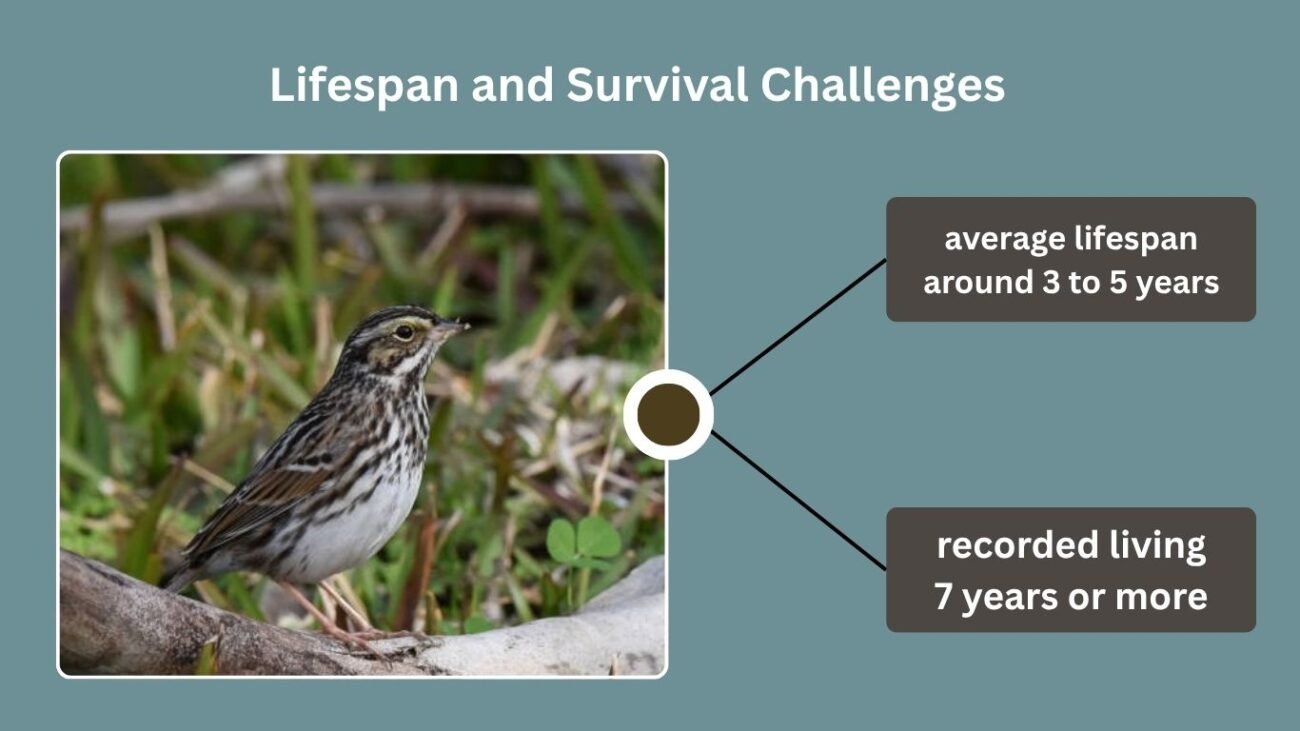
Most sparrows in Florida live between 3 to 5 years in the wild, though a few individuals may survive up to 7 years under ideal conditions. Their short lives are filled with constant activity — foraging, breeding, and avoiding predators.
Natural Threats
Sparrows face daily dangers from predators like hawks, snakes, raccoons, and domestic cats. For ground-nesting species, eggs and chicks are especially vulnerable to fire ants and flooding during heavy rains. Weather extremes, such as tropical storms and hurricanes, also destroy nests and disrupt breeding cycles.
Human Impacts
Urbanization has greatly reduced Florida’s grasslands and prairies, fragmenting critical sparrow habitats. Agricultural expansion, invasive plant species, and pesticide use further threaten food supplies. For the Florida Grasshopper Sparrow, these pressures have pushed the population to the brink of extinction. Invasive species, like House Sparrows, also compete with native birds for nesting spaces and resources.
Endangered and Rare Sparrows of Florida
Florida Grasshopper Sparrow
This sparrow is one of the most endangered birds in the United States, found only in a few Central Florida prairies. Habitat loss, fire suppression, and predation caused its numbers to fall below 100 in the wild. Conservation programs now focus on captive breeding and reintroduction, as well as restoring native prairies through controlled burns and land protection.
Cape Sable Seaside Sparrow
Native to the Everglades, this small grayish-brown sparrow depends on coastal marshes. It is threatened by rising water levels and changes in hydrology caused by human management of the Everglades. The U.S. Fish and Wildlife Service lists it as endangered, and active water management projects aim to preserve its delicate wetland ecosystem.
Conservation Programs
- White Oak Conservation Center manages successful captive breeding of Florida Grasshopper Sparrows.
- Audubon Florida and University of Florida researchers monitor wild populations and study breeding patterns.
- Controlled burns maintain healthy prairies and prevent overgrowth that reduces nesting areas.
- Federal and state programs promote habitat restoration across Osceola and Okeechobee counties.
Sparrow Watching in Florida
Best Birding Locations
Florida offers numerous excellent spots for sparrow enthusiasts:
- Kissimmee Prairie Preserve State Park: The stronghold of the Florida Grasshopper Sparrow.
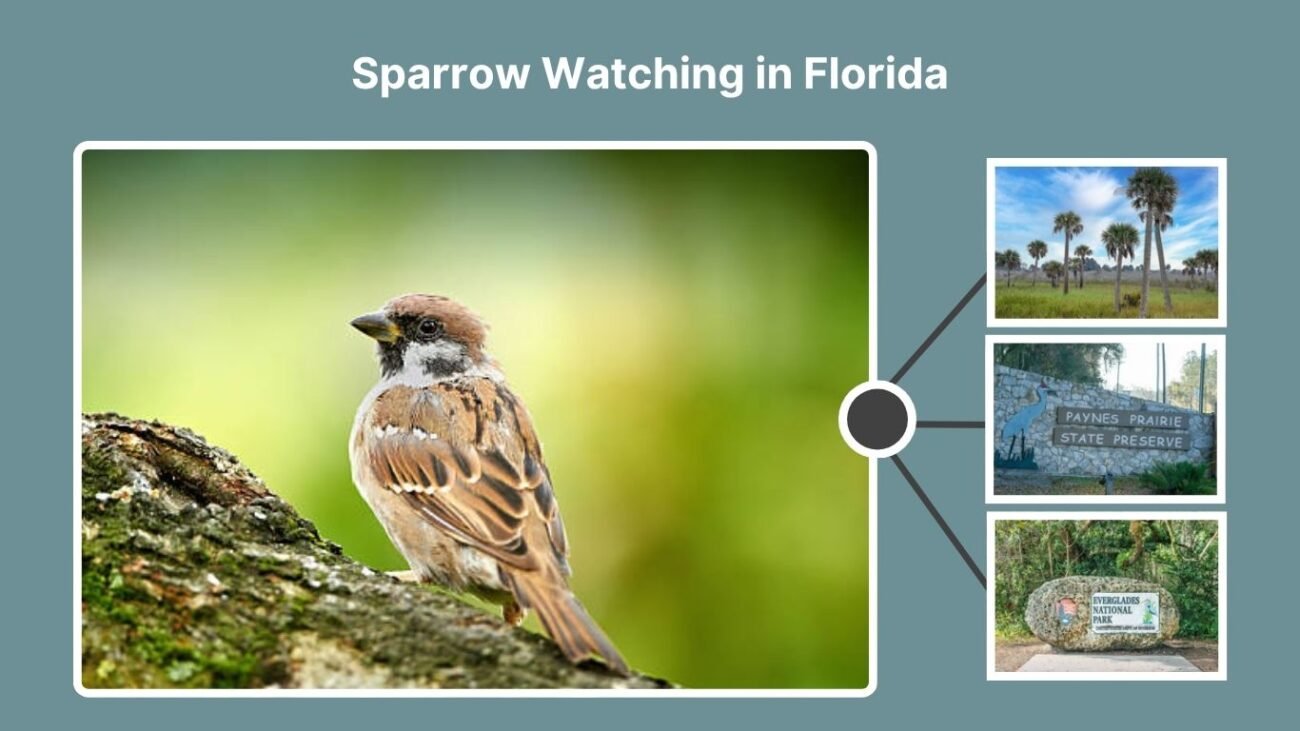
- Paynes Prairie Preserve (Gainesville): Home to Song, Savannah, and Grasshopper Sparrows.
- Everglades National Park: Habitat of the Cape Sable Seaside Sparrow.
- St. Marks National Wildlife Refuge: One of the best wintering sites for migratory sparrows.
Tips for Birdwatchers
- Go birding early in the morning when sparrows are most active and vocal.
- Use binoculars and field guides for accurate identification.
- Listen carefully for songs, as many species are easier to hear than see.
- Stay on designated trails to avoid disturbing ground nests, especially during breeding season.
Birding in Florida offers a chance not just to enjoy these small birds but also to contribute valuable data to conservation organizations through platforms like eBird.
Conservation and Public Involvement
Ongoing Projects
Conservationists are working tirelessly to save endangered sparrow species. Efforts include captive breeding, habitat restoration, and monitoring. The Florida Grasshopper Sparrow Recovery Project has successfully released several captive-bred birds into the wild — a hopeful milestone for the species’ survival.
How the Public Can Help
- Support local and national wildlife organizations.
- Plant native grasses and shrubs to provide food and shelter for sparrows.
- Avoid using pesticides in gardens and fields.
- Participate in bird counts or report sightings through citizen-science apps like Audubon Bird Guide or Merlin.
Key Takeaways
- Florida is home to more than a dozen sparrow species, from common to endangered.
- The Florida Grasshopper Sparrow is unique to the state and critically endangered.
- Sparrows live in varied habitats — grasslands, wetlands, forests, and cities.
- They play vital ecological roles in seed dispersal and insect control.
- Conservation efforts, including breeding programs and habitat restoration, are crucial to protecting them.
FAQs
What is the rarest sparrow in Florida?
The Florida Grasshopper Sparrow is the rarest, found only in Central Florida’s dry prairies. Fewer than 100 individuals survive in the wild, though breeding programs offer new hope.
Are there sparrows in South Florida?
Yes. Swamp Sparrows and Cape Sable Seaside Sparrows inhabit South Florida wetlands and the Everglades region.
What do sparrows eat in Florida?
Most feed on grass seeds, grains, and small insects. During breeding season, they rely more on insects to nourish their chicks.
Why is the Florida Grasshopper Sparrow endangered?
Habitat destruction, predation, and poor nesting success caused by fire suppression and urban development have led to its steep decline.
When is the best time to see sparrows in Florida?
Winter and early spring (November–March) offer the best viewing opportunities, as migratory sparrows join local species across the state.