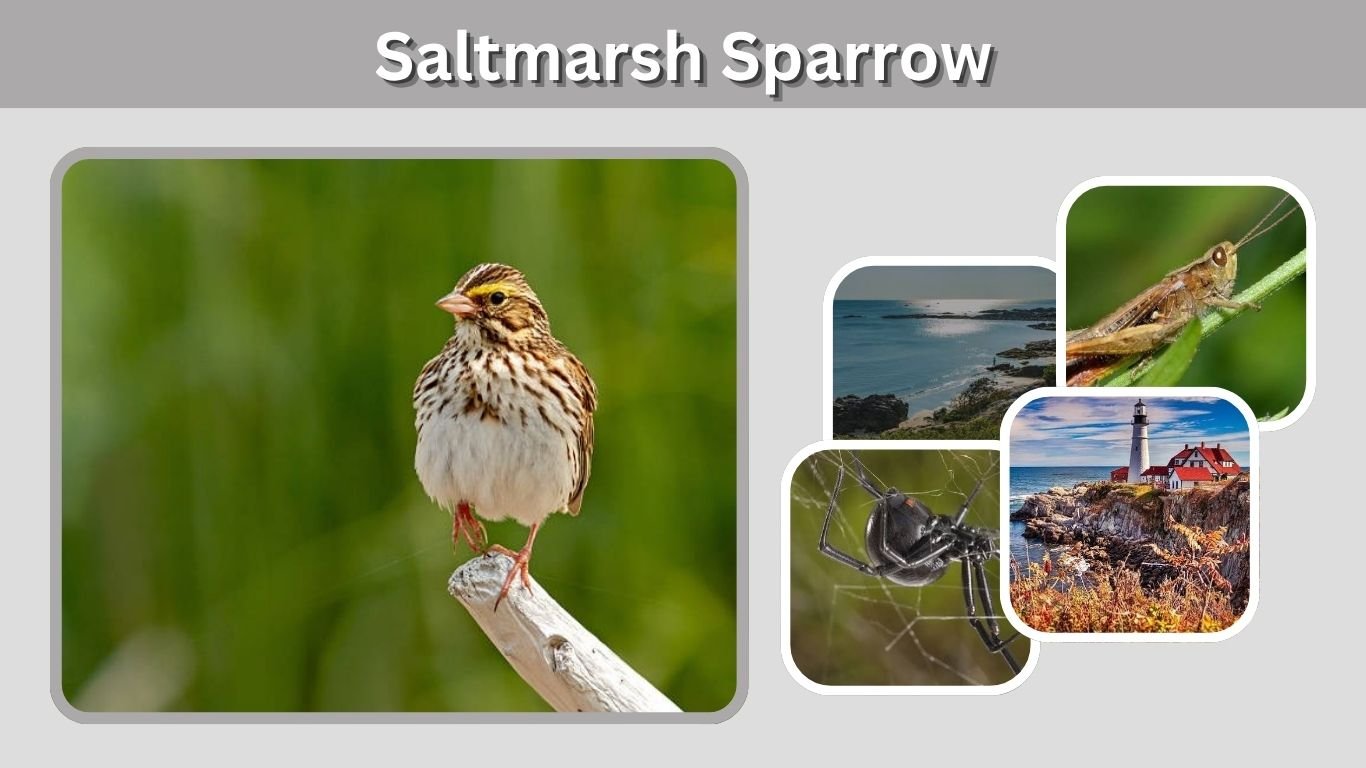
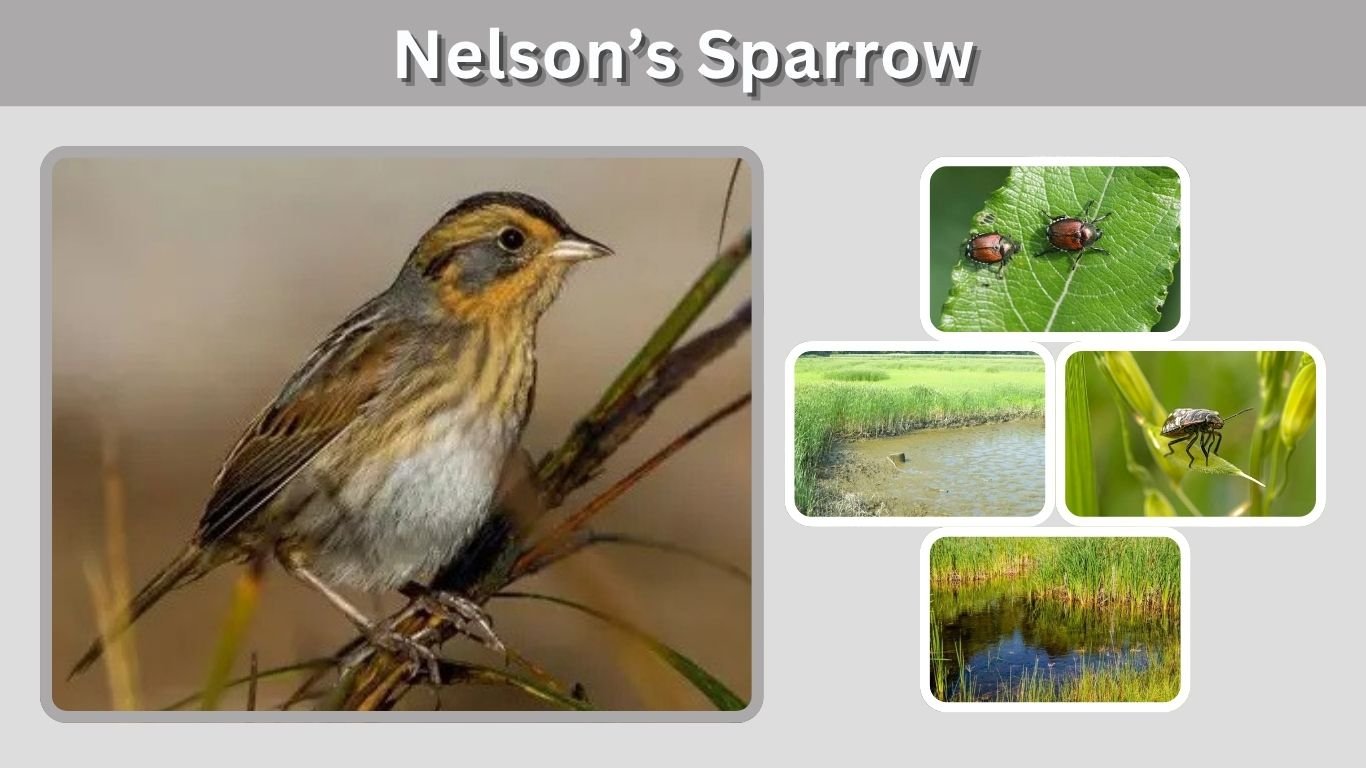
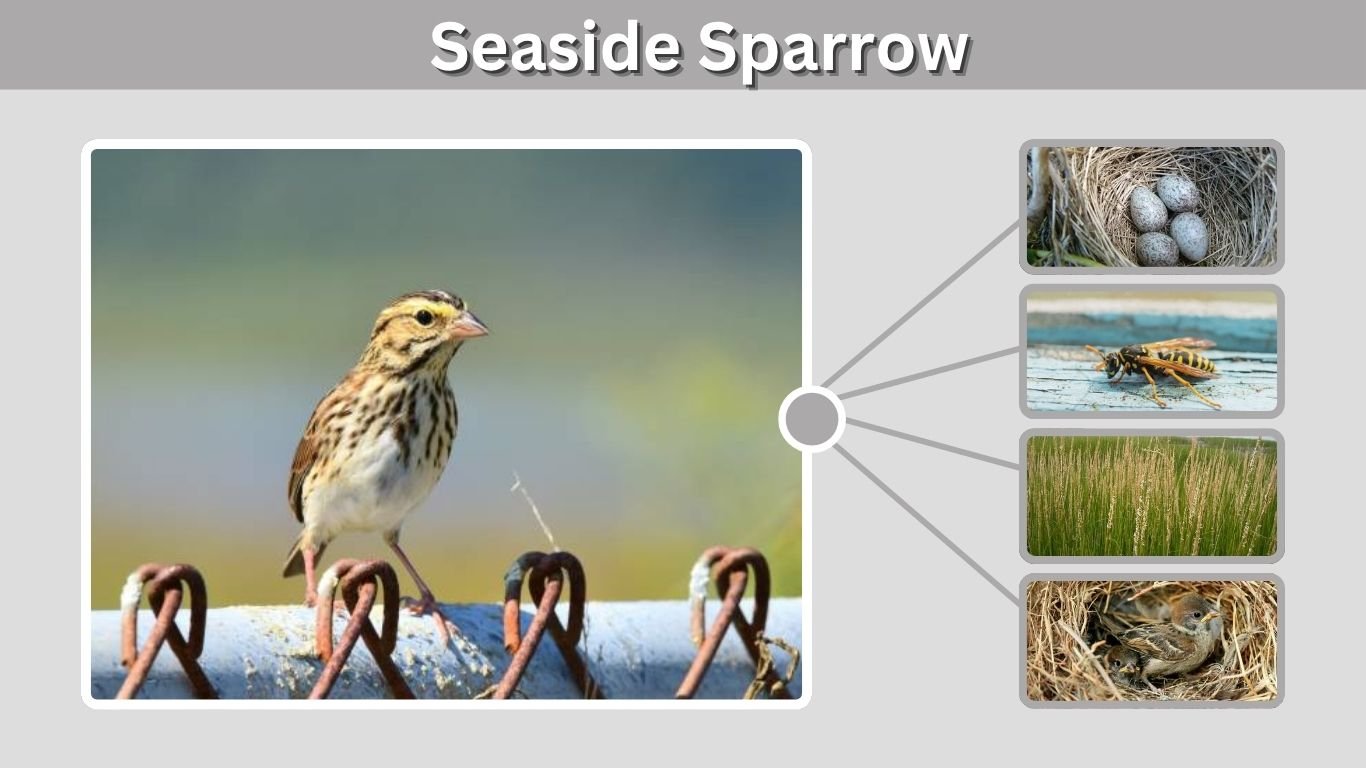
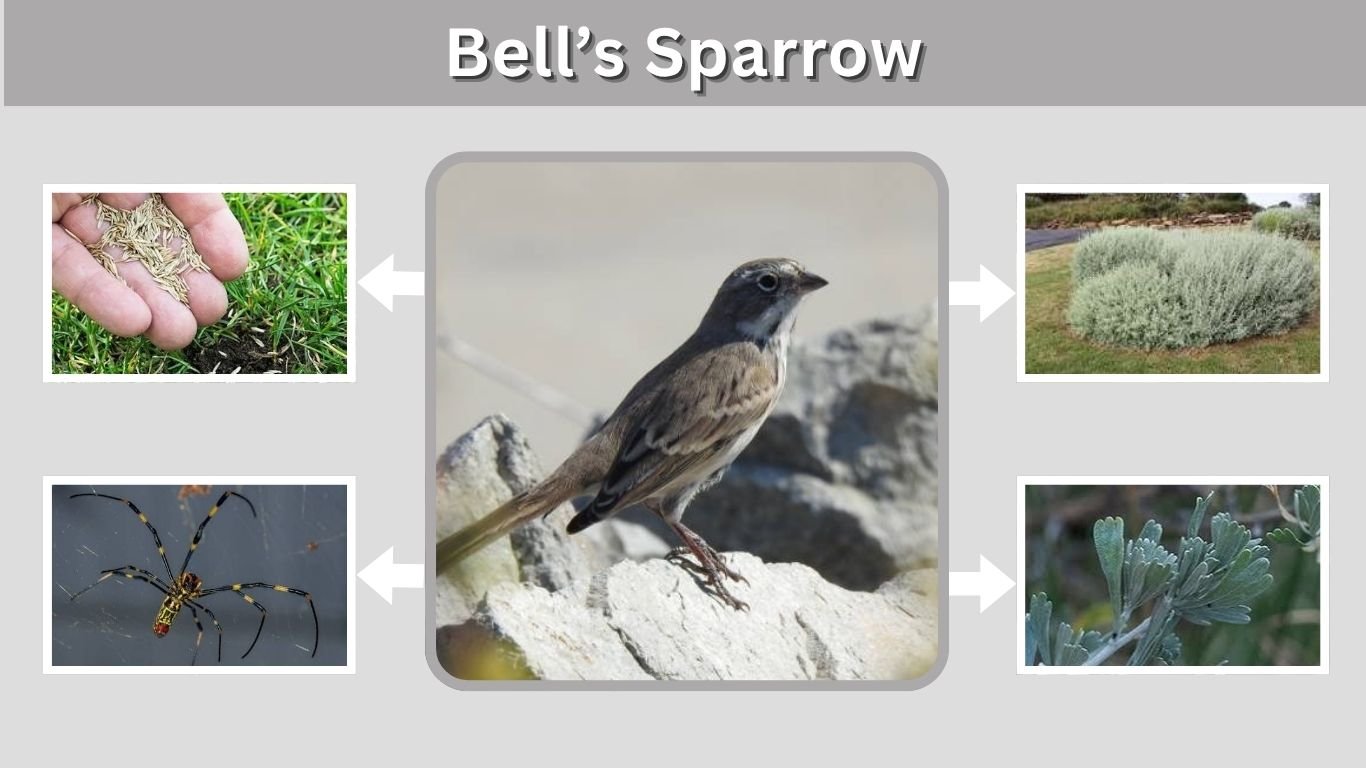
Texas is home to a remarkable variety of sparrows — small, lively birds that thrive in almost every landscape across the state. From the wide-open prairies of Central Texas to the pine forests of the east and the dry brushlands of the south, sparrows have adapted beautifully to local conditions. Their songs fill neighborhoods, parks, and fields year-round, and their presence plays an important role in maintaining ecological balance. Understanding their identification, habitats, and behaviors helps bird lovers recognize the many species that call Texas home.
Identifying the Sparrows of Texas
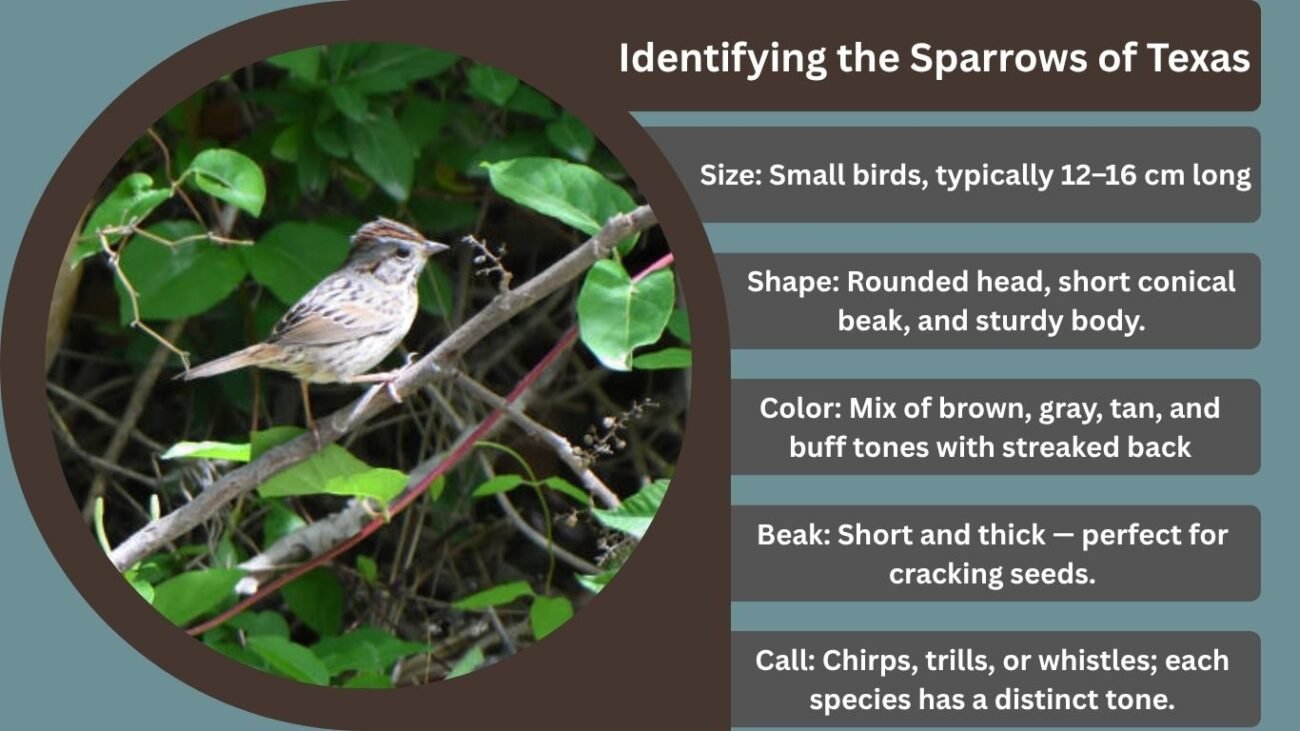
- Size: Small birds, typically 12–16 cm long with short tails and compact bodies.
- Shape: Rounded head, short conical beak, and sturdy body.
- Color: Mix of brown, gray, tan, and buff tones with streaked backs and pale undersides.
- Markings: Many have head stripes, throat patches, or wing bars unique to each species.
- Beak: Short and thick — perfect for cracking seeds.
- Eyes: Dark with clear eyebrow lines in species like the White-crowned Sparrow.
- Legs: Pale pink or brown; adapted for perching and ground hopping.
- Call: Chirps, trills, or whistles; each species has a distinct tone.
- Habitat Preference: Urban areas, grasslands, scrublands, and pine forests across Texas.
- Behavior: Often seen foraging on the ground or perching on fences and shrubs.
Common Sparrow Species in Texas
- House Sparrow (Passer domesticus): The most common and urbanized species. Males have a gray crown and black bib, while females are light brown with plain markings. They are often seen near houses, barns, and parks.
- Chipping Sparrow (Spizella passerina): Small and neat-looking, with a bright rusty cap and clean gray chest. These sparrows favor open woodlands and backyards.
- Field Sparrow (Spizella pusilla): Soft, pastel-colored bird with a pink beak and gentle face pattern. Found in open grassy areas and farmland edges.
- Cassin’s Sparrow (Peucaea cassinii): Pale brown with streaked backs, often perched on fence posts in dry grasslands of West and Central Texas.
- Bachman’s Sparrow (Peucaea aestivalis): A shy woodland sparrow known for its sweet, whistled song. Found mainly in East Texas pine forests.
- White-crowned Sparrow (Zonotrichia leucophrys): A migratory visitor with bold white and black head stripes; often seen in Texas during winter.
- Botteri’s Sparrow (Peucaea botterii): Found in South Texas, this species has a heavy bill and prefers brushy grasslands near the coast.
Key Identification Features
- Size: Small; typically 12–16 cm in length with short tails and rounded heads.
- Color: Brown, gray, and buff tones with fine streaks; some have distinctive caps or eye stripes.
- Beak: Short and conical — ideal for cracking seeds.
- Markings: Wing bars, chest spots, or crown stripes depending on species.
- Song: Varies greatly — from the metallic chirp of the House Sparrow to the musical trill of the Bachman’s Sparrow.
Habitat and Regional Distribution
Sparrows in Texas are highly adaptable, thriving in nearly every landscape across the state. In urban areas, House Sparrows are most common, nesting around buildings, parks, and streetlights. Central Texas grasslands and open fields host Chipping, Field, and Cassin’s Sparrows, while East Texas pine forests provide shelter for the secretive Bachman’s Sparrow. In North Texas, White-crowned and Harris’s Sparrows appear during winter months, frequenting fields and suburban gardens. Further south, South Texas supports Botteri’s and Lark Sparrows, which prefer dry brushlands and coastal prairies. Their broad range shows how well sparrows adjust to Texas’s diverse climates — from humid woodlands to arid plains.
Behavior and Ecology
Feeding and Diet
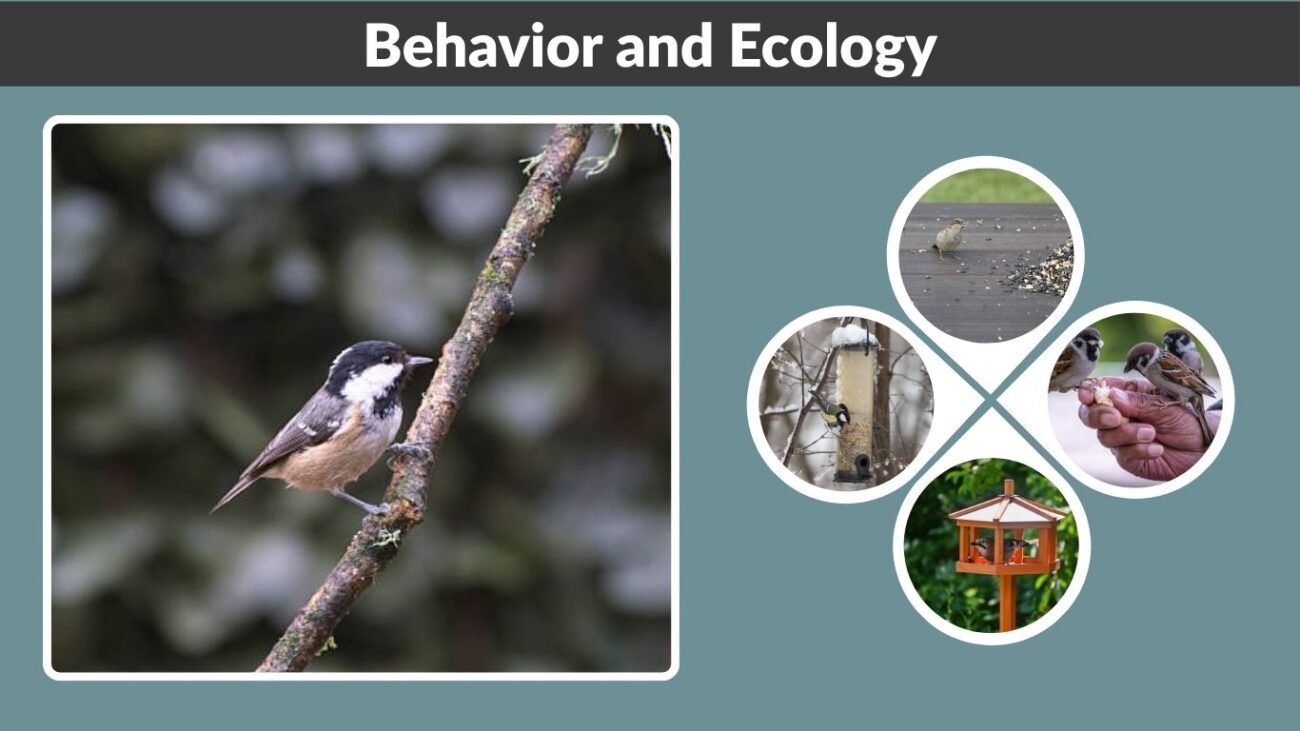
Sparrows are primarily seed eaters, relying on grass and weed seeds, grains, and small insects. During the breeding season, their diet becomes more protein-rich, including caterpillars, beetles, and spiders for feeding chicks. They forage mostly on the ground, hopping actively while searching for food near bushes or along open fields.
Their feeding habits make them valuable to the ecosystem, as they help control insect populations and disperse plant seeds, maintaining ecological balance in both wild and cultivated landscapes.
Social Structure
Sparrows are highly social birds. They are often seen in pairs or small flocks, particularly outside the breeding season. Some species, like the House Sparrow, live in large colonies and are comfortable nesting close to humans. Others, like the Bachman’s Sparrow, are more solitary and secretive.
During winter, mixed flocks of sparrows from different species can be seen foraging together, especially in agricultural areas or along field edges. This communal behavior offers protection and better feeding opportunities.
Breeding and Nesting
Sparrows are dedicated and resourceful nesters. The breeding season in Texas usually spans March through August, although warmer southern regions may see nesting even earlier. Most sparrows build cup-shaped nests made of dry grass, leaves, feathers, and twigs. These are often placed in dense shrubs, tree hollows, or even in man-made structures such as eaves, pipes, and light fixtures.
The House Sparrow, in particular, is known for nesting in any convenient cavity, including traffic lights and building vents. In contrast, Bachman’s Sparrows prefer to stay hidden, weaving their nests on or near the ground under clumps of grass or brush to protect their young from predators.
A typical sparrow clutch consists of three to five eggs, which are pale whitish-gray with fine speckling. Both the male and female share incubation duties, which last about two weeks. After hatching, the parents take turns feeding their chicks until they are ready to fledge about 12–15 days later.
Lifespan and Survival Challenges
Average Lifespan
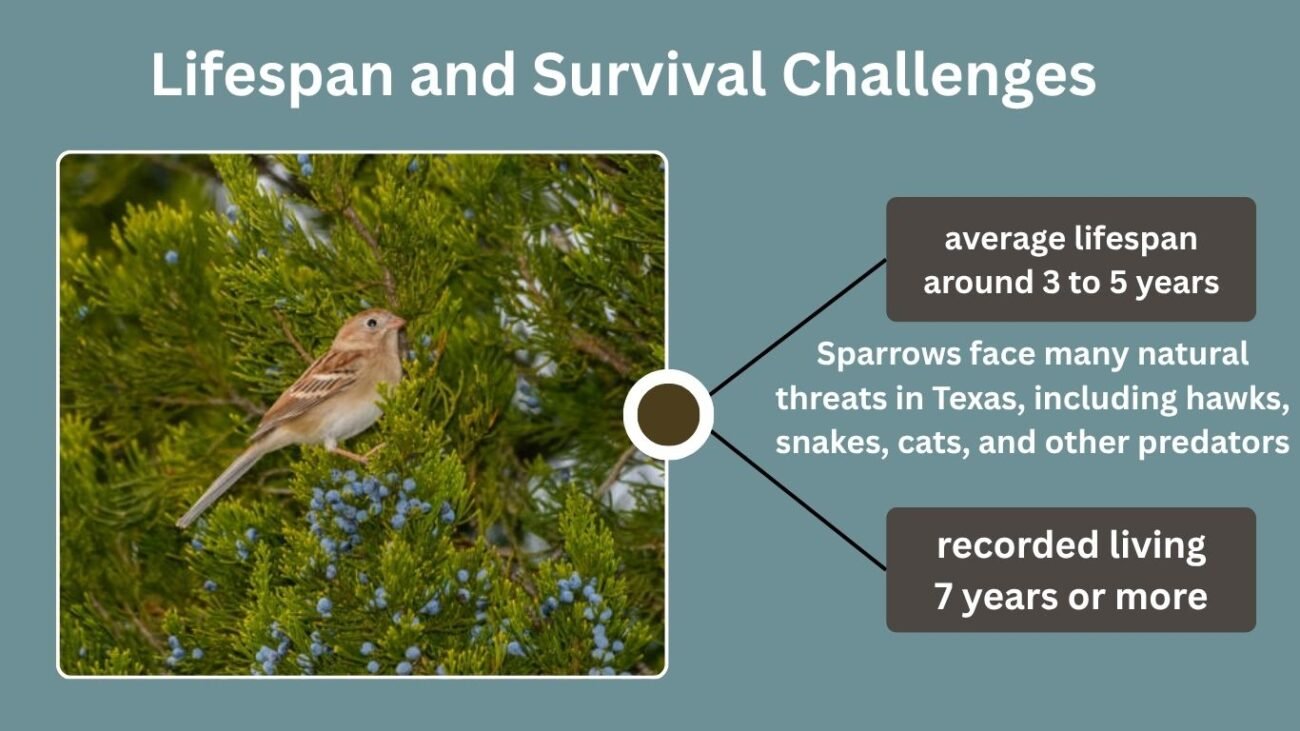
The average lifespan of sparrows in Texas is around 3 to 5 years, though many die within their first year due to predation or harsh conditions. Some individuals, especially those in protected areas, may live longer — up to 7 years or more.
Species like the House Sparrow have adapted well to human environments, often benefiting from year-round food sources, which can extend their survival rate compared to wild species.
Natural Threats
Sparrows face many natural threats in Texas, including hawks, snakes, cats, and other predators. Nests are sometimes raided by crows or snakes looking for eggs or chicks. Weather extremes — from sudden cold fronts to droughts — can also affect their breeding success.
For migratory sparrows, long flights between regions expose them to fatigue, storms, and habitat loss along their migration routes.
Human Impacts
Urbanization and habitat loss remain the most significant challenges. Expanding cities reduce the open fields and grasslands that many native sparrows rely on. Additionally, pesticide use in agriculture diminishes insect populations, depriving sparrows of vital food during breeding.
Competition from invasive species like the European Starling and House Sparrow has also displaced some native sparrows from traditional nesting areas.
Despite these issues, organizations such as the Texas Parks and Wildlife Department encourage conservation through community birding programs, habitat restoration, and public education about native bird species.
Sparrow Hotspots and Observation Locations in Texas
Best Places to See Sparrows
Texas offers a wide variety of habitats that make it ideal for sparrow watching. Here are some prime locations by region:
- East Texas: Big Thicket National Preserve — rich pine woodlands perfect for spotting Bachman’s and Song Sparrows.
- Central Texas: Balcones Canyonlands National Wildlife Refuge and Edwards Plateau — home to Chipping and Field Sparrows.
- North Texas: Hagerman National Wildlife Refuge and LLELA Nature Preserve — great for seeing White-crowned and Harris’s Sparrows in winter.
- South Texas: Laguna Atascosa National Wildlife Refuge and King Ranch — ideal for finding Cassin’s, Botteri’s, and Lark Sparrows in semi-arid grasslands.
Each region offers unique species depending on the season, making Texas a year-round destination for birdwatchers.
Seasonal Birding Tips
Sparrows are easiest to spot during early morning hours, when they are most active and vocal.
- Winter (Nov–Feb): Migratory species like White-throated and Savannah Sparrows are abundant.
- Spring (Mar–May): Breeding songs echo across fields as males claim territories.
- Summer (Jun–Aug): Best time to observe nesting behavior and juveniles.
- Fall (Sep–Oct): Mixed flocks gather as birds prepare to migrate southward.
Bringing binoculars, a field guide, and using apps like Merlin Bird ID or eBird can greatly enhance identification accuracy.
Cultural and Symbolic Relevance
Sparrows in Texas Culture
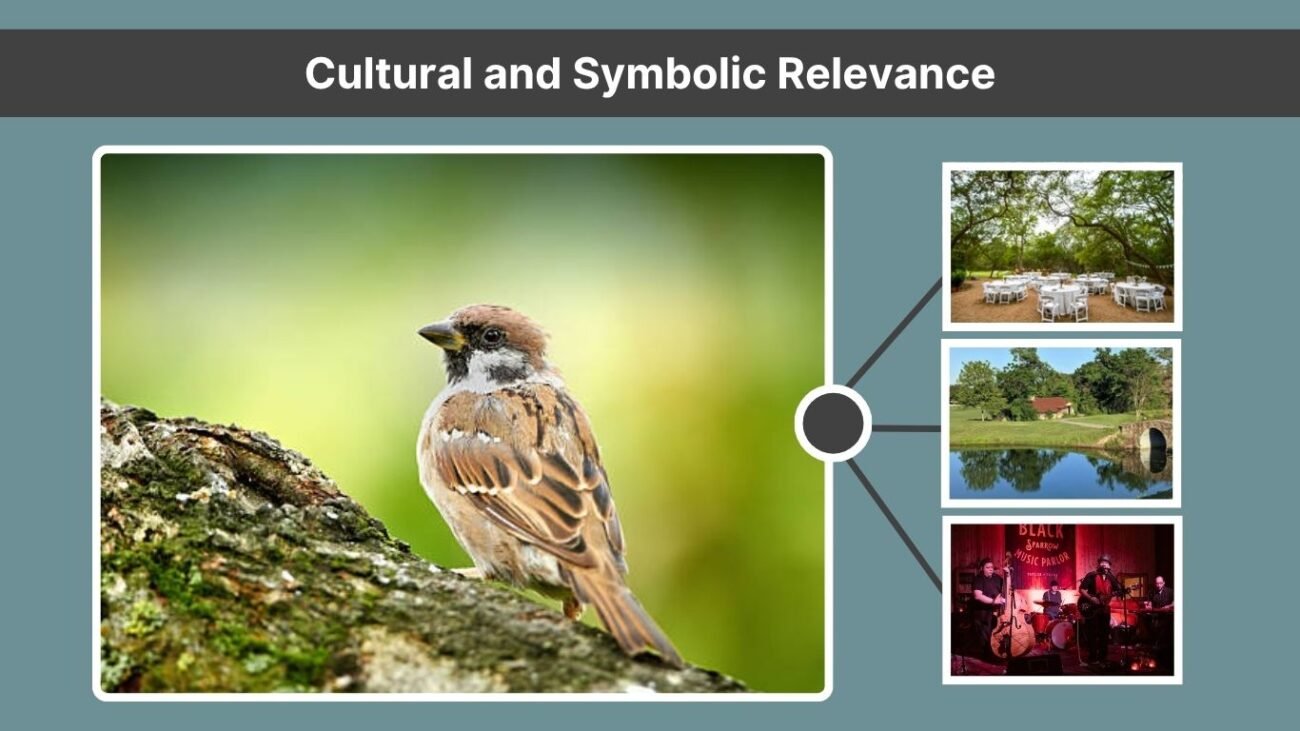
Sparrows are often associated with hope, simplicity, and perseverance, traits that mirror the hardworking spirit of Texans themselves. Beyond their ecological role, the name “Sparrow” appears frequently in Texas culture — from The White Sparrow, a popular wedding venue in Quinlan, to Sparrow Creek Ranch in Graham and Black Sparrow Music Parlor in Taylor.
These names reflect the sparrow’s symbolism as a modest yet enduring creature, one that thrives in every corner of Texas.
Historical Background
The House Sparrow, though now common, isn’t native to Texas. It was introduced to North America in the 1850s and spread rapidly across the continent. Today, it’s one of the most recognizable birds in urban areas — often considered both a friendly neighbor and a nuisance for its aggressive nesting habits.
In contrast, native species like Field and Bachman’s Sparrows represent the state’s natural birdlife heritage, thriving in the remaining wild prairies and woodlands.
Key Takeaways
- Texas is home to over 25 species of sparrows, both native and migratory.
- Common species include the House Sparrow, Chipping Sparrow, Field Sparrow, and Cassin’s Sparrow.
- Their habitats range from cityscapes to rural grasslands and pine forests.
- Sparrows play a vital ecological role in seed dispersal and insect control.
- Conservation efforts and awareness are essential to protect native populations from urbanization and habitat loss.
FAQs
What is the most common sparrow in Texas?
The House Sparrow is the most common and widespread species in Texas. It thrives in both urban and rural environments and is often seen nesting in buildings and feeding in public spaces.
Are sparrows protected in Texas?
Yes. All native sparrows are protected under the Migratory Bird Treaty Act, which makes it illegal to harm or remove them or their nests. However, the House Sparrow, being non-native, is not protected by law.
What sparrows can I see in South Texas?
South Texas offers unique species such as Cassin’s, Botteri’s, and Lark Sparrows, all of which favor dry scrublands and open grass fields.
How can I attract sparrows to my backyard?
Provide bird feeders filled with millet or sunflower seeds, maintain native shrubs for cover, and offer shallow water sources. Avoid pesticides, which can harm both birds and their food supply.
When is the best time to see sparrows in Texas?
The winter and spring seasons are ideal, as resident and migratory sparrows overlap. Early mornings during these months offer the best chances for spotting active birds and hearing their songs.