










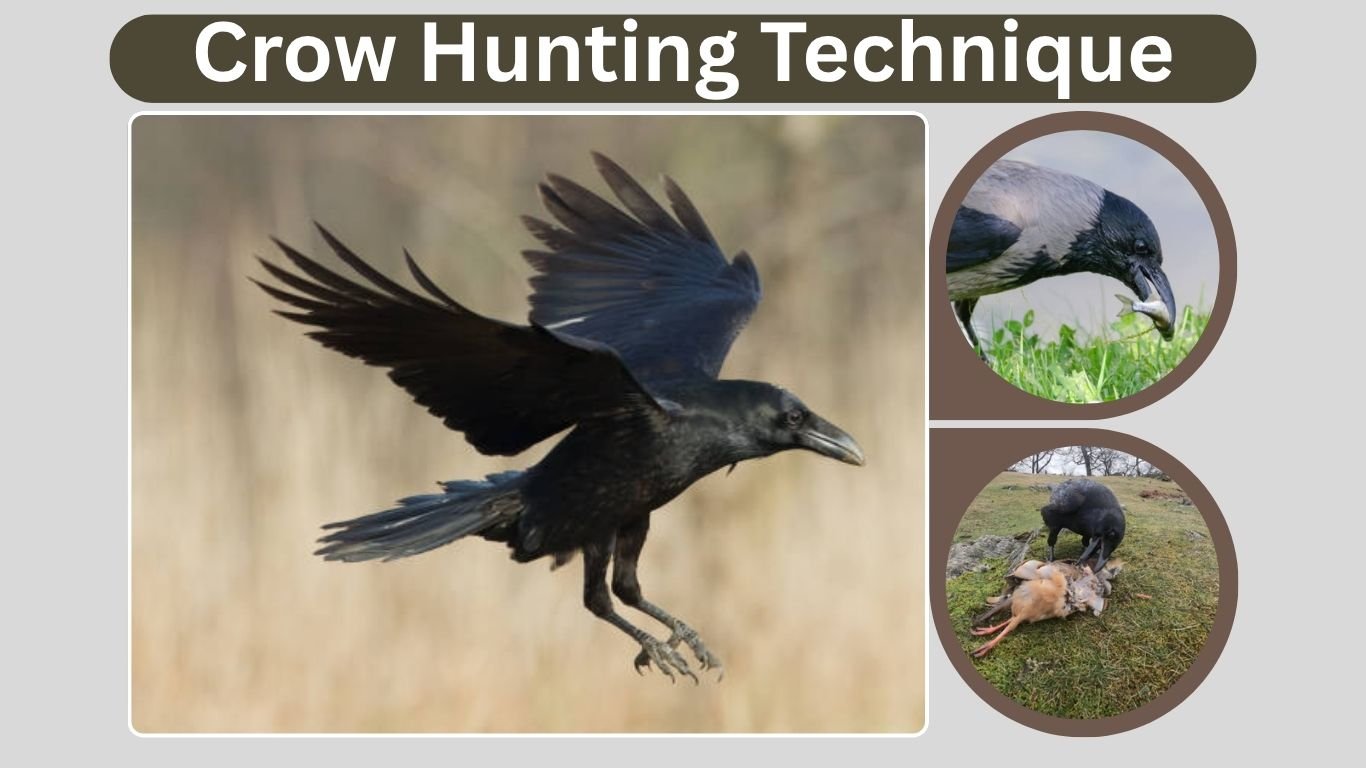
Crow hunting is both a traditional and practical activity that serves as pest control and a unique sporting challenge. Known for their intelligence and adaptability, crows present a fascinating target for hunters. Across the U.S., crow hunting is legally recognized and often regulated by season. This activity also sparks ecological discussions about balance and sustainability—highlighting how responsible hunting can maintain harmony between wildlife and human interests.
Understanding the Crow
Species and Identification
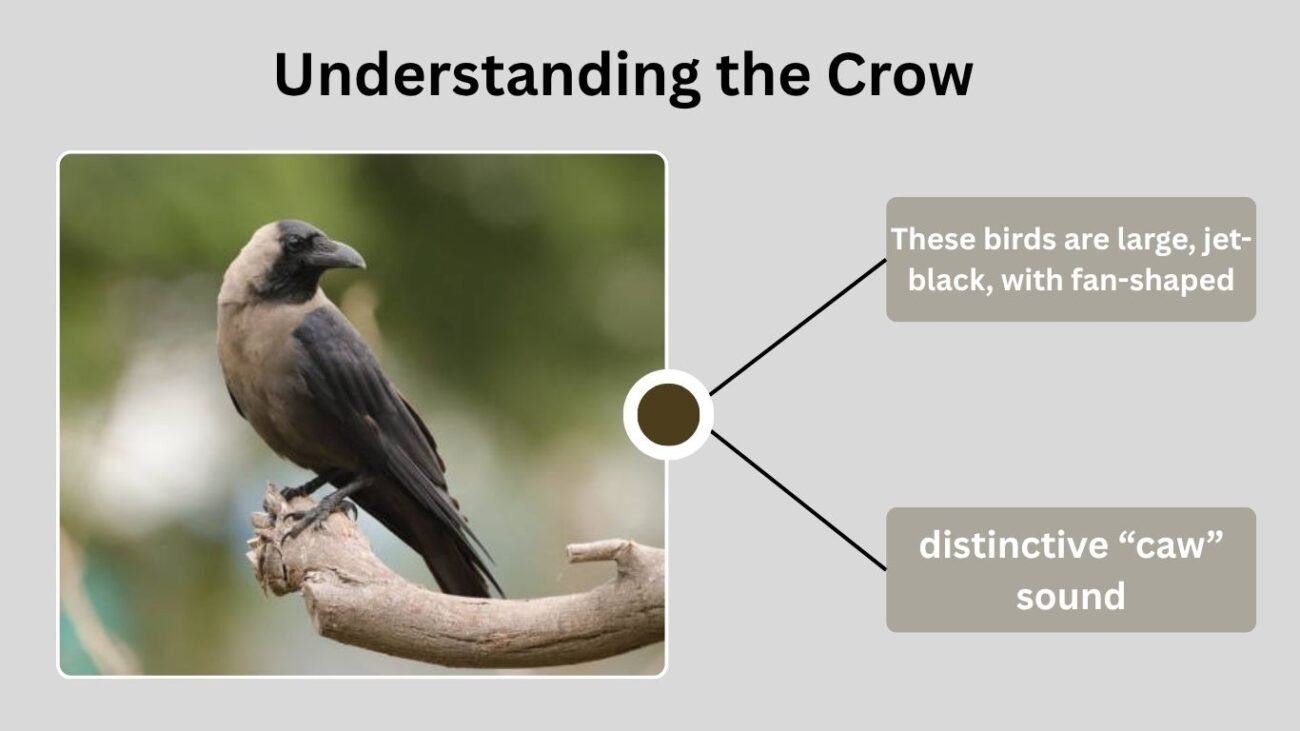
The American crow (Corvus brachyrhynchos) is the most common species encountered by hunters in North America. These birds are large, jet-black, with fan-shaped tails and a distinctive “caw” sound. Their counterparts, the common raven and fish crow, can appear similar but differ in size, voice, and tail shape. Proper identification is crucial not only for hunting accuracy but also for compliance with wildlife regulations that protect certain species.
Crow Behavior and Intelligence
Crows are among the most intelligent birds in the world, known for their tool use, social communication, and ability to recognize human faces. They live in tight-knit family groups and can quickly learn to avoid hunting areas if they sense danger. Their intelligence makes them a challenging and rewarding species to hunt. Understanding their feeding, roosting, and scouting behavior is key to a successful strategy.
Legal Aspects and Hunting Seasons
Crow Hunting Regulations
In the United States, crow hunting is governed by both federal and state wildlife agencies. Under the Migratory Bird Treaty Act, crows are not classified as game birds but are regulated due to their migratory patterns. Most states permit crow hunting on specific days or during open seasons, often for pest management. Hunters must use non-toxic shot in some areas and follow bag limits to prevent overharvesting.
Crow Hunting Season by State
Crow hunting seasons vary widely. For example:
- Pennsylvania (PA): Typically from July through April, with breaks during nesting.
- Texas: Allows year-round hunting on private lands.
- Arkansas and Wisconsin: Operate on regulated seasonal schedules.
- California and Utah: Feature designated crow seasons to manage agricultural pests.
Always check your local game and fish department before hunting, as regulations may change annually.
Equipment and Gear for Crow Hunting

Essential Gear
A reliable shotgun is the standard weapon for crow hunting, with 12-gauge being the most popular. The best shot sizes range from No. 6 to No. 8, providing enough spread and power without excessive damage. Some hunters prefer airguns for quieter hunts near populated areas. Camo clothing is essential for blending in, while gloves and face coverings help avoid detection by sharp-eyed crows.
Decoys and Calls
Crow hunting relies heavily on deception. Decoys mimic feeding or fighting crows, creating a scene that attracts real ones. Arrange them in small groups on open ground or fence posts for realism. Crow calls—both mouth-blown and electronic—simulate distress or gathering sounds. Brands like Primos and FoxPro offer high-quality electronic callers with varied crow and predator sound options, increasing your success rate dramatically.
Proven Crow Hunting Techniques
Setting Up the Hunt
Crows are naturally cautious, so proper setup determines your success. Scout for active feeding grounds such as cornfields, pastures, and tree lines. The best times to hunt are early mornings and late afternoons when crows are most active. Position yourself downwind of the decoys, using natural cover or blinds. Start with light calls to pique curiosity, then switch to distress or fight sounds to draw in larger groups.
Effective Tactics
Crow hunting requires strategy. One proven method is to use a “rally call” to attract distant flocks, followed by a distress sound to suggest a fight or predator attack. Crows are highly social and respond aggressively to such cues. Another effective approach is mixing crow and owl decoys—since crows view owls as rivals, they often mob them, giving hunters a clear shot. Rotating your hunting spots prevents the birds from becoming wary.
Behavior, Sound, and Communication
Crow Vocalization Patterns
Crows communicate through a complex system of calls—alarm, feeding, gathering, and distress. Recognizing these patterns gives hunters an advantage. The “caw-caw-caw” rhythm often signals territory defense, while a rapid burst indicates danger. Mimicking distress calls can trigger aggressive responses from nearby flocks, making it an effective hunting strategy. However, overuse of calls can alarm birds, so moderation is key.
Crows and Other Wildlife
Crows often share habitats with deer and other wildlife. Hunters have observed that crow activity can indicate animal movement, as crows tend to follow disturbances in the woods. During deer hunts, hearing crows may mean predators—or even deer—are nearby. Their interactions with smaller birds and mammals also affect local ecosystems, balancing populations of insects and carrion.
Ethics and Purpose of Crow Hunting
Why People Hunt Crows
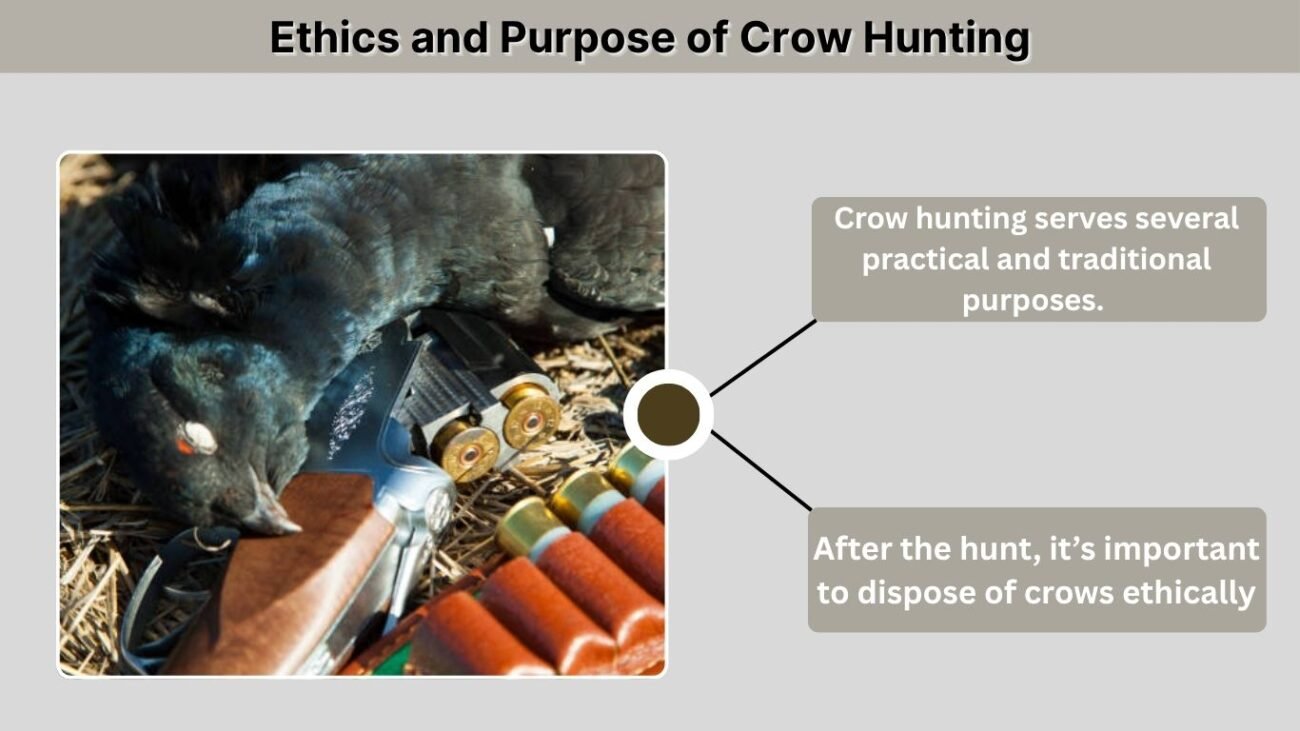
Crow hunting serves several practical and traditional purposes. Farmers often regard crows as agricultural pests that damage crops and feed on newly planted seeds. By controlling crow populations, hunters help reduce crop loss and maintain farm productivity. Beyond pest control, many hunters view crow hunting as a challenging sport that sharpens shooting and calling skills due to the birds’ intelligence and unpredictability.
Post-Hunt Practices
Responsible crow hunters respect both wildlife and the environment. After the hunt, it’s important to dispose of crows ethically, following local regulations. In some areas, crows can be used for educational taxidermy or scientific research. Leaving carcasses near wooded edges helps scavengers like foxes, hawks, or other birds of prey benefit from the remains, contributing to nature’s cycle rather than causing waste.
Ecological and Environmental Impact
Role of Crows in Ecosystems
Crows play a significant role in maintaining ecological balance. As omnivores and scavengers, they consume carrion, insects, and small pests, effectively reducing disease spread and keeping ecosystems clean. Their foraging habits aid in seed dispersal, which supports plant regeneration. Despite their nuisance reputation in agricultural zones, crows contribute positively to overall biodiversity and environmental health.
Ecological Balance and Hunting Impact
While hunting crows can be beneficial in managing overpopulation, overhunting can disrupt ecosystems. Eliminating too many crows may increase pest species like rodents or certain insects, upsetting natural checks and balances. Sustainable hunting practices ensure population control without ecological harm. Ethical hunters maintain this balance by adhering to local limits, respecting breeding seasons, and avoiding unnecessary disturbance to nesting sites.
Sustainable Hunting Principles
Eco-conscious hunters advocate for regulated hunting, which allows crow populations to thrive while minimizing agricultural damage. They often support conservation efforts, participate in wildlife studies, and report unusual disease or population trends. Understanding the ecological significance of crows ensures that hunting remains a tool for balance, not destruction.
Regional and Cultural Significance
Native and Reservation Hunting Practices
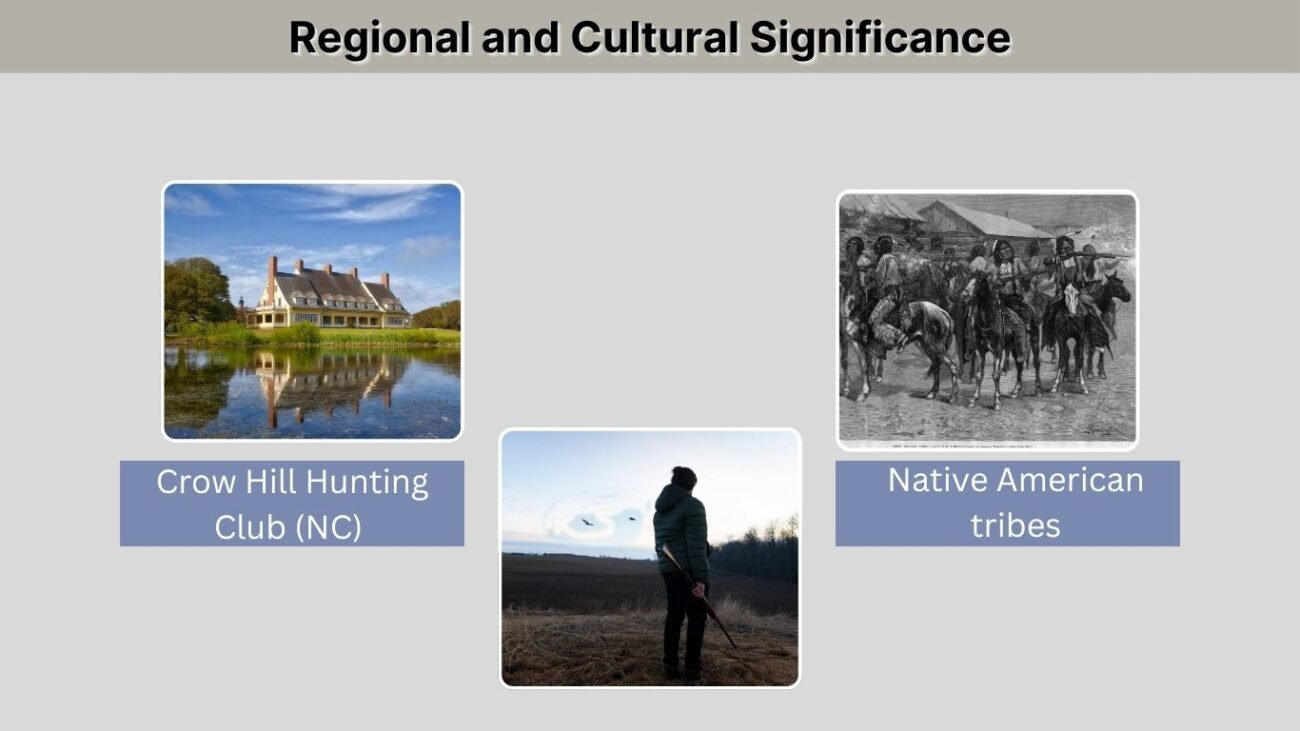
Crow hunting has deep cultural ties among Native American tribes, particularly those in the Crow Creek and Crow Indian Reservations. For these communities, hunting symbolizes tradition, respect for nature, and resourcefulness. Feathers, bones, and other parts of the crow have been used in ceremonies, crafts, and symbolic art. Today, these practices continue under ethical frameworks that emphasize cultural preservation and sustainability.
Modern Crow Hunting Clubs and Communities
In many U.S. regions, crow hunting has evolved into a community sport. Organizations like the Crow Hill Hunting Club (NC) and local wildlife associations promote safe, regulated hunting while encouraging mentorship for new hunters. These groups often host seasonal events, sharing techniques and data that improve hunting methods while maintaining conservation values.
Pop Culture and Media References
Bloodborne and the “Crow Hunter” Theme
Crow imagery frequently appears in popular media, representing intelligence, mystery, and resilience. In the video game Bloodborne, the “Crow Hunter Badge” and “Eileen the Crow” characters symbolize a relentless yet honorable pursuit of justice. This crossover between nature and fiction has increased public interest in crows, showcasing them as creatures of both power and symbolism.
Russell Crowe and Kraven the Hunter
Pop culture has also merged “Crow” and “Hunter” themes in modern cinema. Actor Russell Crowe’s involvement in Kraven the Hunter reinforced the symbolic connection between strength, cunning, and predatory instinct. While unrelated to the bird itself, these portrayals keep the imagery of the crow alive in public imagination, adding a modern narrative twist to ancient symbolism.
Expert Tips and Insights
Advice from Experienced Hunters
Renowned hunters like Bob Aronsohn, often dubbed the “King of Crow Hunting,” emphasize the importance of location, timing, and patience. He recommends scouting feeding areas before dawn and using realistic decoy clusters. Aronsohn’s experience proves that success comes not from volume shooting but from strategic setup and understanding crow behavior.
Adapting to Conditions
Weather, light, and wind direction can all influence a crow hunt. On windy days, use louder calls to cut through the noise. During clear skies, avoid shiny gear that reflects sunlight. In cooler months, crows are more aggressive toward perceived threats, making distress calls and owl decoys highly effective tools.
Safety and Respect
Safety remains a cornerstone of ethical hunting. Always know your backdrop before shooting, maintain proper firearm handling, and respect property boundaries. Crows are wary and intelligent—earning their trust, even momentarily, requires discipline and understanding of the environment.
Key Takeaways
- Crows are intelligent and cautious, requiring strategic hunting.
- Understanding crow calls, timing, and decoy setup improves success.
- Laws vary by state—check local regulations before hunting.
- Crow hunting supports pest control but must be done sustainably.
- Ethical hunting protects the species’ ecological role and cultural significance.
FAQs
What is the best time to hunt crows?
The best time is early morning or late afternoon when crows are feeding or returning to roost. Overcast days also enhance concealment, improving hunting results.
Are crow calls effective for other animals like turkeys or coyotes?
Yes. Crow calls often provoke responses from turkeys during spring hunts or attract coyotes by mimicking distress. They’re valuable multi-purpose tools for field hunters.
Do crows affect deer hunting?
Yes. Crows can alert hunters to deer movement since they react to disturbances. If crows are noisy in a specific area, it may indicate nearby wildlife activity.
Is it legal to hunt crows anywhere in the U.S.?
No. Crow hunting is legal only in states with designated seasons. Regulations differ, so hunters should consult local wildlife authorities before planning a hunt.
Are there environmental risks in crow hunting?
Overhunting may reduce natural scavengers, leading to ecological imbalance. Sustainable hunting—respecting limits and avoiding nesting seasons—ensures environmental health and population stability.


