











Baby crows, often called fledglings, are fascinating little creatures known for their intelligence, curiosity, and adaptability. These young birds, born from some of the most intelligent avian parents, quickly learn to mimic calls, recognize humans, and adapt to diverse environments. Understanding how baby crows look, behave, and survive in their early days offers insight into the complex social structure and survival strategies that make crows one of nature’s most remarkable birds.
Identification and Appearance of Baby Crows
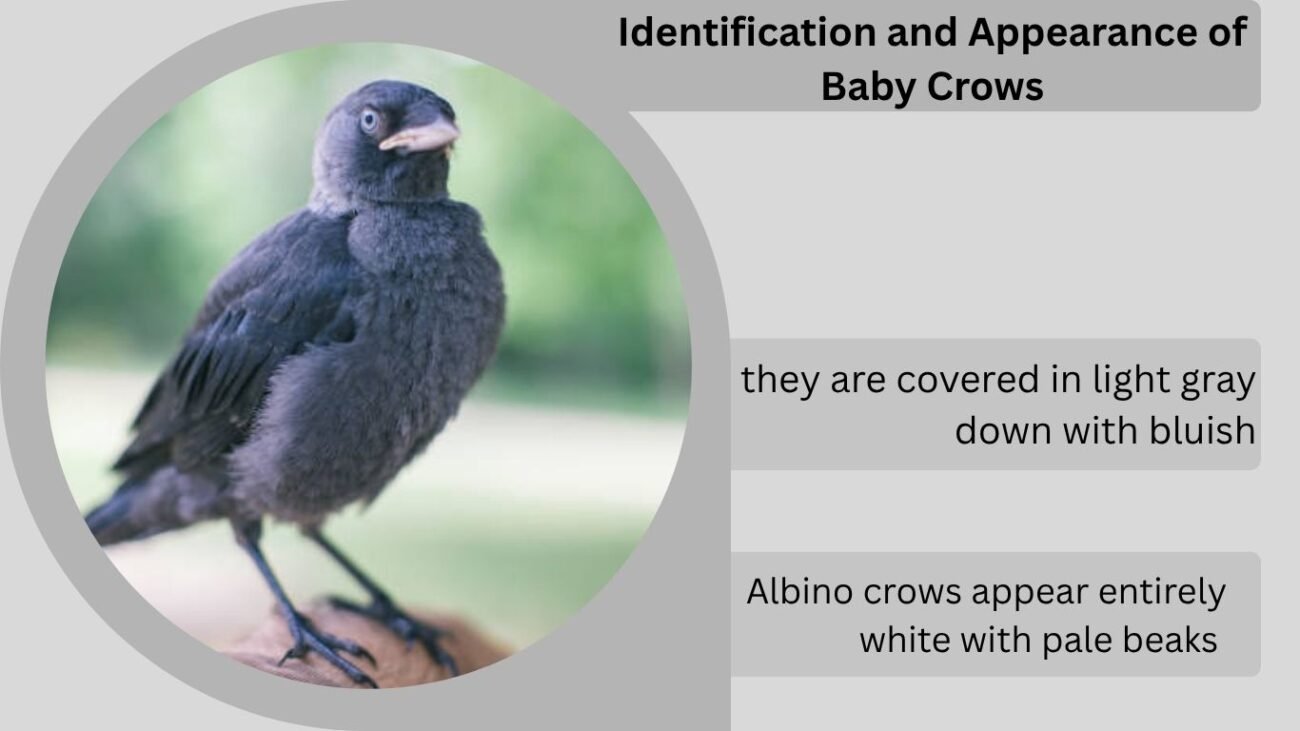
What Do Baby Crows Look Like?
Baby crows are often mistaken for other blackbirds due to their size and incomplete feather coverage. At birth, they are covered in light gray down with bluish-gray eyes that gradually darken as they mature. Their beaks are shorter and softer than adults, often with a yellowish lining at the edges known as the “gape,” which helps parents recognize their hunger signals. As they grow, their feathers darken to the rich, glossy black that defines mature crows.
How to Recognize a 1-Month-Old Baby Crow
By the time a baby crow reaches one month old, it has developed most of its feathers, though it may still appear fluffy and uncoordinated. At this stage, fledglings begin hopping around the nest area, practicing short flights while still depending on their parents for food and protection. Their caws sound weaker and higher-pitched than adult calls, making them easier to identify in the wild.
Rare Variants – Albino and Pied Baby Crows
Though uncommon, some baby crows are born with unique coloring due to genetic mutations. Albino crows appear entirely white with pale beaks and pinkish eyes, while pied crows show striking black-and-white patterns. Unfortunately, these variants often face survival challenges because their coloration makes them more visible to predators, and they sometimes struggle with sunlight sensitivity and poor vision.
Nesting and Birth
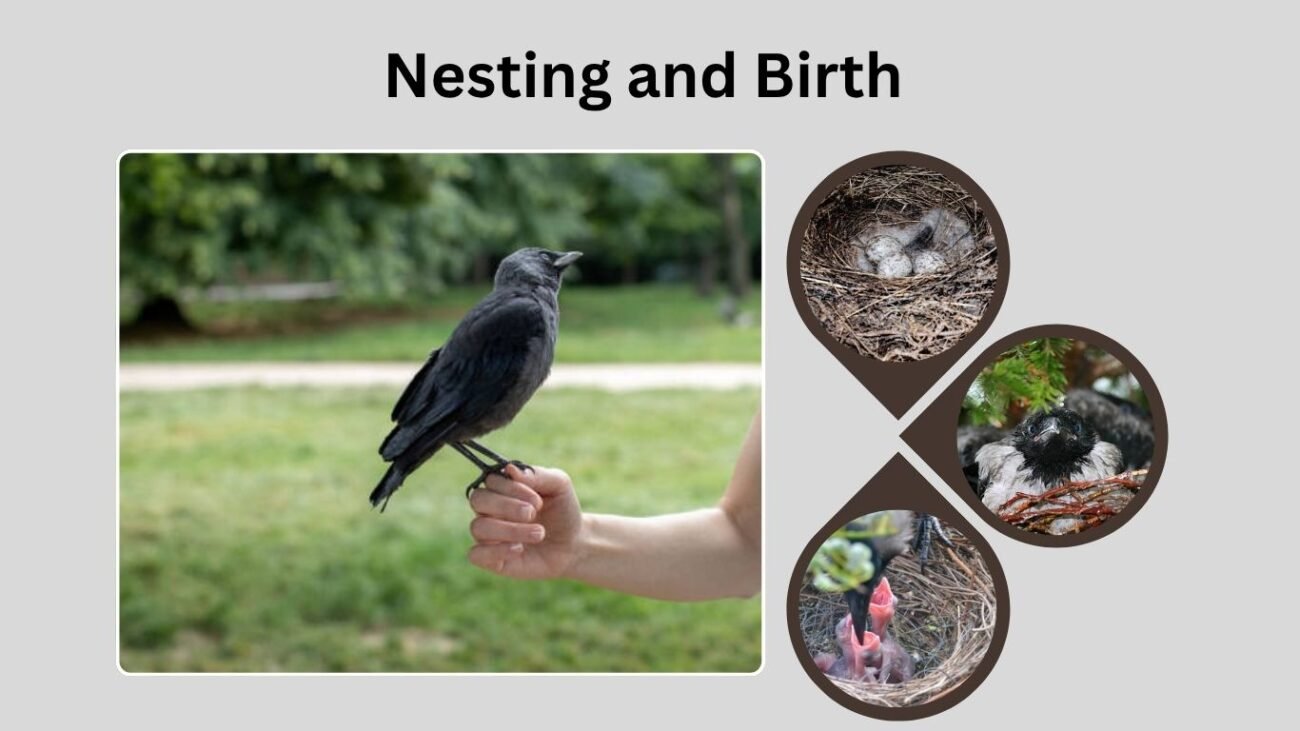
When Do Crows Have Babies?
Crows typically breed once a year during spring, though timing varies by region. In North America, nesting begins between March and May, while in warmer climates like Australia, breeding may occur earlier. The pair works together to build a sturdy nest from sticks, lined with soft materials like grass, feathers, and even bits of cloth. Female crows lay three to five eggs, which incubate for about 18 days before hatching.
How Many Babies Do Crows Have?
A crow couple usually raises between three and five chicks per season. What’s fascinating is that crows are cooperative breeders — older siblings or other members of the family often help care for new chicks. They bring food, defend the nest, and even help teach the young how to feed themselves. This family-oriented structure contributes to the species’ impressive survival rate compared to many other birds.
Do Crows Return to Their Nest After Babies Leave?
Even after fledglings leave the nest, parent crows continue to watch over them closely for several weeks. Baby crows remain nearby, often perched on low branches or hopping on the ground, calling out to their parents for food. Unlike many bird species, crows display strong familial bonds — parents and offspring may remain together for months, and in some cases, for years, forming small social groups.
Diet and Feeding Habits
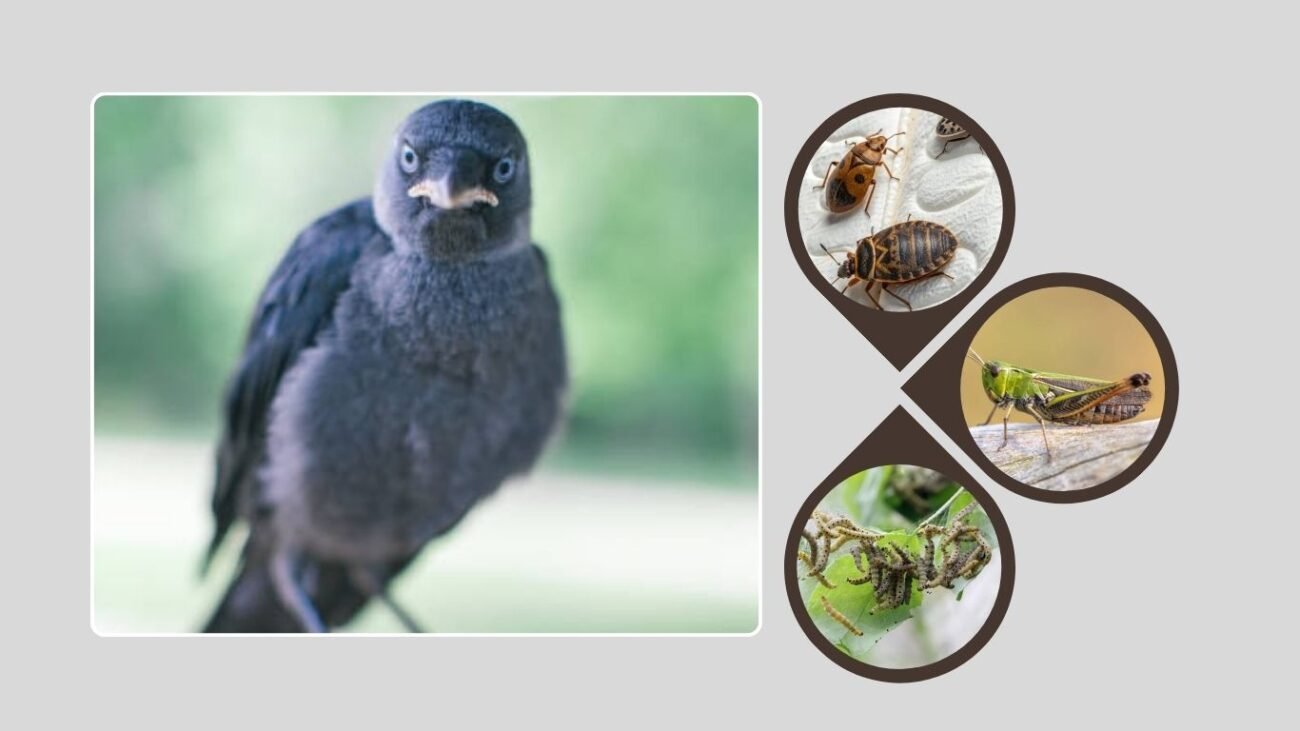
What Do Baby Crows Eat in the Wild?
Baby crows have an omnivorous diet, relying on whatever their parents can find. Insects like beetles, grasshoppers, worms, and small caterpillars are staple sources of protein, especially in the early stages of growth. As they grow, parents introduce a wider variety of foods such as fruits, grains, and small bits of carrion. This varied diet ensures fledglings develop strong immunity and learn to adapt to changing food sources in their environment.
What to Feed a Rescued or Orphaned Baby Crow
If you happen to find an orphaned baby crow, it’s crucial to provide proper care — but only temporarily until a wildlife rehabilitator can take over. Suitable emergency foods include softened dog kibble, boiled egg yolk, or small mealworms. Always soak dry food in water to prevent choking and ensure hydration. Avoid giving milk, bread, or sugary foods, as these can cause digestive problems and dehydration.
What Do Crows Feed Their Babies?
Adult crows are diligent providers. Both parents, and sometimes older siblings, take turns gathering food and regurgitating it into the chicks’ mouths. This process ensures the babies receive easily digestible nutrients. As the chicks mature, the parents begin offering whole food pieces to encourage independent feeding. This training helps the fledglings learn foraging skills, which are essential once they leave the nest.
Behavior and Communication
Baby Crow Distress Calls and Communication
Baby crows are vocal learners, using different calls to express hunger, distress, or curiosity. Their most common sound is a high-pitched “caw” used to attract parental attention when hungry or frightened. Parents can distinguish each chick’s voice and respond immediately. These calls play a vital role in bonding, ensuring fledglings remain close to their caregivers during their early development stages.
Learning to Fly and Survive
Around four to five weeks old, baby crows begin practicing short flights. These early attempts are clumsy, often involving more hopping than flying. During this period, fledglings rely heavily on their parents for protection and feeding. Gradually, they develop stronger wings and better coordination. Parent crows patiently guide them, teaching vital life skills such as identifying predators, recognizing safe food sources, and understanding territorial boundaries.
Emotional and Social Intelligence
Crows, including their young, are among the most intelligent birds in the world. Studies show that even juvenile crows can recognize faces, solve problems, and use basic tools. Baby crows learn through imitation — observing their parents’ actions and copying them. They also display play behavior, like tossing small sticks or feathers, which helps them refine coordination and cognitive skills. This early intelligence forms the foundation of their complex adult social life.
Predators and Threats
Do Crows Eat Baby Birds or Eggs?
Crows are omnivores and opportunistic feeders. While they do occasionally eat eggs or nestlings of other birds, this behavior serves an ecological purpose by controlling overpopulation and supporting scavenger balance. Contrary to popular belief, crows are not ruthless hunters — they rarely attack live chicks unless food is scarce. Their diet mostly consists of insects, grains, fruit, and carrion.
Common Dangers to Baby Crows
Baby crows face numerous threats, both natural and human-made. Hawks, owls, and snakes are common predators that raid nests. On the ground, cats, raccoons, and dogs pose significant risks to fledglings that haven’t mastered flight. Urban hazards like cars, windows, and pollution also endanger them. Human interference, especially when people mistakenly try to “rescue” healthy fledglings, often disrupts their natural learning process.
Habitat and Species Differences
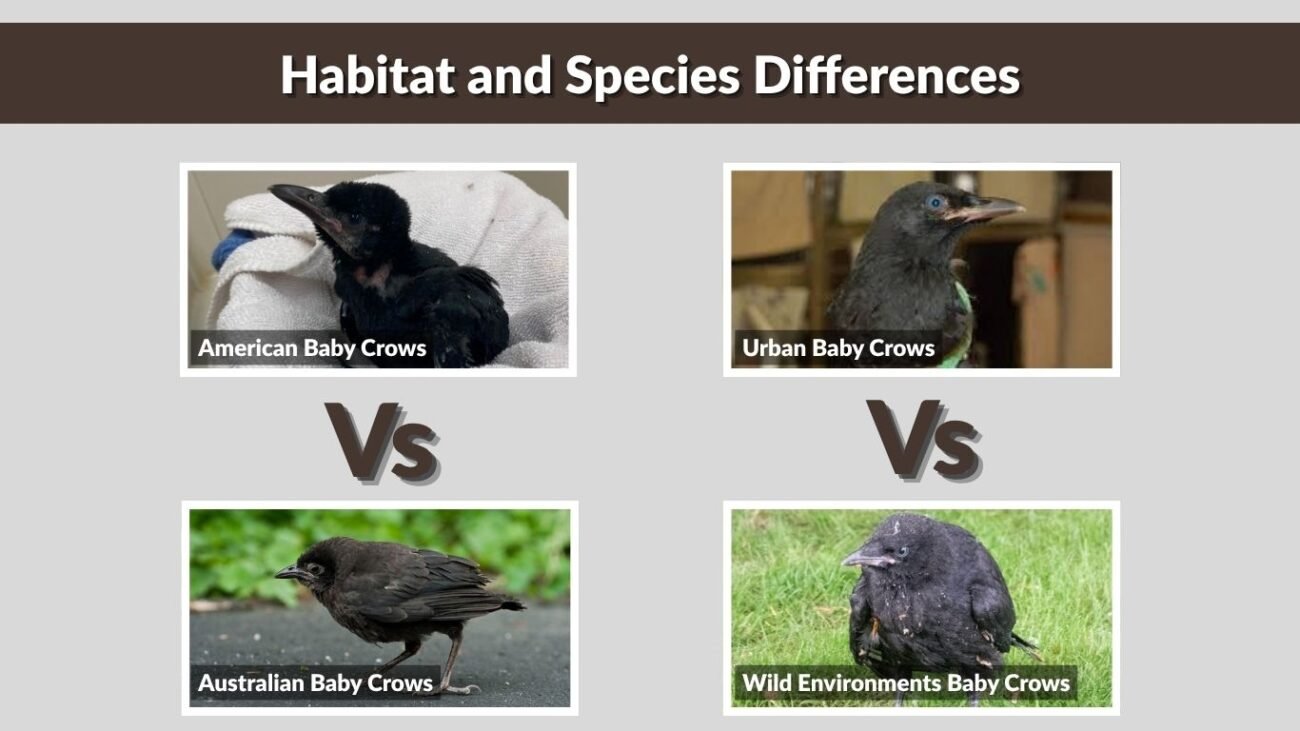
American vs. Australian Baby Crows
While all baby crows share similar growth patterns, regional species differ slightly. American crows (Corvus brachyrhynchos) tend to have darker, glossier feathers and distinct cawing tones, while Australian ravens, often called crows, feature longer neck feathers and deeper calls. Despite these variations, their parenting style and diet remain remarkably consistent, emphasizing the adaptability of the Corvid family worldwide.
Urban vs. Wild Environments
Crows are highly adaptable, thriving in cities and forests alike. In urban areas, baby crows grow up surrounded by human activity and learn to forage from waste bins or parks. Their exposure to people helps them recognize friendly versus threatening faces — a survival advantage. In contrast, wild baby crows depend more on natural resources and display stronger territorial instincts. This adaptability explains their global success across diverse environments.
Baby Crow Symbolism and Spiritual Meaning
Baby Crow Meaning in Spirituality
In many cultures, baby crows represent transformation, intelligence, and spiritual awakening. Seeing one symbolizes growth and the beginning of a new journey. Their black feathers are often associated with mystery and wisdom. Spiritually, a baby crow encourages introspection and resilience — reminding us that knowledge and adaptability are key to surviving life’s challenges.
Baby Crow in Dreams
Dreaming of a baby crow often signifies change or renewal. A single baby crow in a dream might represent personal growth or new beginnings, while multiple crows could suggest community and collaboration. In some interpretations, a crow chick symbolizes messages from ancestors or the subconscious mind, encouraging you to pay attention to intuition and signs from nature.
“A Murder of Crows” and Cultural References
The term “murder of crows” is often linked to folklore portraying crows as omens or messengers. In lullabies like “Hush Little Baby”, the crow represents a mysterious guardian. Across cultures, baby crows have appeared in stories and songs as symbols of wisdom, transformation, and the balance between life and death. Their presence reminds us that intelligence and adaptability lead to survival and spiritual growth.
Caring for or Rescuing a Baby Crow
Legal and Ethical Considerations
While many people feel compelled to help a baby crow, it’s important to know that crows are protected under wildlife laws in most countries. Keeping one as a pet is illegal without a license. If you find an injured or orphaned chick, contact a wildlife rehabilitator instead of trying to raise it yourself. Professional care ensures the bird’s survival and safe reintroduction into the wild.
Baby Crows for Sale – Myths and Misconceptions
Searches for “baby crows for sale” are common online, but true sales are rare and often illegal. Crows are wild animals with complex social needs that can’t be fulfilled in captivity. Purchasing or capturing them disrupts ecosystems and may lead to fines. The best way to appreciate baby crows is by observing them in nature or supporting bird rehabilitation organizations.
Pop Culture and Related Mentions
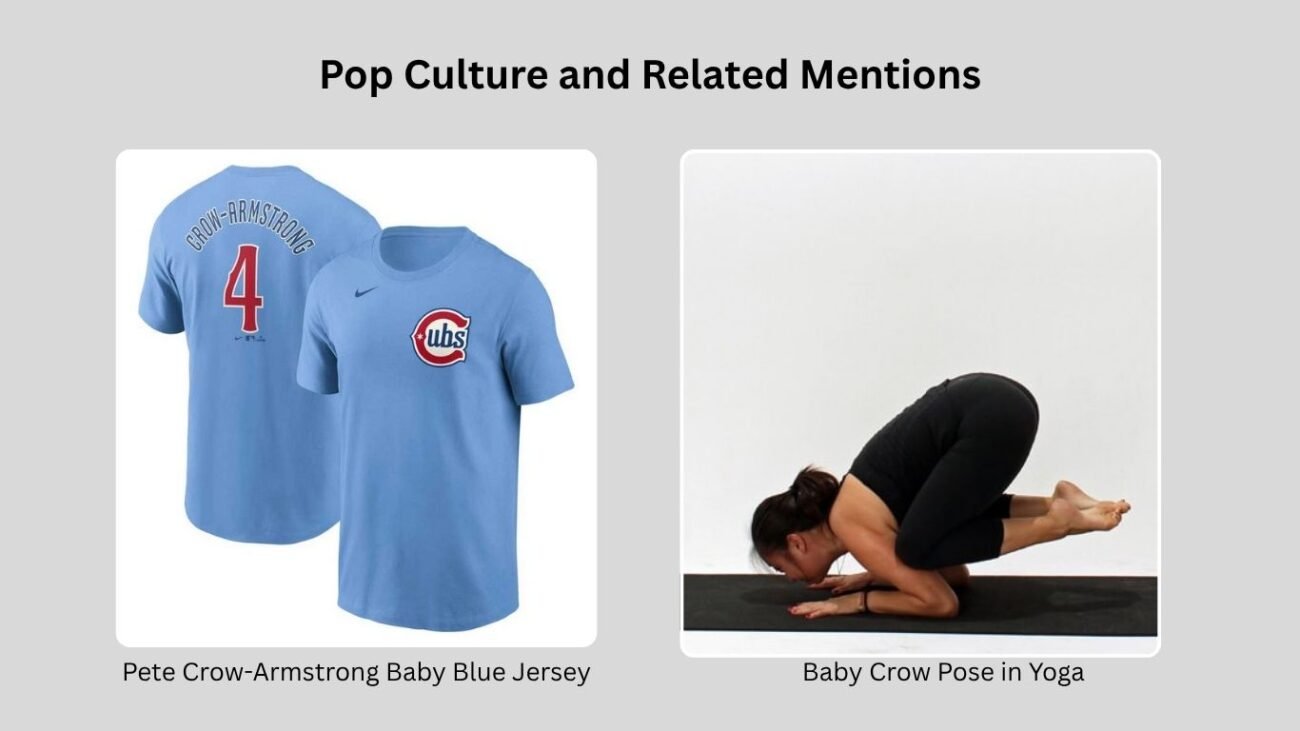
Pete Crow-Armstrong Baby Blue Jersey
This trending keyword refers to the baseball player Pete Crow-Armstrong, whose “baby blue” jersey became a fan favorite. Though unrelated to actual birds, the term overlaps in searches due to the shared word “crow.”
Baby Crow Pose in Yoga
The Baby Crow Pose, or Kakasana variation, is a beginner-friendly balance posture. Practitioners crouch low, placing knees near the triceps while lifting slightly off the ground. This pose builds arm strength and core stability, symbolizing focus and transformation — qualities often associated with crows themselves.
Adelaide Crows Baby Merchandise
For sports enthusiasts, the Adelaide Crows (Australian Football League team) sell baby clothing and merchandise. Popular items include baby beanies, onesies, and mini jumpers, making it a fun coincidence that the team’s mascot shares its name with this intelligent bird.
Key Takeaways
- Baby crows are intelligent, curious, and emotionally aware creatures.
- They rely on parents for weeks after leaving the nest.
- Their diet is omnivorous, consisting mainly of insects, fruits, and carrion.
- Spiritually, they symbolize growth, intelligence, and adaptability.
- Observing them in nature offers lessons in cooperation and survival.
FAQs
What Do Baby Crows Eat and Drink?
Baby crows eat insects, worms, fruits, and soft bits of meat or grains provided by their parents. If hand-fed temporarily, they should be given soaked dog kibble or egg yolk. Fresh water or soaked food provides hydration since direct drinking can be unsafe for very young birds.
When Do Baby Crows Leave the Nest?
Fledglings usually leave the nest around four to six weeks old but remain nearby. Parents continue to feed and teach them for several weeks, ensuring they can forage and fly safely before becoming fully independent.
Do Crows Eat Other Birds’ Babies?
Occasionally, yes — crows may eat eggs or hatchlings, especially when food is scarce. However, they mainly scavenge rather than hunt. This behavior helps balance ecosystems by recycling nutrients and controlling overpopulation among smaller birds.
What Does a Baby Crow Symbolize Spiritually?
A baby crow represents renewal, intelligence, and adaptability. Spiritually, it encourages embracing transformation and learning from life’s experiences. It’s often seen as a messenger guiding you toward wisdom and self-awareness.
Is It Legal to Keep a Baby Crow as a Pet?
No. In most regions, it’s illegal to keep crows or any wild birds as pets without permits. They require complex diets, social interaction, and flight space. If you find one injured, always contact a licensed wildlife rescue center for proper care.


