











The African Pied Crow (Corvus albus) is one of the most intelligent and striking birds in the African continent. Recognized by its bold black-and-white plumage and remarkable problem-solving skills, it thrives in both the wild and urban landscapes. From savannas to city streets, this adaptable bird has learned to live alongside humans while maintaining its wild instincts. Its sharp mind and adaptability make it a true survivor of Africa’s diverse ecosystems.
Identification
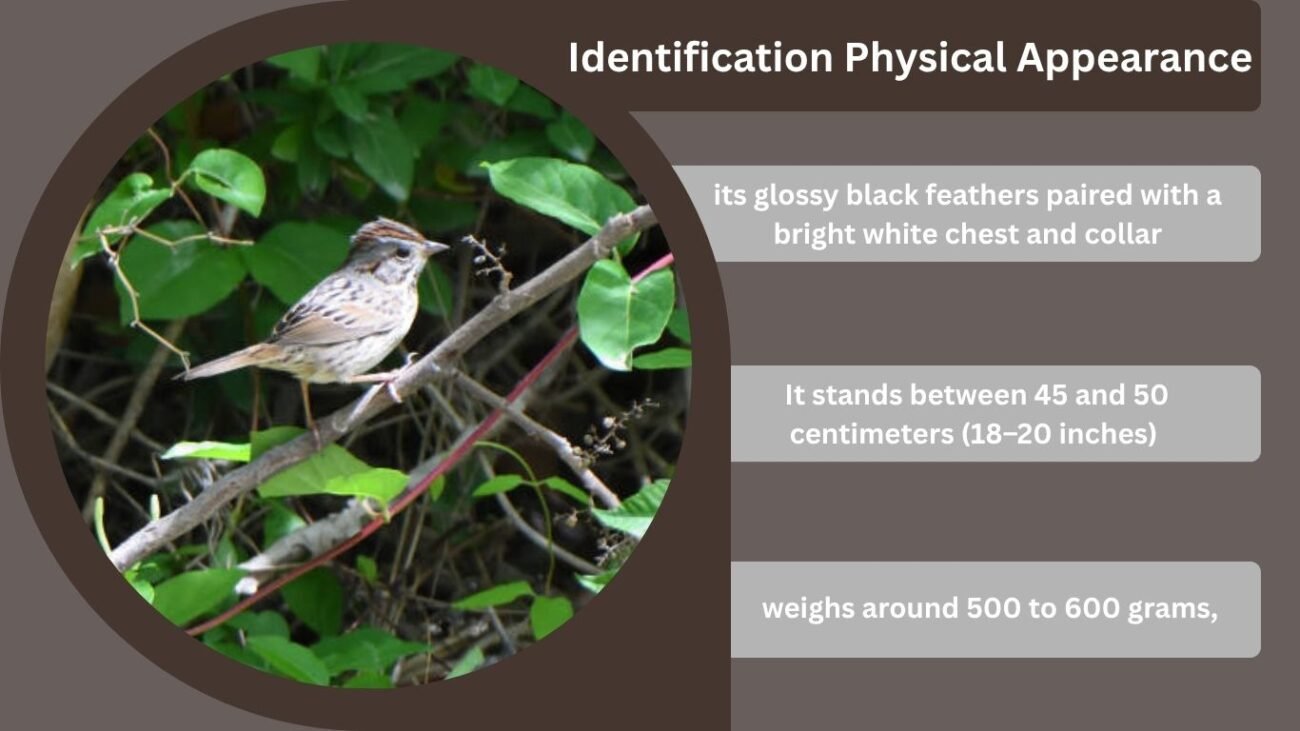
Physical Appearance
The African Pied Crow is instantly recognizable by its glossy black feathers paired with a bright white chest and collar, creating a beautiful two-toned contrast. It stands between 45 and 50 centimeters (18–20 inches) tall and weighs around 500 to 600 grams, making it slightly smaller than the raven but larger than the common crow.
Its long, powerful wings and rounded tail make it an agile flier, capable of swift turns and long glides. The beak is thick and curved — perfectly designed for scavenging a wide range of foods. When it flies, the striking contrast between its black wings and white breast makes it one of the easiest birds to identify against the African sky.
Scientific Classification
- Scientific name: Corvus albus
- Family: Corvidae (includes crows, ravens, magpies, rooks)
- Order: Passeriformes
- Genus: Corvus
It shares close relations with the White-necked Raven (Corvus albicollis), another African species, but the Pied Crow is slimmer and more widespread. Members of the Corvidae family are famous for their intelligence, and the African Pied Crow proudly holds that legacy across the continent.
Unique Characteristics
This bird’s intelligence is often compared to that of parrots and primates. It can mimic human speech, recognize individual human faces, and even use simple tools. Its adaptability is unmatched — equally at home in bustling urban centers as in rural grasslands.
In many African cultures, the African Pied Crow is a symbol of wisdom and duality — its black and white feathers representing balance between light and dark, life and death, and good and evil. Because of its intelligence and awareness, it’s also seen as a messenger between humans and nature.
Habitat
Geographic Distribution
The African Pied Crow is found across Sub-Saharan Africa, from the southern tip of South Africa to Ethiopia, Kenya, Ghana, and Tanzania, and even the islands of Madagascar and Seychelles. It is one of Africa’s most widely distributed corvids, able to survive in a range of environments where many birds cannot.
Preferred Environments
Unlike many bird species that depend on specific ecosystems, the African Pied Crow thrives almost everywhere. It lives in open grasslands, farmlands, savannas, and coastal regions, but it also flourishes in towns, cities, and villages. It avoids dense forests but makes good use of open habitats where food is easier to find.
Their flexibility allows them to coexist with people. You might see them perched on telephone wires, scavenging in markets, or hopping around fields. This connection with human environments has given the species a major survival advantage.
Nesting Habits
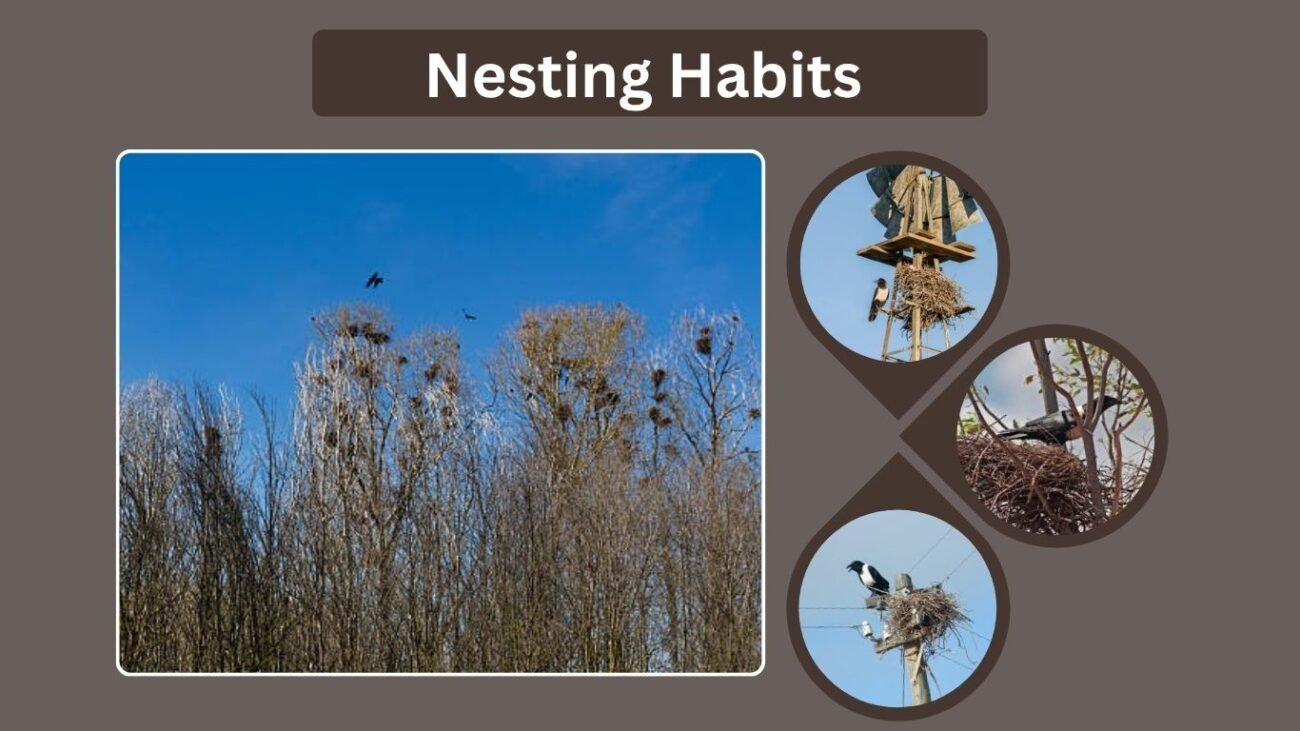
African Pied Crows are skilled builders. They create large nests out of sticks, lined with soft materials such as grass, feathers, or cloth. Their nests are often located high in trees, on cliffs, or on man-made structures like rooftops, utility poles, and towers — always in places that provide safety from predators.
Both the male and female take part in building the nest and defending the area fiercely. Once they establish a good site, they may return to it year after year, reinforcing it as part of their territory.
Adaptability to Human Presence
Few wild birds adapt as seamlessly to human life as the African Pied Crow. It’s frequently seen scavenging near restaurants, landfills, or roadkill sites. In towns, these crows act as natural recyclers, consuming waste that could otherwise attract pests.
This adaptability also demonstrates their intelligence — they learn quickly where to find food and how to avoid human dangers. In some regions, farmers appreciate their role in pest control, while in others, they are considered mischievous for stealing food or small items.
Their coexistence with humans symbolizes survival through adaptation, a key trait that has made them one of Africa’s most successful bird species.
Behavior
Intelligence and Problem-Solving Skills
The African Pied Crow ranks among the most intelligent birds in the world. Studies have shown that it can solve puzzles, use tools, and even plan ahead — skills once thought unique to humans and great apes. In experiments, these birds have been observed using sticks to retrieve food or dropping hard nuts on roads for vehicles to crack open.
They also display remarkable memory, recognizing and remembering human faces for years. This ability helps them distinguish between friendly and threatening individuals, an important skill for survival in urban settings.
Vocalization and Communication
Their voices are as dynamic as their personalities. The African Pied Crow produces a wide range of caws, clicks, and croaks, each carrying different meanings. These sounds help them warn each other of danger, attract mates, or coordinate group behavior.
In captivity, some individuals can learn to imitate human speech. Owners report that they can mimic not only words but also tones, laughter, and even animal sounds. Their vocal mimicry rivals that of parrots, showcasing the crow’s cognitive sophistication.
Social Behavior and Interaction
Pied Crows are generally social and often seen in pairs or small groups, though they can form larger flocks around abundant food sources. They maintain strong pair bonds, often staying with the same partner for life. These birds are affectionate toward their mates, grooming each other and working together to build nests, feed chicks, and protect their territory.
They also exhibit playful behavior, such as aerial acrobatics, games of chase, or dropping and catching objects mid-flight — signs of a high level of intelligence and curiosity.
Feeding Habits
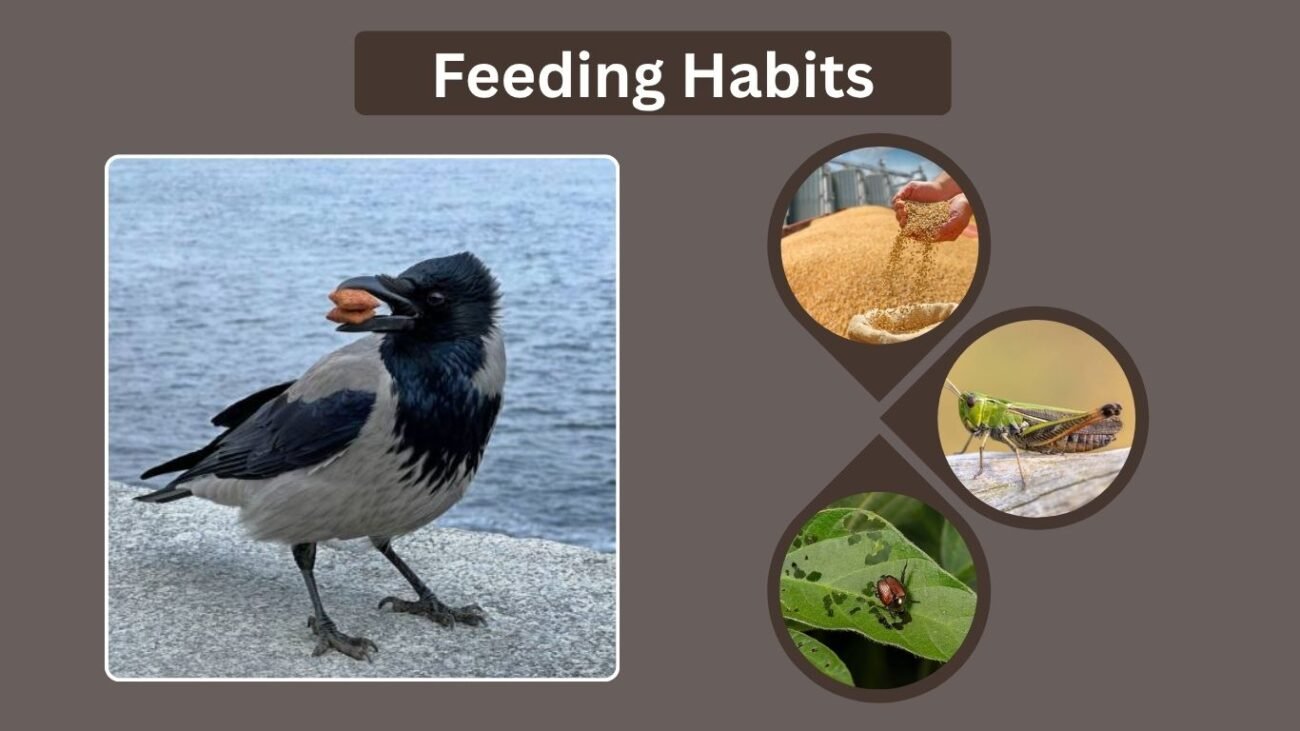
African Pied Crows are omnivorous scavengers, meaning they eat a wide range of foods. Their diet includes insects, fruits, grains, seeds, carrion, and even small reptiles or birds. In urban areas, they feed on food scraps, roadkill, and waste left by humans.
Their foraging intelligence allows them to exploit nearly any available resource. They often follow farmers, animals, or even garbage trucks to find meals. When feeding, they use their strong beaks to tear open packaging, crack shells, or pull out insects hidden in bark and soil. This opportunistic feeding habit helps keep the environment clean while controlling pests and decomposing waste.
Breeding and Reproduction
African Pied Crows are monogamous, usually pairing for life. The breeding season varies across regions but generally occurs during the dry season, when food is abundant and conditions are favorable.
The female lays 3 to 5 pale greenish-blue eggs speckled with brown. Both parents take turns incubating the eggs for about 18 to 20 days. After hatching, the chicks remain in the nest for up to 45 days, fed and protected by both parents.
Young birds stay near their parents even after fledging, learning survival skills such as foraging, communication, and social cooperation. This long parental care period is a key factor in the crow’s high intelligence and strong family structure.
Lifespan
Life Expectancy in the Wild
In the wild, African Pied Crows typically live 10 to 15 years, though many factors influence this span. Their adaptability allows them to survive in harsh environments, but they still face risks such as predators, human interference, and road accidents. Despite these challenges, their intelligence and cautious behavior help them avoid many dangers that other species cannot.
Lifespan in Captivity
Under proper care, these birds can live up to 20 years or longer. In captivity, they enjoy protection from predators and a consistent food supply. However, their mental health depends heavily on environmental enrichment. Without sufficient space, stimulation, and social interaction, they can become stressed or aggressive.
Crows in captivity thrive when provided with puzzles, toys, and human interaction that challenge their intelligence — reinforcing the idea that they are not simple pets, but sentient creatures requiring deep engagement.
Health and Common Threats
While not currently endangered, African Pied Crows face certain threats. Habitat loss due to deforestation and urbanization reduces their nesting areas. They are also vulnerable to poisoning from contaminated food and chemicals in urban waste.
Vehicle collisions are another danger, as the birds often feed on roadkill. In some regions, they are captured illegally for the exotic pet trade. Despite these threats, the species remains classified as “Least Concern” by the IUCN, thanks to its wide range and adaptability.
Predators and Defense Mechanisms
Natural predators of the African Pied Crow include eagles, hawks, and large snakes, which mainly target eggs and young chicks. Adult crows are agile and quick, making them difficult to catch. When threatened, they rely on mobbing behavior, where several crows band together to chase away a predator with loud calls and dive-bombing tactics.
This coordinated defense reflects their intelligence and social cooperation. Even large birds of prey often retreat when confronted by a group of determined crows. Their vigilance and communication play a key role in survival, making them a model of unity in the animal world.
Cultural and Ecological Importance

Role in African Ecosystems
The African Pied Crow performs a crucial ecological role as a natural cleaner. By feeding on dead animals and waste, it helps prevent the spread of disease and supports nutrient recycling. Its scavenging also reduces pest populations and contributes to a cleaner environment.
Additionally, by eating fruits and spreading seeds through droppings, these crows promote plant growth and forest regeneration. In essence, they maintain balance in ecosystems across Africa.
Symbolism and Human Connection
In African folklore, the crow is often regarded as a symbol of intelligence, foresight, and transformation. Some tribes view it as a messenger between the physical and spiritual realms. Its black-and-white plumage is thought to represent balance and duality, reminding people of harmony between opposing forces.
Modern admiration for the African Pied Crow extends beyond symbolism — bird enthusiasts and researchers continue to study it to better understand avian intelligence and communication.
Key Takeaways
- The African Pied Crow (Corvus albus) is a medium-sized bird with striking black-and-white plumage.
- Native to Sub-Saharan Africa, it thrives in both wild and urban environments.
- Known for exceptional intelligence, it can mimic speech, use tools, and solve problems.
- Plays an important ecological role as a scavenger and seed disperser.
- Lives 10–15 years in the wild, and up to 20 years in captivity with proper care.
- Despite environmental challenges, its population remains stable and widespread across Africa.
FAQs
How can you identify an African Pied Crow?
You can identify it by its glossy black plumage and bright white chest that extends up the neck. It’s medium-sized, between a crow and a raven, and often seen soaring or scavenging in open areas and towns.
Where do African Pied Crows live?
They are found throughout Sub-Saharan Africa, including South Africa, Kenya, Tanzania, Ghana, and Ethiopia. They inhabit savannas, farmlands, open grasslands, and even urban cities, showing exceptional adaptability.
What do African Pied Crows eat?
They are omnivores and opportunistic feeders, consuming insects, fruits, grains, carrion, small animals, and human food waste. This flexible diet helps them thrive in different environments and supports ecological balance.
Are African Pied Crows intelligent?
Yes, they are among the world’s smartest birds. They can recognize human faces, use tools, and mimic speech. Their intelligence is comparable to that of parrots, dolphins, and even primates.
How long do African Pied Crows live?
In the wild, they live for about 10 to 15 years, but in captivity with good care and mental stimulation, they can live up to 20 years or longer. Their lifespan depends heavily on habitat, diet, and safety.


