










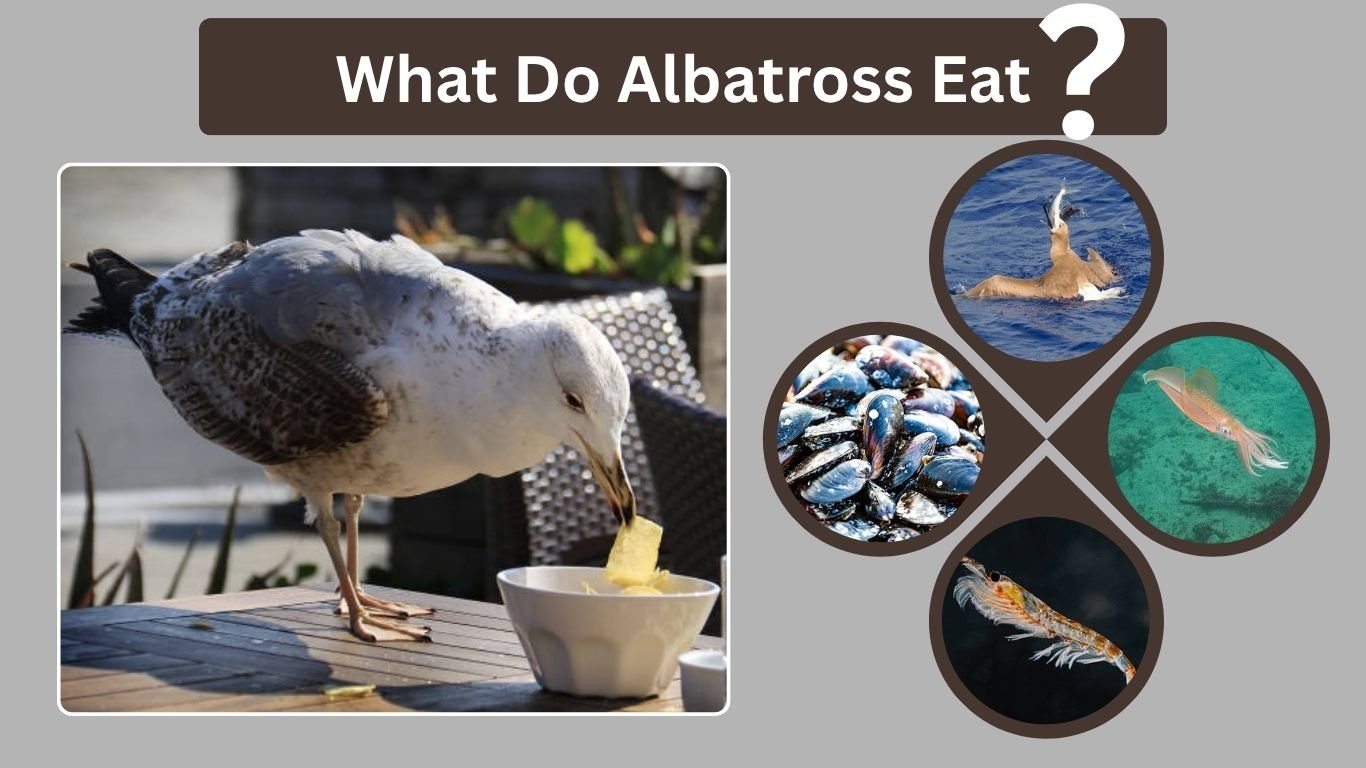
The albatross, a majestic seabird known for its enormous wingspan and ability to soar across oceans, has fascinated scientists and nature lovers alike. These skilled flyers spend most of their lives gliding over open seas, relying on the marine environment for food. Understanding what albatross eat and how they feed reveals their critical role in the ocean ecosystem and their remarkable adaptations for survival.
Overview of the Albatross Diet

Albatrosses are primarily carnivorous seabirds, feeding almost entirely on marine organisms. Their diet depends on food availability, species, and location, but overall, they are opportunistic feeders. While some species actively hunt, others scavenge fishery waste or dead sea animals. The diversity of their diet makes them versatile survivors in vast, changing oceans.
Primary Foods of the Albatross
Fish form the largest part of an albatross’s diet. They often eat small schooling fish like sardines, anchovies, and flying fish found near the ocean surface. Squid and other cephalopods are another major food source, especially for wandering and royal albatrosses. These birds also consume krill, crustaceans, and zooplankton, particularly when other prey is scarce.
Some albatrosses are known to feed on carrion—dead sea creatures floating near the surface. In regions with heavy fishing activity, they often scavenge on discarded fish waste or bait, making them regular visitors around fishing vessels.
Diet Differences by Species
Different albatross species specialize in slightly varied diets based on habitat and foraging behavior:
- Wandering Albatross: Prefers squid, caught mostly at night when the creatures rise toward the surface.
- Royal Albatross: Consumes fish and small invertebrates near sub-Antarctic waters.
- Hawaiian Albatross (Laysan & Black-footed): Often scavenges on surface prey, fish waste, and squid found near fishing boats.
These variations allow multiple albatross species to coexist in overlapping regions without directly competing for the same food sources.
Feeding Behavior and Techniques

The albatross’s feeding behavior is as fascinating as its diet. These birds cover thousands of miles across the open ocean in search of food, using minimal energy thanks to their dynamic soaring technique. They rarely dive deep, instead relying on surface feeding or shallow plunges to capture prey.
How Albatross Feed While Flying
One of the albatross’s most incredible abilities is feeding mid-flight. Using their long, narrow wings, they glide close to the water’s surface and grab fish or squid without landing. This method, known as surface seizing, allows them to feed efficiently during long-distance flights.
They also employ plunge diving, where they briefly dive a few meters below the surface to catch prey. Their sharp bills and keen eyesight help them locate food from afar. Some species feed mostly at night, using moonlight or bioluminescent cues from squid and fish.
Feeding Frequency and Patterns
Unlike many seabirds, albatrosses don’t feed daily. Their feeding frequency depends on food availability and breeding cycles. Adults can go for days without eating, especially during incubation periods, relying on stored body fat for energy.
When food is abundant, they gorge themselves and later regurgitate the digested meal as nutrient-rich oil to feed their chicks. This oily substance is high in fat and calories, ensuring the young grow rapidly in harsh, cold environments.
Prey Preferences and Myths About Albatross Eating Habits
Although albatrosses are known for their wide-ranging diets, several myths surround what they actually eat. Some claim albatrosses eat mammals or birds, but there is no real evidence supporting such behavior.
Do Albatross Eat Mice or Other Animals?
Stories about albatrosses eating mice or rabbits are mostly misconceptions. These seabirds do not hunt land mammals. However, in rare cases, they may scavenge small remains of dead animals drifting at sea. In contrast, it’s the mice and rats on remote islands that threaten albatross chicks — not the other way around.
Do Albatross Eat Other Birds or Penguins?
Albatrosses are not bird hunters. While large predatory seabirds like skuas or giant petrels may attack other birds, albatrosses mainly focus on fish, squid, and invertebrates. Their anatomy and feeding techniques are designed for marine prey, not for hunting fast-moving or land-based animals.
Predators and Natural Threats

Even though adult albatrosses are large and powerful, they face natural threats from marine predators and invasive species, especially on breeding islands.
Natural Predators
Sharks, particularly tiger sharks, are known to prey on young or resting albatrosses floating on the water’s surface. In some regions, killer whales and large predatory fish may also target them. Albatross chicks and eggs are highly vulnerable, often left alone while parents forage at sea.
Invasive Species Impact
One of the most disturbing threats comes from invasive mice and rats introduced to island nesting sites. These rodents attack defenseless chicks, sometimes eating them alive. Documented cases in the South Atlantic and sub-Antarctic islands show that even giant mice have adapted to feed on albatross chicks, severely impacting breeding success.
Conservation groups are now working to eradicate these invasive species to protect albatross populations.
Environmental Challenges – Plastic and Pollution
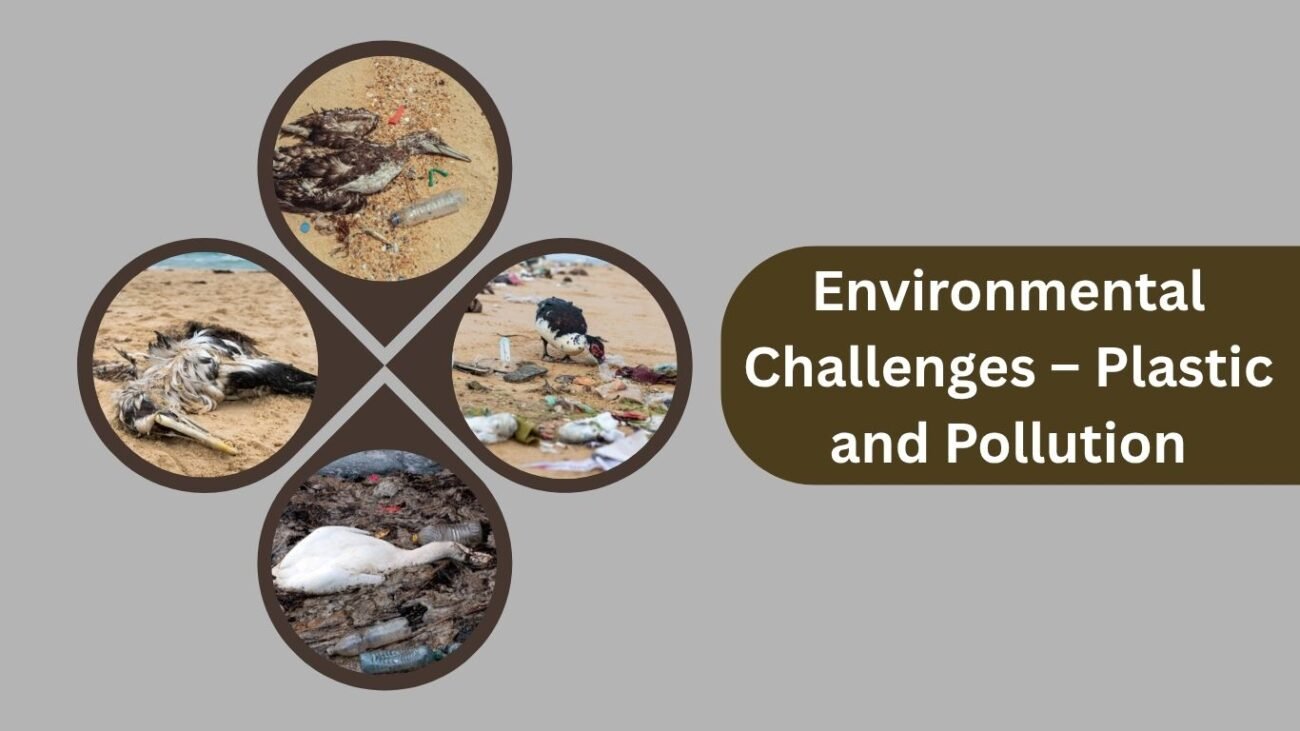
While natural predators pose some danger, the greatest modern threat to albatross survival comes from human activity, especially ocean pollution. Plastic debris floating on the sea surface has become a deadly trap for these seabirds, which often mistake it for food.
Why Albatross Eat Plastic
Albatrosses have keen eyesight and rely heavily on visual cues to locate prey. Unfortunately, floating plastic pieces can resemble squid, fish eggs, or other natural prey, especially when covered in marine algae.
Adults often collect plastic fragments and accidentally feed them to their chicks, believing they are nutritious food. This tragic behavior has been documented in colonies across the Pacific, where chicks’ stomachs have been found filled with plastic bottle caps, lighters, and other debris.
Effects of Plastic on Health and Survival
Ingesting plastic can have devastating effects. It blocks the digestive tract, leading to starvation, dehydration, or internal injuries. The accumulated plastic can also give birds a false sense of fullness, causing them to stop eating altogether.
Young albatrosses are particularly at risk, as their parents unknowingly regurgitate plastic-laden meals into their mouths. This problem contributes to declining populations in several species, despite global conservation efforts.
Plastic pollution also indirectly affects food availability. As microplastics contaminate marine ecosystems, they enter the food chain, impacting squid and fish populations that albatross depend on. The result is a dangerous cycle of pollution, malnutrition, and population decline.
Human Interaction and Conservation
Humans have had a complex relationship with albatrosses throughout history — from exploiting them for food and feathers to recognizing them today as symbols of freedom and resilience.
Can Humans Eat Albatross?
In the past, sailors and explorers occasionally ate albatross meat when stranded at sea. Historical records from long ocean voyages mention that albatrosses were hunted for survival, though their meat was often described as tough and oily.
Today, however, eating or hunting albatross is illegal worldwide. All species are protected under international agreements such as the Agreement on the Conservation of Albatrosses and Petrels (ACAP). These laws were introduced to counter steep population declines caused by overfishing, pollution, and habitat destruction.
Conservation Efforts
Several global and local initiatives are now in place to safeguard albatross populations. Key efforts include:
- Island Restoration Projects: Removing invasive species like rats and mice from breeding sites.
- Bycatch Reduction: Implementing bird-safe fishing gear to prevent accidental entanglement in longlines and trawl nets.
- Marine Protected Areas: Establishing sanctuaries around key nesting and feeding zones.
- Public Awareness Campaigns: Documentaries and research studies help spread awareness about plastic pollution and seabird conservation.
Thanks to these efforts, some species such as the Black-browed Albatross are showing slow signs of recovery. However, others, like the Tristan and Amsterdam Albatross, remain critically endangered, underscoring the need for continued global action.
Symbolism and Cultural References
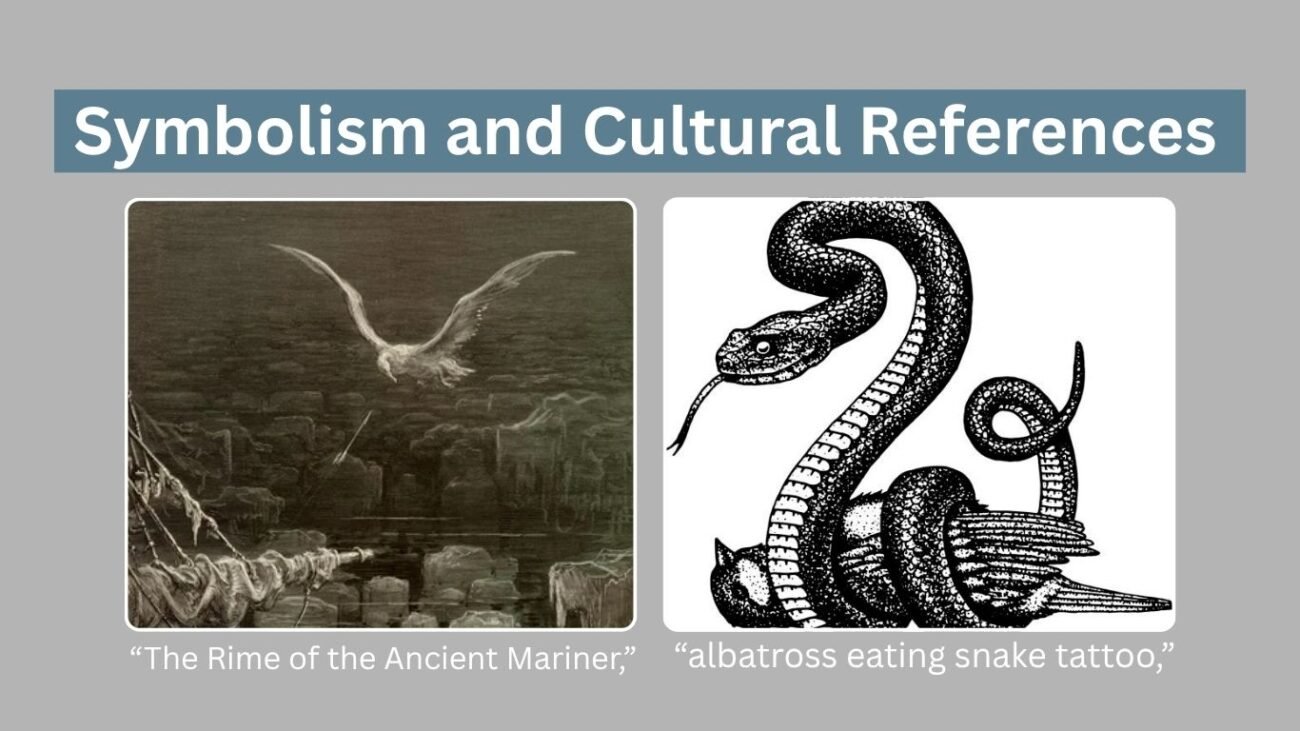
Beyond their ecological role, albatrosses have a powerful presence in literature, art, and symbolism.
The bird became an enduring symbol after Samuel Taylor Coleridge’s poem “The Rime of the Ancient Mariner,” where killing an albatross brings misfortune — giving rise to the phrase “an albatross around one’s neck.”
In many cultures, the albatross represents endurance, freedom, and guidance across troubled seas. Its image often appears in tattoos, including motifs like the “albatross eating snake tattoo,” which symbolizes strength, survival, and dominance in nature.
Modern conservationists and artists use the albatross as a symbol of environmental awareness — a reminder of humanity’s responsibility toward ocean health and wildlife preservation.
Key Takeaways
- Albatrosses are carnivorous seabirds that primarily eat fish, squid, and krill.
- They can feed while flying, grabbing prey from the surface without landing.
- Sharks and invasive rodents are their main predators and threats to chicks.
- Plastic pollution is one of the leading causes of albatross deaths today.
- Conservation laws now protect all albatross species from hunting and exploitation.
FAQs
What do albatross eat the most?
Albatrosses mainly eat fish and squid, depending on what’s available near the ocean surface. They also consume krill, crustaceans, and occasionally scavenge on fishery waste. Their diet varies slightly by species and region, but they remain primarily marine hunters.
How do albatross catch their food?
Albatrosses use a technique called surface seizing, where they glide close to the water and snatch prey using their hooked beaks. Some also perform shallow plunge dives to grab squid or fish just below the surface. Their excellent eyesight helps them detect prey from long distances.
Do albatross eat plastic intentionally?
No — albatrosses don’t recognize plastic as artificial. They often mistake it for food such as squid or fish eggs, especially when debris floats on the water. Unfortunately, this leads to accidental ingestion, which causes severe health problems and contributes to chick mortality.
What animals eat albatross?
Adult albatrosses have few natural predators, but tiger sharks and large fish may attack them while resting on the sea surface. The greatest danger is to their chicks and eggs, which are frequently attacked by rats and mice on nesting islands.
Can humans eat albatross today?
No, hunting or eating albatross is strictly illegal under international wildlife protection laws. Historically, sailors ate them during long sea voyages, but today, all albatross species are protected due to population declines caused by human activities.


