










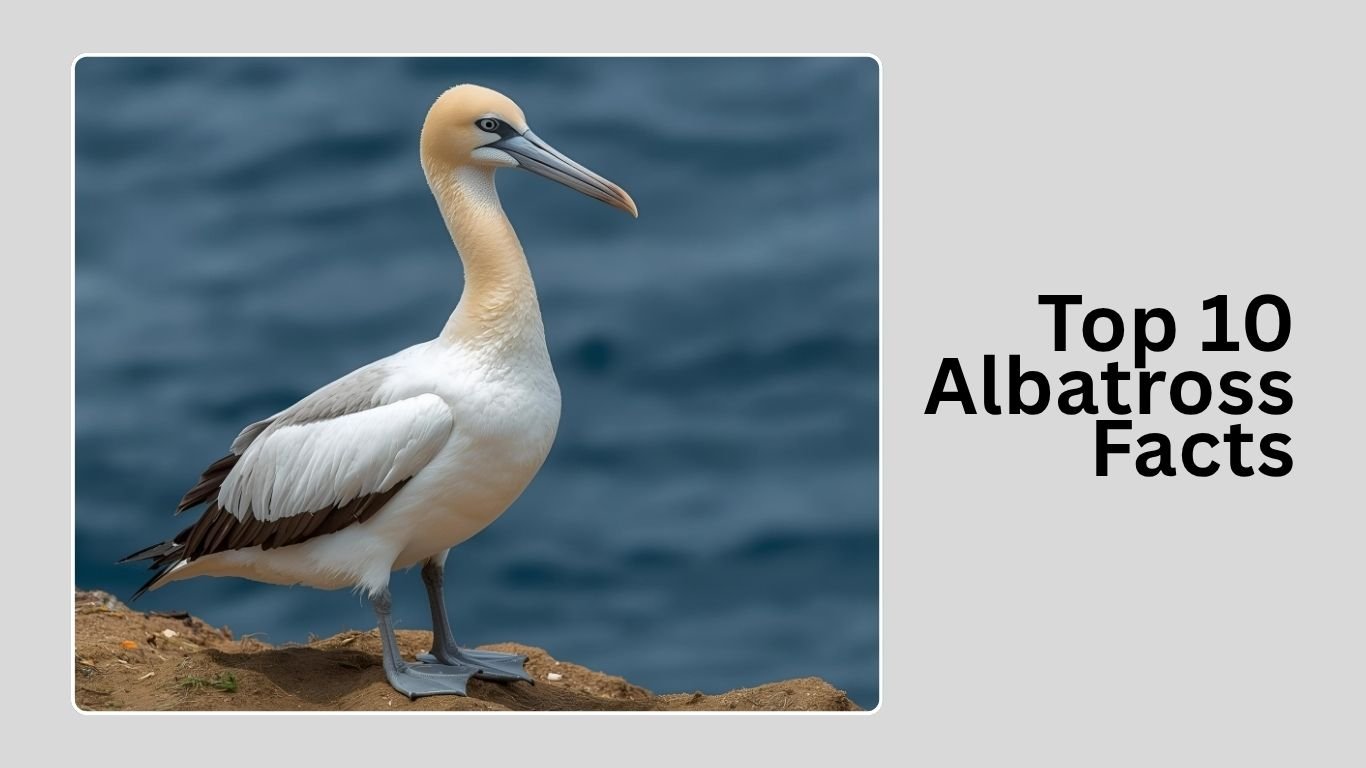
The albatross is one of nature’s most remarkable seabirds, known for its enormous wingspan and incredible flight endurance. Found gliding gracefully over the world’s oceans, it symbolizes freedom, resilience, and mystery. With unique physical adaptations and deep emotional intelligence, this ocean wanderer has fascinated sailors, scientists, and storytellers alike. In this article, we’ll explore the most fascinating albatross facts — from their habitats and flight patterns to their love lives and conservation stories.
What Is an Albatross?
General Identification and Appearance
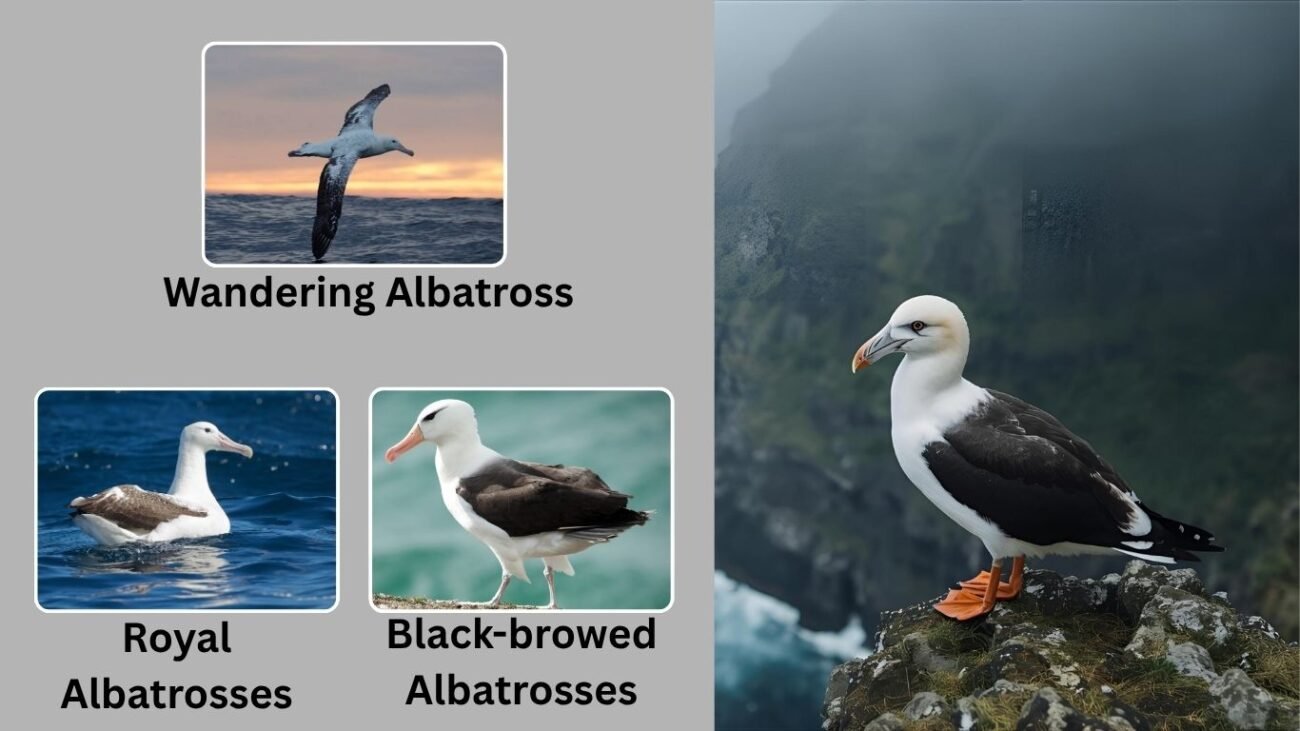
The albatross belongs to the Diomedeidae family, a group of large seabirds that spend most of their lives soaring over the ocean. They are easily recognizable by their long, narrow wings and robust, hooked beaks designed for catching slippery prey. Depending on the species, an albatross can measure up to 1.2 meters (4 feet) in length with a wingspan reaching an incredible 3.5 meters (11 feet).
Their feathers are typically white with shades of black, grey, or brown, depending on the region and species. These birds can live up to 50–60 years, making them one of the longest-living seabirds on Earth. Their extraordinary lifespan, combined with their unmatched flying ability, makes them symbols of endurance and grace.
Common Albatross Species
There are 22 known species of albatrosses found across the world’s oceans, each adapted to specific environments. The Wandering Albatross holds the record for the world’s largest wingspan, stretching up to 12 feet (3.6 meters). Royal Albatrosses are known for their regal size and elegance, while Black-footed and Black-browed Albatrosses are commonly found in the Pacific and Southern Oceans.
Other notable species include the Laysan Albatross, often seen around Hawaii; the Shy Albatross, native to Tasmania; and the Sooty Albatross, known for its dark plumage. Interestingly, the so-called “Orange Albatross” is not a bird at all but a butterfly species found in Asia — a common mix-up due to its name.
Albatross Habitat and Distribution
Where Do Albatrosses Live?
Albatrosses thrive in the Southern Ocean, North Pacific, and around Antarctica, where the winds are strong and food is abundant. They prefer isolated islands for nesting, such as South Georgia, the Galápagos Islands, and remote atolls near New Zealand and Hawaii. These locations provide safe breeding grounds, free from most predators.
Each species has its preferred climate — for example, Waved Albatrosses breed in the tropical Galápagos, while Snowy and Wandering Albatrosses inhabit the cold Antarctic seas. Their global presence makes them vital indicators of ocean health and climate changes.
Wandering Across the Oceans
Albatrosses are famous for their incredible migration patterns. Some species travel more than 120,000 kilometers (75,000 miles) in a single year, often circling the globe multiple times. They rely on powerful ocean winds and air currents to glide effortlessly across vast distances, using a flight technique called dynamic soaring.
What’s truly fascinating is that albatrosses can spend months — or even years — without landing, resting only briefly on the sea surface. Their lightweight bodies and long, slender wings allow them to harness wind energy efficiently, reducing fatigue. Scientists have even tracked albatrosses crossing multiple oceans within a single breeding season, showcasing their unmatched stamina.
The Science of Flight — Albatross Flying Facts
Masters of the Sky
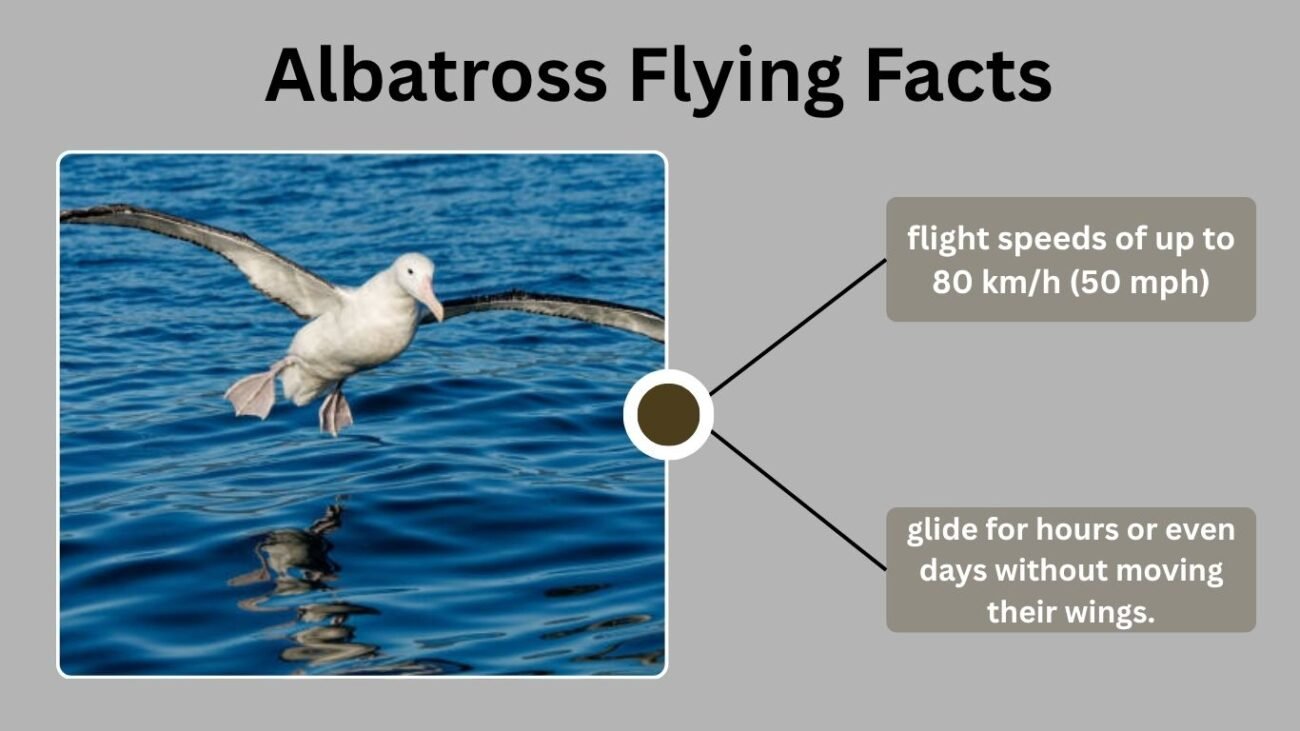
Few birds can match the flight skills of the albatross. Using a combination of dynamic soaring and slope soaring, they ride wind gradients above ocean waves with minimal effort. Unlike most birds that rely on constant flapping, albatrosses can glide for hours or even days without moving their wings.
This energy-efficient flight style allows them to conserve calories while traveling immense distances in search of food. Their specialized shoulder joints lock their wings in an extended position, minimizing muscle strain. The Wandering Albatross, for example, can maintain flight speeds of up to 80 km/h (50 mph) while barely expending energy — a true marvel of evolution.
Sleeping in the Air
One of the most intriguing albatross facts is their ability to sleep while flying. Scientists believe they enter brief “microsleeps” lasting a few seconds, allowing them to rest without losing control of their flight path. This adaptation is crucial for survival since they often spend weeks far from land.
During these long journeys, they may also float on the ocean surface to rest or preen their feathers. Observations suggest that albatrosses can sleep even during gliding, demonstrating how perfectly they’ve adapted to life on the move.
Diet and Feeding Habits
What Do Albatrosses Eat?
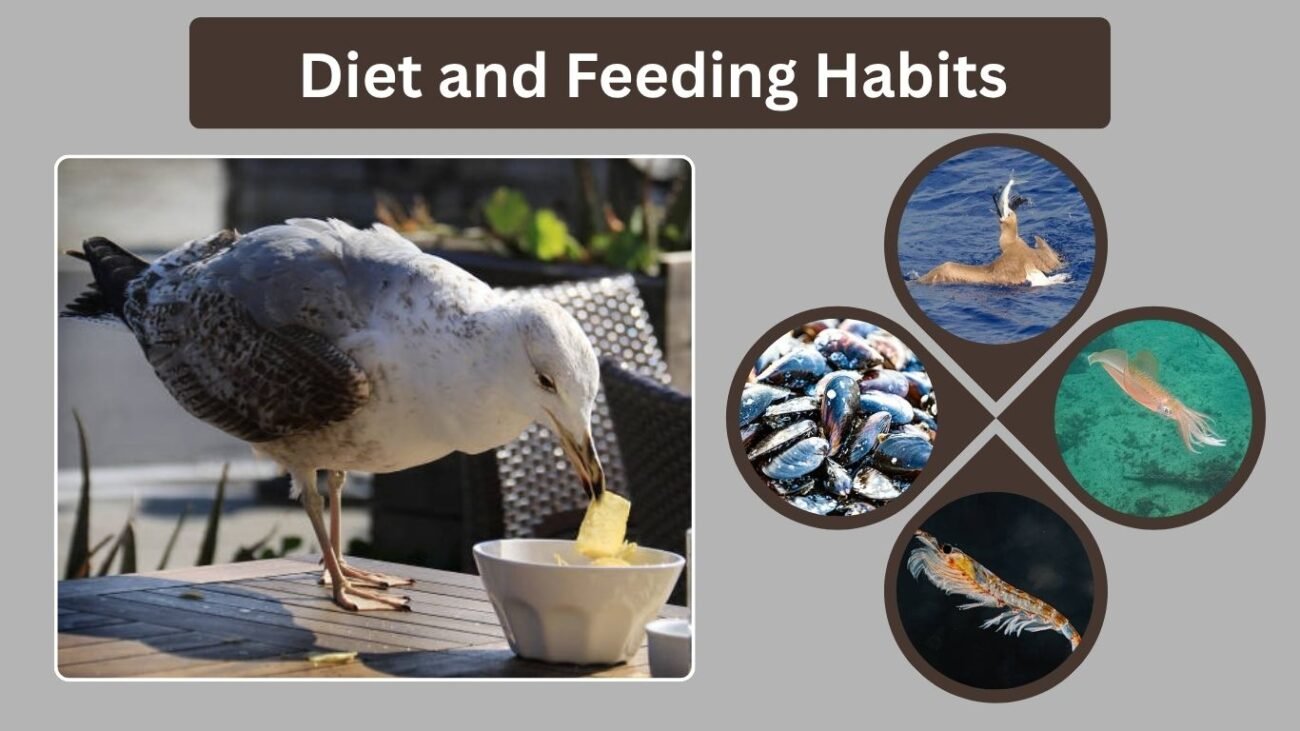
Albatrosses are carnivorous seabirds that primarily feed on fish, squid, krill, and crustaceans. They use their keen sense of smell — one of the best among birds — to locate food from miles away. This ability helps them detect oils released by fish and squid on the ocean surface.
They often follow fishing vessels to scavenge discarded fish or bait, a behavior that unfortunately increases their risk of accidental capture. Some species dive a few meters underwater to catch prey, while others snatch food directly from the surface with precision.
Albatrosses are also known to feed at night, taking advantage of bioluminescent prey like squid. Their beaks are lined with sharp edges that help them grasp slippery food, and their strong stomach acids allow them to digest tough materials — even fish bones.
Feeding the Chicks
After feeding at sea, adult albatrosses return to their nesting sites to feed their chicks through regurgitation. They store partially digested food — a nutrient-rich substance called stomach oil — which is made from fish and squid. This oily liquid is incredibly high in energy and allows chicks to survive long periods while parents are away hunting.
Raising a chick requires immense patience. Albatross parents take turns incubating their egg for nearly 80 days, one of the longest incubation periods in the bird world. Once hatched, the chick remains dependent for months, with both parents sharing the feeding responsibilities. The young bird finally fledges after about 8 to 10 months, ready to begin its first solo ocean voyage.
Love and Lifelong Bonds — Albatross Mating Facts
The Dance of Love
One of the most enchanting aspects of the albatross is its courtship ritual. Before mating, albatrosses perform a fascinating “dance” that involves synchronized head bobs, bill clapping, and elegant wing displays. These complex behaviors help pairs recognize each other and strengthen their bond.
Juvenile albatrosses often spend years practicing these dances before finally choosing a lifelong partner. The ritual isn’t just beautiful — it’s crucial for ensuring compatibility, as albatrosses depend on cooperation for raising chicks and surviving the demanding ocean environment.
Lifelong Partnerships
Unlike most birds, albatrosses are monogamous and usually mate for life. Once a pair forms a bond, they return to the same nesting site year after year to reunite. Each breeding cycle is slow and demanding — they typically lay only one egg every two years.
This strong loyalty means that if one partner dies, the surviving bird may take years to find a new mate or sometimes never does. Their emotional intelligence and long-term memory have fascinated scientists, making them symbols of love, loyalty, and endurance across cultures.
The Role of Albatrosses in the Ecosystem
Albatrosses play a critical role in maintaining the balance of marine ecosystems. By feeding on fish, squid, and carrion, they help regulate oceanic food chains. They also serve as natural “cleaners,” consuming dead marine animals and reducing waste accumulation at sea.
Furthermore, albatross populations are excellent indicators of ocean health. Changes in their breeding success or migration patterns often reflect shifts in sea temperatures, pollution levels, or overfishing trends. Their survival is deeply intertwined with the health of the oceans, reminding humanity of the importance of marine conservation.
Threats and Conservation Facts
Challenges Faced by Albatrosses
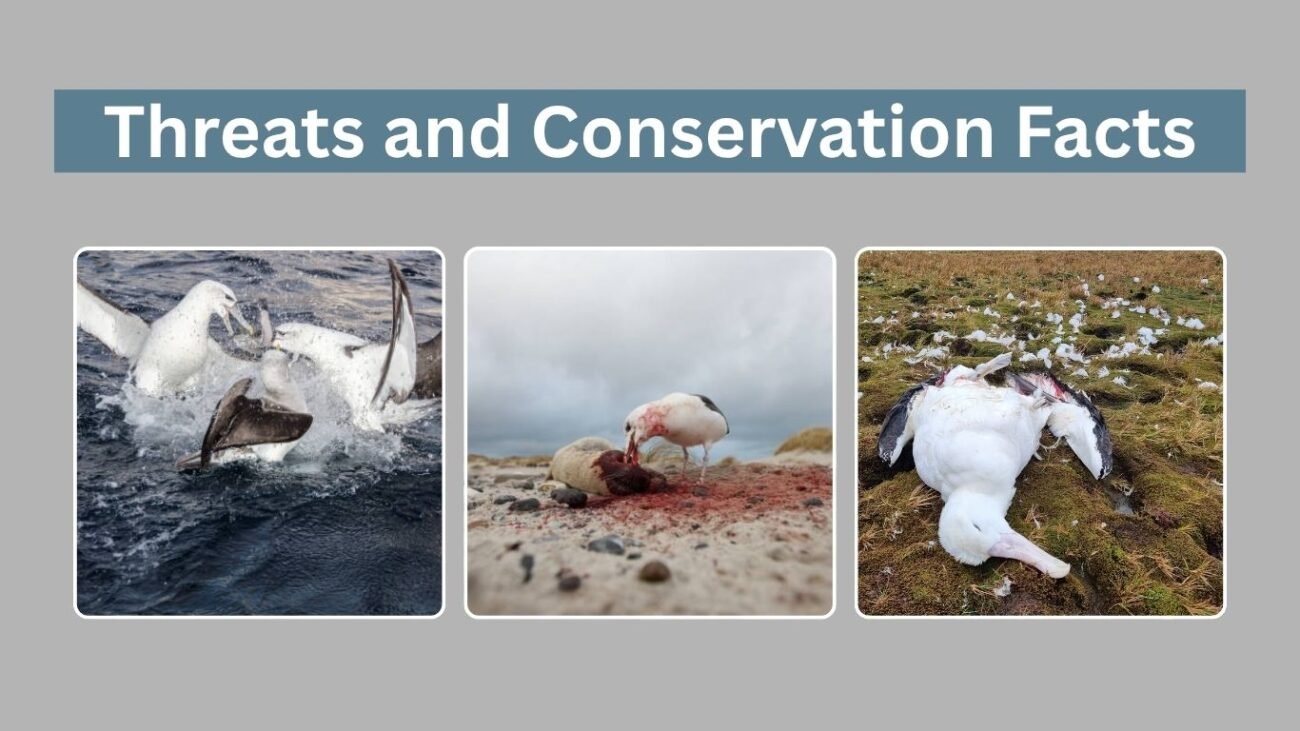
Despite their resilience, albatrosses face multiple threats that have caused sharp declines in their numbers. The biggest danger comes from longline fishing, where birds get accidentally hooked and drown while attempting to catch bait.
Plastic pollution is another major issue — albatrosses often mistake floating plastics for food. These materials accumulate in their stomachs, leading to starvation and death. Studies have found alarming amounts of plastic debris in both adult and chick stomachs on islands like Midway Atoll.
Other challenges include habitat loss, climate change, and invasive predators such as rats and cats that attack eggs and chicks. Many albatross species are now classified as endangered or vulnerable under the IUCN Red List.
Conservation Efforts
Fortunately, several organizations and agreements are working to protect these majestic birds. The Agreement on the Conservation of Albatrosses and Petrels (ACAP) coordinates global efforts to minimize bycatch and preserve breeding habitats.
In regions like New Zealand and Hawaii, local governments have established protected marine zones where fishing activities are limited. Education programs also raise awareness about the impact of plastic waste on seabird populations.
Thanks to these initiatives, species like the Laysan Albatross and Royal Albatross are showing signs of recovery. However, the battle is far from over, and continued global cooperation is essential for the albatross’s survival.
Fun and Amazing Albatross Facts
Fascinating Trivia and Legends
Throughout history, albatrosses have captured the human imagination. Sailors once believed these birds carried the souls of lost seamen, bringing either good luck or bad omens depending on how they were treated. This superstition inspired the famous line from Samuel Taylor Coleridge’s poem “The Rime of the Ancient Mariner”, where killing an albatross brought a curse upon the ship’s crew.
Here are a few amazing albatross facts that highlight their uniqueness:
- The wandering albatross can fly 10,000 miles in a single journey without stopping.
- They can lock their wings open to glide for hours effortlessly.
- Some albatrosses sleep while flying — an extraordinary adaptation for life at sea.
- They can drink seawater by filtering out the salt using special glands near their eyes.
- Despite their large size, albatrosses are surprisingly silent and communicate with soft grunts or bill claps.
Kid-Friendly Albatross Facts
For young learners, albatrosses are full of fun surprises!
- They live very long lives — some over 60 years old.
- Their wings are wider than a car is long!
- They mate for life, showing incredible loyalty.
- Baby albatrosses are fluffy and adorable, staying in the nest for almost a year.
- They can fly around the world without touching land — real ocean adventurers!
These fascinating facts make albatrosses a favorite topic for classrooms and wildlife enthusiasts alike.
Key Takeaways
- The albatross is the world’s largest flying seabird, capable of gliding thousands of miles without rest.
- They form lifelong bonds, sharing parenting duties and returning to the same nests yearly.
- Plastic waste and fishing lines are the greatest threats to their survival.
- Conservation programs are helping some populations recover.
- Their endurance and loyalty make them true symbols of freedom and faithfulness across cultures.
FAQs
How long can an albatross fly without landing?
An albatross can stay airborne for weeks or even months, covering over 10,000 miles without touching land. Using wind currents and dynamic soaring, it conserves energy, gliding across oceans with minimal effort. Some species may not return to land for several years.
Why are albatrosses considered symbols of good or bad luck?
In maritime folklore, albatrosses were thought to carry the souls of sailors. Killing one was said to bring bad luck, while seeing one was a sign of safe passage. This belief inspired poetry and remains a lasting symbol of respect for nature’s power.
What do albatrosses eat in the wild?
They mainly feed on squid, fish, and crustaceans, often scavenging from the ocean surface or fishing boats. Their sharp eyesight and strong sense of smell help them locate food miles away. Some even hunt at night, guided by moonlight and bioluminescent prey.
Are all albatross species endangered?
Not all species are endangered, but most face serious threats. The IUCN lists over two-thirds as vulnerable or endangered due to fishing bycatch, pollution, and habitat destruction. Conservation efforts are gradually improving survival rates for several populations.
Where can you see albatrosses in their natural habitat?
You can spot albatrosses soaring above the Southern Ocean, near New Zealand, Antarctica, or the Galápagos Islands. Some species also nest on remote islands like Midway Atoll and South Georgia. They’re best observed during breeding seasons when they gather on land.


