










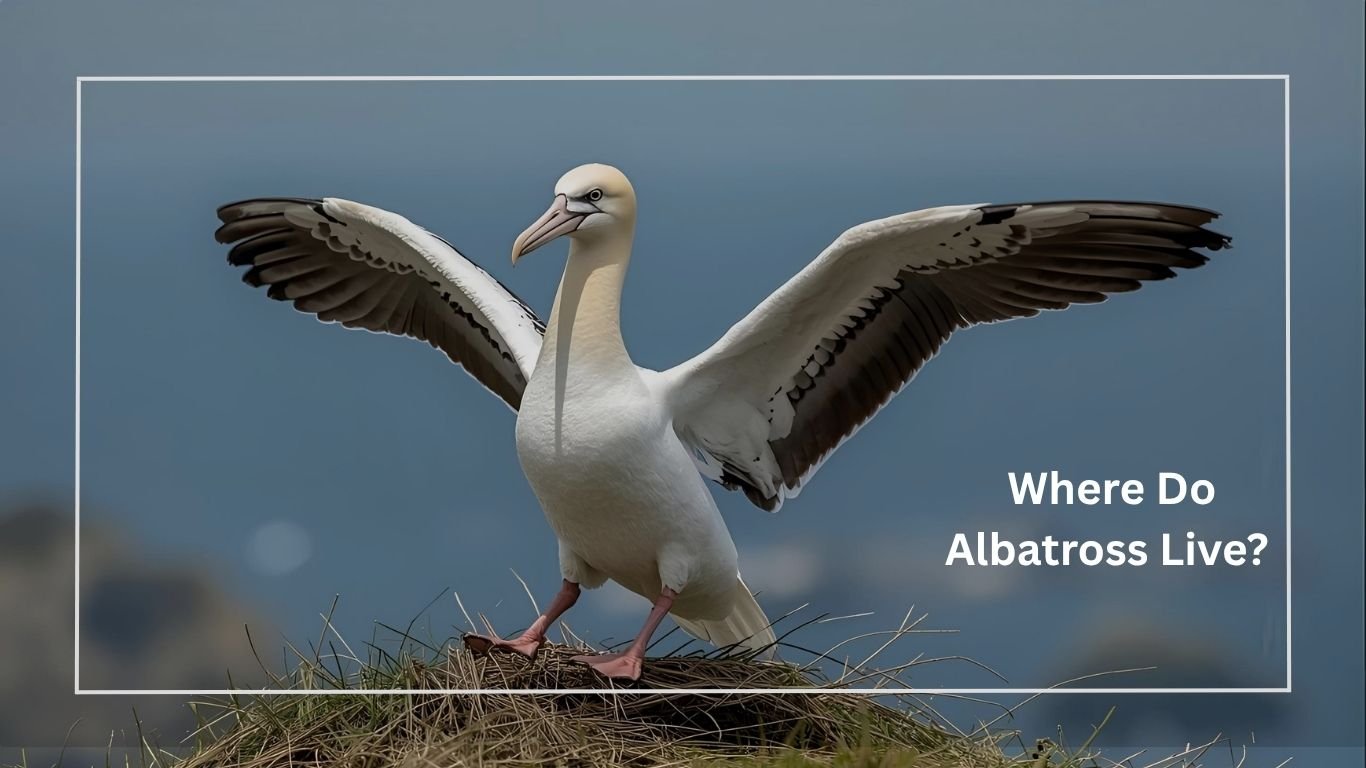
The albatross is one of the most remarkable seabirds in the world, known for its massive wingspan, graceful gliding, and mysterious life spent mostly at sea. These ocean wanderers travel thousands of miles across open waters and can live for several decades. Understanding where they live and how long they survive helps us appreciate their resilience, intelligence, and unique role in the marine ecosystem.
Understanding the Albatross
What Makes Albatross Unique?
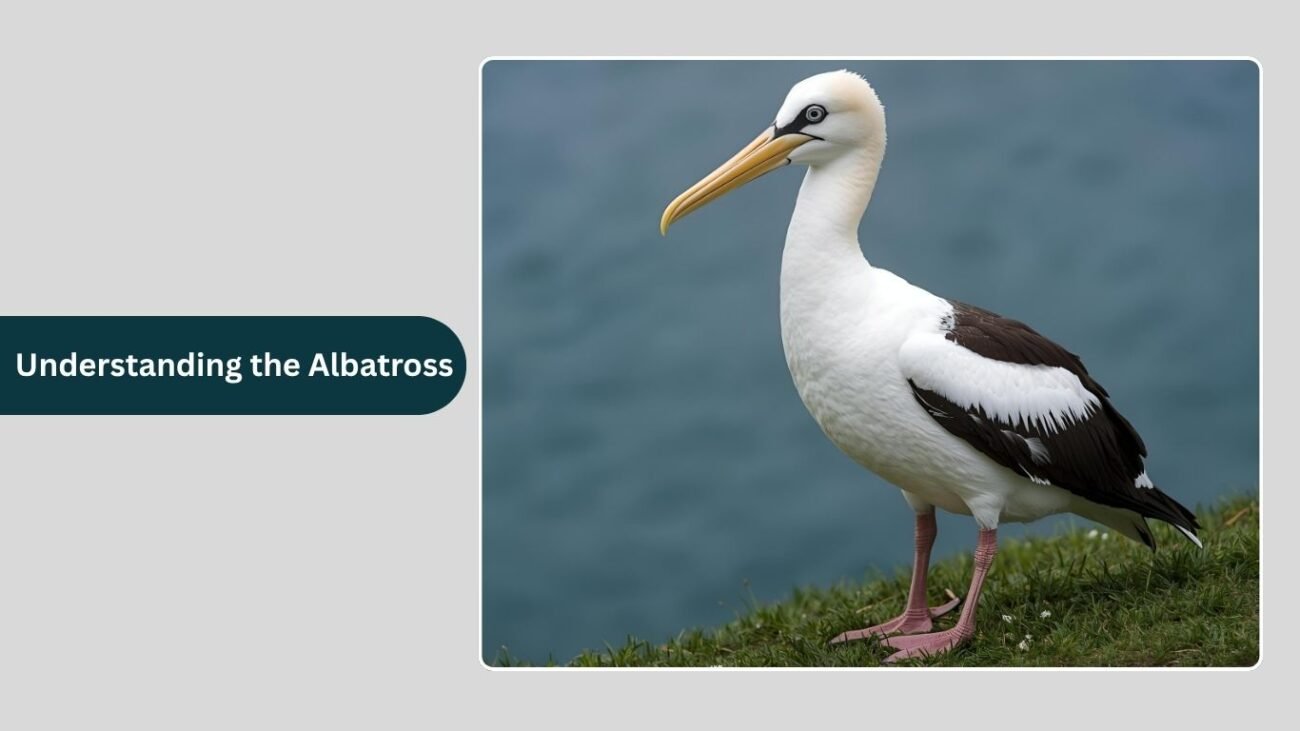
The albatross stands out among seabirds due to its enormous wingspan—some species reaching up to 12 feet. Their long, narrow wings allow them to soar for hours without flapping, conserving energy as they glide over vast ocean stretches. Symbolically, albatrosses have captured human imagination for centuries, representing freedom, endurance, and sometimes, burden—as famously depicted in Samuel Taylor Coleridge’s The Rime of the Ancient Mariner.
The Different Species of Albatross
There are 22 recognized species of albatross, divided among four genera: Diomedea, Thalassarche, Phoebetria, and Phoebastria.
- Wandering Albatross: The largest of all, found mainly in the Southern Ocean.
- Royal Albatross: Slightly smaller but equally majestic, known for nesting in New Zealand.
- Laysan Albatross: Native to the North Pacific, particularly around Hawaii.
- Black-browed Albatross: Common in sub-Antarctic regions like the Falkland Islands.
Each species has evolved unique adaptations to thrive in different parts of the world’s oceans.
Habitat — Where Do Albatross Live?
General Habitat Overview
Albatrosses are true oceanic birds, spending up to 90% of their lives at sea. They prefer open waters far from human settlements, where strong winds help them glide effortlessly. These birds only return to land to breed and raise their chicks. Most albatross habitats are concentrated in the Southern Hemisphere, where the seas are rich in fish and squid.
Their choice of habitat depends heavily on wind patterns, ocean currents, and food availability. They are often spotted following ships or circling large schools of fish, skillfully diving to catch prey or scavenging floating remains.
Geographic Distribution
The Southern Ocean is home to the largest albatross populations. From the coasts of Antarctica to southern Chile, South Africa, Australia, and New Zealand, these birds thrive in cold, nutrient-rich waters.
However, not all albatross live in the south. The Laysan and Black-footed albatrosses inhabit the North Pacific Ocean, nesting mainly in Hawaii’s Midway and Laysan Atolls. Some populations also extend toward Japan and the west coast of North America.
Their migratory patterns are astonishing—wandering albatrosses can circle the entire Southern Ocean in a single year, covering up to 75,000 miles without touching land. This makes them one of the most far-ranging bird species on Earth.
Habitat by Species
- Wandering Albatross: Found across the Antarctic waters and sub-Antarctic islands like South Georgia and Crozet Islands. These birds prefer cold, open seas where they can exploit strong westerly winds.
- Royal Albatross: Primarily breeds in New Zealand, particularly at the Taiaroa Head colony near Dunedin—the only mainland albatross nesting site in the world.
- Laysan Albatross: Lives in the North Pacific, nesting on Midway Atoll and the Hawaiian Islands. Known for their loyalty, they often return to the same nesting site every year.
- Black-browed Albatross: Common in the Falkland Islands and around South Georgia, thriving in sub-Antarctic climates.
Each of these habitats offers isolation, strong ocean winds, and abundant marine food sources—perfect conditions for their survival and reproduction.
Breeding Grounds and Nesting Sites
Isolated Islands as Safe Havens
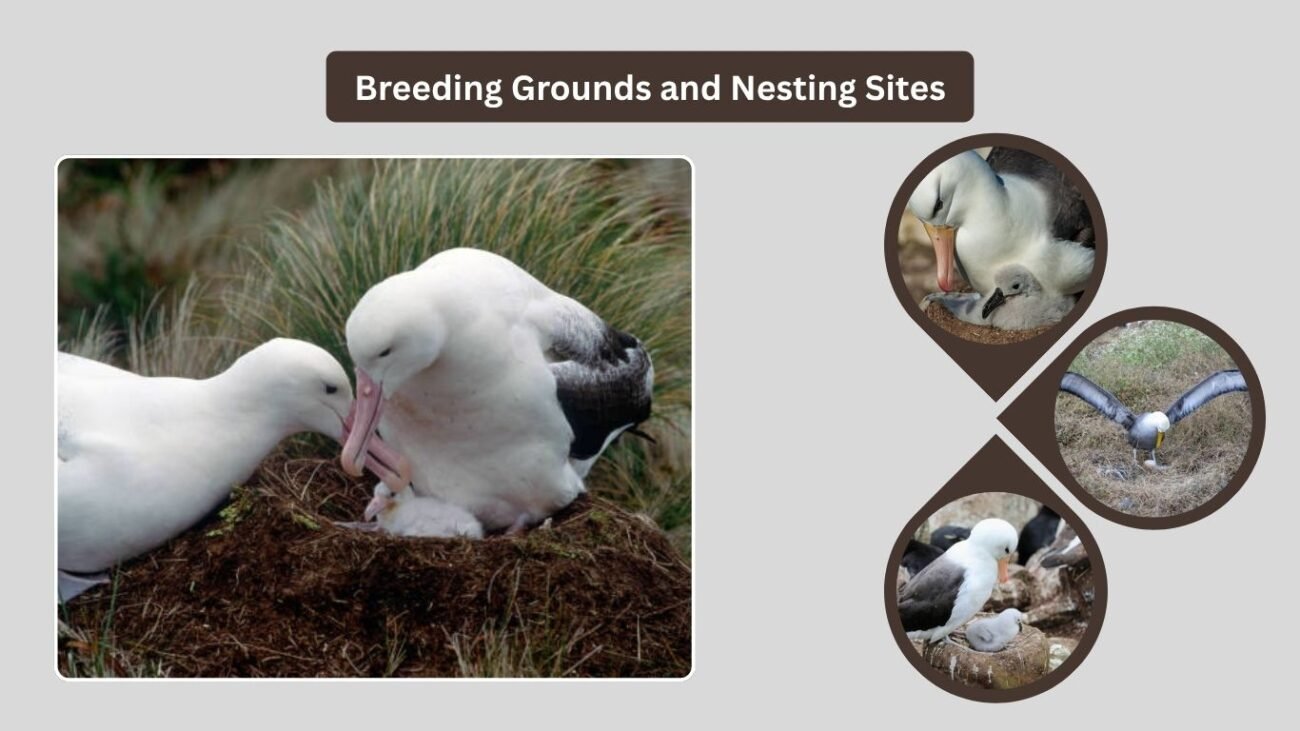
Albatrosses require quiet, predator-free zones to nest. That’s why most species breed on remote islands, far from continental predators like rats or cats. These isolated locations allow them to raise chicks safely over a long incubation period, which can last over 70 days.
Albatrosses are famously faithful to their nesting sites, often returning to the same colony—and even the same partner—year after year. They form strong pair bonds, reinforced by elegant courtship dances involving synchronized head movements and bill clapping.
Famous Albatross Colonies
Some breeding sites have become world-famous for conservation and tourism:
- Taiaroa Head, New Zealand: The Royal Albatross Centre allows visitors to watch the world’s only mainland colony.
- Midway Atoll, Hawaii: Home to hundreds of thousands of Laysan Albatross, including “Wisdom,” the world’s oldest known wild bird.
- Bird Island, South Georgia: A critical breeding site for the Wandering Albatross.
These colonies serve not only as breeding sanctuaries but also as essential data points for conservation research and population monitoring.
Behavior and Lifestyle
Ocean Travelers
Albatrosses are among the greatest travelers in the avian world. Using a flying technique called dynamic soaring, they harness wind energy to glide long distances with minimal effort. They can cover thousands of miles across the ocean without flapping their wings more than a few times an hour.
These birds rarely rest on land outside of breeding seasons. When not nesting, they float on ocean waves, feeding, preening, and riding winds. Some individuals spend years entirely at sea before returning to their birthplace to breed.
Diet and Feeding Habits
Their diet consists mainly of squid, fish, krill, and crustaceans. Albatrosses feed at the ocean surface, often following fishing vessels or diving to snatch prey. They use their sharp, hooked bills to capture slippery food and have specialized stomach oil that provides energy during long flights.
Albatrosses play an important ecological role as scavengers, helping maintain balance within the marine ecosystem. Their presence often indicates a healthy ocean environment rich in life.
Lifespan — How Long Do Albatross Live?

Average Lifespan Range
Albatrosses are renowned for their remarkable longevity. On average, they live between 40 and 60 years, but some individuals far exceed that. The most famous example is Wisdom, a Laysan albatross first banded in 1956, who is now over 70 years old and still successfully breeding. This incredible lifespan makes albatrosses one of the longest-living bird species in the world.
Their long life span is partly due to their slow pace of life. Albatrosses mature late—typically not breeding until they are eight to ten years old—and invest heavily in raising each chick. This slow reproductive strategy balances their extended life expectancy.
Why Albatross Live So Long
Several biological and environmental factors contribute to their longevity:
- Low Predation: Living in remote islands and spending most of their lives at sea protects them from many land-based predators.
- Efficient Energy Use: Their gliding flight technique conserves energy, reducing physical stress on their bodies.
- Stable Food Source: Marine environments offer consistent feeding opportunities for skilled foragers like albatrosses.
- Genetic Adaptations: Studies suggest that albatrosses have evolved strong immune systems and cellular defenses against aging.
Their slow metabolism and calm oceanic lifestyle significantly extend their life compared to smaller, high-energy birds.
Male vs. Female Longevity
In most species, males and females have similar lifespans, though slight differences occur due to nesting responsibilities. Female albatrosses may experience higher physical stress from egg production, but both sexes face similar risks from fishing nets and environmental changes. The key factor affecting lifespan is environmental stability rather than gender.
Human Connection and Live Observations

Watching Albatross Live (Cams and Streams)
Modern technology allows people worldwide to observe albatross behavior through live-streaming cameras. One of the most popular is the Royal Albatross Live Cam located at Taiaroa Head, Dunedin, New Zealand, operated by the Department of Conservation and Cornell Lab of Ornithology.
Viewers can watch these magnificent birds nesting, hatching chicks, and engaging in their tender courtship rituals. Similarly, the Midway Atoll live cam in Hawaii offers an intimate view of the Laysan albatross colony, providing scientists and bird lovers valuable insights into their daily lives.
Such live cams serve a vital role in conservation awareness, helping people connect emotionally with wildlife and motivating global support for their protection.
Albatross in Culture and Music
The albatross has inspired countless works of art, literature, and music. Its symbolism often reflects freedom, endurance, and the weight of conscience. In literature, it appears prominently in The Rime of the Ancient Mariner, where killing an albatross brings a curse upon sailors—a metaphor for respecting nature.
In music, the most famous reference is Fleetwood Mac’s instrumental “Albatross”—a soothing guitar piece that captures the bird’s calm, gliding motion. Other bands, including Big Wreck and Corrosion of Conformity, have used “Albatross” as a title in live performances, blending the bird’s image with themes of strength and transcendence.
Through art and media, the albatross remains a global symbol of endurance and the beauty of the natural world.
Conservation and Threats
Current Challenges
Despite their resilience, many albatross species are now threatened or endangered. The most significant dangers include:
- Bycatch Fishing: Albatrosses often get entangled in longline fishing hooks when they attempt to steal bait.
- Plastic Pollution: Many ingest floating plastic, mistaking it for squid or fish, which can lead to starvation or poisoning.
- Climate Change: Altered wind patterns and ocean temperatures affect their feeding routes and prey availability.
- Introduced Predators: Rats and cats on breeding islands prey on eggs and chicks, reducing breeding success.
Conservation Efforts
Global efforts have intensified to protect these magnificent birds. The Agreement on the Conservation of Albatrosses and Petrels (ACAP) unites countries to reduce fishing-related deaths and protect nesting habitats.
Conservationists also promote “bird-safe” fishing gear that prevents accidental hooking and encourage cleanup programs to reduce ocean plastics.
Live cams and eco-tourism initiatives like those in New Zealand and Hawaii play a vital role in education and funding. Public engagement ensures continued awareness of the delicate balance required to protect these ocean wanderers for future generations.
Key Takeaways
- Albatrosses live primarily in the Southern Hemisphere, thriving across the Antarctic, South Pacific, and South Atlantic Oceans.
- Laysan and Black-footed albatrosses are northern species found mainly around Hawaii and the North Pacific.
- They can live between 40–60 years, with some surpassing 70 years.
- Their longevity results from low predation, efficient flight, and strong biology.
- Conservation programs and live cams are helping protect and celebrate these magnificent seabirds.
FAQs
Where do albatross live most of the time?
Albatrosses spend the majority of their lives at sea, gliding effortlessly over open oceans. They come to land only during breeding season, typically nesting on remote islands in the Southern Hemisphere or Pacific regions such as New Zealand and Hawaii.
How long can a wandering albatross live?
The wandering albatross is one of the longest-living seabirds, often reaching 50 years or more. Some individuals have lived beyond 60 years. Their efficient energy use during long flights and low exposure to predators contribute to their exceptional lifespan.
Why do albatross live so long?
Their long lifespan is due to several factors: minimal predation, efficient gliding flight that conserves energy, and slow metabolic rates. Additionally, their remote island habitats and limited exposure to human threats further enhance their chances of living for many decades.
Where can people watch albatross live online?
You can view live footage of albatrosses through webcams hosted by the Cornell Lab of Ornithology and New Zealand’s Department of Conservation. The Royal Albatross Live Cam at Taiaroa Head and the Midway Atoll Laysan Albatross Cam are two of the most popular options.
Do albatross live in both the Arctic and Antarctic regions?
Albatrosses primarily live in the Antarctic and sub-Antarctic regions, not the Arctic. The colder Southern Ocean provides better wind conditions and abundant food sources. While they roam far across the globe, they rarely venture into true Arctic waters.


