










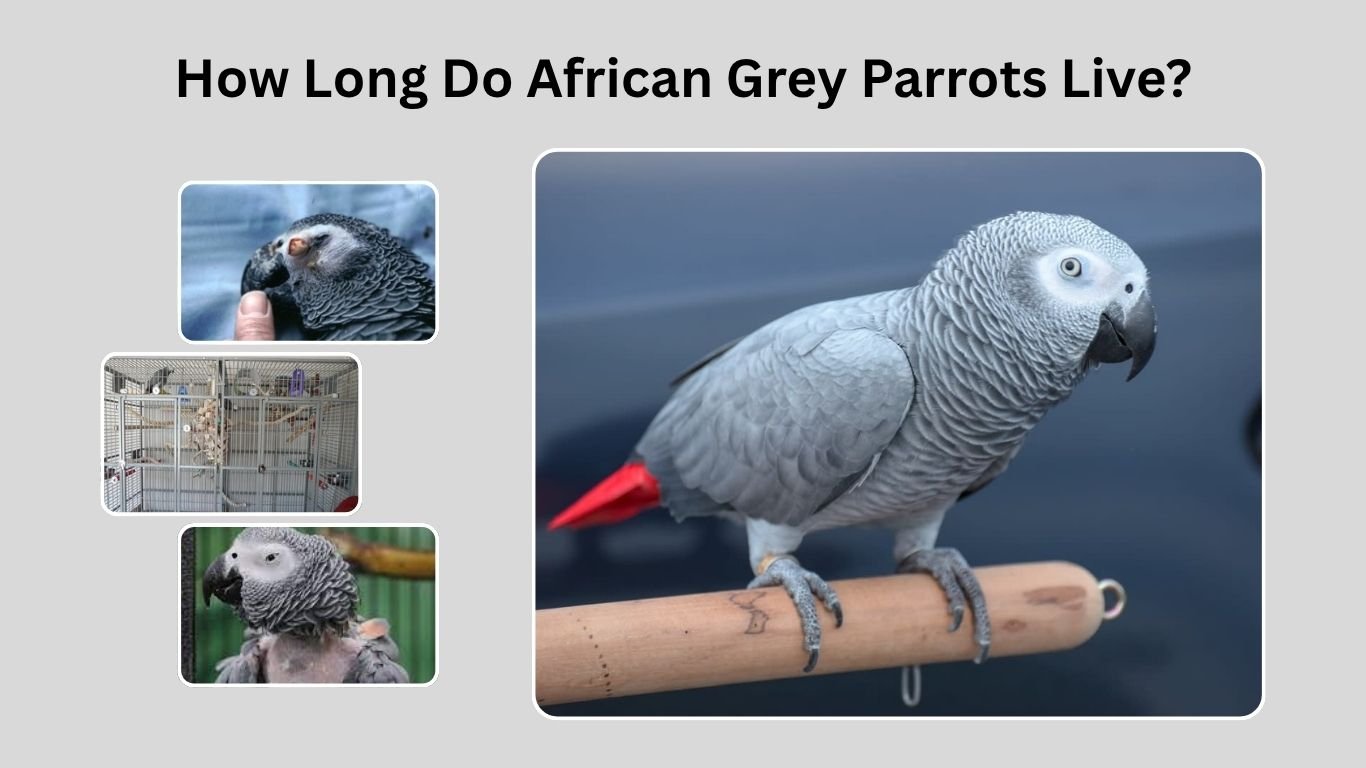
African Grey Parrots are among the most intelligent and long-lived birds on Earth. Known for their exceptional talking ability and strong emotional bonds, these parrots can become lifelong companions. Many people are amazed by how long an African Grey can live when provided with the right care, nutrition, and environment. This guide explores their lifespan, what affects it, and how to help your parrot live a long, healthy life.
Understanding the African Grey Parrot
Species Overview
African Grey Parrots originate from the rainforests of Central and West Africa, particularly in countries like Ghana, Cameroon, and the Congo Basin. There are two main subspecies — the Congo African Grey (Psittacus erithacus), which is larger with a bright red tail, and the Timneh African Grey (Psittacus timneh), smaller with a maroon tail and darker feathers. Both are highly intelligent and social birds that thrive on human interaction.
Physical Characteristics
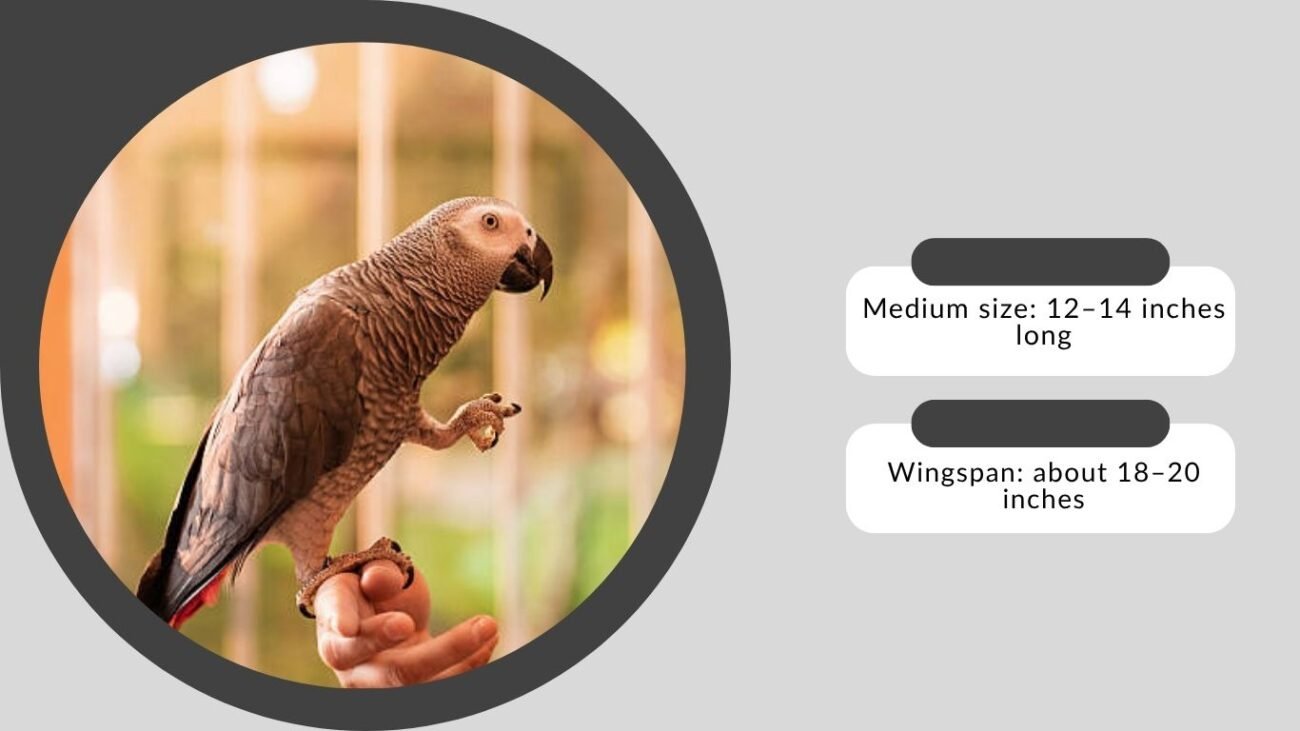
- Medium size: 12–14 inches long
- Wingspan: about 18–20 inches
- Soft grey feathers with a red tail
- Distinct black beak and yellow eyes in adults
- Juveniles have darker grey eyes that lighten with age
Their expressive eyes, sharp beak, and intelligent demeanor make them one of the most recognizable parrots in the world.
Average Lifespan of African Grey Parrots
In Captivity vs. In the Wild
The lifespan of African Grey Parrots can vary widely depending on their environment.
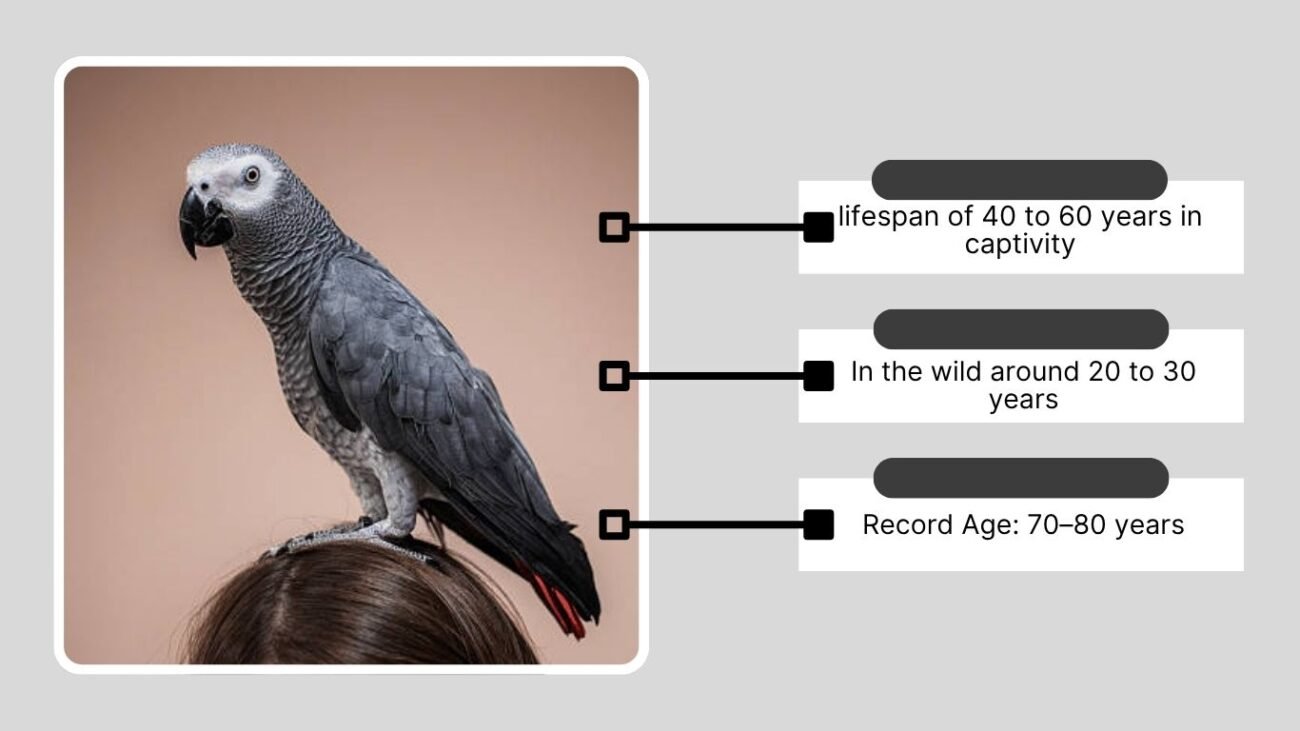
In captivity, with proper care, they can live 40 to 60 years on average, and many have been known to live over 70 years. Some exceptional individuals have reached or surpassed 80 years, proving how resilient they are under ideal conditions.
In the wild, however, their life expectancy drops to around 20 to 30 years. This shorter lifespan is due to natural predators, harsh weather, food scarcity, and diseases. While captivity removes these dangers, it replaces them with another challenge — maintaining mental and emotional well-being through stimulation and companionship.
Comparison Table
| Environment | Average Lifespan | Key Factors |
| Wild | 20–30 years | Predators, food scarcity, disease |
| Captivity | 40–60 years | Diet, mental health, veterinary care |
| Record Age | 70–80 years | Excellent nutrition and consistent care |
Factors Affecting Longevity
Diet and Nutrition
A balanced diet is one of the most important factors in extending your African Grey’s lifespan. These parrots thrive on a mix of pellets (60%), fresh fruits and vegetables (30%), and nuts or seeds (10%) as occasional treats. Foods like carrots, kale, apples, and bell peppers provide essential vitamins and minerals.
Avoid feeding them avocado, caffeine, alcohol, chocolate, or salty snacks, as these are toxic to birds and can cause severe health problems.
Environment and Living Conditions
African Greys are highly active and intelligent, so they need a spacious, clean, and enriching environment. A cage measuring at least 36 x 24 x 48 inches allows for free movement and wing stretching.
Their cage should include perches, climbing ropes, and interactive toys to prevent boredom. Keep the environment well-lit but not in direct sunlight, and ensure good ventilation without exposure to drafts.
Greys are sensitive to their surroundings—sudden noise or neglect can lead to stress or self-destructive behavior like feather plucking.
Mental Stimulation and Social Interaction
African Grey Parrots have intelligence comparable to a human toddler. They can understand emotions, remember phrases, and even use words contextually. This high intelligence means they need constant mental engagement.
Daily interaction is crucial. Talk to them, teach them new words, or let them listen to music. Introduce foraging toys and puzzles to keep their minds active. Without sufficient stimulation, they can develop anxiety, aggression, or depression. A happy African Grey is a healthy, long-living one.
Healthcare and Hygiene
Just like humans, these parrots benefit from regular medical checkups. Visiting an avian veterinarian once a year helps detect potential health issues early. Owners should also maintain cage cleanliness—change water daily, wash food bowls, and disinfect perches weekly.
Proper grooming matters too: trim nails as needed, allow gentle wing clipping (if required), and provide opportunities for bathing or misting to keep feathers clean and shiny. Hygiene and preventive care can easily add years to their life.
Signs of Aging in African Grey Parrots
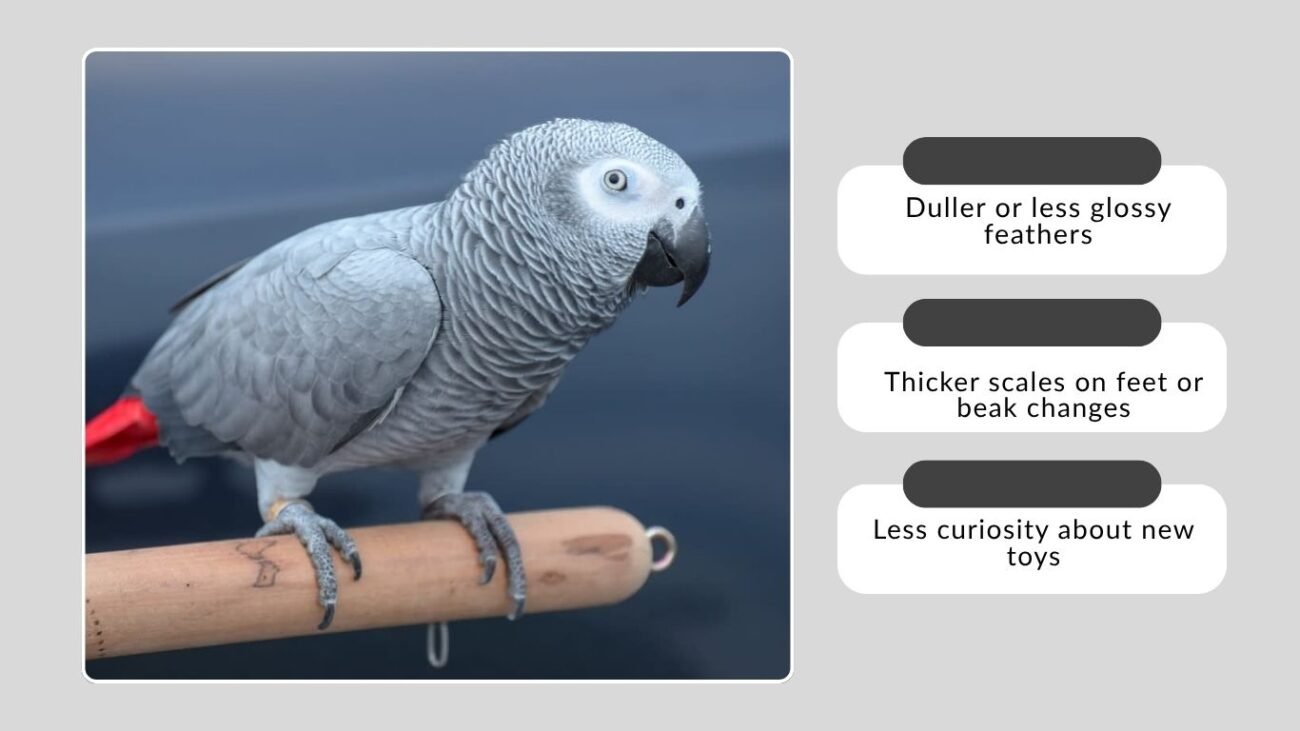
As African Greys grow older, they show subtle changes that indicate aging. Recognizing these signs helps owners adjust care routines to keep their parrots comfortable.
Physical Signs
- Duller or less glossy feathers
- Slower molting cycle
- Thicker scales on feet or beak changes
- Reduced activity levels
Behavioral Changes
- More frequent rest or naps
- Less curiosity about new toys
- Softer voice or quieter behavior
- Increased attachment to familiar people
Older parrots may need softer perches, gentler lighting, and warmer cage placement to stay comfortable as they age.
Tips to Help Your Parrot Live Longer
African Grey Parrots can live for decades, but their longevity depends on the consistency and quality of care they receive. With the right combination of nutrition, environment, and affection, you can help your feathered companion thrive well beyond the average lifespan.
Provide a Healthy Routine
Consistency is vital for African Greys. Feed them at the same time daily, clean their bowls regularly, and maintain a structured sleeping schedule of about 10–12 hours of darkness. Proper rest supports their immune system and reduces stress-related behaviors. Avoid exposure to cigarette smoke, aerosol sprays, or non-stick cookware fumes, as these can be lethal to birds.
Promote Mental and Physical Health
African Greys are naturally curious and active. They should spend time outside the cage every day for exercise and exploration. Encourage safe flight within the room if possible, or provide supervised playtime on a perch or stand.
Engage their minds with interactive toys, mirrors, or voice recordings. Talking, teaching tricks, and introducing new words daily not only stimulate their brain but also strengthen the emotional bond between parrot and owner.
Emotional Care
These parrots are highly social creatures that form deep emotional attachments. A lack of attention or companionship can lead to depression or self-destructive habits. Spend time with your parrot through gentle talking, shared play, or training sessions.
If your schedule is busy, consider getting another bird for company—but introduce them carefully to ensure compatibility. Emotional stability plays a major role in extending an African Grey’s lifespan.
Common Health Problems Affecting Lifespan
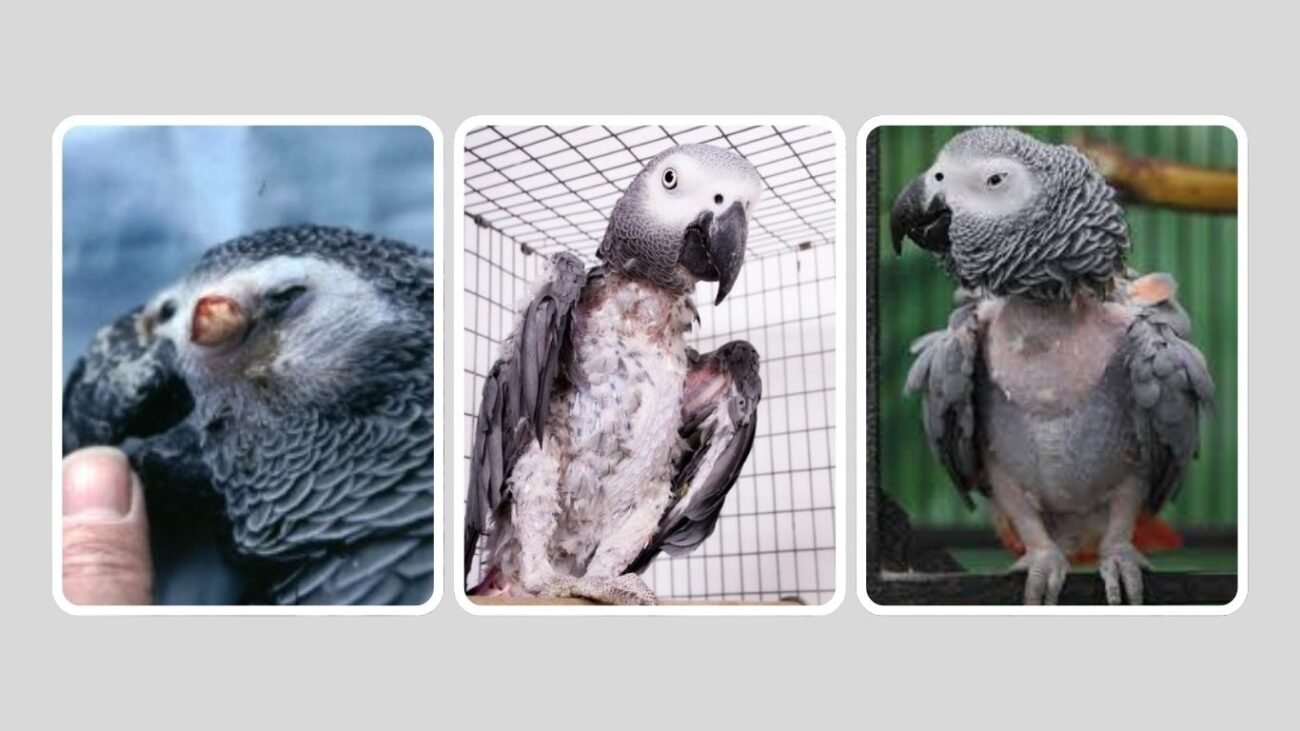
Even with the best care, African Greys may face certain health issues over time. Early detection and proper prevention are key to ensuring a long and healthy life.
Nutritional Deficiencies
An imbalanced diet can lead to vitamin A or calcium deficiency, resulting in weak immunity, brittle bones, and dull feathers. Feed a wide variety of fruits and vegetables, along with fortified pellets, to avoid deficiencies.
Feather Plucking and Stress
Feather plucking is often a behavioral issue caused by boredom, loneliness, or environmental stress. Prevent it by providing toys, social interaction, and a calm, stimulating environment. If plucking becomes chronic, consult an avian vet for behavioral therapy.
Respiratory Infections
Cold drafts, dirty cages, or dusty air can cause respiratory issues. Symptoms include sneezing, nasal discharge, and difficulty breathing. Keep the cage clean, well-ventilated, and away from air conditioners or direct fans.
Psittacosis and Other Diseases
African Greys are susceptible to psittacosis (parrot fever), a bacterial infection that can also affect humans. Regular vet visits and hygiene routines greatly reduce the risk. Always wash hands before and after handling your parrot.
Notable Long-Lived African Grey Parrots
Alex the African Grey
Perhaps the most famous African Grey in history, Alex was studied by Dr. Irene Pepperberg for over 30 years. He demonstrated extraordinary intelligence—recognizing shapes, colors, numbers, and even expressing emotions. Though Alex lived to be 31, his work proved that African Greys are capable of human-like understanding when mentally nurtured.
Einstein the African Grey
Another remarkable bird, Einstein, became a celebrity for her talking skills and humor. Known for her clarity of speech and playful personality, she continues to amaze audiences, showing how socialization and mental enrichment lead to long, happy lives.
How to Create the Ideal Home for a Long Life
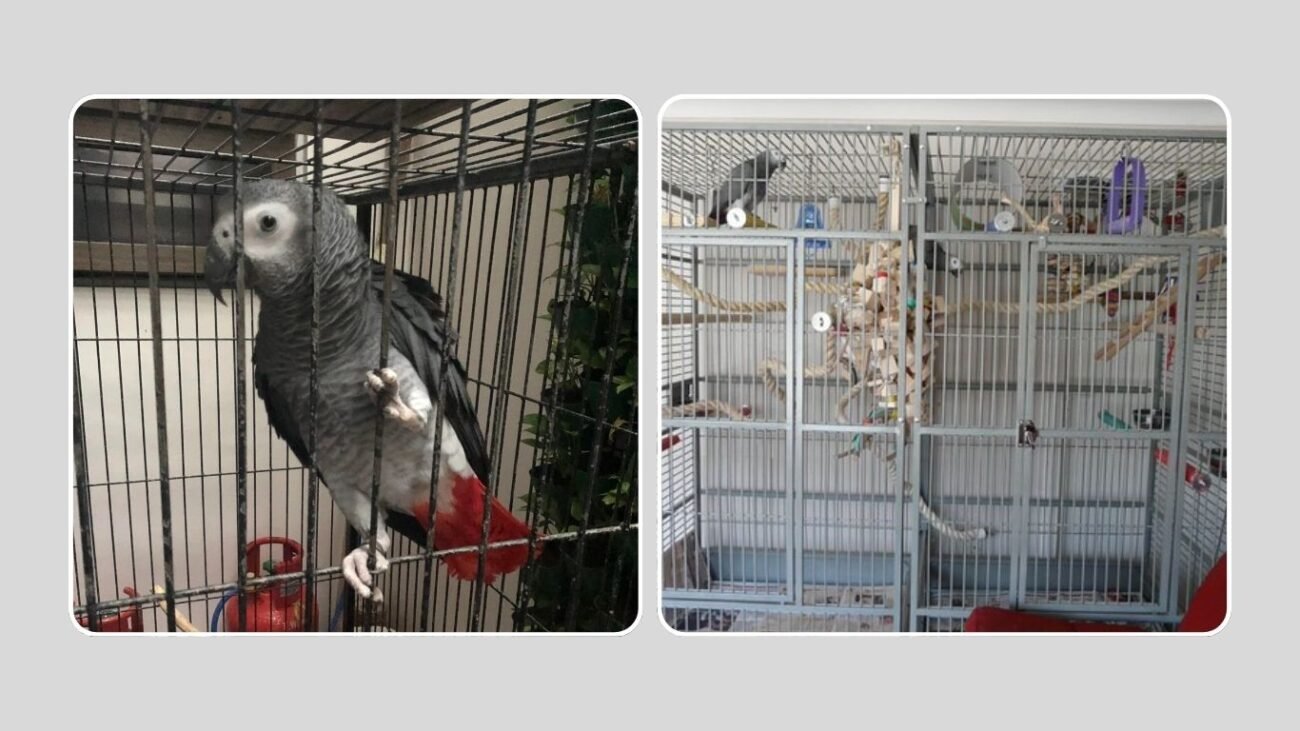
Cage Setup
Your African Grey’s cage is its home—and it should feel like a safe, stimulating space. Choose a large, stainless steel cage at least 36 x 24 x 48 inches in size. Add multiple perches of varying textures, chewable toys, and climbing ropes to encourage activity.
Keep the cage in a bright, social area of the house where your parrot can observe family interactions but avoid loud televisions or direct sunlight.
Daily Interaction and Routine
African Greys thrive on structure. Maintain fixed feeding, play, and sleep times. Rotate their toys weekly to keep things interesting, and allow out-of-cage time daily for exercise. When possible, talk to them in a gentle tone—these intelligent parrots often respond to emotional warmth in human voices.
Are African Grey Parrots a Lifelong Commitment?
Commitment and Responsibility
Owning an African Grey is a decades-long commitment. With lifespans exceeding 50 years, they often outlive their owners. Potential keepers should plan for the bird’s future by arranging caretakers or including them in estate plans. Their long life expectancy makes them more of a family legacy than a pet.
Ideal Owners
African Greys are best suited for experienced bird lovers who have time, patience, and emotional availability. They require daily interaction, training, and stimulation. For beginners, these parrots may seem demanding, but the reward—a lifetime of companionship—is truly unmatched.
FAQs
How long do African Grey Parrots live on average?
African Grey Parrots live 40–60 years on average in captivity, though some can exceed 70 years. In the wild, they typically live 20–30 years due to natural predators and disease.
How can I help my African Grey live longer?
Feed a balanced diet, maintain a clean environment, and ensure regular vet checkups. Provide mental stimulation through talking and toys, and give plenty of affection and social interaction.
Do African Grey Parrots get old-age diseases?
Yes, they can develop arthritis, respiratory issues, or loss of appetite with age. Regular health checks and preventive care help manage these conditions effectively.
Can African Grey Parrots live longer in pairs?
Yes, companionship can reduce stress and loneliness, extending their lifespan. However, pair them only after careful introductions to avoid territorial conflicts.
What’s the oldest known African Grey Parrot?
Some African Greys in captivity have lived over 80 years, thanks to optimal care, nutrition, and emotional well-being provided by dedicated owners.


