










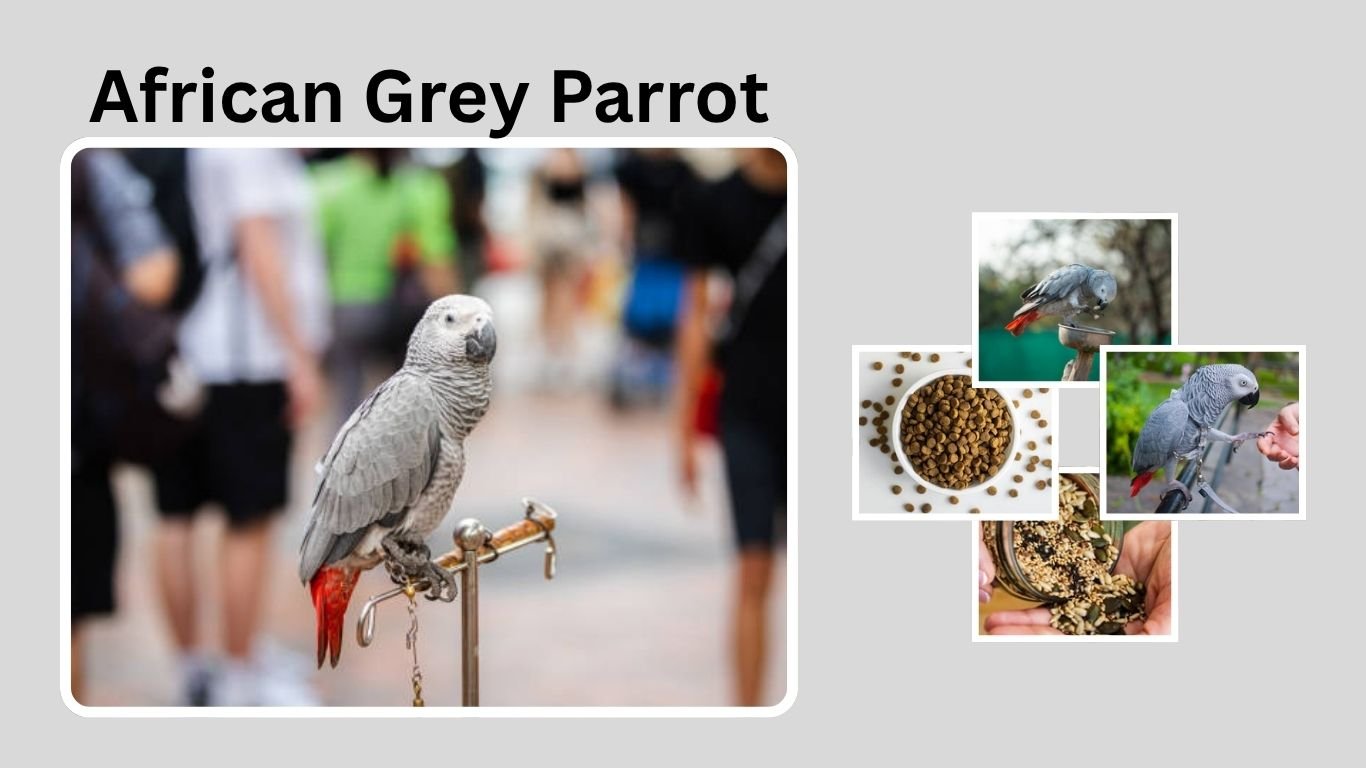
The African Grey Parrot is one of the most intelligent and captivating birds in the world. Known for its exceptional talking ability, emotional depth, and long lifespan, it has become a beloved companion among bird enthusiasts. Native to Africa, this species combines beauty, intelligence, and personality, making it one of the most sought-after parrots in aviculture.
Overview of the African Grey Parrot

Origin and Natural Habitat
African Grey Parrots are native to the dense rainforests and savannas of Central and West Africa, particularly in countries like Ghana, Cameroon, and the Congo Basin. They thrive in tall trees and humid environments, where they form close-knit flocks. In the wild, they rely heavily on their vocal skills to communicate, alert one another to danger, and maintain social bonds.
Physical Characteristics
- Medium-sized parrot measuring 12–14 inches long
- Average wingspan of 18–20 inches
- Covered in ash-grey feathers with lighter edges
- Distinctive bright red tail feathers
- Black curved beak suited for cracking nuts and seeds
- Pale yellow eyes in adults; dark grey eyes in juveniles
- Strong, clawed feet for gripping and climbing
- Minimal visible difference between males and females
Types of African Grey Parrots
Congo African Grey Parrot
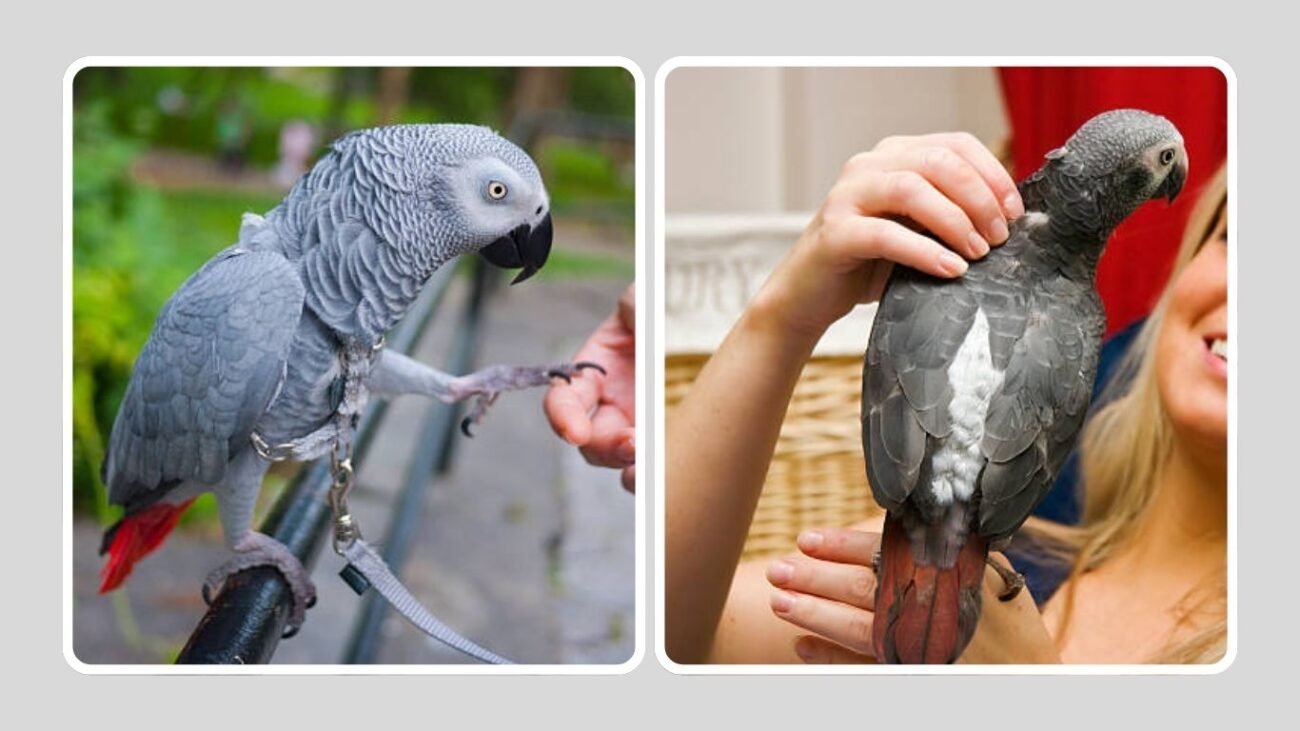
The Congo African Grey (Psittacus erithacus) is the larger of the two main subspecies. It features a lighter silver body with a vivid red tail and black beak. Known for its clear speech and vibrant personality, the Congo Grey is often the most popular choice for pet owners.
Timneh African Grey Parrot
The Timneh African Grey (Psittacus timneh) is smaller with darker charcoal feathers and a maroon tail. It also has a lighter-colored upper beak. This species tends to mature faster and adapt more easily to household environments, making it slightly easier for beginners.
Other Varieties
Rare color mutations like the blue African Grey or red African Grey exist but are uncommon and typically bred selectively. These birds retain the same intelligence and charm but stand out for their unique appearance.
Lifespan and Longevity
Average Lifespan in Captivity
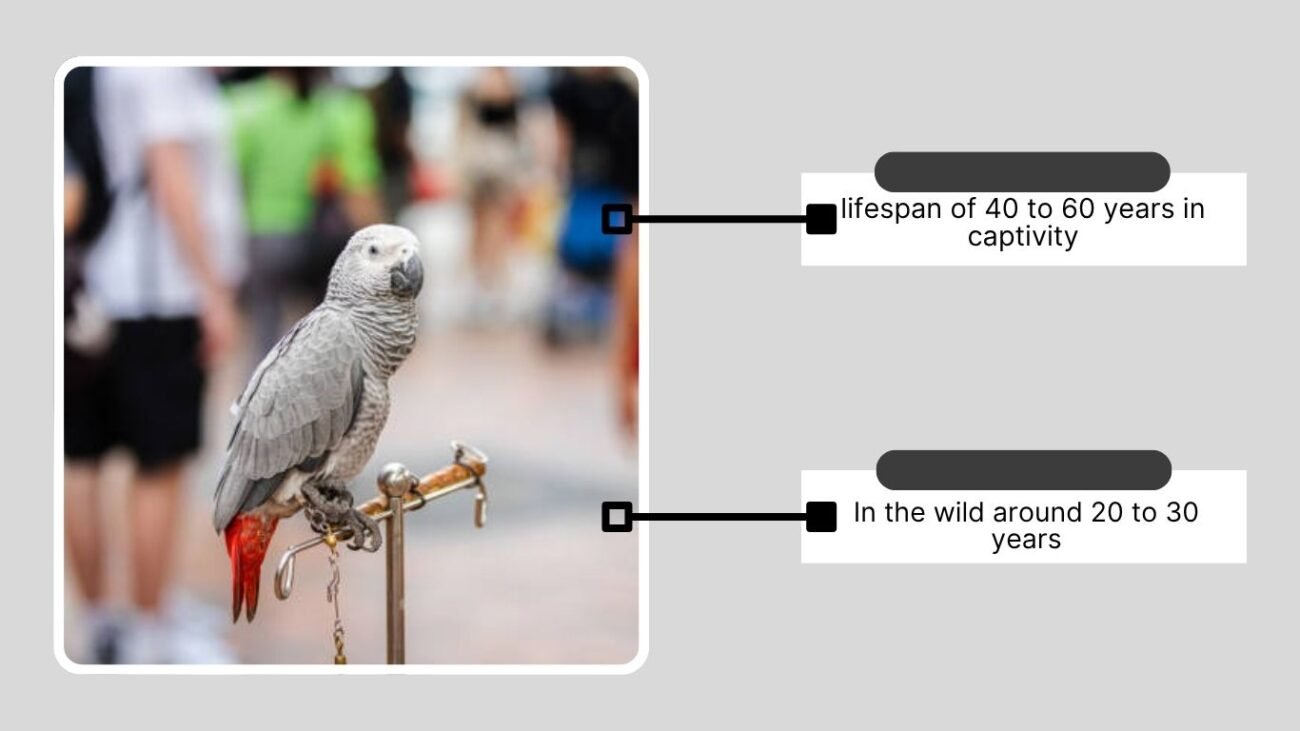
African Grey Parrots are among the longest-living parrot species, with a lifespan of 40 to 60 years in captivity. With excellent care, some individuals have even lived beyond 70 years. Proper diet, regular vet checkups, and daily mental stimulation contribute significantly to their longevity.
In the Wild
In the wild, their lifespan tends to be shorter — around 20 to 30 years — due to environmental threats like predators, disease, and habitat loss. Captive conditions, when managed correctly, offer a safer and more stable life.
Tips for Longevity
To ensure a long and healthy life:
- Provide a balanced diet of pellets, fruits, and vegetables.
- Offer mental stimulation through toys and training.
- Maintain routine health checkups.
- Avoid toxic foods and household fumes.
Personality, Intelligence, and Talking Ability
Cognitive Skills
African Greys are often compared to a human toddler in terms of intelligence. Studies, particularly those involving Alex the African Grey, have shown their ability to count, identify colors, shapes, and even express basic emotions. They are quick learners and respond well to consistent, positive reinforcement training.
Talking and Communication
African Greys are renowned for their ability to mimic human speech. They can learn hundreds of words and phrases and often use them contextually. Their clear pronunciation and social interaction make them standout talkers among parrots. With patience and consistent training, owners can develop incredible two-way communication with their birds.
Behavioral Traits
These parrots are deeply emotional and form strong bonds with their owners. They crave attention and social interaction — loneliness can lead to anxiety or feather plucking. Daily engagement, gentle handling, and enriching playtime are key to maintaining their emotional health.
Diet and Nutrition
Balanced Diet Essentials
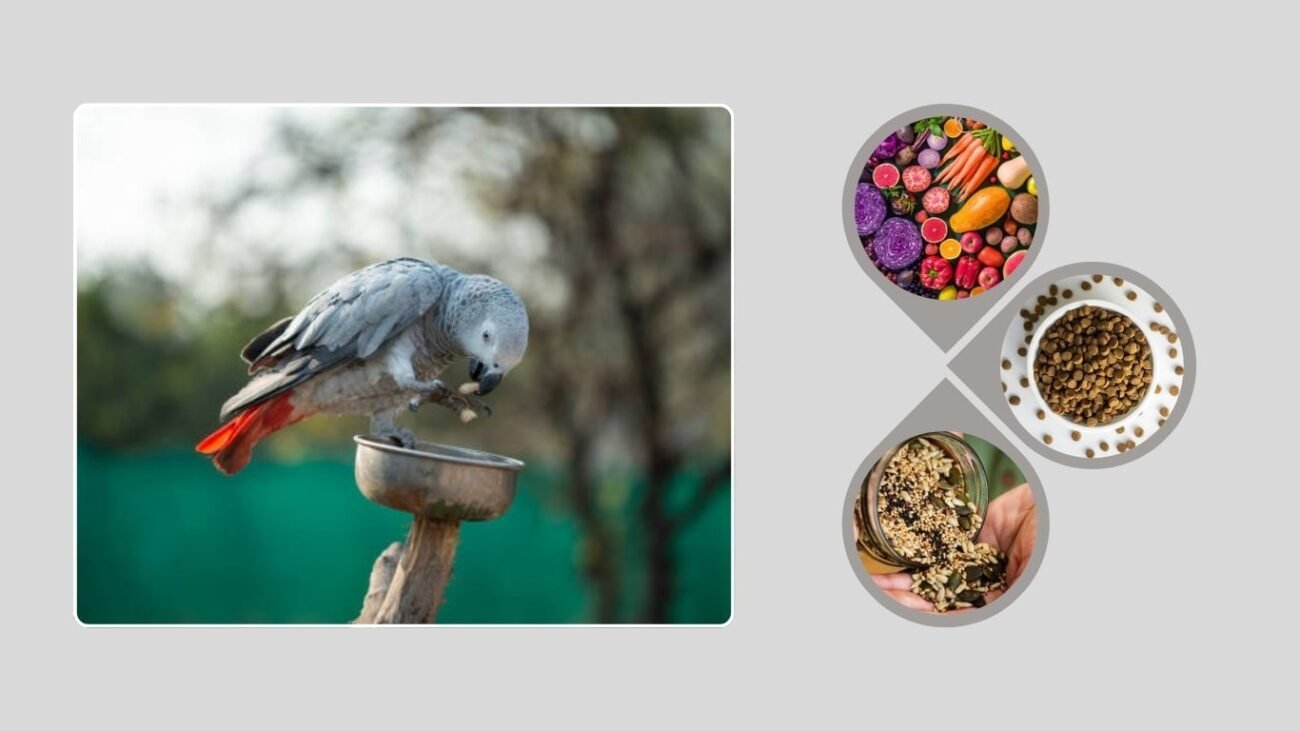
A healthy African Grey diet consists of high-quality pellets (60%), fresh fruits and vegetables (30%), and nuts or seeds (10%) as treats. Leafy greens, carrots, apples, and sweet potatoes are excellent choices. Avoid avocado, caffeine, chocolate, and salty snacks as they can be toxic.
Feeding Tips
Offer fresh water daily and wash feeding bowls regularly to prevent bacterial growth. Rotate food types to keep meals interesting and ensure balanced nutrition. Occasional calcium supplements help strengthen bones and prevent deficiencies.
Housing and Cage Setup
Choosing the Right Cage
African Grey Parrots need a spacious cage to move freely and stretch their wings. The recommended minimum size is 36 x 24 x 48 inches, with horizontal bars for climbing. Stainless steel cages are best due to their durability and non-toxic nature.
Environmental Enrichment
Inside the cage, include multiple perches, climbing ropes, and safe chew toys to encourage activity and prevent boredom. The cage should be placed in a bright, well-ventilated area where the parrot can observe daily family life. Avoid drafts and direct sunlight.
Care and Maintenance
Daily and Weekly Care Routines
African Grey Parrots thrive on consistency and attention. Every day, owners should refresh food and water, remove waste, and interact with the bird for at least an hour. Weekly routines include deep cleaning the cage, disinfecting perches and toys, and checking for signs of feather damage or illness. Regular grooming and social interaction help maintain a healthy, happy parrot.
Health and Grooming
Health issues like feather plucking, respiratory infections, and calcium deficiency are common if care is neglected. A balanced diet, sunlight exposure, and frequent vet visits are essential. Grooming involves gentle wing trimming, nail clipping, and bathing with mist sprays to keep feathers clean and vibrant.
Breeding and Raising Chicks
Breeding African Grey Parrots requires experience and commitment. These parrots reach maturity around five years old. During nesting, provide a quiet, secure environment with a large nesting box. Newborn chicks must be hand-fed with specialized formula and kept warm until they can feed independently.
Buying and Pricing Guide
African Grey Parrot Price Range
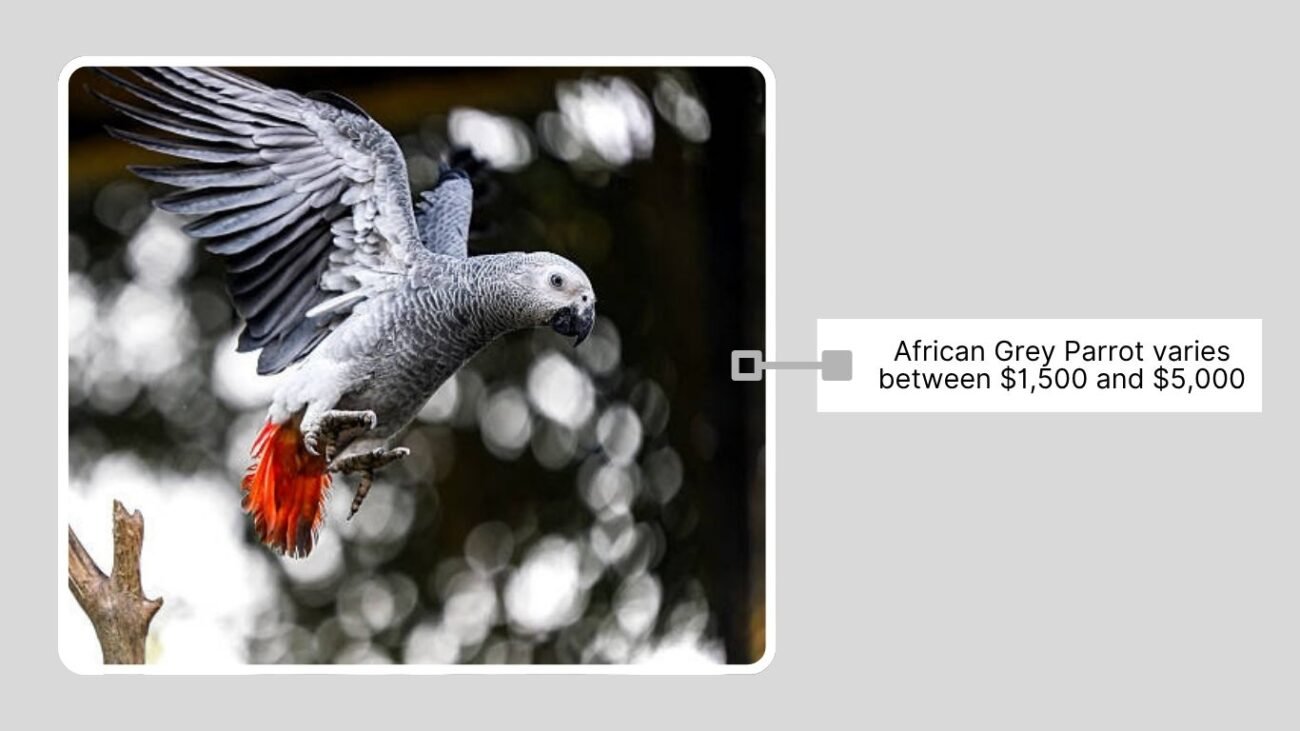
The cost of an African Grey Parrot varies between $1,500 and $5,000, depending on the subspecies, age, and training level. Congo African Greys are generally more expensive than Timneh due to their larger size and striking coloration. Hand-raised or talking parrots also command higher prices.
Where to Buy an African Grey Parrot
Always buy from reputable breeders or licensed pet stores. Responsible breeders ensure the birds are hand-tamed, socialized, and healthy. Alternatively, adoption from rescue centers can be a compassionate option. Avoid online sellers without credentials or unusually low prices, as these may indicate illegal trade.
Legal and Ethical Considerations
African Greys are listed under CITES Appendix I, meaning international trade is tightly regulated. Buyers must confirm all required permits and paperwork. Ethical ownership involves avoiding wild-caught birds and supporting sustainable breeding programs that prioritize welfare and conservation.
Training and Socialization
How to Train African Grey Parrots
Training should begin with trust-building. Speak calmly, offer treats, and use repetition to teach words or tricks. Keep sessions short—about 10–15 minutes—and consistent. Positive reinforcement helps encourage desired behaviors, while punishment should always be avoided.
Preventing Behavioral Issues
African Greys are sensitive to emotional neglect. Boredom or loneliness can lead to aggression, biting, or feather plucking. To prevent this, provide stimulating toys, rotate activities, and interact daily. A calm household environment supports emotional stability and trust.
Are African Grey Parrots Good Pets?
Pros and Cons
Pros: Exceptional intelligence, long lifespan, talking ability, and emotional bonding.
Cons: High care needs, potential for loud vocalization, and tendency toward emotional dependency.
They are wonderful companions for experienced owners who can provide daily attention, training, and a stimulating environment.
Best Owners for African Greys
These parrots thrive in homes with routine, patience, and plenty of interaction. Families who can dedicate time and maintain a calm, engaging environment make ideal owners. Beginners may find them challenging due to their complex behavioral and emotional needs.
Famous African Grey Parrots
Alex the African Grey
Alex was a revolutionary parrot studied by Dr. Irene Pepperberg for over 30 years. He could identify colors, shapes, and even express concepts like “bigger” or “smaller.” His intelligence changed how scientists viewed animal cognition, proving parrots possess reasoning skills once thought unique to humans.
Einstein the African Grey
Einstein gained fame for her extensive vocabulary and humorous personality. Known for her clear speech and mimicry, she has become a popular figure in parrot education and entertainment, inspiring owners worldwide to recognize the depth of avian intelligence.
FAQs
How long do African Grey Parrots live?
African Grey Parrots can live 40–60 years in captivity, with proper diet, veterinary care, and mental engagement. In the wild, their lifespan is usually shorter due to natural predators and diseases, making domestic care crucial for longevity.
How much does an African Grey Parrot cost?
The price typically ranges between $1,500 and $5,000 depending on subspecies, breeder reputation, and training level. Congo Greys are slightly more expensive than Timneh Greys. Always ensure the seller is certified and follows ethical breeding standards.
Can African Grey Parrots talk like humans?
Yes, they are exceptional talkers, capable of learning hundreds of words and mimicking voices with accuracy. With patience and consistent training, they can even understand context, making them one of the most communicative bird species in the world.
What should I feed my African Grey Parrot?
Feed a combination of pellets, fruits, vegetables, and seeds in moderation. Fresh foods like kale, apples, and carrots are great, while avocado, chocolate, and alcohol are toxic. Proper nutrition supports vibrant feathers and strong immunity.
Are African Grey Parrots good pets for beginners?
They’re best suited for experienced bird owners due to their intelligence and emotional needs. Beginners may find them demanding, but with patience and care, African Greys can become loyal, loving companions that bond deeply with their humans.


