











Parrots are among the most fascinating and longest-living birds on Earth. Their intelligence, beauty, and companionship make them highly sought-after pets, but many people are surprised to learn that parrots can live for decades — sometimes even longer than their owners. The lifespan of a parrot depends on its species, environment, and the level of care it receives. This guide explores how long parrots live, what affects their longevity, and how different species compare.
Overview of Parrot Lifespan
Average Lifespan of Parrots
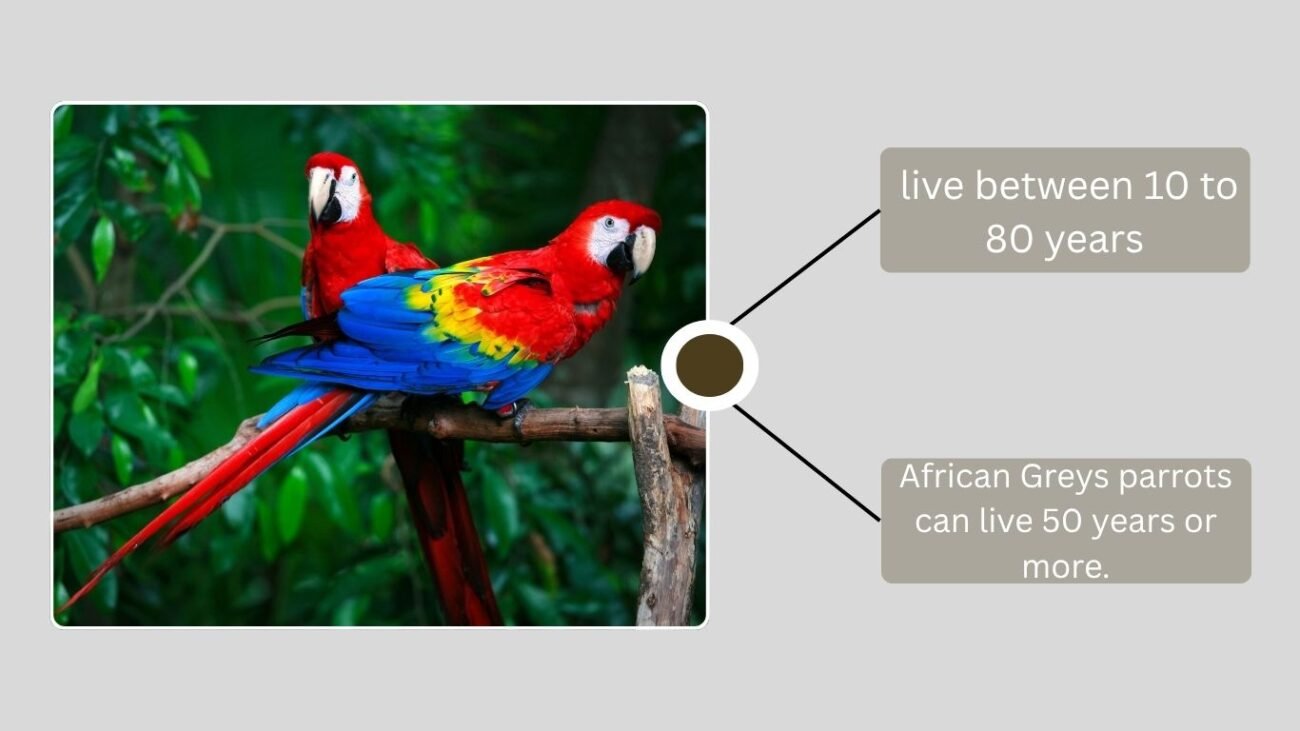
The average lifespan of parrots varies widely, ranging from 10 to 80 years depending on their species and living conditions. Small parrots like budgies and lovebirds typically live 8–15 years, while larger parrots such as macaws and African Greys can live 50 years or more.
One of the most extraordinary aspects of parrots is their longevity compared to other birds. Their lifespan often rivals that of humans — with some large species living into their 70s or 80s under ideal conditions.
Why Parrots Live So Long
Parrots have evolved with slow metabolisms, strong immune systems, and high intelligence — all of which contribute to their extended lifespans. Their plant-based diet is low in fat and rich in antioxidants, which supports heart health and longevity.
In captivity, parrots live longer because they receive regular meals, veterinary care, and protection from predators. However, without proper mental stimulation and attention, even a long-lived parrot can develop stress-related issues that shorten its life.
Parrot Lifespan by Environment
In the Wild
In their natural habitat, most parrots live shorter lives — averaging 10 to 30 years. Their lifespan depends on the availability of food, exposure to predators, and weather conditions. Wild parrots face constant challenges such as disease, deforestation, and hunting, which limit their life expectancy.
For example, African Greys in the wild often live around 25–30 years, while macaws can reach 35 years if conditions are stable.
In Captivity
Captive parrots enjoy longer lives, often doubling their lifespan compared to wild parrots. With proper care, balanced nutrition, and regular interaction, they can thrive for decades.
- Small parrots (budgies, lovebirds): 15–20 years
- Medium parrots (Ringnecks, Quakers): 25–35 years
- Large parrots (Macaws, Amazons, African Greys): 50–80 years
The key to longevity is a stress-free environment, mental enrichment, and proper diet. Captive parrots also benefit from routine veterinary checkups, which prevent common diseases that might go unnoticed in the wild.
Comparison Table
| Environment | Small Parrots | Medium Parrots | Large Parrots |
| Wild | 8–15 years | 15–25 years | 25–35 years |
| Captivity | 15–25 years | 30–50 years | 50–80 years |
This table shows how controlled living conditions significantly extend the lifespan of parrots compared to their wild counterparts.
African Grey Parrots Lifespan
How Long Do African Greys Live?
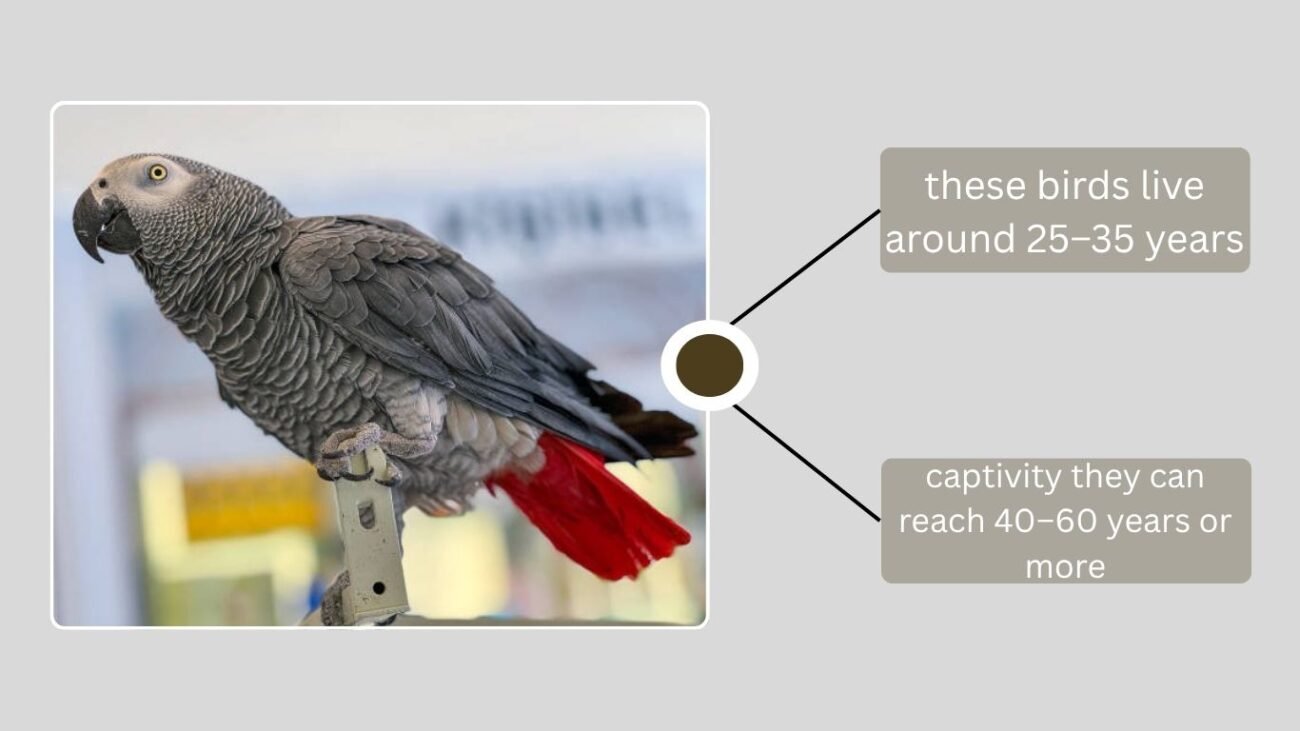
The African Grey Parrot is famous for its intelligence and longevity. In the wild, these birds live around 25–35 years, while in captivity they can reach 40–60 years or more. Some have even lived up to 70 years, making them one of the longest-living pet birds in the world.
Factors Behind Their Longevity
African Greys are sensitive and emotionally complex. Their mental health is directly linked to their lifespan — a happy, socially stimulated parrot will live far longer than one kept in isolation.
Proper diet plays an essential role too. A mix of pellets, vegetables, fruits, and nuts helps maintain their heart and brain health. They also require clean air and a calm environment to prevent respiratory issues.
Tips for Extending Their Lifespan
- Provide daily interaction and verbal engagement.
- Include puzzles, mirrors, and toys for stimulation.
- Schedule annual vet checkups and bloodwork.
- Avoid exposure to toxic fumes, such as Teflon or cigarette smoke.
African Greys often live as part of the family for generations, but they demand emotional care as much as physical health support.
Amazon Parrots Lifespan
Average Lifespan
Amazon Parrots are another long-lived group, averaging 40–60 years, with some living beyond 70 years when cared for properly. Known for their bright green plumage and talkative nature, Amazons are hardy and resilient when kept on a good diet and provided mental enrichment.
Notable Species and Lifespans

| Species | Average Lifespan | Traits |
| Blue-fronted Amazon | 50–60 years | Cheerful, loves to sing |
| Yellow-naped Amazon | 50–70 years | Excellent talker |
| Double Yellow-headed Amazon | 60–80 years | One of the most vocal species |
Longevity Factors
- Need daily activity and mental engagement to prevent obesity.
- Thrive in environments with sunlight, fresh air, and space to climb.
- Social bonding and gentle human interaction keep them stress-free.
Owners often describe Amazon parrots as affectionate, social, and easy to train — qualities that help them live long, fulfilling lives.
Macaw Parrots Lifespan
How Long Do Macaws Live?
Macaws hold the record for the longest lifespan among parrots, often reaching 50–80 years, with some living into their 90s. Their vibrant colors, strong beaks, and playful nature make them favorites among bird enthusiasts.
Why Macaws Live So Long
Their large size contributes to a slower metabolism and greater resistance to illness. Macaws also have strong hearts and lungs, allowing them to handle diverse environments. In captivity, consistent care, diet, and attention are key to maximizing their lifespan.
Common Species and Lifespans
- Blue-and-Gold Macaw: 50–70 years
- Scarlet Macaw: 40–60 years
- Hyacinth Macaw: up to 80–90 years (the largest and longest-living parrot species)
Macaws form strong bonds with their owners and require large cages, regular flight time, and constant engagement. Neglect or boredom can quickly lead to behavioral issues, so long-term commitment is essential.
Quaker Parrots and Smaller Species
Average Lifespan
Quaker Parrots, also known as Monk Parakeets, have a lifespan of 20–30 years in captivity when properly cared for. Though smaller than macaws or Amazons, they’re incredibly intelligent and affectionate.
Other small to medium-sized species have shorter lifespans:
- Indian Ringneck Parrots: 25–35 years
- Sun Conures: 15–25 years
- Lovebirds and Budgies: 8–15 years
Smaller parrots age faster due to higher metabolic rates but can still enjoy long, healthy lives with proper diet and interaction.
Factors Affecting Small Parrots’ Lifespan
- Diet quality: Seed-only diets lead to nutritional deficiencies; pellets and fresh produce are essential.
- Exercise and space: They need room to fly or climb to stay healthy.
- Social interaction: Parrots are flock animals — loneliness can lead to depression or self-destructive behavior.
- Clean environment: Regular cleaning prevents respiratory and bacterial infections that are common in small birds.
Despite their size, small parrots form deep emotional connections and can live decades with attention and care.
Why Some Parrots Live Longer Than Others
Size and Metabolism
In general, the larger the parrot, the longer its lifespan. Bigger parrots like macaws and cockatoos have slower metabolisms, which reduces cellular stress and extends life expectancy. Smaller species burn energy faster, leading to shorter lives.
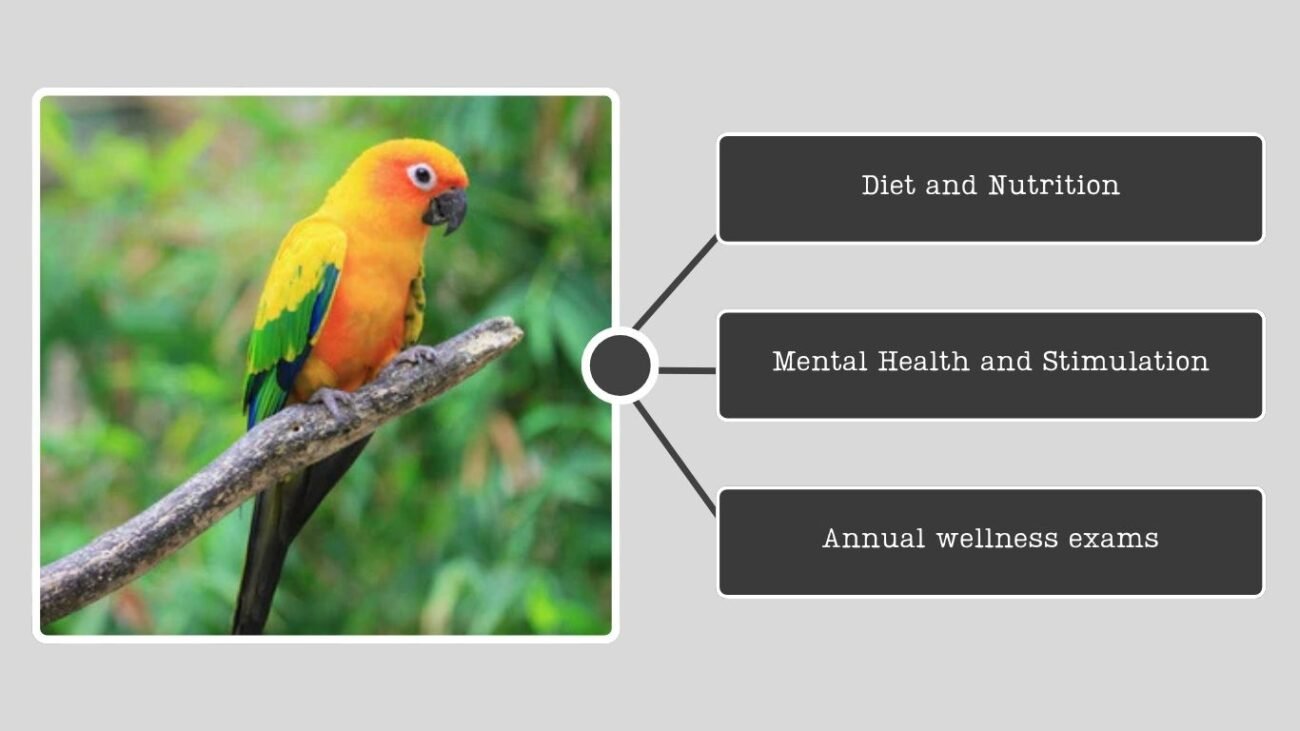
Diet and Nutrition
A balanced diet plays a major role in longevity. Wild parrots thrive on a mix of seeds, fruits, nuts, and vegetation, while pet parrots benefit from pellets, fresh produce, and limited seeds.
A poor diet — especially one high in fat or lacking vitamins — can cause liver disease, obesity, and a shortened lifespan.
Mental Health and Stimulation
Parrots are highly intelligent and emotional creatures. Boredom, neglect, or lack of socialization can cause depression, leading to physical illness. Parrots that receive daily engagement, talking sessions, or puzzle toys are significantly healthier and live longer.
In fact, studies show that stimulated parrots exhibit fewer stress hormones and stronger immune systems.
Healthcare and Cleanliness
Regular veterinary checkups are essential for early detection of illnesses like psittacosis or feather plucking syndrome.
- Annual wellness exams
- Clean cages with fresh water and disinfected perches
- Safe air quality, avoiding cigarette smoke and fumes
These small details have a massive impact on extending a parrot’s lifespan.
Parrot Lifespan by Species Summary Table

| Species | Average Lifespan (Captivity) | Notes |
| African Grey | 40–60 years | Exceptionally intelligent, sensitive |
| Amazon Parrot | 50–70 years | Talkative, social, strong bonders |
| Macaw | 50–80 years | Longest-living species, colorful |
| Eclectus | 30–50 years | Calm, gentle, sexually dimorphic colors |
| Quaker Parrot | 20–30 years | Friendly, playful, great mimics |
| Ringneck Parrot | 25–35 years | Clever, easy to train, popular pets |
| Senegal Parrot | 25–40 years | Loyal and quiet companion |
| Conure Parrot | 15–25 years | Active, affectionate, energetic |
| Budgerigar (Budgie) | 8–15 years | Small but sociable and intelligent |
This table highlights how size, intelligence, and care determine longevity across parrot species.
How to Help Your Parrot Live Longer
Essential Care Tips
- Feed a balanced diet of pellets, vegetables, fruits, and occasional seeds.
- Encourage daily exercise — allow free flight or climbing outside the cage.
- Offer mental stimulation through toys, talking, or music.
- Maintain consistent sleep patterns (10–12 hours of darkness).
- Provide companionship — parrots thrive on interaction with humans or other birds.
- Avoid toxic materials like nonstick cookware, aerosol sprays, and tobacco smoke.
Common Mistakes to Avoid
- Overfeeding fatty foods like nuts and sunflower seeds.
- Keeping parrots in small, unstimulating cages.
- Ignoring behavioral changes, which often signal illness.
- Using improper cleaning products or unsafe toys.
A happy, well-fed, and mentally engaged parrot will almost always live a longer, healthier life.
Why Parrots Are Some of the Longest-Living Birds
Parrots’ slow metabolic rate, powerful immune systems, and emotional intelligence contribute to their longevity. Their ability to adapt to different diets and climates also helps them survive in captivity.
Compared to other birds, parrots age gracefully — with many showing minimal signs of aging even in their 50s or 60s. In “human years,” a 60-year-old parrot could be equivalent to a healthy 90-year-old human!
FAQs
How long do parrots live on average?
The average lifespan ranges from 20 to 60 years, depending on the species. Larger parrots, like macaws and Amazons, live much longer than smaller ones such as conures or budgies.
Do parrots live longer in captivity?
Yes. Captive parrots often live two to three times longer than wild parrots because of better nutrition, safety, and medical care.
Which parrot species lives the longest?
The Hyacinth Macaw and Double Yellow-headed Amazon are known to live up to 80–90 years in captivity.
Why do parrots live so long?
Their plant-based diets, low stress levels, and slow metabolisms keep their organs and immune systems strong for decades.
Can parrots outlive their owners?
Yes. Many large parrots — especially African Greys and Macaws — have been known to outlive their human owners, sometimes being passed down to the next generation as family pets.


