
Baby barn owls, often called owlets, are among the most captivating creatures in the bird world. Covered in fluffy white down and blessed with curious expressions, these chicks undergo a remarkable transformation in their first few months. From helpless hatchlings to skilled young hunters, baby barn owls grow quickly under the care of their devoted parents. Their early development, sounds, and behaviors reveal how these nocturnal birds prepare for independent life.
Identification and Early Appearance
What Are Baby Barn Owls Called?
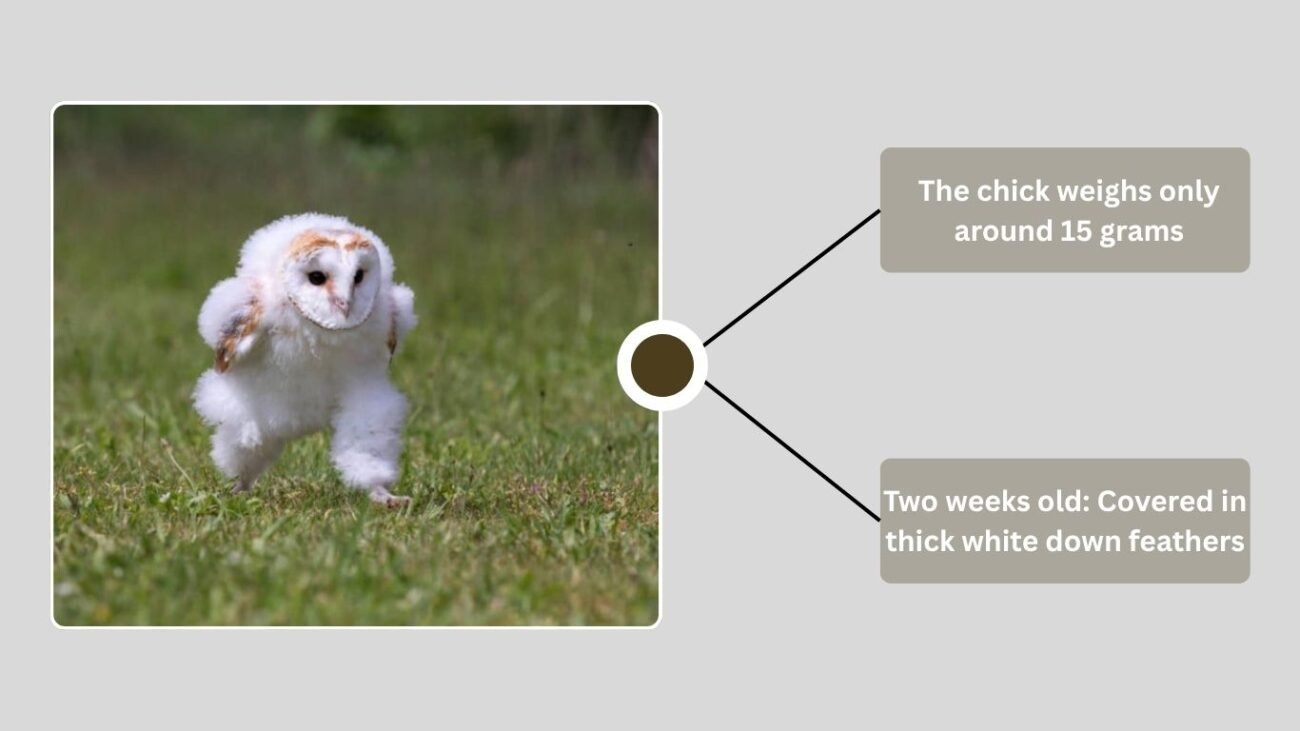
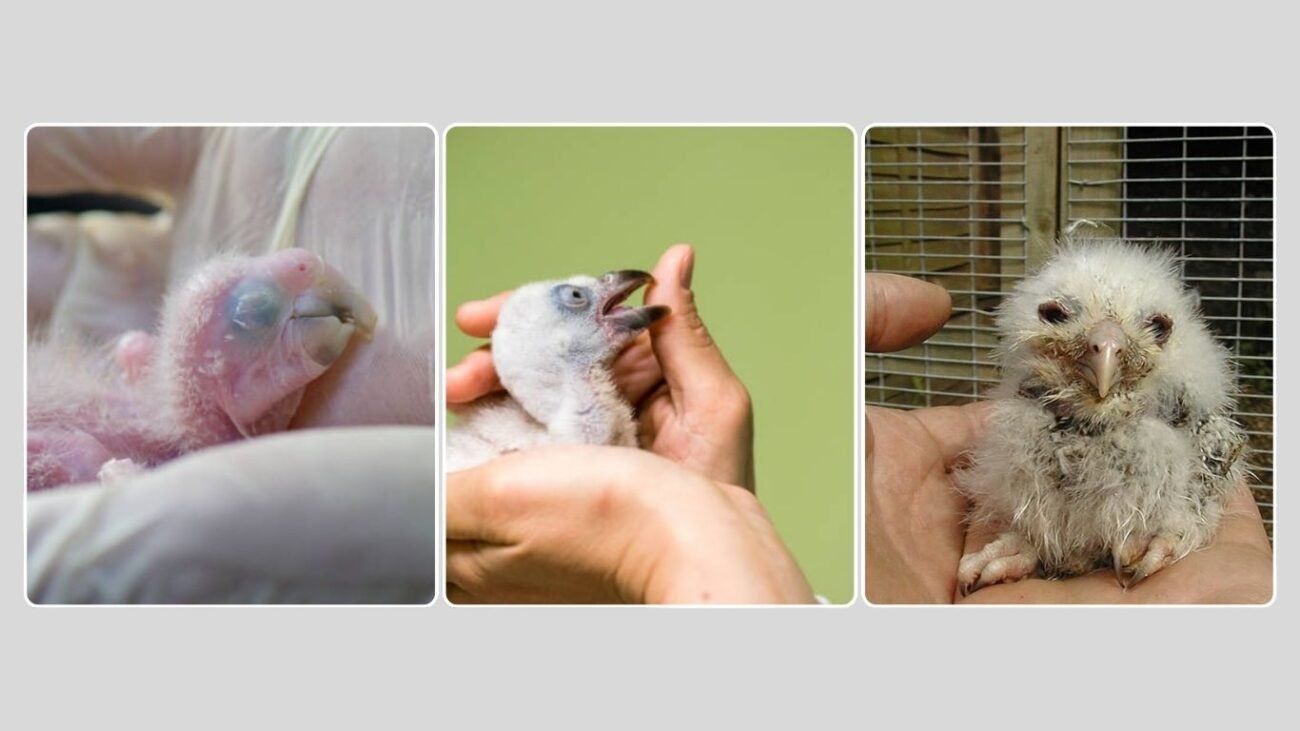
A baby barn owl is known as an owlet. When first hatched, it appears fragile and almost alien-like — blind, pink, and nearly featherless. The chick weighs only around 15 grams, making it vulnerable to cold and predators. Within a few days, it develops a layer of soft white down, giving it the signature fluffy look that many find adorable. This white covering also helps the chick stay warm and camouflaged in the nest.
Physical Features
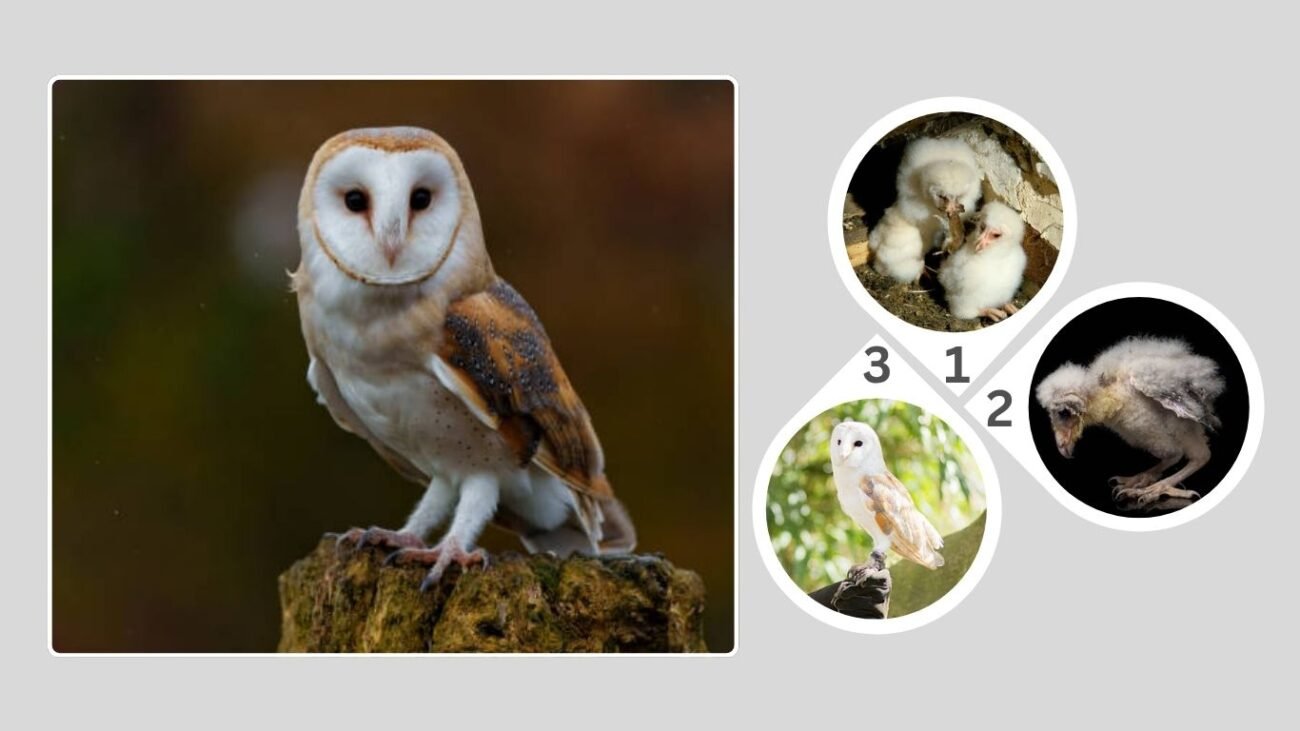
The growth of a baby barn owl can be divided into several noticeable stages:
- Newborn (0–7 days): Blind, pink, and nearly featherless. Relies entirely on parents for warmth and food.
- Two weeks old: Covered in thick white down feathers and beginning to open eyes.
- Four weeks old: Light tan and gray feathers start to appear, revealing early signs of adult plumage.
- Eight to nine weeks old: Nearly full-grown, with longer wings and a heart-shaped facial disk resembling an adult owl.
This transformation occurs rapidly, showing how nature equips these young birds for survival in a matter of weeks.
Growth Stages and Development
Hatching to Two Weeks
Baby barn owls hatch one at a time, usually two days apart. This staggered hatching ensures that the oldest chick is larger and more likely to survive if food becomes scarce. During the first two weeks, the chicks remain in the nest box or cavity, completely dependent on their parents.
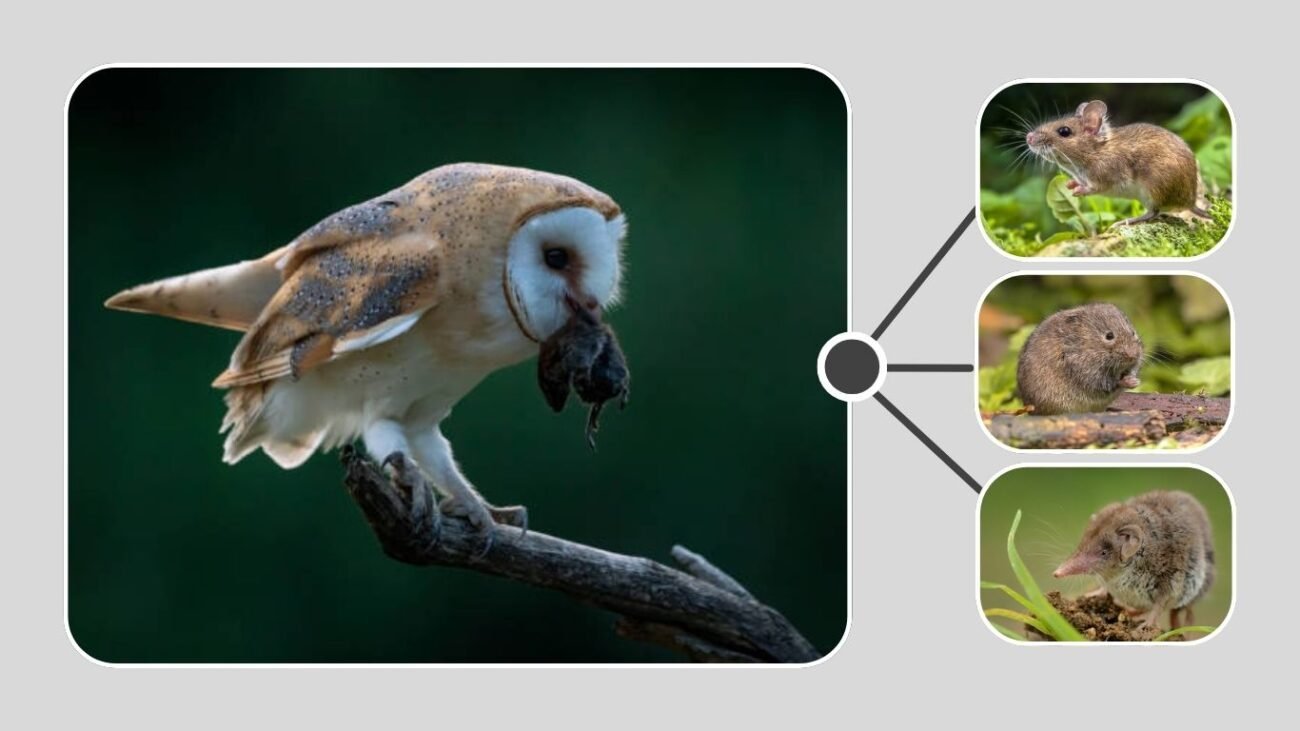
The mother owl stays with the young, keeping them warm and safe, while the father hunts through the night to bring back food — typically small mammals such as mice, voles, and shrews. The prey is either torn into small pieces or regurgitated for easier feeding. At this stage, the owlets spend most of their time sleeping and growing.
Three to Six Weeks
By the third week, owlets become more alert and active. Their eyes are fully open, and they begin to recognize the parents’ feeding calls. The down becomes denser, helping them maintain body heat without the mother’s constant presence.
Around the fourth week, young owlets start showing early signs of curiosity — standing, stretching, and even flapping their wings to build strength. They also begin to hiss or screech softly when disturbed, an instinctive defensive behavior. Sibling interactions become common, ranging from playful pecks to food-related squabbles, which help develop coordination and independence.
Seven to Nine Weeks
Between seven and nine weeks, baby barn owls grow nearly as large as their parents. Feathers replace most of the down, and their distinct facial disks are fully formed. They start moving around the nest and practice short jumps or glides.
During this stage, the parents begin reducing direct feeding, instead dropping prey nearby to encourage self-feeding. This transition period prepares the owlets for life outside the nest. By the ninth week, they are ready to take their first flight — a moment known as fledging.
Sounds and Communication
What Does a Baby Barn Owl Sound Like?
Baby barn owls are surprisingly vocal. From birth, they produce a range of sounds to express their needs. Their earliest noises are soft squeaks or hisses, signaling hunger or discomfort. As they mature, their calls become louder and more distinct.
By three to four weeks, baby owlets can produce sharp screeches similar to adult barn owls, especially when competing for food. They also emit snoring-like or raspy calls when content. During thunderstorms or loud noises, owlets may hiss or scream in fear — a behavior often captured in viral videos where they appear startled by thunder for the first time.
Sound Development
The evolution of a barn owl’s voice happens in clear stages:
- Week 1–2: Gentle chirps or squeaks signal hunger.
- Week 3–4: Louder screeches begin, especially when waiting for food.
- Week 5–6: Hissing sounds develop, used for defense.
- Week 7–9: Calls deepen and resemble adult screeches, marking growing maturity.
These vocalizations not only help them communicate with parents but also prepare them for territorial calls and mating sounds later in life.
Feeding and Diet
What Do Baby Barn Owls Eat?
Baby barn owls feed entirely on meat-based diets, provided by their parents. The typical menu includes small mammals like mice, voles, shrews, and rats. Parents bring the prey to the nest, tear it into manageable pieces, and feed the youngest first. The chicks cannot digest bones or fur initially, so they rely on soft tissues until their digestive systems mature.
As they grow stronger, owlets start swallowing small prey whole. By around five to six weeks, they begin forming pellets — compact balls of indigestible material, which they regurgitate just like adults. These pellets help scientists study their diet in the wild.
Feeding Frequency
Parent barn owls work tirelessly to feed their growing family. A single nest with several chicks may consume four to six rodents each night per chick. The father makes repeated hunting trips, while the mother assists once the chicks can regulate their own body temperature.
The largest and oldest chicks often eat first, ensuring survival in times of food shortage. Despite this hierarchy, barn owls usually raise most of their brood successfully when food is plentiful.
Behavior and Learning
Social and Play Behavior
As baby barn owls grow, their personalities become evident through playful and curious behavior. Within the nest, they interact with siblings by pecking, nudging, or hissing, which helps develop coordination and dominance. These interactions may look aggressive but are natural steps in social learning.
Some baby owls display amusing movements known as “mid-runs”—short, awkward dashes while flapping their wings. This running or hopping motion helps strengthen their legs and wings before true flight. When startled or threatened, owlets hiss and sway their bodies, mimicking snakes to scare predators. This defensive instinct develops before they can fly, providing an early layer of protection.
Learning to Fly
At around eight to nine weeks, baby barn owls begin their first flying lessons. They start by perching on low ledges, flapping wings, and making short glides within the nest. Each attempt strengthens their muscles and coordination.
By the time they fledge, their flight feathers are fully grown, allowing them to soar short distances. Initially, they return to the nest after every flight, but over several days, they gain confidence and start exploring further. Once they can hunt small prey on their own, they begin their journey toward independence, marking the transition from owlet to juvenile barn owl.
Care and Rescue
Rescuing or Adopting a Baby Barn Owl
Finding a baby barn owl on the ground can be alarming, but it’s important to observe before acting. Many fledglings leave the nest to practice flying and may sit quietly on the ground while parents continue to feed them nearby. If the chick appears injured, weak, or abandoned, contact a licensed wildlife rehabilitation center immediately.
It is illegal in most countries to keep a wild barn owl as a pet. These birds require a specialized diet and care environment that’s difficult to replicate. Improper handling can also cause imprinting, where an owl bonds with humans and loses its ability to survive in the wild.
Captive Care Notes
In rehabilitation or conservation programs, baby barn owls are fed frozen-thawed rodents or day-old chicks. Their feeding schedule mimics natural conditions, with food provided during dusk hours. Caregivers minimize human contact to ensure the owl retains its wild instincts.
Owlets kept in captivity also need a warm, dark, and quiet enclosure, resembling a nesting cavity. As they grow, their environment is gradually enlarged to encourage flying practice. Once fully capable of hunting, rehabilitated owls are released back into the wild.
Unique Traits and Facts
Appearance and Growth
Baby barn owls have a striking appearance that evolves quickly. Their large dark eyes, flat faces, and pale down often make them look alien-like — a feature that has inspired countless memes and videos. The transformation from white fluff to golden-tan feathers occurs within eight to nine weeks, making them nearly indistinguishable from adults.
Each chick hatches about two days apart, so siblings often differ in size. The oldest is stronger and typically gets more food, giving it a survival advantage. Despite this, barn owls are efficient parents and often raise multiple healthy fledglings in one season.
Behavioral Adaptations
Young barn owls have several instinctive behaviors that increase their chances of survival. Their hissing and swaying defense display effectively deters predators like snakes and raccoons. Even before they can fly, they practice striking motions with their talons during play.
They also sleep huddled together to maintain warmth and safety, forming a tight cluster in the nest box. This behavior not only conserves heat but strengthens family bonds, preparing them for the cooperative instincts they’ll use as adults during breeding seasons.
Ecological Importance
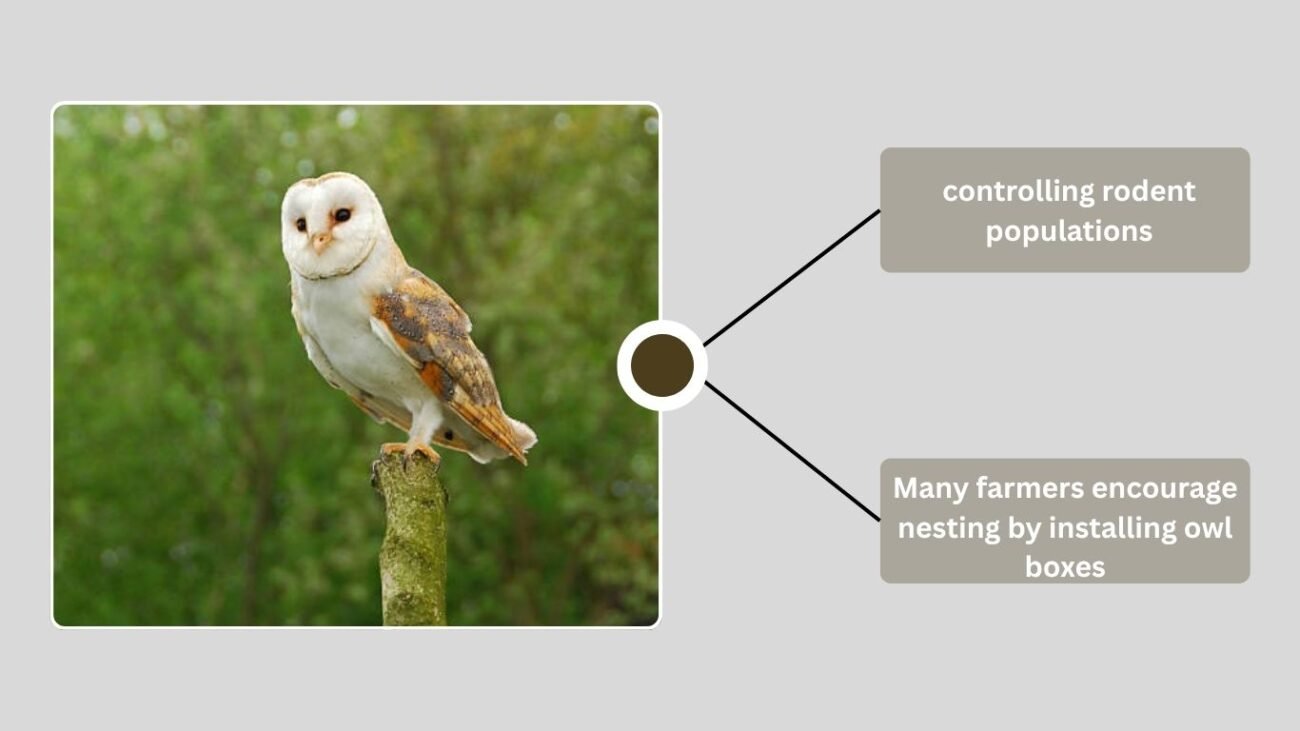
Baby barn owls grow into critical players in controlling rodent populations. A family of barn owls can consume thousands of small mammals each year, preventing crop damage and helping maintain ecological balance. Many farmers encourage nesting by installing owl boxes, creating safe spaces for owlets to grow and thrive naturally without chemical pest control.
The survival of baby barn owls reflects the health of their environment — where food, safety, and shelter coexist in balance. Protecting them ensures the continuation of one of nature’s most efficient and graceful hunters.
FAQs
What is a baby barn owl called?
A baby barn owl is called an owlet. These chicks are born blind and nearly featherless, relying on their parents for warmth and food. Within weeks, they grow soft white down and later develop the golden feathers typical of adult barn owls.
How long do baby barn owls stay in the nest?
Baby barn owls remain in the nest for about seven to nine weeks. During this time, they develop flight feathers, strengthen their wings, and learn to hunt. Even after fledging, parents may continue feeding them for one or two additional weeks.
What sounds do baby barn owls make?
Baby barn owls make squeaks, hisses, and screeches to express hunger or alertness. Their hissing sound often mimics a snake’s warning, while screeches call for food or comfort. As they mature, their calls deepen and resemble adult barn owl cries.
What do baby barn owls eat?
Owlets eat small mammals such as mice, voles, and shrews. The parents deliver food to the nest, sometimes hundreds of times each night. Young chicks are fed small, soft pieces, while older ones swallow whole prey and produce pellets like adults.
Can baby barn owls be kept as pets?
No. Keeping a baby barn owl as a pet is illegal and unethical in most regions. They require expert care, specialized diets, and freedom to hunt. If you find one in need of help, always contact a wildlife rehabilitation center instead of attempting to raise it yourself.