Barn owls are graceful nocturnal hunters recognized by their pale faces and silent wings. Found on every continent except Antarctica, these owls rely on stealth and acute senses to locate prey in complete darkness. Their diet primarily consists of small mammals, though it may vary depending on region, season, and food availability. Understanding what barn owls eat helps explain their vital role in balancing ecosystems and controlling rodent populations.
Diet Overview

Primary Diet
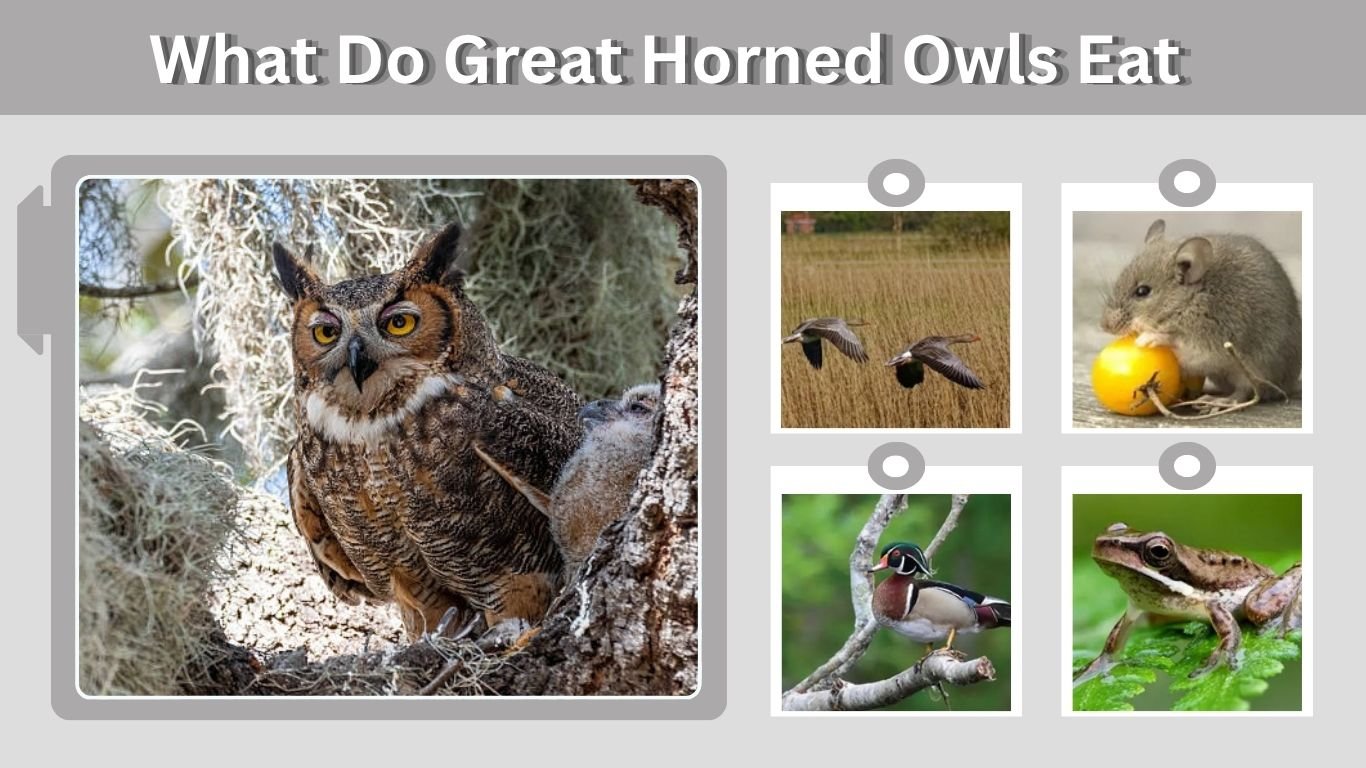
Barn owls feed mainly on small mammals, which make up around 90% of their diet. Their most common prey includes mice, voles, shrews, and rats, depending on the habitat. In farmlands, voles and field mice dominate their menu, while in urban or suburban areas, rats are more frequent targets. These small mammals provide the high protein and fat content barn owls need to sustain energy during long hunting nights.
Occasionally, barn owls also consume small birds, frogs, and insects, especially when rodent populations drop. Their flexibility in diet allows them to survive across diverse landscapes — from grasslands and farms to deserts and forests. In some regions, barn owls even hunt small bats or lizards, though these make up only a tiny portion of their total intake.
Occasional Prey
While small mammals are their mainstay, barn owls are opportunistic feeders. They sometimes capture small songbirds, starlings, sparrows, or even young pigeons if available. In rare cases, they may eat fish, snakes, or amphibians, though these are supplemental meals rather than dietary staples.
Their diet diversity is often influenced by the ecosystem they inhabit. For instance, in wetter regions, frogs or fish may appear in their meals, while in dry areas, rodents and small birds dominate. Such adaptability ensures the barn owl’s survival even when environmental conditions shift dramatically.
Feeding Habits
Hunting Technique
Barn owls are expert night hunters. Their exceptional hearing and keen low-light vision allow them to locate prey beneath grass or snow. They can detect the slightest rustle or movement in total darkness. Once they identify a target, barn owls glide silently, thanks to specialized feathers that reduce air turbulence.
When close enough, they dive swiftly and capture the prey using their sharp talons. The kill is quick — usually followed by swallowing the prey whole if it’s small, like a mouse or shrew. Larger prey such as rats or birds are torn into manageable pieces before being eaten. This method allows barn owls to conserve energy while feeding efficiently.
Their silent flight and pinpoint accuracy make them one of the most efficient natural pest controllers in the animal kingdom. A single barn owl pair can consume over 3,000 rodents annually, making them invaluable allies to farmers.
Feeding Frequency
An adult barn owl typically eats three to five small mammals per day, depending on prey size and availability. During the breeding season, the demand for food increases dramatically as parents feed their growing chicks. A family of barn owls may consume hundreds of mice and voles every month, especially when raising a large brood.
In captivity, barn owls are fed controlled portions — usually frozen-thawed rodents or chicks — to maintain optimal health. Overfeeding can lead to obesity, so caretakers monitor diet quantity closely. Their natural hunting instincts remain strong, even when hand-reared, showing how deeply ingrained their feeding behavior is.
Diet by Environment
In the Wild
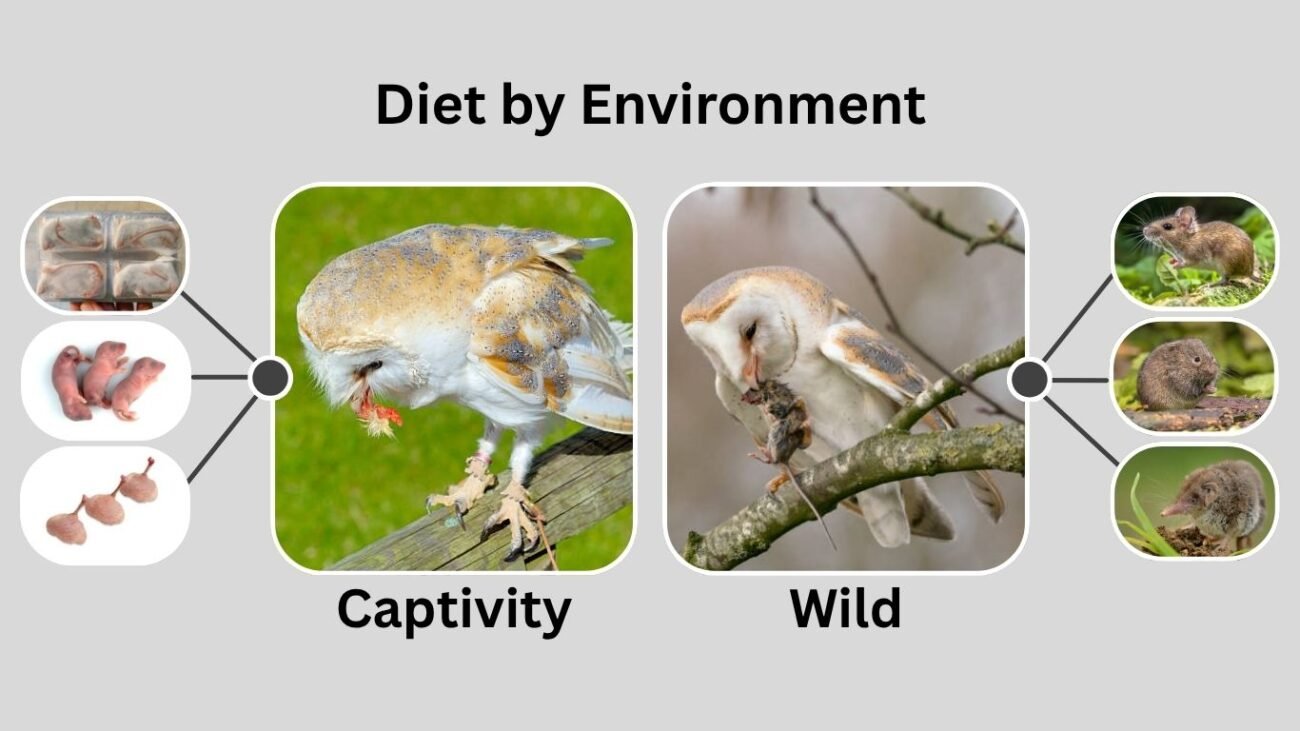
In natural habitats, barn owls focus on field rodents such as voles, shrews, and mice. Their choice depends heavily on what’s most abundant in the region. For instance, in farmlands, field voles dominate their prey list, while in forests or grasslands, moles and shrews are common targets.
During winter, prey becomes scarce, prompting barn owls to expand their hunting range or switch to urban prey like rats or small birds. Snow cover can make hunting difficult, and some barn owls may even face starvation during extreme winters if they cannot locate food.
In Captivity
Captive barn owls, such as those in sanctuaries or educational programs, are fed frozen-thawed rodents, day-old chicks, or pieces of quail. These are supplemented with vitamins and calcium to replicate natural nutrition. Caretakers often mimic feeding routines similar to the wild, offering prey at dusk to maintain instinctive behavior patterns.
Captivity diets are designed to prevent nutritional deficiencies, ensuring proper feather growth, bone strength, and reproductive health. Despite being hand-fed, captive owls retain their natural feeding habits — swallowing small prey whole and regurgitating pellets afterward.
Diet by Season
In Winter
During winter, barn owls face tougher hunting conditions as prey becomes scarce and snow or ice conceals rodent activity. To survive, they may hunt longer hours or move closer to barns, fields, and rural settlements where food is easier to find. In some cases, barn owls rely on cached prey, storing uneaten rodents in hidden spots to consume later when food is limited. Their adaptability helps them survive even during harsh, food-scarce months.
Predators and Threats
Natural Predators
While barn owls are skilled hunters, they also face danger from larger predators. Great horned owls, red-tailed hawks, and eagles are among their main avian threats. These raptors may attack adult barn owls, especially at night or near nesting areas. On the ground, foxes, raccoons, and snakes pose threats to eggs and owlets. The young are particularly vulnerable before they learn to fly and defend themselves.
Human-Related Dangers
Humans indirectly contribute to barn owl mortality. Rodenticides, or chemical poisons used to kill rats, are often consumed secondhand by owls when they eat poisoned rodents, leading to fatal toxicity. Other threats include vehicle collisions, as barn owls often hunt low along roadsides, and habitat loss from modern farming and urban development. Conservation programs now focus on providing nesting boxes and reducing poison use to help sustain barn owl populations.
Special Diet Questions
Do Barn Owls Eat Cats or Chickens?
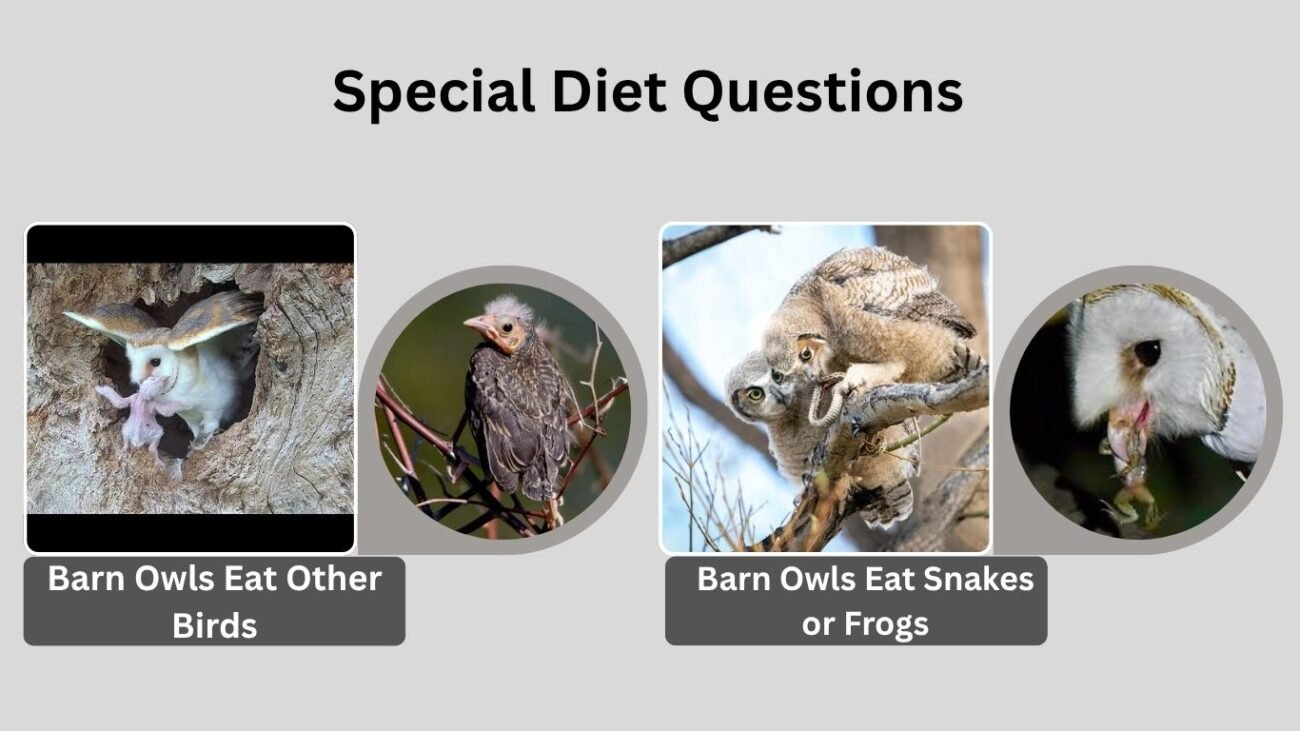
No, barn owls do not hunt or eat cats or adult chickens. These animals are far too large and heavy for a barn owl to capture or carry. While barn owls may attack small chicks or very young animals if extremely hungry, such behavior is extremely rare. Their talons are designed for smaller prey like mice and voles, not large domestic animals.
Do Barn Owls Eat Snakes or Frogs?
Yes, barn owls occasionally eat small snakes, frogs, or lizards, but these are not major parts of their diet. They are opportunistic feeders, meaning they adapt their meals based on availability. In humid or marshy regions, frogs and amphibians become more common, while in dry habitats, mammals dominate their prey list.
Do Barn Owls Eat Other Birds?
Barn owls sometimes prey on small songbirds or fledglings, especially when rodent numbers drop. However, they prefer mammals since birds are more alert and harder to catch at night. This behavior is opportunistic and usually observed only in times of food scarcity.
How Barn Owls Eat Their Prey

Barn owls swallow smaller prey whole, digesting the soft tissues and later regurgitating pellets that contain fur, bones, and other indigestible material. These pellets provide valuable insight into their diet, allowing scientists to study the types of animals consumed. Larger prey, such as rats or small birds, are torn into smaller pieces before swallowing. Their digestive system efficiently processes protein and fat while minimizing waste.
Barn owls typically eat while perched in a safe, quiet location. After feeding, they may rest and later regurgitate a pellet once digestion is complete. Each owl produces about one to two pellets daily, which are often found beneath their roosting or nesting sites.
Ecological Role
Barn owls are essential in maintaining rodent population control. By consuming thousands of mice and rats yearly, they help prevent crop damage and disease spread. Farmers often install nest boxes to attract barn owls as a natural alternative to chemical pest control. Their presence contributes to a balanced and healthy ecosystem.
FAQs
What do barn owls eat most often?
Barn owls mainly eat small mammals such as voles, mice, and rats. These animals are abundant, easy to catch, and rich in nutrients. The owl’s hunting success depends heavily on rodent populations, making them vital in natural pest control across farmland and rural ecosystems.
How many mice does a barn owl eat per day?
A barn owl typically eats around three to five rodents daily. During breeding season, parents may hunt continuously to feed their chicks, consuming hundreds of mice per month. This high intake supports both energy needs and chick development during growth.
Do barn owls ever eat cats or chickens?
No. Barn owls do not eat cats or full-grown chickens. These animals are too large for them to capture or lift. Their diet focuses on smaller prey, mainly rodents and birds weighing under 100 grams, which they can easily carry and swallow.
What animals eat barn owls?
Predators like great horned owls, hawks, and eagles often attack barn owls, especially at night. Ground predators such as foxes, raccoons, and snakes threaten their eggs and young. Human activities, including poisoning and habitat loss, also contribute significantly to barn owl mortality.
How do barn owls eat their prey?
Barn owls eat smaller prey whole and later regurgitate undigested bones and fur as pellets. Larger prey is torn apart before consumption. This efficient feeding process allows them to absorb nutrients while discarding non-digestible parts, keeping their digestion quick and energy-efficient.