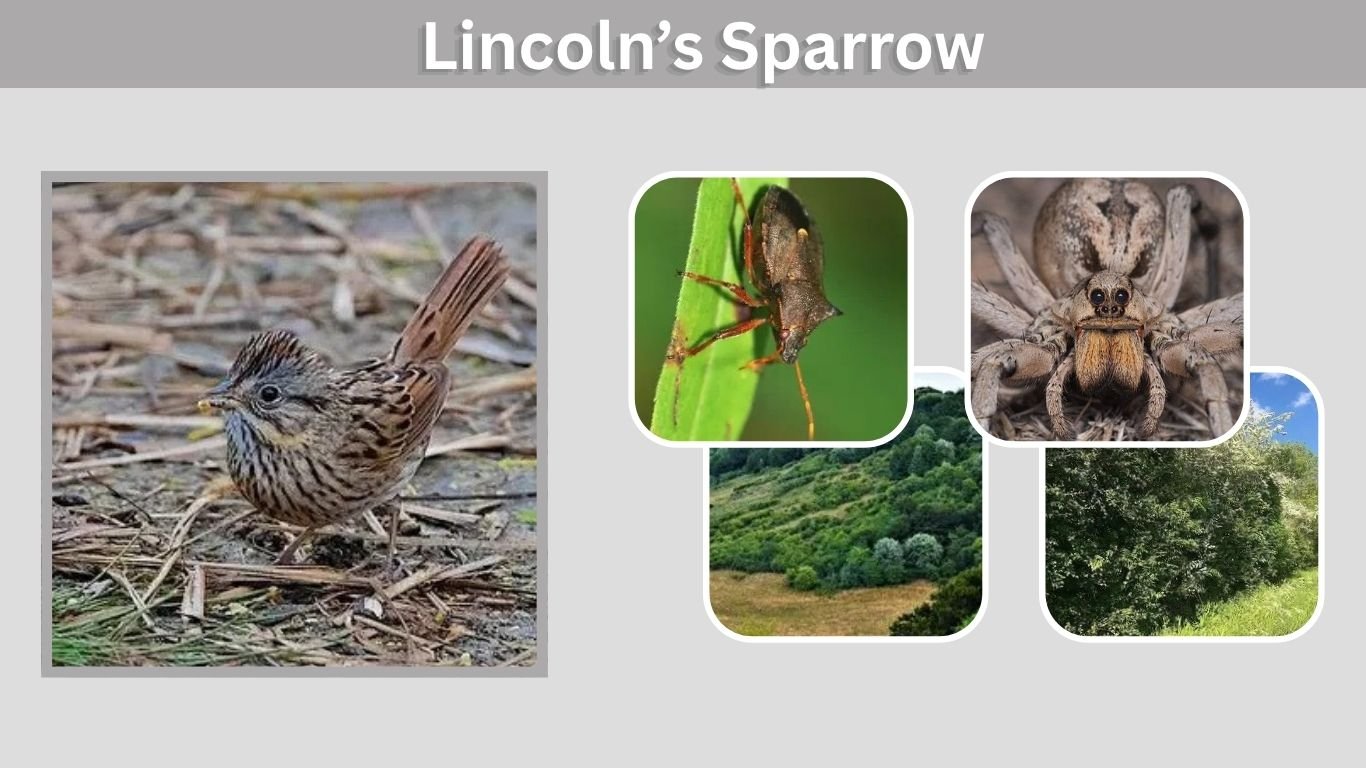
Lincoln’s sparrow is a secretive North American songbird recognized by its finely streaked buff-colored breast, gray face, and musical, wrenlike song. It spends much of its time beneath dense shrubs, making it harder to observe than many familiar sparrows. The bird breeds mainly in northern wetlands and mountain meadows before migrating south for winter. Knowing its markings, preferred habitat, calls, and behavior can make identifying this shy sparrow considerably easier.
Lincoln’s Sparrow Quick Facts
The Lincoln’s sparrow belongs to the New World sparrow family, Passerellidae. Its scientific name is Melospiza lincolnii, placing it in the same genus as the song sparrow and swamp sparrow.
| Feature | Description |
| Common name | Lincoln’s sparrow |
| Scientific name | Melospiza lincolnii |
| Length | 5.1–5.9 inches |
| Weight | 17–19 grams |
| Wingspan | 7.5–8.7 inches |
| Main habitat | Wet meadows and dense thickets |
| Diet | Insects and small seeds |
| Nest location | On or immediately above the ground |
| Typical clutch | 3–5 eggs |
| Migration | Migratory |
The bird was named by John James Audubon in honor of Thomas Lincoln, a young companion who collected the specimen during an expedition to Labrador. The oldest recorded individual was at least 7 years and 11 months old when recaptured in Colorado.
How to Identify a Lincoln’s Sparrow
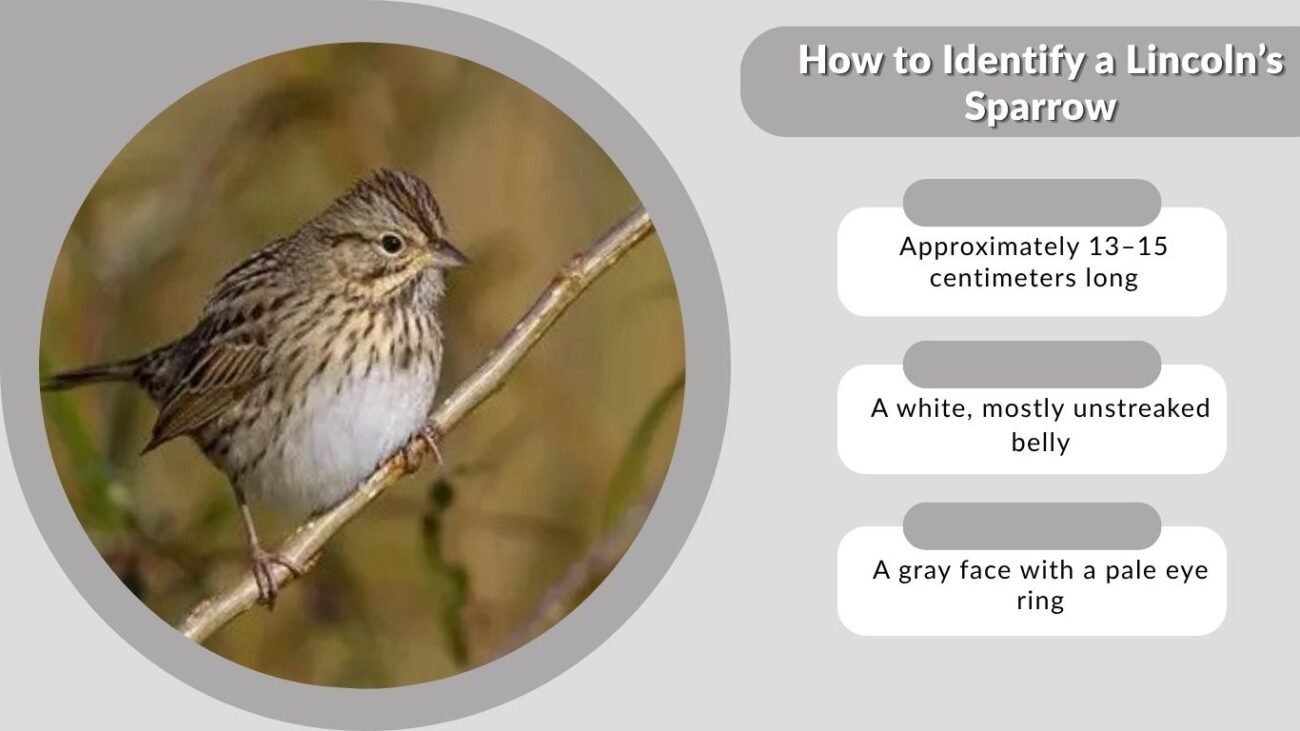
Lincoln’s sparrows have a neat, delicate appearance compared with many heavily marked sparrows. Their plumage combines gray, buff, rusty brown, and sharply defined dark streaks.
Size and body shape
This is a medium-sized but relatively delicate sparrow with a rounded body, small conical bill, and fairly short tail. The back of its head can appear slightly pointed when the crown feathers are raised. Adults measure approximately 13–15 centimeters long and weigh around 17–19 grams.
Colors and field markings
The most useful identification features include:
- A buff-colored band across the upper breast
- Fine, crisp black streaks on the chest and sides
- A white, mostly unstreaked belly
- A gray face with a pale eye ring
- A buff mustache stripe bordered by thin brown lines
- A gray eyebrow and dark line through the eye
- Rust-colored edges on the wings and tail
The narrow breast streaks look as though they were drawn with a fine pencil. This feature, combined with the warm buff wash on the chest and sides of the throat, separates Lincoln’s sparrows from most other streaked sparrows.
Male, female and juvenile
Adult males and females look nearly identical. During breeding season, males are easier to notice because they sing from willow branches, conifers, and other exposed perches.
A juvenile Lincoln’s sparrow generally appears more heavily streaked and less neatly patterned than an adult. Its facial markings and buff breast become clearer as the young bird develops mature plumage.
Lincoln’s Sparrow Habitat
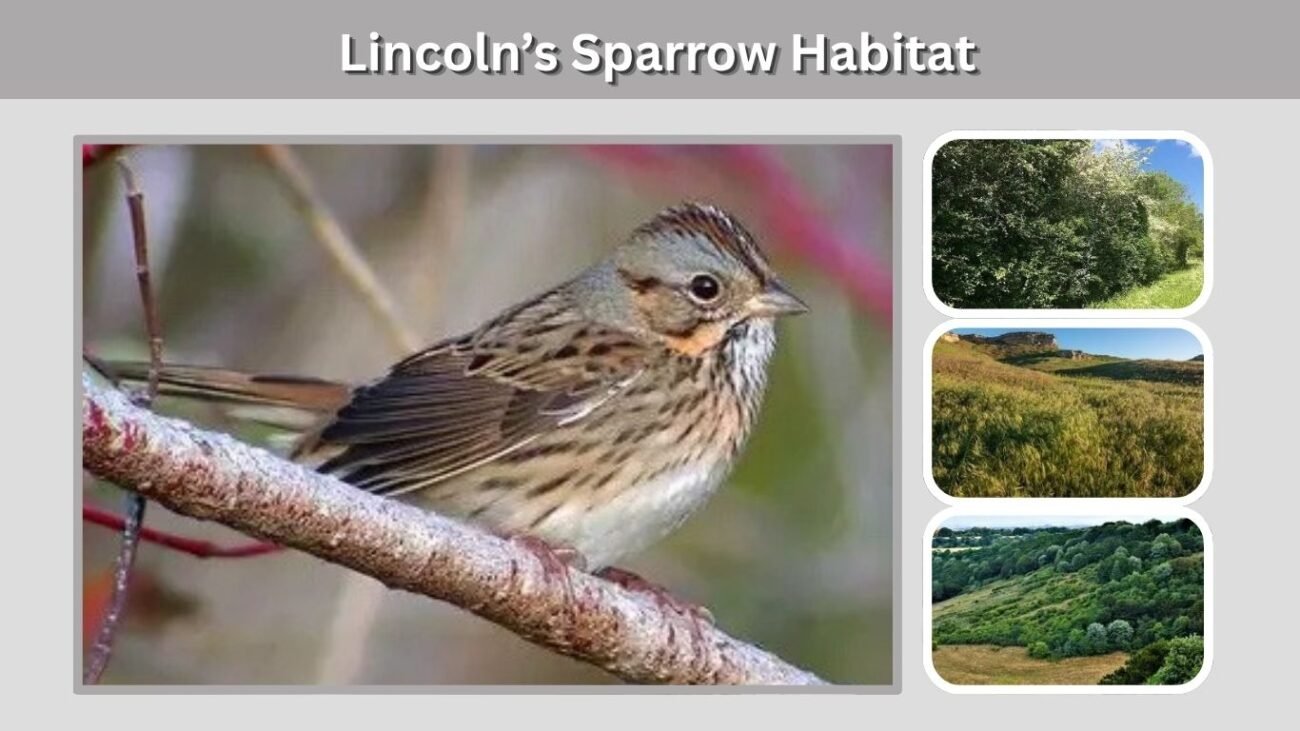
Lincoln’s sparrows are strongly associated with dense vegetation, particularly in moist or wet environments. Their secretive habits allow them to remain hidden close to the ground.
Breeding habitat
During summer, they breed in wet mountain meadows containing willows, alders, sedges, and other thick plants. They also use streamside shrubbery, brushy bogs, muskeg, black spruce–tamarack wetlands, and patches of aspen or cottonwood near water.
Migration and winter habitat
Migrating birds use brushy fields, woodland edges, hedgerows, and dense thickets. During winter, they may occupy overgrown fields, weedy pastures, tropical scrub, pine-oak woodland, and forest undergrowth. Although these habitats vary, all usually provide thick ground-level cover.
Lincoln’s Sparrow Range and Migration
Lincoln’s sparrows breed across much of Alaska and Canada, as well as in mountainous parts of the western United States. After the breeding season, most populations migrate south.
Their winter distribution includes the southern United States, Mexico, Central America, and parts of the Caribbean. Birds passing through the central and eastern United States are most commonly seen during spring and fall migration. They frequently travel or forage near song, swamp, and white-crowned sparrows during these periods.
Because migrating Lincoln’s sparrows remain inside dense vegetation, their presence is easily overlooked. Quietly checking weedy field edges, brush piles, wetland borders, and low thickets offers the best chance of finding one.
Lincoln’s Sparrow Song and Call
Lincoln’s sparrow has one of the richest and most musical songs among North American sparrows. Its voice can reveal the bird even when its body remains completely concealed.
What does the song sound like?
The male’s song typically starts with two or three clear, bell-like notes. These are followed by a fast, bubbling mixture of trills, gurgles, and buzzes that rise and fall rapidly in pitch. The complex performance is often compared with the song of a House Wren.
Males sing most regularly during the breeding season. They may perform from inside a shrub or from an exposed branch along the edge of a wet meadow.
Calls
The usual call is a short, sharp, dry note that may be given during alarm, contact, or flight. A threatened male may also produce buzzing sounds while flicking or flapping its wings near a territorial intruder.
What Do Lincoln’s Sparrows Eat?
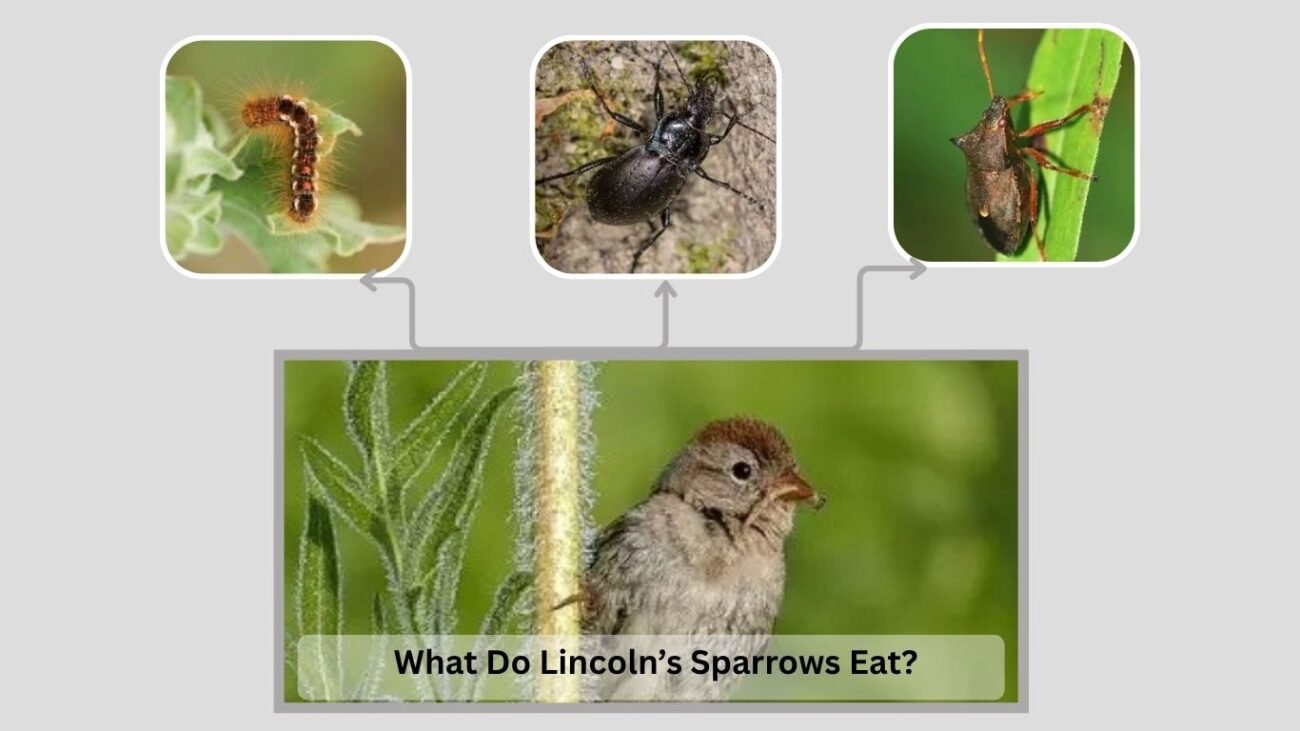
Lincoln’s sparrows eat both small animals and plant material. Their diet changes with the season and the availability of insects.
Common foods include:
- Beetles
- Flies
- Caterpillars and moths
- Ants
- Leafhoppers and aphids
- Spiders and millipedes
- Grass and weed seeds
Insects become particularly important during summer and are believed to make up most or all of the food delivered to growing chicks. Seeds form a larger part of the winter diet.
The birds normally forage by hopping or scratching beneath dense vegetation. They seldom travel far from cover and may pick insects or seeds directly from low branches.
Lincoln’s Sparrow Nest and Eggs
Lincoln’s sparrows conceal their nests so effectively that even experienced observers can have difficulty finding them.
Nest placement and construction
The female builds the nest on the ground or only slightly above it inside dense willow, birch, grass, or sedge cover. She may first dig a shallow depression before weaving dried grass, sedges, and strips of bark into a cup. Soft vegetation and occasionally animal hair line the interior. Construction normally takes two or three days.
Eggs and fledglings
A typical clutch contains three to five eggs. They are pale greenish, pinkish white, or green-white with brown or reddish-brown spots and blotches. Incubation lasts approximately 10–14 days and is performed by the female.
Both parents feed the nestlings. The young usually leave the nest about 9–12 days after hatching, although they may continue receiving parental care for another two or three weeks.
Lincoln’s Sparrow Behavior
This species spends much of its time walking and hopping beneath thick plants. When disturbed, it usually slips deeper into cover instead of immediately flying into the open.
A nesting female may quietly leave the nest and run through vegetation with her head lowered before taking flight. Males defend breeding territories through song, calls, and wing-flapping displays. Pairs are monogamous during the breeding season but do not maintain their bond year-round. In winter, the birds are usually solitary, though they sometimes forage with other sparrows.
Lincoln’s sparrows occasionally visit ground-feeding areas during migration or winter. Small seeds scattered beneath feeders may attract them, especially where nearby shrubs or brush piles provide protection.
Lincoln’s Sparrow vs. Similar Sparrows
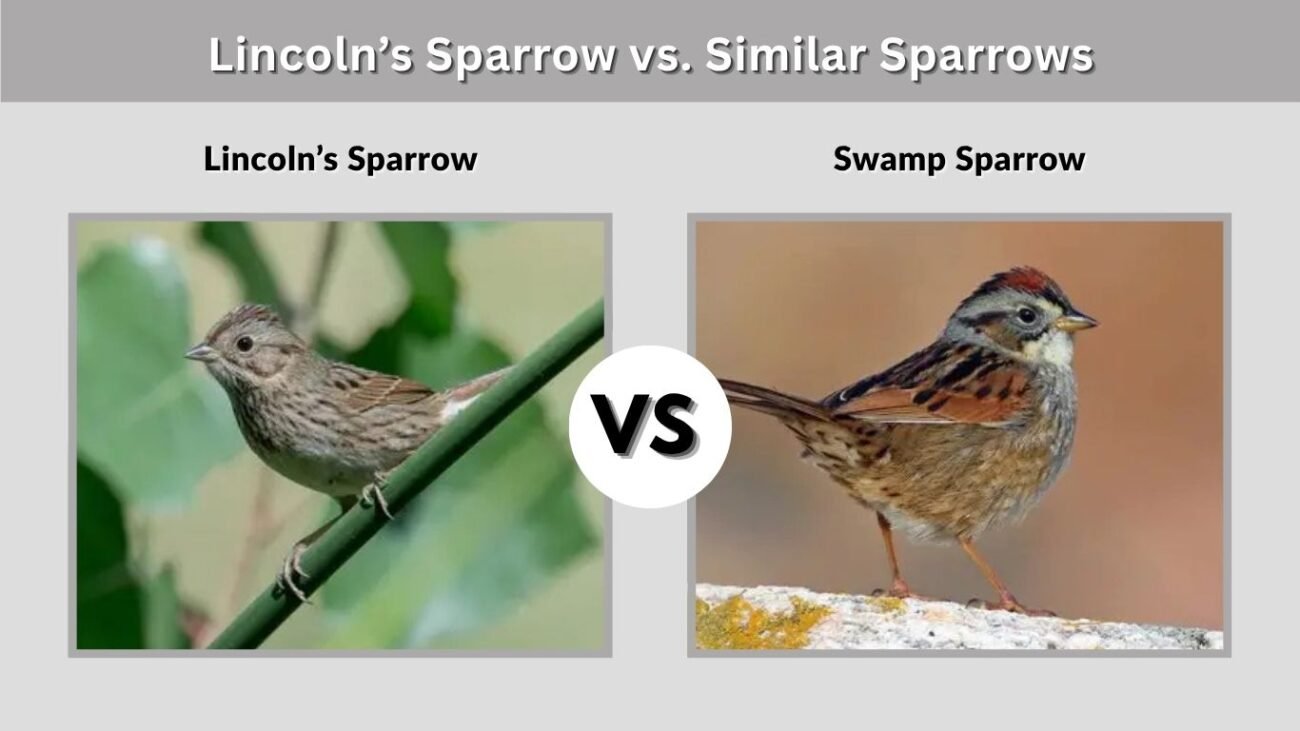
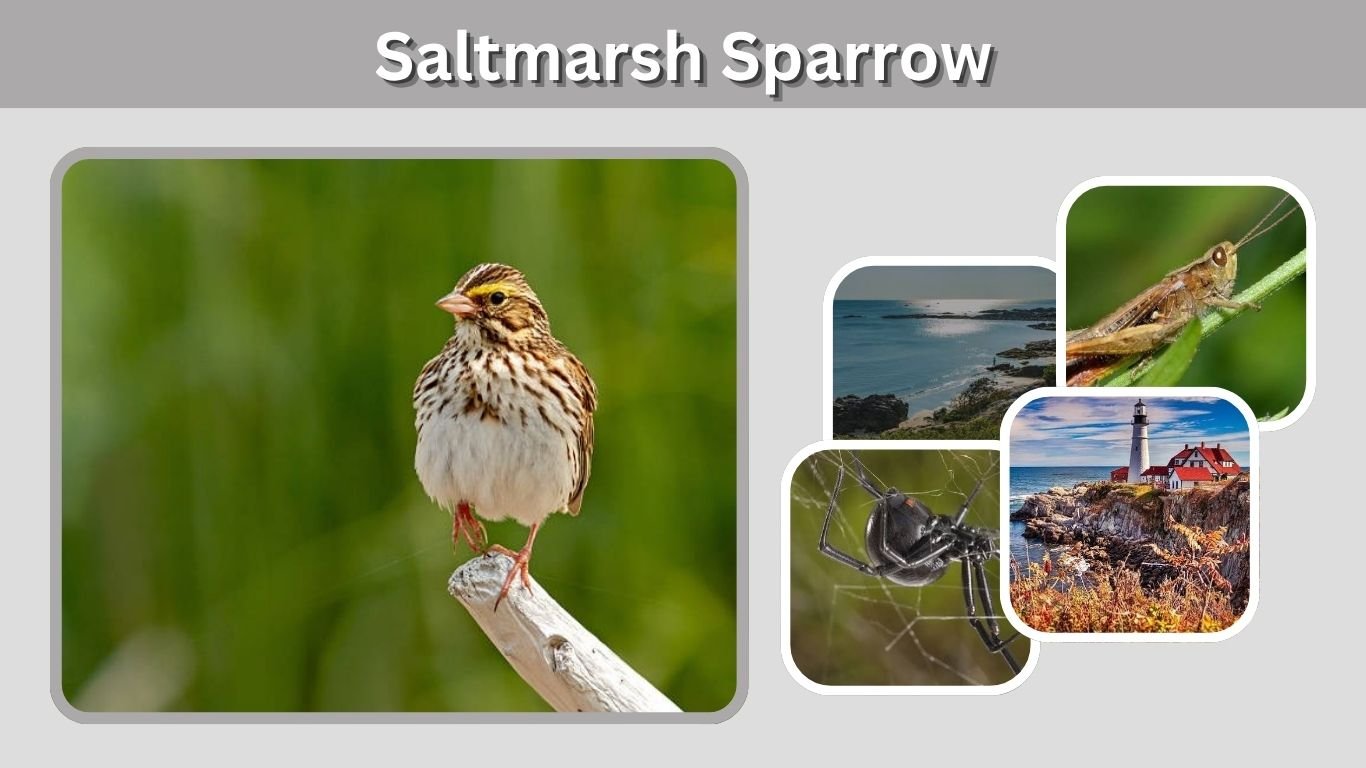
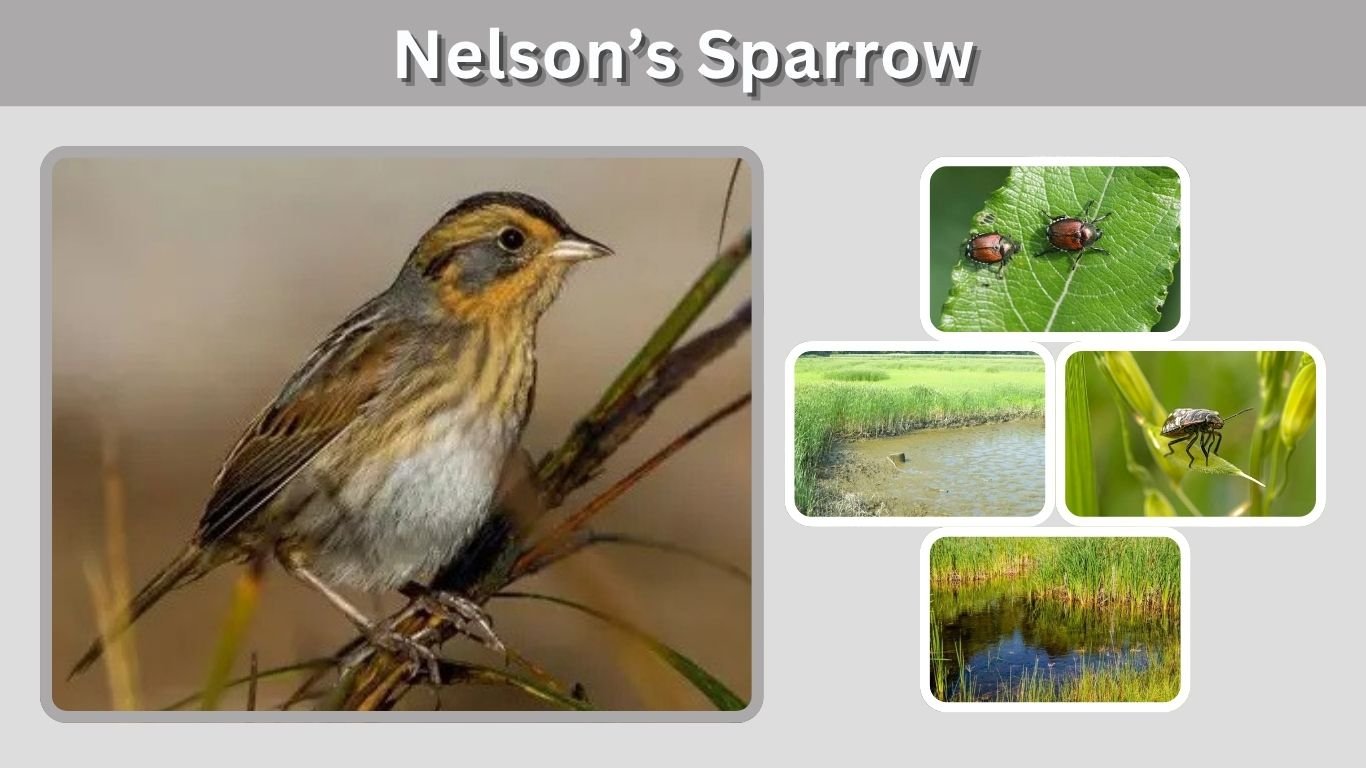
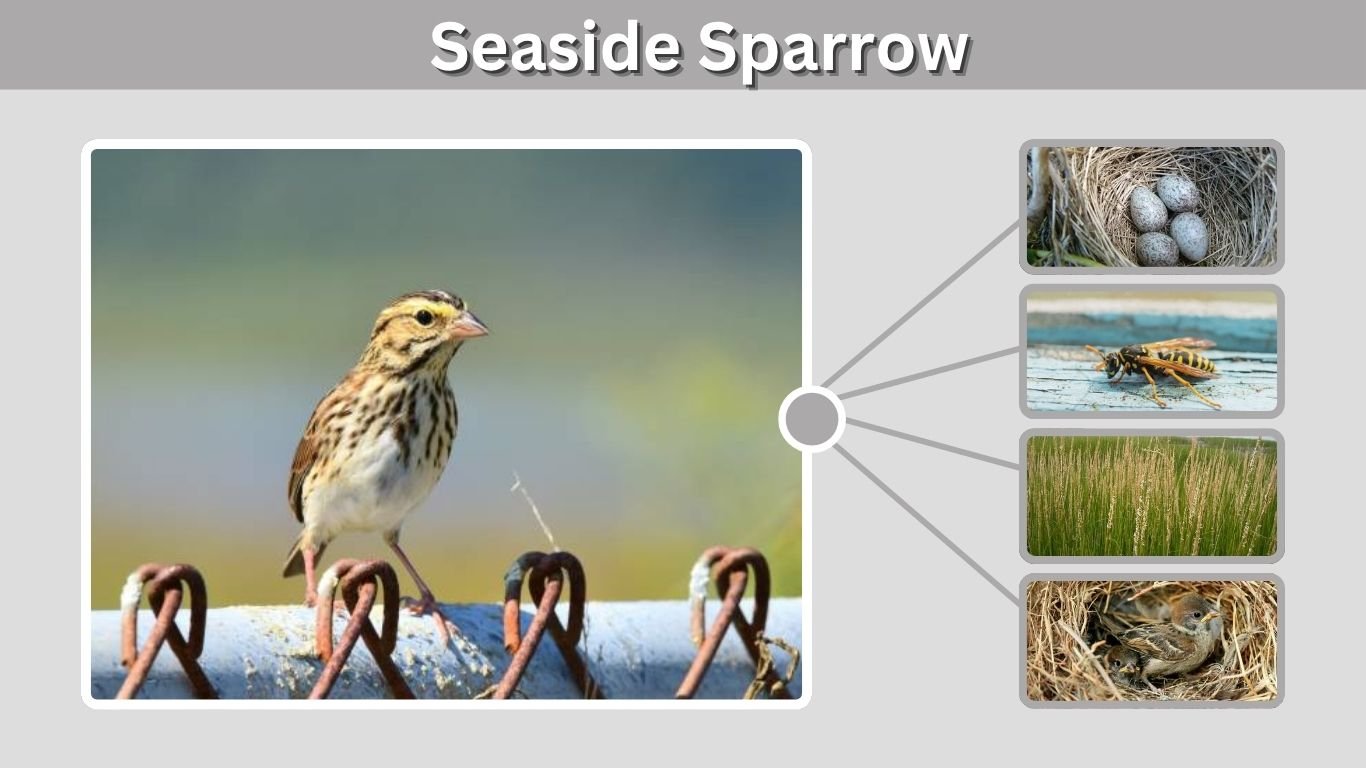
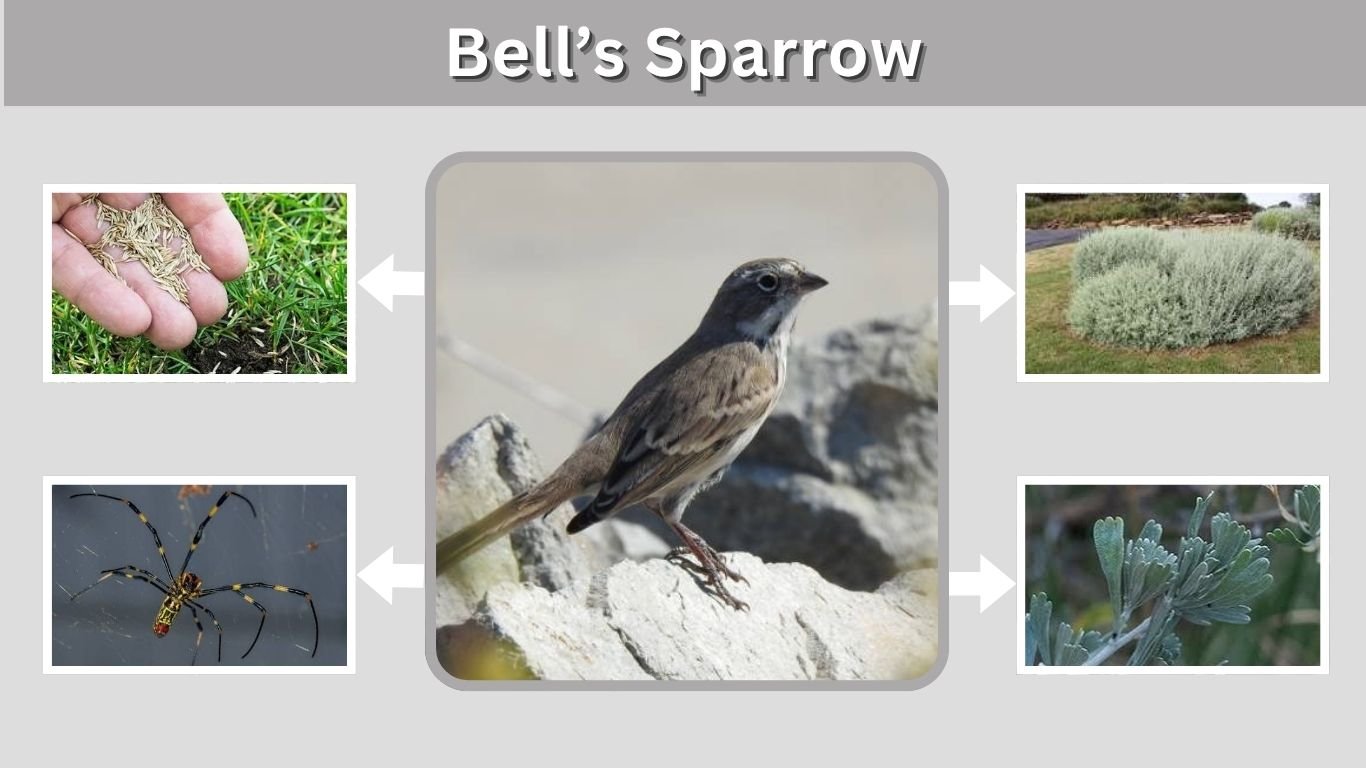
Lincoln’s sparrows are most frequently confused with song and swamp sparrows because all three belong to the genus Melospiza.
| Feature | Lincoln’s Sparrow | Song Sparrow | Swamp Sparrow |
| Breast | Fine streaks over buff wash | Bold, coarse streaks | Mostly plain gray |
| Central breast spot | Usually absent | Frequently present | Absent |
| Face | Gray with buff mustache | Strong brown facial stripes | Gray face with rusty crown |
| Overall appearance | Delicate and neatly marked | Larger and more heavily marked | Darker and less streaked |
| Typical habitat | Wet thickets and meadows | Many brushy habitats | Marshes and standing water |
Lincoln’s sparrow vs. song sparrow
Song sparrows usually have thicker, less precise breast streaks that converge into a dark central spot. They also appear larger and longer-tailed. Lincoln’s sparrows have finer markings, a noticeable buff breast band, and a cleaner white belly.
Lincoln’s sparrow vs. swamp sparrow
Breeding swamp sparrows have a bright rusty crown, gray breast, white throat, and relatively little streaking below. Nonbreeding birds may show blurry chest marks, but they lack the crisp streaking and strong buff wash characteristic of Lincoln’s sparrows.
Conservation Status
Lincoln’s sparrows remain widespread and are considered a species of relatively low conservation concern. Cornell reports that the overall population appeared stable from 1966 through 2019. However, wet-meadow breeding habitat can be damaged by intensive grazing, altered water flow, water diversion, human disturbance, and climate-related changes. Migrating birds are also vulnerable to collisions with buildings and other structures.
FAQs
Is it Lincoln sparrow or Lincoln’s sparrow?
The accepted common name is Lincoln’s sparrow, with an apostrophe. The name honors Thomas Lincoln, who collected the specimen examined during John James Audubon’s Labrador expedition. “Lincoln sparrow” and “Lincolns sparrow” are common search variations but are not the standard spelling.
Are Lincoln’s sparrows rare?
Lincoln’s sparrows are widespread and not globally rare, but they can appear uncommon because they hide in dense vegetation. Many people encounter them only during migration, while breeding populations are concentrated in Canada, Alaska, and wet mountain habitats.
Do Lincoln’s sparrows visit bird feeders?
They occasionally eat small seeds from the ground beneath feeders, particularly during migration and winter. They are more likely to appear where feeders are close to shrubs, brush piles, weeds, or other dense cover that provides a quick hiding place.
How much does a Lincoln’s sparrow weigh?
An adult typically weighs approximately 17–19 grams, or 0.6–0.7 ounces. The bird measures around 5.1–5.9 inches long and has a wingspan of approximately 7.5–8.7 inches.
What is the easiest way to identify a Lincoln’s sparrow?
Look for extremely fine, crisp breast streaks placed over a warm buff-colored chest band. A gray face, pale eye ring, buff mustache stripe, and clean white belly provide additional clues. Its bubbling, wrenlike song is also highly distinctive.