
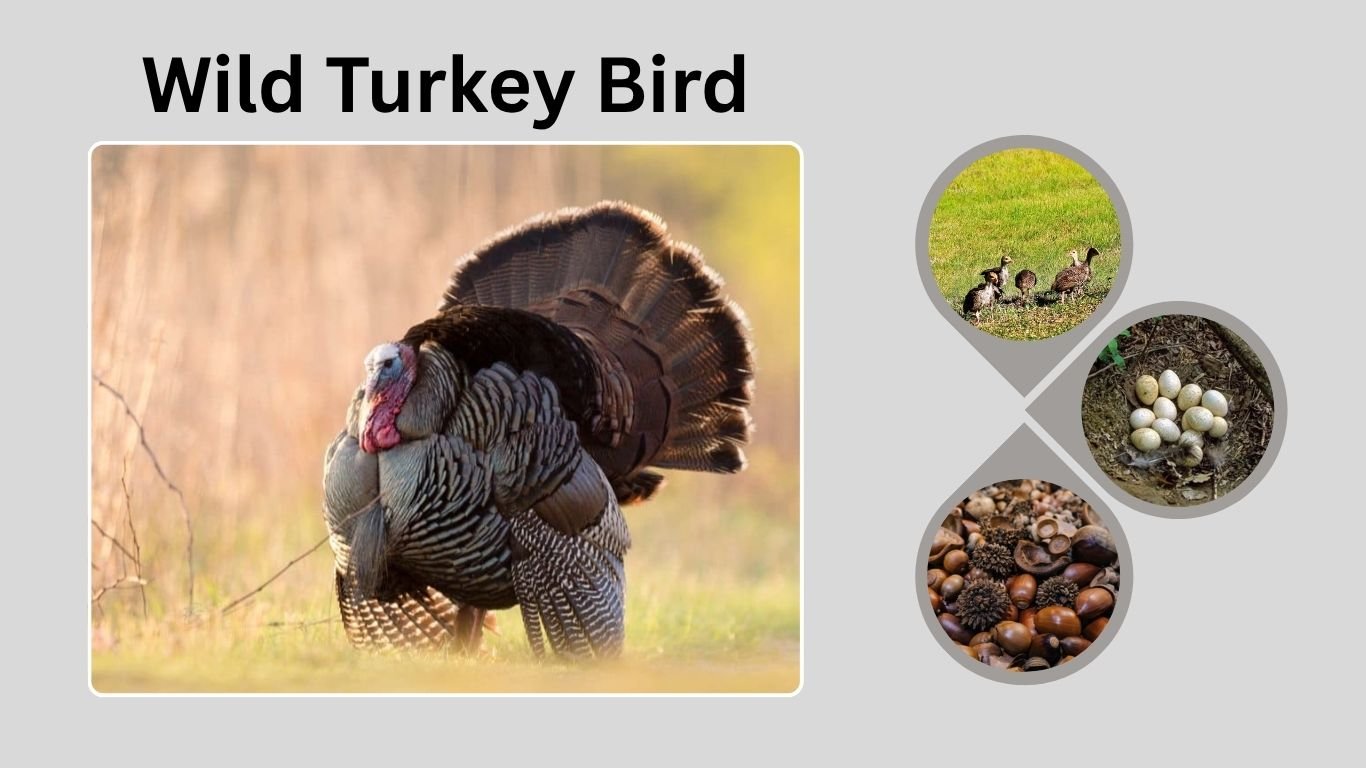
The Wild Turkey (Meleagris gallopavo) is one of North America’s most remarkable and recognizable birds. Known for its shimmering feathers, fan-shaped tail, and distinctive gobble, it has played an important role in ecology, art, and American culture. Once on the brink of extinction, this resilient species has made a strong comeback thanks to conservation and reintroduction efforts, becoming a symbol of both survival and heritage.
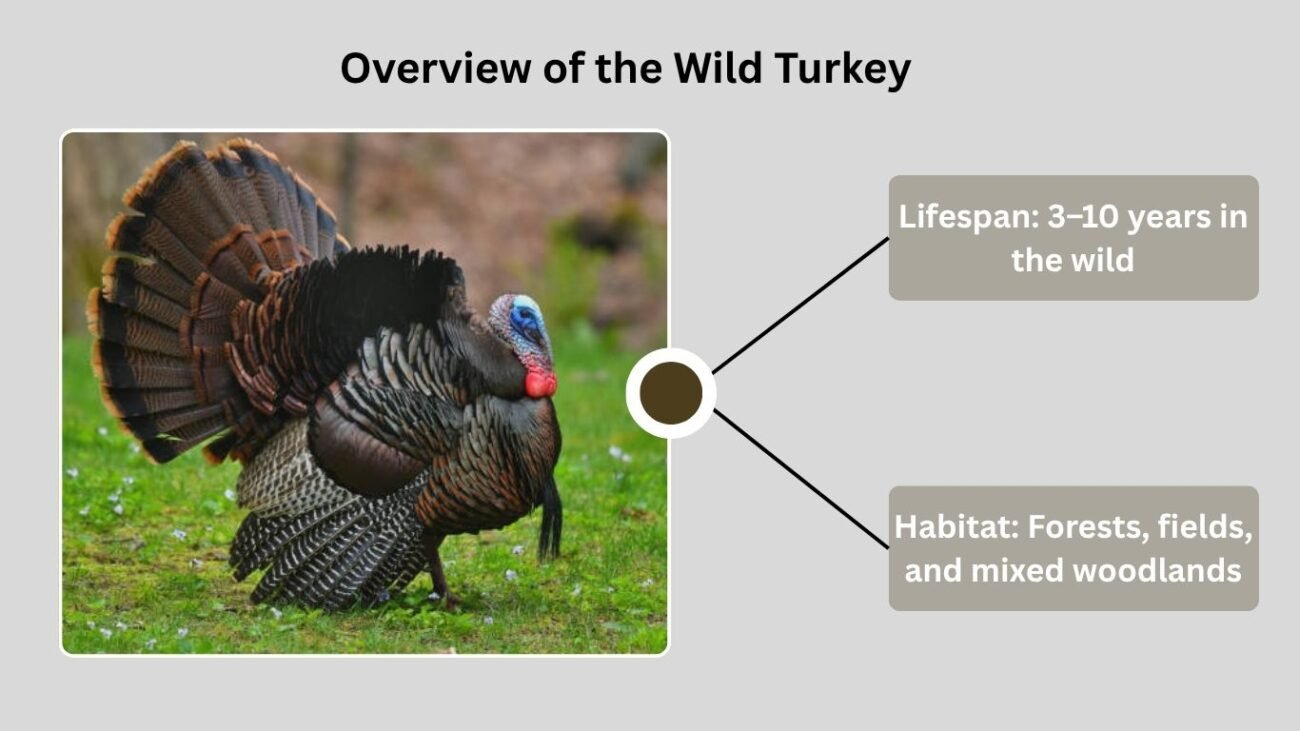
Overview of the Wild Turkey
Quick Facts
- Scientific Name: Meleagris gallopavo
- Family: Phasianidae (same as pheasants and quails)
- Lifespan: 3–10 years in the wild
- Habitat: Forests, fields, and mixed woodlands
- Diet: Omnivorous — seeds, berries, insects, and small reptiles
- Status: Least Concern (stable and expanding population)
General Description
The Wild Turkey is a large, ground-dwelling bird native to North America. It’s known for its iridescent feathers, bare red head, and strong legs adapted for running and scratching the soil. Males, called toms, display elaborate courtship rituals, fanning their tails and puffing out feathers, while females, known as hens, are smaller and more subdued in color. These birds are intelligent, highly social, and capable of flying short distances despite their size.
Physical Characteristics
Size and Appearance
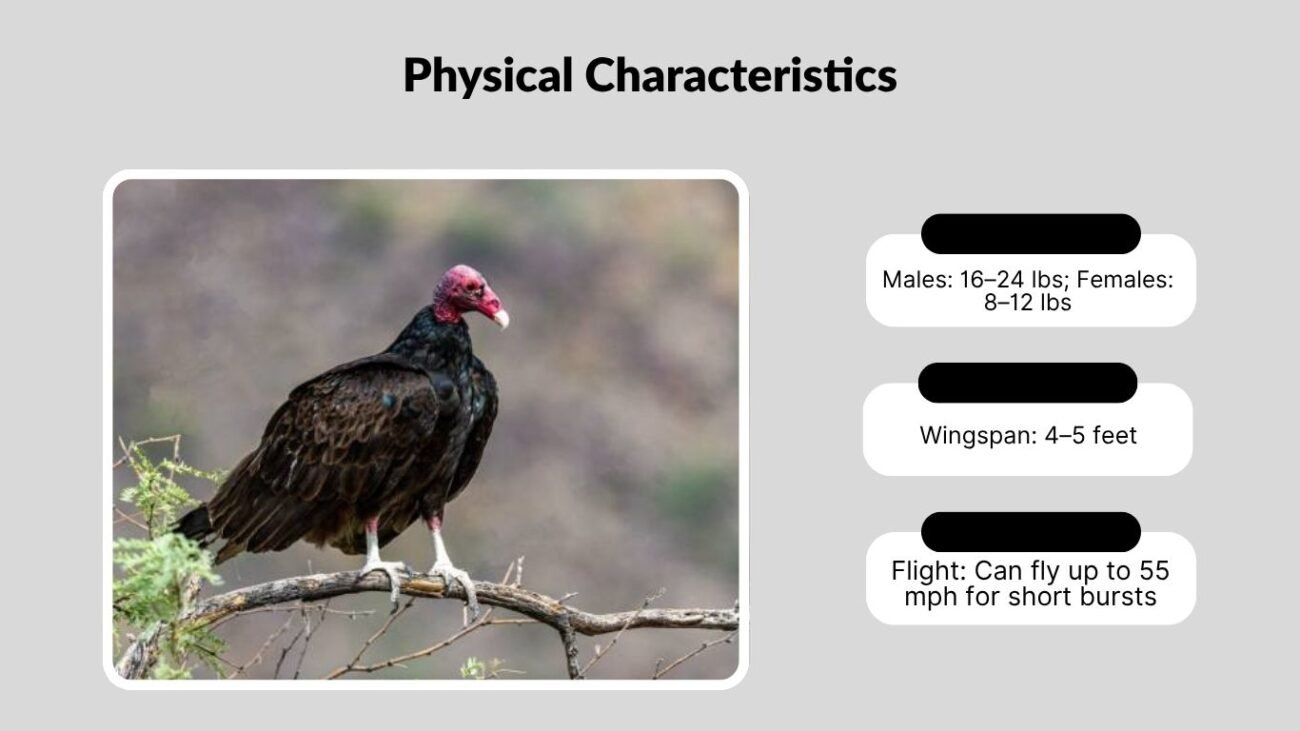
- Males: 16–24 lbs; Females: 8–12 lbs
- Wingspan: 4–5 feet
- Feathers: Bronze, green, and copper hues with iridescent shine
- Head: Red, blue, and white — color changes with emotion or excitement
- Legs: Strong, scaly, and used for scratching food from the ground
- Tail: Fan-shaped and used prominently in mating displays
- Flight: Can fly up to 55 mph for short bursts and roost in trees at night
Similar Birds
Wild turkeys are sometimes mistaken for peafowl or pheasants, but their broader bodies and distinct tail fans make them unique. Juvenile or female turkeys may also resemble grouse or quail, though they are much larger. Their distinctive gobble and behavior make them unmistakable once observed in their natural habitat.
Habitat and Distribution
Native Range
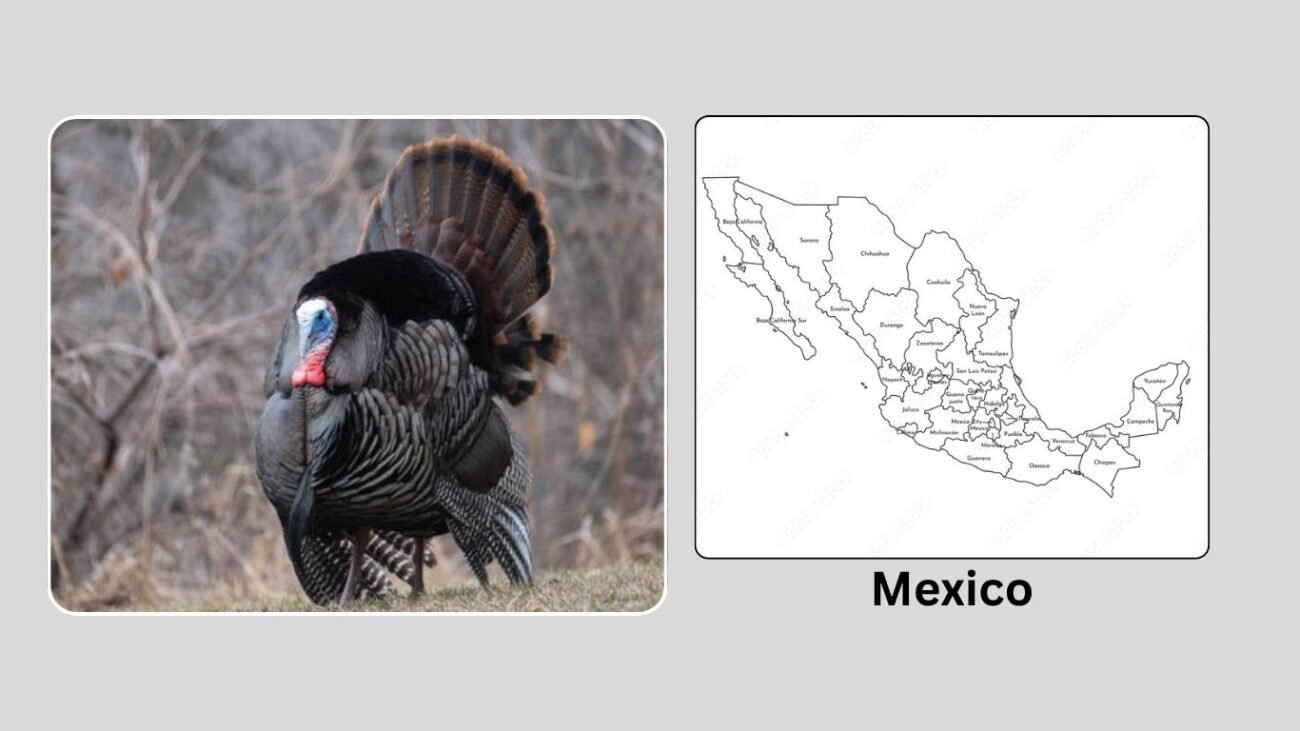
Wild Turkeys are native to North America and were first documented by early explorers in the 1500s. They thrive in diverse landscapes, from the woodlands of the Eastern United States to the open fields and hills of the West. Conservation efforts have restored their numbers in Canada, Mexico, and even Hawaii, where they were introduced successfully.
Preferred Habitats
They prefer mixed forests interspersed with grassy areas where they can forage for food. Tall trees provide safe roosting spots at night, while open spaces allow for feeding and mating displays. They are highly adaptable and often seen near farms, parks, and suburban edges, coexisting comfortably with humans.
Movement and Range
Although Wild Turkeys are not long-distance migrants, they move locally with the seasons to find food and nesting areas. During harsh winters, they group together for warmth and protection, forming flocks of up to 200 birds. Their keen memory helps them remember feeding locations and safe roosting spots year after year.
Diet and Feeding Habits
What Wild Turkeys Eat
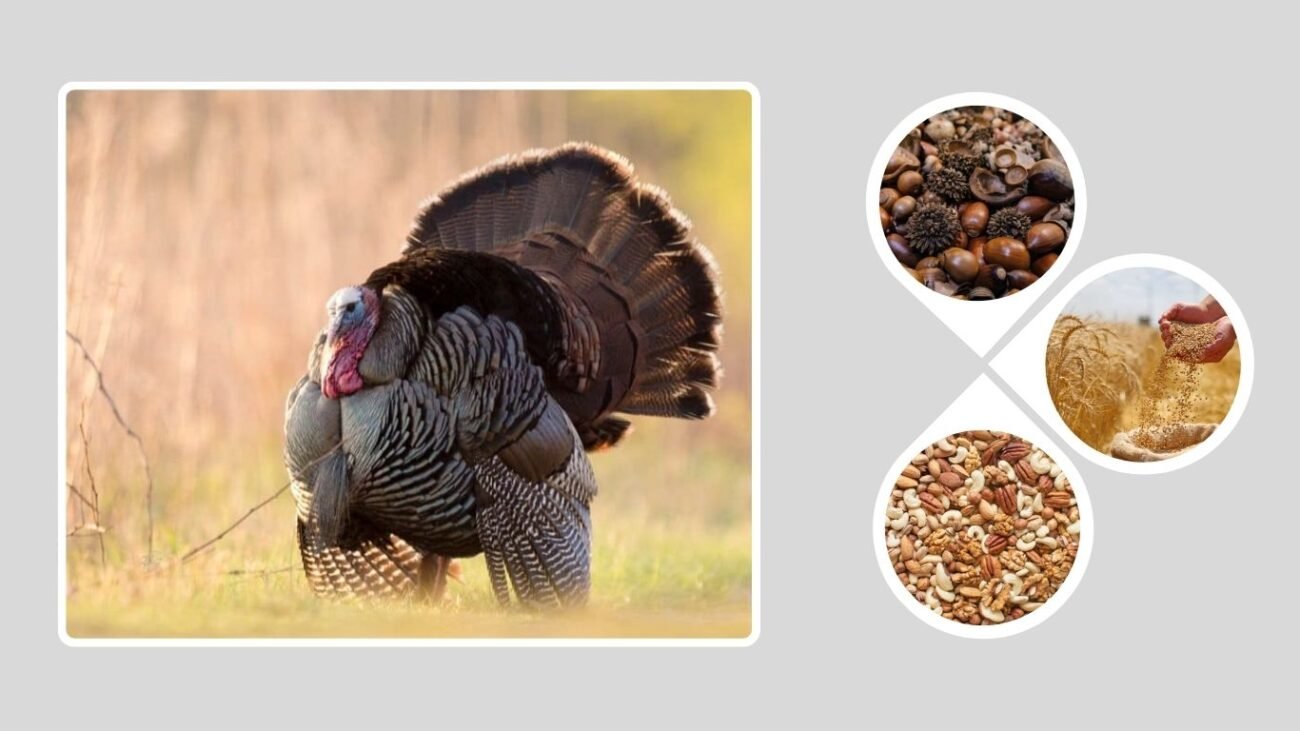
Wild Turkeys have a diverse diet that changes with the seasons. In spring and summer, they feast on insects, grasshoppers, snails, and berries to meet protein needs during breeding. In autumn and winter, they switch to acorns, seeds, nuts, and leftover grains from farm fields. This flexibility allows them to survive in both forests and farmlands.
At Bird Feeders
Wild Turkeys are frequent visitors to rural and suburban feeders. They enjoy cracked corn, sunflower seeds, and mixed grains. However, their size and appetite can intimidate smaller birds, so homeowners often use ground feeders or separate feeding areas. While feeding wild turkeys can be enjoyable, it’s best to do so moderately to prevent dependency on human-provided food.
Behavior and Lifestyle
Social Structure
Wild Turkeys are social and live in flocks that vary by season. In winter, large groups form for safety, while in spring, males compete for dominance through gobbling and strutting displays. Females raise broods alone, teaching young poults to forage within days of hatching. Their hierarchy is well-organized, with dominant males earning the right to mate and lead.
Communication
Turkeys are vocal birds with over 20 recognized sounds, including clucks, yelps, purrs, and the famous gobble. Each sound serves a purpose—locating flock members, warning of danger, or attracting mates. The gobble can carry over a mile in open country, making it one of nature’s most recognizable calls.
Breeding and Nesting
Courtship Rituals
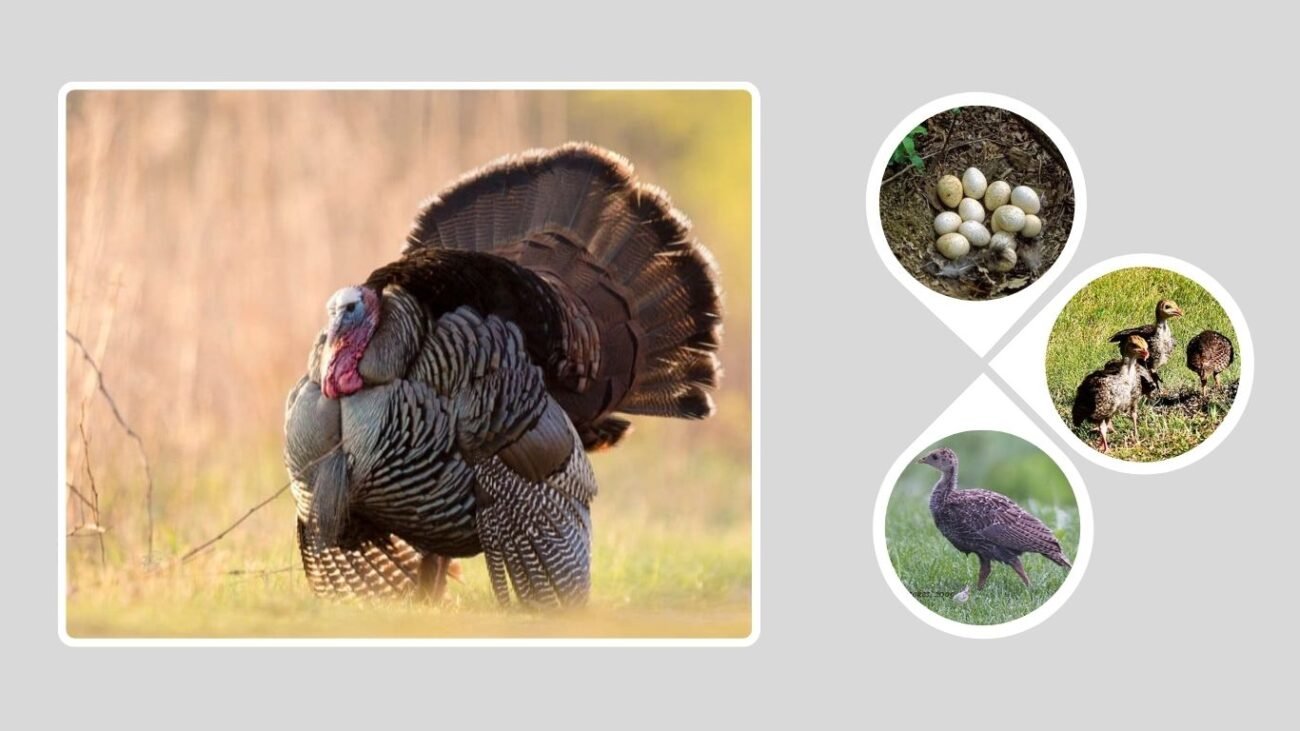
In spring, male turkeys begin elaborate displays to attract females. They spread their tail feathers, puff out their bodies, and drag their wings on the ground while gobbling loudly. This ritual not only impresses females but also establishes dominance among rival males. The vibrant head and neck colors intensify during this period, signaling vitality and strength.
Nesting and Raising Young
Females lay about 10–12 eggs in shallow ground nests concealed by vegetation. After 28 days of incubation, chicks — called poults — hatch covered in soft down. Within 24 hours, they can walk and follow their mother to forage for insects and seeds. By late summer, poults can fly short distances and join larger flocks for safety.
Wild Turkeys and Bird Flu
Susceptibility and Risk
Wild turkeys, like many bird species, can contract avian influenza (bird flu), though infections are relatively rare compared to domestic poultry. Outbreaks occasionally occur in areas with high wild bird density or near poultry farms. Wildlife agencies monitor populations regularly, especially during migration seasons, to prevent large-scale spread. So far, wild turkey populations have remained stable despite isolated reports of infection.
Transmission and Safety
The virus spreads through contact with infected wild birds or contaminated water and soil. Wild turkeys feeding near wetlands are more exposed during outbreaks among ducks or geese. For humans, the risk is extremely low. Hunters and bird watchers are advised to avoid handling sick birds and always wash thoroughly after contact. Proper cooking of turkey meat eliminates any potential risk of transmission.
Cultural and Historical Importance
America’s Symbolic Bird
Wild Turkey holds deep cultural significance in the United States. Benjamin Franklin once proposed it as the national bird, admiring its courage and intelligence over the bald eagle, which he considered a scavenger. Although it never received that official title, the turkey became an enduring national symbol — representing independence, resourcefulness, and gratitude. It also plays a starring role in Thanksgiving traditions, symbolizing abundance and family unity.
A Celebrated Game Bird
Wild Turkeys are one of North America’s most popular game birds. Managed hunting seasons help maintain balanced populations and support conservation funding. States like Alabama, Massachusetts, and South Carolina recognize it as their official state game bird. Ethical wildlife management ensures healthy populations while promoting outdoor recreation and habitat preservation.
Audubon and Artistic Depictions
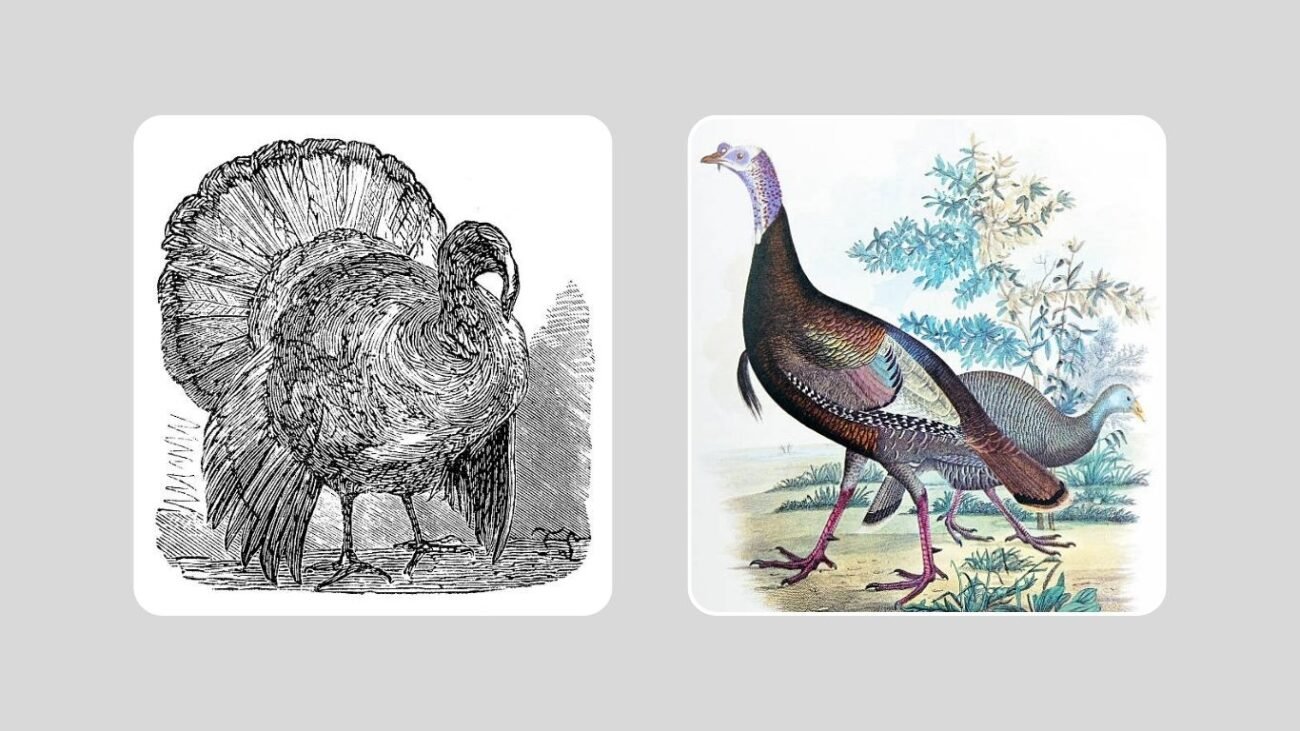
Audubon’s “Birds of America”
The Wild Turkey was the first bird featured in John James Audubon’s legendary Birds of America (Plate 1). Audubon’s depiction of a proud male turkey in full display captured both its beauty and grandeur, symbolizing America’s natural wealth. His art helped shape the public’s appreciation for wildlife and remains one of the most iconic representations of North American birds.
Influence on Art and Culture
Beyond science, the Wild Turkey has appeared in countless artworks, home decor, and even pop culture references such as the “Give ’Em the Bird” designs and stories linking it with famous figures like Larry Bird and Bill Walton. The bird’s image continues to embody pride, wilderness, and American identity.
Fun and Lesser-Known Facts
- Wild Turkeys can fly up to 55 mph and run over 20 mph on the ground.
- They have excellent eyesight — three times sharper than human vision.
- Turkeys sleep in trees, choosing tall branches to avoid predators.
- Their population plummeted to under 30,000 in the early 1900s but now exceeds 6 million.
- The record for the heaviest wild turkey ever caught was over 37 pounds.
- They communicate using 20+ vocalizations, including the famous “gobble,” which can carry over a mile.
FAQs
Are wild turkeys really birds?
Yes. Wild Turkeys belong to the Phasianidae family, making them true birds related to pheasants and quails. They are ground-dwellers but can fly short distances and roost in trees at night for safety.
Can wild turkeys get bird flu?
They can, but infections are uncommon. Wild turkeys are monitored by wildlife agencies, and the risk to humans is extremely low. Cooking turkey meat thoroughly eliminates any danger of transmission.
Why did Benjamin Franklin want the wild turkey as the national bird?
Franklin admired the Wild Turkey’s intelligence, strength, and vigilance, believing it was a more honorable symbol of America than the bald eagle. He described it as “a true original native of America.”
What do wild turkeys eat?
Wild Turkeys are omnivorous. They eat acorns, seeds, berries, insects, and occasionally small reptiles. Their diet shifts with the seasons, and they often forage in groups by scratching the ground for food.
Are wild turkeys endangered or protected?
No. Wild Turkey populations are stable and thriving. They’re protected under regulated hunting laws and conservation programs that ensure sustainable management and healthy habitats.


