











Turkey eggs are one of the most overlooked foods in the poultry world. Most people have never seen a turkey egg in person, let alone tasted one, even though turkeys are widely raised across North America. From their speckled shells to their rich flavor and thick structure, turkey eggs offer unique qualities—but scarcity, farming economics, and consumer habits have kept them out of grocery stores. This guide explores what turkey eggs look like, why they’re uncommon, how often turkeys lay, whether they’re edible, and how they’re hatched or cooked.
What Turkey Eggs Look and Taste Like
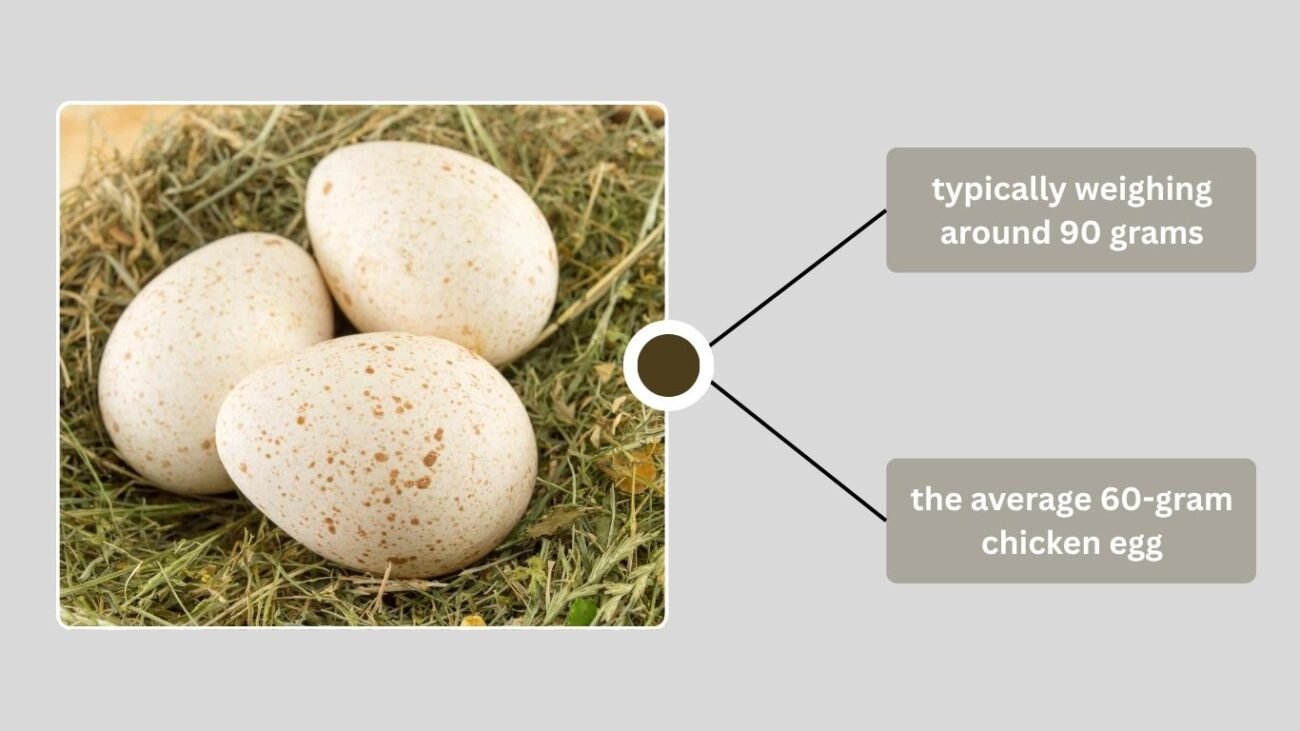
Turkey eggs differ significantly from the everyday chicken eggs most people are familiar with. Their size, shell structure, and rich interior make them particularly interesting for both farmers and curious home cooks.
Appearance – Size, Color, and Shell Texture
Turkey eggs are noticeably larger than chicken eggs, typically weighing around 90 grams compared to the average 60-gram chicken egg. They have a thick, durable shell, often speckled with brown or reddish dots over a cream or tan base. This speckled pattern helps camouflage them in the wild, especially when hens nest on the forest floor or in grassy areas.
The shells are harder and tougher to crack, which is beneficial for incubation because it helps protect the developing embryo. Inside, the membrane is also thicker, contributing to a firmer structure overall.
Taste and Nutrition
Flavor-wise, turkey eggs are richer and creamier than chicken eggs due to a higher fat content. The yolk is slightly larger in proportion to the albumen (egg white), giving the egg a custard-like texture when cooked.
Nutritionally, turkey eggs contain:
- More calories
- Higher protein
- Higher fat
- More vitamins and minerals per egg
Because of this richness, turkey eggs are excellent for baking, scrambling, or making thick, flavorful omelets.
Do Turkeys Lay Eggs? Understanding Turkey Egg Production
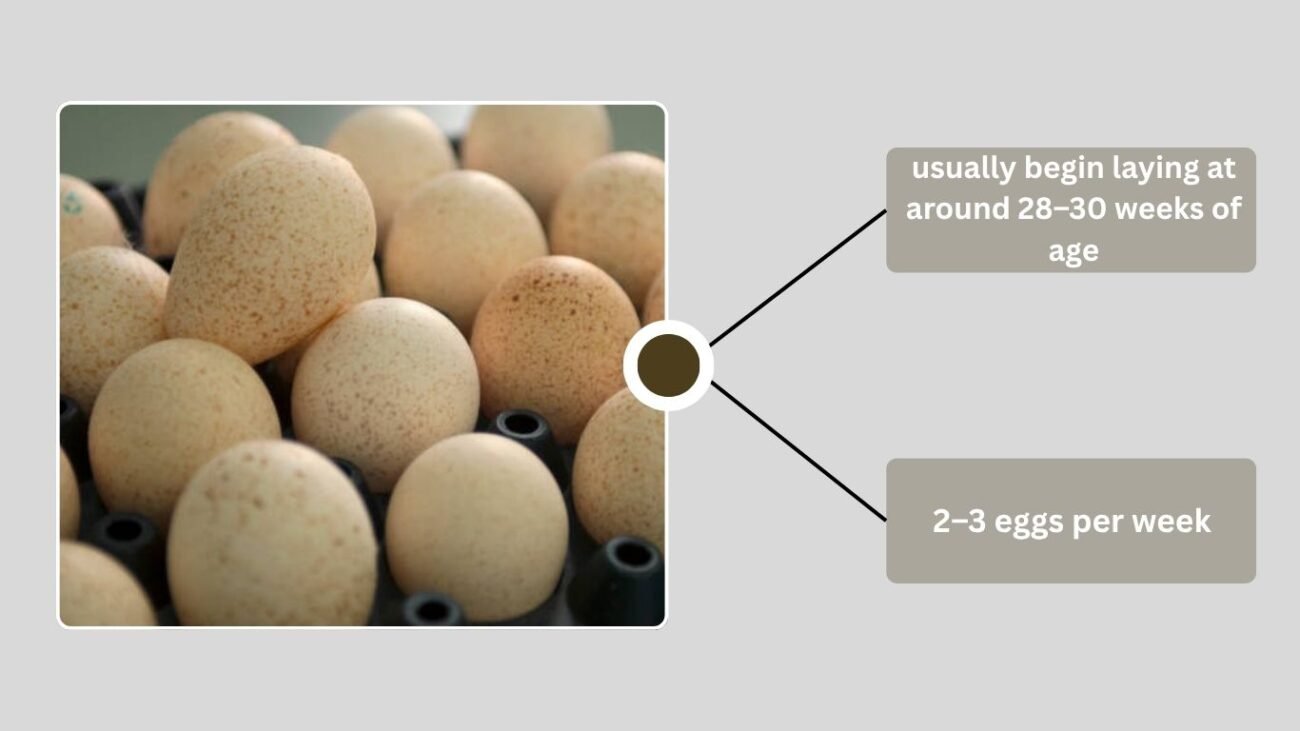
Turkeys do lay eggs—quite successfully—but their laying habits are very different from chickens. Chickens have been selectively bred for high egg production, while turkeys remain seasonal layers with lower yearly output.
When Turkeys Start Laying Eggs
Domestic turkeys usually begin laying at around 28–30 weeks of age. Wild turkeys begin slightly later, typically in early spring when environmental conditions improve.
Unlike chickens, which can lay year-round under artificial light, turkeys are sensitive to daylight hours and primarily lay during the spring breeding season.
How Often Turkeys Lay Eggs
Turkeys are not daily layers. A domestic turkey hen may lay:
- 2–3 eggs per week
- Around 70–100 eggs per year
In contrast, a typical laying chicken can produce 250–300 eggs annually. This huge difference is one of the major reasons turkey eggs are not widely sold for food.
A wild turkey usually produces one clutch per year, containing:
- 10–14 eggs on average
- Laid over a period of about two weeks
The hen incubates the clutch full-time once all eggs are laid.
Where Wild and Domestic Turkeys Lay Their Eggs
Wild turkeys choose concealed ground locations such as:
- Tall grass
- Leaf piles
- Under shrubs
- Woodland edges
The nest is a shallow ground depression lined with leaves or grass.
Domestic turkeys raised on farms or homesteads prefer:
- Quiet corners of barns
- Nesting boxes
- Straw-filled areas
- Shaded, protected spaces
However, even domestic hens sometimes choose hidden spots outdoors, especially heritage breeds that retain natural instincts.
Why Don’t We Commonly Eat Turkey Eggs?
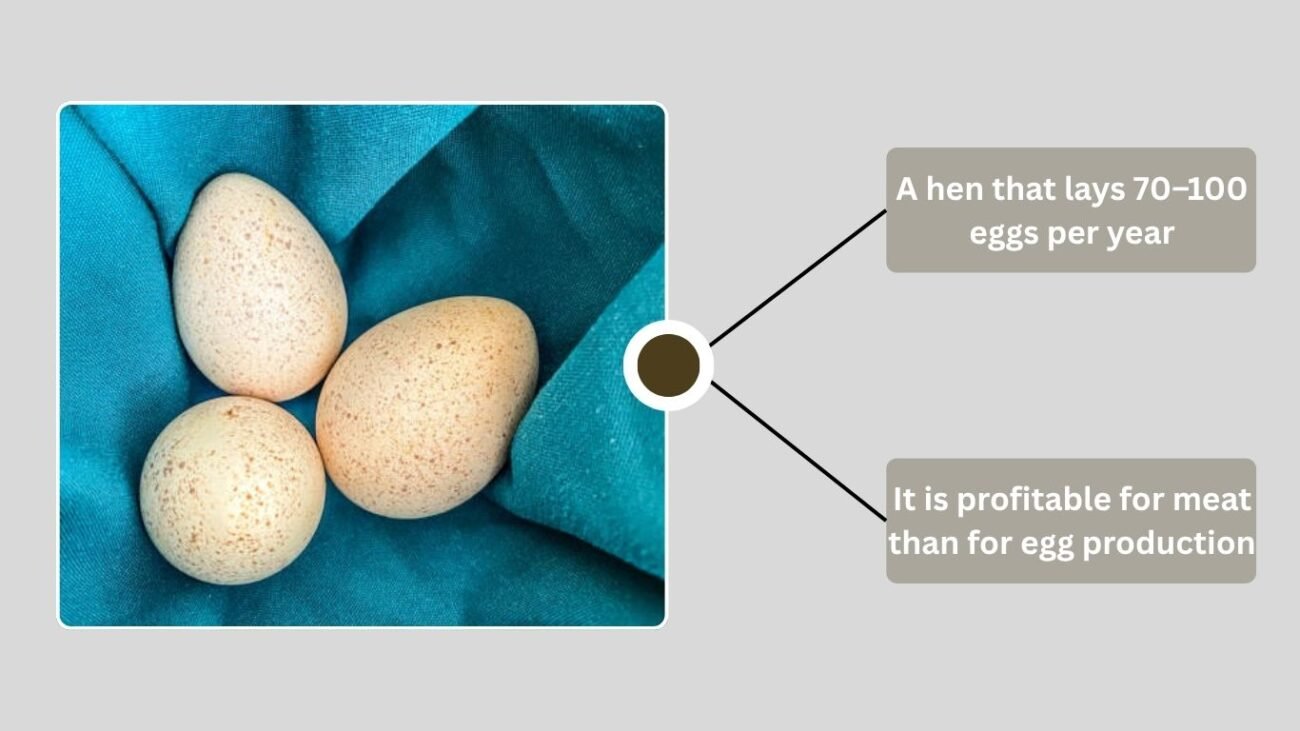
Even though turkey eggs are edible and nutritious, they are extremely rare in grocery stores and restaurants. There are several practical and economic reasons for this scarcity.
Economic Reasons
Turkeys eat more, grow slower, and require larger spaces than chickens. It is far more profitable for farmers to raise turkeys for meat than for egg production. A hen that lays 70–100 eggs per year simply can’t compete with chickens that lay nearly every day.
Additionally, turkey eggs are worth more when sold as hatching eggs for breeding rather than as food.
Practical and Farming Challenges
Turkeys are seasonal layers. They stop producing eggs during fall and winter, even with supplemental lighting. Their broody behaviors are also stronger than those of chickens, meaning hens often want to sit on their eggs rather than continue laying.
Because of this:
- Turkey eggs are limited in number
- They are inconsistent through the year
- Farmers focus on meat production instead
Market and Consumer Demand
People are simply not used to seeing or cooking turkey eggs. For generations, chicken eggs have dominated world markets because they’re cheap, abundant, and easy to produce. As a result, turkey eggs never developed a widespread culinary tradition.
Can You Eat Turkey Eggs? Safety, Flavor & Uses
Turkey eggs are completely safe to eat when properly handled. They taste rich, buttery, and more intense than chicken eggs. Many chefs compare them to duck eggs in richness but with a milder flavor.
How Turkey Eggs Are Cooked
They can be used in any recipe that calls for large eggs:
- Scrambled turkey eggs
- Fried or sunny-side-up
- Boiled (longer cooking time due to size)
- Custards and quiches
- Baking cakes or bread
Because the yolk is larger, baked goods become richer and more golden.
Where to Buy Turkey Eggs (And Why They’re Hard to Find)
Turkey eggs are notoriously difficult to find in traditional supermarkets. Their scarcity is tied directly to the economics of turkey farming and the relatively low number of eggs a turkey hen produces each year. However, it is possible to find them if you know where to look.
Farms and Small Hatcheries
Small family farms, heritage turkey breeders, and homesteaders occasionally sell turkey eggs—either for eating or hatching. These are typically:
- Free-range or pasture-raised
- Seasonal (usually spring–early summer)
- Limited in quantity
Heritage breeds such as Bourbon Reds, Narragansetts, and Royal Palms are more likely to be raised by small farms that sell eggs locally.
Why Grocery Stores Don’t Sell Them
There are three main reasons why turkey eggs never became a mainstream grocery item:
- Low production: A turkey hen lays only 70–100 eggs per year.
- High value as hatching eggs: Fertile turkey eggs sell for significantly more than edible eggs.
- Expensive to produce: Turkeys need more food, space, and care than chickens.
For these reasons, selling turkey eggs for food makes little financial sense for most producers.
Buying Hatching Eggs Online
Many poultry enthusiasts buy turkey eggs online specifically to hatch at home. Common sources include:
- Poultry hatcheries
- Farm listings
- Heritage breed marketplaces
- Local agricultural groups
Prices vary depending on breed rarity, but fertile turkey eggs often cost between $3 and $10 per egg, sometimes more for rare strains.
Hatching and Incubating Turkey Eggs

Incubating turkey eggs is rewarding but more demanding than hatching chicken eggs. Turkeys have a longer incubation period and need very stable environmental conditions.
How Long Turkey Eggs Take to Hatch
Turkey eggs generally take 28 days to hatch—slightly longer than chicken eggs (21 days). Some heritage breeds may hatch in 27–29 days depending on temperature consistency.
Incubation Requirements (Temperature & Humidity)
A reliable incubator is essential. Turkey eggs require:
- Temperature: 99.5°F (forced-air incubator)
- Humidity: 55% for days 1–25, then 65–70% for lockdown
- Turning: 4–6 times per day until day 25
- Lockdown: Days 26–28 with no turning
Turkey embryos are more sensitive to fluctuations, so stable temperature and humidity are crucial.
How to Incubate Turkey Eggs Successfully
- Choose clean, unwashed eggs (washing removes protective bloom).
- Place eggs pointy-end down in the incubator.
- Turn regularly to prevent the embryo from sticking to the shell.
- Candle the eggs at days 7, 14, and 25 to monitor development.
- Increase humidity during the final days before hatch.
Healthy poults should pip (crack the shell) around day 27 and fully emerge by day 28.
Wild Turkey Eggs vs Domestic Hatching
Wild hens instinctively select hidden nests and incubate their eggs without help. Domestic turkeys, however, may:
- Go broody inconsistently
- Break eggs accidentally
- Require more controlled environments
For this reason, many homesteaders rely on incubators or broody chickens to hatch turkey eggs.
Turkey Egg Recipes & Cooking Ideas

Turkey eggs can be cooked just like chicken or duck eggs—only richer, creamier, and more filling due to their size. Because they have a higher fat content, they work especially well in dishes that benefit from richness.
Cooking Turkey Eggs Like Chicken Eggs
Turkey eggs can be prepared in all standard ways:
- Pan-fried
- Soft- or hard-boiled
- Poached
- Scrambled
Boiling takes a few extra minutes because of the thick shell and large size.
Turkey and Egg-Based Dishes
Turkey meat and eggs also pair well, especially in high-protein meals:
- Ground turkey and eggs breakfast scramble
- Turkey sausage and egg bowls
- Turkey egg roll in a bowl (keto-style stir-fry)
- Turkey and egg sandwiches
These dishes appeal to people following low-carb or high-protein diets.
Turkey Egg Sandwich Ideas
Because turkey eggs are rich, they make excellent breakfast sandwiches, pairing well with:
- Cheese
- Avocado
- Spinach
- Smoked turkey bacon
The large yolk gives the sandwich a gourmet feel.
Big Green Egg Turkey Cooking (Grilling & Smoking)
Although not directly related to turkey eggs, many searches combine “turkey” with “Big Green Egg”—a popular ceramic smoker. Since the Big Green Egg is widely used for holiday or backyard turkey cooking, it’s helpful to include these high-intent terms.
Smoking a Whole Turkey on a Big Green Egg
The Big Green Egg creates a moist, smoky turkey with deep flavor. Key steps include:
- Preheat smoker to 225–250°F
- Use wood like hickory, pecan, or apple
- Smoke for 6–10 hours depending on weight
- Keep a water pan inside to maintain moisture
Low and slow smoking gives turkey meat a tender, juicy texture.
Big Green Egg Turkey Breast Methods
Turkey breasts cook faster and benefit from:
- Brining overnight
- Cooking at 300–325°F
- Using indirect heat
- Monitoring internal temperature (165°F)
Smoking turkey breast is ideal for smaller gatherings or weeknight meals.
Green Egg Turkey Recipes & Cheat Sheets
Popular additions include:
- Herb butter under the skin
- Citrus brines
- Dry rubs with paprika, garlic, and brown sugar
- Reverse-sear techniques
Many Big Green Egg users follow cheat sheets that list times and temperatures for consistent results.
FAQs
What do turkey eggs taste like?
Turkey eggs taste richer and creamier than chicken eggs, with a slightly denser texture. They’re excellent for baking because the large yolk adds moisture and a golden color.
Why don’t we eat turkey eggs?
Turkeys lay far fewer eggs than chickens, making them costly and impractical to produce for food. Most turkey eggs are kept for breeding rather than consumption.
Are turkey eggs safe to eat?
Yes. Turkey eggs are completely safe to eat when clean and properly cooked. They are often compared to duck eggs in richness.
How long do turkey eggs take to hatch?
Turkey eggs typically hatch in 28 days, though some may hatch a day earlier or later depending on conditions.
Where can I buy turkey eggs?
Small farms, hatcheries, and online poultry breeders are the best sources. Turkey eggs are extremely rare in grocery stores due to limited supply.
How big is a turkey egg compared to a chicken egg?
Turkey eggs are about 50% larger, thicker-shelled, and more speckled than chicken eggs.


