











Turkeys are incredibly adaptable birds with a diverse diet that can shift based on habitat, season, and availability of food. Whether you’re curious about what wild turkeys forage in forests, what farm-raised turkeys eat on commercial operations, or what baby turkeys need during their earliest days, their feeding habits vary more than most people realize. This guide explains everything from natural foraging behavior to regional food differences—plus the diet of turkey vultures, which are often confused with true turkeys despite their very different food choices.
General Turkey Diet Overview

Turkeys are omnivores, meaning they eat both plant and animal matter. Their natural diet includes a wide variety of foods found on the forest floor, grasslands, and farmlands.
Natural Foods Turkeys Prefer
In the wild, turkeys rely heavily on nutrient-rich plant materials. Some of their favorite foods include:
- Seeds from grasses and weeds
- Acorns, beechnuts, and other nuts
- Wild fruits and berries
- Tender leaves and grass shoots
- Roots and tubers
- Mushrooms and fungi
These foods provide essential carbohydrates, fats, and vitamins, especially important during colder months.
Insects & Protein Sources
Protein is a critical part of a turkey’s diet, especially for young turkeys that require rapid growth. Turkeys naturally hunt for:
- Grasshoppers
- Crickets
- Caterpillars
- Beetles
- Spiders
- Worms
Insects provide amino acids needed for feather development, muscle growth, and immune health.
What Wild Turkeys Eat

Wild turkeys are highly efficient foragers. They use their strong feet to scratch the ground, uncovering hidden food sources in leaf litter or soil. Their diet depends heavily on the local environment and seasonal availability.
Wild Turkey Staple Foods
Across the United States, wild turkeys commonly feed on:
- Acorns (one of their most important foods)
- Seeds from shrubs and grasses
- Wild grapes, blueberries, blackberries
- Grass shoots
- Flowers and buds
- Mushrooms and lichens
They also consume small amphibians and reptiles on rare occasions, though plant materials dominate their diet.
What Wild Turkeys Eat in Yards
In residential areas, wild turkeys are opportunistic and will happily take advantage of easy meals such as:
- Birdseed spilled from feeders
- Fallen apples, pears, or cherries
- Nuts from oak or walnut trees
- Lawn insects like beetles, ants, or grubs
This can make them frequent visitors in suburban neighborhoods, especially in fall and winter.
Seasonal Diet of Wild Turkeys

Seasons dramatically affect what wild turkeys can find. Their ability to shift diets throughout the year is one reason they thrive in so many environments.
Spring Diet
In early spring, food sources begin to regenerate. Turkeys focus on:
- Fresh grass shoots
- Sprouts and tender leaves
- Insects like beetles and grasshoppers
- Early berries when available
High-protein insects become especially important as hens prepare for nesting.
Summer Diet
Summer provides the greatest food variety. Turkeys eat:
- Berries such as raspberries and blackberries
- Grasshoppers, crickets, and other insects
- Seeds from matured grasses
- Young grains from farm fields
This season helps turkeys build energy reserves for fall.
Fall Diet
Fall is the most abundant feeding period as food sources peak.
Turkeys feast on:
- Acorns
- Beechnuts and hazelnuts
- Seeds from dried grasses
- Corn and soybean leftovers
They bulk up for the harsh winter ahead, often feeding in flocks near forest edges and croplands.
Winter Diet
Winter is the most challenging season for wild turkeys. Snow cover limits food availability, so they rely on hardy foods such as:
- Acorns and nuts cached beneath snow
- Seeds they scratch from frozen ground
- Ferns, mosses, and buds from trees
- Shrub berries that persist into winter
Their ability to withstand long periods of limited food is key to winter survival.
Regional Diet Differences in Wild Turkeys

Where turkeys live influences their diet just as much as the season.
Northern U.S. (Michigan, Minnesota, Wisconsin, Maine)
Northern turkeys rely heavily on acorns, winter buds, and ground foraging. Long winters force them to consume hardy foods like ferns and mosses when snow covers the ground.
Western U.S. (California, Colorado)
Turkeys in the West eat more grasses, berries, and fruit from shrubs typical to chaparral and mountain habitats. They also rely on scrub vegetation and drought-resistant plants.
Southern U.S. (Florida, Texas and beyond)
Because winters are mild, southern turkeys enjoy insects year-round. They also consume:
- Palmetto berries
- Small reptiles
- Soft grasses
- Tropical fruits
Southern regions offer the greatest year-round food variety.
What Baby Turkeys (Poults) Eat
Young turkeys, known as poults, have very different dietary needs from adults. Their bodies grow quickly, and they require high-protein nutrition for the development of feathers, muscles, and immune strength.
Wild Poult Diet
In the wild, poults cannot digest tough plant matter for the first few weeks of life. Instead, they depend almost entirely on insects such as:
- Grasshoppers
- Small beetles
- Ants
- Moths
- Caterpillars
These soft-bodied insects provide essential proteins and fats that help young turkeys grow. As they mature, poults gradually shift toward seeds, shoots, berries, and other plant-based foods.
Domestic Poult Diet
Domesticated poults are typically fed a high-protein commercial starter feed, often containing 26–28% protein. This formulated blend ensures proper growth and reduces mortality. After four to six weeks, poults transition to a lower-protein grower feed and begin exploring greens and small grains.
What Domestic, Farm & Pet Turkeys Eat

Domestic and farm-raised turkeys eat differently from wild turkeys because their diets are controlled for growth, health, and production.
Farm-Raised Turkey Diet
Commercial farms feed turkeys a balanced ration that typically includes:
- Corn
- Soybean meal
- Wheat
- Vitamins and minerals
- Amino acid supplements
These diets promote fast, efficient growth, especially for broad-breasted breeds raised for meat.
Free-Range & Organic Turkey Diet
Turkeys labeled organic or free-range have access to outdoor environments where they can forage naturally. Their diet may include:
- Grasses and clover
- Insects and worms
- Organic grains
- Wild seeds and nuts
These turkeys develop stronger muscles and more natural foraging behaviors.
Pet or Backyard Turkey Diet
Backyard turkey keepers typically feed turkeys:
- Mixed grains
- Cracked corn (in moderation)
- Leafy greens
- Fruits such as apples or berries
- Safe kitchen scraps
They still require a balanced feed for vitamins and protein to stay healthy.
Breed-Specific Feeding Needs
Some turkey breeds have unique dietary requirements due to body structure, growth rate, and natural habitat.
Broad-Breasted White Turkeys
The most common commercial meat breed, Broad-Breasted Whites, grow rapidly and require calorie-rich, high-protein diets. Because of their large size, they forage less than heritage breeds and rely primarily on formulated feed.
Wild Subspecies (Eastern, Rio Grande, Merriam’s)
These wild subspecies adapt their diet to the surrounding habitat:
- Eastern turkeys eat hardwood forest foods like acorns and beechnuts.
- Rio Grande turkeys forage in brushy, arid regions, eating more insects and scrub plants.
- Merriam’s turkeys rely on pine seeds, mountain berries, and high-elevation vegetation.
What Turkey Vultures (Buzzards) Eat
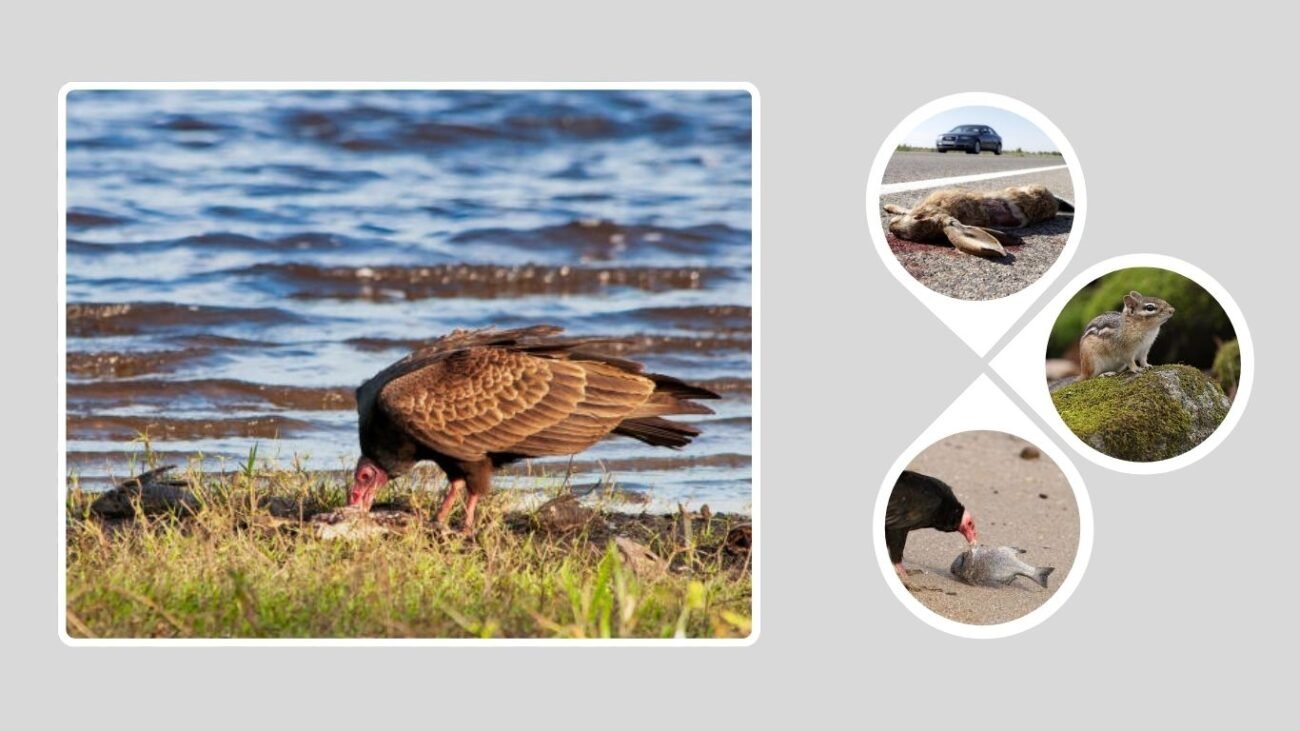
Turkey vultures are often mistaken for turkeys, but their diet is entirely different.
Turkey Vulture Diet
Turkey vultures are strict scavengers. Their diet consists almost entirely of:
- Carrion
- Roadkill
- Decomposing mammals
- Dead fish
- Occasionally small dead birds or reptiles
Their highly acidic stomachs allow them to eat rotting flesh without getting sick.
Ecological Importance
This species plays a vital role in nature. By consuming carcasses, turkey vultures:
- Prevent the spread of disease
- Clean up dead wildlife
- Support ecosystem health
They are essential to maintaining environmental balance.
Fun & Miscellaneous Turkey Diet Questions
What Do Turkeys Eat on Thanksgiving?
Turkeys don’t naturally eat the foods served at Thanksgiving dinners. In the wild, they continue eating seasonal foods like acorns and seeds. Domesticated turkeys may receive grain mixes, but they do not eat human-style holiday meals.
What Do Turkeys Eat for “Dessert”?
While turkeys don’t eat dessert in the human sense, they enjoy sweet foods found in nature, including:
- Blueberries
- Grapes
- Raspberries
- Apples
These provide natural sugars and vitamins.
What Do Turkeys Eat in Minecraft or RimWorld?
- Minecraft: Turkeys (when included in mods) usually eat seeds.
- RimWorld: Turkeys eat vegetables, seeds, plants, and kibble.
These differ from real-life diets but reflect the omnivorous nature of turkeys.
Turkey Cuisine (What People Eat in Turkey – The Country)
Because of the confusing phrasing of search queries (“what do turkey eat”), it’s important to clarify the difference between turkeys, the animal and the food habits of people living in Turkey.
Typical Turkish Meals
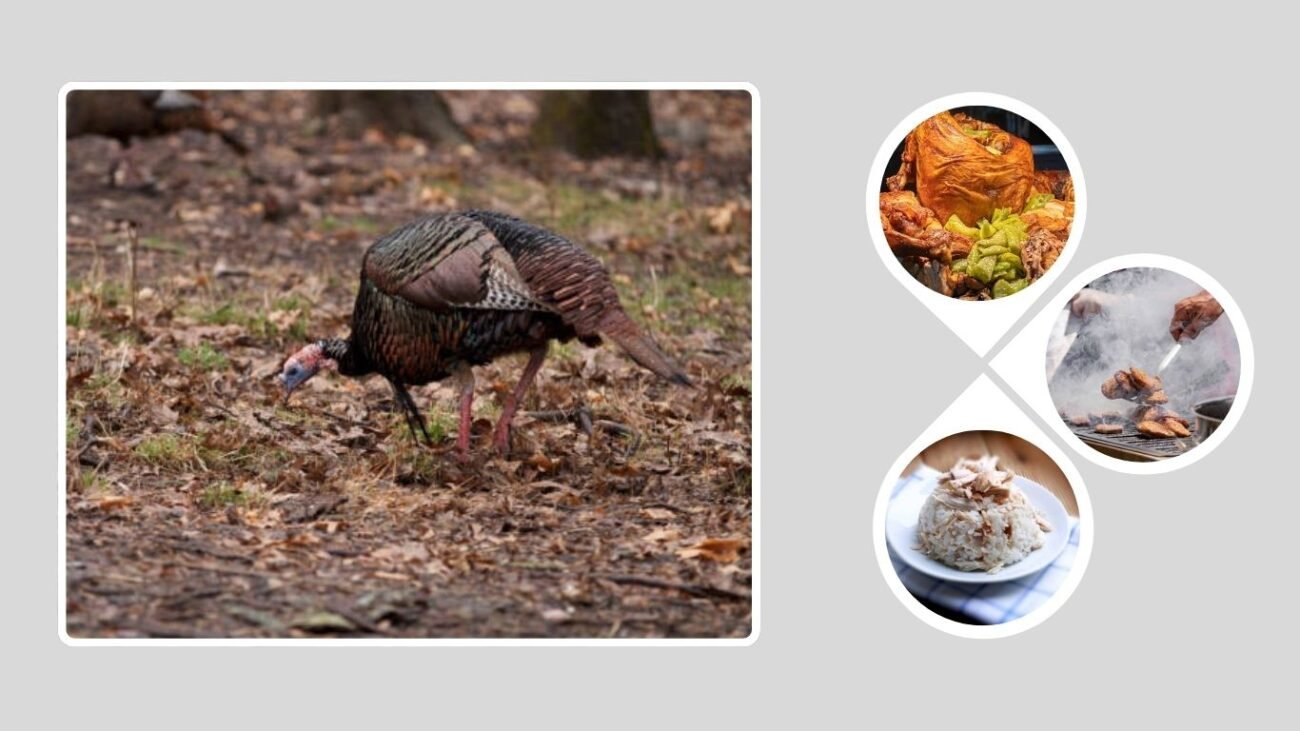
Turkish cuisine is rich and diverse. Popular dishes include:
- Kebabs
- Kofta (meatballs)
- Pilav (rice dishes)
- Grilled lamb
- Stuffed vegetables
Traditional Turkish Breakfast
A classic Turkish breakfast often includes:
- Bread
- Olives
- Cheeses
- Tomatoes
- Cucumbers
- Eggs
- Jams and honey
This meal is known for its balance and freshness.
Turkish Food Culture
Turkish cuisine blends Mediterranean, Middle Eastern, and Central Asian influences. Meals are typically hearty, aromatic, and built around fresh ingredients.
Safety Section: What to Do If a Dog Eats Turkey Bones
Why Turkey Bones Are Dangerous
Cooked turkey bones can splinter easily and may cause:
- Choking
- Internal bleeding
- Blocked intestines
- Perforations in the stomach or bowels
What To Do Immediately
If your dog consumes turkey bones:
- Stay calm and do not induce vomiting.
- Call your veterinarian immediately.
- Watch for signs like vomiting, drooling, abdominal pain, or lethargy.
- Provide your vet with as much information as possible.
Prompt care can prevent complications.
FAQs
What do turkeys like to eat the most?
Turkeys love acorns, nuts, berries, seeds, and insects. In fall, acorns are often their top food choice due to their high fat and energy content. Insects are the favorite food of young poults.
Do turkeys eat meat or insects?
Yes. Turkeys are omnivores and will eat insects, small reptiles, and occasionally small amphibians. Insects are especially important for young poults because they provide essential protein.
What’s the difference between wild and domestic turkey diets?
Wild turkeys forage naturally for seeds, nuts, fruits, and insects. Domestic turkeys rely heavily on commercial feed containing corn, soy, and supplements designed for rapid growth and balanced nutrition.
What gender of turkey do we eat?
Both males and females are eaten, but most commercial turkeys are males because they grow larger. Broad-Breasted Whites are the primary breed used for meat.
Are turkeys herbivores or omnivores?
Turkeys are omnivores. They primarily eat plants but also consume insects and small animals when available.


