











Dumbo rats are one of the most popular varieties of fancy rats, loved for their adorable appearance and gentle personality. Named for their large, low-set ears that resemble the cartoon character Dumbo, these rats are domesticated, friendly, and highly intelligent. Dumbo rats are not a separate species but a special ear mutation of the fancy rat, bred specifically for companionship. Understanding their size, colors, behavior, and basic needs is essential before choosing them as pets.
What Is a Dumbo Rat?
A dumbo rat is a domesticated fancy rat with a unique genetic trait that causes its ears to sit lower on the sides of the head rather than on top. This mutation gives the rat a rounder head shape and a softer, more expressive appearance.
Dumbo rats originated through selective breeding and are now widely kept as pets around the world. Aside from their ears, dumbo rats are biologically the same as standard fancy rats and share similar care requirements.
They are bred for temperament, not survival instincts, making them calmer and more trusting than wild rats. This makes dumbo rats especially appealing to pet owners looking for a social and interactive small animal.
Dumbo Rat Identification and Physical Traits
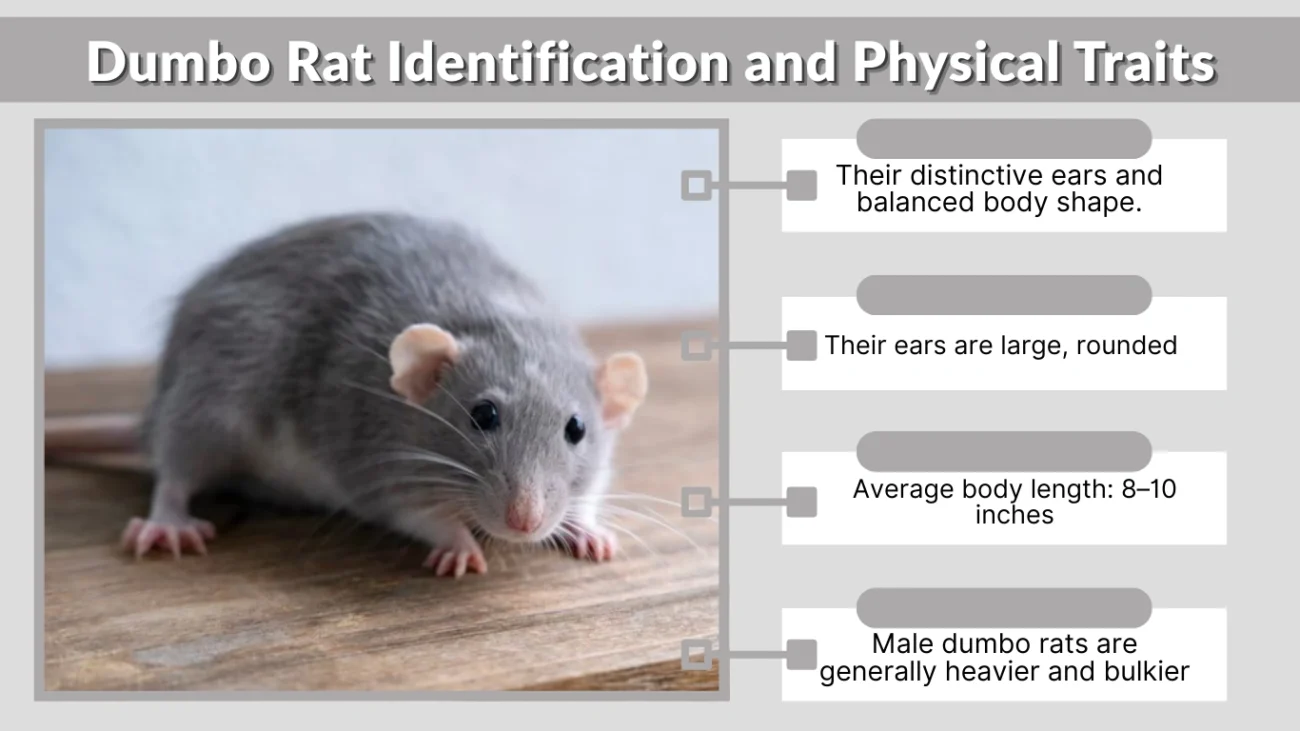
Dumbo rats are easy to recognize due to their distinctive ears and balanced body shape. Their ears are large, rounded, and positioned low on the sides of the head, giving them a wider, flatter facial appearance.
Other physical traits include a long, hairless tail used for balance and temperature control, sensitive whiskers for navigation, and strong incisors that grow continuously. Their bodies are sturdy yet flexible, allowing them to climb, jump, and explore with ease.
Coat texture can vary widely depending on genetics. Dumbo rats may have smooth, curly, satin, or even hairless coats, adding to their visual diversity.
Dumbo Rat Size and Weight
Dumbo rats are medium-sized rodents, similar in size to standard fancy rats, though some appear slightly larger due to their ear placement.
- Average body length: 8–10 inches
- Tail length: 6–8 inches
- Adult weight:
- Males: 450–650 grams
- Females: 250–450 grams
- Males: 450–650 grams
Male dumbo rats are generally heavier and bulkier, with broader heads and thicker necks. Females tend to be slimmer, more agile, and often more energetic. Dumbo rats grow quickly and usually reach full size by six months of age.
Dumbo Rat Colors and Markings
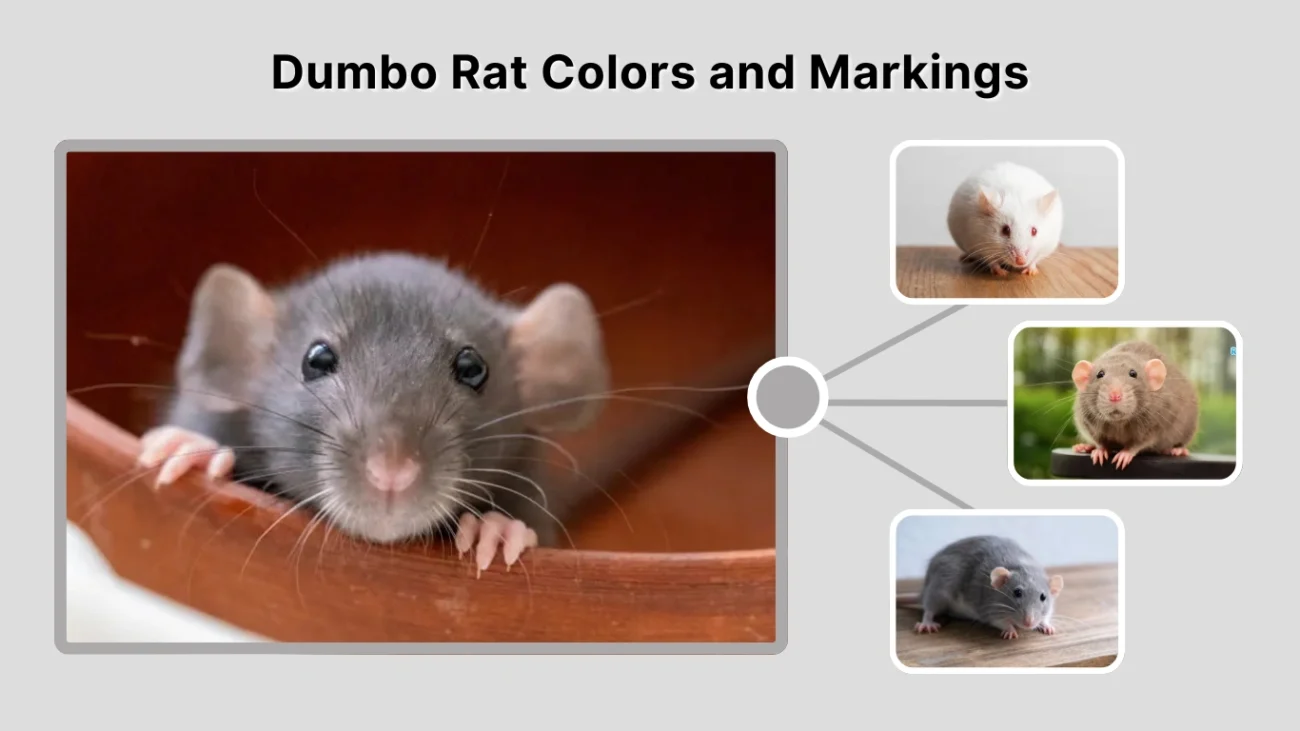
Dumbo rats come in a wide range of colors and patterns, making them highly desirable among pet enthusiasts and breeders.
Common Dumbo Rat Colors
- White
- Black
- Brown (agouti)
- Blue or gray
- Beige and champagne
Popular Dumbo Rat Patterns
- Hooded (colored head and shoulders)
- Capped (color limited to the head)
- Masked (color around the eyes)
- Blaze (white stripe on the face)
Eye color can vary as well, including black, ruby, and pink. Coat color and pattern do not affect health or personality but often influence appearance preference and cost.
Dumbo Rat Lifespan
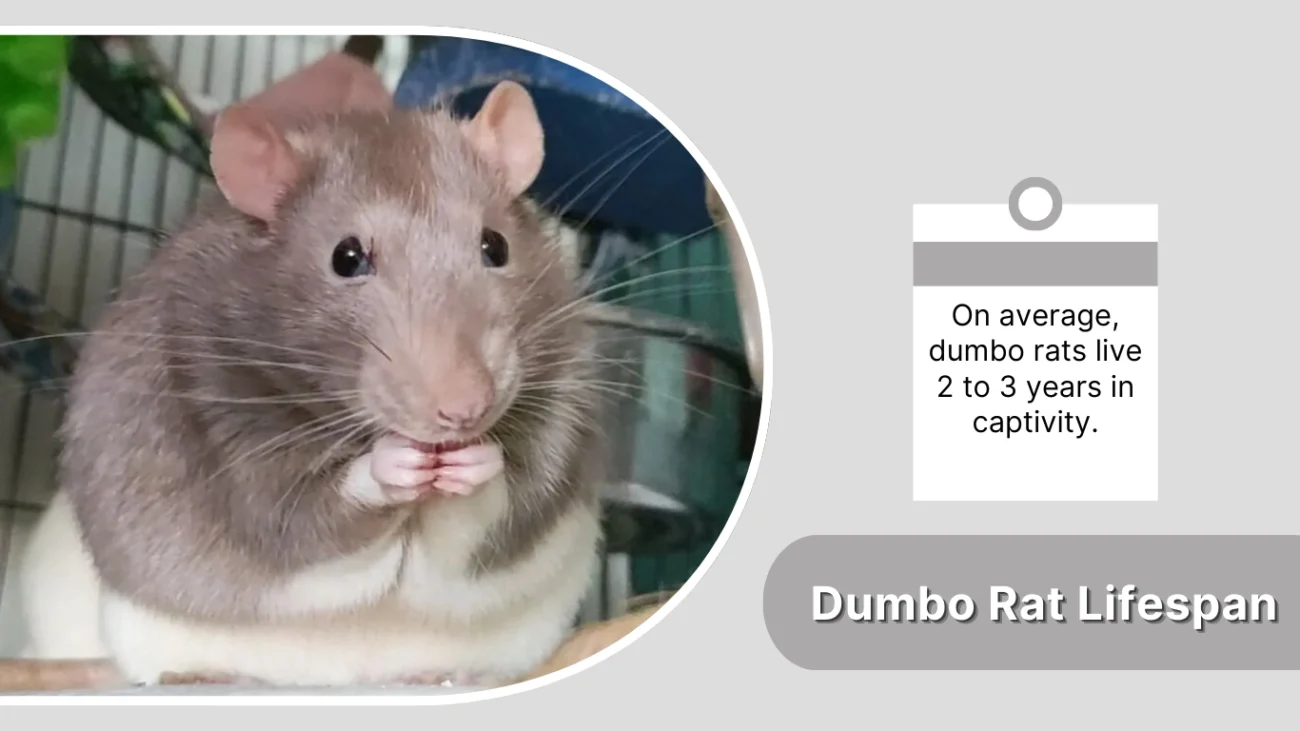
Dumbo rats have a relatively short lifespan compared to many pets, which is important for potential owners to understand.
On average, dumbo rats live 2 to 3 years in captivity. With excellent care, some individuals may live slightly longer, though this is uncommon.
Lifespan is influenced by genetics, diet, housing conditions, and access to veterinary care. As dumbo rats age, they may become less active, sleep more frequently, and show reduced muscle tone, all of which are normal signs of aging.
Dumbo Rat Personality and Behavior
Dumbo rats are widely known for their gentle, affectionate temperament and strong social nature. They tend to be calmer than many other small pets and are usually comfortable with regular handling.
These rats are highly intelligent and capable of learning routines, recognizing their owners, and responding to training. Many enjoy interactive play, puzzle toys, and exploring safe environments outside their cages.
Dumbo rats are naturally curious and playful, especially during the evening and nighttime hours. Despite being energetic, they are rarely aggressive when properly socialized.
Because of their emotional sensitivity, dumbo rats thrive on companionship and can become stressed if isolated or ignored.
Dumbo Rat Diet and Nutrition

A proper diet is essential for maintaining a dumbo rat’s health, energy levels, and overall lifespan.
Staple Diet
The core of a dumbo rat’s diet should include:
- High-quality commercial rat pellets or lab blocks
- Balanced levels of protein, fat, and fiber
Pelleted diets prevent selective eating and ensure consistent nutrition.
Fresh Foods
In moderation, dumbo rats can safely eat:
- Leafy greens
- Carrots, peas, and squash
- Apples, bananas, and berries
- Cooked rice or pasta
Fresh foods should always be washed and introduced gradually to avoid digestive upset.
Dumbo Rat Habitat and Cage Setup
Providing a proper habitat is one of the most important aspects of dumbo rat care. These rats are active climbers and explorers, so their enclosure must allow both horizontal movement and vertical climbing. A cramped cage can quickly lead to stress, boredom, and health problems.
Wire cages with solid bases are the best option because they offer proper airflow while keeping bedding contained. Glass tanks should be avoided, as they trap humidity and increase the risk of respiratory infections. The cage should be placed in a quiet area away from direct sunlight, drafts, and sudden temperature changes.
Dumbo rats are social animals and should be housed in pairs or small groups. A larger cage not only accommodates multiple rats but also allows space for enrichment items such as hammocks, tunnels, and climbing platforms.
Regular cage maintenance helps control odor and reduces exposure to bacteria. Spot cleaning should be done daily, while a full cage cleaning is recommended once or twice a week.
Bedding and Nesting Materials
- Paper-based bedding
- Kiln-dried aspen shavings
- Shredded paper or tissue for nesting
Avoid cedar and pine bedding, as their oils can irritate the respiratory system.
Dumbo Rat Care as a Pet
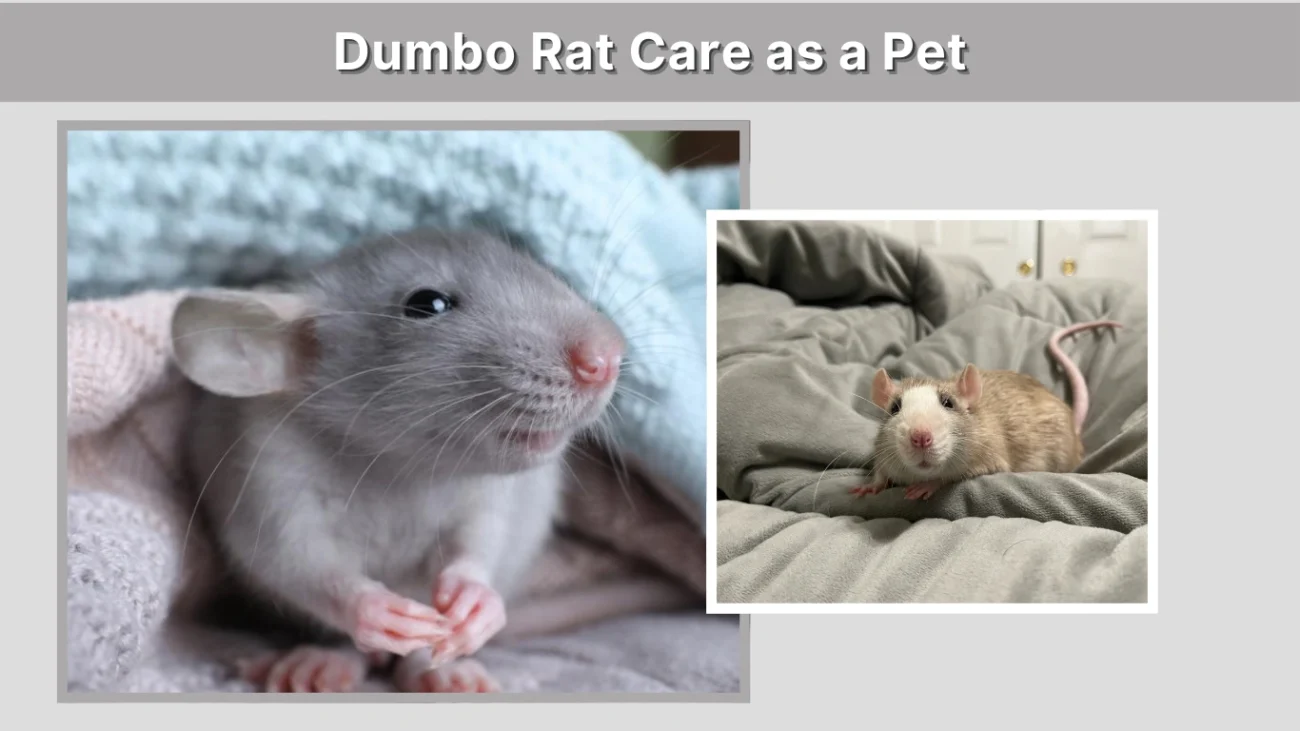
Daily care is essential for keeping dumbo rats healthy, happy, and well-socialized. These rats thrive on routine and quickly become accustomed to regular feeding and interaction schedules.
Owners should provide fresh food and water every day and remove uneaten fresh foods to prevent spoilage. Handling and playtime are just as important as feeding, as dumbo rats form strong bonds with their owners.
Weekly care focuses on hygiene and health monitoring. Cleaning the cage, washing accessories, and checking for signs of illness help prevent long-term problems.
With consistent care, dumbo rats remain affectionate and active throughout most of their lives.
Daily Care Tasks
- Refill fresh water
- Provide balanced meals
- Social interaction and supervised play
Weekly Care Tasks
- Replace bedding
- Clean cage accessories
- Inspect ears, eyes, teeth, and nails
Grooming and Hygiene
Dumbo rats are naturally clean animals and spend a significant amount of time grooming themselves. In most cases, they require minimal grooming assistance from their owners.
Nail trimming may occasionally be necessary, especially for older rats or those that spend less time climbing. Providing rough surfaces, lava ledges, or climbing toys can help naturally wear down nails.
Bathing should be avoided unless absolutely necessary. If a bath is required, use lukewarm water and a mild, unscented pet-safe shampoo. Frequent bathing can dry out the skin and cause stress.
Maintaining a clean environment is the best way to support hygiene without excessive handling.
Common Health Issues in Dumbo Rats
Like all fancy rats, dumbo rats are prone to certain health conditions, especially as they age. Respiratory infections are among the most common issues and are often caused by poor ventilation, dusty bedding, or stress.
Tumors, particularly mammary tumors in females, are another frequent concern. While some tumors are benign, veterinary evaluation is essential for diagnosis and treatment options.
Other health issues may include dental overgrowth, obesity, and external parasites. Regular observation helps owners notice subtle changes early.
Warning signs of illness include sneezing, labored breathing, lethargy, weight loss, and changes in appetite. Any persistent symptoms should be evaluated by a veterinarian experienced with small animals.
Dumbo Rat Social Needs
Dumbo rats are highly social and should never be kept alone unless medically necessary. Living with other rats allows them to engage in natural behaviors such as grooming, playing, and sleeping together.
Human interaction is important but cannot replace rat companionship. A lone dumbo rat may become lonely, anxious, or depressed despite daily handling.
Introducing new dumbo rats should be done gradually in neutral territory to prevent territorial behavior. Most dumbo rats adapt well when introductions are managed patiently.
Social enrichment significantly improves quality of life and emotional well-being.
Pros and Cons of Dumbo Rats as Pets
Pros
- Gentle and affectionate temperament
- Highly intelligent and interactive
- Adorable appearance with distinctive ears
- Suitable for small living spaces
Cons
- Short lifespan
- Prone to certain health issues
- Require daily interaction and care
- Specialized veterinary care may be needed
Are Dumbo Rats Good Pets for Beginners?
Dumbo rats are an excellent choice for beginners who are willing to commit time and attention. Their calm demeanor and social nature make them easier to handle than many other small animals.
However, beginners must be prepared for their emotional sensitivity and short lifespan. Consistent care, cleanliness, and interaction are essential for success.
For individuals or families seeking an engaging and affectionate small pet, dumbo rats can be a rewarding option when properly cared for.


