










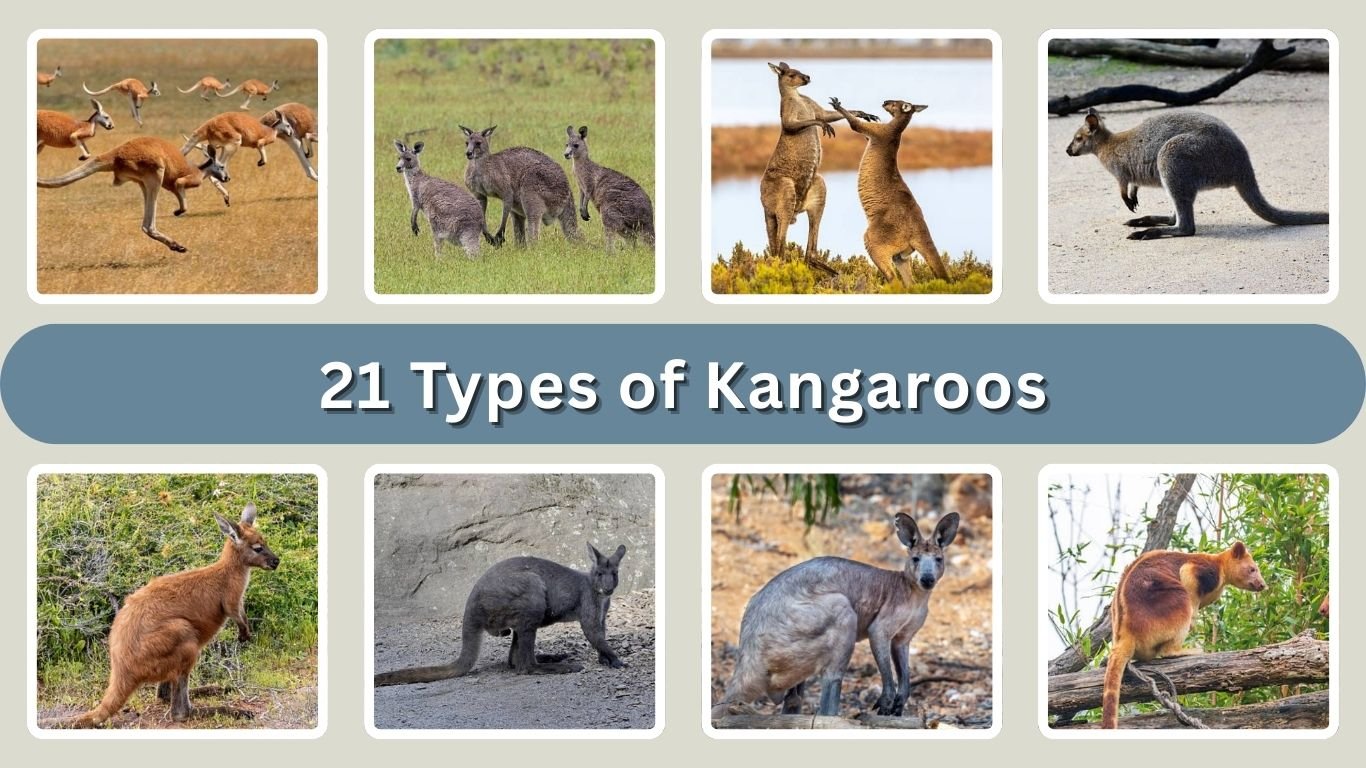
Kangaroos are among the most iconic animals of Australia and nearby regions, known for their powerful hind legs, long balancing tails, and unique pouch-based reproduction. From the giant red kangaroo of the open deserts to rare tree-kangaroos living high in rainforest canopies, kangaroos show incredible diversity in size, habitat, and behavior. This guide explores 21 common types of kangaroos, highlighting both ground-dwelling species and their remarkable tree-living relatives.
1. Red Kangaroo (Osphranter rufus)
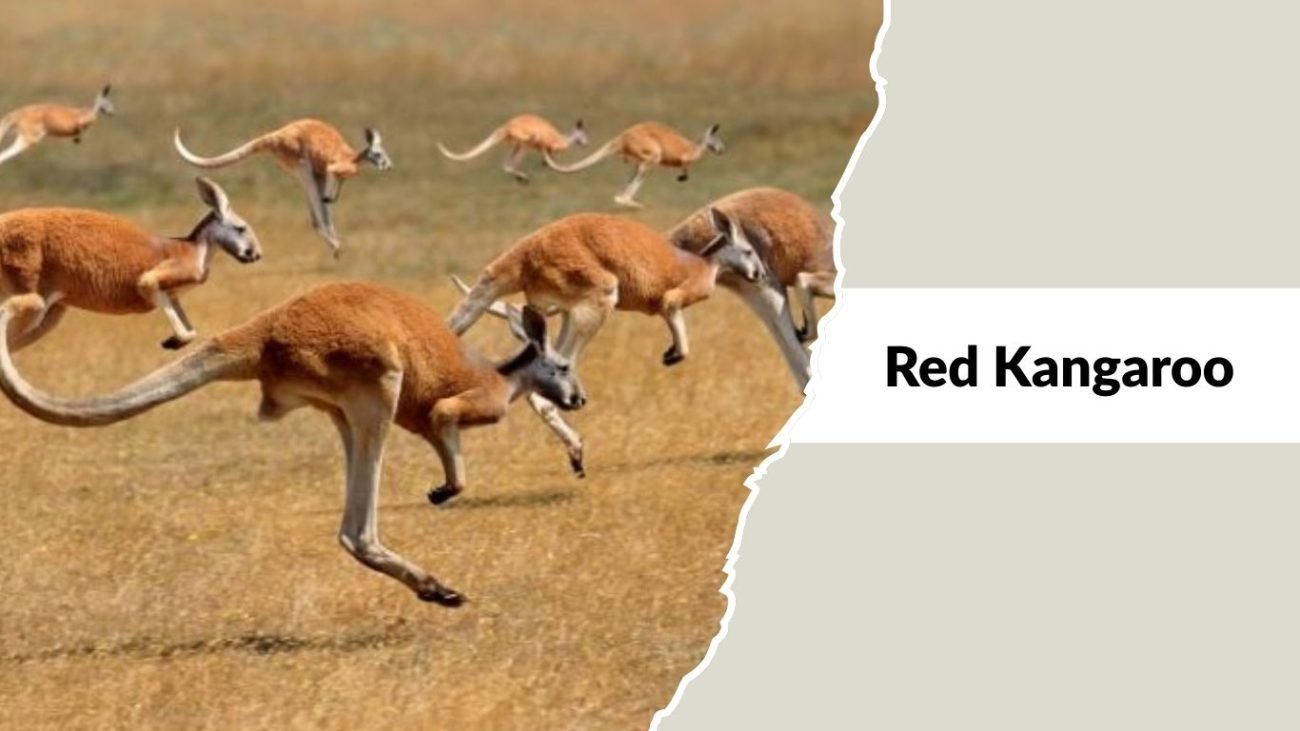
The red kangaroo is the largest living marsupial and the biggest native land mammal of Australia. Famous for its powerful hind legs and long muscular tail, this kangaroo is built for life in open, dry landscapes. Males are typically reddish-brown, while females are more bluish-grey. Red kangaroos are highly adapted to harsh environments and can survive with very little water by conserving moisture and regulating body temperature efficiently.
Identification
- Largest kangaroo species; adult males can exceed 2 meters in length
- Reddish-brown fur in males, greyish-blue to light brown in females
- Long, thick tail used for balance and powerful movement
- Large hind legs with strong feet for high-speed hopping
- Narrow chest, small forearms, and elongated face
Habitat
Red kangaroos are mainly found across Australia’s arid and semi-arid interior, including deserts, grasslands, shrublands, and open plains. They prefer wide, open areas where visibility is good and grasses are available. These kangaroos often avoid dense forests and coastal regions, instead occupying hot, dry zones where few large mammals can survive.
They are well adapted to extreme heat and can rest in shaded areas during the hottest part of the day. At night and early morning, they become more active, traveling long distances to find food and water sources.
Diet
The red kangaroo is a herbivore that feeds primarily on grasses, but it also eats leaves, herbs, and low shrubs. Its teeth are specially adapted for grazing and regrow in a conveyor-belt style as they wear down. This allows the kangaroo to continue feeding on tough, dry vegetation throughout its life.
Red kangaroos can survive long periods without drinking water. Most of their moisture comes from the plants they eat, making them highly efficient desert grazers.
Lifecycle & Lifespan
Female red kangaroos give birth to extremely undeveloped young after a short pregnancy of about one month. The tiny joey crawls into the mother’s pouch, where it continues developing for several months. Even after leaving the pouch, the young kangaroo returns for protection and feeding.
Red kangaroos usually live 8 to 12 years in the wild, though some may reach over 20 years in protected environments. Their life cycle is closely linked to rainfall and food availability, with breeding increasing during favorable conditions.
2. Eastern Grey Kangaroo (Macropus giganteus)
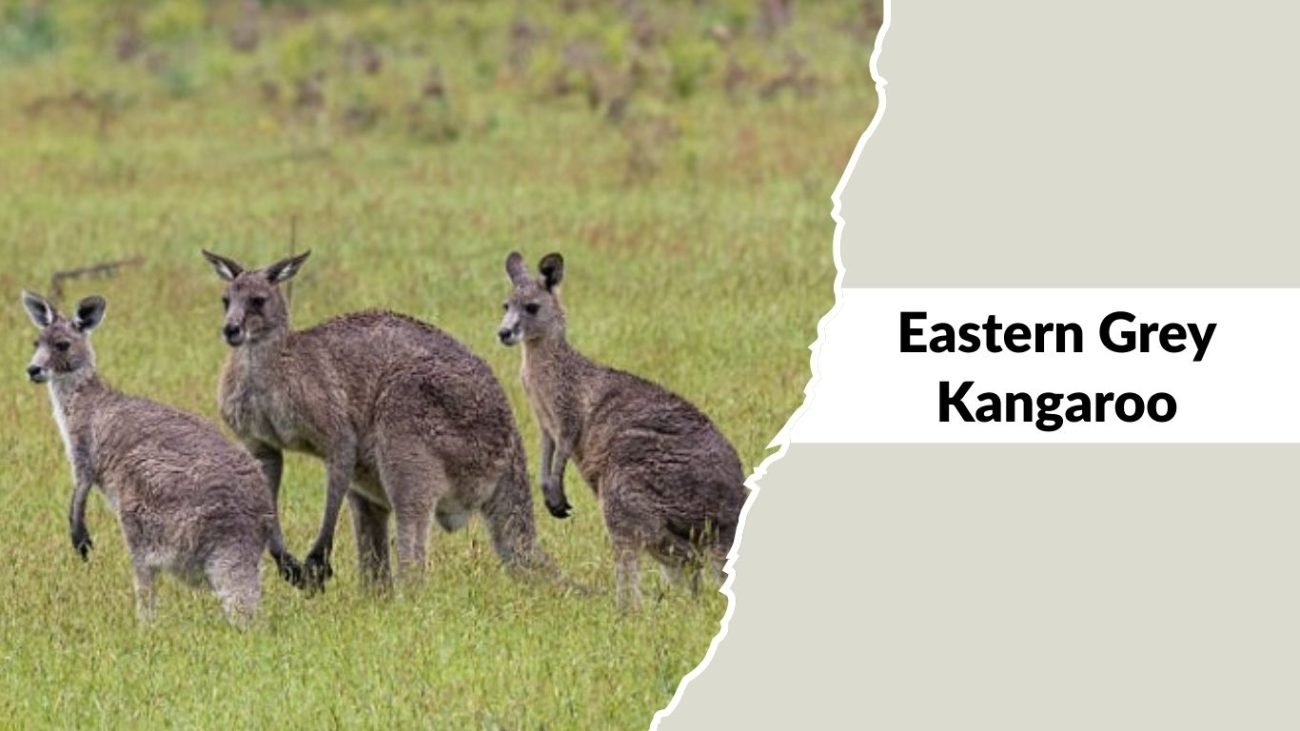
The eastern grey kangaroo is one of the most widespread and recognizable kangaroo species in Australia. It is known for its soft grey to brownish fur, social behavior, and powerful jumping ability. This species often lives in large groups called mobs and is commonly seen in open forests, grasslands, and coastal regions. Eastern grey kangaroos are less adapted to extreme desert life than red kangaroos and prefer areas with more reliable rainfall and vegetation.
Identification
- Grey to light brown fur with a paler belly
- Large ears and a broad, rounded muzzle
- Strong hind legs built for long-distance hopping
- Thick tail used for balance and support
- Adult males much larger than females
Habitat
Eastern grey kangaroos inhabit open woodlands, grasslands, forest edges, and coastal plains of eastern and southeastern Australia. They favor regions with moderate rainfall and abundant grass cover. These kangaroos often feed in open pastures at night and rest in shaded forested areas during the day.
They adapt well to human-modified landscapes and are frequently seen near farmland, golf courses, and parks where grass is plentiful.
Diet
Their diet consists mainly of grasses, though they also eat herbs, young shoots, and occasionally leaves. Eastern grey kangaroos are selective grazers and prefer soft, green vegetation. Their complex digestive system allows them to break down tough plant fibers and extract maximum nutrients.
They usually drink water regularly, unlike red kangaroos, and stay close to reliable water sources.
Lifecycle & Lifespan
After a short pregnancy of around 36 days, a tiny joey is born and moves into the pouch, where it continues development for about nine months. The young kangaroo may stay close to its mother for over a year before becoming fully independent.
Eastern grey kangaroos typically live 6 to 10 years in the wild, though some individuals may live longer in safe environments.
3. Western Grey Kangaroo (Macropus fuliginosus)
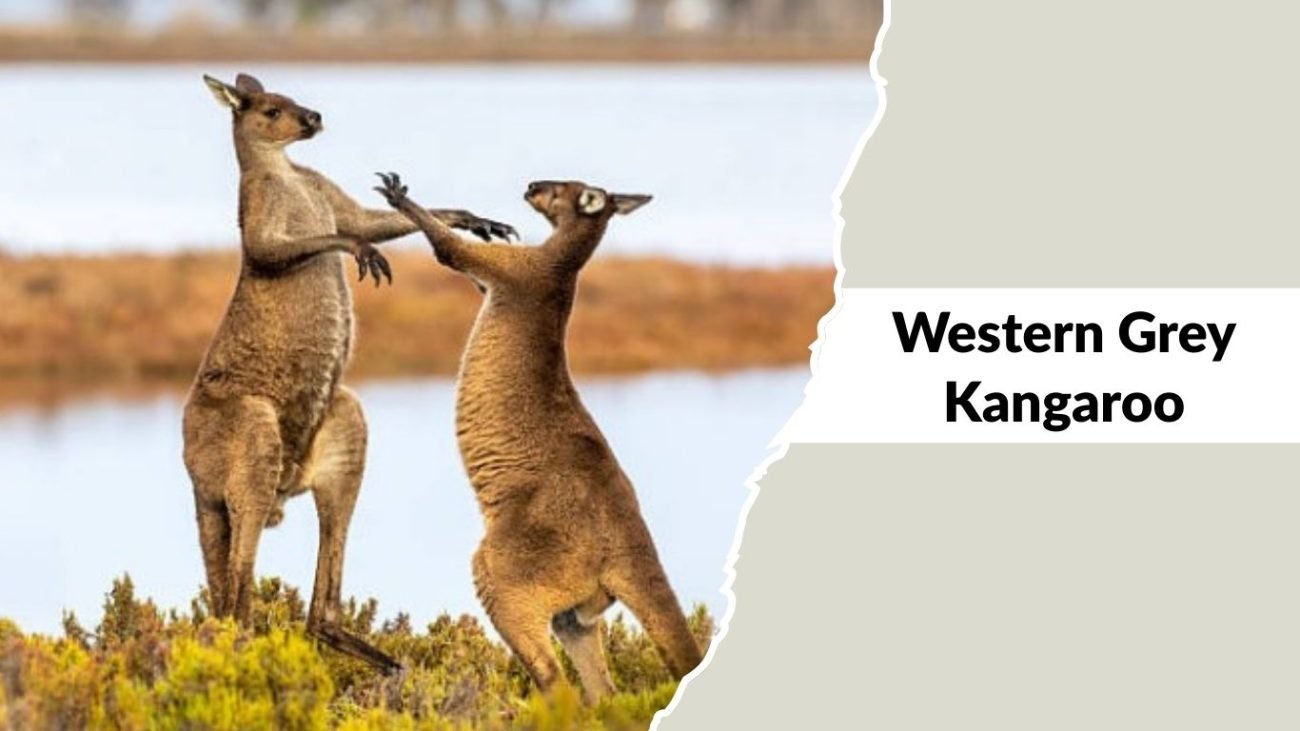
The western grey kangaroo is slightly smaller than the eastern grey but still a large and powerful species. It has darker fur, often with brown and smoky grey tones, and is sometimes called the “stinker” because mature males can produce a strong odor. This kangaroo is well adapted to southern and western Australia and often lives in large, loose groups.
Identification
- Smoky grey to brown fur with lighter underparts
- Broad head with a dark face and pale cheek markings
- Strong hind legs and long muscular tail
- Adult males larger and darker than females
- Thick, coarse fur compared to eastern grey kangaroos
Habitat
Western grey kangaroos live in open forests, woodland edges, shrublands, and grasslands across southern and western Australia. They prefer areas with moderate rainfall and scattered tree cover. These kangaroos often rest in shaded woodland during the day and move into open areas to feed at dusk and night.
They are highly adaptable and can survive in both natural bushland and agricultural regions.
Diet
This species feeds mainly on grasses, but also consumes leaves, herbs, and low shrubs. Western grey kangaroos are flexible feeders and adjust their diet based on seasonal availability. Their grazing helps shape plant communities in many Australian ecosystems.
They regularly drink water and are often found near natural or artificial water sources.
Lifecycle & Lifespan
The reproductive cycle is similar to other large kangaroos. After birth, the joey develops in the pouch for several months before gradually spending more time outside. Mothers may care for a joey for over a year while also supporting a younger one.
Western grey kangaroos usually live around 10 to 15 years in the wild, with longer lifespans possible in protected habitats.
4. Antilopine Kangaroo (Osphranter antilopinus)
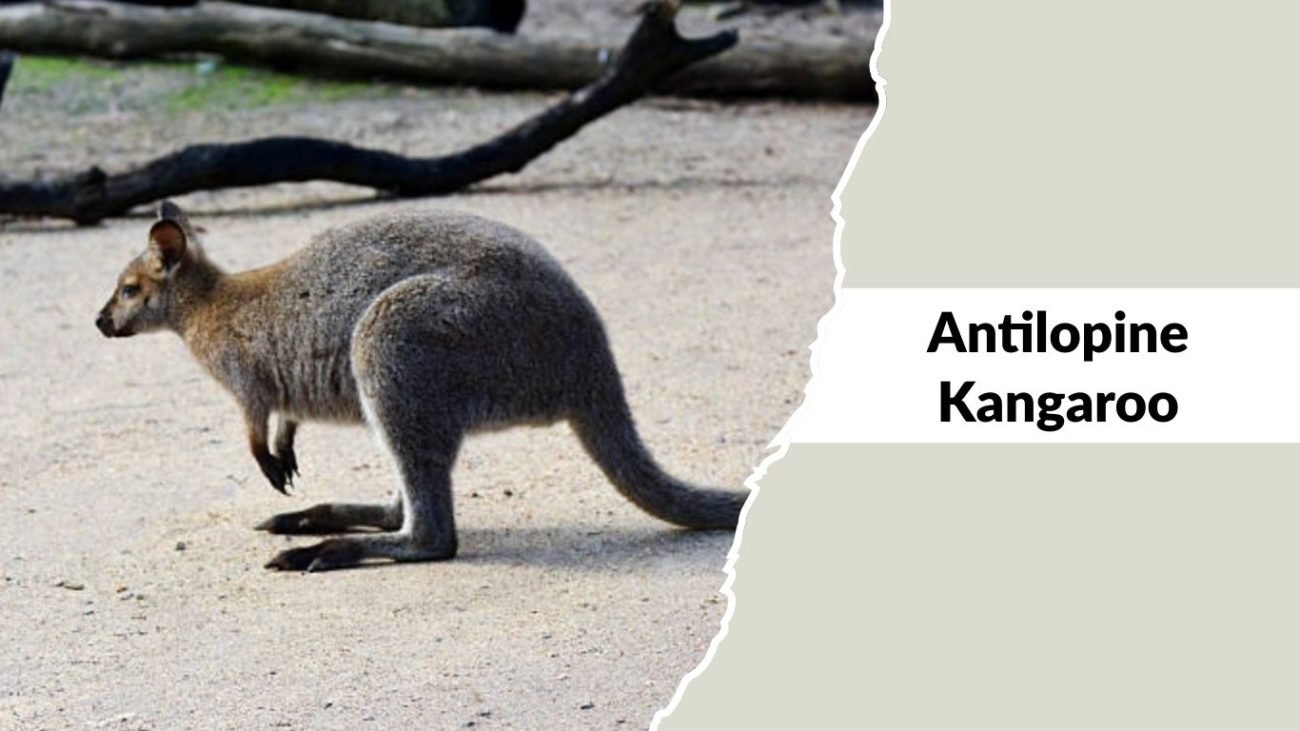
The antilopine kangaroo is a large, reddish kangaroo species native to northern Australia. It gets its name from its antelope-like appearance, with a slender body, long limbs, and smooth reddish coat. Males are usually bright red to dark orange, while females are lighter and more greyish. This species is highly social and often seen in large groups grazing in open tropical grasslands.
Identification
- Reddish to orange-brown fur in males; pale brown or grey in females
- Slender build with long limbs and narrow chest
- Long muscular tail for balance and support
- Broad muzzle and large upright ears
- Adult males significantly larger than females
Habitat
Antilopine kangaroos are found mainly in northern Australia, especially in the tropical savannas, open woodlands, and grasslands of the Northern Territory and northern Queensland. They prefer warm, open habitats with scattered trees and reliable grass growth.
These kangaroos are most active in the early morning and late afternoon, resting in shaded areas during the hottest parts of the day. Seasonal rainfall strongly influences their movement and group size.
Diet
Their diet consists primarily of grasses, but they also feed on herbs, leaves, and young shoots. Antilopine kangaroos are grazing specialists and depend heavily on fresh grass, especially after the wet season when vegetation is most abundant.
They drink water when it is available but can also obtain much of their moisture from the plants they eat.
Lifecycle & Lifespan
After a short gestation of about one month, a tiny joey is born and crawls into the pouch, where it remains for several months. Even after leaving the pouch, the young continues to nurse and stay close to its mother.
In the wild, antilopine kangaroos generally live around 8 to 12 years, with survival closely tied to food supply and seasonal conditions.
5. Common Wallaroo / Euro (Osphranter robustus)
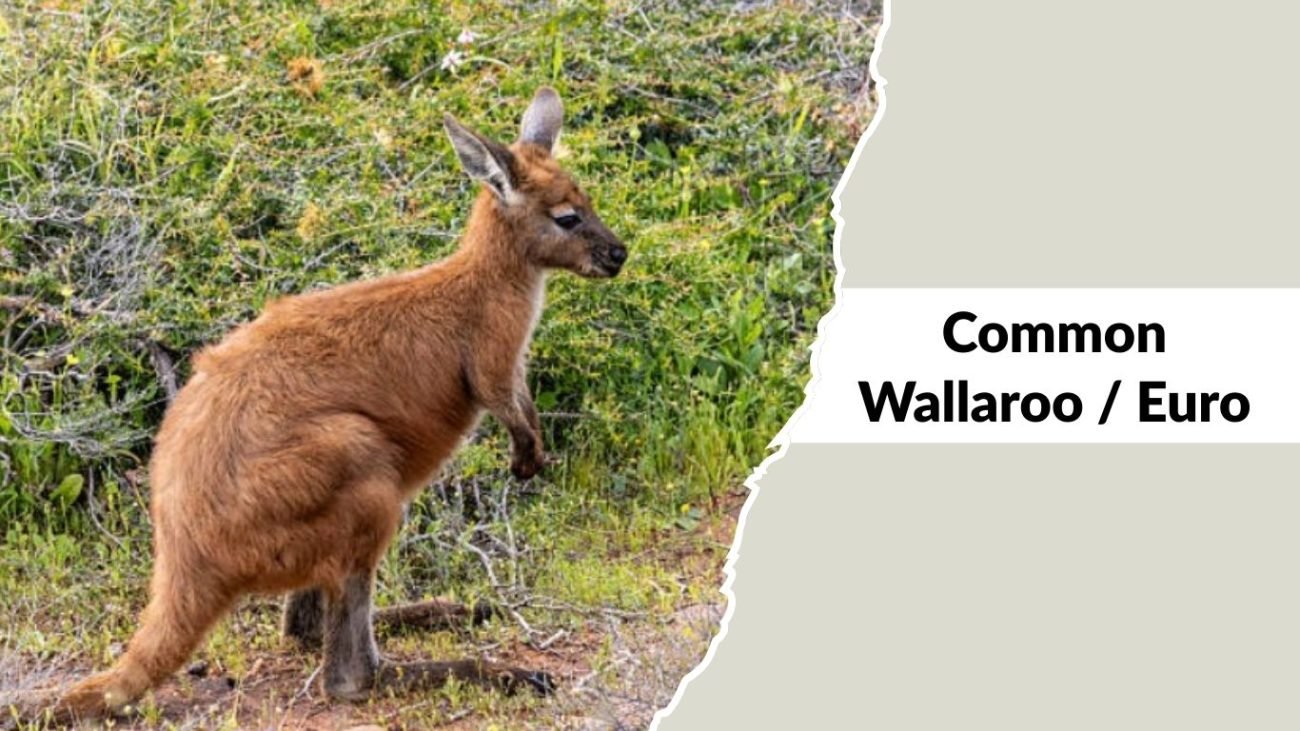
The common wallaroo, also known as the euro, is a stocky, muscular kangaroo species that bridges the size gap between wallabies and large kangaroos. It is known for its shaggy fur, powerful forelimbs, and preference for rugged terrain. Wallaroos have a more compact build than red or grey kangaroos, giving them excellent climbing and scrambling ability.
Identification
- Stocky, heavily built body with thick shoulders
- Coarse fur ranging from grey to reddish-brown
- Shorter face and broader muzzle than most kangaroos
- Strong forelimbs and massive hind legs
- Thick tail used for balance on rocky ground
Habitat
Common wallaroos are widespread across Australia and are especially associated with rocky hills, escarpments, open forests, and mountainous regions. They are often seen in steep, rugged terrain where other kangaroos are less common.
They shelter among rocks and cliffs during the day and move out to feed in nearby open areas during the evening and night.
Diet
Wallaroos feed mainly on grasses, but also eat shrubs, leaves, and hardy plants that grow in rocky habitats. Their tough digestive system allows them to process fibrous, low-nutrient vegetation.
They can survive in dry areas and may go long periods without free-standing water, relying on moisture from plants.
Lifecycle & Lifespan
The reproductive cycle follows the typical kangaroo pattern, with a very short pregnancy and long pouch development. Young wallaroos may stay with their mothers for over a year before becoming independent.
Common wallaroos usually live between 10 and 15 years in the wild, though some individuals may live longer under favorable conditions.
6. Black Wallaroo (Osphranter bernardus)
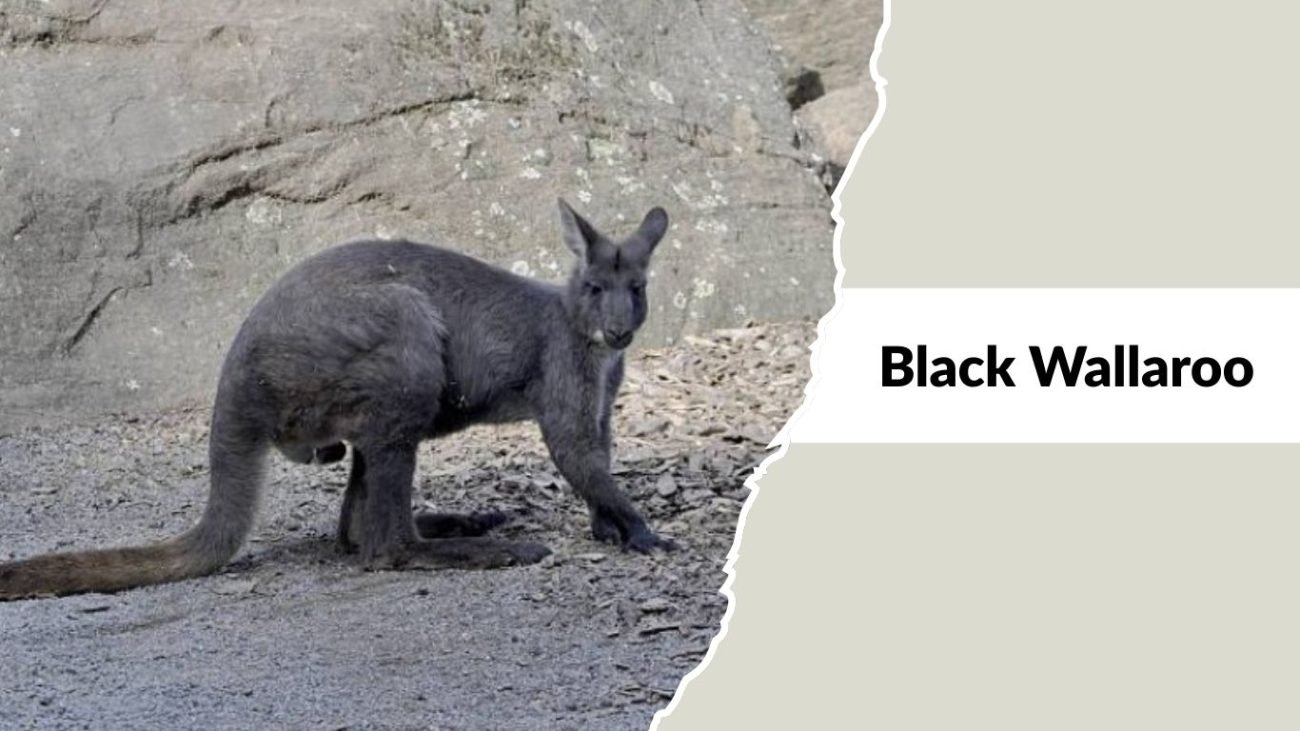
The black wallaroo is one of the rarest and most secretive large kangaroo relatives. It has a dark, almost black coat and a very stocky, powerful build. This species is much less social than other kangaroos and is usually seen alone or in very small groups. Because of its remote habitat and shy behavior, the black wallaroo is not often observed in the wild.
Identification
- Dark brown to black fur over most of the body
- Very stocky build with broad shoulders
- Short, wide head with small ears
- Strong forelimbs and muscular hind legs
- Thick tail used for balance on steep terrain
Habitat
Black wallaroos are restricted to a small area in western Arnhem Land in the Northern Territory, Australia. They live mainly in rugged sandstone escarpments, rocky hills, and steep cliffs. These remote habitats provide shelter from heat and predators.
They spend much of the day hiding in caves, rock crevices, and shaded ledges, becoming more active in the cooler evening and nighttime hours.
Diet
Their diet consists mostly of grasses, but they also eat leaves, herbs, and small shrubs growing among rocky slopes. Because food can be scarce in these habitats, black wallaroos are adapted to survive on tough, low-quality vegetation.
They obtain most of their moisture from plants and are rarely seen drinking free water.
Lifecycle & Lifespan
Like other kangaroos, the black wallaroo gives birth to an extremely undeveloped joey that completes most of its growth in the pouch. The mother may support a young wallaroo for more than a year.
In the wild, black wallaroos are believed to live around 10 to 12 years, although detailed lifespan data is limited due to their elusive nature.
7. Eastern Wallaroo (Osphranter robustus erubescens)
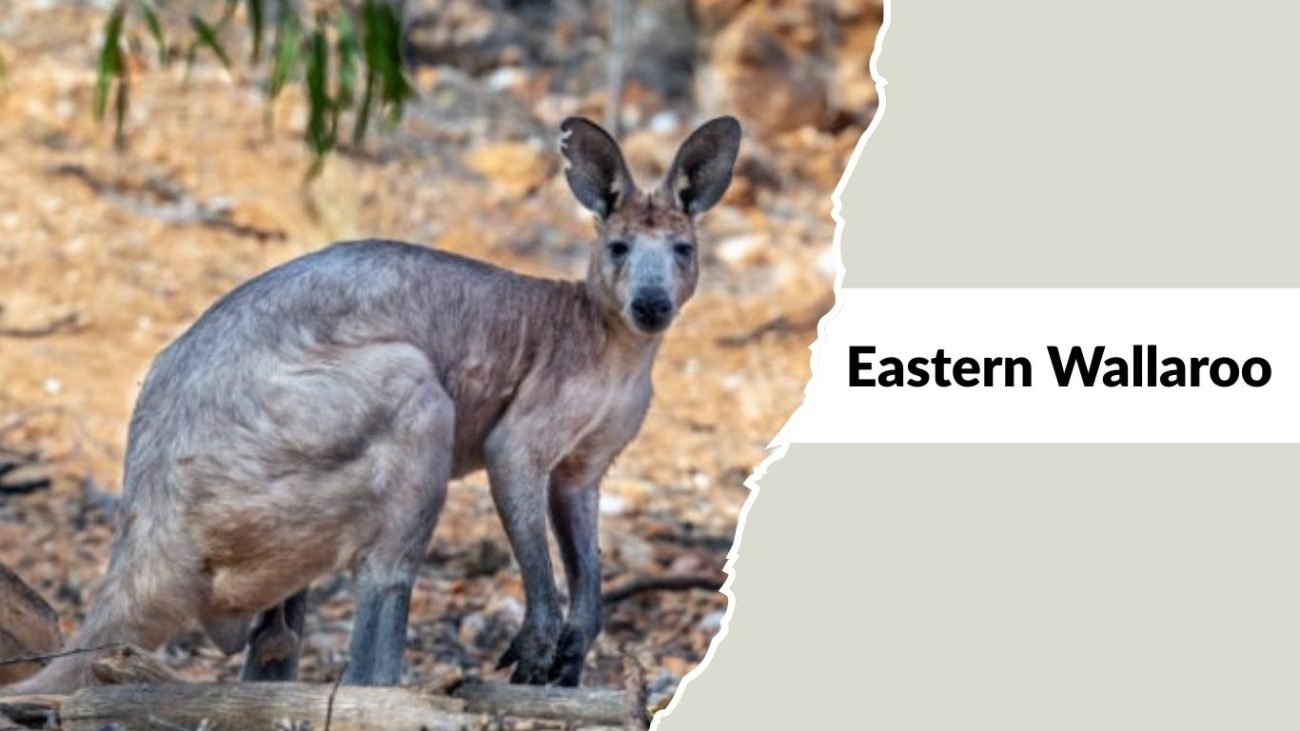
The eastern wallaroo is a large, robust subspecies of the common wallaroo found in eastern Australia. It has a muscular body, thick fur, and a strong chest, making it well suited for rocky and hilly environments. Males often have a reddish tinge to their fur, while females are more grey-brown.
Identification
- Thick, shaggy fur ranging from grey-brown to reddish
- Broad chest and powerful shoulders
- Shorter face compared to red and grey kangaroos
- Strong forelimbs and large hind legs
- Heavy tail used for support and balance
Habitat
Eastern wallaroos inhabit rocky hills, open forests, escarpments, and mountainous regions of eastern Australia. They prefer rough terrain with caves, boulders, and ledges where they can shelter during the day.
They are mostly crepuscular and nocturnal, emerging in the late afternoon and evening to graze in nearby open areas.
Diet
Their diet is mainly grasses, along with leaves, herbs, and shrubs. Eastern wallaroos are hardy feeders and can survive in areas where vegetation is sparse or seasonal.
They often feed alone or in small groups and may travel between rocky shelters and open feeding grounds.
Lifecycle & Lifespan
The life cycle follows the typical kangaroo pattern, with a short pregnancy and long pouch development. Young wallaroos gradually become independent after leaving the pouch.
Eastern wallaroos generally live about 10 to 15 years in the wild, depending on habitat conditions and food availability.
8. Western Wallaroo (Osphranter robustus robustus)
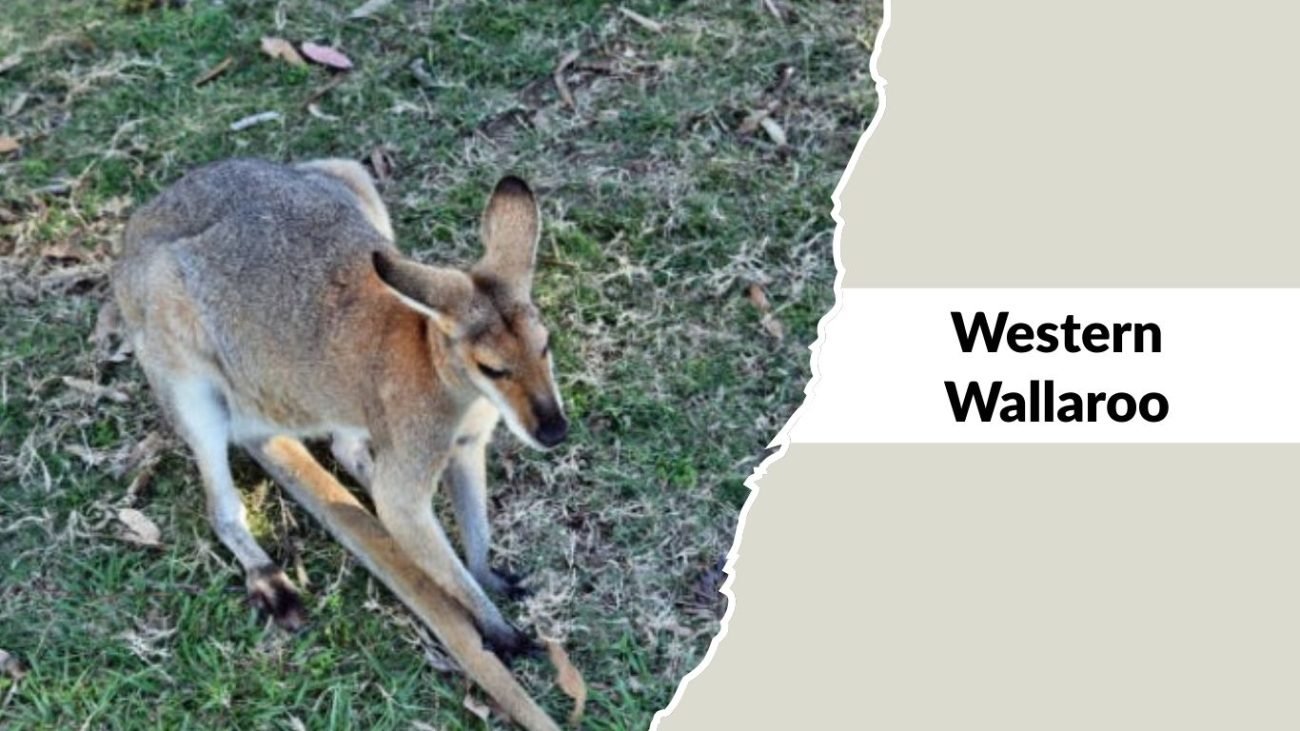
The western wallaroo is a sturdy, medium-to-large kangaroo relative known for its muscular body and shaggy fur. It is the western form of the common wallaroo and is especially adapted to dry, rocky landscapes. Compared to red and grey kangaroos, it appears more compact and powerful, with strong forelimbs that help it move through rugged terrain.
Identification
- Thick, coarse fur ranging from dark grey to reddish-brown
- Stocky body with broad shoulders and deep chest
- Shorter, broader face than most large kangaroos
- Powerful hind legs and strong forelimbs
- Heavy tail used for balance and support
Habitat
Western wallaroos live across western and central Australia, particularly in rocky hills, escarpments, open woodlands, and arid mountain ranges. They favor rough, broken country where caves, ledges, and boulders provide shade and protection.
They usually shelter among rocks during the heat of the day and move into open areas to feed during the evening and night.
Diet
Their diet consists mainly of grasses, along with leaves, herbs, and hardy shrubs. Western wallaroos are flexible feeders and can survive on sparse vegetation in dry environments.
They can go long periods without drinking water, obtaining most of their moisture from the plants they consume.
Lifecycle & Lifespan
The female gives birth after a very short gestation, and the joey develops in the pouch for several months. After leaving the pouch, the young remains dependent for some time before becoming fully independent.
Western wallaroos generally live between 10 and 15 years in the wild, though some may live longer in protected habitats.
9. Goodfellow’s Tree-Kangaroo (Dendrolagus goodfellowi)
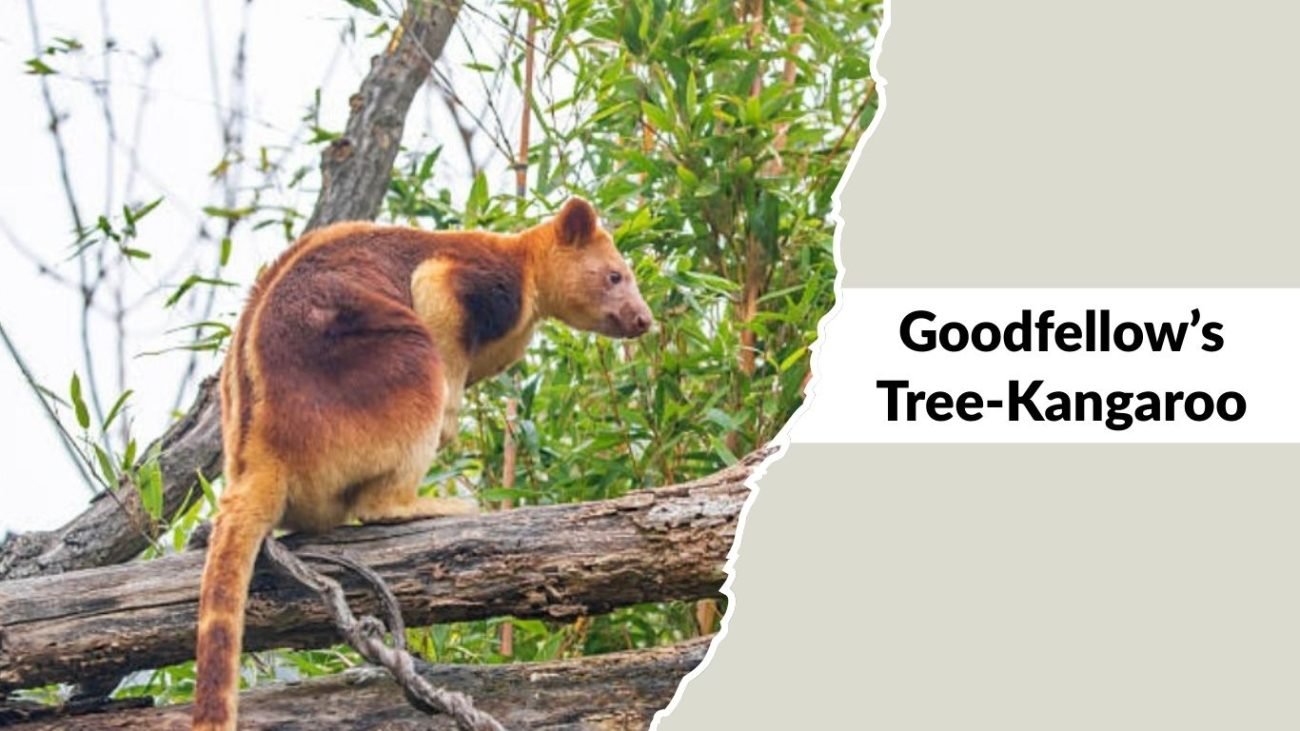
Goodfellow’s tree-kangaroo is a striking, forest-dwelling species famous for its chestnut-red fur, golden limbs, and long, ringed tail. Unlike ground-dwelling kangaroos, tree-kangaroos are adapted for climbing, with strong forelimbs and flexible ankles. This species is one of the most colorful members of the kangaroo family.
Identification
- Reddish-brown body with yellow to golden limbs
- Long, thick tail with pale bands
- Shorter hind legs and longer forelimbs for climbing
- Rounded ears and broad face
- Thick, woolly fur
Habitat
Goodfellow’s tree-kangaroos live in the rainforests and mountain forests of New Guinea and nearby islands. They inhabit dense, humid forests where they spend much of their time in the canopy.
They move slowly through trees, feeding and resting high above the ground, but may occasionally descend to travel between forest patches.
Diet
Their diet includes leaves, fruits, flowers, bark, and tender shoots. They are mainly folivores but will eat fruit when available. Because forest foods can be tough, their digestive system is well adapted to processing fibrous plant material.
They obtain most of their water from food and rain collected on leaves.
Lifecycle & Lifespan
Tree-kangaroos give birth to very small joeys that develop in the pouch for several months. Even after leaving the pouch, young often cling to their mother as she climbs.
Goodfellow’s tree-kangaroos are believed to live around 12 to 15 years in the wild, with longer lifespans possible in protected environments.
10. Lumholtz’s Tree-Kangaroo (Dendrolagus lumholtzi)
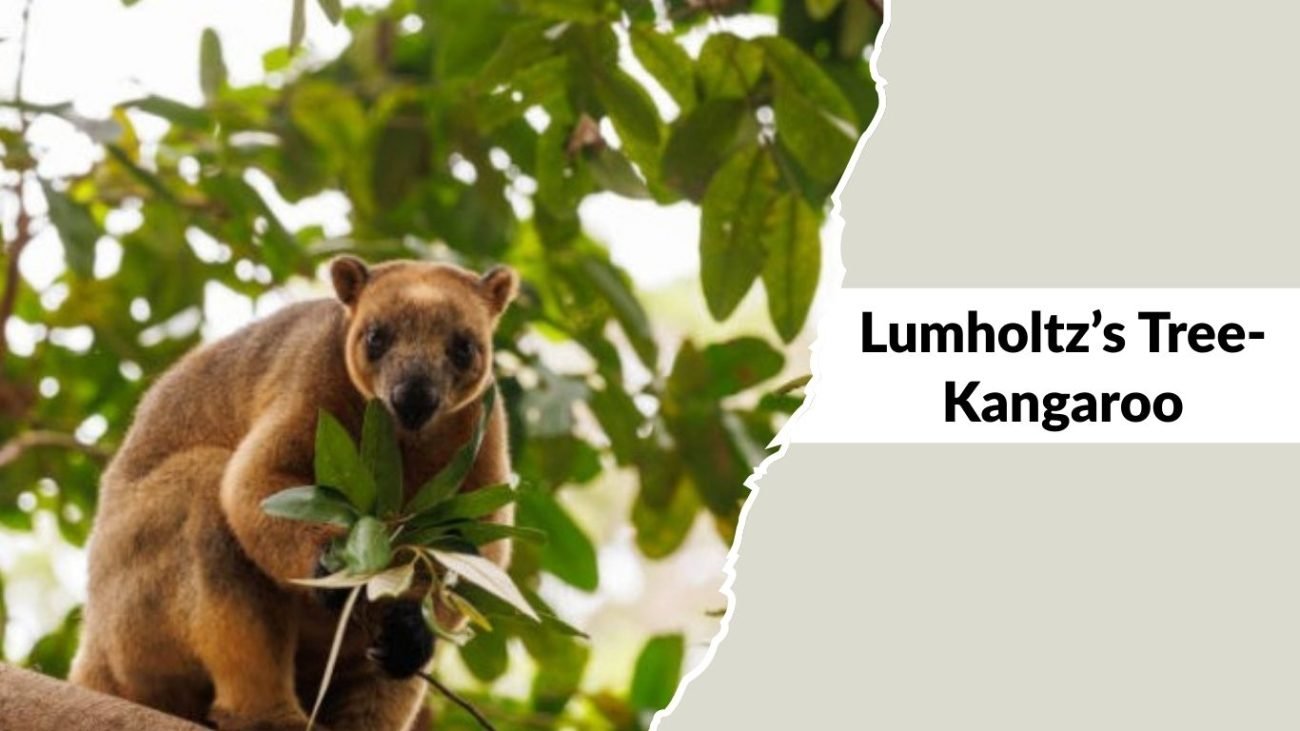
Lumholtz’s tree-kangaroo is a small, dark-colored tree-dwelling kangaroo found only in northeastern Queensland, Australia. It has thick, woolly fur and powerful limbs adapted for climbing. Unlike ground kangaroos, this species moves slowly and carefully through trees, using its long tail for balance. It is shy, solitary, and rarely seen, spending most of its life in the rainforest canopy.
Identification
- Dark brown to blackish fur with lighter chest
- Long, thick tail used for balance in trees
- Strong forelimbs and shorter hind legs for climbing
- Rounded ears and broad face
- Dense, woolly coat
Habitat
This species inhabits tropical rainforests and mountain forests of northeastern Queensland. It prefers dense, humid forests with tall trees and thick canopy cover.
Lumholtz’s tree-kangaroo spends most of its time in trees, descending occasionally to move between feeding areas. It rests in high branches during the day and forages mainly in the late afternoon and night.
Diet
Its diet includes leaves, vines, fruits, flowers, and bark. It is primarily a leaf-eater but supplements its diet with fruit when available. The slow metabolism of this species matches its low-energy rainforest lifestyle.
Most of its water needs are met through the moisture in its food and rainwater collected on foliage.
Lifecycle & Lifespan
After birth, the tiny joey develops in the pouch for several months before beginning to explore the mother’s back and nearby branches. Juveniles remain close to their mothers as they learn to climb.
Lumholtz’s tree-kangaroo is estimated to live around 10 to 15 years in the wild.
11. Bennett’s Tree-Kangaroo (Dendrolagus bennettianus)
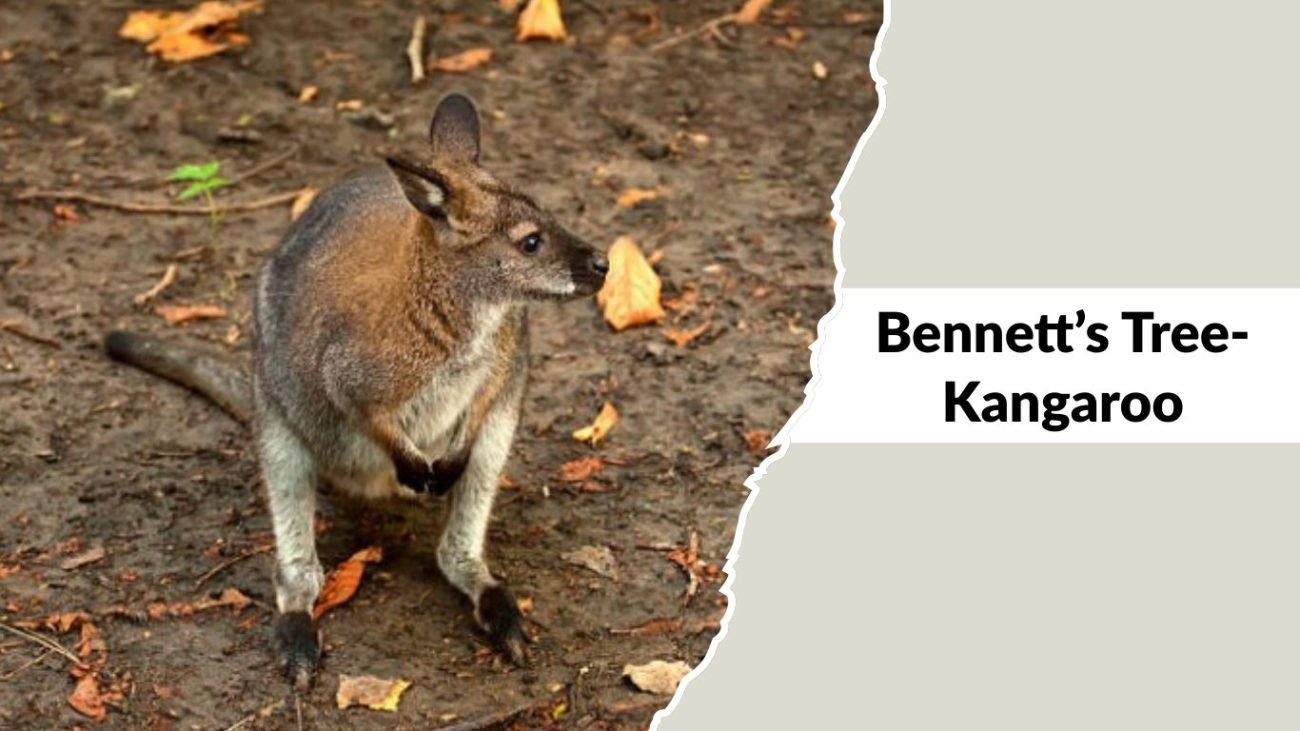
Bennett’s tree-kangaroo is one of the largest Australian tree-kangaroos and is native to the rainforests of northeastern Queensland. It has thick grey to brown fur and a long, strong tail. Though adapted to trees, it can also move surprisingly well on the ground. This species is mostly solitary and spends long hours resting high in the canopy.
Identification
- Grey-brown fur with paler underside
- Long, powerful tail for balance
- Strong forelimbs and shorter hind legs
- Rounded head with small ears
- Stocky, muscular build
Habitat
Bennett’s tree-kangaroos inhabit tropical and subtropical rainforests, as well as mountain forests. They prefer areas with tall trees and connected canopy where they can move without descending to the ground.
They are mainly nocturnal and rest in tree forks or thick branches during the day.
Diet
Their diet consists mostly of leaves, but they also eat fruits, vines, bark, and flowers. They are slow feeders and often spend long periods digesting tough plant material.
They rarely drink standing water, instead relying on moisture from leaves and fruit.
Lifecycle & Lifespan
Joeys develop in the pouch for several months before beginning to climb with their mothers. Young remain dependent for a long time, learning complex tree movements.
Bennett’s tree-kangaroos generally live about 12 to 18 years in the wild, with longer lifespans possible in protected habitats.
12. Matschie’s Tree-Kangaroo (Dendrolagus matschiei)
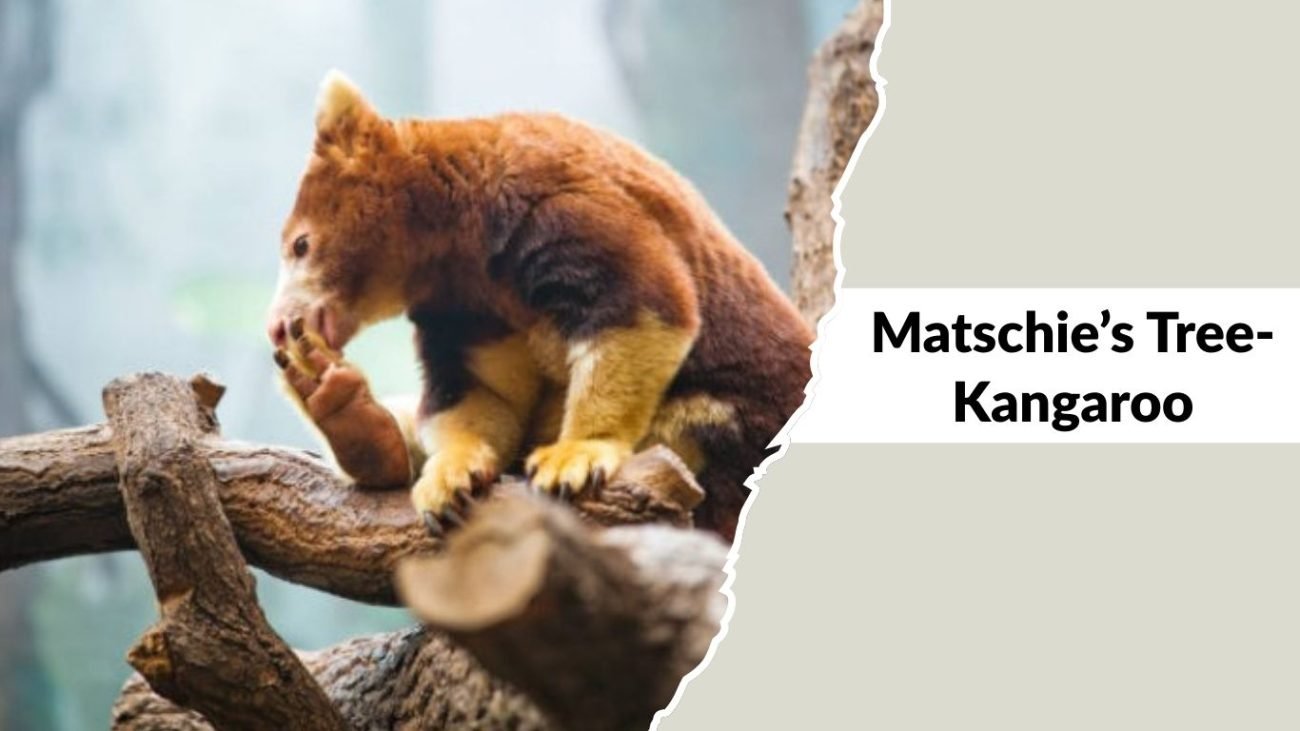
Matschie’s tree-kangaroo is a beautifully colored forest kangaroo native to the Huon Peninsula of Papua New Guinea. It is known for its rich reddish-brown fur, yellow limbs, and long tail often marked with pale rings. This species is strongly adapted to an arboreal lifestyle, with powerful forelimbs and flexible joints that allow it to move through trees with ease.
Identification
- Reddish-brown body with yellow to golden limbs
- Long tail, often ringed with lighter bands
- Strong forelimbs and shorter hind legs for climbing
- Rounded ears and broad face
- Thick, woolly fur
Habitat
This tree-kangaroo lives in tropical rainforests and mountain forests, especially on the Huon Peninsula. It prefers dense, undisturbed forest with tall trees and a continuous canopy.
Most of its life is spent in the trees, where it feeds, rests, and shelters. It rarely descends to the forest floor except to move between distant forest patches.
Diet
Its diet includes leaves, fruits, flowers, vines, and bark. It is mainly a leaf-eater but will consume fruit when available. Slow digestion helps it extract nutrients from fibrous plant foods.
Water requirements are mostly met through moist leaves and fruit.
Lifecycle & Lifespan
After a short gestation, the tiny joey develops in the pouch for several months. As it grows, it begins riding on the mother’s back and practicing climbing.
Matschie’s tree-kangaroo is believed to live around 12 to 15 years in the wild.
13. Doria’s Tree-Kangaroo (Dendrolagus dorianus)
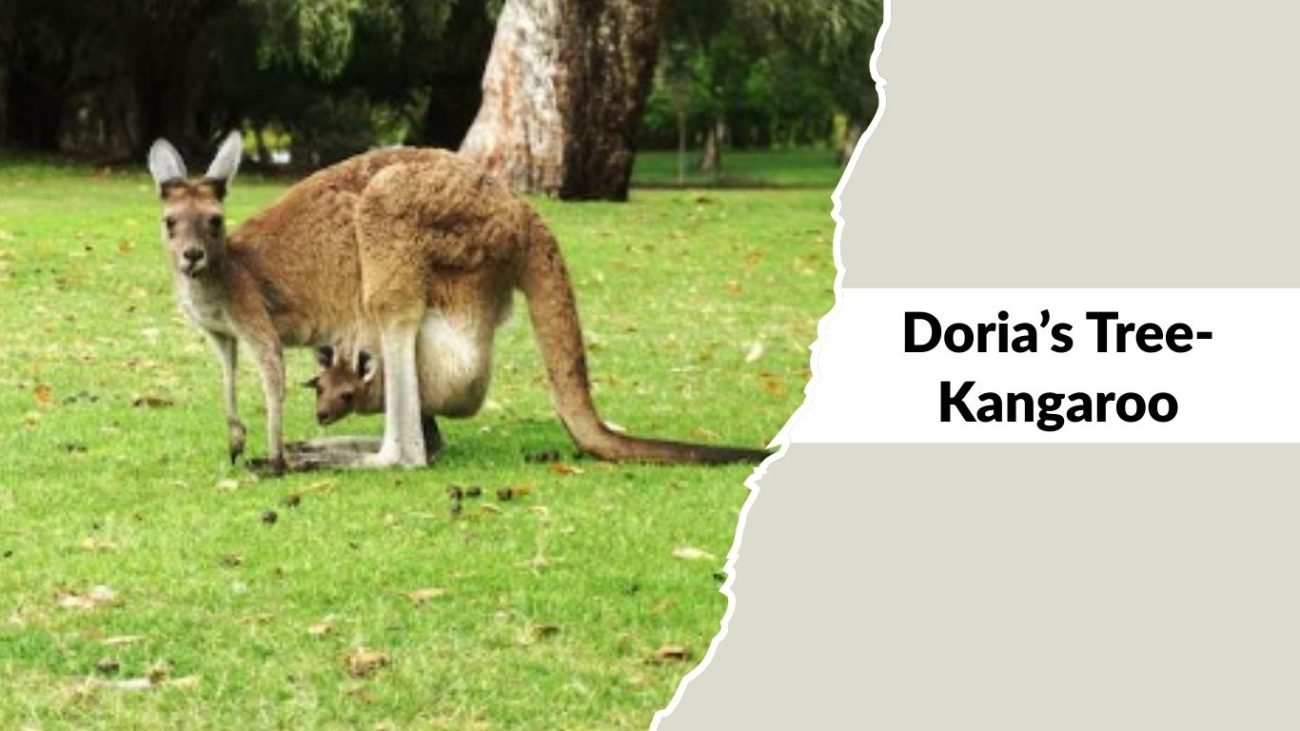
Doria’s tree-kangaroo is a dark-furred species native to New Guinea, often found in mountainous and forested regions. It has thick blackish-brown fur, a long tail, and powerful limbs adapted for climbing. This species is less colorful than some tree-kangaroos but is equally well suited to life in the canopy.
Identification
- Dark brown to blackish fur over most of the body
- Long, strong tail for balance
- Muscular forelimbs and shorter hind legs
- Rounded ears and compact head
- Dense, shaggy coat
Habitat
Doria’s tree-kangaroos inhabit lowland rainforests, hill forests, and mountain forests of New Guinea. They are most often found in dense forest with complex structure.
They spend much of their time in trees, resting in forks and feeding on leaves and fruit high above the ground.
Diet
Their diet consists mainly of leaves, but they also eat fruit, bark, flowers, and young shoots. They feed slowly and are well adapted to digesting tough plant material.
They obtain most of their water from food and rainwater collected on leaves.
Lifecycle & Lifespan
Joeys develop in the pouch and later cling to their mothers as they learn to move through the canopy. Maternal care is long-lasting, ensuring young acquire necessary climbing skills.
Doria’s tree-kangaroos are estimated to live about 12 to 16 years in the wild.
14. Huon Tree-Kangaroo (Dendrolagus matschiei)
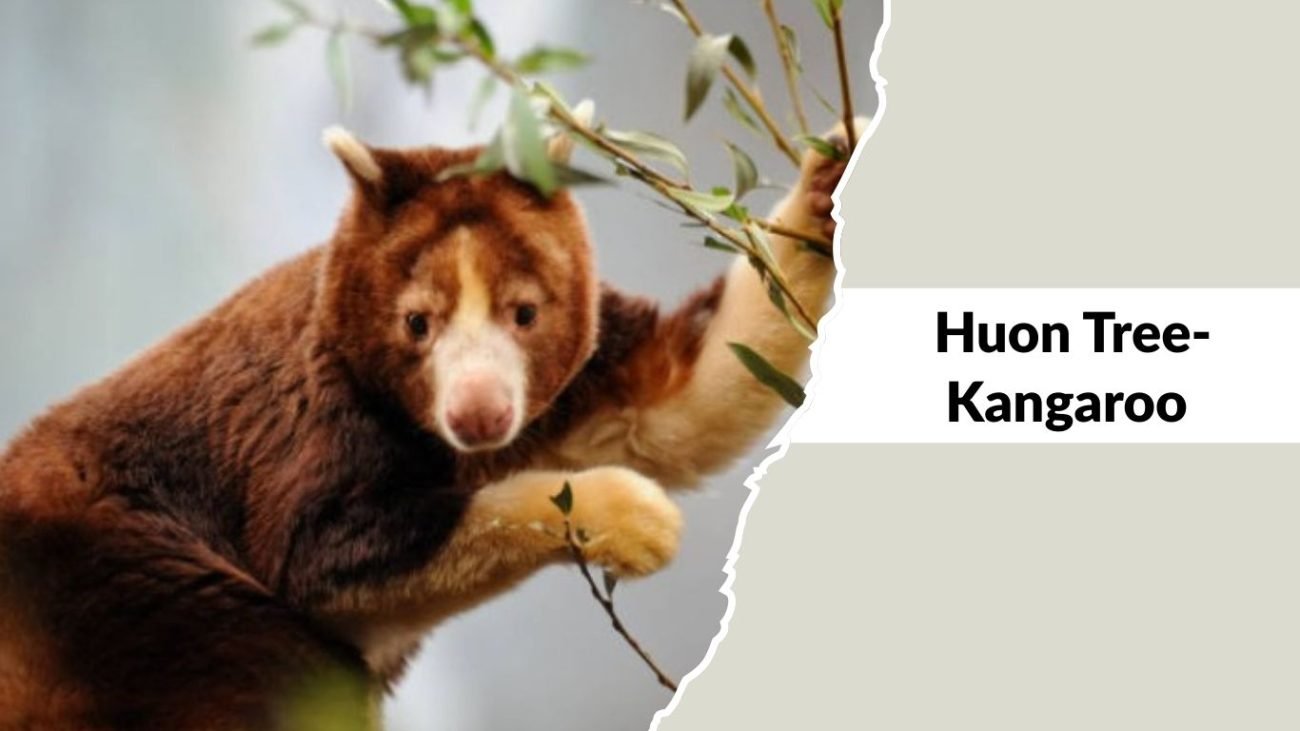
The Huon tree-kangaroo is a forest-dwelling marsupial native to the Huon Peninsula of Papua New Guinea. It is closely related to Matschie’s tree-kangaroo and is sometimes treated as the same species, but it is often referred to separately due to its restricted range. This animal has thick reddish-brown fur and strong climbing limbs, making it well adapted to life high in the rainforest canopy.
Identification
- Reddish-brown fur with lighter limbs
- Long, thick tail used for balance
- Powerful forelimbs and shorter hind legs
- Rounded ears and broad face
- Dense, woolly coat
Habitat
Huon tree-kangaroos live in tropical rainforests and montane forests of the Huon Peninsula. They prefer cool, moist forests with tall trees and connected canopy.
They spend most of their lives in trees, resting and feeding high above the ground, and only rarely descend to the forest floor.
Diet
Their diet includes leaves, fruits, flowers, bark, and tender shoots. They are mainly folivores but will eat fruit when available. Their slow metabolism supports their low-energy arboreal lifestyle.
They obtain water primarily from food and rainwater on leaves.
Lifecycle & Lifespan
Joeys develop in the pouch and later ride on their mother’s back as they learn to climb. Young remain dependent for a long time.
Huon tree-kangaroos are believed to live around 12 to 15 years in the wild.
15. Grizzled Tree-Kangaroo (Dendrolagus inustus)
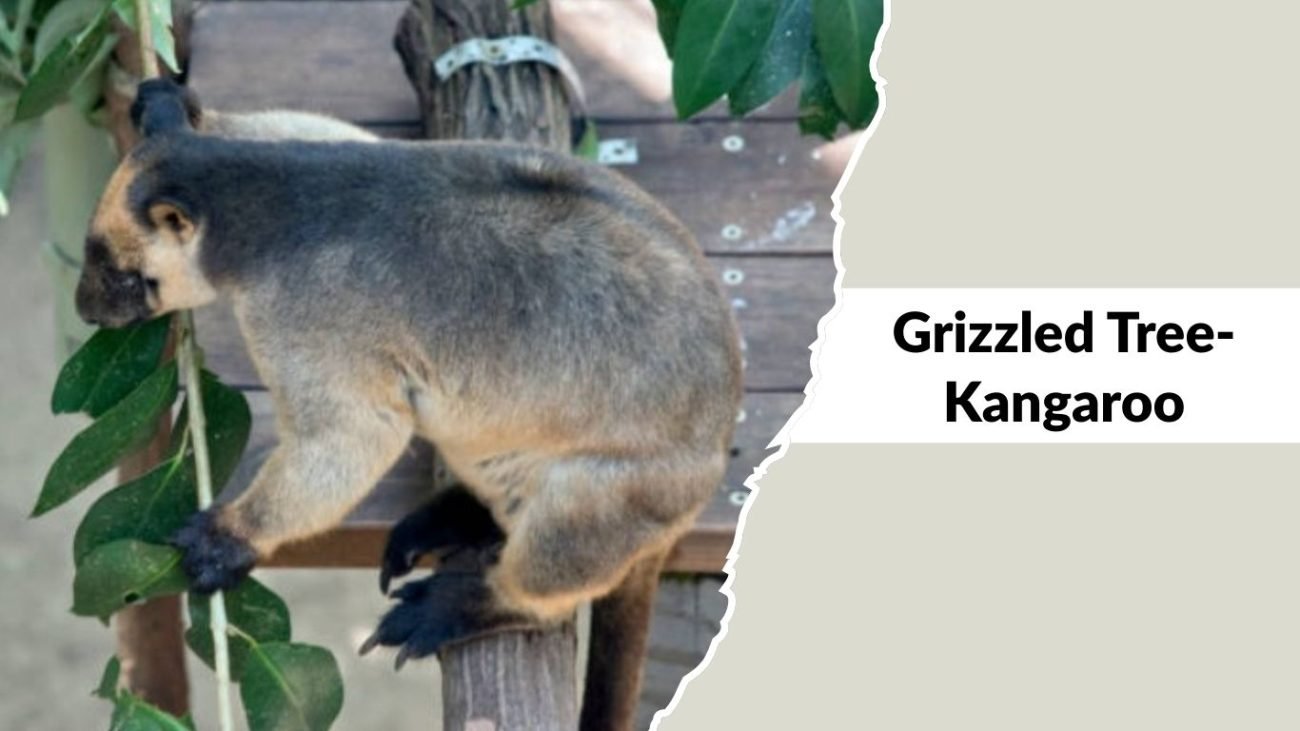
The grizzled tree-kangaroo is named for its salt-and-pepper colored fur, which gives it a rough, speckled appearance. It is one of the more widespread tree-kangaroo species in New Guinea. This species is well adapted for climbing but can also move on the ground when necessary.
Identification
- Grey, black, and white grizzled fur pattern
- Long, thick tail for balance
- Strong forelimbs and shorter hind legs
- Rounded ears and compact head
- Coarse, dense fur
Habitat
Grizzled tree-kangaroos inhabit lowland rainforests, swamp forests, and hill forests of New Guinea. They can tolerate a range of forest types, including disturbed habitats.
They spend much of their time in trees but may descend to the ground to travel between forest areas.
Diet
Their diet consists mainly of leaves, along with fruits, flowers, bark, and shoots. They are slow, careful feeders that spend long periods digesting tough vegetation.
They obtain most of their moisture from food rather than direct drinking.
Lifecycle & Lifespan
After pouch development, young gradually learn to climb and forage with their mothers. Independence comes slowly.
Grizzled tree-kangaroos are thought to live about 12 to 17 years in the wild.
16. Lowland Tree-Kangaroo (Dendrolagus spadix)
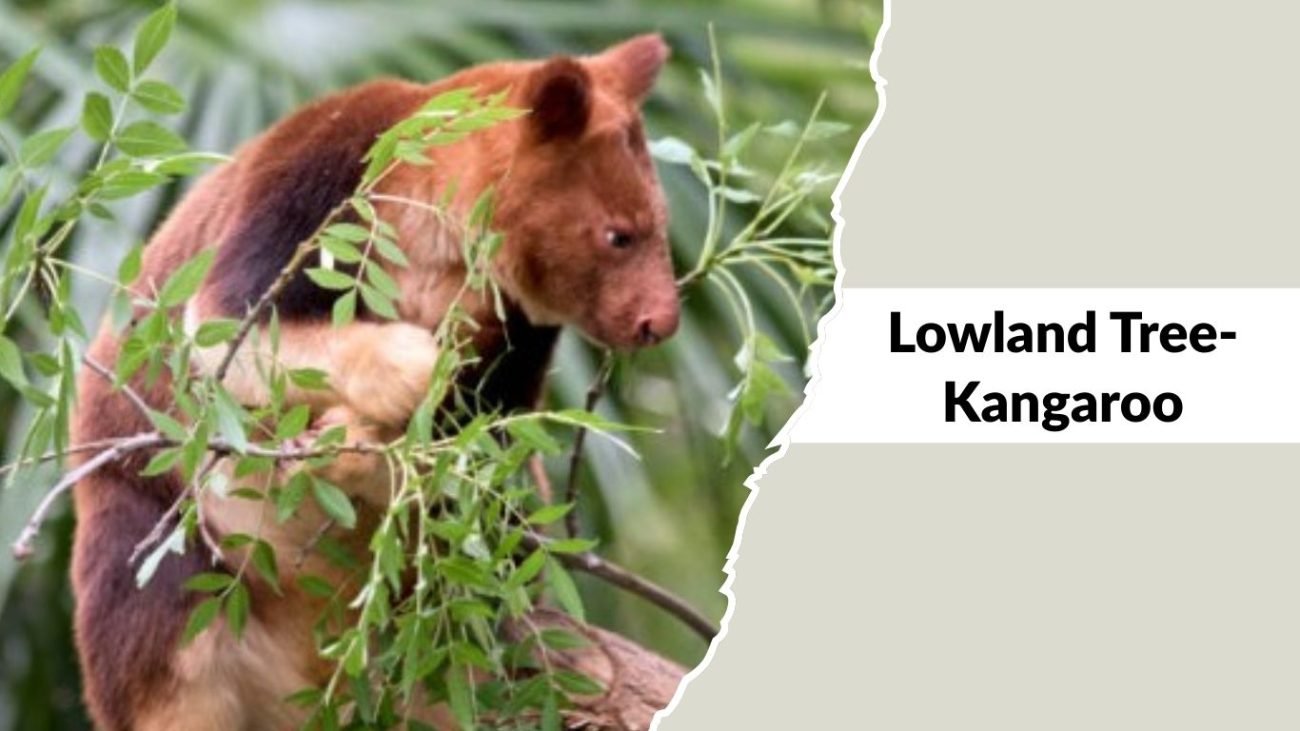
The lowland tree-kangaroo is a forest-dwelling species found mainly in the lowland rainforests of southern New Guinea. It has thick, dark fur and a strong, muscular body adapted for climbing. Although it belongs to the tree-kangaroo group, it can also move on the ground when traveling between forest patches.
Identification
- Dark brown to blackish fur over most of the body
- Long, powerful tail for balance
- Strong forelimbs and shorter hind legs for climbing
- Rounded ears and compact face
- Dense, coarse coat
Habitat
Lowland tree-kangaroos inhabit lowland tropical rainforests, swamp forests, and foothill forests of New Guinea. They prefer dense, humid environments with tall trees and rich plant growth.
They spend most of their time in trees, resting and feeding high above the ground, and descend mainly to move between feeding areas.
Diet
Their diet includes leaves, fruits, flowers, bark, and young shoots. Leaves form the majority of their food, supported by fruit when available. Their slow digestion allows them to process tough plant material efficiently.
They rely mostly on moisture from plants and rainwater collected on foliage.
Lifecycle & Lifespan
After a short pregnancy, the joey develops in the pouch for several months. Young later ride on the mother’s back and learn climbing skills.
Lowland tree-kangaroos are estimated to live around 12 to 16 years in the wild.
17. Seri’s Tree-Kangaroo (Dendrolagus stellarum)
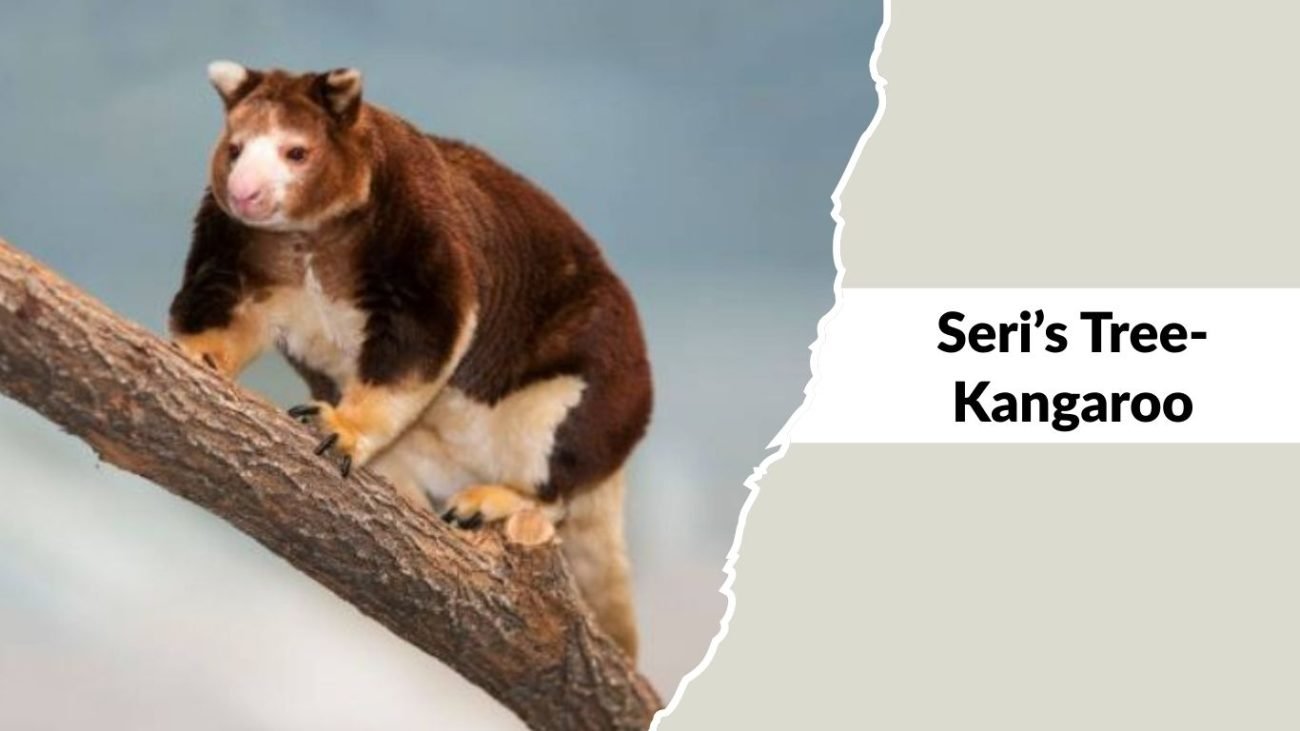
Seri’s tree-kangaroo is a little-known species native to the mountainous regions of New Guinea. It has thick, dark fur and a strong, compact body. This species is adapted to cool, high-elevation forests and is rarely seen due to its remote habitat.
Identification
- Dark brown to black fur with lighter underside
- Long tail for balance in trees
- Powerful forelimbs and shorter hind legs
- Rounded ears and sturdy body shape
- Dense, insulating coat
Habitat
Seri’s tree-kangaroos inhabit montane and cloud forests at high elevations in New Guinea. These areas are cool, moist, and covered with dense vegetation.
They live mainly in trees, resting and feeding in the canopy, and only occasionally descend to the forest floor.
Diet
Their diet is made up mostly of leaves, along with fruits, shoots, bark, and flowers. In high-altitude environments, they rely heavily on tough foliage.
They meet their water needs primarily through plant moisture.
Lifecycle & Lifespan
Joeys develop in the pouch and later accompany their mothers in the trees. Because of their remote distribution, detailed life-history data is limited.
Seri’s tree-kangaroos are believed to live around 10 to 14 years in the wild.
18. Tenkile / Scott’s Tree-Kangaroo (Dendrolagus scottae)
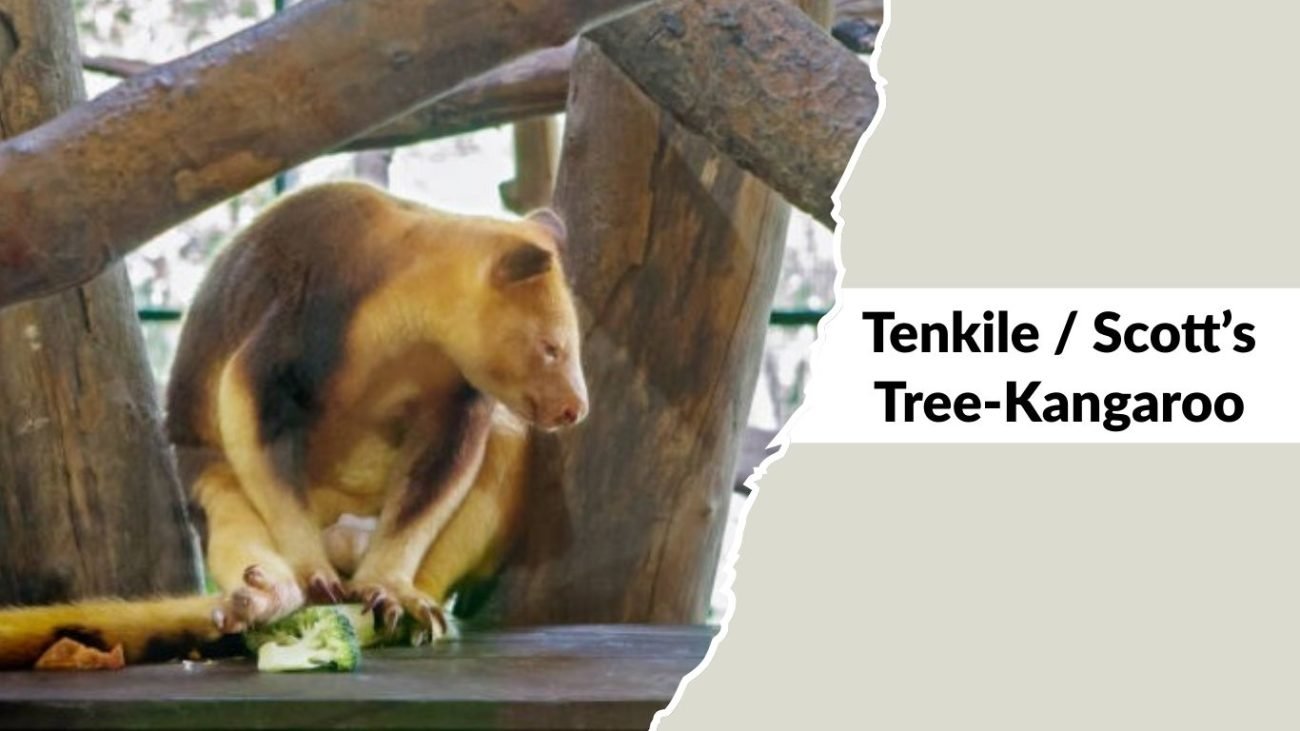
The tenkile, also known as Scott’s tree-kangaroo, is a critically endangered species native to the Torricelli Mountains of Papua New Guinea. It is larger than many other tree-kangaroos and has thick, dark brown fur. Because of its extremely limited range and hunting pressure, it is one of the rarest kangaroo relatives in the world.
Identification
- Dark brown to blackish fur with lighter underparts
- Large, heavy body compared to most tree-kangaroos
- Long, thick tail used for balance
- Powerful forelimbs and shorter hind legs
- Rounded ears and broad head
Habitat
Tenkiles inhabit high-altitude montane rainforests, usually between 900 and 2,900 meters. These forests are cool, moist, and densely vegetated.
They live mostly in trees but may also forage on the ground. Their remote mountain habitat has helped them survive, though in very small numbers.
Diet
Their diet consists mainly of leaves, along with fruits, flowers, bark, and shoots. They are slow-moving feeders and rely heavily on forest foliage.
They get most of their moisture from food and rainwater.
Lifecycle & Lifespan
Very little is known about their breeding in the wild. Like other kangaroos, joeys develop in the pouch and later ride on the mother’s back.
Tenkiles are thought to live around 12 to 15 years in natural conditions.
19. Mountain Tree-Kangaroo (Dendrolagus notatus)
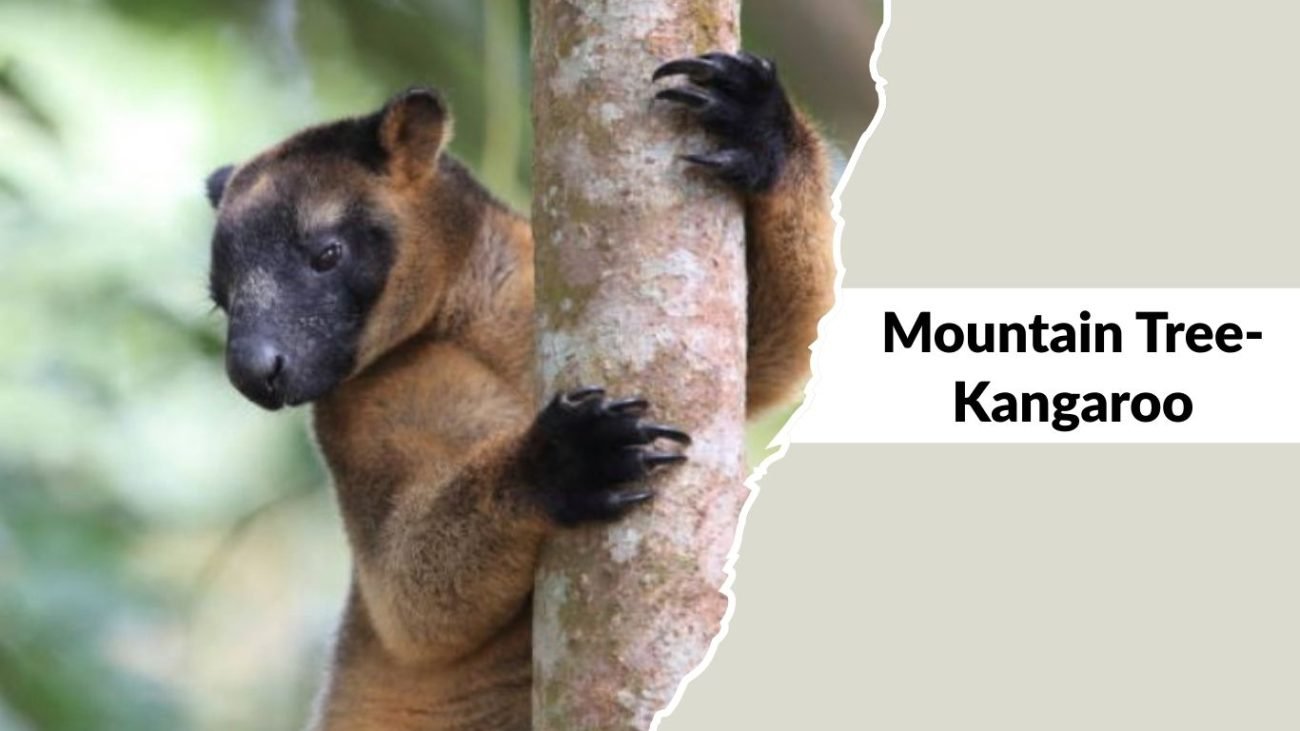
The mountain tree-kangaroo is a little-known species found in the highland forests of New Guinea. It has thick, dark fur and a compact body suited to cold, mountainous environments. This species is adapted to steep terrain and dense forest canopies.
Identification
- Dark brown to blackish fur
- Thick insulating coat
- Long tail for balance in trees
- Strong forelimbs and shorter hind legs
- Compact, muscular body
Habitat
Mountain tree-kangaroos inhabit montane and cloud forests at high elevations. These habitats are cool, wet, and often covered in mist.
They spend most of their lives in trees but may descend to the forest floor to move between feeding areas.
Diet
Their diet includes leaves, shoots, bark, flowers, and some fruits. In colder environments, they rely heavily on fibrous foliage.
They obtain water primarily from food and rainwater.
Lifecycle & Lifespan
Joeys develop in the pouch before gradually learning to climb and forage with their mothers.
Mountain tree-kangaroos are estimated to live about 10 to 14 years in the wild.
20. Rothschild’s Tree-Kangaroo (Dendrolagus rothschildi)
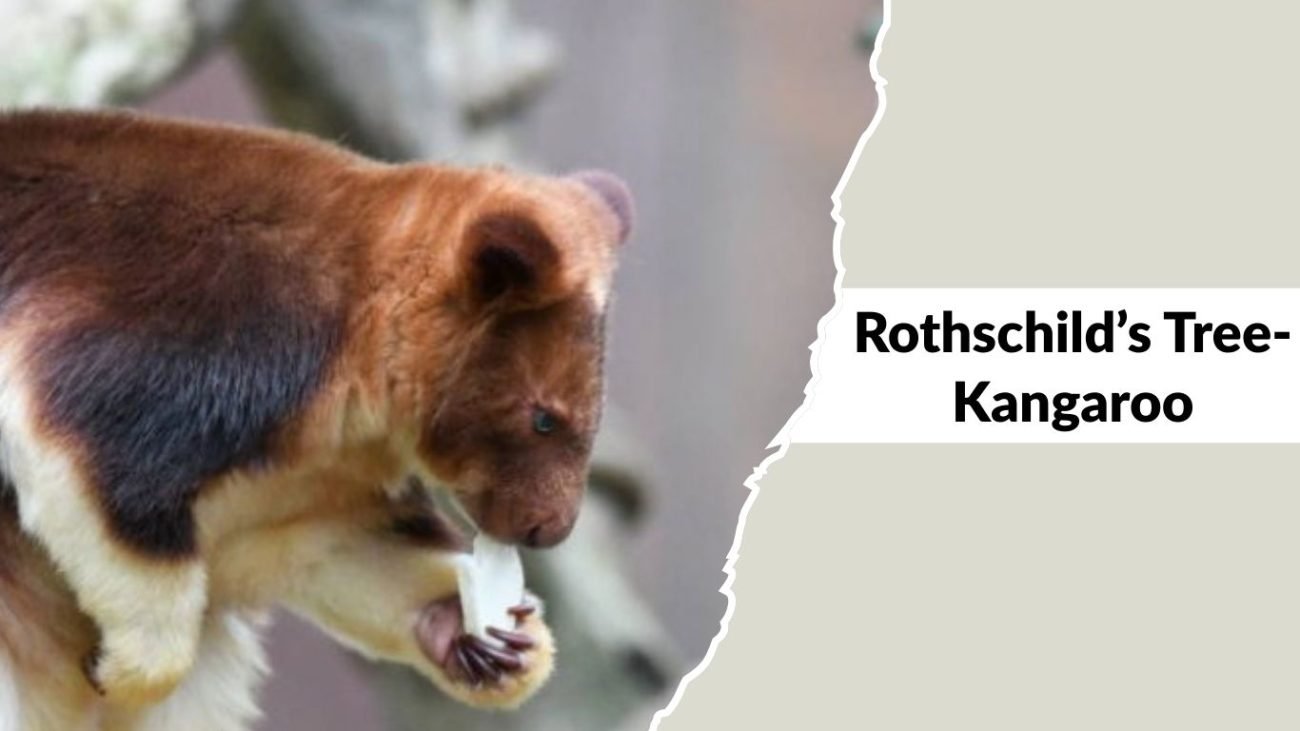
Rothschild’s tree-kangaroo is a rare and little-known forest kangaroo native to northern New Guinea. It has thick, dark brown fur and a strong body built for climbing. Like other tree-kangaroos, it is adapted to life in trees, with powerful forelimbs and flexible joints that help it move through dense canopy.
Identification
- Dark brown to blackish fur
- Long, thick tail for balance
- Strong forelimbs and shorter hind legs
- Rounded ears and compact head
- Dense, woolly coat
Habitat
This species inhabits tropical rainforests and hill forests of northern New Guinea. It prefers dense, undisturbed forest with tall trees and interconnected canopy.
Rothschild’s tree-kangaroos spend most of their time in trees, resting and feeding high above the ground.
Diet
Their diet consists mainly of leaves, along with fruits, flowers, bark, and shoots. They are slow feeders and spend long periods digesting fibrous plant material.
They rely on moisture from leaves and fruit rather than drinking frequently.
Lifecycle & Lifespan
After pouch development, young remain close to their mothers while learning to move through the trees.
Rothschild’s tree-kangaroos are believed to live around 12 to 16 years in the wild.
21. Golden-Mantled Tree-Kangaroo (Dendrolagus pulcherrimus)
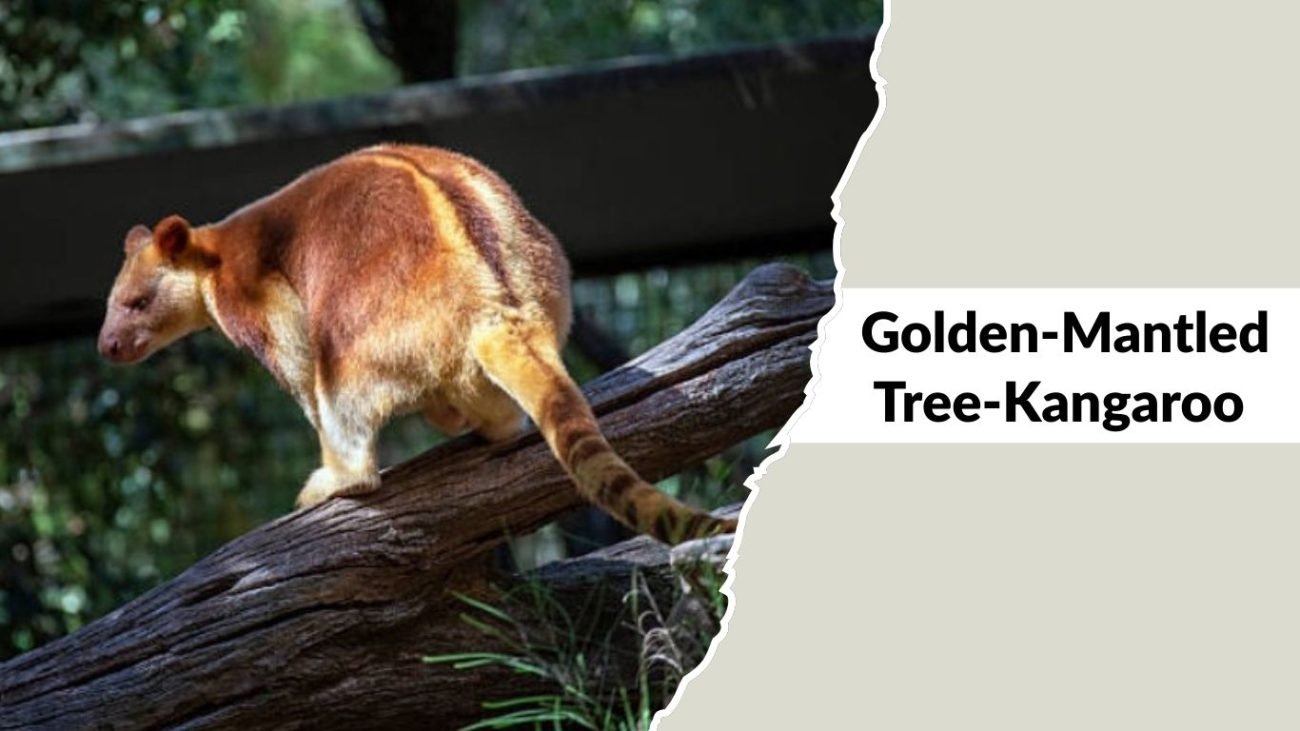
The golden-mantled tree-kangaroo is considered one of the most beautiful kangaroo species. It has striking golden-yellow shoulders and neck contrasting with a dark brown body. This colorful pattern provides camouflage in dappled rainforest light. It is extremely rare and restricted to small forest regions of New Guinea.
Identification
- Golden-yellow shoulders, neck, and upper back
- Dark brown to black fur on lower body
- Long, thick tail for balance
- Strong forelimbs and shorter hind legs
- Dense, soft fur
Habitat
Golden-mantled tree-kangaroos inhabit tropical rainforests and montane forests of New Guinea. They prefer dense forest with tall trees and rich canopy layers.
They live mostly in trees and are rarely seen on the ground.
Diet
Their diet includes leaves, fruits, flowers, bark, and young shoots. Leaves make up most of their intake, supported by seasonal fruit.
They meet their water needs mainly from plant moisture.
Lifecycle & Lifespan
Joeys develop in the pouch and later ride on their mother’s back while learning to climb. Maternal care is long and important for survival.
Golden-mantled tree-kangaroos are estimated to live about 12 to 15 years in the wild.


