Otters are charismatic semi-aquatic mammals known for their playful behavior, agility in water, and important role in aquatic ecosystems. Found across North America, Europe, Asia, Africa, and South America, otters inhabit rivers, lakes, wetlands, and coastal areas. Each species has unique adaptations, from the dexterous paws of the Asian Small-clawed Otter to the massive size of the Giant Otter. Understanding their identification, habitats, behaviors, and diets highlights their ecological importance and the diversity of these remarkable aquatic predators.
1. North American River Otter (Lontra canadensis)
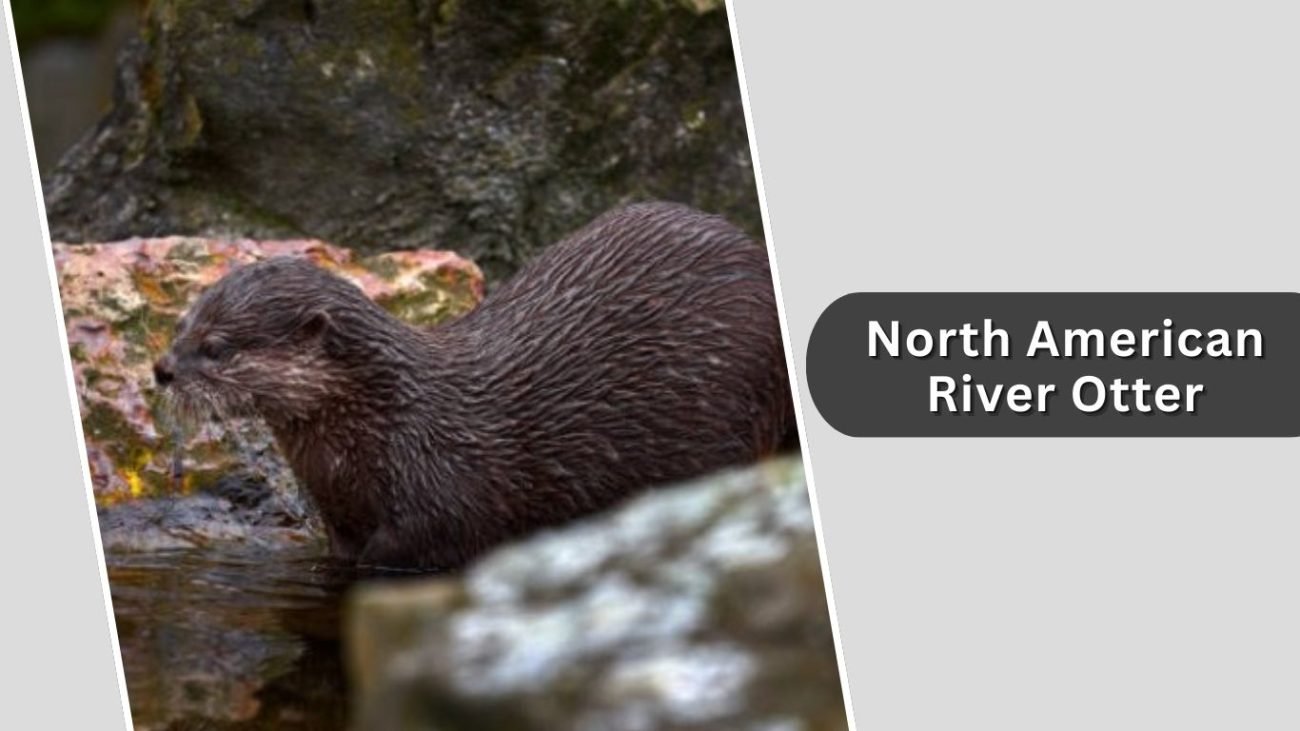
The North American river otter is a playful and agile semi-aquatic mammal found throughout rivers, lakes, and wetlands across North America. Known for its sleek body and swimming prowess, it spends much of its life in water hunting fish, amphibians, and invertebrates, while also using terrestrial areas for denning and travel. These otters play a vital role in maintaining healthy aquatic ecosystems.
Identification
- Medium-sized body with muscular, streamlined build
- Dense, brown fur with lighter underside
- Long, thick, tapered tail
- Webbed feet for swimming
- Small, rounded ears and nose
- Whiskers for detecting prey underwater
Habitat
North American river otters inhabit freshwater rivers, lakes, marshes, and coastal estuaries. They prefer clean water with abundant food and vegetative cover along the banks for den sites.
Behavior
They are social animals, often seen in small family groups. Highly playful, they slide down riverbanks, swim rapidly, and use scent markings to communicate territorial boundaries.
Diet and Lifecycle
Their diet includes fish, crayfish, amphibians, and occasionally small mammals or birds. Breeding occurs in late winter, with females giving birth to 1–5 pups after delayed implantation. Young stay with the mother for up to a year before becoming independent.
2. European Otter (Lutra lutra)
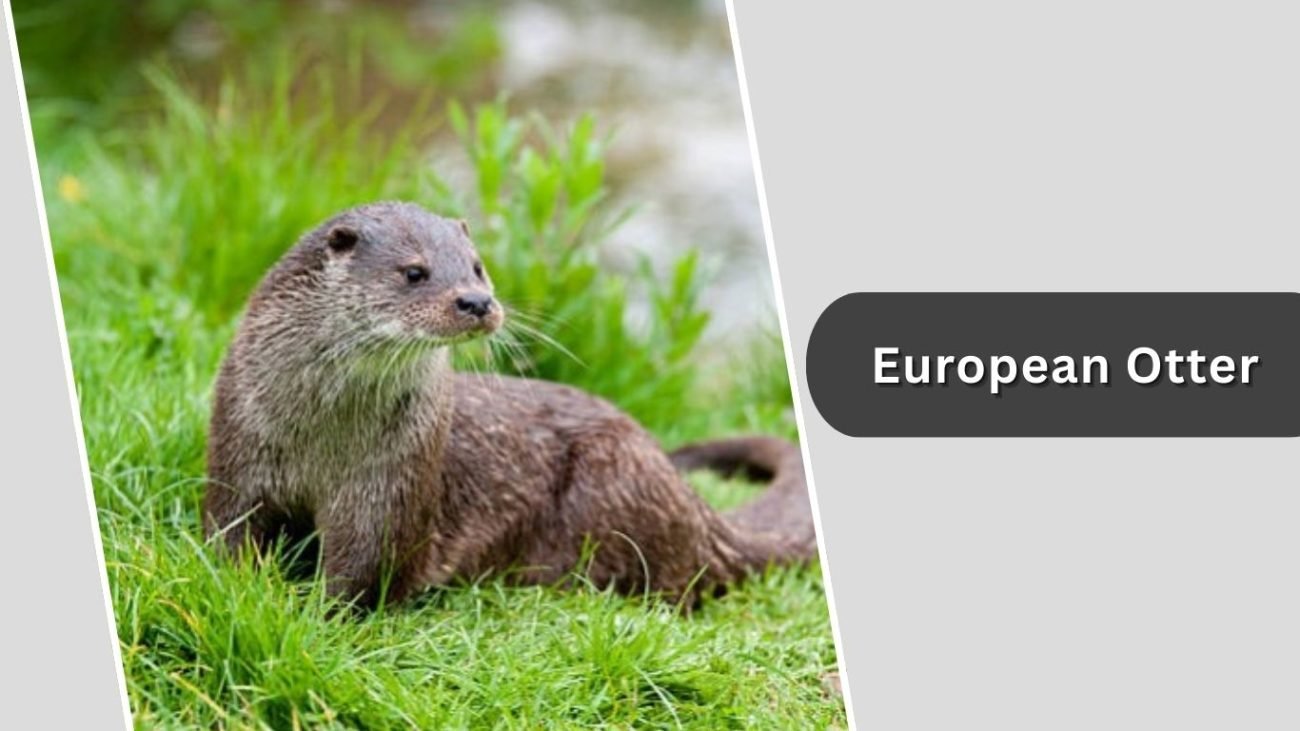
The European otter is a widespread semi-aquatic mammal native to Europe, parts of Asia, and North Africa. It is an excellent swimmer and diver, known for its solitary nature and ability to adapt to rivers, lakes, and coastal areas. European otters are important indicators of healthy aquatic ecosystems due to their sensitivity to pollution and habitat disturbance.
Identification
- Medium-sized, elongated body with thick, brown fur
- Lighter, creamy or yellowish underside
- Long, muscular, tapered tail
- Webbed feet and partially retractable claws
- Small rounded ears and broad snout
- Sensitive whiskers for detecting prey underwater
Habitat
European otters are found along rivers, streams, lakes, marshes, and coastal shores. They prefer habitats with dense vegetation, clean water, and plentiful prey such as fish and amphibians.
Behavior
Primarily solitary, European otters mark territories using scent from their glands. They are most active at dawn and dusk and are strong swimmers capable of diving to catch fish or crustaceans.
Diet and Lifecycle
Their diet includes fish, frogs, crustaceans, and small mammals. Breeding typically occurs once a year, with females giving birth to 1–3 pups. The young remain with the mother for several months, learning to swim and hunt before independence.
3. Sea Otter (Enhydra lutris)
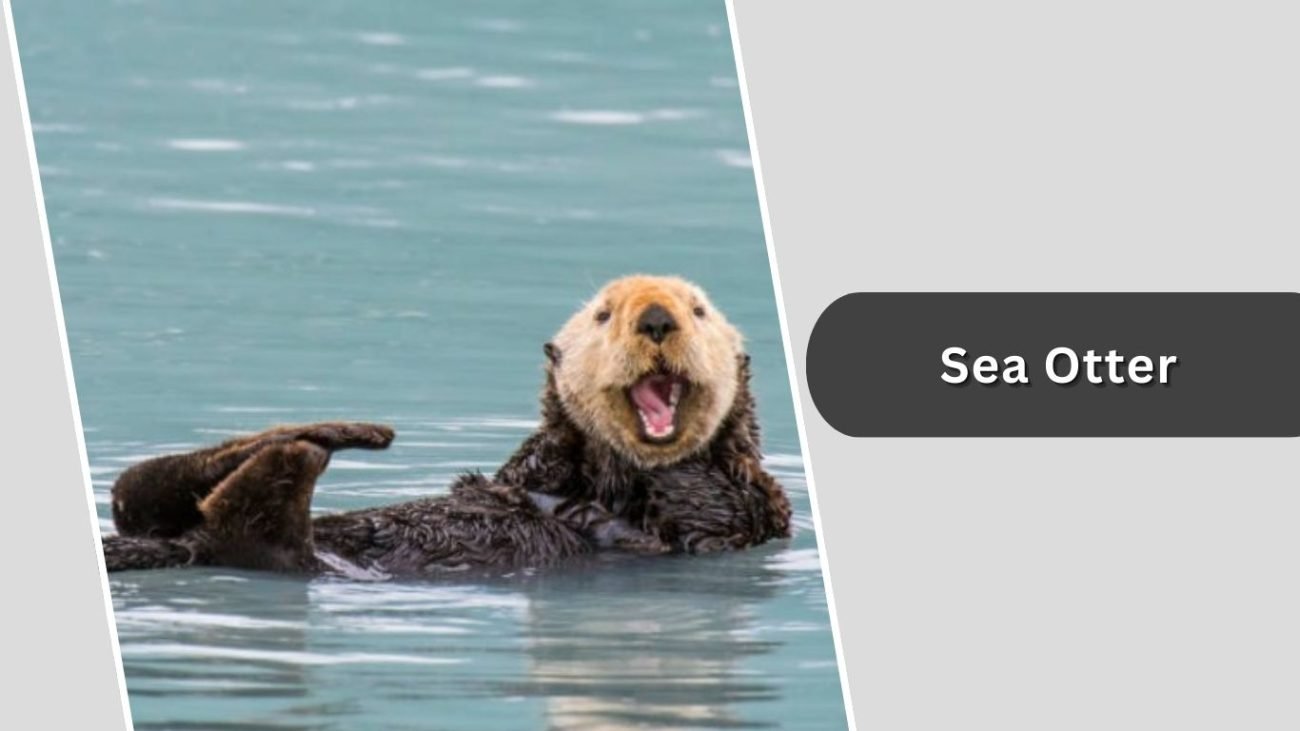
The sea otter is a marine mammal native to the northern and eastern Pacific Ocean. It is renowned for its dense fur—the thickest of any mammal—which keeps it warm in cold waters. Sea otters are exceptional swimmers and divers, often floating on their backs while eating or grooming, and play a key role in maintaining kelp forest ecosystems by controlling sea urchin populations.
Identification
- Medium-sized body with thick, dark brown to black fur
- Lighter or silver-colored face
- Short, flattened tail
- Webbed hind feet for swimming
- Small ears and rounded head
- Highly dexterous front paws with retractable claws
Habitat
Sea otters live along rocky coastlines, kelp forests, and shallow nearshore waters of the North Pacific, from Alaska to California and across parts of Russia and Japan.
Behavior
Sea otters are social and can form rafts of dozens to hundreds of individuals while resting. They float on their backs, use rocks as tools to break open shells, and spend much of the day grooming to maintain fur insulation.
Diet and Lifecycle
Their diet primarily includes sea urchins, crabs, mollusks, and fish. Breeding occurs in late winter or spring. Females usually give birth to a single pup, which rides on the mother’s chest for several months until it becomes independent.
4. Asian Small-clawed Otter (Aonyx cinereus)
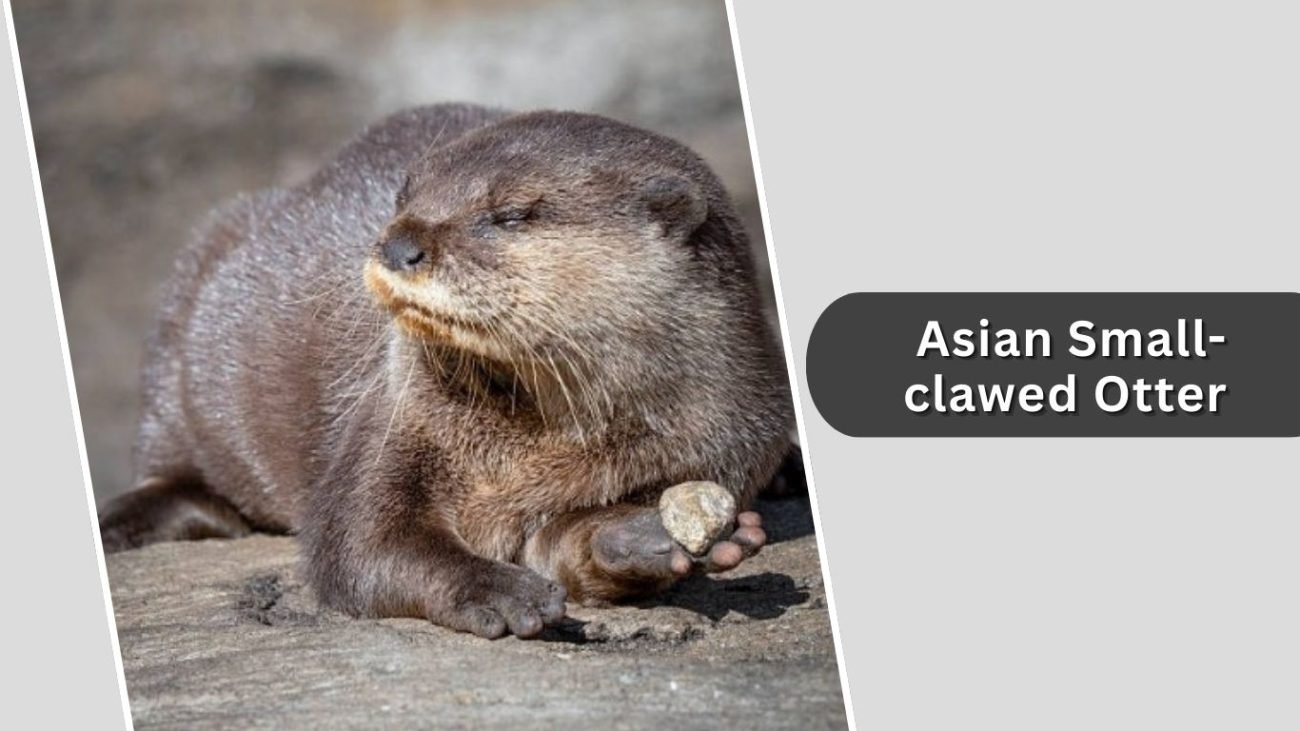
The Asian small-clawed otter is the smallest otter species in the world, native to South and Southeast Asia. It is highly social and often found in family groups. Known for its dexterous front paws, this otter uses them to catch crabs, mollusks, and other small prey in shallow freshwater habitats and coastal areas.
Identification
- Small, slender body with brown fur
- Lighter underparts, often cream-colored
- Short, tapering tail
- Partially webbed feet with tiny claws
- Small rounded ears and broad snout
- Highly nimble front paws for manipulating food
Habitat
Asian small-clawed otters inhabit rivers, swamps, mangroves, rice paddies, and coastal estuaries. They prefer areas with abundant prey and dense vegetation for shelter and denning.
Behavior
This species is highly social, living in family groups of 3–20 individuals. They are playful, often sliding along mud or sandbanks and using vocalizations to communicate within the group.
Diet and Lifecycle
Their diet consists mainly of crabs, mollusks, small fish, and insects. Breeding occurs year-round in some regions. Females give birth to 2–5 pups, which stay with the family group until they are capable of hunting independently.
5. Giant Otter (Pteronura brasiliensis)
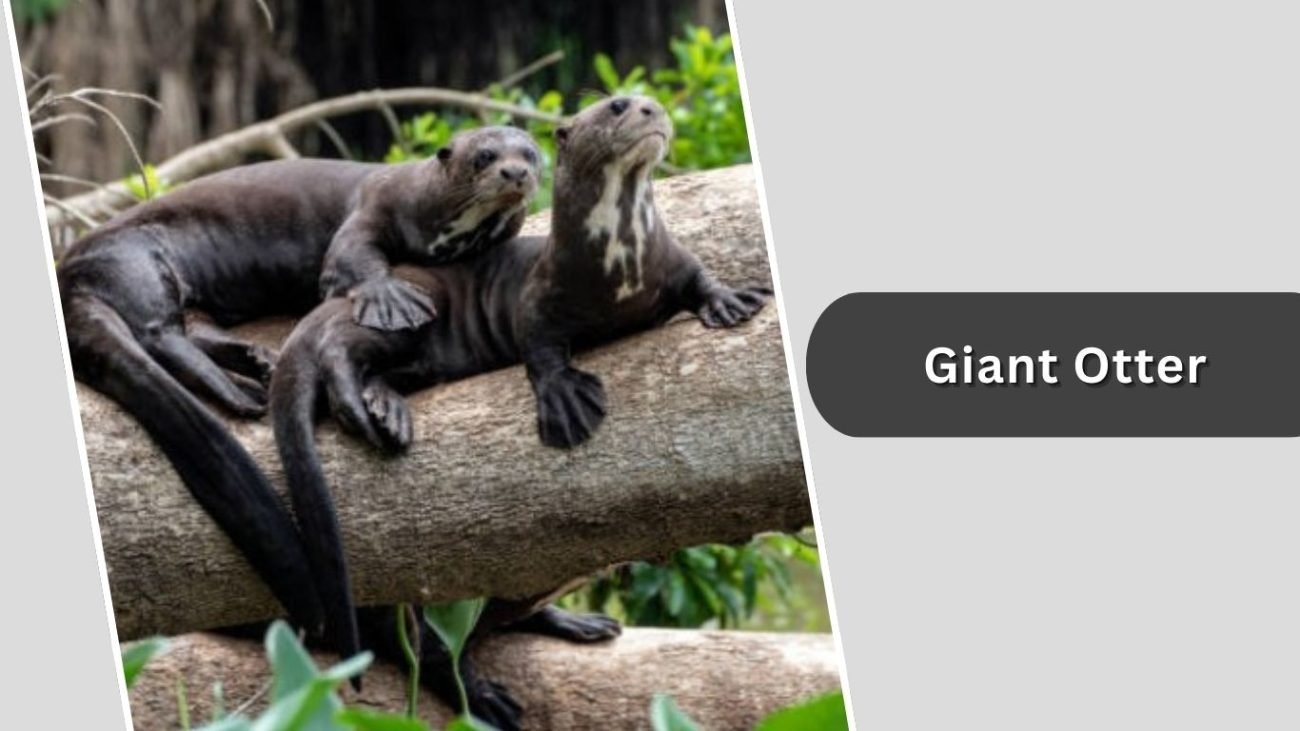
The giant otter is the largest otter species in the world, native to the rivers and lakes of South America. Known for its long, muscular body and strong swimming ability, it is an apex predator in freshwater habitats, playing a crucial role in controlling fish populations and maintaining ecosystem balance.
Identification
- Very large, elongated body with reddish-brown fur
- Cream-colored throat and chest markings
- Long, flattened tail for powerful swimming
- Webbed feet with sharp claws
- Small rounded ears and broad snout
- Strong, muscular limbs
Habitat
Giant otters inhabit rivers, lakes, floodplains, and wetlands of the Amazon and Orinoco basins. They prefer clear waters with abundant fish and dense riverbank vegetation for denning.
Behavior
This species is highly social, living in family groups of 3–20 individuals. Giant otters are vocal and territorial, using loud whistles and growls to communicate and defend their territory.
Diet and Lifecycle
Their diet mainly consists of fish, crustaceans, and small aquatic animals. Breeding occurs year-round, with females giving birth to 1–5 pups. Young are raised cooperatively by the group and learn hunting skills from adults.
6. Smooth-coated Otter (Lutrogale perspicillata)
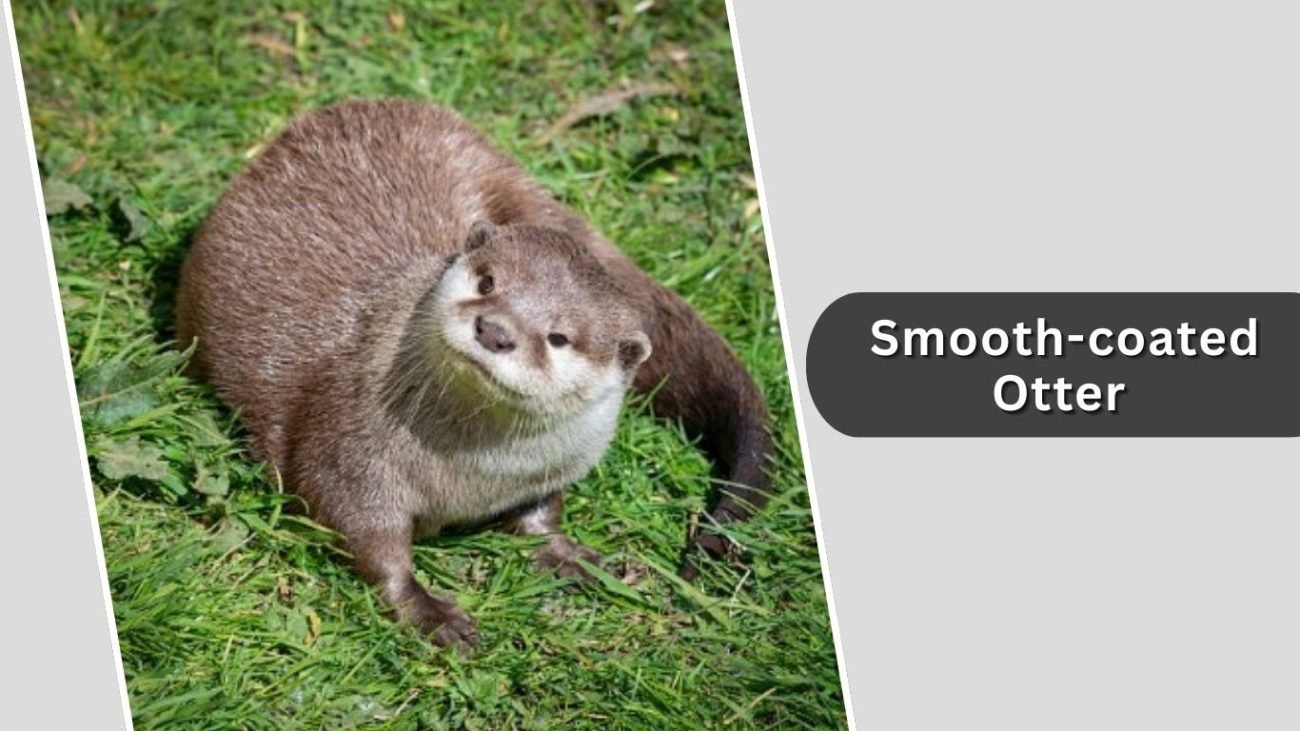
The smooth-coated otter is a medium-sized otter native to South and Southeast Asia. It is named for its sleek, water-resistant fur, which allows it to glide easily through rivers and wetlands. This species is highly social and often seen hunting cooperatively in groups along waterways.
Identification
- Medium-sized, streamlined body with glossy dark brown fur
- Lighter underparts, usually pale or cream-colored
- Long, muscular tail
- Webbed feet with sharp claws
- Small rounded ears and broad, flat snout
- Smooth, dense coat for efficient swimming
Habitat
Smooth-coated otters inhabit rivers, lakes, marshes, rice paddies, and mangrove swamps. They prefer areas with abundant fish, vegetation, and minimal human disturbance.
Behavior
Highly social, smooth-coated otters live in family groups of 3–12 individuals. They hunt cooperatively, slide into water for fun, and mark their territory with scent glands.
Diet and Lifecycle
Their diet consists mainly of fish, crustaceans, and amphibians. Breeding occurs once a year, with females giving birth to 2–5 pups. Young remain with the family until fully capable of hunting and swimming independently.
7. African Clawless Otter (Aonyx capensis)
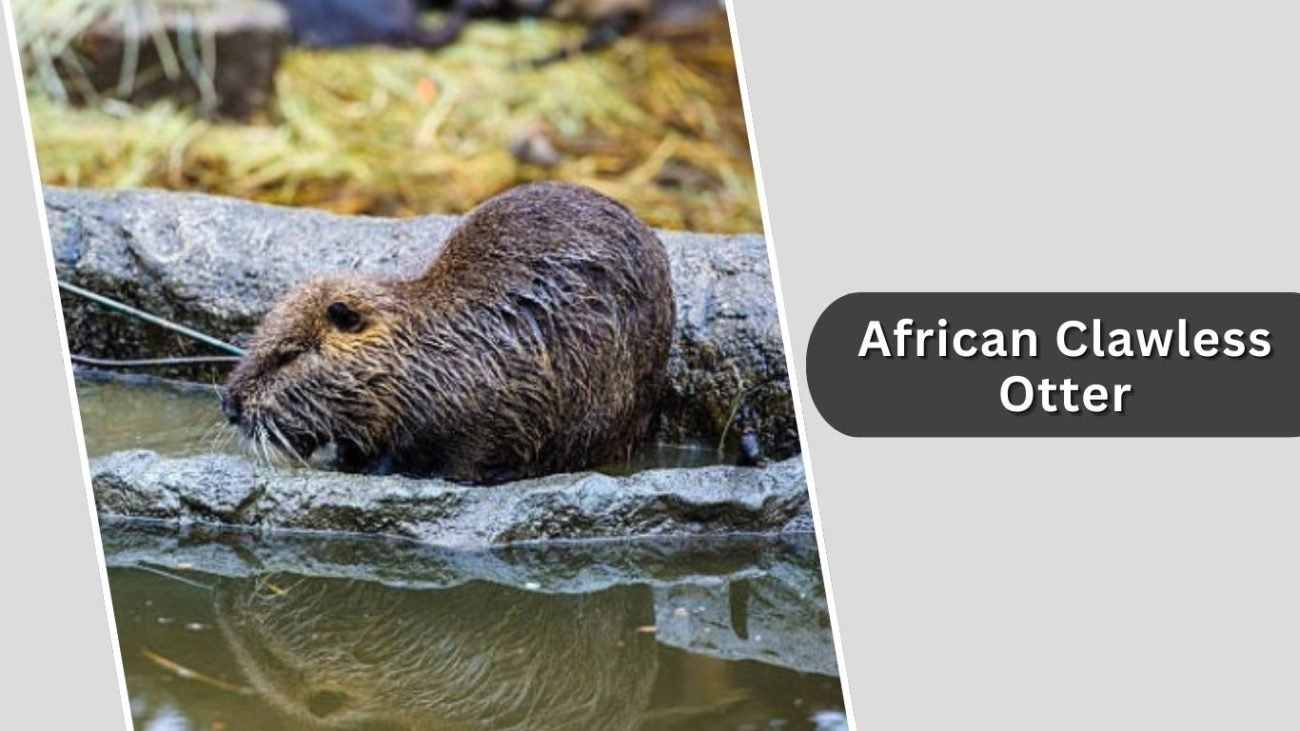
The African clawless otter is a large, semi-aquatic mammal found across sub-Saharan Africa. It is named for its partially reduced claws and highly dexterous front paws, which it uses to forage for crabs, mollusks, and other aquatic prey. This otter is primarily nocturnal and plays an important role in freshwater ecosystems.
Identification
- Large, robust body with brown to grayish fur
- Lighter throat and underparts
- Long, muscular tail
- Partially webbed feet with reduced or absent claws on front paws
- Small, rounded ears and broad snout
- Sensitive whiskers for detecting prey underwater
Habitat
African clawless otters inhabit rivers, lakes, wetlands, estuaries, and coastal lagoons. They prefer areas with abundant food, rocks, and vegetation for denning and hiding.
Behavior
Mostly solitary, these otters are active at night. They are skilled swimmers and divers, using their agile front paws to probe crevices and riverbeds for prey.
Diet and Lifecycle
They feed mainly on crabs, fish, frogs, mollusks, and insects. Breeding occurs throughout the year, with females giving birth to 1–3 pups. The young stay with the mother for several months before becoming independent.
8. Neotropical Otter (Lontra longicaudis)
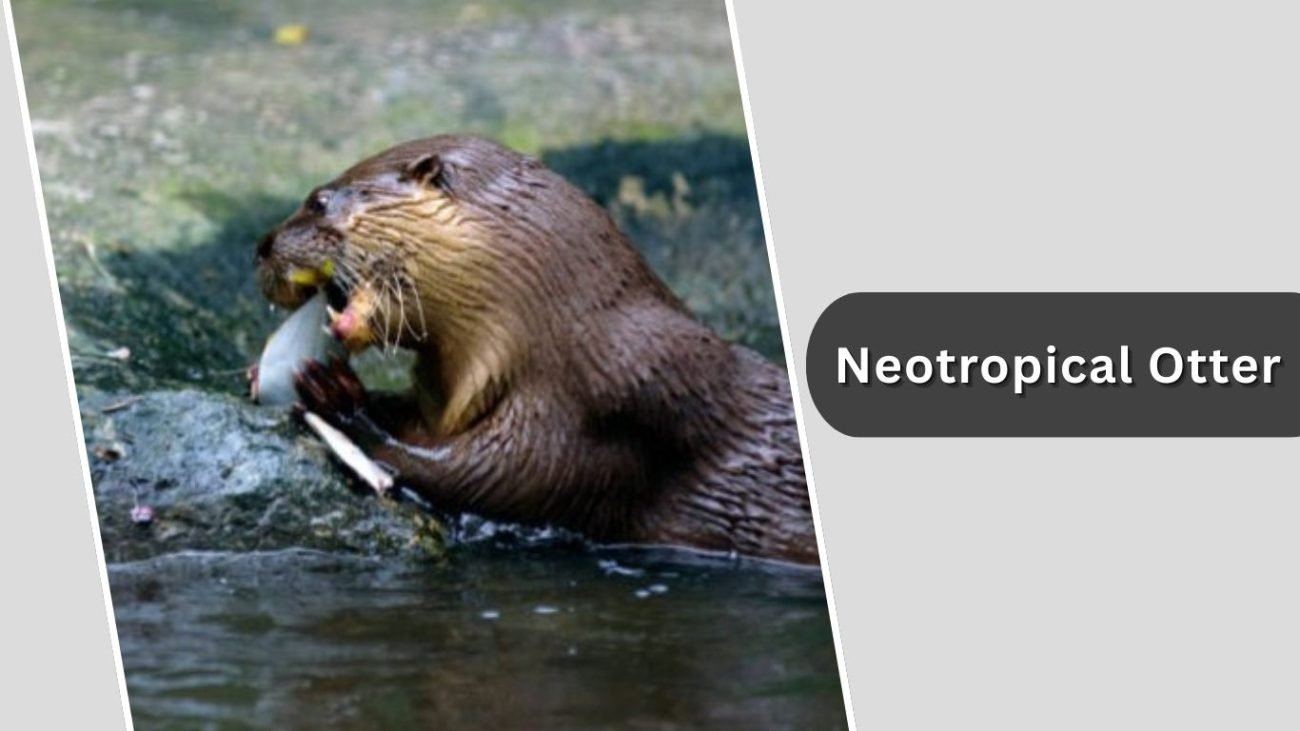
The Neotropical otter is a medium-sized otter found throughout Central and South America. It is an agile and solitary swimmer, primarily inhabiting freshwater rivers, streams, and wetlands. Known for its stealth and hunting skill, this otter plays a crucial role in maintaining balanced aquatic ecosystems.
Identification
- Medium-sized body with dark brown fur
- Lighter underparts, usually pale or cream-colored
- Long, thick, tapering tail
- Webbed feet with strong claws
- Small rounded ears and broad snout
- Dense, water-resistant coat
Habitat
Neotropical otters inhabit rivers, streams, lakes, marshes, and mangroves across Central and South America. They prefer areas with dense vegetation, clean water, and abundant fish.
Behavior
Primarily solitary and territorial, Neotropical otters are most active at night or during twilight. They are excellent swimmers, capable of diving and hunting underwater with precision.
Diet and Lifecycle
Their diet includes fish, crustaceans, amphibians, and small mammals. Breeding occurs year-round in some regions, with females giving birth to 1–4 pups. The young remain with the mother for several months, learning essential hunting skills.
9. Congo Clawless Otter (Aonyx congicus)
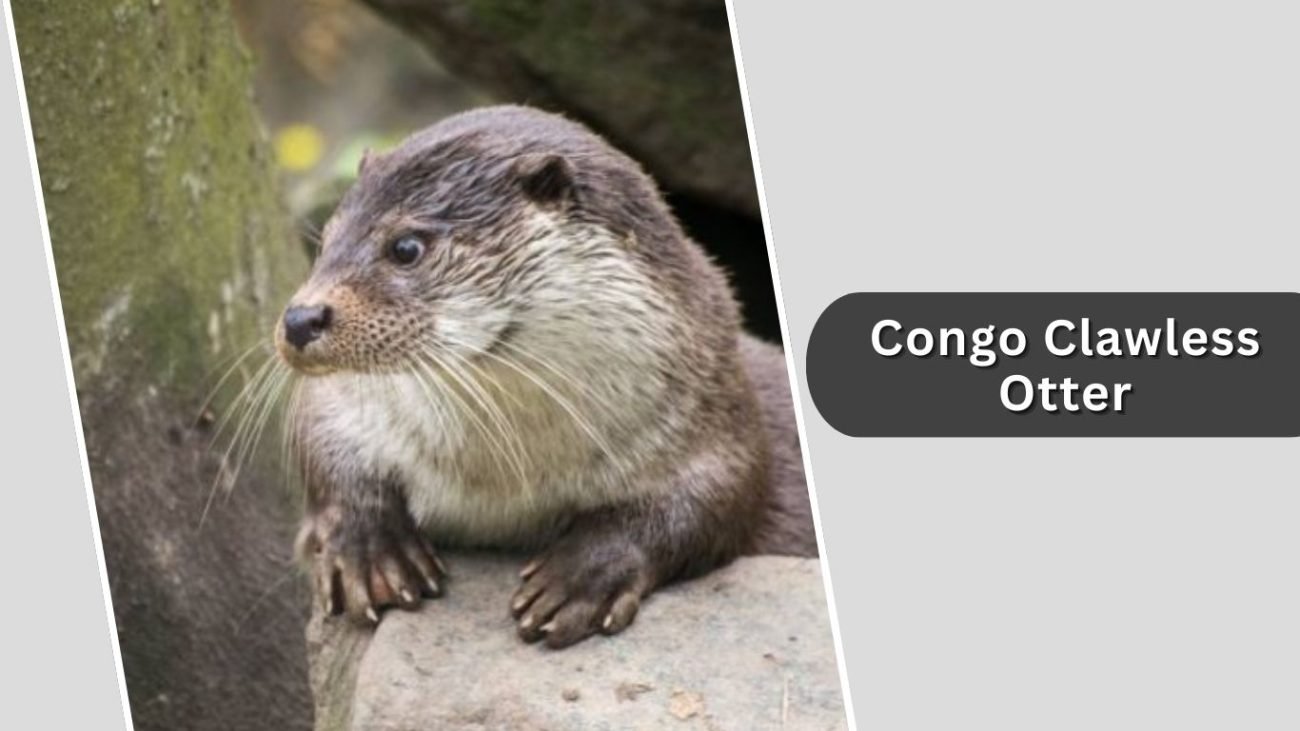
The Congo clawless otter is a large African otter species found primarily in the central Congo Basin. It is recognized for its partially clawless front paws, which it uses skillfully to extract crabs, mollusks, and other prey from riverbeds. This species is mostly nocturnal and highly adapted to life in dense freshwater habitats.
Identification
- Large, muscular body with dark brown to grayish fur
- Lighter underparts
- Long, strong, tapering tail
- Partially webbed feet with reduced front claws
- Small rounded ears and broad snout
- Sensitive whiskers for detecting underwater prey
Habitat
Congo clawless otters inhabit rivers, streams, swamps, and wetlands in central Africa, favoring areas with abundant fish, crustaceans, and dense riverbank vegetation for shelter.
Behavior
They are primarily solitary and nocturnal. Skilled swimmers and divers, these otters use their front paws to probe and capture prey in muddy or rocky riverbeds.
Diet and Lifecycle
Their diet consists mainly of crabs, fish, amphibians, and other small aquatic animals. Breeding occurs year-round. Females give birth to 1–3 pups, which remain with the mother until fully capable of independent survival.
10. Marine Otter (Lontra felina)
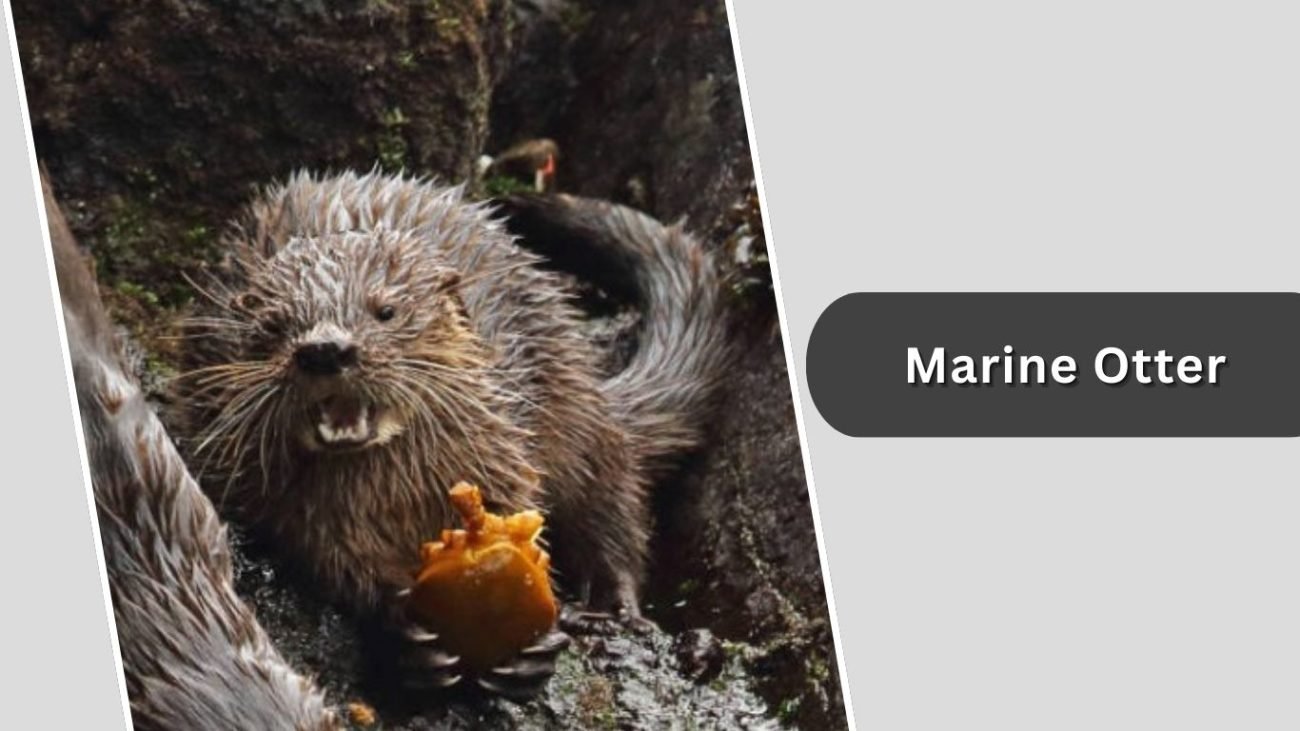
The marine otter, also called the sea cat, is a small otter species native to the coastal waters of South America. Unlike most otters, it spends much of its life in saltwater near rocky shores and tidal pools. This species is elusive and highly adapted to marine hunting.
Identification
- Small, slender body with dark brown fur
- Lighter underparts
- Long, tapered tail
- Webbed feet with sharp claws
- Small rounded ears and flat snout
- Dense, water-resistant coat
Habitat
Marine otters inhabit rocky coastlines, kelp beds, and tidal pools along the Pacific coast of Chile and Peru. They prefer areas with abundant fish, crustaceans, and invertebrates.
Behavior
Marine otters are generally solitary and territorial. They are agile swimmers and divers, hunting primarily along the shoreline. They rest in rock crevices or dens close to water.
Diet and Lifecycle
Their diet consists mainly of fish, crabs, mollusks, and other small marine animals. Breeding occurs year-round, with females giving birth to 1–2 pups. The young stay with the mother for several months, learning to hunt and swim.
11. Southern River Otter (Lontra provocax)
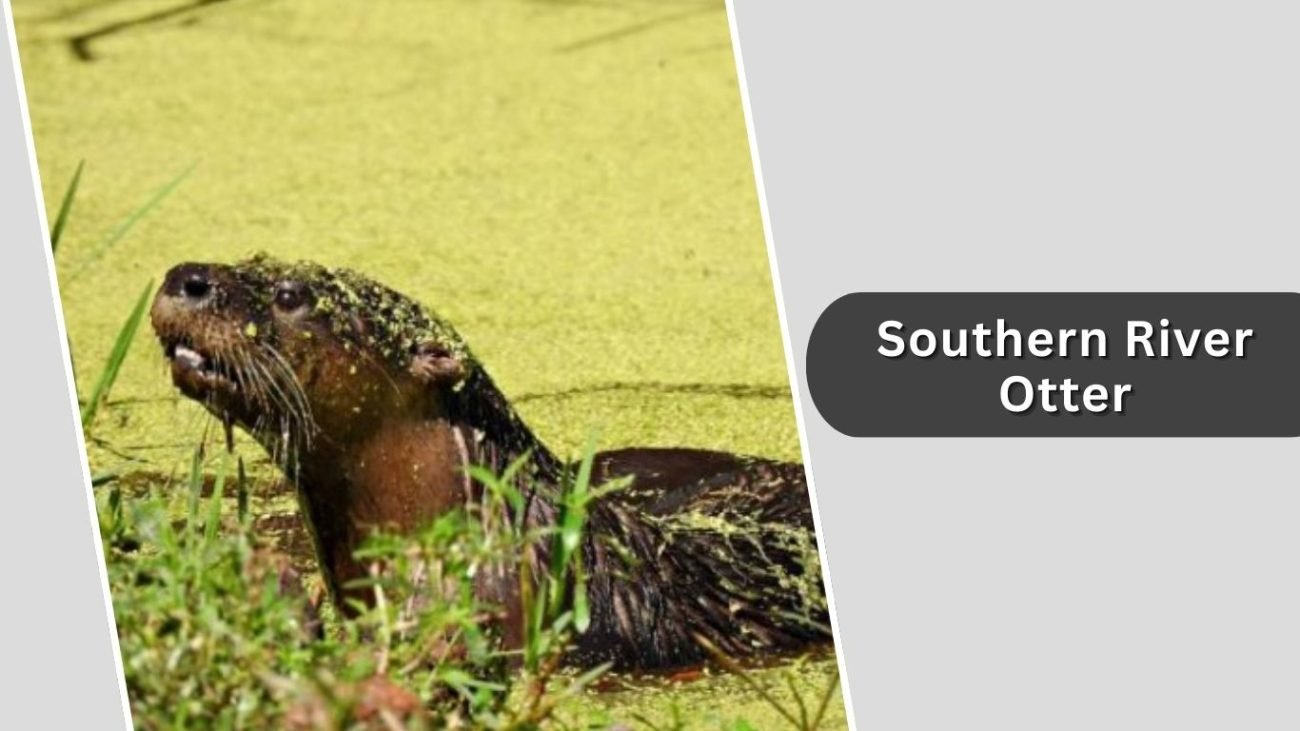
The southern river otter is a medium-sized otter native to freshwater rivers and lakes in southern Chile and Argentina. It is highly aquatic and an adept swimmer, playing an important role in controlling fish and crustacean populations in its habitat.
Identification
- Medium-sized, muscular body with dark brown fur
- Lighter underparts, often pale or cream-colored
- Long, strong, tapered tail
- Webbed feet with sharp claws
- Small rounded ears and broad snout
- Dense, water-resistant fur
Habitat
Southern river otters inhabit rivers, lakes, and wetlands in southern South America. They prefer areas with clean water, abundant fish, and vegetative cover for denning and shelter.
Behavior
They are primarily solitary and territorial. Southern river otters are excellent swimmers and divers, using stealth and agility to hunt underwater. They often rest in dens along riverbanks or in rock crevices.
Diet and Lifecycle
Their diet mainly includes fish, crustaceans, amphibians, and small mammals. Breeding occurs year-round, with females giving birth to 1–3 pups. The young stay with the mother for several months until they can hunt independently.
12. Spotted-necked Otter (Hydrictis maculicollis)
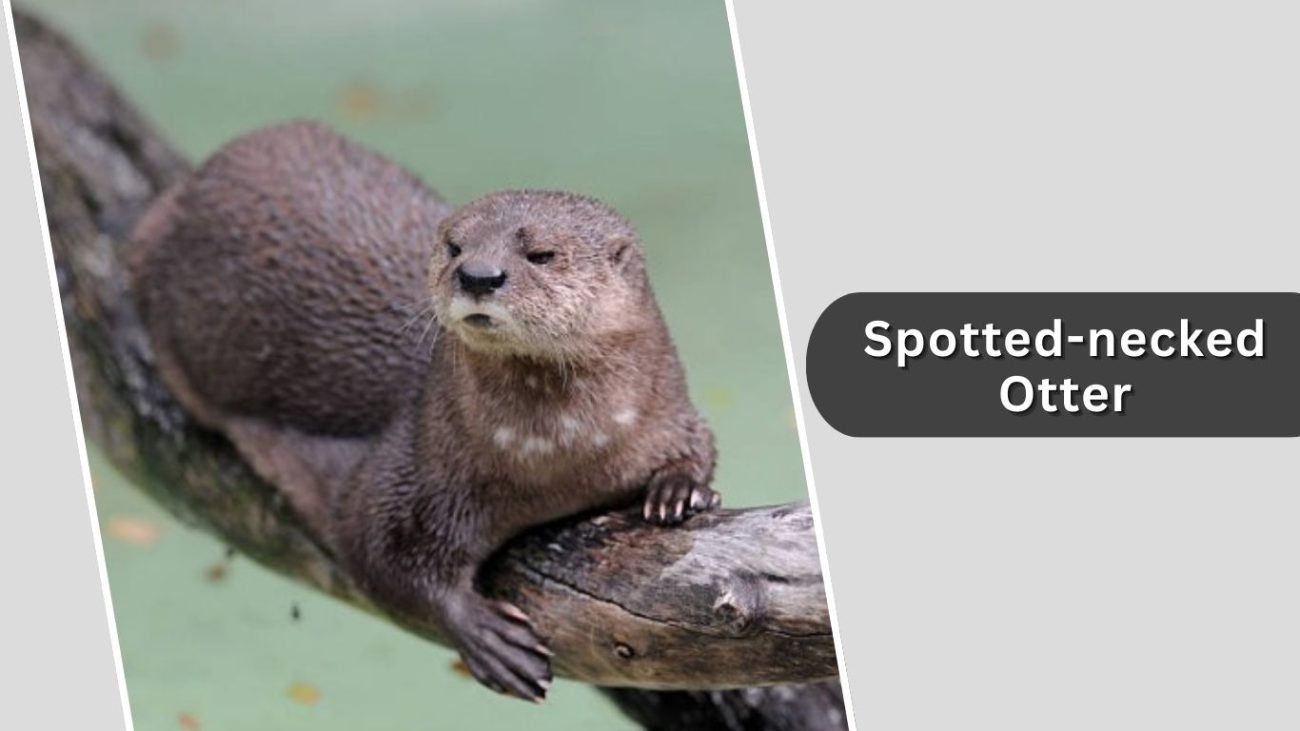
The spotted-necked otter is a small to medium-sized African otter species found in freshwater lakes and rivers. It is named for the distinctive pale spots on its throat and chest. Highly agile and semi-aquatic, this otter is an expert swimmer and an efficient predator in its aquatic habitat.
Identification
- Small to medium-sized body with dark brown fur
- Pale spots on the throat and chest
- Long, tapering tail
- Webbed feet with sharp claws
- Small, rounded ears and broad snout
- Sleek, water-resistant coat
Habitat
Spotted-necked otters inhabit lakes, rivers, and wetlands across sub-Saharan Africa. They prefer clear waters with rocky shores or dense vegetation, which provide shelter and hunting grounds.
Behavior
They are mostly solitary or live in small family groups. Spotted-necked otters are diurnal and highly active, spending much of the day swimming, diving, and hunting for fish and crustaceans.
Diet and Lifecycle
Their diet consists mainly of fish and crustaceans, occasionally consuming amphibians. Breeding occurs year-round, with females giving birth to 1–3 pups. Young stay with the mother until they can swim and hunt independently.
13. Hairy-nosed Otter (Lutra sumatrana)
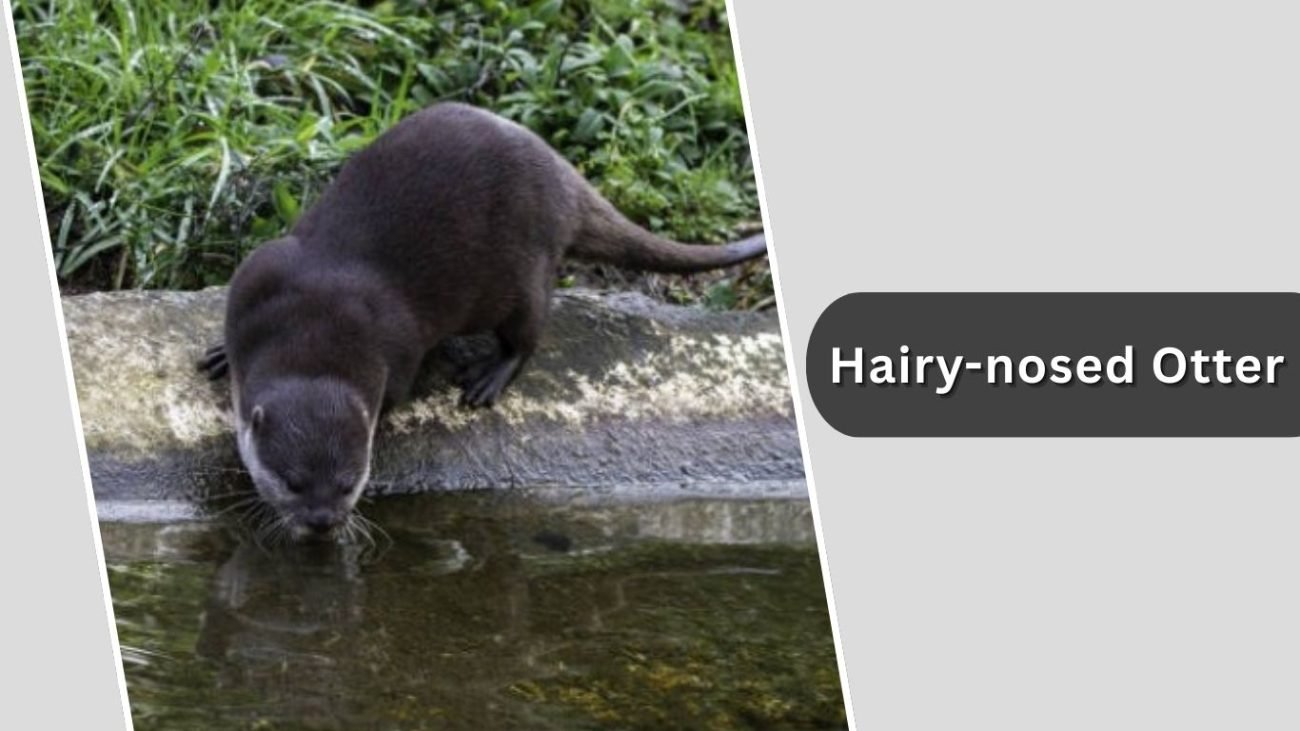
The hairy-nosed otter is a rare and elusive otter species found in Southeast Asia. It is named for the distinctive hair on the tip of its nose. This species is highly aquatic and relies on freshwater rivers, swamps, and marshes for survival, making it one of the least commonly seen otters in the wild.
Identification
- Medium-sized body with dark brown fur
- Lighter underparts
- Hair-covered tip of the nose
- Long, muscular tail
- Webbed feet with sharp claws
- Small, rounded ears and broad snout
Habitat
Hairy-nosed otters inhabit rivers, wetlands, swamps, and peat bogs in Thailand, Malaysia, Indonesia, and surrounding areas. They prefer clean water with dense riverbank vegetation for shelter.
Behavior
This species is primarily solitary and highly secretive. It is an excellent swimmer and diver, hunting underwater for fish, crabs, and small amphibians.
Diet and Lifecycle
Their diet mainly includes fish, crabs, and amphibians. Breeding occurs year-round, with females giving birth to 1–3 pups. The young stay with the mother for several months, learning swimming and hunting skills before becoming independent.
14. Eurasian Otter (Lutra lutra)
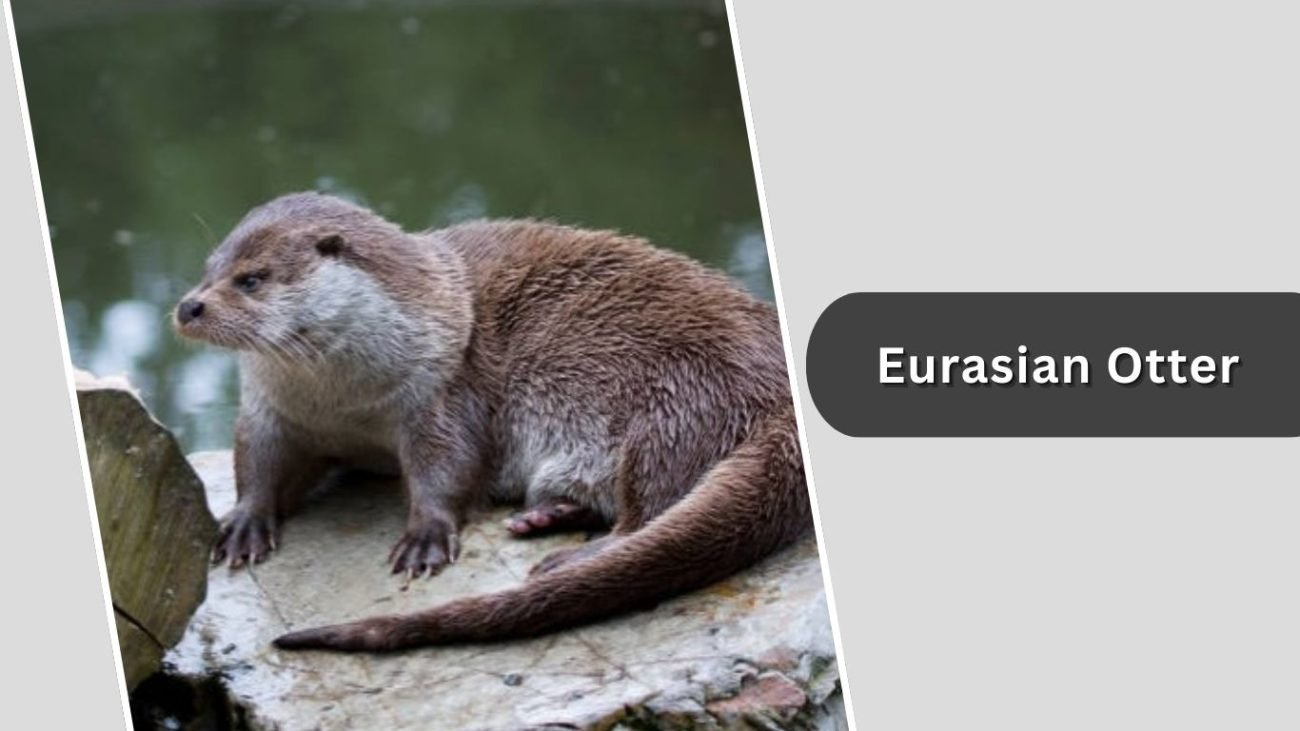
The Eurasian otter is a widespread semi-aquatic mammal found across Europe, parts of Asia, and North Africa. It is known for its excellent swimming ability, solitary nature, and sensitivity to habitat quality, making it an important indicator of healthy freshwater ecosystems.
Identification
- Medium-sized, streamlined body with dense brown fur
- Lighter, cream-colored underparts
- Long, muscular tail
- Webbed feet with sharp claws
- Small rounded ears and broad snout
- Sensitive whiskers for detecting prey underwater
Habitat
Eurasian otters inhabit rivers, streams, lakes, wetlands, and coastal areas. They prefer areas with clean water, abundant fish, and dense vegetation for shelter and denning.
Behavior
Primarily solitary, these otters are most active at dawn and dusk. They are strong swimmers and divers, capable of hunting fish, crustaceans, and amphibians underwater with precision.
Diet and Lifecycle
Their diet consists mainly of fish, amphibians, crustaceans, and occasionally small mammals. Breeding usually occurs in late winter to early spring, with females giving birth to 1–3 pups. The young stay with the mother for several months before becoming independent.
15. Japanese river otter (Lutra nippon)
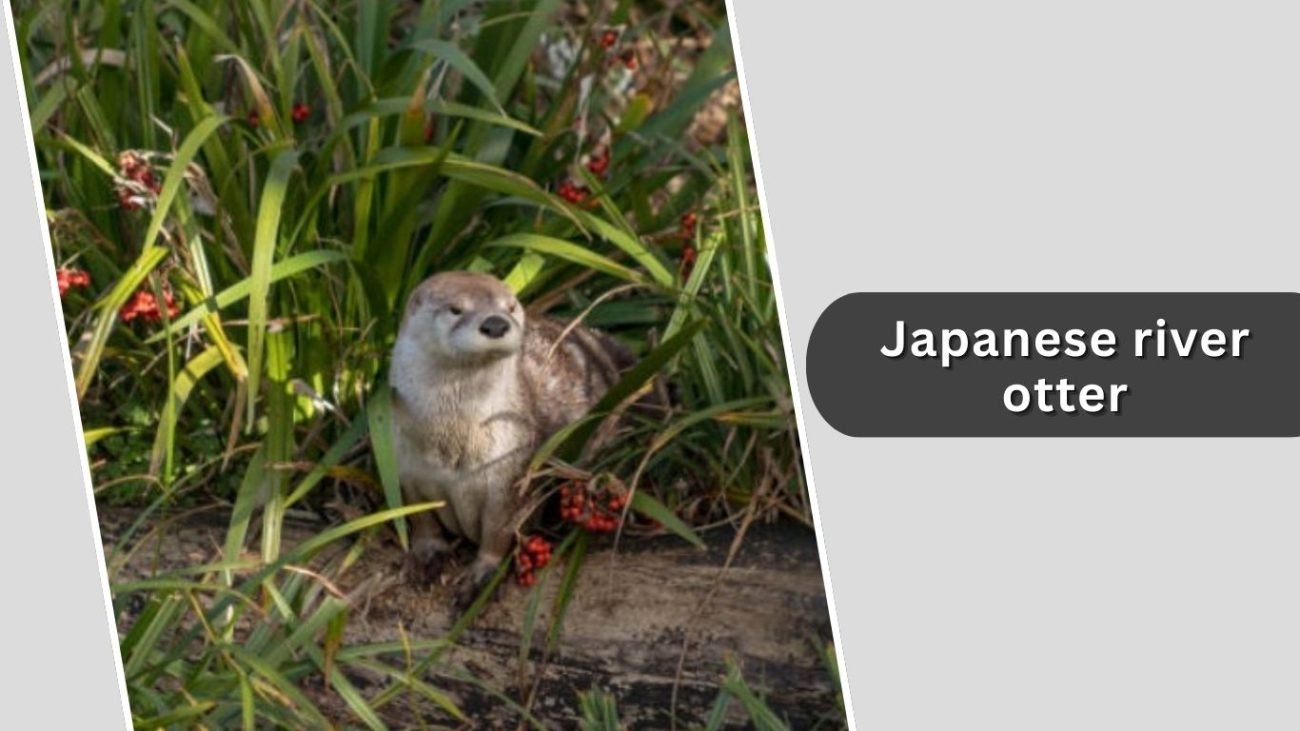
The Japanese river otter was a freshwater otter species native to Japan, now considered extinct. It was a small to medium-sized otter that lived in rivers, lakes, and coastal wetlands. Historically, it played an important role in freshwater ecosystems by controlling fish and invertebrate populations.
Identification
- Medium-sized body with dark brown fur
- Lighter underparts
- Long, tapering tail
- Webbed feet with sharp claws
- Small rounded ears and broad snout
- Dense, water-resistant coat
Habitat
Japanese river otters inhabited rivers, streams, lakes, and wetlands throughout Japan. They preferred clean freshwater environments with abundant fish and shelter along the banks.
Behavior
They were primarily solitary and territorial. Highly skilled swimmers and divers, they hunted fish, crustaceans, and amphibians. Most activity occurred near the water, with dens constructed along riverbanks.
Diet and Lifecycle
Their diet consisted mainly of fish, crabs, and amphibians. Breeding likely occurred once a year, with females giving birth to 1–3 pups. Young would have stayed with the mother until they could hunt and swim independently.
FAQs
What is the largest otter species in the world?
The Giant Otter (Pteronura brasiliensis) is the largest otter species, reaching lengths of up to 1.7 meters (5.5 feet) and weighing up to 32 kilograms (70 lbs). It is native to South American rivers and lives in social family groups.
Are otters freshwater or marine animals?
Otters can be both. Some species, like the North American River Otter, live in freshwater rivers and lakes, while others, like the Sea Otter and Marine Otter, are adapted to marine coastal environments.
What do otters eat?
Otters are carnivorous and primarily feed on fish, crustaceans, amphibians, mollusks, and insects. Some species, like the Asian Small-clawed Otter, specialize in crabs and other invertebrates.
Are otters social animals?
Many otter species are social. For example, Asian Small-clawed, Giant, and Smooth-coated Otters live in family groups, whereas species like the Eurasian and North American River Otters are mostly solitary.
Why are otters important to ecosystems?
Otters are apex or keystone predators in aquatic ecosystems. By controlling fish, crustacean, and invertebrate populations, they help maintain healthy rivers, lakes, and coastal environments and support biodiversity.