











Pandas are among the most recognizable animals in the world, admired for their gentle behavior, striking colors, and strong connection to bamboo forests. While most people know the giant panda, there are actually different types and regional forms of pandas, along with the unique red panda. Each type shows differences in size, habitat, and distribution, shaped by the mountains and forests of Asia where they naturally live.
1. Giant Panda

The giant panda is the most well-known panda species in the world and is native to the mountain forests of central China. Famous for its striking black-and-white fur pattern and gentle behavior, the giant panda mainly survives on bamboo despite belonging to the carnivore family. It has strong jaws and flat molar teeth adapted for crushing tough bamboo stems. Giant pandas are excellent climbers and capable swimmers, spending much of their time feeding, resting, and slowly moving through dense bamboo forests.
Identification
- Scientific name: Ailuropoda melanoleuca
- Common name: Giant panda
- Fur color: Black and white
- Body type: Large, heavy-bodied bear
- Face: Distinct black eye patches
- Average length: 1.2–1.9 meters
- Average weight: 70–125 kg
- Native range: Central China
Habitat
Giant pandas live in cool, damp mountain forests rich in bamboo, usually at elevations between 1,200 and 3,400 meters. These forests are mainly found in China’s Sichuan, Shaanxi, and Gansu provinces. Thick vegetation provides shelter, stable temperatures, and a constant bamboo supply. Pandas prefer remote, undisturbed areas where they can roam across slopes, valleys, and forest floors. Seasonal movement occurs as they shift locations to follow fresh bamboo growth and avoid harsh weather conditions.
Diet
About 99% of a giant panda’s diet consists of bamboo, including shoots, leaves, and stems. Because bamboo is low in nutrients, pandas must eat for up to 12–14 hours a day, consuming 12–38 kilograms daily. Their enlarged wrist bone, often called a “false thumb,” helps them grip bamboo stalks. Occasionally, giant pandas may eat small animals, eggs, or carrion, but these make up a very small part of their natural feeding behavior.
Lifecycle & Lifespan
Female giant pandas usually give birth to one tiny cub after a gestation period of about 95–160 days. Newborn cubs are blind, pink, and extremely small compared to their mothers. Cubs depend entirely on their mother for warmth, milk, and protection for several months. They begin eating bamboo at around six months and stay with their mother for up to two years. In the wild, giant pandas live around 15–20 years, while in captivity they can live more than 30 years.
2. Red Panda

The red panda is a small, tree-dwelling mammal often called the “lesser panda.” Although it shares the name panda, it is not a bear and belongs to its own unique family. Red pandas are known for their reddish-brown fur, long bushy tails, and cat-like faces. They are shy, mostly active at dawn and dusk, and spend much of their time in trees, where they sleep, eat, and escape predators.
Identification
- Scientific name: Ailurus fulgens
- Common name: Red panda
- Fur color: Reddish-brown with black legs
- Tail: Long, bushy, ringed tail
- Face: White markings with dark tear lines
- Body type: Small, cat-sized mammal
- Average length: 50–64 cm (body only)
- Native range: Eastern Himalayas and southwestern China
Habitat
Red pandas live in cool temperate forests with dense bamboo understory. Their range includes Nepal, Bhutan, northern India, Myanmar, and parts of China. They prefer mountainous regions between 2,200 and 4,800 meters where temperatures remain mild and humidity is high. Trees are essential to their survival, providing resting places, nesting sites, and protection from ground predators. Fallen logs, thick branches, and hollow trunks are often used for sleeping and raising young.
Diet
Although red pandas belong to the order Carnivora, their diet is mostly bamboo, especially tender leaves and shoots. Because bamboo is low in nutrition, they must eat frequently to maintain energy. In addition to bamboo, red pandas also eat fruits, berries, acorns, roots, bird eggs, and insects when available. Their strong jaws and curved claws help them grasp food and climb while feeding in trees.
Lifecycle & Lifespan
Red pandas usually mate in late winter, and females give birth to one to four cubs after a gestation period of about 130 days. Cubs are born blind and remain in nests made of leaves and moss for several weeks. The mother provides all care during early development. Young red pandas begin exploring outside the nest after three months and become independent at around one year. In the wild, they typically live 8–10 years, while in captivity they may live up to 15 years.
3. Qinling Panda
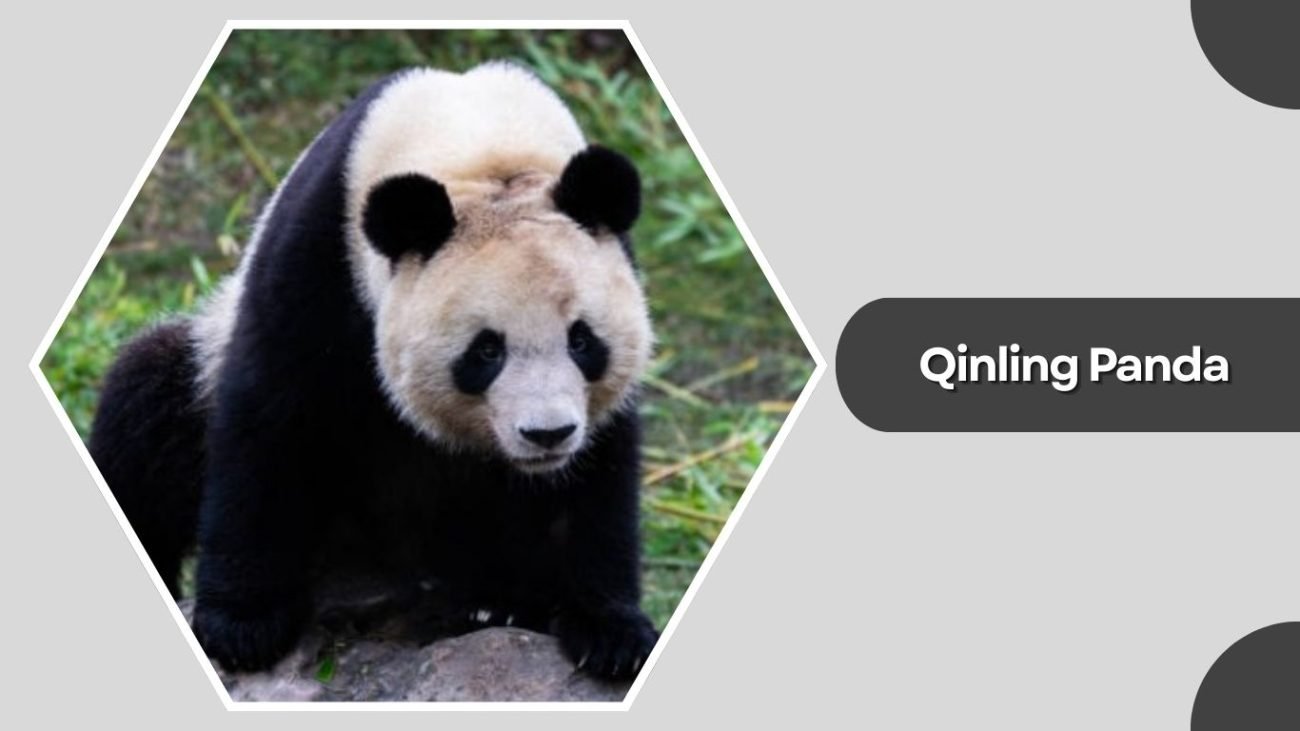
The Qinling panda is a rare subspecies of the giant panda found only in the Qinling Mountains of China. It is considered genetically distinct from other giant pandas and is known for its slightly smaller size and unique color variation. Unlike the typical black-and-white panda, some Qinling pandas show light brown and dark brown markings. This isolated population lives in a narrow mountain range, making it one of the most geographically restricted panda types.
Identification
- Scientific name: Ailuropoda melanoleuca qinlingensis
- Common name: Qinling panda
- Fur color: Light brown and dark brown (some individuals)
- Body type: Stocky, bear-like mammal
- Face: Rounded head with softer eye patches
- Average size: Smaller than the Sichuan panda
- Population range: Qinling Mountains, Shaanxi, China
Habitat
Qinling pandas inhabit the temperate forests of the Qinling mountain range in Shaanxi Province. These forests are rich in bamboo and include mixed deciduous and coniferous trees. Compared to other panda populations, Qinling pandas live at slightly lower elevations, often between 1,300 and 3,000 meters. The region experiences four clear seasons, and pandas adjust their movement based on temperature and bamboo growth cycles.
Diet
Like all giant pandas, Qinling pandas depend almost entirely on bamboo. However, they prefer different bamboo species than those eaten by Sichuan pandas. They consume leaves, stems, and shoots and spend more than half of their day feeding. Their strong jaw muscles and broad molars are well adapted for crushing tough bamboo fibers. Occasionally, they may eat small animals or fallen fruit, but this is very rare.
Lifecycle & Lifespan
Qinling pandas follow a similar reproductive pattern to other giant pandas. Females usually give birth to one cub after a gestation period of around five months. Cubs are born tiny, blind, and helpless, relying completely on their mother. They begin crawling at about three months and start eating bamboo later in their first year. In the wild, Qinling pandas are believed to live around 15–20 years, with longer lifespans recorded in protected environments.
4. Sichuan Panda
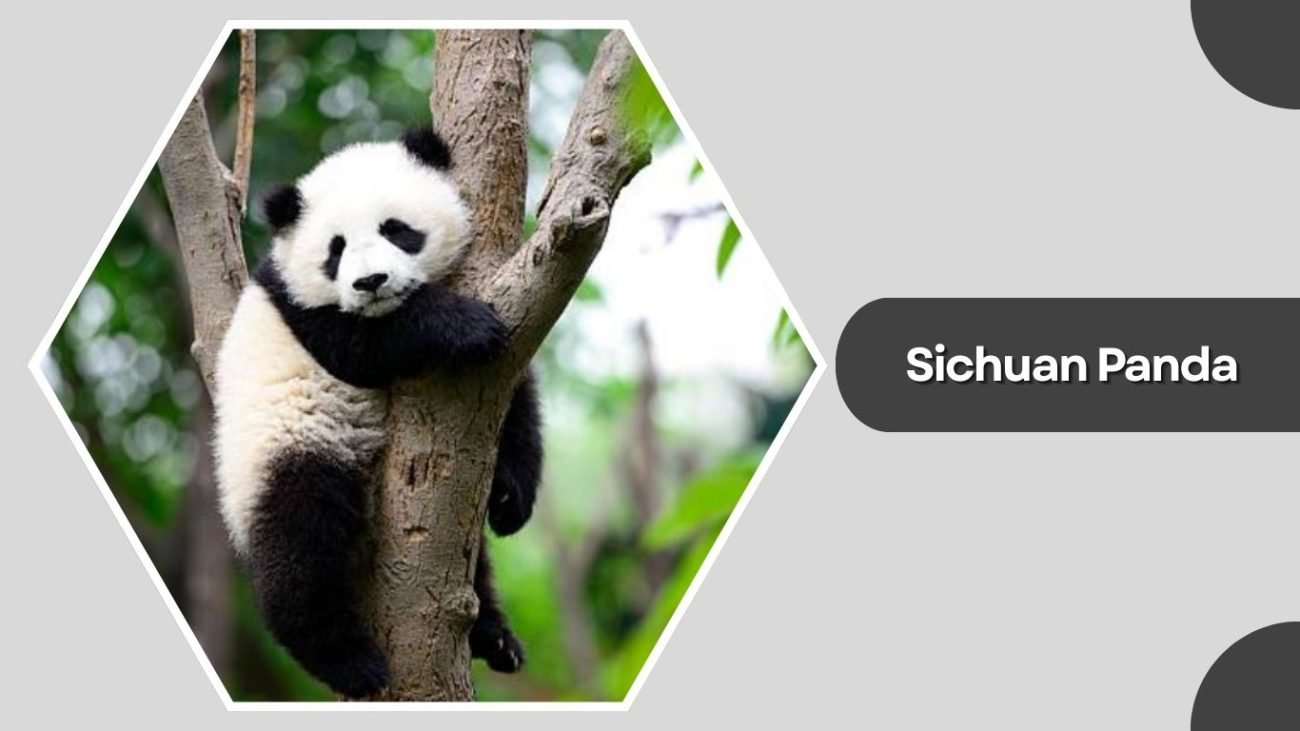
The Sichuan panda is the most widespread and well-known population of giant pandas, living mainly in China’s Sichuan Province. Most of the world’s wild giant pandas belong to this group. They are famous for their classic black-and-white coloration, large round heads, and calm behavior. The Sichuan region’s vast bamboo forests make it the most important natural stronghold for panda survival.
Identification
- Scientific name: Ailuropoda melanoleuca
- Common name: Sichuan panda
- Fur color: Black and white
- Body type: Large, heavy-set bear
- Face: Bold black eye patches
- Average weight: 80–125 kg
- Build: Broad chest, strong limbs
- Main range: Sichuan Province, China
Habitat
Sichuan pandas live in cool, moist mountain forests dominated by bamboo. Their habitat spreads across rugged terrain with deep valleys, dense undergrowth, and frequent mist. These forests are usually found at elevations between 1,200 and 3,500 meters. The area experiences heavy rainfall and mild summers, creating perfect conditions for bamboo growth. Pandas move seasonally within these mountains to follow fresh bamboo shoots and avoid extreme cold.
Diet
Bamboo makes up nearly the entire diet of Sichuan pandas. They eat different bamboo species depending on altitude and season, focusing on shoots in spring and leaves during other times of the year. An adult may eat more than 15 kilograms of bamboo daily. Their powerful jaws, strong molars, and flexible “false thumb” allow them to grip and crush thick bamboo stems efficiently.
Lifecycle & Lifespan
Breeding usually occurs between March and May. After a gestation period of around 95–160 days, a female gives birth to one or occasionally two cubs. Newborns are extremely small, blind, and covered in thin fur. The mother provides constant care, carrying and feeding the cub for months. Cubs start walking at about three months and remain with their mother up to two years. In the wild, Sichuan pandas generally live 15–20 years, with longer lifespans in captivity.
5. Tibetan Panda
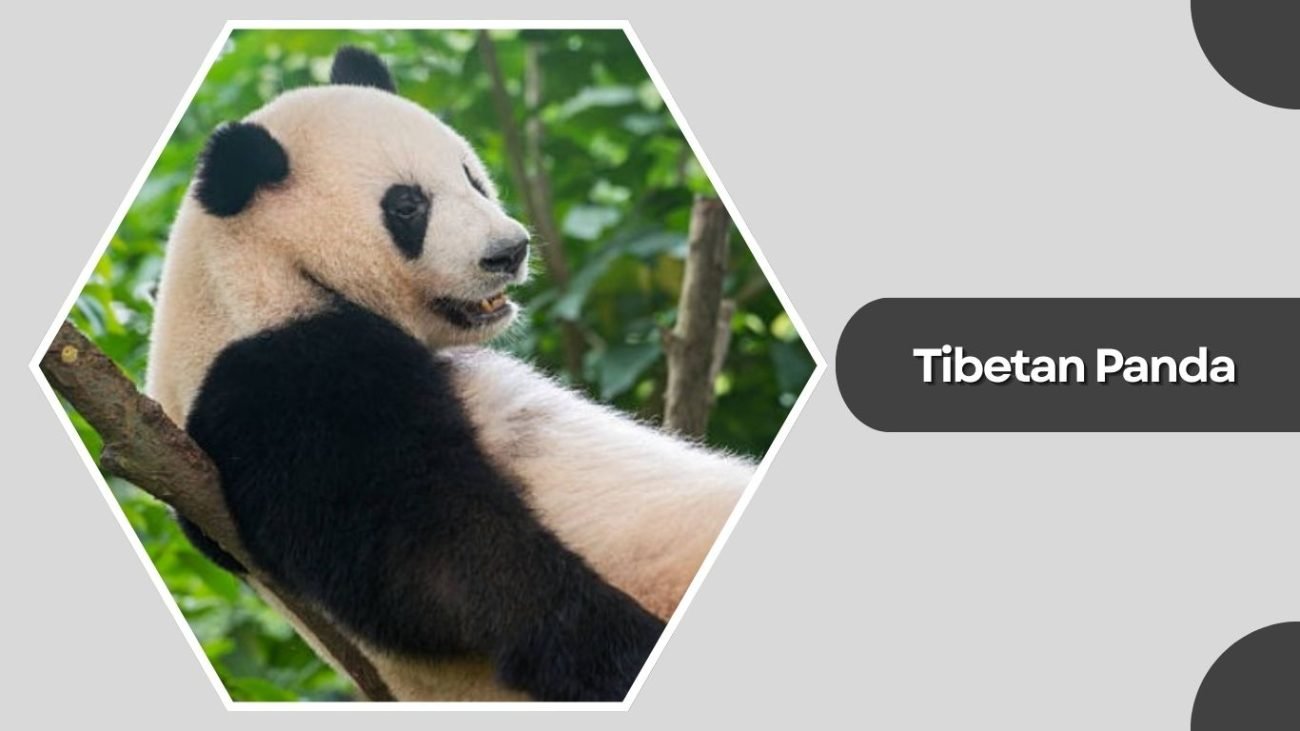
The Tibetan panda is a regional population of the giant panda found near the eastern edges of the Tibetan Plateau. It is not formally classified as a separate subspecies, but it is often referred to as a distinct type because of its isolated range and slightly different physical and ecological traits. Tibetan pandas live in colder, higher-altitude environments and are well adapted to harsh mountain conditions.
Identification
- Scientific name: Ailuropoda melanoleuca
- Common name: Tibetan panda
- Fur color: Black and white
- Body type: Large, thick-furred bear
- Build: Stocky body with powerful limbs
- Face: Rounded head with wide black patches
- Adaptation: Dense fur for cold climates
- Main range: Eastern Tibetan Plateau, China
Habitat
Tibetan pandas inhabit cold mountain forests near the Tibetan Plateau, where elevations are often higher than typical panda habitats. These regions contain mixed coniferous and broadleaf forests with thick bamboo growth. Winters are long and cold, while summers are cool and moist. The dense forest cover provides protection from wind and snow, and bamboo availability determines seasonal movement patterns.
Diet
Like other giant pandas, Tibetan pandas rely almost entirely on bamboo. They eat shoots, leaves, and stems, selecting different bamboo species depending on altitude. Because of the colder climate, they may consume larger quantities to maintain body heat. Their strong jaws and enlarged wrist bones help them grasp and crush tough bamboo efficiently.
Lifecycle & Lifespan
The lifecycle of Tibetan pandas closely matches that of other giant panda populations. Females usually give birth to one cub after a gestation period of about five months. Cubs are extremely small at birth and remain helpless for several months. They begin to walk after about three months and start sampling bamboo later in their first year. In the wild, Tibetan pandas are believed to live around 15–20 years, with longer lifespans in protected or captive environments.
FAQs
How many types of pandas are there in the world?
There are two true panda species recognized today: the giant panda and the red panda. However, within giant pandas, scientists also recognize different regional populations such as the Qinling, Sichuan, and Tibetan pandas, which are often called “types” because of their genetic, physical, and habitat differences.
Are red pandas and giant pandas the same animal?
No, red pandas and giant pandas are not the same animal. Giant pandas are bears and belong to the bear family, while red pandas belong to their own unique family. They look different, live in different habitats, and evolved separately, even though both mainly eat bamboo.
Why are Qinling pandas considered special?
Qinling pandas are special because they are genetically distinct from other giant pandas and live only in the Qinling Mountains of China. Some individuals even show rare brown-and-white coloring instead of black-and-white, making them unique among panda populations.
What do pandas eat besides bamboo?
Although bamboo makes up about 99% of a panda’s diet, pandas sometimes eat other foods. These can include fruits, roots, small animals, eggs, or carrion. However, these foods are rare in their diet, and bamboo remains their main and most important food source.
How long do pandas usually live?
In the wild, most pandas live around 15 to 20 years. Their lifespan depends on habitat quality, food availability, and threats. In captivity, where they receive regular food and veterinary care, many pandas live over 30 years.


