Persian cats are one of the oldest and most beloved cat breeds in the world, famous for their long flowing coats, round faces, and gentle personalities. Over time, selective breeding has created many different types of Persian cats, varying in face shape, coat color, and pattern. From traditional Doll Face Persians to striking Himalayans and shaded varieties, each type has its own unique beauty. Understanding these types helps cat lovers choose the Persian that best matches their lifestyle and preferences.
1. Doll Face Persian Cat
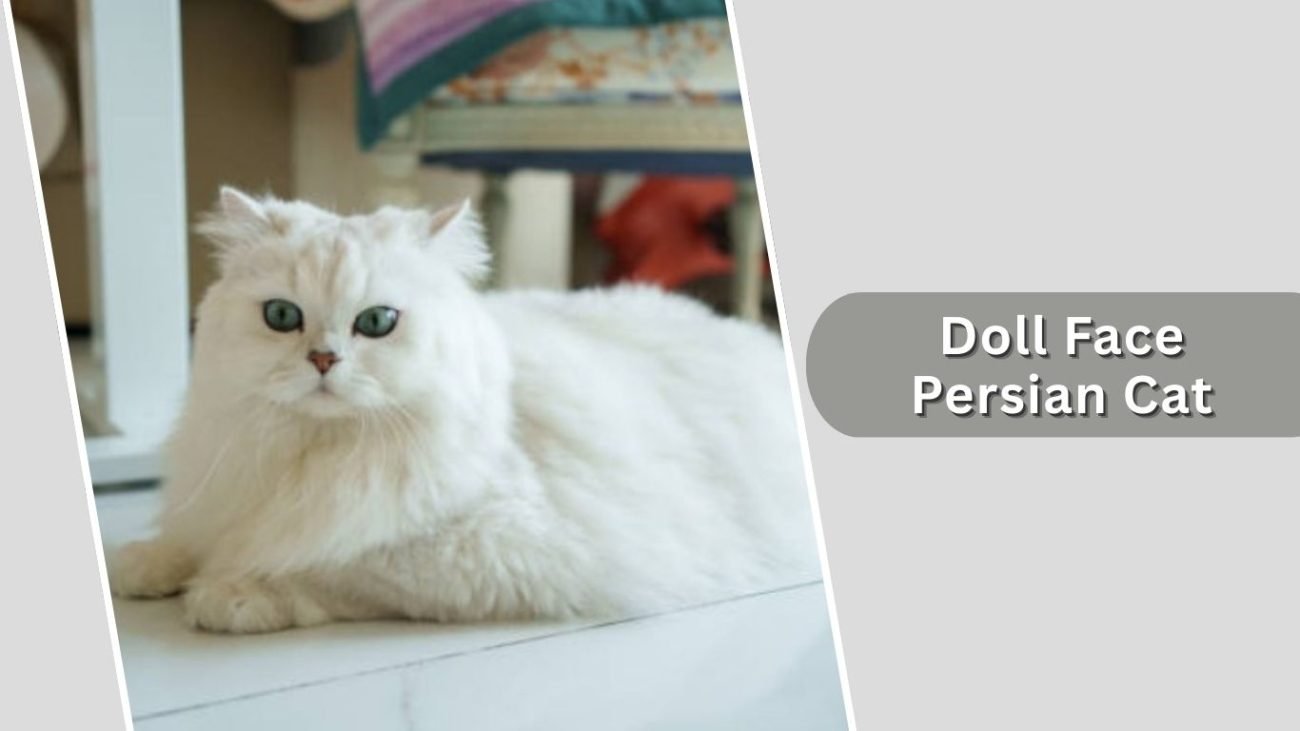
The Doll Face Persian Cat is considered the traditional and original type of Persian cat. It has a natural, sweet facial expression with a normal-length nose, rounded head, and large expressive eyes. Compared to modern show Persians, Doll Face Persians usually have fewer breathing issues and are known for their balanced appearance, gentle nature, and classic long, flowing coat.
Identification
- Round head with a natural, slightly flat face
- Medium-sized nose, clearly visible from the side
- Large, round copper or blue eyes
- Long, thick, flowing coat
- Short, strong legs and a compact body
- Full, fluffy tail
Habitat
Doll Face Persian cats are best suited to indoor living, where their long coats can be protected from dirt, parasites, and extreme temperatures. They adapt very well to apartments and quiet homes, preferring calm, stable environments over noisy or highly active households.
Behaviors
These cats are gentle, affectionate, and laid-back. They enjoy lounging in comfortable spots, quietly following their owners, and receiving calm attention. Doll Face Persians are not overly playful but appreciate short interactive play sessions and strong bonding time with family members.
Diet
A high-quality protein-rich cat food supports their muscle tone and luxurious coat. Diets containing omega-3 and omega-6 fatty acids help maintain healthy skin and fur. Because Persians can be prone to weight gain, portion control and scheduled feeding are important.
Lifespan and Care
With proper grooming and healthcare, Doll Face Persians commonly live 12–16 years. Daily brushing prevents matting, while regular eye cleaning, dental care, and routine vet visits help maintain their overall health and comfort.
2. Peke-Face Persian Cat
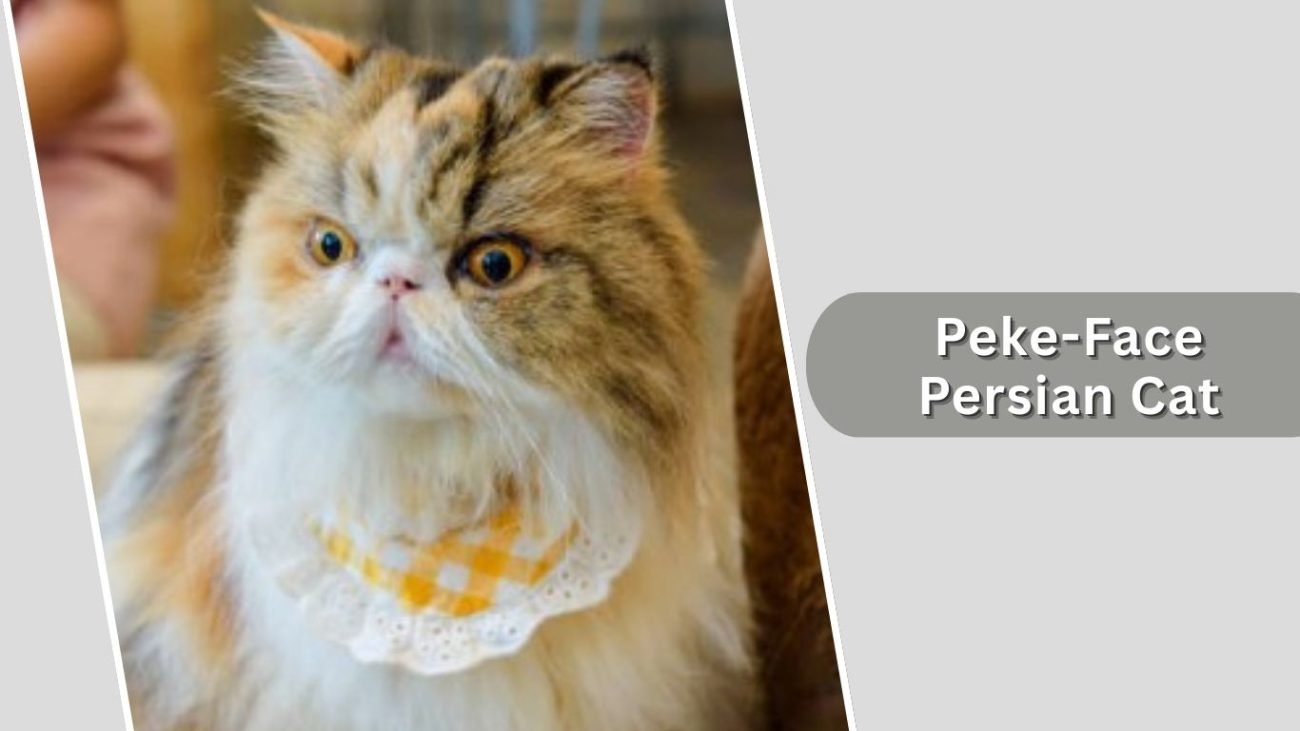
The Peke-Face Persian Cat is the modern show-style Persian, recognized for its extremely flat face, high nose placement, and bold, round eyes. This type became popular through cat shows and selective breeding. Peke-Face Persians have a very distinctive look, luxurious coats, and a calm, decorative presence that makes them one of the most recognizable Persian varieties.
Identification
- Extremely flat face with a very short nose
- High nose placement between the eyes
- Large, round, prominent eyes
- Small, low-set ears with rounded tips
- Thick, long, dense coat
- Cobby, compact body with short legs
- Short, fluffy tail
Habitat
Peke-Face Persians are strictly indoor cats. Their facial structure makes them sensitive to heat, dust, and poor air quality. They do best in clean, cool, quiet homes where temperature is controlled and grooming routines can be maintained consistently.
Behaviors
These cats are calm, gentle, and somewhat inactive. They prefer resting, observing their surroundings, and staying close to their owners rather than climbing or jumping. Peke-Face Persians are affectionate but not demanding, often expressing attachment through quiet companionship.
Diet
A soft, nutrient-dense diet is often easier for flat-faced Persians to eat. High-quality cat food rich in animal protein supports muscle health, while added fatty acids help maintain their coat. Fresh water must always be available to support hydration and eye health.
Lifespan and Care
With attentive care, Peke-Face Persians usually live 10–15 years. Daily grooming, frequent eye cleaning, and regular veterinary checkups are essential. Because of their flat faces, monitoring breathing, tear staining, and dental health is especially important.
3. Traditional Persian Cat
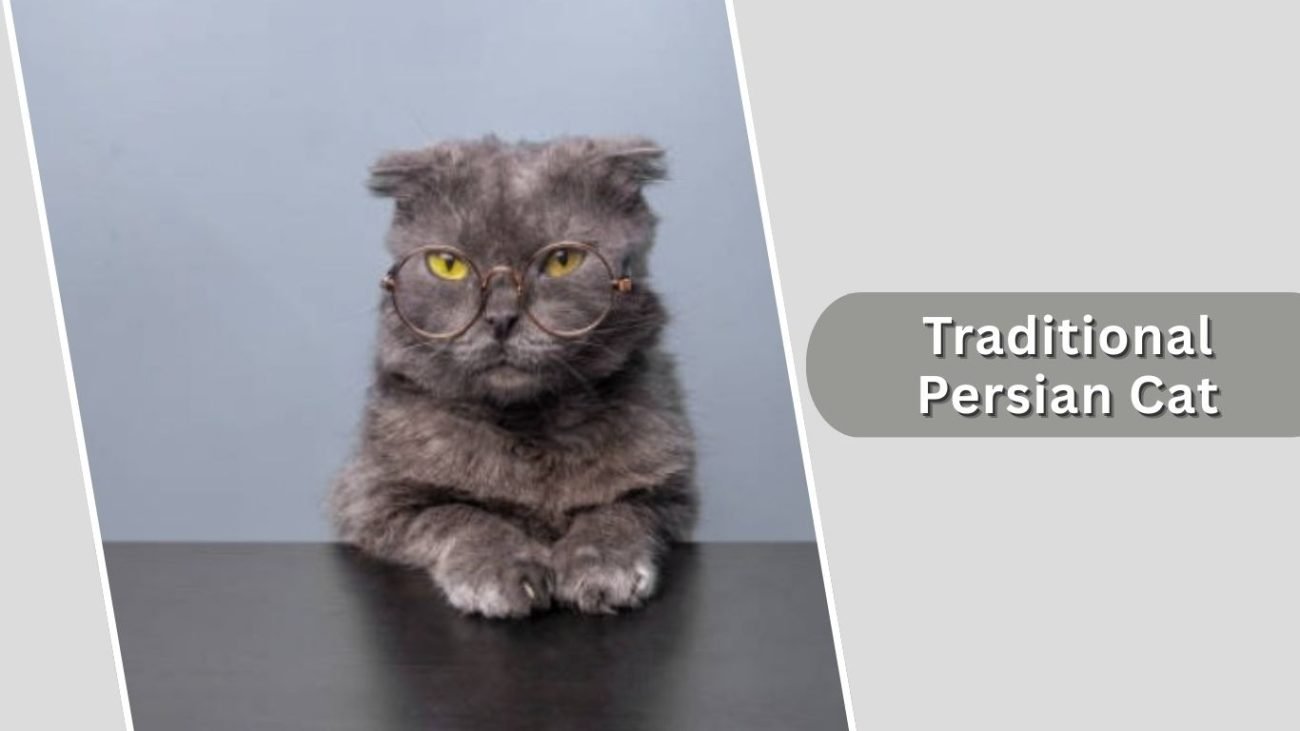
The Traditional Persian Cat closely resembles the early Persian cats that existed before extreme selective breeding became common. It features a naturally rounded face, well-proportioned nose, and a balanced body structure. This type is often favored by owners who love the classic Persian look but prefer fewer health and breathing issues associated with ultra-flat faces.
Identification
- Naturally rounded face with a visible nose
- Medium-length, well-proportioned muzzle
- Large, round, expressive eyes
- Long, silky, dense coat
- Short, sturdy legs and broad chest
- Thick, plume-like tail
Habitat
Traditional Persian cats thrive in calm indoor environments. They adapt well to apartments and quiet family homes where noise and chaos are limited. A clean living space is important to protect their long coat from tangles, dust, and skin irritation.
Behaviors
They are affectionate, peaceful, and people-oriented. Traditional Persians enjoy gentle play, soft beds, and being near their owners. They are not very vocal or overly energetic, making them ideal for relaxed households and owners who enjoy a calm companion.
Diet
A diet high in animal protein supports their muscle tone, while vitamins and fatty acids help maintain coat health. Wet food can aid hydration, and specialized long-hair formulas help reduce hairballs. Regular feeding schedules help prevent obesity.
Lifespan and Care
Traditional Persians commonly live 12–16 years with proper care. Daily brushing is needed to prevent matting. Routine eye cleaning, dental hygiene, and annual veterinary checkups are essential to keep them healthy and comfortable.
4. Show Persian Cat
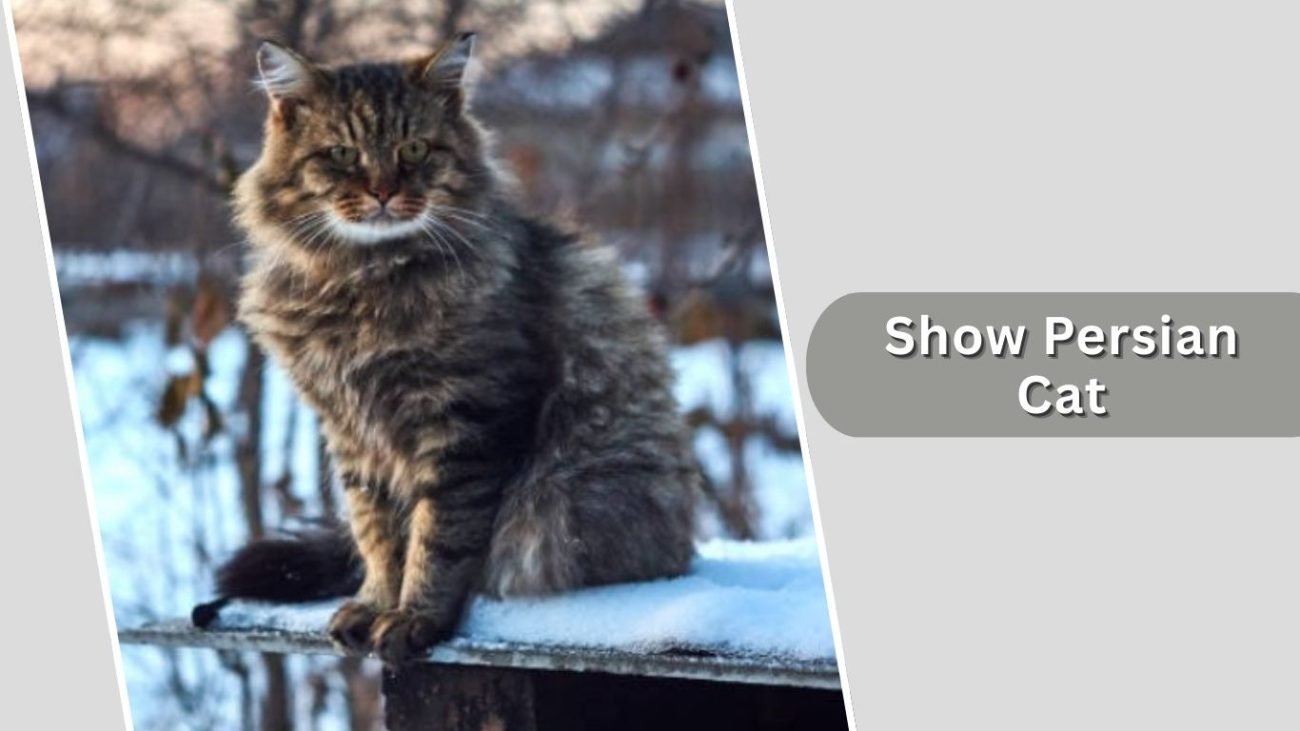
The Show Persian Cat is bred specifically to meet cat-show standards, emphasizing an ultra-round head, very flat face, small ears, and a perfectly groomed, flowing coat. This type represents the most refined and exaggerated version of the Persian breed, often seen in international cat competitions and professional breeding programs.
Identification
- Extremely flat face with a very short, high-set nose
- Very round head and full cheeks
- Large, round, widely spaced eyes
- Small, rounded ears set low on the head
- Very long, thick, luxurious coat
- Compact, heavy-boned body
- Short legs and a full, fluffy tail
Habitat
Show Persians must live indoors in a clean, temperature-controlled environment. Their long coats and flat faces make them sensitive to heat, dust, and poor hygiene. Quiet homes with regular grooming routines are ideal for maintaining both health and show-quality appearance.
Behaviors
They are calm, gentle, and affectionate. Show Persians prefer peaceful surroundings and enjoy resting near their owners. They are not highly athletic and usually avoid high jumps or rough play, favoring comfort, soft bedding, and predictable daily routines.
Diet
A premium, well-balanced diet is essential for coat quality and overall condition. High-protein foods with omega fatty acids support fur density and shine. Many owners use specialized Persian formulas or soft foods that are easier for flat-faced cats to eat.
Lifespan and Care
With dedicated care, Show Persians typically live 10–15 years. Daily full-body grooming, frequent eye and face cleaning, routine bathing, and regular veterinary visits are necessary to preserve their appearance and prevent respiratory, eye, and skin problems.
5. Chinchilla Persian Cat
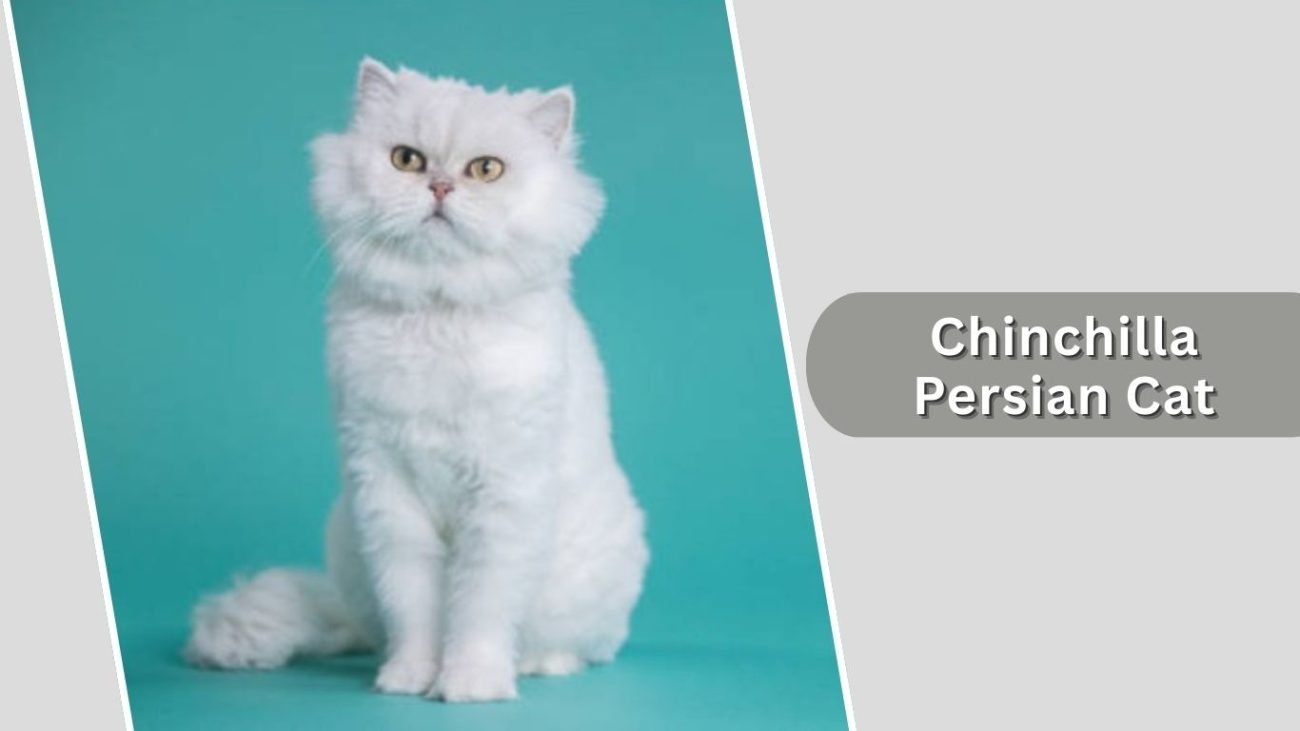
The Chinchilla Persian Cat is one of the most elegant and visually striking Persian types, famous for its shimmering silver or golden coat with dark-tipped fur and bright green or blue-green eyes. It has a softer facial structure than extreme show Persians, combining beauty with a more natural expression.
Identification
- Light silver or golden coat with dark-tipped hairs
- Very bright green or blue-green eyes
- Soft, rounded face with a short but visible nose
- Long, fine, silky coat
- Compact body with short, sturdy legs
- Plumed, fluffy tail
Habitat
Chinchilla Persians are best kept indoors, where their delicate coat color can stay clean and untangled. They thrive in quiet, dust-free homes with moderate temperatures. A peaceful environment helps reduce stress and keeps their coat and skin in optimal condition.
Behaviors
These cats are gentle, sweet-natured, and slightly more playful than some other Persian types. They enjoy attention but are not overly demanding. Chinchilla Persians like following their owners, resting near windows, and engaging in short, calm play sessions.
Diet
A high-quality diet rich in protein and essential fatty acids helps maintain coat shine and color. Foods that support skin health and reduce hairballs are especially beneficial. Fresh water should always be available to support hydration and eye health.
Lifespan and Care
With proper grooming and regular veterinary care, Chinchilla Persians often live 12–16 years. Daily brushing is important to prevent matting, and routine eye cleaning helps keep their pale facial fur free from stains.
6. Silver Persian Cat
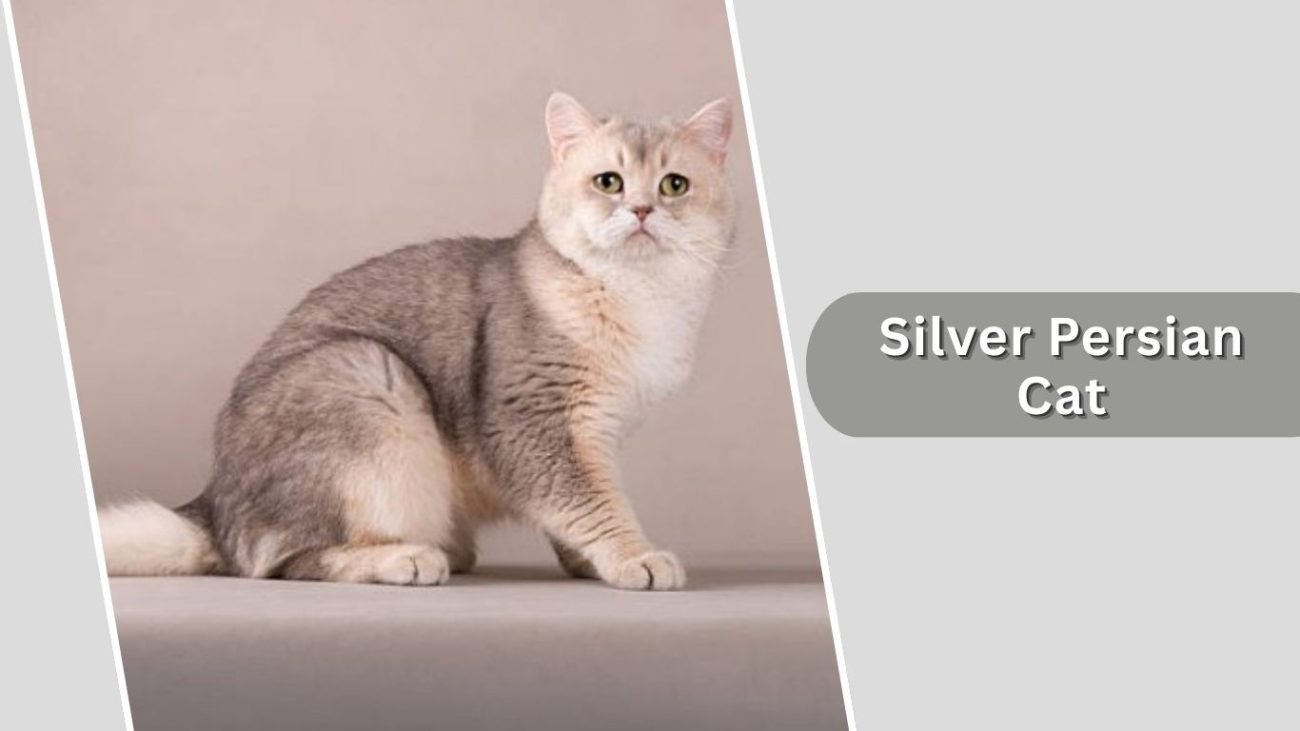
The Silver Persian Cat is admired for its stunning pale silver coat, dark outlining on the fur tips, and striking eye color that creates a dramatic contrast. This type belongs to the shaded and silver group of Persians and is often confused with Chinchilla Persians, though Silver Persians usually show stronger shading and darker markings.
Identification
- Pale silver coat with dark-tipped or shaded fur
- Dark outlines around eyes, lips, and nose
- Green or blue-green eyes
- Rounded head with a short nose
- Long, dense, plush coat
- Compact, cobby body
- Thick, fluffy tail
Habitat
Silver Persians do best as indoor cats where their light coats can be protected from dirt and sun damage. A clean, cool, low-stress home environment helps maintain both coat quality and respiratory comfort.
Behaviors
They are calm, affectionate, and enjoy peaceful companionship. Silver Persians like to rest near their owners, sit on soft furniture, and observe their surroundings quietly. They are not highly active but appreciate gentle daily play.
Diet
A premium diet high in animal protein supports muscle tone, while omega fatty acids promote coat brightness and skin health. Hairball-control formulas are helpful due to their long fur. Clean, fresh water should always be accessible.
Lifespan and Care
With consistent grooming and health monitoring, Silver Persians typically live 12–15 years. Daily brushing, routine face cleaning, and scheduled veterinary visits are essential to prevent matting, staining, and common Persian health issues.
7. Golden Persian Cat
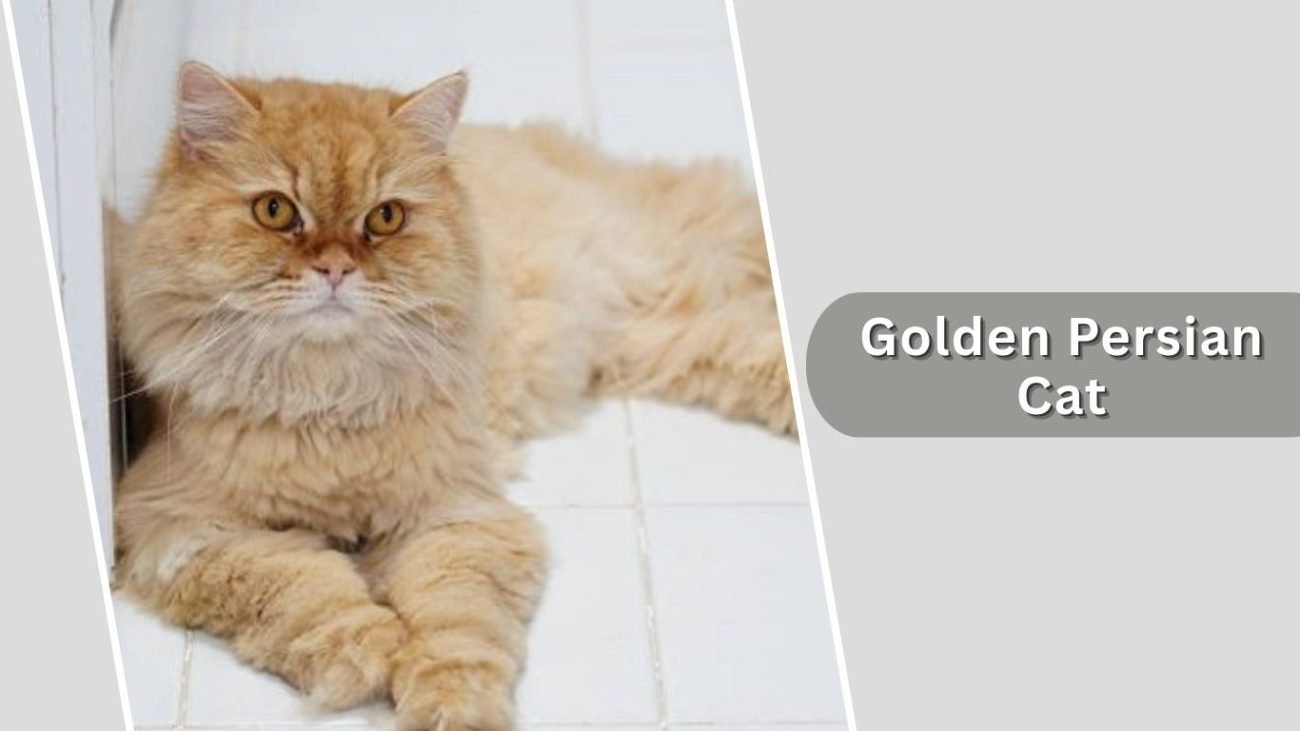
The Golden Persian Cat is prized for its warm, glowing coat that ranges from pale honey to deep gold, highlighted with dark tipping along the fur. This variety has a luxurious, plush appearance and expressive eyes, giving it one of the most visually rich looks among Persian cats.
Identification
- Golden or honey-colored coat with darker tips
- Bright green or blue-green eyes
- Rounded head with a short, visible nose
- Long, thick, flowing coat
- Cobby, compact body
- Short legs and a full, plumed tail
Habitat
Golden Persians thrive indoors where their coats can be kept clean and protected from harsh sunlight. They prefer calm, stable homes with moderate temperatures and minimal noise. Soft resting places and regular grooming areas are ideal.
Behaviors
They are affectionate, gentle, and enjoy quiet companionship. Golden Persians tend to bond closely with their owners, often following them from room to room. They like peaceful play, window watching, and relaxing in comfortable spots.
Diet
A balanced, high-protein diet supports healthy muscles and coat quality. Foods rich in fatty acids enhance coat color and shine. Controlled portions and scheduled feeding help prevent obesity, which Persians can be prone to.
Lifespan and Care
With good care, Golden Persians usually live 12–16 years. Daily brushing, regular eye and face cleaning, occasional bathing, and routine veterinary checkups are important to maintain coat beauty and overall health.
8. White Persian Cat
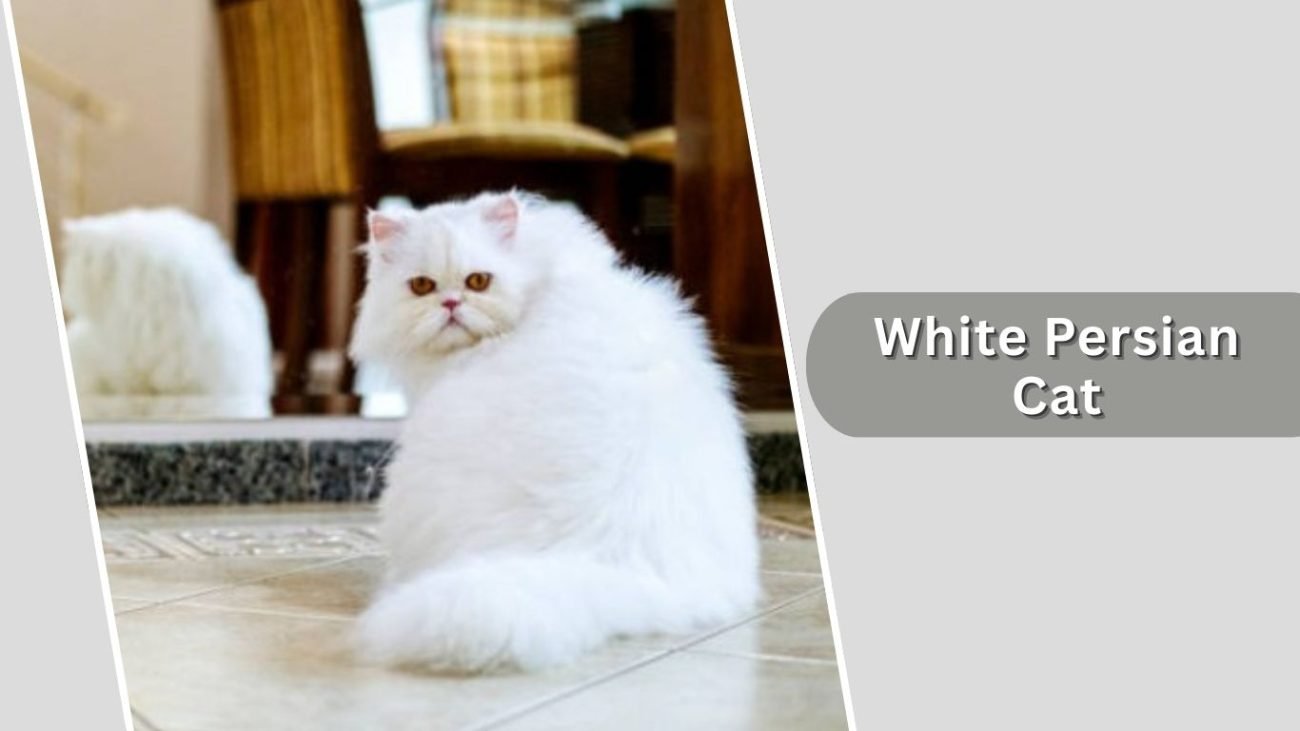
The White Persian Cat is one of the most iconic Persian varieties, known for its pure snow-white coat, round face, and expressive eyes that may be blue, copper, green, or even odd-colored. Its elegant appearance and gentle temperament make it one of the most popular Persian types worldwide.
Identification
- Pure white, long, flowing coat
- Large round eyes (blue, copper, green, or odd-eyed)
- Rounded head with a short, visible nose
- Small, rounded ears set wide apart
- Compact, cobby body
- Thick, fluffy tail
Habitat
White Persians are best kept indoors, where their coats can remain clean and free from sun discoloration. They prefer quiet, dust-free homes with comfortable resting areas. A controlled indoor environment helps protect their skin, eyes, and luxurious fur.
Behaviors
They are calm, affectionate, and people-oriented. White Persians enjoy gentle attention, soft talking, and peaceful routines. They are not highly energetic but appreciate light play, brushing sessions, and resting near their owners.
Diet
A high-quality, well-balanced diet supports coat brightness and skin health. Foods rich in omega fatty acids help maintain their silky fur. Fresh water is essential, and hairball-control diets are often beneficial.
Lifespan and Care
With proper grooming and health care, White Persians commonly live 12–15 years. Daily brushing, frequent eye cleaning, and regular bathing help keep their coat bright and free from stains, while routine vet visits ensure long-term health.
9. Black Persian Cat
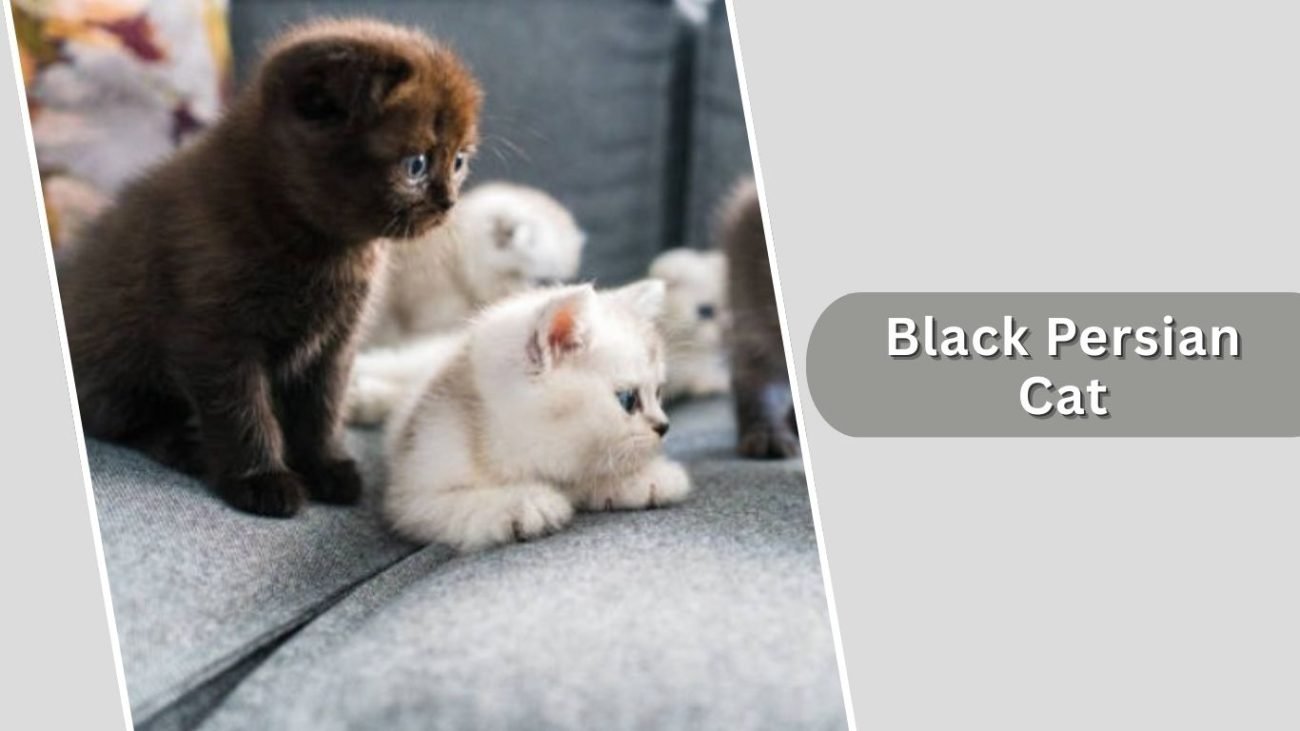
The Black Persian Cat stands out for its deep, glossy black coat and dramatic facial features. When well-groomed, its fur appears almost silky and reflective, giving this Persian type a luxurious, plush appearance that highlights the breed’s rounded head and large eyes.
Identification
- Solid jet-black long coat
- Copper or deep orange eyes
- Rounded head with a short, visible nose
- Small, rounded ears
- Compact, cobby body
- Thick, fluffy tail
Habitat
Black Persians are best suited for indoor living, where their coats can be protected from fading and dirt. They prefer calm households with controlled temperatures and clean resting spaces to keep their dark fur glossy and free from debris.
Behaviors
They are gentle, affectionate, and relaxed. Black Persians enjoy quiet companionship, often choosing to sit beside their owners rather than seeking constant activity. They adapt well to peaceful homes and consistent daily routines.
Diet
A protein-rich diet supports muscle health and coat shine. Foods containing omega fatty acids help maintain the deep black color and softness of their fur. Regular hydration and hairball-control formulas are beneficial.
Lifespan and Care
With good care, Black Persians usually live 12–15 years. Daily brushing, occasional bathing, eye cleaning, and routine veterinary checkups are important to preserve coat quality and overall health.
10. Blue Persian Cat
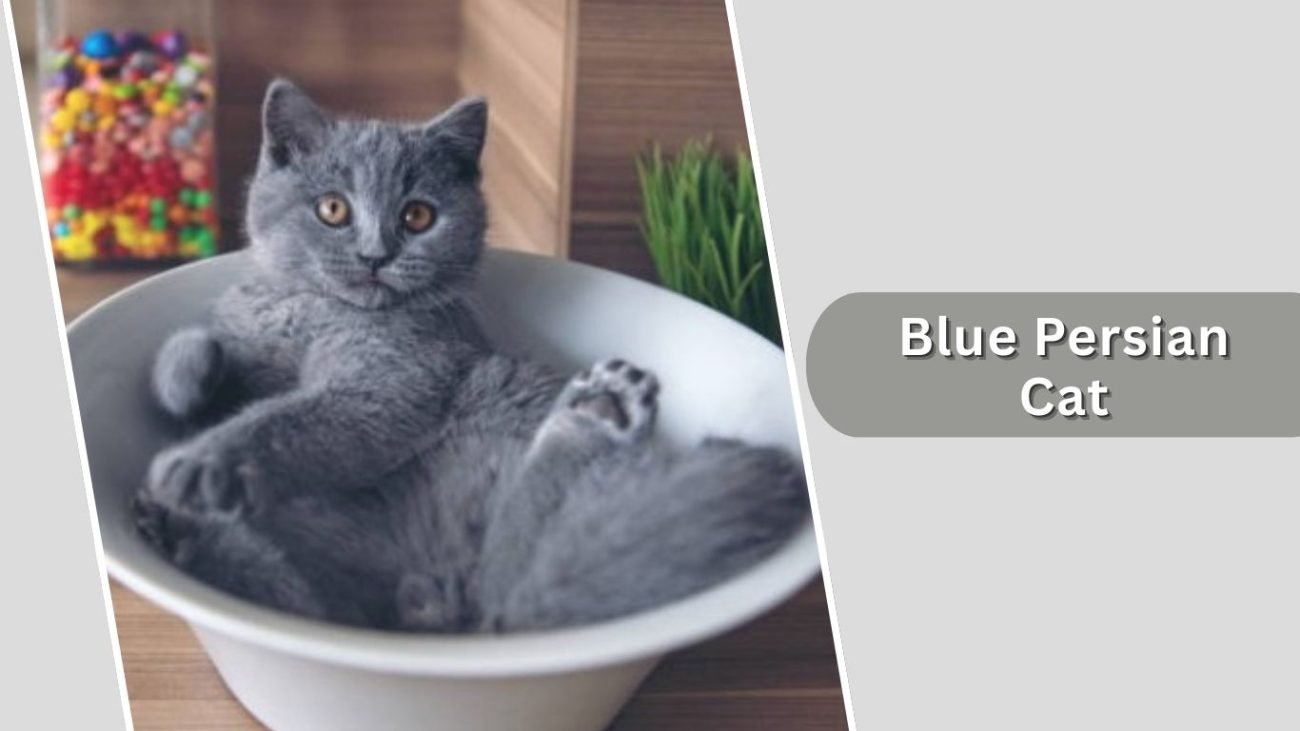
The Blue Persian Cat is admired for its soft, smoky blue-gray coat and sweet, plush appearance. “Blue” in cat fancy refers to a dilute gray color that gives this Persian type a gentle, elegant look. Combined with the breed’s rounded head and large eyes, Blue Persians are among the most popular solid-color Persian varieties.
Identification
- Solid blue-gray long coat
- Large round copper or orange eyes
- Rounded head with a short, visible nose
- Small, rounded ears set wide apart
- Compact, cobby body
- Thick, fluffy tail
Habitat
Blue Persians thrive as indoor cats in calm, clean homes. Their dense coats do best in cool, dust-free environments where matting and overheating are minimized. Quiet households with consistent routines suit them very well.
Behaviors
They are gentle, affectionate, and calm. Blue Persians enjoy relaxed companionship, following their owners quietly and resting in soft places. They are not highly active but appreciate short play sessions and gentle attention.
Diet
A balanced, high-protein diet supports muscle tone and coat density. Foods with omega-3 and omega-6 fatty acids help maintain coat softness and color. Hairball-control diets and proper hydration are especially useful.
Lifespan and Care
With proper grooming and veterinary care, Blue Persians commonly live 12–16 years. Daily brushing, regular eye cleaning, occasional bathing, and routine health checks are essential to keep them comfortable and healthy.
11. Red Persian Cat
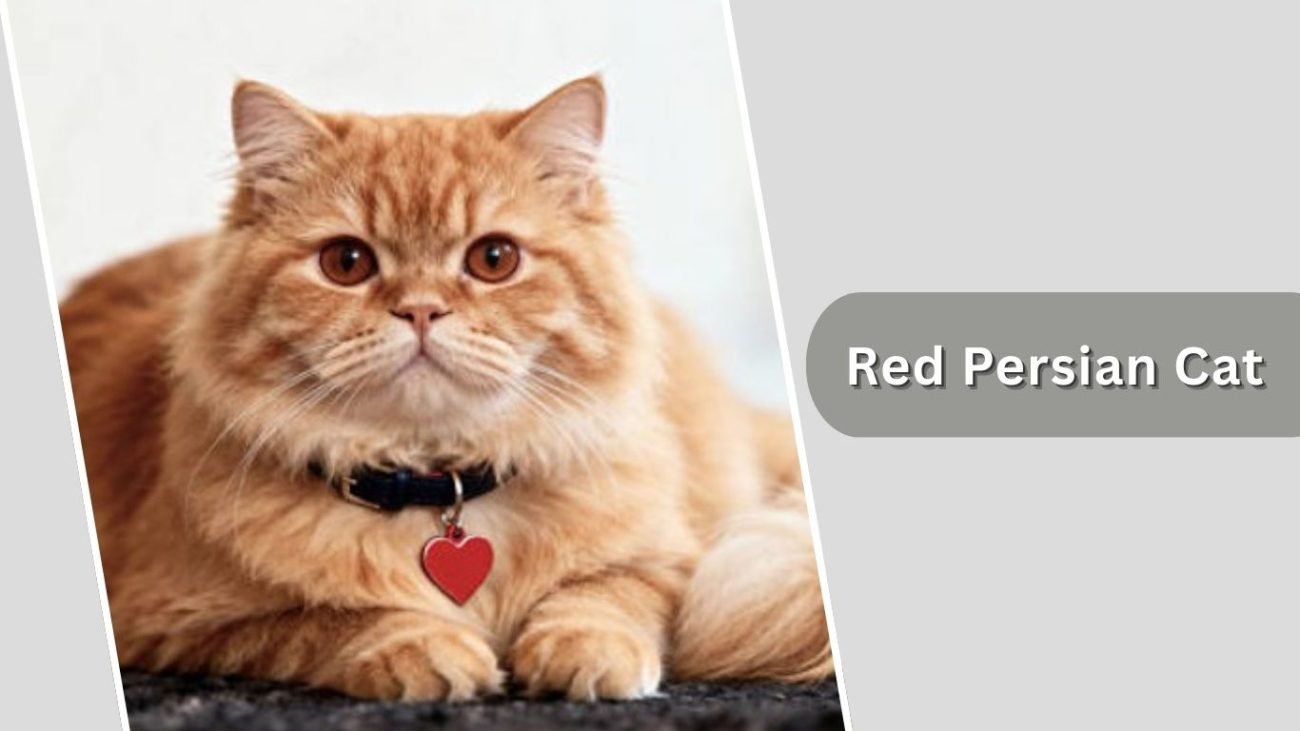
The Red Persian Cat, often called the Orange or Ginger Persian, is known for its rich warm coat color that ranges from deep copper to soft apricot. This vibrant coloring combined with the Persian’s round face and luxurious fur gives this type a bold yet elegant appearance.
Identification
- Solid red, orange, or ginger long coat
- Large round copper eyes
- Rounded head with a short, visible nose
- Small, rounded ears
- Compact, cobby body
- Thick, fluffy tail
Habitat
Red Persians are best kept indoors, where their bright coats can stay clean and protected from sun fading. They adapt well to apartments and quiet homes with comfortable resting areas and consistent grooming routines.
Behaviors
They are affectionate, gentle, and often slightly more playful than darker-colored Persians. Red Persians enjoy interacting with family members, watching household activity, and engaging in calm play sessions without being overly energetic.
Diet
A high-quality, protein-rich diet supports coat vibrancy and overall health. Diets with essential fatty acids help maintain fur softness and shine. Portion control is important, as Persians can be prone to weight gain.
Lifespan and Care
With proper care, Red Persians typically live 12–15 years. Daily brushing, regular eye and face cleaning, and routine veterinary visits help prevent matting, staining, and common Persian health concerns.
12. Cream Persian Cat
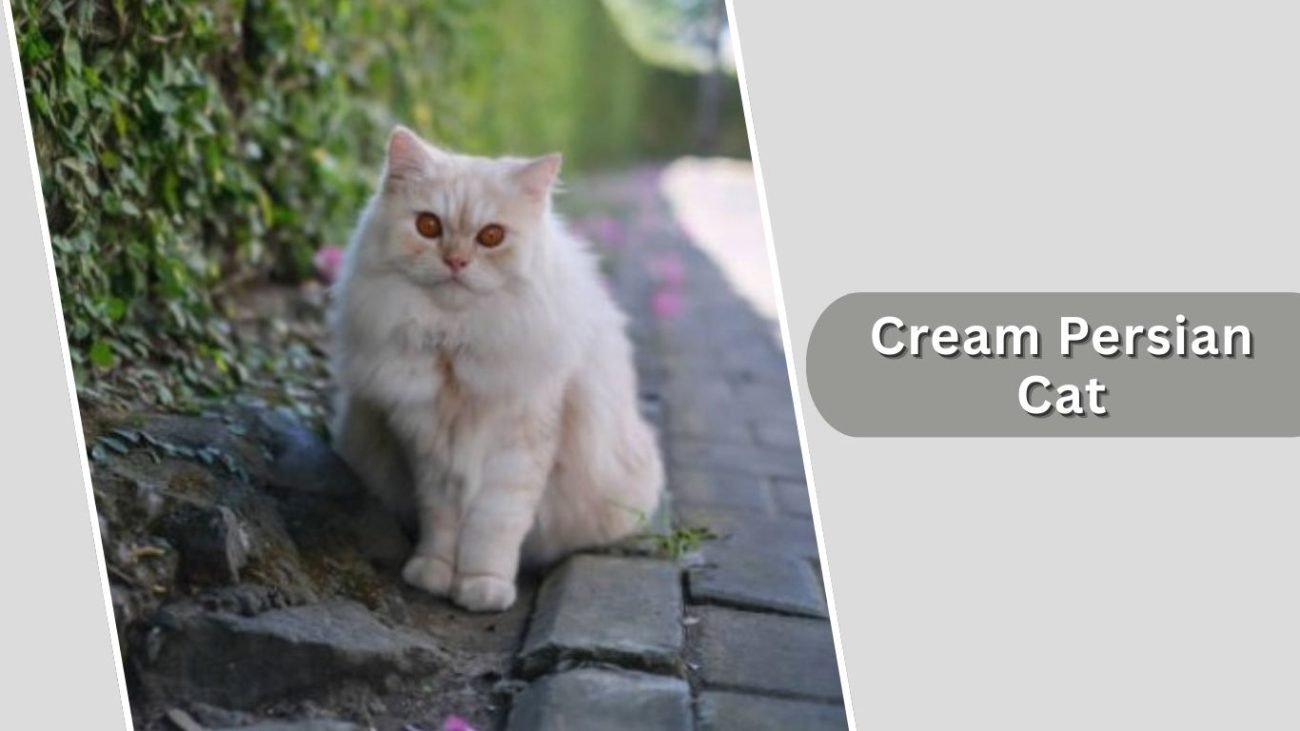
The Cream Persian Cat is valued for its soft pastel-colored coat that ranges from pale ivory to warm cream. This gentle coloring, paired with the Persian’s rounded features and long flowing fur, gives this type a delicate, elegant appearance that is very popular among Persian cat lovers.
Identification
- Solid cream or pale ivory long coat
- Large round copper or gold eyes
- Rounded head with a short, visible nose
- Small, rounded ears
- Compact, cobby body
- Thick, fluffy tail
Habitat
Cream Persians thrive in indoor environments where their light coats can remain clean and untangled. Quiet homes with moderate temperatures and low dust levels are ideal for protecting both their fur and respiratory comfort.
Behaviors
They are calm, affectionate, and gentle-natured. Cream Persians enjoy peaceful companionship, often choosing to rest near their owners. They like light play, brushing sessions, and quiet interaction rather than high-energy activities.
Diet
A balanced diet rich in high-quality protein supports healthy muscle tone and coat condition. Foods containing omega fatty acids improve fur softness and shine. Hairball-control diets and steady feeding schedules are beneficial.
Lifespan and Care
With good grooming and veterinary care, Cream Persians commonly live 12–16 years. Daily brushing, routine eye cleaning, occasional baths, and regular checkups are essential to keep their coat bright and their health stable.
13. Chocolate Persian Cat
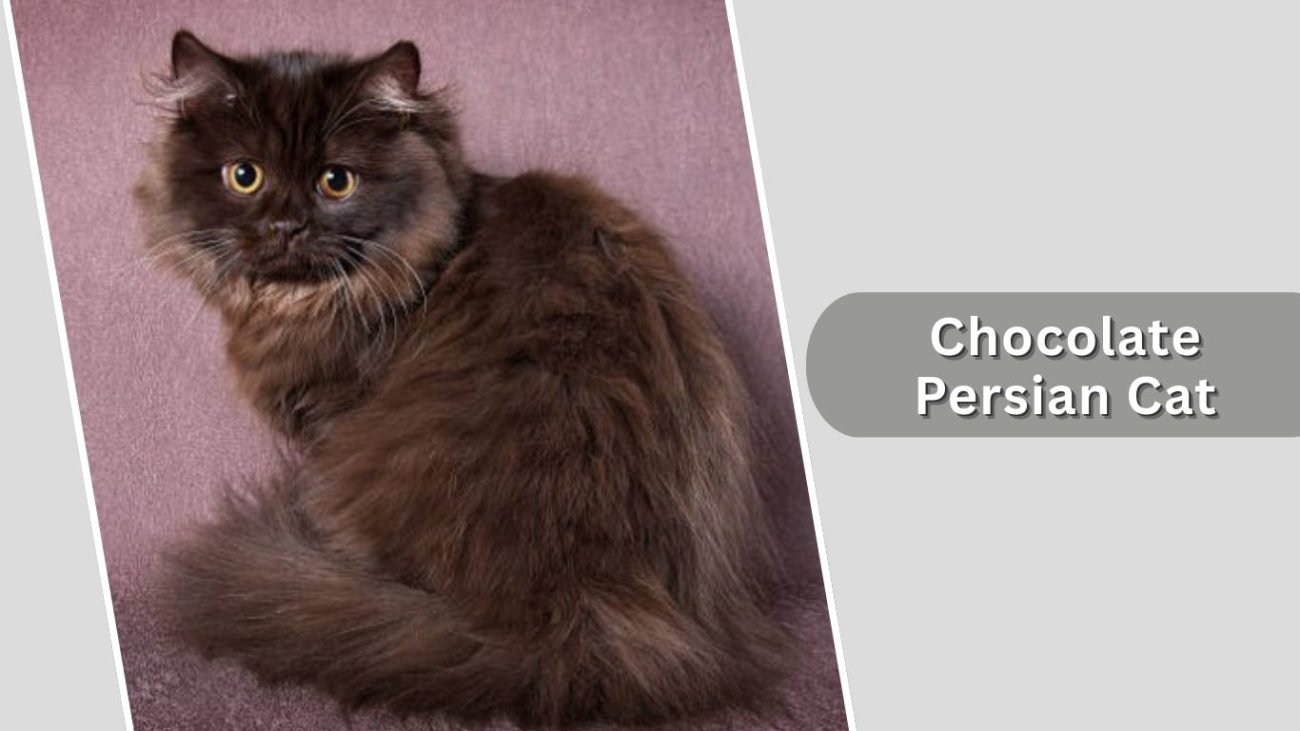
The Chocolate Persian Cat is a rare and luxurious Persian variety, known for its rich, warm brown coat and striking copper or orange eyes. Its deep chocolate coloring, combined with a long flowing coat and rounded facial features, gives this type a very distinctive and elegant appearance among Persian cats.
Identification
- Solid chocolate-brown long coat
- Large round copper or deep orange eyes
- Rounded head with a short, visible nose
- Small, rounded ears set wide apart
- Compact, cobby body
- Thick, fluffy tail
Habitat
Chocolate Persians are best suited to indoor living, where their rare coat color can be protected from fading, dust, and matting. Calm, clean homes with stable temperatures are ideal for maintaining both coat quality and overall comfort.
Behaviors
They are gentle, affectionate, and quiet-natured. Chocolate Persians enjoy calm companionship and tend to bond closely with their owners. They prefer peaceful environments, soft resting spots, and light, relaxed play.
Diet
A high-quality, protein-rich diet supports muscle strength and coat condition. Foods with omega fatty acids help maintain fur softness and natural shine. Controlled feeding and proper hydration are important for long-term health.
Lifespan and Care
With proper grooming and veterinary attention, Chocolate Persians usually live 12–15 years. Daily brushing, regular eye and face cleaning, and routine health checkups are essential to keep them healthy and well-groomed.
14. Lilac Persian Cat
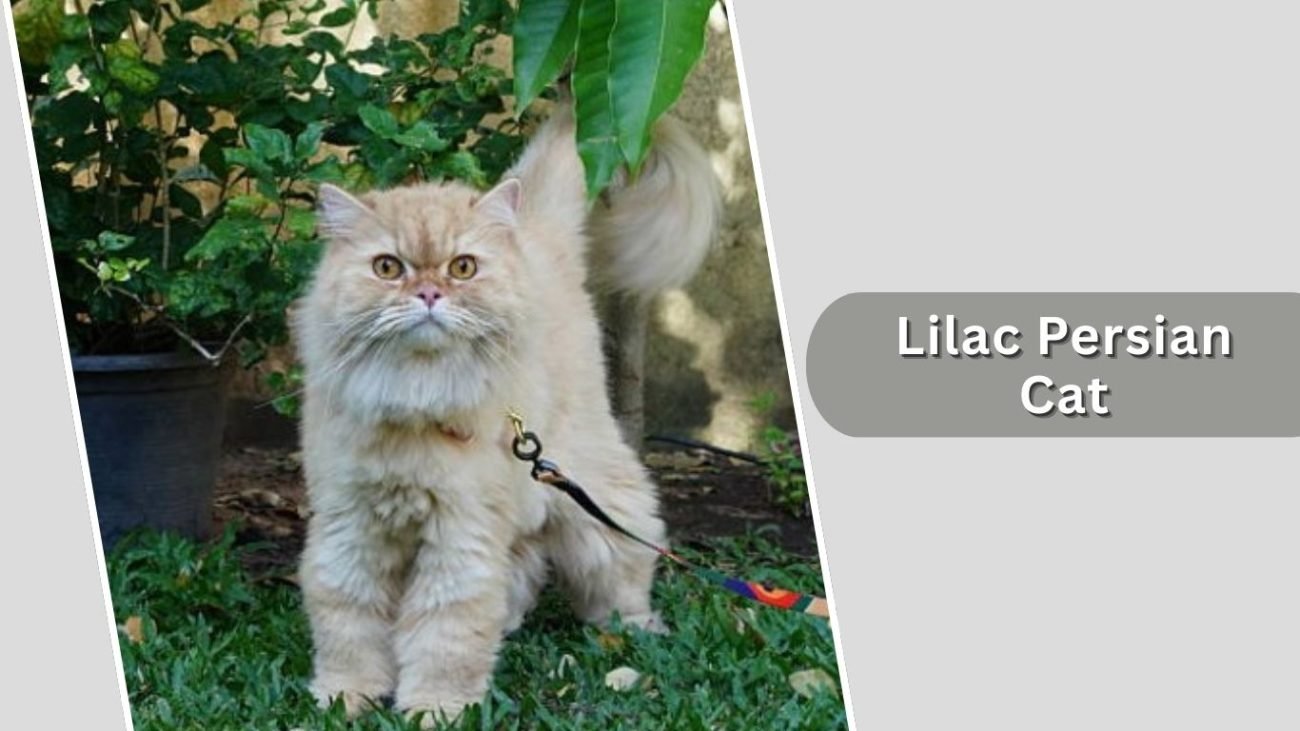
The Lilac Persian Cat is a rare and delicate-colored Persian variety, featuring a soft pale lavender-gray coat with a subtle pinkish tone. This gentle, pastel appearance combined with the Persian’s rounded face and plush fur gives the Lilac Persian a very refined and elegant look.
Identification
- Pale lilac or lavender-gray long coat
- Large round copper or rose-colored eyes
- Rounded head with a short, visible nose
- Small, rounded ears
- Compact, cobby body
- Thick, fluffy tail
Habitat
Lilac Persians thrive as indoor cats, where their light, rare coat color can be protected from fading, dirt, and matting. Quiet, cool, and clean home environments are best for maintaining coat quality and respiratory comfort.
Behaviors
They are calm, affectionate, and gentle companions. Lilac Persians enjoy relaxing near their owners, observing their surroundings, and engaging in light, peaceful play. They adapt well to predictable routines and low-stress households.
Diet
A balanced diet rich in animal protein supports healthy development and coat quality. Foods with omega fatty acids help maintain fur softness and shine. Hairball-control diets and consistent feeding schedules are beneficial.
Lifespan and Care
With attentive grooming and regular veterinary care, Lilac Persians commonly live 12–15 years. Daily brushing, routine eye cleaning, occasional bathing, and health monitoring are essential for their comfort and well-being.
15. Smoke Persian Cat
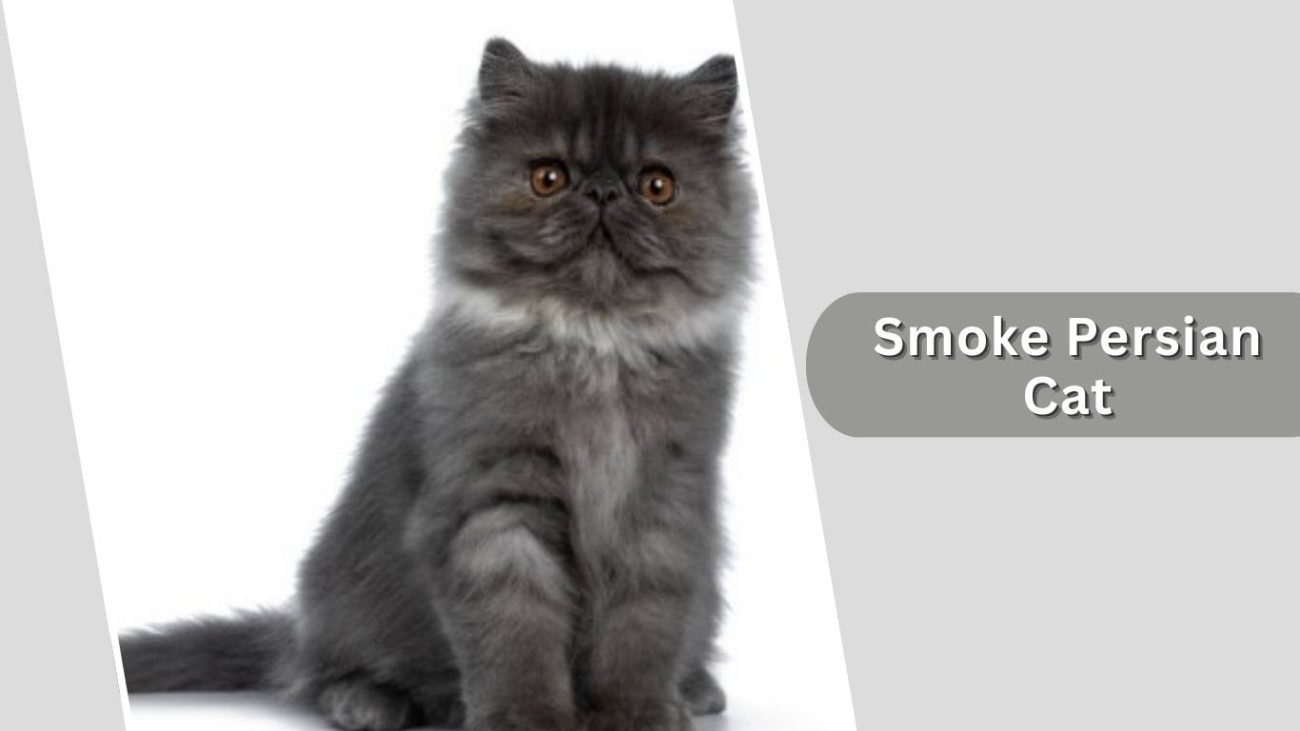
The Smoke Persian Cat is known for its dramatic coat, which appears solid in color at rest but reveals a striking silver or white undercoat when the fur moves. This shimmering effect gives Smoke Persians a mysterious, luxurious appearance that is highly prized among Persian varieties.
Identification
- Dark outer coat with a silver or white undercoat
- Noticeable color contrast when the fur is parted or in motion
- Large round copper or orange eyes
- Rounded head with a short, visible nose
- Long, thick, plush coat
- Compact, cobby body and fluffy tail
Habitat
Smoke Persians are best kept indoors to preserve coat quality and prevent matting. Clean, quiet homes with controlled temperatures help maintain both their luxurious fur and overall comfort.
Behaviors
They are gentle, affectionate, and calm-natured. Smoke Persians enjoy relaxed companionship, often resting close to their owners. They appreciate light play and peaceful environments rather than high activity.
Diet
A premium, protein-rich diet supports muscle health and fur density. Foods containing omega fatty acids help enhance coat shine and texture. Hairball-control diets and constant access to fresh water are important.
Lifespan and Care
With proper grooming and veterinary care, Smoke Persians typically live 12–15 years. Daily brushing, regular eye cleaning, and routine health checkups are necessary to prevent tangles, staining, and common Persian health issues.
16. Shaded Persian Cat
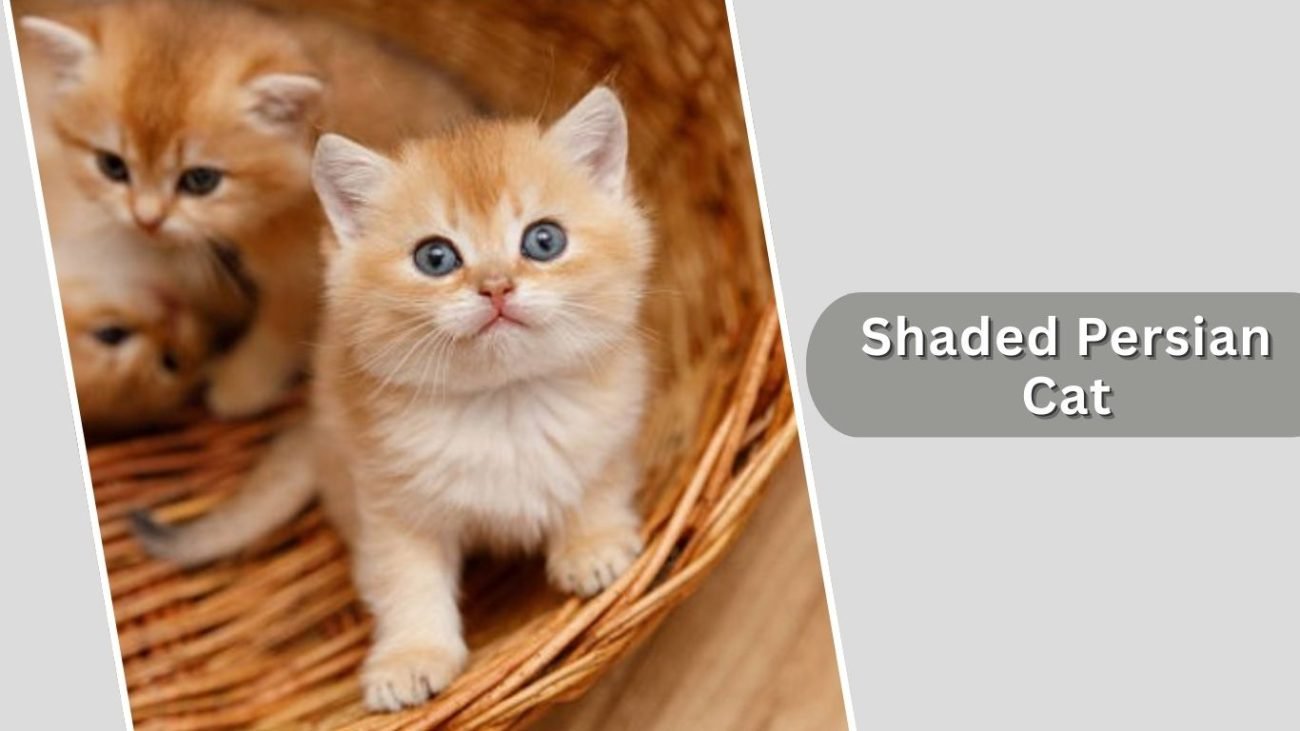
The Shaded Persian Cat is admired for its soft, glowing coat that appears light at the base with darker tipping across the fur, creating a smooth, gradient effect. This type belongs to the shaded color group and is closely related to silver and golden Persians, offering a refined and elegant look.
Identification
- Light-colored base coat with darker shaded tips
- Smooth, blended color gradient over the body
- Large round green or copper eyes
- Rounded head with a short, visible nose
- Long, fine, flowing coat
- Compact, cobby body and fluffy tail
Habitat
Shaded Persians do best as indoor cats in clean, calm households. Controlled indoor environments protect their delicate coat from matting, fading, and dirt while also supporting respiratory comfort.
Behaviors
They are gentle, affectionate, and relaxed. Shaded Persians enjoy peaceful companionship, window watching, and quiet interaction with family members. They are not overly active but appreciate short daily play sessions.
Diet
A balanced, high-quality diet rich in animal protein supports coat condition and muscle health. Omega fatty acids help maintain fur softness and shine. Hairball-control foods and proper hydration are recommended.
Lifespan and Care
With good grooming and routine veterinary care, Shaded Persians commonly live 12–15 years. Daily brushing, routine face cleaning, and regular health monitoring are essential to keep them healthy and well-groomed.
17. Tabby Persian Cat
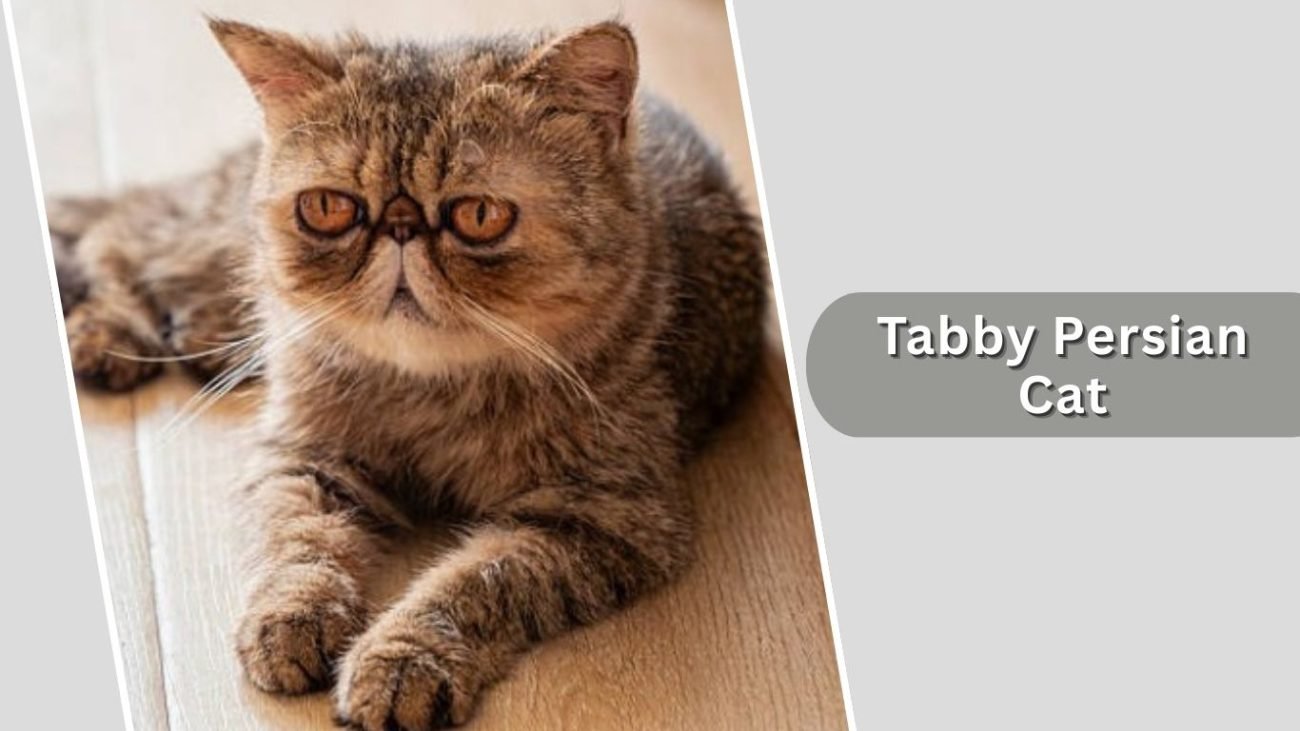
The Tabby Persian Cat combines the classic long, luxurious Persian coat with beautiful tabby markings such as stripes, swirls, or spots. These cats can appear in silver, brown, blue, red, or cream tabby patterns, giving them a striking wild-cat look with a gentle Persian temperament.
Identification
- Long coat with clear tabby patterns (classic, mackerel, or spotted)
- Distinct “M” marking on the forehead
- Large round copper or green eyes
- Rounded head with a short, visible nose
- Compact, cobby body
- Thick, fluffy tail
Habitat
Tabby Persians are ideal indoor cats. Their long patterned coats stay healthier in clean, dust-free homes with moderate temperatures. They adapt well to apartments and quiet family households.
Behaviors
They are affectionate, calm, and people-oriented. Tabby Persians enjoy gentle play, window watching, and resting near their owners. They are not highly energetic but like interactive toys and routine daily attention.
Diet
A high-quality diet rich in animal protein supports healthy development and coat condition. Omega fatty acids help keep fur soft and glossy. Hairball-control diets and fresh water access are very beneficial.
Lifespan and Care
With proper grooming and veterinary care, Tabby Persians often live 12–16 years. Daily brushing, regular eye cleaning, and routine health checkups are essential to prevent matting and maintain overall well-being.
18. Calico Persian Cat
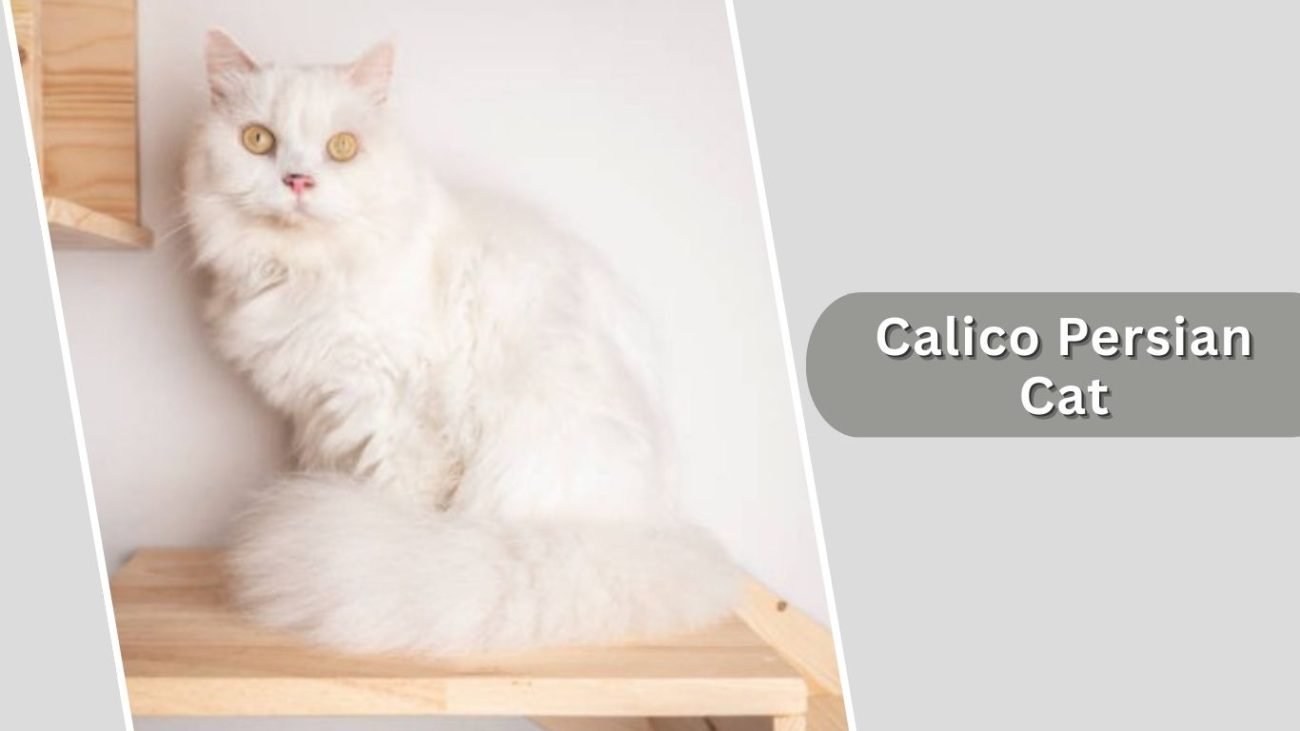
The Calico Persian Cat is famous for its beautiful tri-color coat pattern, typically featuring patches of white, black, and red (or cream and blue in dilute calicos). Combined with the Persian’s long, flowing fur and round face, this pattern creates one of the most visually striking Persian varieties.
Identification
- Tri-color coat with white, black, and red or diluted shades
- Randomly distributed color patches
- Large round copper or orange eyes
- Rounded head with a short, visible nose
- Long, thick coat
- Compact, cobby body and fluffy tail
Habitat
Calico Persians are best suited for indoor living. A clean, quiet home environment protects their long coat from dirt and matting. They prefer stable temperatures and calm spaces with soft resting areas.
Behaviors
They are gentle, affectionate, and people-loving. Calico Persians enjoy calm companionship, light play, and relaxing near their owners. They adapt well to peaceful households and consistent routines.
Diet
A balanced, protein-rich diet supports muscle tone and coat quality. Foods containing omega fatty acids help keep their fur soft and shiny. Hairball-control diets and steady feeding schedules are beneficial.
Lifespan and Care
With proper grooming and veterinary care, Calico Persians usually live 12–15 years. Daily brushing, routine eye cleaning, occasional bathing, and regular health checkups are essential to keep them healthy and beautiful.
19. Tortoiseshell Persian Cat
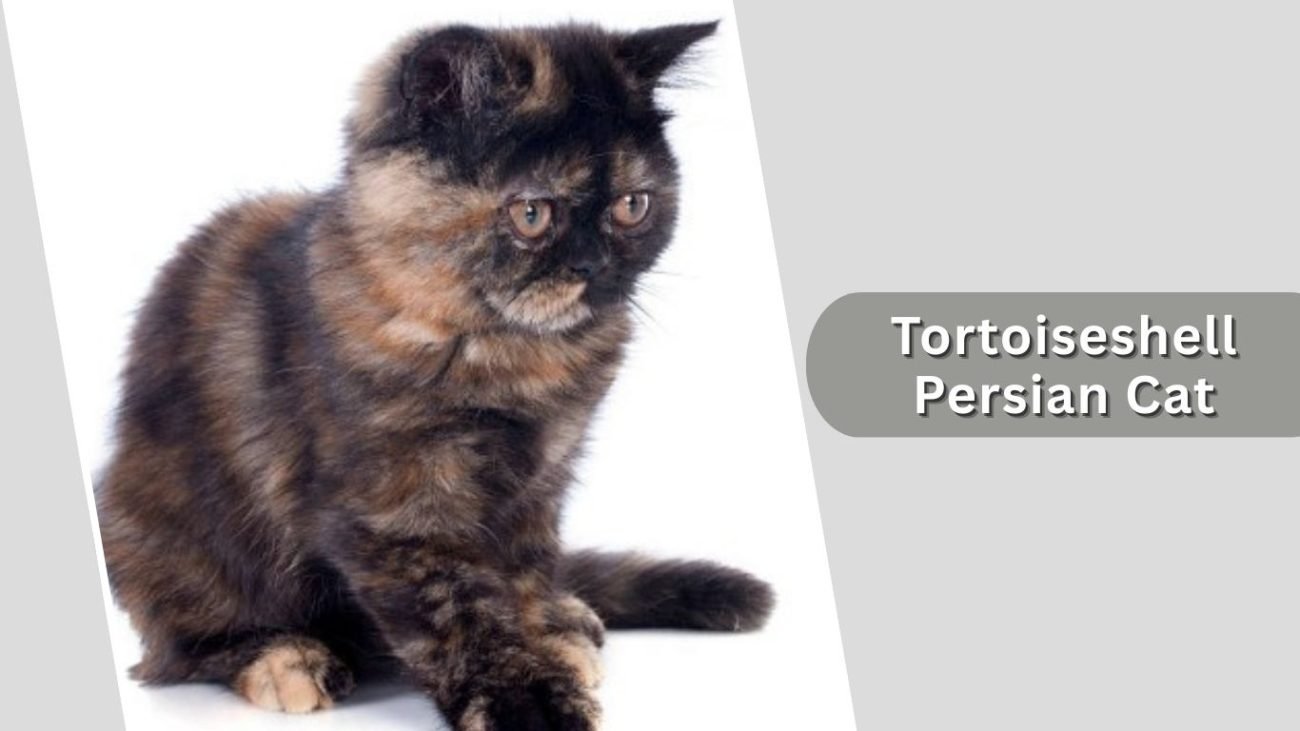
The Tortoiseshell Persian Cat, often called “Tortie Persian,” is known for its rich, blended coat of black, red, cream, and sometimes chocolate or blue shades. Instead of clear patches, the colors are beautifully mixed throughout the long fur, giving this type a warm, marbled appearance.
Identification
- Mixed black, red, and cream coloring without large white patches
- Rich, marbled or mottled coat pattern
- Large round copper or orange eyes
- Rounded head with a short, visible nose
- Long, dense, flowing coat
- Compact, cobby body and fluffy tail
Habitat
Tortoiseshell Persians are best suited for indoor living. Clean, calm homes protect their long coats from matting and dirt. Stable temperatures and low-stress environments help maintain both coat quality and overall comfort.
Behaviors
They are gentle, affectionate, and loyal companions. Tortoiseshell Persians enjoy quiet interaction, relaxing near their owners, and short play sessions. They prefer peaceful households and predictable daily routines.
Diet
A high-quality, protein-rich diet supports muscle tone and coat health. Foods with omega fatty acids enhance coat shine and softness. Hairball-control diets and fresh water access are especially important.
Lifespan and Care
With good grooming and routine veterinary care, Tortoiseshell Persians commonly live 12–15 years. Daily brushing, regular eye cleaning, and consistent health monitoring are essential to keep them healthy and comfortable.
20. Blue-Cream Persian Cat
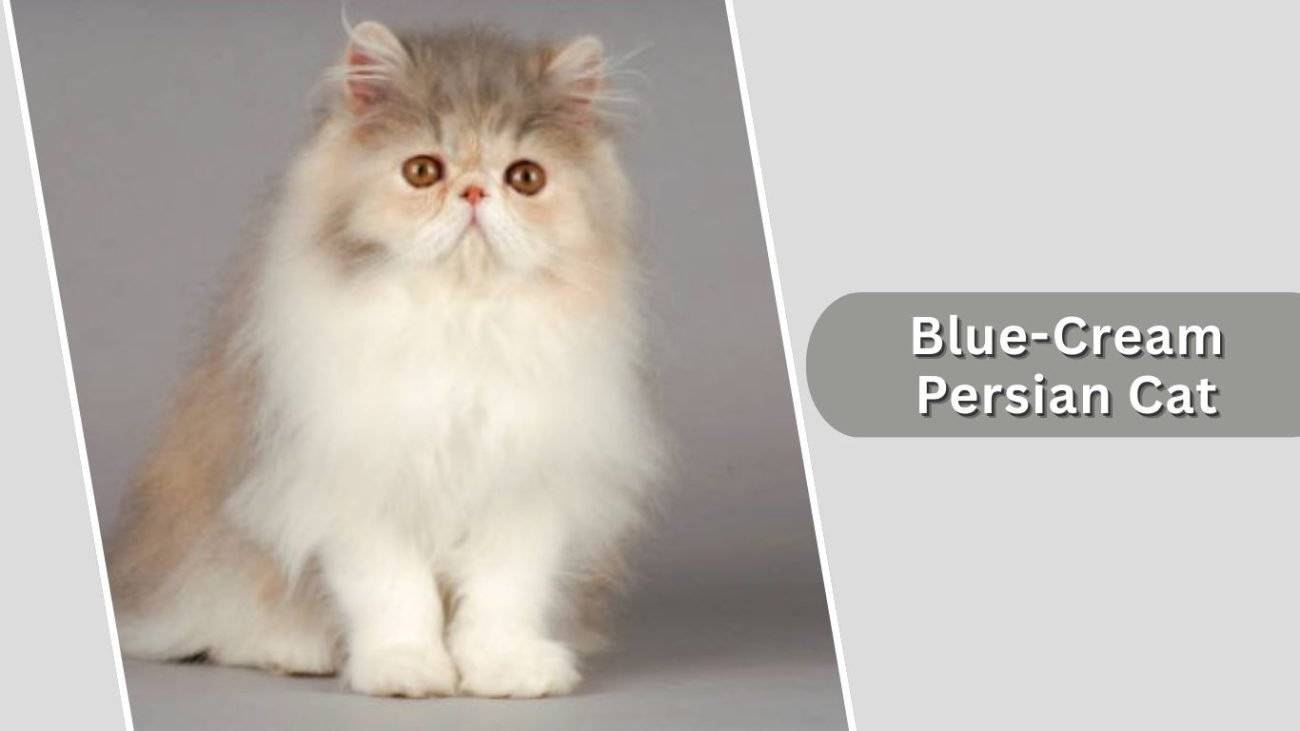
The Blue-Cream Persian Cat is a dilute tortoiseshell variety featuring a soft blend of blue-gray and cream colors. The gentle pastel mixture gives this Persian type a very elegant and refined appearance, enhanced by the breed’s long flowing coat and rounded facial features.
Identification
- Soft mix of blue-gray and cream fur
- Blended, cloud-like color distribution
- Large round copper or orange eyes
- Rounded head with a short, visible nose
- Long, thick, plush coat
- Compact, cobby body and fluffy tail
Habitat
Blue-Cream Persians are best kept indoors, where their delicate coat colors can remain clean and untangled. Quiet, temperature-controlled homes help protect their fur and support respiratory comfort.
Behaviors
They are calm, affectionate, and gentle-natured. Blue-Cream Persians enjoy relaxed companionship, light play, and resting close to their owners. They adapt well to peaceful households and steady daily routines.
Diet
A balanced diet high in quality protein supports coat density and muscle health. Omega fatty acids help maintain coat softness and shine. Hairball-control foods and constant access to fresh water are beneficial.
Lifespan and Care
With proper grooming and veterinary care, Blue-Cream Persians usually live 12–15 years. Daily brushing, routine eye cleaning, occasional bathing, and regular health checkups are essential for long-term well-being.
21. Cameo Persian Cat
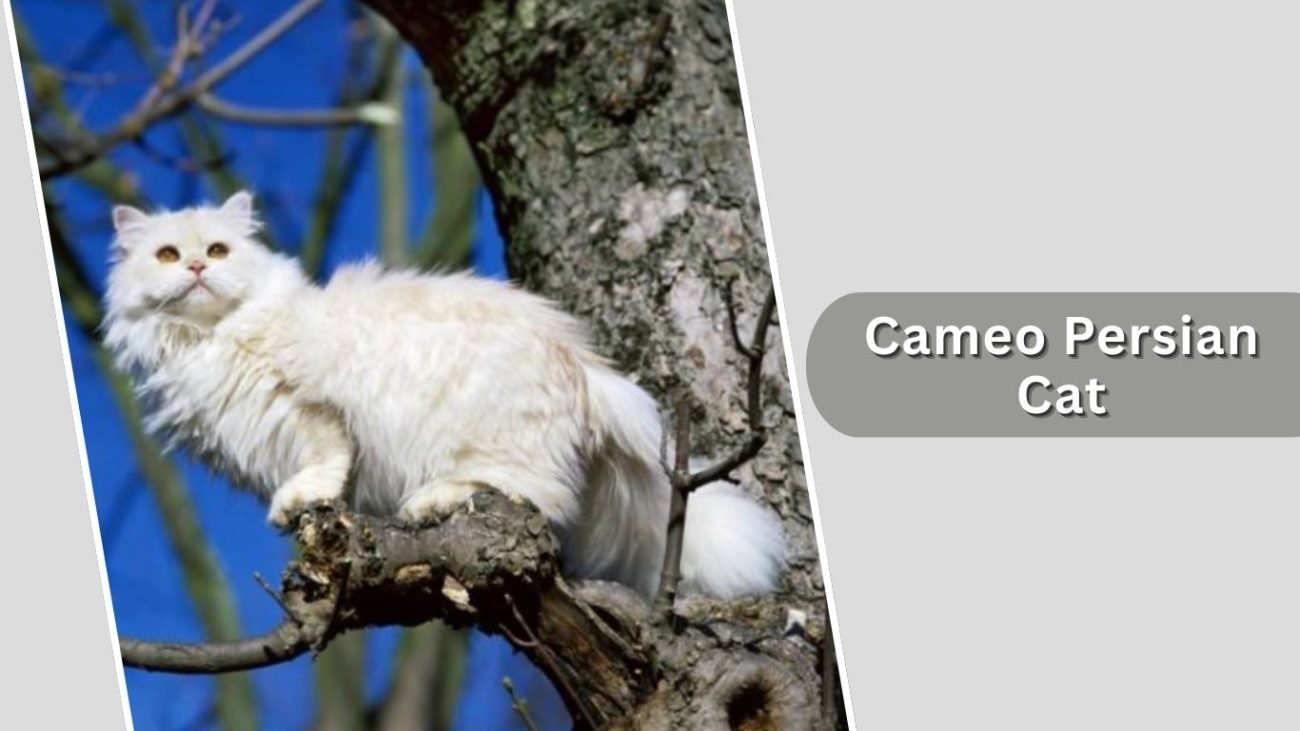
The Cameo Persian Cat is a beautiful red or cream-based Persian variety with a white undercoat and colored tipping, creating a soft, glowing, frosted appearance. This type belongs to the shaded and smoke color groups and is prized for its warm tones and elegant coat effect.
Identification
- White or pale undercoat with red or cream tipping
- Soft shaded or lightly smoked appearance
- Large round copper or orange eyes
- Rounded head with a short, visible nose
- Long, fine, flowing coat
- Compact, cobby body and fluffy tail
Habitat
Cameo Persians thrive as indoor cats, where their light, delicate coats can be protected from dirt, matting, and sun fading. Calm, clean households with moderate temperatures are ideal.
Behaviors
They are gentle, affectionate, and relaxed companions. Cameo Persians enjoy peaceful interaction, following their owners, and resting in comfortable places. They are not highly active but appreciate gentle daily play.
Diet
A high-quality, protein-rich diet supports coat beauty and overall health. Foods containing omega fatty acids help maintain fur softness and shine. Hairball-control diets and proper hydration are recommended.
Lifespan and Care
With attentive grooming and routine veterinary care, Cameo Persians commonly live 12–15 years. Daily brushing, regular eye cleaning, and consistent health monitoring help keep them comfortable and well-groomed.
22. Bicolor Persian Cat
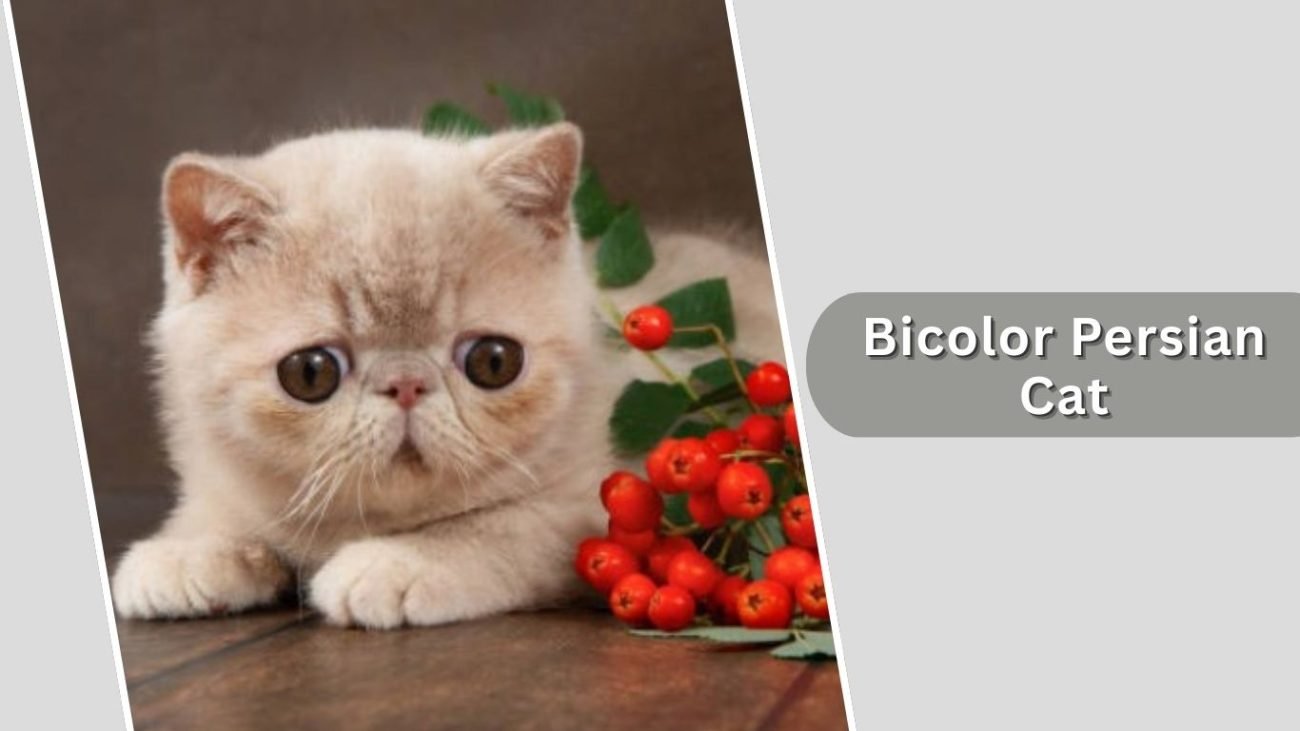
The Bicolor Persian Cat features a striking combination of white with another solid color such as black, blue, red, cream, or chocolate. The clear contrast between colors, combined with the Persian’s long flowing coat and round face, gives this variety a very attractive and balanced appearance.
Identification
- White coat combined with one other solid color
- Clear, well-defined color patches
- Large round copper or blue eyes
- Rounded head with a short, visible nose
- Long, thick, luxurious coat
- Compact, cobby body and fluffy tail
Habitat
Bicolor Persians are best kept indoors, where their long coats can stay clean and mat-free. Quiet homes with controlled temperatures and low dust levels help maintain both coat quality and respiratory comfort.
Behaviors
They are calm, affectionate, and people-oriented. Bicolor Persians enjoy gentle play, soft attention, and resting near their owners. They adapt well to peaceful homes and predictable daily routines.
Diet
A balanced, high-quality diet supports muscle tone and coat health. Foods with omega fatty acids enhance fur softness and shine. Hairball-control formulas and constant access to fresh water are beneficial.
Lifespan and Care
With proper grooming and veterinary care, Bicolor Persians usually live 12–16 years. Daily brushing, routine eye cleaning, occasional bathing, and regular health checkups are essential to keep them healthy and well-groomed.
23. Himalayan Persian Cat
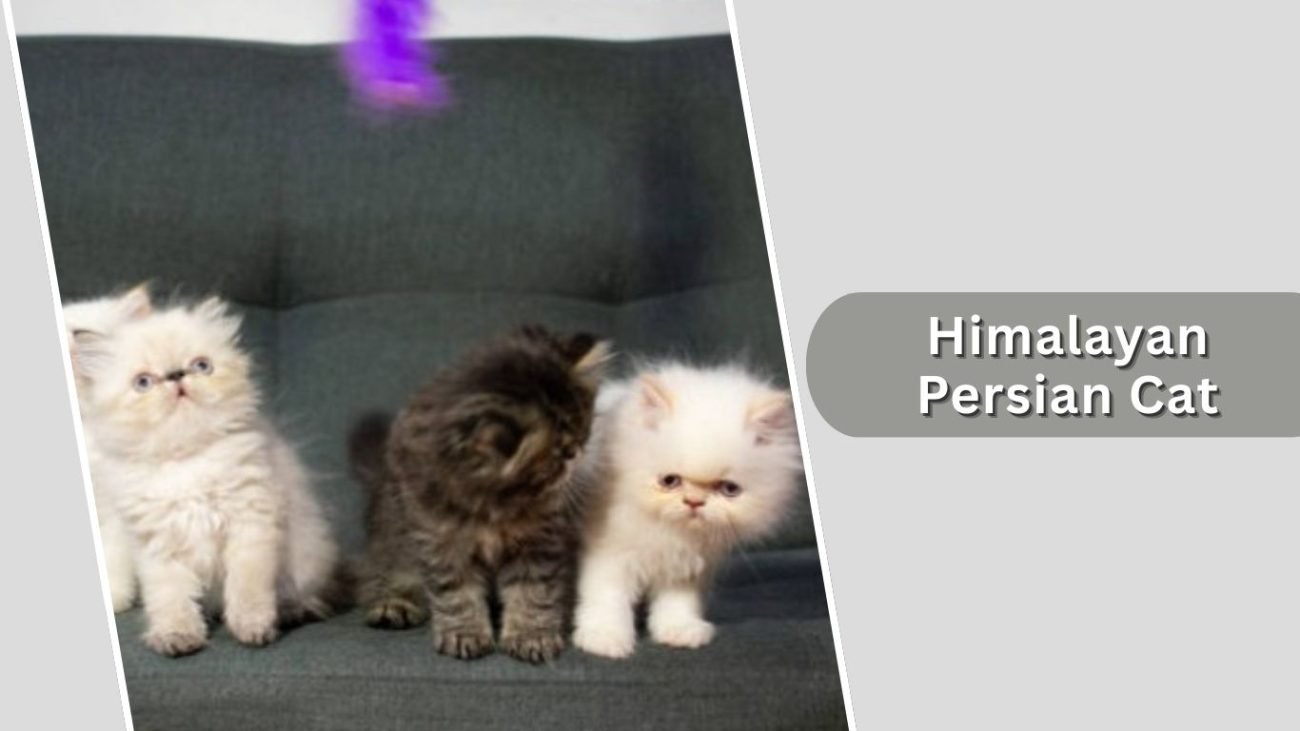
The Himalayan Persian Cat is a popular hybrid type that combines the long, luxurious coat and round body of the Persian with the color-point pattern of the Siamese. It is known for its light body color, darker face, ears, legs, and tail, along with striking blue eyes.
Identification
- Color-point pattern with darker face, ears, paws, and tail
- Light cream or white body coat
- Bright blue, round eyes
- Rounded head with a short, visible nose
- Long, thick, flowing coat
- Compact, cobby body and fluffy tail
Habitat
Himalayan Persians are best suited to indoor living, where temperature, cleanliness, and grooming can be controlled. Calm, quiet homes protect their coats and help prevent respiratory discomfort common in flat-faced breeds.
Behaviors
They are affectionate, gentle, and slightly more playful than many other Persian types. Himalayan Persians enjoy human companionship, interactive toys, and relaxed environments. They bond closely with their families and adapt well to indoor lifestyles.
Diet
A high-quality, protein-rich diet supports coat condition and muscle tone. Omega fatty acids help maintain fur softness. Hairball-control foods and fresh water access are important due to their long coats.
Lifespan and Care
With proper grooming and veterinary care, Himalayan Persians commonly live 12–15 years. Daily brushing, frequent eye cleaning, and regular health checkups are essential to keep them comfortable and healthy.
24. Particolor Persian Cat
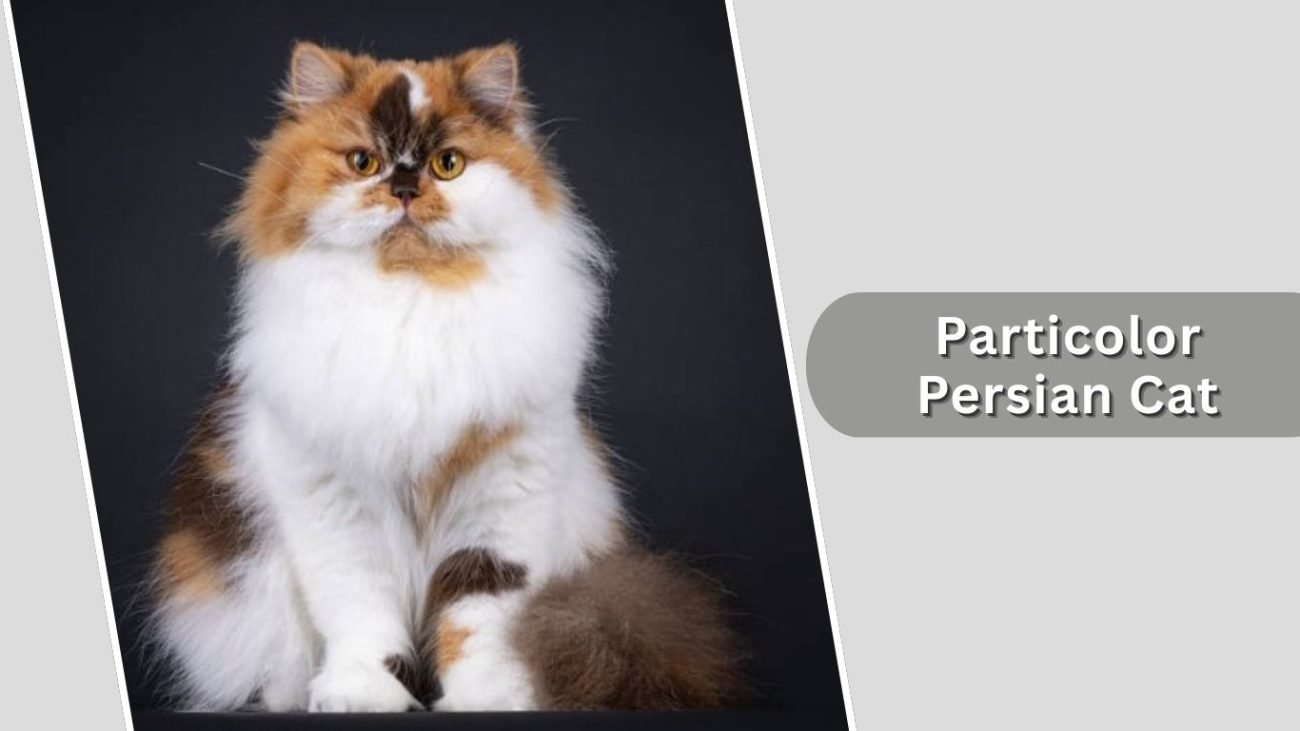
The Particolor Persian Cat refers to Persians that display a mix of colors and patterns, including combinations like tortoiseshell-and-white, tabby-and-white, or calico-style blends. These cats showcase two or more distinct color types along with white, creating a highly varied and visually appealing appearance.
Identification
- Combination of two or more colors with white
- May include tortoiseshell, tabby, or patched patterns
- Large round copper or orange eyes
- Rounded head with a short, visible nose
- Long, dense, flowing coat
- Compact, cobby body and fluffy tail
Habitat
Particolor Persians are ideal indoor cats. Their long coats stay healthier in clean, calm homes where dirt and matting can be controlled. They prefer stable temperatures and peaceful surroundings.
Behaviors
They are gentle, affectionate, and relaxed companions. Particolor Persians enjoy quiet interaction, light play, and resting near their owners. They adapt well to low-stress households and predictable routines.
Diet
A balanced, high-protein diet supports coat quality and overall health. Omega fatty acids improve fur softness and shine. Hairball-control diets and regular hydration are recommended.
Lifespan and Care
With good grooming and veterinary care, Particolor Persians typically live 12–15 years. Daily brushing, routine eye cleaning, occasional bathing, and consistent health monitoring are essential.
25. Solid Color Persian Cat
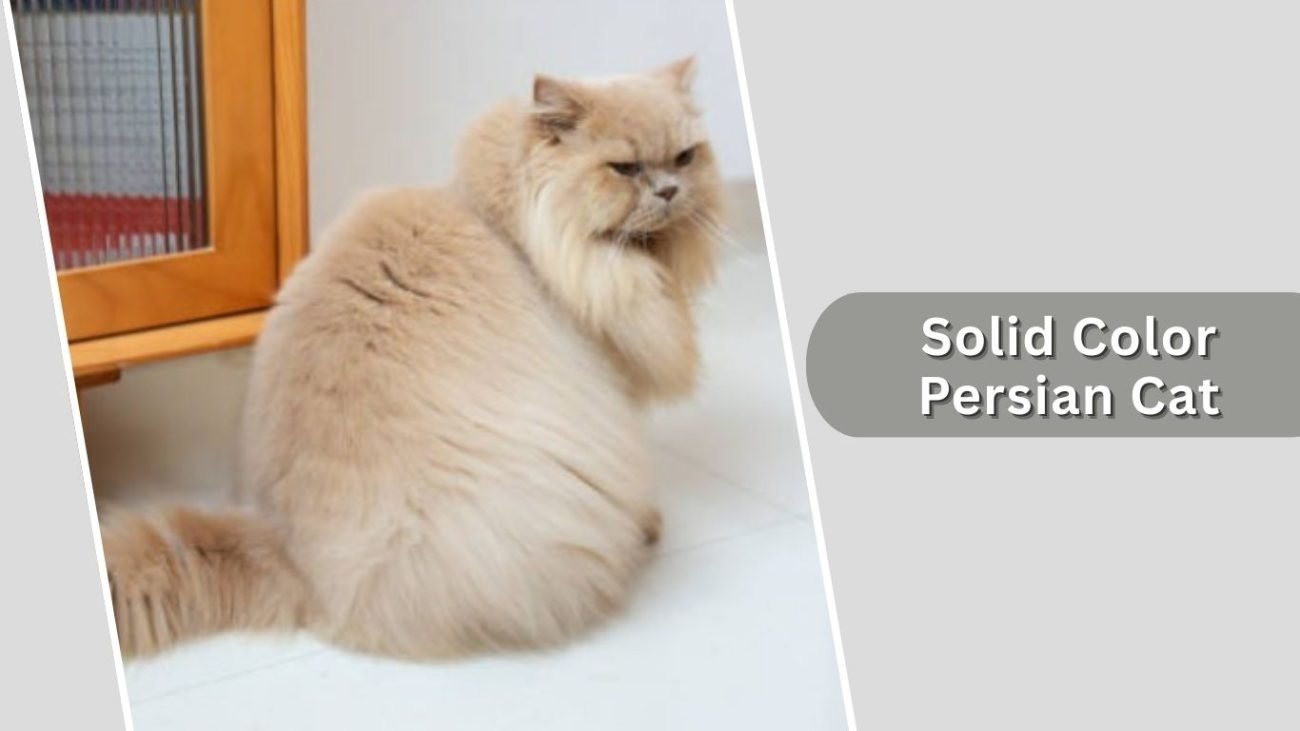
The Solid Color Persian Cat refers to Persians that display one uniform coat color throughout the entire body, without patterns, shading, or patches. These cats highlight the classic Persian features—rounded face, large eyes, compact body, and a long, flowing coat—making color the main point of distinction.
Identification
- One single, uniform coat color from root to tip
- May appear in white, black, blue, red, cream, chocolate, lilac, and other solids
- Large round copper, blue, or green eyes (depending on color)
- Rounded head with a short, visible nose
- Long, thick, luxurious coat
- Compact, cobby body and fluffy tail
Habitat
Solid Color Persians thrive as indoor cats, where their coats can be protected from dirt, sun fading, and matting. Calm, clean homes with comfortable resting areas and controlled temperatures are ideal.
Behaviors
They are calm, affectionate, and gentle companions. Solid Color Persians enjoy quiet attention, light play, and spending time near their owners. They adapt well to peaceful households and stable routines.
Diet
A high-quality, protein-rich diet supports coat beauty and overall health. Foods with omega fatty acids maintain fur softness and shine. Hairball-control diets and fresh water access are important.
Lifespan and Care
With proper grooming and veterinary attention, Solid Color Persians commonly live 12–16 years. Daily brushing, regular eye cleaning, occasional bathing, and routine health checkups are essential to keep them healthy and well-groomed.
FAQs
Are Persian cats good indoor pets?
Persian cats are excellent indoor pets because they are calm, gentle, and not highly active. Indoor living protects their long coats from dirt and parasites while allowing owners to manage grooming and health care more easily. They adapt well to apartments and quiet family homes.
How often should a Persian cat be groomed?
Persian cats need daily brushing to prevent tangles, mats, and hairball problems. Their long, dense coats trap loose hair and dust quickly. Regular eye cleaning, weekly ear checks, and occasional baths are also important to maintain hygiene, comfort, and overall coat quality.
Do Persian cats have health problems?
Persian cats can be prone to breathing difficulties, eye tearing, dental issues, and skin problems, especially flat-faced types. Regular veterinary checkups, proper grooming, a balanced diet, and a clean environment help reduce health risks and support a long, comfortable life.
Are Persian cats friendly with families?
Persian cats are affectionate, gentle, and enjoy human companionship. They usually bond closely with their owners and do well in calm households. They tolerate children and other pets when treated gently, but they prefer peaceful environments over noisy or very active homes.
What is the average lifespan of a Persian cat?
With proper care, most Persian cats live between 12 and 16 years. A nutritious diet, daily grooming, regular vet visits, and a stress-free indoor lifestyle greatly improve their chances of living a long, healthy, and comfortable life.