Bengal cats are a striking and energetic breed known for their wild, leopard-like appearance and affectionate domestic nature. Developed from crosses between domestic cats and the Asian leopard cat, Bengals combine exotic beauty with intelligence, agility, and strong social bonds. Over time, selective breeding has produced many different Bengal types, varying in coat color, pattern, and special traits such as glitter or long fur. Understanding these types helps cat lovers choose the Bengal that best fits their lifestyle and home environment.
1. Brown Spotted Bengal Cat
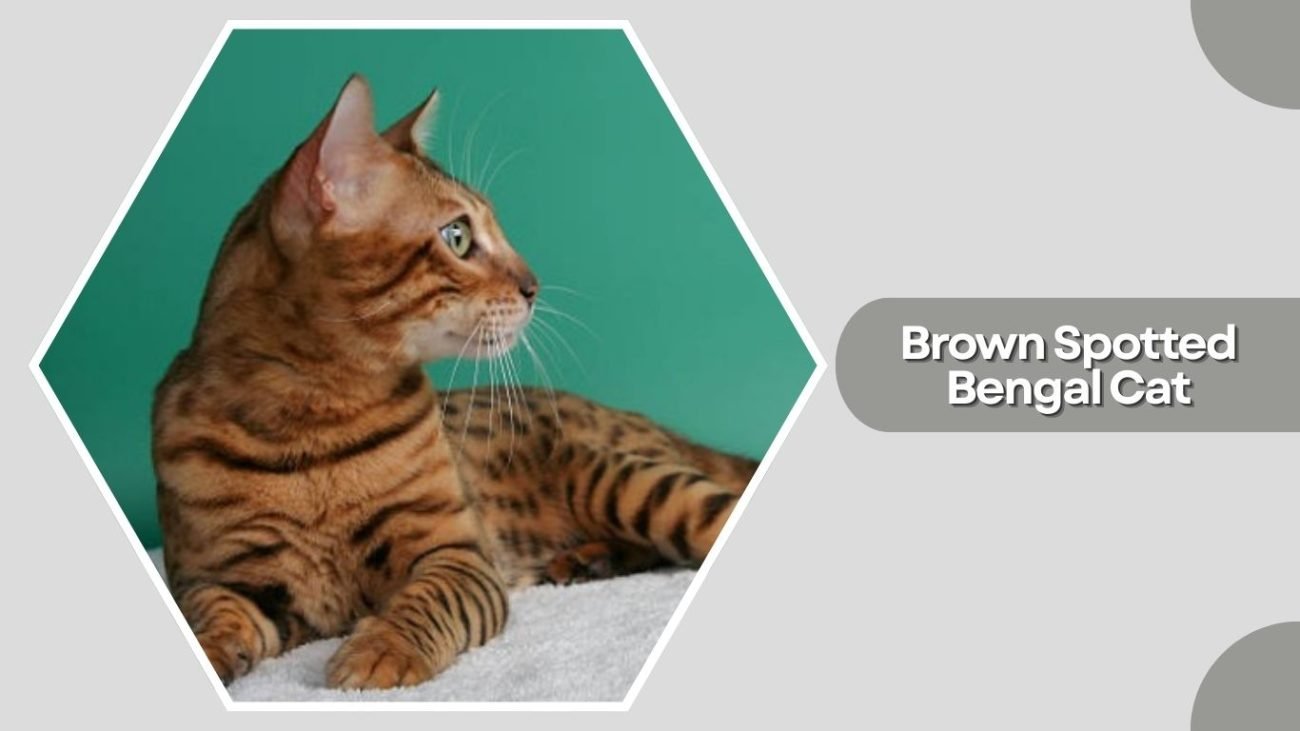
The Brown Spotted Bengal Cat is the most common and iconic type of Bengal. It is famous for its wild, leopard-like appearance, featuring rich brown or golden coats covered with dark rosettes or spots. This type closely resembles the Asian leopard cat, from which the Bengal breed was originally developed, while maintaining a friendly, domestic temperament.
Identification
- Golden, tan, or warm brown base coat
- Dark brown or black spots and rosettes
- Large, almond-shaped green or gold eyes
- Muscular, athletic body structure
- Short, sleek, glittering coat
- Long tail with a dark tip
Habitat
Brown Spotted Bengals adapt well to indoor living but need space to climb and explore. They thrive in homes with cat trees, shelves, and interactive environments. Secure outdoor enclosures or supervised outdoor time can also benefit their active nature.
Behaviors
This type is highly energetic, intelligent, and playful. Brown Spotted Bengals love climbing, running, and interactive games. They often form strong bonds with their owners, enjoy learning tricks, and may follow people around the house.
Diet
A high-protein diet is essential to support their muscular build and high activity level. Quality commercial cat food or properly balanced raw diets help maintain coat shine, energy, and overall health. Fresh water should always be available.
Lifespan and Care
Brown Spotted Bengals typically live 12–16 years with proper care. Weekly brushing is usually sufficient due to their short coat. Regular playtime, mental stimulation, and routine veterinary checkups are important to keep them healthy and well-balanced.
2. Snow Bengal Cat

The Snow Bengal Cat is known for its light, creamy coat and soft contrasting patterns, giving it a striking yet gentle wild appearance. This type comes from Bengal lines carrying Siamese and Burmese genetics, which produce pale backgrounds with darker rosettes and beautiful eye colors.
Identification
- Cream, ivory, or pale beige base coat
- Soft brown or dark tan spots or rosettes
- Blue, aqua, or green eyes
- Muscular, athletic body
- Short, sleek, glossy coat
- Long tail with darker rings and tip
Habitat
Snow Bengals do well indoors but need an enriched environment. They enjoy vertical climbing spaces, puzzle toys, and interactive play. Because of their curiosity and energy, safe, spacious homes or enclosed outdoor areas are ideal.
Behaviors
They are intelligent, affectionate, and very active. Snow Bengals love human interaction, enjoy playing fetch, climbing high spots, and exploring water sources. They often seek attention and become closely bonded with their owners.
Diet
A protein-rich diet supports their active metabolism and lean muscle. High-quality cat food with real meat as the main ingredient is ideal. Proper hydration and portion control help maintain long-term health.
Lifespan and Care
With good care, Snow Bengals usually live 12–16 years. Minimal grooming is required, but regular exercise, mental stimulation, and veterinary checkups are essential for their overall well-being.
3. Silver Bengal Cat

The Silver Bengal Cat is admired for its cool-toned, high-contrast coat that features a pale silver or white background with bold black or dark gray spots and rosettes. This dramatic coloring gives the Silver Bengal a striking, almost snow-leopard-like appearance while keeping the athletic build and friendly temperament of the breed.
Identification
- Pale silver or white base coat
- Black or dark gray spots and rosettes
- Strong contrast between pattern and background
- Large almond-shaped green or gold eyes
- Muscular, athletic body
- Short, sleek, glossy coat
- Long tail with dark rings and tip
Habitat
Silver Bengals thrive indoors when given plenty of space to climb, jump, and explore. Cat trees, wall shelves, tunnels, and puzzle toys are ideal. Secure outdoor enclosures can also provide safe stimulation.
Behaviors
They are energetic, intelligent, and highly interactive. Silver Bengals love climbing, chasing toys, and learning tricks. They often follow their owners, enjoy playing in water, and form strong social bonds.
Diet
A high-protein, meat-based diet supports their active lifestyle and lean muscles. Quality commercial foods or well-balanced fresh diets help maintain coat shine, stamina, and overall health.
Lifespan and Care
With proper care, Silver Bengals commonly live 12–16 years. Weekly brushing is usually enough. Daily playtime, mental enrichment, and routine veterinary visits are essential for long-term health.
4. Marble Bengal Cat

The Marble Bengal Cat is known for its flowing, horizontal swirl patterns instead of the usual spots or rosettes. These bold, marbled markings resemble those of wild jungle cats and give this Bengal type a dramatic, exotic appearance combined with a sleek, muscular build.
Identification
- Large, swirling, marble-like patterns
- High-contrast markings on a brown, silver, or snow base
- Strong horizontal pattern flow
- Large almond-shaped green or gold eyes
- Muscular, athletic body
- Short, sleek, glossy coat
- Long tail with dark rings and tip
Habitat
Marble Bengals thrive in active indoor environments. They need vertical climbing structures, scratching posts, and interactive toys. Spacious homes or safe outdoor enclosures allow them to release energy and explore naturally.
Behaviors
They are energetic, intelligent, and curious. Marble Bengals enjoy problem-solving toys, climbing high places, and interactive games. They often seek attention, follow their owners, and may enjoy water play.
Diet
A high-protein diet supports muscle development and high energy needs. Meat-based foods help maintain coat quality, strength, and overall health. Fresh water should always be available.
Lifespan and Care
Marble Bengals usually live 12–16 years with good care. Their short coat needs minimal grooming, but daily play, mental stimulation, and regular vet checkups are vital.
5. Blue Bengal Cat

The Blue Bengal Cat is a rare and eye-catching Bengal type, known for its cool blue-gray coat and soft smoky contrast. Instead of the typical brown or silver background, this variety features diluted coloring that gives the Bengal’s wild patterns a misty, elegant appearance.
Identification
- Blue-gray or steel-blue base coat
- Darker blue or charcoal spots and rosettes
- Soft, smoky overall appearance
- Large almond-shaped gold or green eyes
- Muscular, athletic body
- Short, sleek, glossy coat
- Long tail with dark rings and tip
Habitat
Blue Bengals adapt well to indoor life but need plenty of stimulation. Cat trees, climbing shelves, and interactive toys are essential. Safe outdoor enclosures can also be beneficial for exercise and exploration.
Behaviors
They are intelligent, playful, and very active. Blue Bengals love climbing, chasing, and interactive play. They often bond closely with owners, enjoy learning tricks, and may show curiosity toward water.
Diet
A protein-rich, meat-based diet supports their lean muscles and high energy levels. Quality cat food with real animal protein is ideal. Proper hydration and balanced nutrition are important.
Lifespan and Care
With proper care, Blue Bengals typically live 12–16 years. Minimal grooming is needed, but regular exercise, mental enrichment, and routine veterinary care are essential.
6. Charcoal Bengal Cat
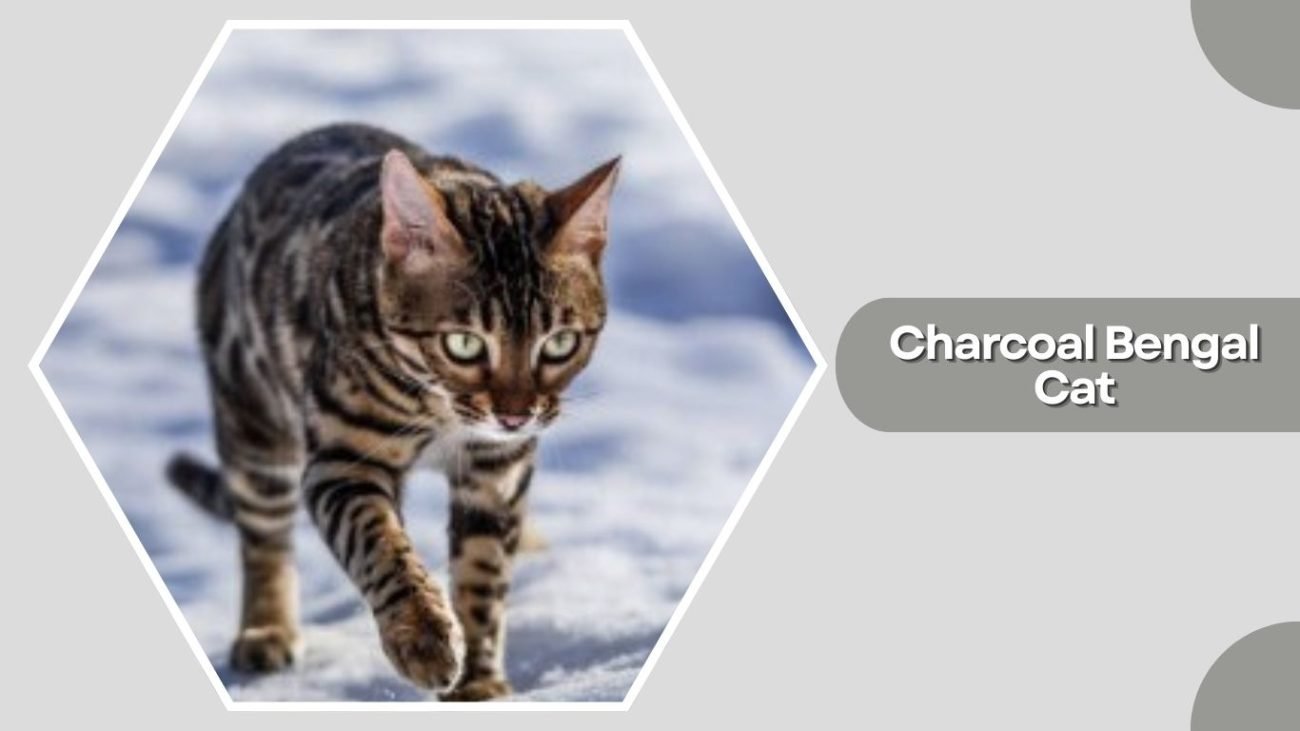
The Charcoal Bengal Cat is a striking and unique Bengal type, recognized by its dark, dramatic coat, strong facial markings, and distinctive “Zorro mask” pattern across the face. This type often has a darker body, bold contrast, and a shadowed look that sets it apart from other Bengals.
Identification
- Dark gray, brown, or blackish coat tone
- Bold, high-contrast spots or marbling
- Distinct facial mask with dark eye lines
- Thick dark dorsal stripe along the back
- Large almond-shaped gold or green eyes
- Muscular, athletic body
- Short, sleek, glossy coat
Habitat
Charcoal Bengals thrive in enriched indoor environments. They need plenty of climbing structures, hiding spots, and interactive toys. Spacious homes or secure outdoor enclosures provide ideal outlets for their curiosity and energy.
Behaviors
They are energetic, intelligent, and highly curious. Charcoal Bengals enjoy exploration, climbing, puzzle toys, and interactive games. They often follow their owners and may enjoy water-related play.
Diet
A high-protein, meat-focused diet supports their active nature and muscular build. Quality foods rich in animal protein help maintain coat condition, stamina, and overall health.
Lifespan and Care
With good care, Charcoal Bengals usually live 12–16 years. Their short coats require little grooming, but daily play, mental stimulation, and routine veterinary checkups are essential.
7. Black Bengal Cat
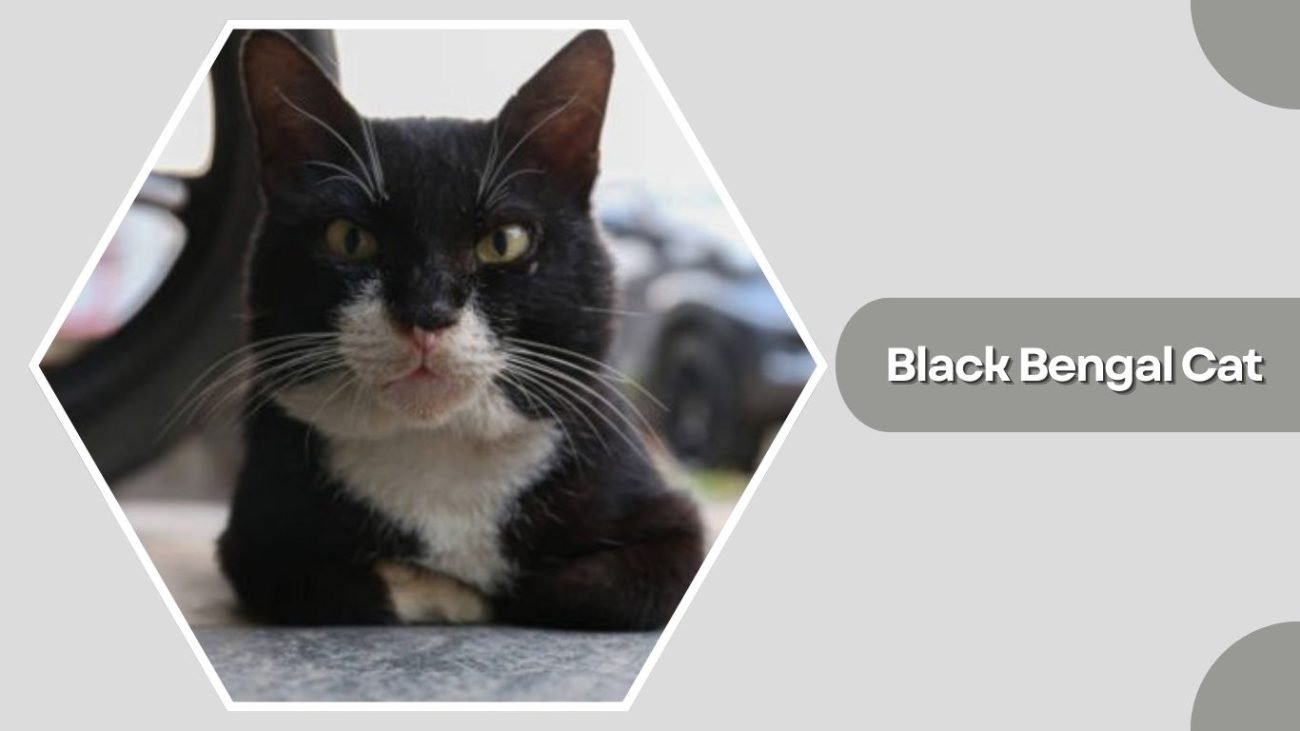
The Black Bengal Cat, often called the “Melanistic Bengal,” appears almost solid black at first glance. Under bright light, subtle ghost markings of spots or marbling can be seen beneath the dark coat. This type has a sleek, panther-like appearance while retaining the Bengal’s athletic build and lively personality.
Identification
- Jet black or very dark charcoal coat
- Faint ghost spots or marbling visible in strong light
- Green or gold almond-shaped eyes
- Muscular, athletic body
- Short, sleek, glossy coat
- Long tail with dark tip
Habitat
Black Bengals thrive indoors when given space to climb and explore. Vertical environments, puzzle toys, and interactive play areas are ideal. Safe outdoor enclosures can provide additional stimulation.
Behaviors
They are energetic, intelligent, and confident. Black Bengals enjoy climbing, chasing toys, learning tricks, and interacting closely with their owners. They often display curiosity toward water and new environments.
Diet
A high-protein diet supports their lean muscle and high activity levels. Quality cat food rich in animal protein helps maintain coat shine, strength, and overall health.
Lifespan and Care
With proper care, Black Bengals commonly live 12–16 years. Their short coats require minimal grooming, but regular playtime, mental enrichment, and routine vet visits are essential.
8. Rosetted Bengal Cat
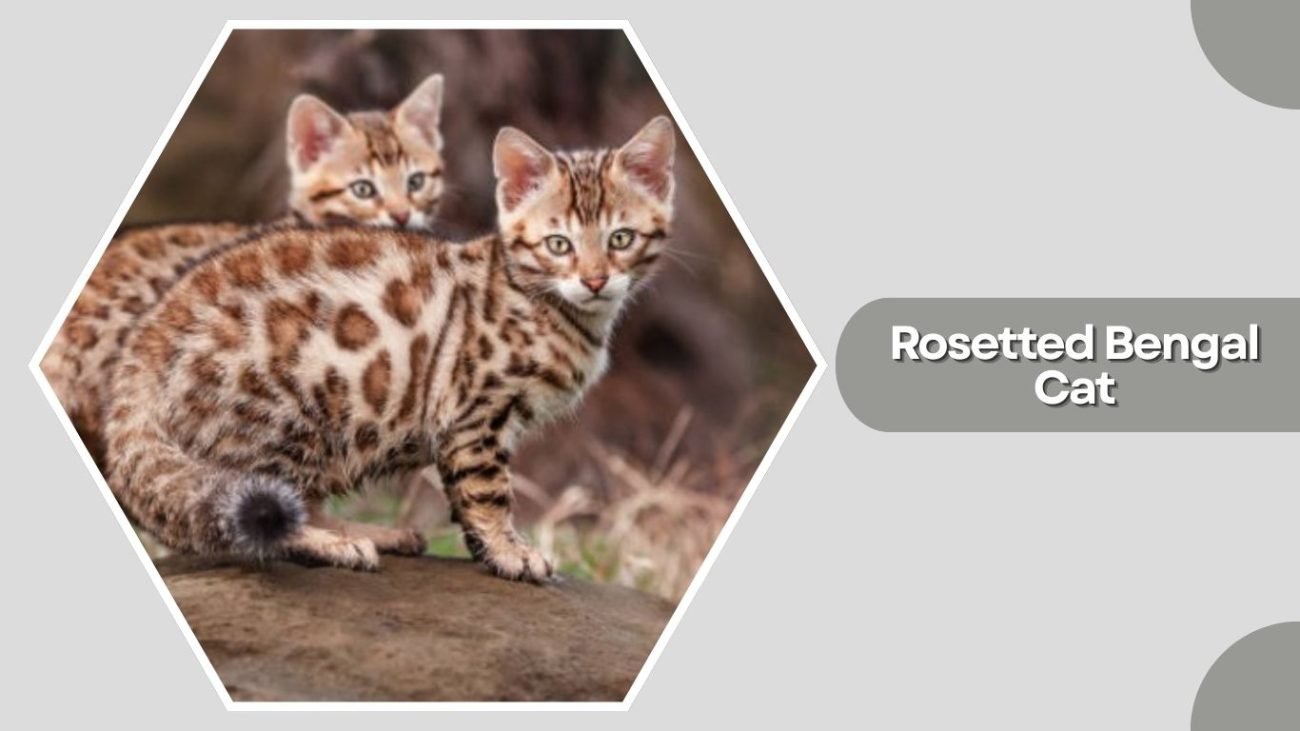
The Rosetted Bengal Cat is one of the most popular and visually striking Bengal types, known for its two-toned spots called rosettes. These markings closely resemble those of leopards and jaguars, giving this Bengal a true wild-cat appearance combined with a friendly domestic temperament.
Identification
- Distinct two-toned rosettes instead of solid spots
- High-contrast pattern on brown, silver, or snow backgrounds
- Large almond-shaped green or gold eyes
- Muscular, athletic body
- Short, sleek, glossy coat with “glitter” effect
- Long tail with dark rings and tip
Habitat
Rosetted Bengals do best in active indoor homes. They need tall cat trees, wall shelves, and interactive toys. Secure outdoor enclosures can provide extra space for exploration and exercise.
Behaviors
They are energetic, intelligent, and social. Rosetted Bengals enjoy climbing, running, puzzle toys, and interactive games. They often bond closely with their families and seek regular engagement.
Diet
A protein-rich diet supports muscle development and energy needs. High-quality meat-based foods help maintain coat shine and overall health. Fresh water should always be available.
Lifespan and Care
With proper care, Rosetted Bengals typically live 12–16 years. Minimal grooming is needed, but daily play, enrichment, and routine veterinary care are important.
9. Snow Lynx Bengal Cat
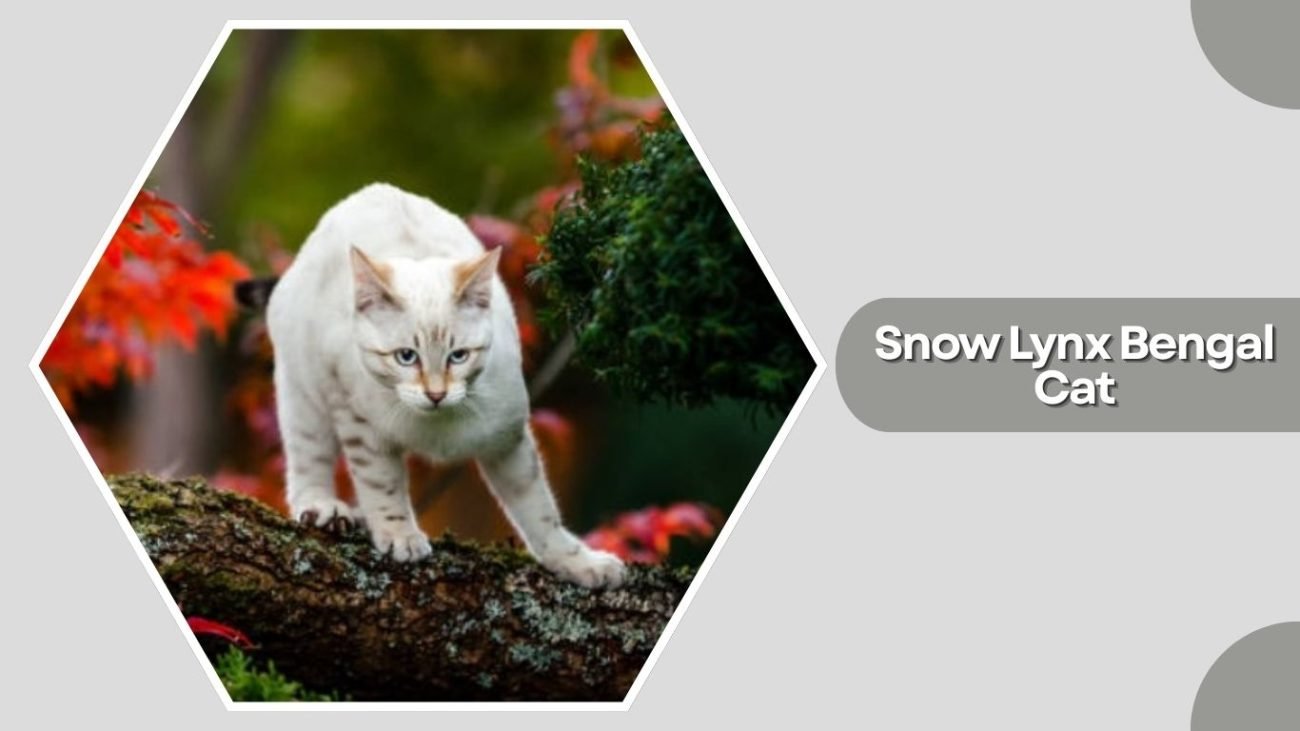
The Snow Lynx Bengal Cat is the lightest-colored snow Bengal variety, recognized for its creamy white coat, soft gray or beige markings, and striking blue eyes. This type closely resembles a miniature snow leopard and is highly valued for its gentle yet exotic appearance.
Identification
- Creamy white or ivory base coat
- Soft gray, beige, or light brown markings
- Bright blue almond-shaped eyes
- Pink nose and paw pads
- Muscular, athletic body
- Short, sleek, glossy coat
- Long tail with darker tip
Habitat
Snow Lynx Bengals thrive in indoor environments enriched with climbing structures, shelves, and interactive toys. They enjoy space to explore and benefit from secure outdoor enclosures when available.
Behaviors
They are intelligent, affectionate, and playful. Snow Lynx Bengals enjoy interactive games, learning tricks, and spending time with their owners. They are curious cats and may show a strong interest in water.
Diet
A high-protein, meat-based diet supports their active metabolism and muscular build. Balanced nutrition and fresh water are essential for long-term health.
Lifespan and Care
With good care, Snow Lynx Bengals usually live 12–16 years. Their short coat needs little grooming, but daily exercise, mental stimulation, and routine vet checkups are important.
10. Snow Mink Bengal Cat
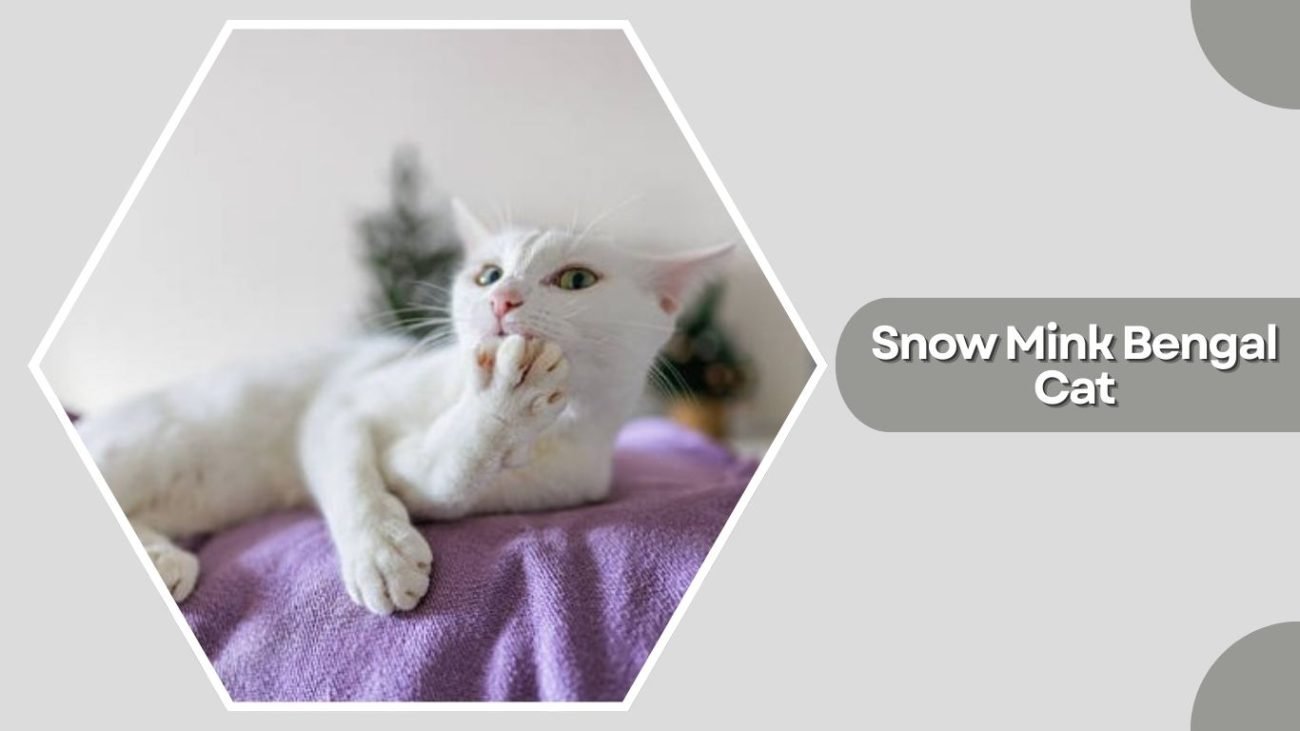
The Snow Mink Bengal Cat is a medium-toned snow Bengal variety, darker than the Snow Lynx but lighter than the Snow Sepia. It is admired for its creamy beige coat, rich soft brown markings, and beautiful aqua or blue-green eyes, giving it a warm, exotic appearance.
Identification
- Cream, ivory, or light beige base coat
- Medium brown or caramel spots and rosettes
- Aqua, blue-green, or turquoise eyes
- Muscular, athletic body
- Short, sleek, glossy coat
- Long tail with darker rings and tip
Habitat
Snow Mink Bengals adapt very well to indoor homes with plenty of stimulation. They enjoy cat trees, shelves, tunnels, and interactive toys. Safe outdoor enclosures can further satisfy their curiosity and energy.
Behaviors
They are intelligent, playful, and very people-oriented. Snow Mink Bengals enjoy interactive games, climbing, and learning tricks. They often follow their owners around and may show a strong interest in water.
Diet
A high-protein, meat-based diet supports their lean muscle and high activity level. Quality nutrition helps maintain coat shine, strong immunity, and overall vitality.
Lifespan and Care
With proper care, Snow Mink Bengals usually live 12–16 years. Their short coat requires minimal grooming, but daily play, mental stimulation, and regular veterinary visits are essential.
11. Snow Sepia Bengal Cat
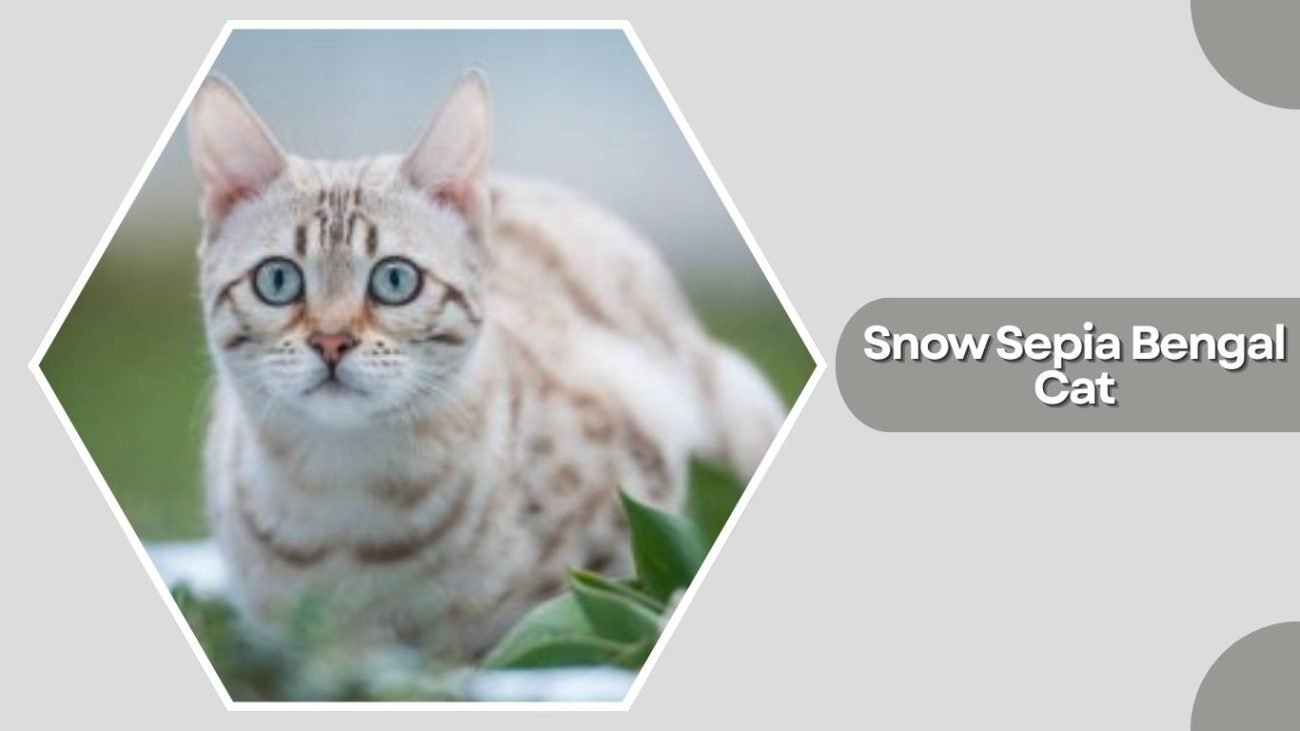
The Snow Sepia Bengal Cat is the darkest of the snow Bengal varieties. It features a warm cream to light tan coat with rich brown markings and expressive gold or green eyes. This type has a soft, glowing appearance while still showing strong contrast in its patterns.
Identification
- Cream, ivory, or light tan base coat
- Dark brown or chocolate-colored spots and rosettes
- Gold or green almond-shaped eyes
- Muscular, athletic body
- Short, sleek, glossy coat
- Long tail with darker rings and tip
Habitat
Snow Sepia Bengals do very well indoors when provided with an active environment. They enjoy climbing trees, wall shelves, and interactive toys. Secure outdoor enclosures are also excellent for controlled exploration.
Behaviors
They are energetic, intelligent, and affectionate. Snow Sepia Bengals love interactive play, climbing, and mental challenges. They often bond strongly with their owners and may enjoy water play.
Diet
A high-protein, meat-based diet supports their muscular build and energetic lifestyle. Balanced nutrition helps maintain coat quality, strong immunity, and overall health.
Lifespan and Care
With proper care, Snow Sepia Bengals commonly live 12–16 years. Minimal grooming is needed, but daily exercise, mental enrichment, and routine veterinary checkups are essential.
12. Glitter Bengal Cat
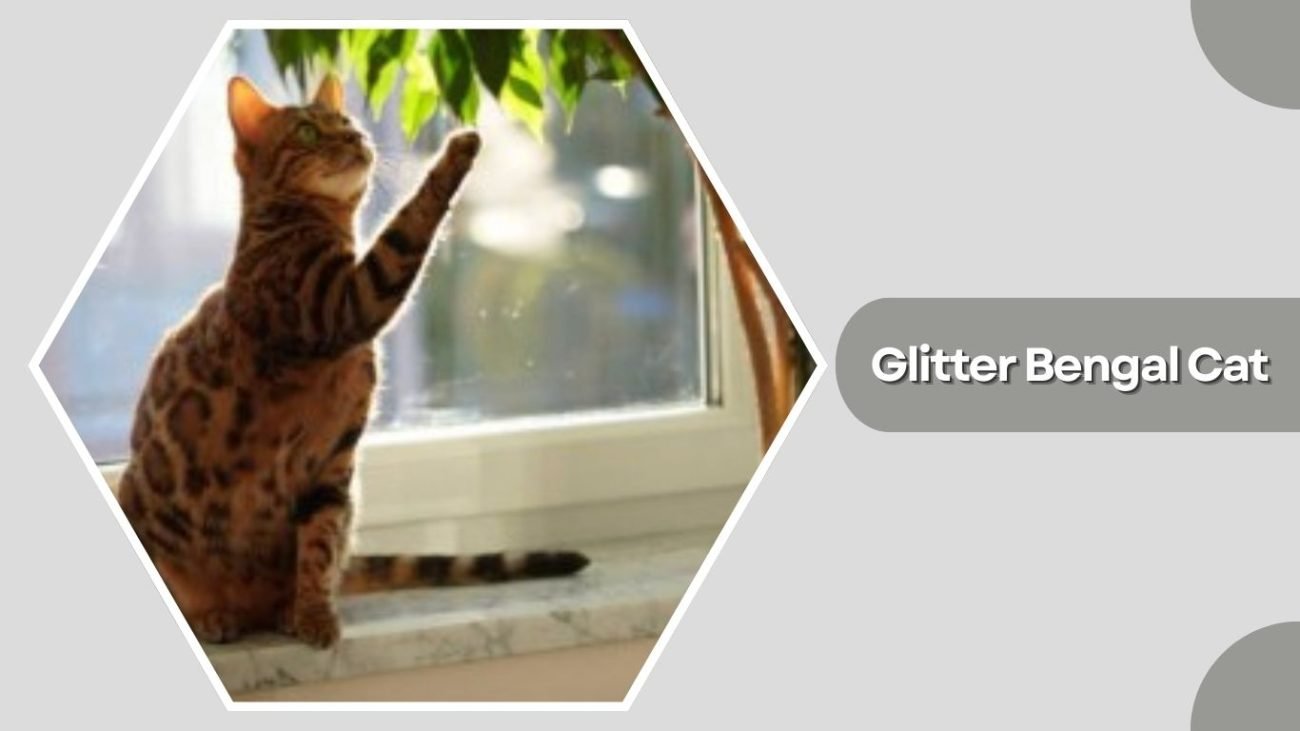
The Glitter Bengal Cat is famous for its unique, shimmering coat that appears to sparkle in the light. This “glitter” effect is caused by translucent hair tips that reflect light, giving the cat a glowing, dusted-with-gold appearance. Glitter can appear in many Bengal colors and patterns.
Identification
- Coat appears shiny or sparkling under light
- May occur in brown, silver, snow, or other Bengal colors
- Distinct spots, rosettes, or marbling
- Large almond-shaped green or gold eyes
- Muscular, athletic body
- Short, sleek, very soft coat
- Long tail with dark tip
Habitat
Glitter Bengals thrive indoors with plenty of climbing and play opportunities. Cat trees, shelves, tunnels, and interactive toys help keep them mentally and physically stimulated. Secure outdoor enclosures are also beneficial.
Behaviors
They are energetic, curious, and very social. Glitter Bengals love interactive play, running, climbing, and spending time with their owners. They are intelligent cats that enjoy learning tricks and exploring new environments.
Diet
A high-protein, meat-based diet supports their active metabolism and helps maintain their coat’s shine and texture. Balanced nutrition and constant access to fresh water are essential.
Lifespan and Care
With proper care, Glitter Bengals usually live 12–16 years. Their short coats need minimal grooming, but daily play, mental enrichment, and routine veterinary checkups are very important.
13. Charcoal Silver Bengal Cat
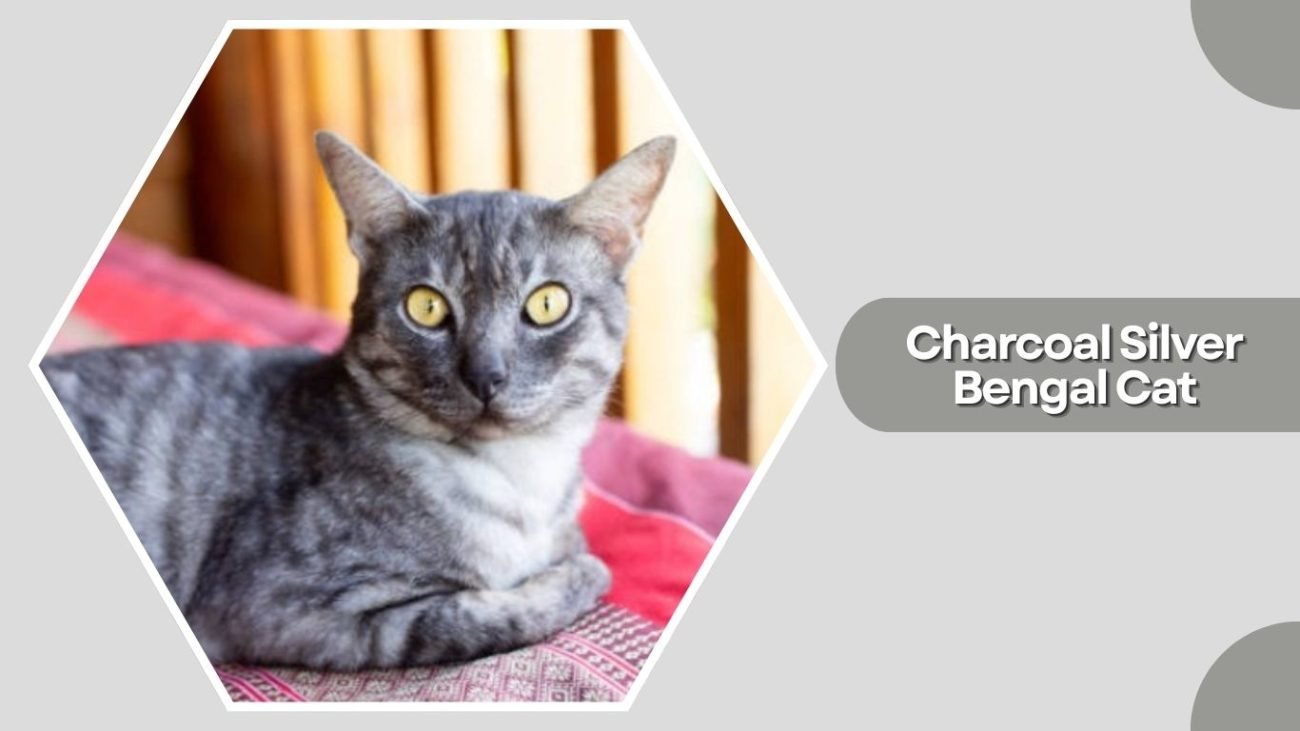
The Charcoal Silver Bengal Cat combines the cool-toned silver base with the dramatic charcoal pattern, creating a high-contrast and very exotic appearance. This type is known for its dark facial “mask,” thick dorsal stripe, and bold markings that stand out strongly against the pale silver background.
Identification
- Pale silver or white base coat
- Dark charcoal or black spots and rosettes
- Distinct facial mask and dark eye outlines
- Thick dark stripe along the spine
- Large almond-shaped green or gold eyes
- Muscular, athletic body
- Short, sleek, glossy coat
Habitat
Charcoal Silver Bengals thrive in active indoor environments. They need vertical climbing spaces, scratching posts, and interactive toys. Secure outdoor enclosures can further support their energetic and curious nature.
Behaviors
They are intelligent, energetic, and confident. Charcoal Silver Bengals enjoy exploration, climbing, puzzle toys, and interactive games. They often follow their owners and may show interest in water.
Diet
A high-protein, meat-based diet supports their strong muscles and high energy level. Quality nutrition helps maintain coat quality, stamina, and overall health.
Lifespan and Care
With proper care, Charcoal Silver Bengals usually live 12–16 years. Their short coat needs little grooming, but daily exercise, mental stimulation, and routine veterinary care are essential.
14. Melanistic Bengal Cat
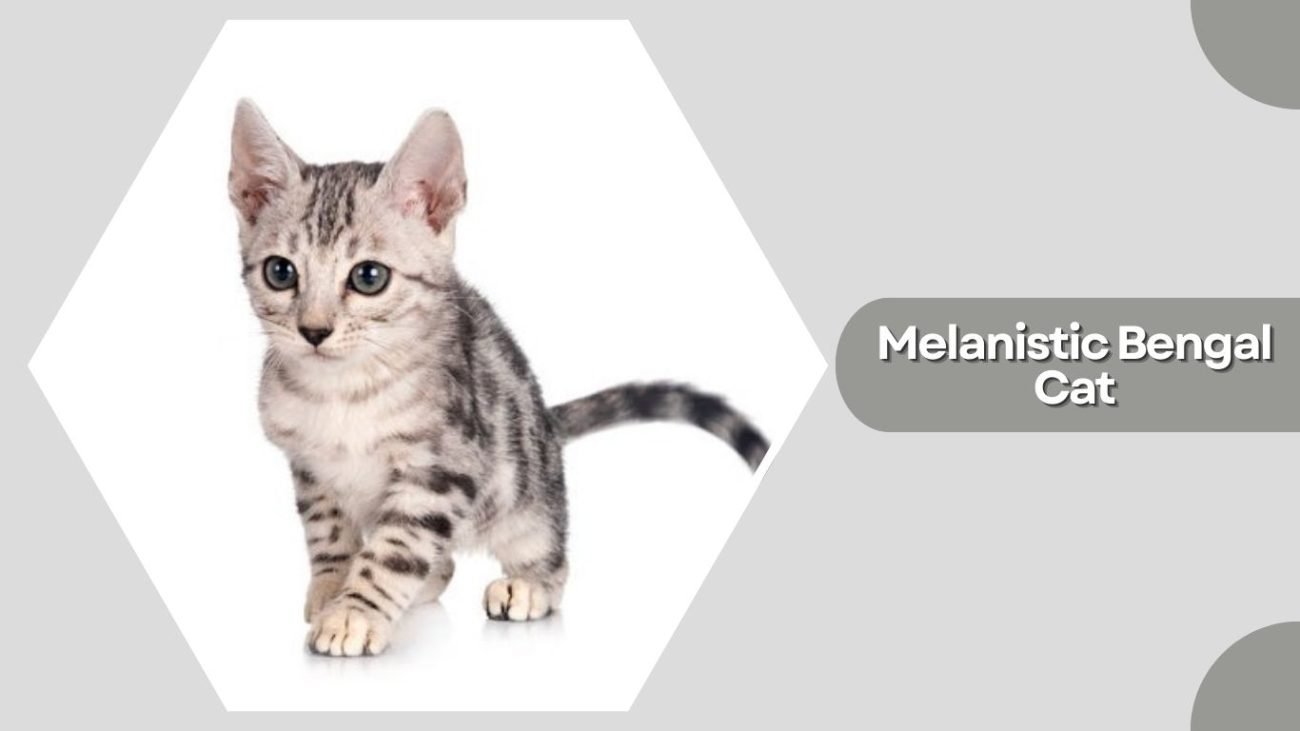
The Melanistic Bengal Cat is a rare and striking type characterized by an almost completely black coat. Often called the “black panther Bengal,” it shows subtle ghost spots or marbling visible only under bright light. This gives the cat a mysterious, sleek appearance while preserving the Bengal’s athletic build and wild ancestry.
Identification
- Almost solid black or very dark charcoal coat
- Faint ghost spots or marbling in strong light
- Green or gold almond-shaped eyes
- Muscular, athletic body
- Short, sleek, glossy coat
- Long tail with dark tip
Habitat
Melanistic Bengals thrive in enriched indoor environments. They need climbing structures, interactive toys, and plenty of space to explore. Secure outdoor enclosures can provide additional physical and mental stimulation.
Behaviors
They are energetic, intelligent, and confident. Melanistic Bengals enjoy climbing, running, interactive games, and close interaction with their owners. They often show curiosity toward water and new surroundings.
Diet
A high-protein, meat-based diet supports their lean muscles and high activity level. Balanced nutrition helps maintain coat shine and overall vitality.
Lifespan and Care
With proper care, Melanistic Bengals usually live 12–16 years. Their short coat requires minimal grooming, but daily play, mental enrichment, and routine veterinary visits are essential.
15. Longhair Bengal Cat
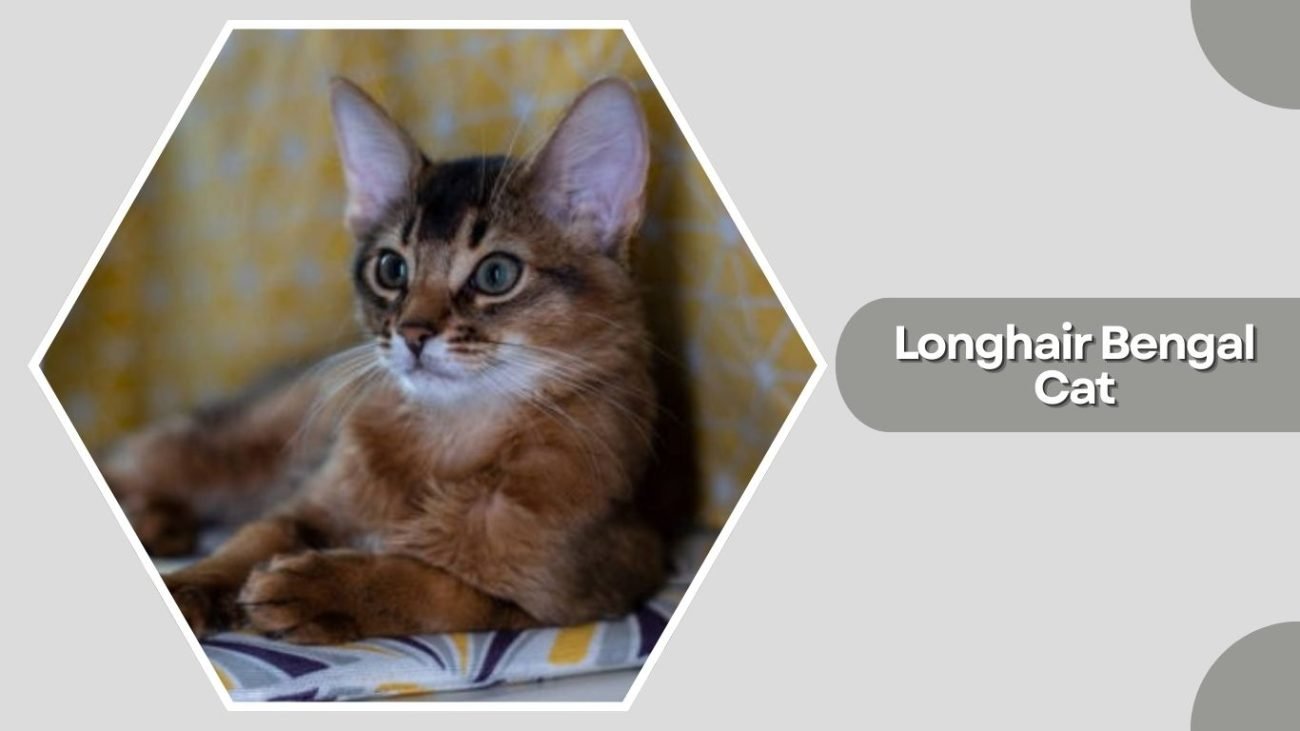
The Longhair Bengal Cat, sometimes called the “Cashmere Bengal,” is a rare Bengal type that carries a recessive longhair gene. Unlike typical Bengals, this variety has a soft, semi-long coat while still displaying the breed’s wild patterns, muscular build, and energetic personality.
Identification
- Medium to long, silky coat instead of short fur
- Visible spots, rosettes, or marbling
- Feathering on tail, belly, and legs
- Large almond-shaped green or gold eyes
- Muscular, athletic body
- Long, fluffy tail
Habitat
Longhair Bengals do well indoors in active households. They need climbing structures, interactive toys, and space to explore. Because of their longer coat, clean environments help reduce matting and fur buildup.
Behaviors
They are intelligent, playful, and affectionate. Longhair Bengals enjoy climbing, interactive play, and social time with their owners. They are curious cats that thrive on mental stimulation and routine engagement.
Diet
A high-protein diet supports their active lifestyle and muscular build. Quality nutrition helps maintain coat condition, energy levels, and immune health.
Lifespan and Care
With good care, Longhair Bengals typically live 12–16 years. They require more frequent brushing than short-haired Bengals, along with regular exercise, mental enrichment, and veterinary checkups.
FAQs
Are Bengal cats good pets for families?
Bengal cats can make excellent family pets for active households. They are affectionate, intelligent, and social, often forming strong bonds with their owners. However, they need daily play, interaction, and mental stimulation, so they are best suited for families who can spend time engaging with them.
Do Bengal cats need a lot of exercise?
Yes, Bengal cats are very energetic and athletic. They require regular interactive play, climbing opportunities, and mental challenges. Cat trees, wall shelves, puzzle toys, and daily play sessions help prevent boredom and destructive behavior while keeping them physically fit.
Are Bengal cats easy to groom?
Bengal cats have short, sleek coats that are generally low-maintenance. Weekly brushing is usually enough to remove loose hair and maintain shine. Longhair Bengals need more frequent brushing. Regular nail trimming, ear cleaning, and dental care are also important.
Are Bengal cats aggressive?
Bengal cats are not naturally aggressive, but they are very active and confident. Without enough stimulation, they may become bored and mischievous. Proper socialization, play, and attention help Bengals develop into friendly, well-mannered companions.
How long do Bengal cats usually live?
With proper care, Bengal cats typically live between 12 and 16 years. A balanced diet, regular veterinary checkups, daily exercise, and a safe indoor lifestyle greatly improve their chances of living a long and healthy life.