










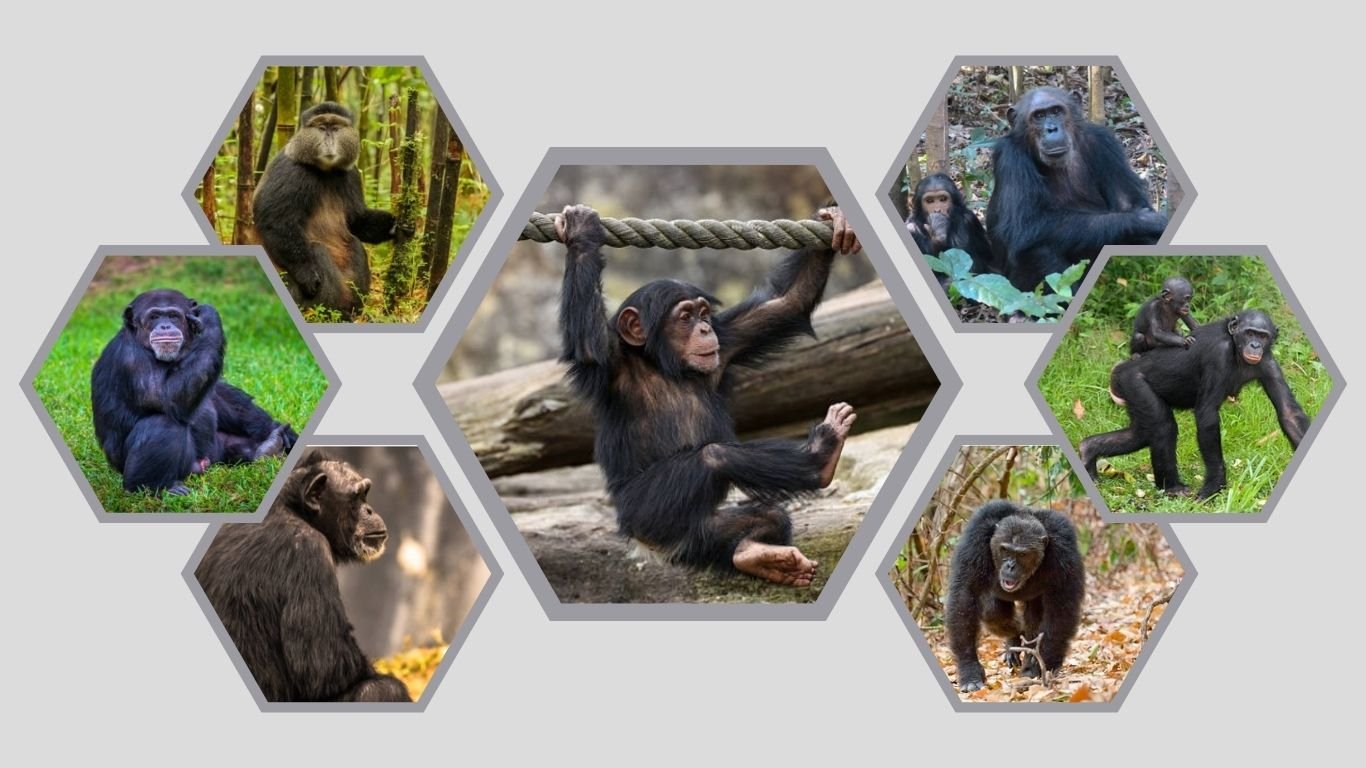
Chimpanzees are among the closest living relatives of humans and are famous for their intelligence, emotional depth, and complex social lives. They are found only in Africa and are divided into several types based on genetics, physical traits, and geographic range. Each type shows unique behaviors, tool-use traditions, and adaptations to different forest environments. From dense rainforests to woodland mosaics, chimpanzees play an important role in maintaining healthy ecosystems through seed dispersal and population balance.
1. Common Chimpanzee

The common chimpanzee is one of the most intelligent and widely studied primates in the world. It is closely related to humans and shares many similar social behaviors, emotional expressions, and problem-solving abilities. Common chimpanzees live in complex social groups and use tools, such as sticks to extract termites and stones to crack nuts. They are highly adaptable and can survive in a wide range of African forest and woodland habitats.
Identification
- Black to dark brown coarse hair covering most of the body
- Bare face, ears, fingers, and toes
- Long arms extending below the knees
- Slender but muscular body structure
- Rounded ears and expressive facial features
- Adult males are larger and more muscular than females
Habitat
Common chimpanzees are found across central and western Africa in a variety of environments, including tropical rainforests, woodland forests, savannas, and riverine forests. They prefer areas that provide a mix of trees for climbing and open spaces for ground travel. Chimpanzees build nests in trees each night using branches and leaves. Their wide habitat range helps them survive seasonal changes in food availability.
Behaviors
They live in large, flexible social groups called communities, which can include 20 to over 100 individuals. These communities split into smaller parties during the day to search for food. Common chimpanzees communicate using vocal calls, facial expressions, hand gestures, and physical contact. They show strong social bonds, cooperate in hunting, defend territories, and display complex emotional behaviors such as empathy, play, and reconciliation.
Diet and Lifecycle
Common chimpanzees are omnivorous. Their diet mainly consists of fruits, but they also eat leaves, seeds, flowers, insects, eggs, and occasionally small mammals. Females usually give birth to a single infant after a gestation period of about 7.5 months. Infants cling to their mothers and are cared for several years. Chimpanzees mature slowly and can live 35 to 50 years in the wild.
2. Central Chimpanzee

The central chimpanzee is one of the four recognized subspecies of the common chimpanzee. It is known for its strong build, darker facial skin, and highly social lifestyle. This chimpanzee lives in some of the most extensive rainforests in Africa and plays a major ecological role by spreading seeds across wide forest areas. Central chimpanzees are also well known for their tool use, including leaf sponges for drinking water and sticks for collecting insects.
Identification
- Dark black to dark brown body hair
- Dark facial skin with prominent brow ridges
- Strong, muscular build
- Long arms adapted for climbing and swinging
- Rounded ears and expressive eyes
- Males noticeably larger than females
Habitat
Central chimpanzees inhabit dense lowland rainforests, swamp forests, and riverine forests of Central Africa, especially in the Republic of the Congo, Democratic Republic of the Congo, Cameroon, and Gabon. They prefer regions with thick tree cover, abundant fruiting trees, and access to water sources. These forests allow them to travel both in the canopy and on the ground while building night nests high in trees.
Behaviors
They live in large communities that may include dozens of individuals. Like other chimpanzees, they use a fission–fusion social system, meaning the group splits into smaller parties that change throughout the day. Central chimpanzees communicate through loud pant-hoots, drumming on tree trunks, gestures, and facial expressions. They cooperate in hunting, form strong family bonds, and defend their territories from rival groups.
Diet and Lifecycle
Their diet mainly consists of fruit, along with leaves, seeds, flowers, insects, and occasionally small vertebrates. They also drink water using folded leaves as tools. Females give birth to one infant after about 7.5 months of pregnancy. Infants depend on their mothers for several years and learn survival skills through observation. Central chimpanzees can live up to 40–50 years in the wild.
3. Western Chimpanzee

The western chimpanzee is a subspecies of the common chimpanzee and is mainly found in West Africa. It is one of the most endangered chimpanzee types due to habitat loss, hunting, and disease. Western chimpanzees are known for their advanced tool use, including cracking nuts with stones and using sticks to gather insects. They are highly social and live in complex communities with strong social relationships.
Identification
- Dark brown to black body hair
- Lighter facial skin compared to central chimpanzees
- Long arms and relatively slender build
- Rounded ears and expressive eyes
- Strong hands with long fingers
- Adult males larger and more muscular than females
Habitat
Western chimpanzees live in tropical rainforests, gallery forests, woodland savannas, and forest–savanna mosaics of West Africa. They are found in countries such as Guinea, Sierra Leone, Liberia, Côte d’Ivoire, and parts of Mali and Senegal. These chimpanzees are highly adaptable and can survive in both dense forests and more open landscapes, building nests in trees for sleeping.
Behaviors
They live in large communities that may include 20 to 80 individuals, using a fission–fusion system where smaller groups form and separate throughout the day. Western chimpanzees communicate with pant-hoots, screams, facial expressions, and body gestures. They are famous for cultural behaviors, such as nut-cracking traditions passed down through generations. Males often patrol territory borders and cooperate to defend their range.
Diet and Lifecycle
Their diet is mainly fruit-based but also includes leaves, seeds, flowers, insects, eggs, and occasionally small mammals. Females give birth to a single infant after a gestation of about 7.5 months. Young chimpanzees stay with their mothers for several years, learning how to forage and use tools. Western chimpanzees can live around 35 to 45 years in the wild.
4. Eastern Chimpanzee
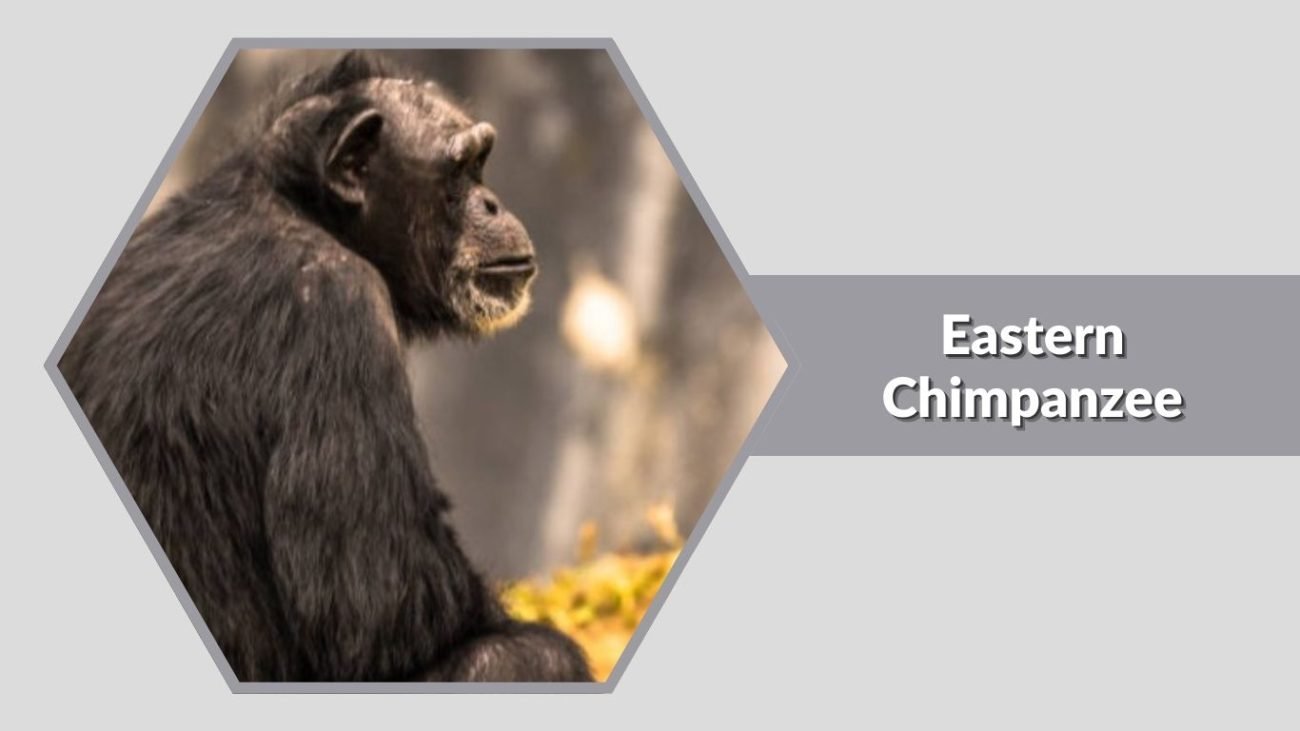
The eastern chimpanzee is one of the most widespread chimpanzee subspecies and is known for its adaptability and complex social behavior. It lives across several countries in East and Central Africa and shows a wide variety of local traditions, including different tool-use techniques. Eastern chimpanzees are strong climbers and skilled problem-solvers, often observed using tools to gather food and communicate within their groups.
Identification
- Black to very dark brown fur
- Dark facial skin with a prominent brow ridge
- Long, powerful arms
- Slender but muscular body
- Large ears and expressive eyes
- Males larger and heavier than females
Habitat
Eastern chimpanzees inhabit tropical rainforests, montane forests, woodland forests, and forest–savanna mosaics. They are found in countries such as Uganda, Tanzania, Rwanda, Burundi, and the eastern Democratic Republic of the Congo. These environments provide a mix of tall trees for nesting and open areas for ground movement. They usually build sleeping nests high in trees using branches and leaves.
Behaviors
They live in large communities that can exceed 100 individuals, organized under a fission–fusion system where smaller parties form and dissolve. Eastern chimpanzees communicate through loud calls, drumming on tree roots, gestures, and facial expressions. They show cooperative hunting, strong mother-infant bonds, grooming rituals, and territorial patrols led by adult males.
Diet and Lifecycle
Their diet mainly consists of fruit, along with leaves, seeds, flowers, insects, and occasionally small animals such as monkeys. Females give birth to one infant after about 7.5 months of pregnancy. Young chimpanzees cling to their mothers and remain dependent for several years. Eastern chimpanzees reach maturity slowly and can live 35 to 50 years in the wild.
5. Nigeria–Cameroon Chimpanzee
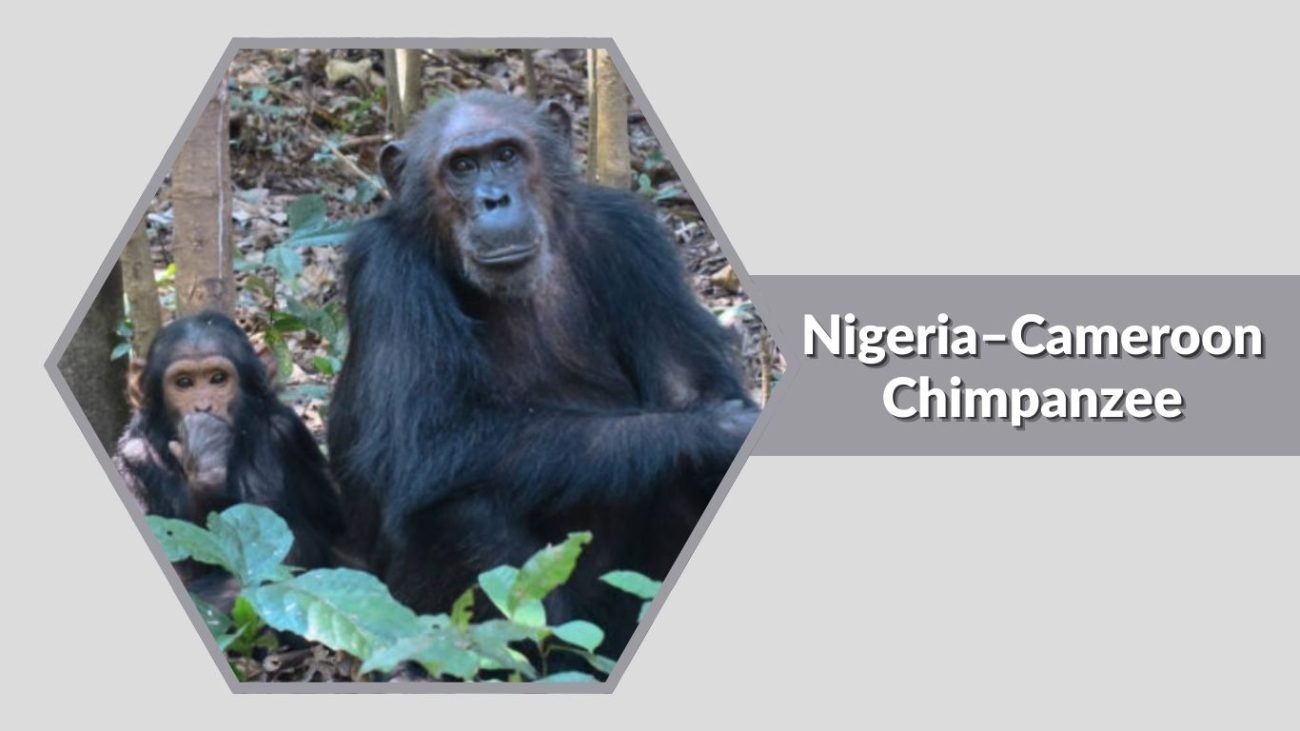
The Nigeria–Cameroon chimpanzee is one of the rarest and least studied chimpanzee subspecies. It lives only in a small region along the border of Nigeria and Cameroon. This chimpanzee shows unique genetic traits and physical features that separate it from other chimpanzees. Because of habitat destruction and hunting, its population is low, making conservation efforts extremely important for its survival.
Identification
- Dark brown to black body hair
- Slightly smaller skull than central chimpanzees
- Narrower face and shorter muzzle
- Long arms with strong hands
- Bare dark facial skin
- Adult males larger and heavier than females
Habitat
Nigeria–Cameroon chimpanzees inhabit lowland rainforests, gallery forests, and forest–savanna mosaics along the Nigeria–Cameroon border. These areas are often fragmented by farmland and human settlements. They rely on dense tree cover for food and nesting, building sleeping nests high in trees. Seasonal fruiting patterns strongly influence their movement and daily activities.
Behaviors
They live in flexible social communities that use a fission–fusion system, forming smaller groups during feeding and travel. They communicate using pant-hoots, gestures, facial expressions, and body postures. Like other chimpanzees, they use tools to access food and maintain strong social bonds through grooming. Because they live in fragmented habitats, groups may be more cautious and secretive.
Diet and Lifecycle
Their diet mainly includes fruits, leaves, seeds, flowers, insects, and occasionally small animals. They also use sticks and grass stems to gather termites or ants. Females give birth to one infant after about 7.5 months of gestation. Infants depend heavily on their mothers for several years. Nigeria–Cameroon chimpanzees can live around 35 to 45 years in the wild.
6. Bonobo (Pygmy Chimpanzee)
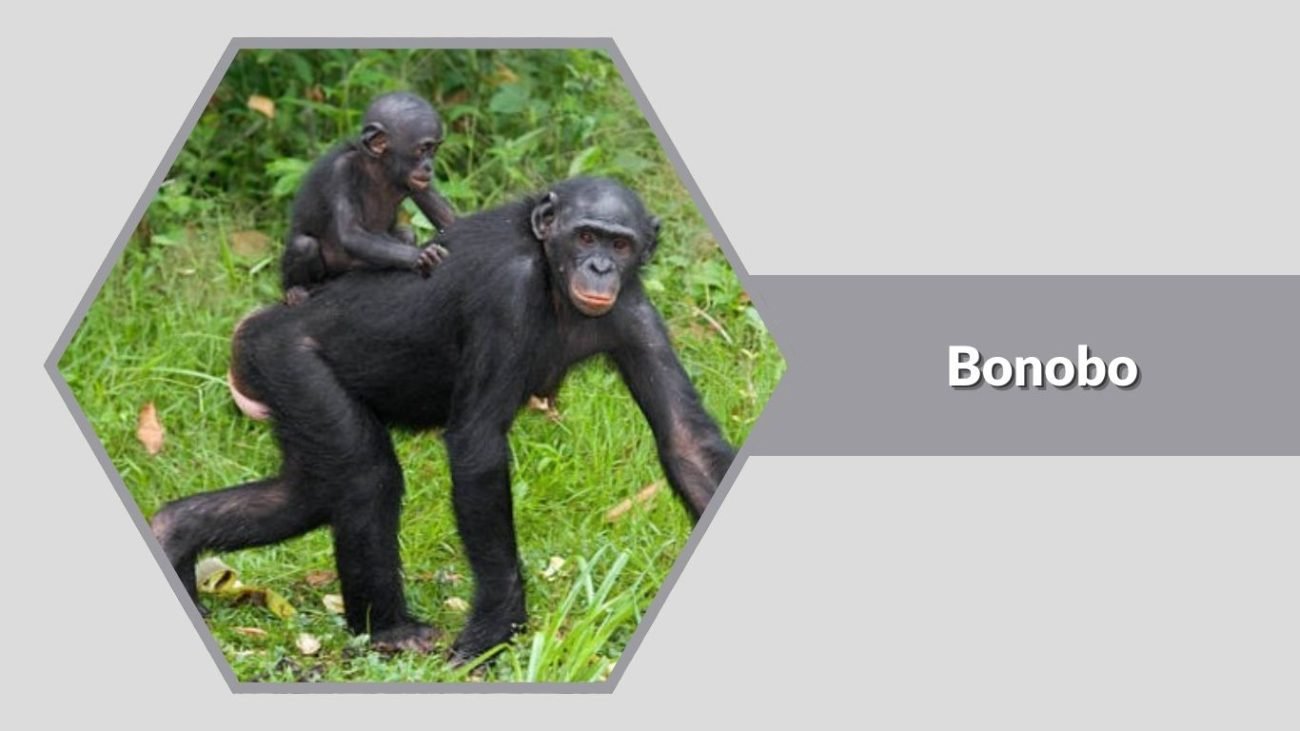
The bonobo is often called the pygmy chimpanzee, but it is actually a separate species closely related to the common chimpanzee. Bonobos are known for their slimmer bodies, longer legs, and highly peaceful, social nature. They are famous for strong female-centered societies and for using social bonding to reduce conflict. Bonobos live only in the forests south of the Congo River and are considered one of the most intelligent great apes.
Identification
- Slimmer, more graceful body than common chimpanzees
- Black body hair with a distinctive center-parted head hair
- Pinkish lips and darker facial skin
- Long arms and long legs
- Narrow shoulders and small head
- Adult males slightly larger than females
Habitat
Bonobos live exclusively in lowland rainforests and swamp forests of the Democratic Republic of the Congo, south of the Congo River. These forests are warm, humid, and rich in fruiting trees. Bonobos spend much of their time both in trees and on the ground, building night nests in branches and traveling daily in search of seasonal fruits.
Behaviors
Bonobos live in large, mixed communities using a fission–fusion social system. They are known for peaceful interactions, strong mother–son bonds, and female alliances. Communication includes vocal calls, facial expressions, gestures, and body postures. Compared to common chimpanzees, bonobos show less aggression and more frequent social bonding behaviors.
Diet and Lifecycle
Their diet mainly consists of fruit, along with leaves, shoots, seeds, flowers, insects, and small invertebrates. Females give birth to one infant after about 7.5 months of pregnancy. Young bonobos stay close to their mothers for several years and learn social and survival skills through play and observation. Bonobos can live 35 to 45 years in the wild.
7. Hybrid Chimpanzee
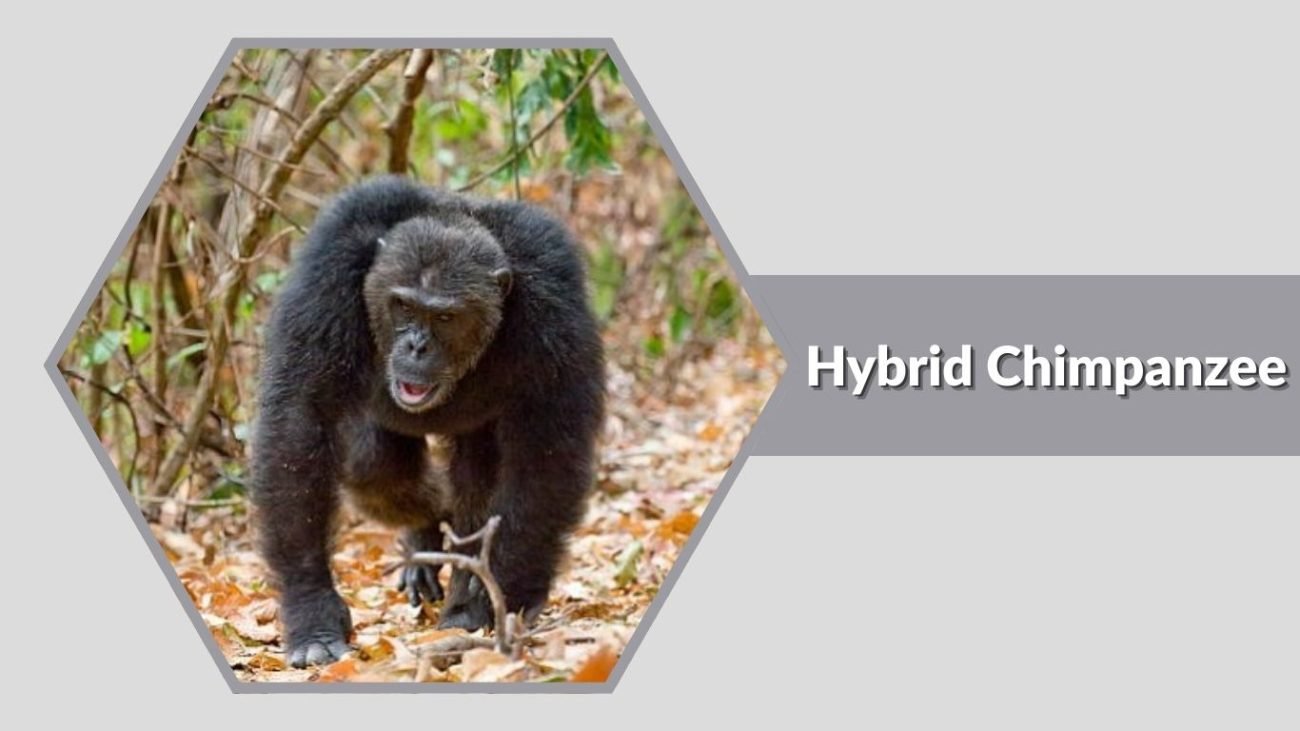
Hybrid chimpanzees are not a natural subspecies but result from interbreeding between closely related chimpanzee subspecies, usually in captivity or in overlapping wild ranges. These individuals may show mixed physical and behavioral traits from both parent types. Because hybrids are rare in the wild, most documented cases come from sanctuaries, zoos, or research environments.
Identification
- Mixed physical features from two chimpanzee subspecies
- Variable fur thickness and facial shape
- Body size depending on parent types
- Long arms and strong hands
- Facial features that may not match a single subspecies
- Males usually larger than females
Habitat
Hybrid chimpanzees are most commonly found in captivity, such as wildlife sanctuaries, rescue centers, or zoos. In rare cases, hybridization may occur in wild regions where different chimpanzee subspecies ranges overlap. Their living environment depends on conservation or research facilities that provide forest-like enclosures, climbing structures, and social groupings.
Behaviors
Their behavior often reflects traits from both parent subspecies. They show typical chimpanzee intelligence, including tool use, social bonding, play, and vocal communication. Hybrid chimpanzees live in social groups, form friendships, groom frequently, and display complex emotional responses similar to other chimpanzees.
Diet and Lifecycle
Hybrid chimpanzees eat a diet similar to other chimpanzees, including fruits, leaves, vegetables, seeds, and insects, with occasional animal protein. Females give birth to a single infant after about 7.5 months of gestation. Young are dependent on their mothers for several years. Lifespan commonly ranges from 35 to over 45 years depending on environment and care.
FAQs
How many types of chimpanzees are there?
Chimpanzees are mainly divided into several subspecies of the common chimpanzee, along with the bonobo, which is a closely related but separate species. These types differ in genetics, physical features, behavior patterns, and the regions of Africa where they live.
What is the difference between a chimpanzee and a bonobo?
Chimpanzees are generally more aggressive and male-dominated, while bonobos are slimmer, more peaceful, and often live in female-centered societies. Bonobos also have longer legs, darker faces, and are known for using social bonding behaviors to reduce conflict.
Which type of chimpanzee is the most endangered?
The Nigeria–Cameroon chimpanzee is considered one of the most endangered chimpanzee types due to its very limited range and heavy pressure from habitat destruction and hunting. The western chimpanzee is also critically endangered in many regions.
Do all chimpanzee types use tools?
Yes, all known chimpanzee types use tools in some form. They use sticks to collect termites, stones to crack nuts, leaves as sponges to drink water, and modified branches to access honey, showing advanced problem-solving skills.
How long do chimpanzees live?
In the wild, most chimpanzees live between 35 and 50 years. Lifespan depends on food availability, habitat safety, disease, and protection from human threats. In captivity, some individuals may live even longer.


