










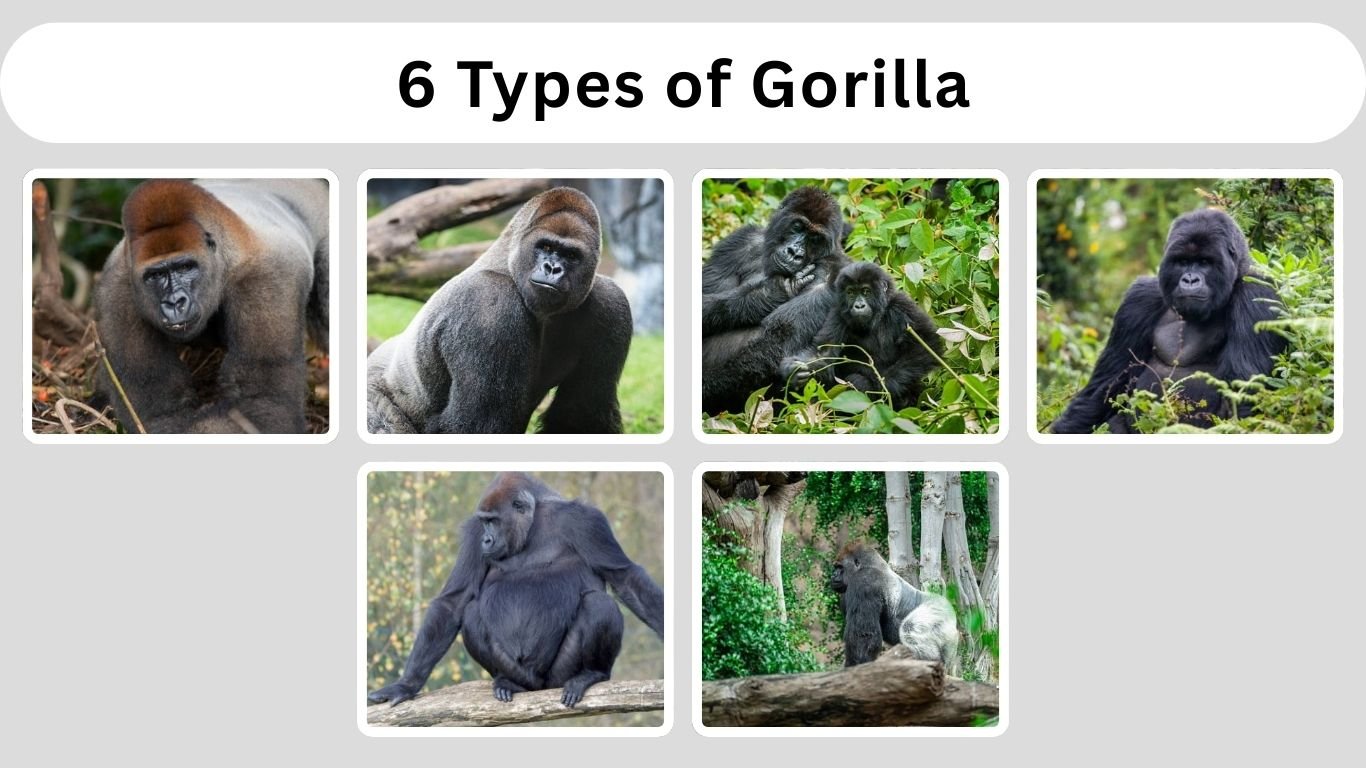
Gorillas are the largest living primates on Earth and are known for their intelligence, strength, and close family bonds. Although they all belong to the same genus, gorillas are divided into different types based on where they live and how they have adapted to their environments. These types vary in size, fur thickness, behavior, and habitat range. From lowland rainforests to misty mountain forests, each gorilla type plays an important role in maintaining healthy forest ecosystems.
1. Western Lowland Gorilla
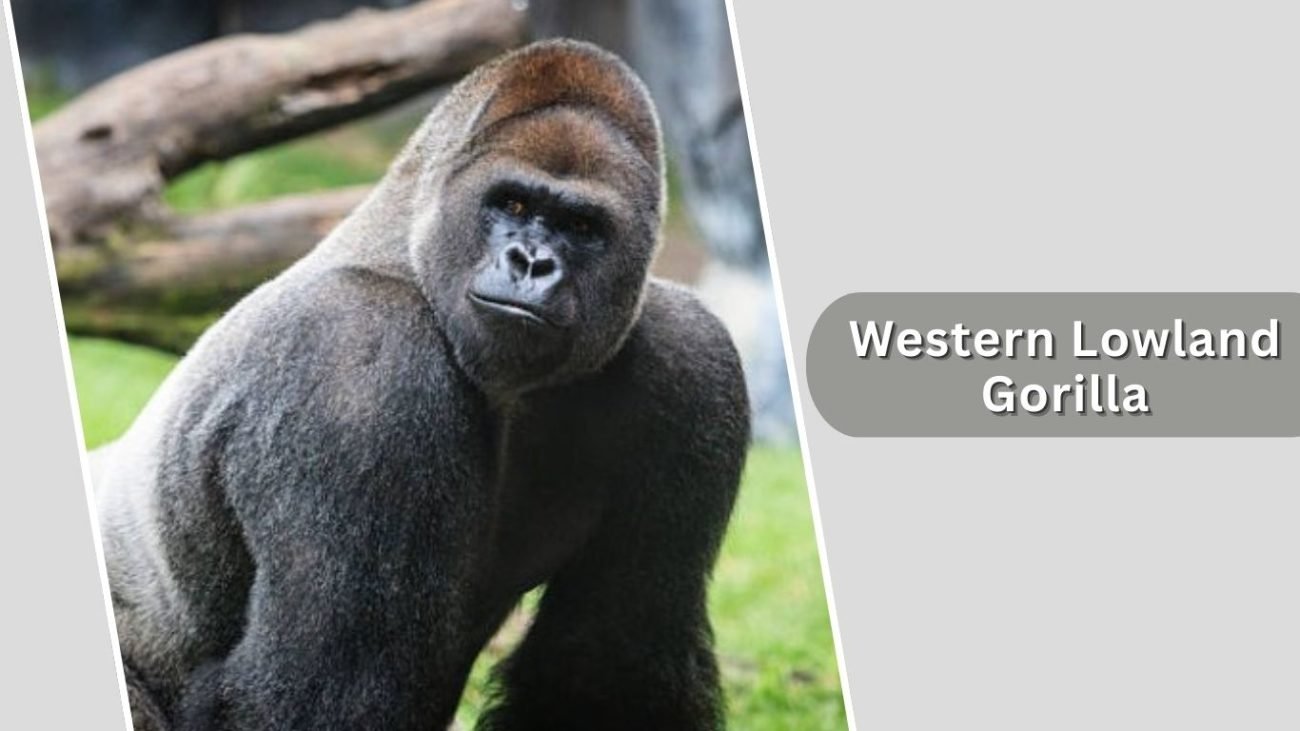
The Western lowland gorilla is the most widespread and numerous type of gorilla, mainly found in the dense rainforests of Central Africa. Compared to other gorillas, it has a smaller, more slender body, brownish-gray fur, and a reddish crown on the head. This gorilla is highly intelligent and adaptable, living in family groups that move through forests in search of food. It plays an important role in seed dispersal, helping maintain healthy forest ecosystems.
Identification
- Brownish-gray to dark gray fur
- Reddish or chestnut crown, especially in adult males
- Medium-large build with a broad chest
- Long, powerful arms and shorter legs
- Wide, flat nose with unique nostril patterns
- Adult males develop a silver patch of hair on the back
Habitat
Western lowland gorillas live in lowland tropical rainforests, swamp forests, and secondary forests across Central Africa. They are commonly found in Gabon, Cameroon, the Republic of the Congo, Equatorial Guinea, and parts of the Central African Republic. These gorillas prefer warm, humid environments rich in fruiting trees, thick undergrowth, and nearby water sources. Unlike mountain gorillas, they often move over wide areas to follow seasonal fruit availability.
Behaviors
They live in social groups led by a dominant silverback male, along with several females, their offspring, and sometimes younger males. Western lowland gorillas communicate using grunts, hoots, chest beats, facial expressions, and body postures. They are generally peaceful and spend much of their day feeding, resting, and grooming. When threatened, the silverback may charge, roar, or beat his chest to protect the group.
Diet and Lifecycle
Their diet mainly consists of fruit, leaves, shoots, bark, and stems, with occasional insects such as ants or termites. Fruit can make up more than half of their diet when available. Females give birth to one infant after about 8.5 months of pregnancy. Young gorillas cling to their mothers and remain dependent for several years. In the wild, Western lowland gorillas can live around 35 to 40 years.
2. Cross River Gorilla
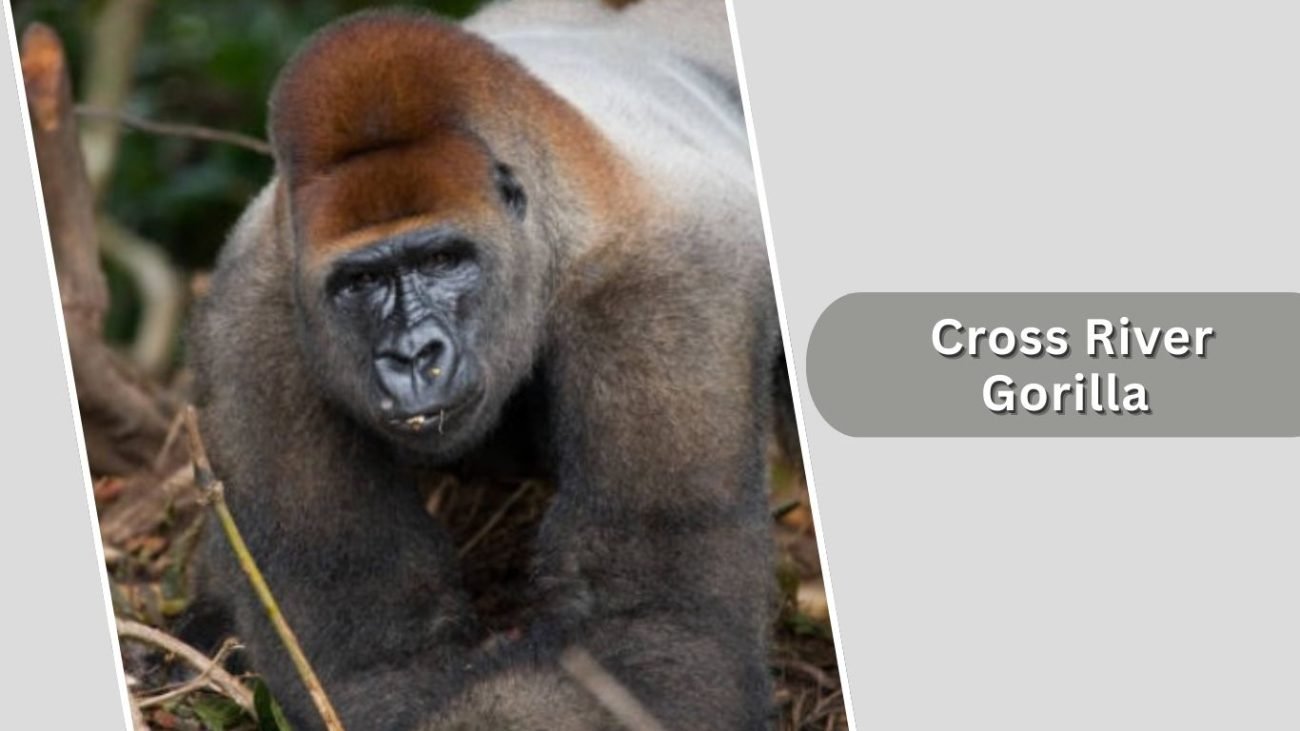
The Cross River gorilla is the rarest and most endangered type of gorilla in the world. It lives in a very small region along the border between Nigeria and Cameroon. This gorilla is slightly smaller and more slender than other western gorillas, with a narrower face and lighter build. Because of its extremely low population and shy nature, it remained poorly studied for many years, making its protection a high conservation priority.
Identification
- Smaller and more slender than most other gorillas
- Dark brown to black fur
- Narrower face and smaller skull
- Shorter teeth compared to western lowland gorillas
- Long arms with powerful hands
- Adult males develop a silver-gray patch on the back
Habitat
Cross River gorillas inhabit rugged, mountainous forests, dense lowland rainforests, and remote river valleys along the Nigeria–Cameroon border. They prefer thick vegetation, steep hills, and areas with minimal human disturbance. These forests are often fragmented, forcing small groups to live far apart. They build nests both on the ground and in trees, depending on food availability and safety conditions.
Behaviors
They live in small, secretive family groups led by a silverback. Compared to other gorillas, Cross River gorillas are especially shy and avoid humans whenever possible. They communicate through vocal sounds, gestures, and facial expressions. Daily life includes feeding, resting, traveling, and social grooming. Because of their scattered populations, encounters between different groups are rare.
Diet and Lifecycle
Their diet includes fruits, leaves, shoots, pith, and bark, along with occasional insects. Seasonal changes strongly influence what they eat. Females give birth to a single infant after about 8.5 months of gestation. Infants stay close to their mothers for several years. Cross River gorillas grow slowly, reach maturity around 10–12 years, and can live up to 35 years or more in the wild.
3. Eastern Lowland Gorilla (Grauer’s Gorilla)
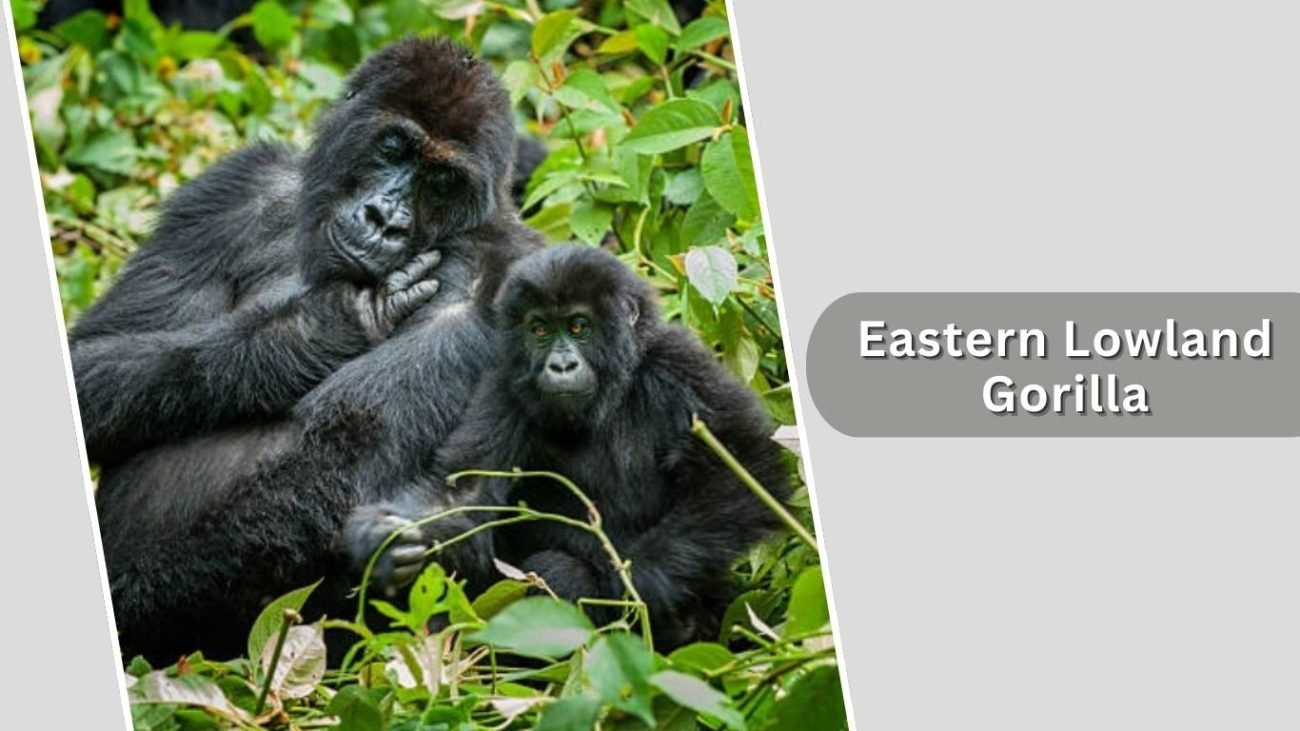
The Eastern lowland gorilla, also known as Grauer’s gorilla, is the largest of all gorilla types. It is found only in the eastern Democratic Republic of the Congo. This powerful gorilla has a stocky body, broad chest, and large hands, making it well adapted for life in both lowland and montane forests. Despite its size, it is generally calm and spends most of its day feeding and resting within family groups.
Identification
- Largest and heaviest of all gorilla types
- Jet black fur, often thicker than western gorillas
- Massive head with a broad, flat nose
- Very large hands and feet
- Adult males develop a wide silver saddle on the back
- Strong jaws with large molar teeth for grinding plants
Habitat
Eastern lowland gorillas live in lowland tropical rainforests, bamboo forests, and montane forests of eastern Democratic Republic of the Congo. They occupy a wide range of elevations, from low valleys to forested mountain slopes. These areas are rich in herbs, vines, and fruiting plants, which provide constant food sources. They build night nests on the ground or in vegetation, often close to feeding areas.
Behaviors
They live in groups led by a dominant silverback, usually with several females and their young. Group sizes can be larger than those of mountain gorillas. They communicate using deep grunts, hoots, chest-beating, and body gestures. Most of their day is spent feeding, resting, and grooming. Although peaceful, males can become aggressive when defending their group.
Diet and Lifecycle
Their diet mainly includes leaves, stems, bark, roots, and fruits when available. They also eat decaying wood and occasionally insects. Females usually give birth to one infant after about 8.5 months of pregnancy. Infants depend heavily on their mothers for up to four years. Eastern lowland gorillas reach maturity slowly and can live around 35 to 45 years in the wild.
4. Mountain Gorilla
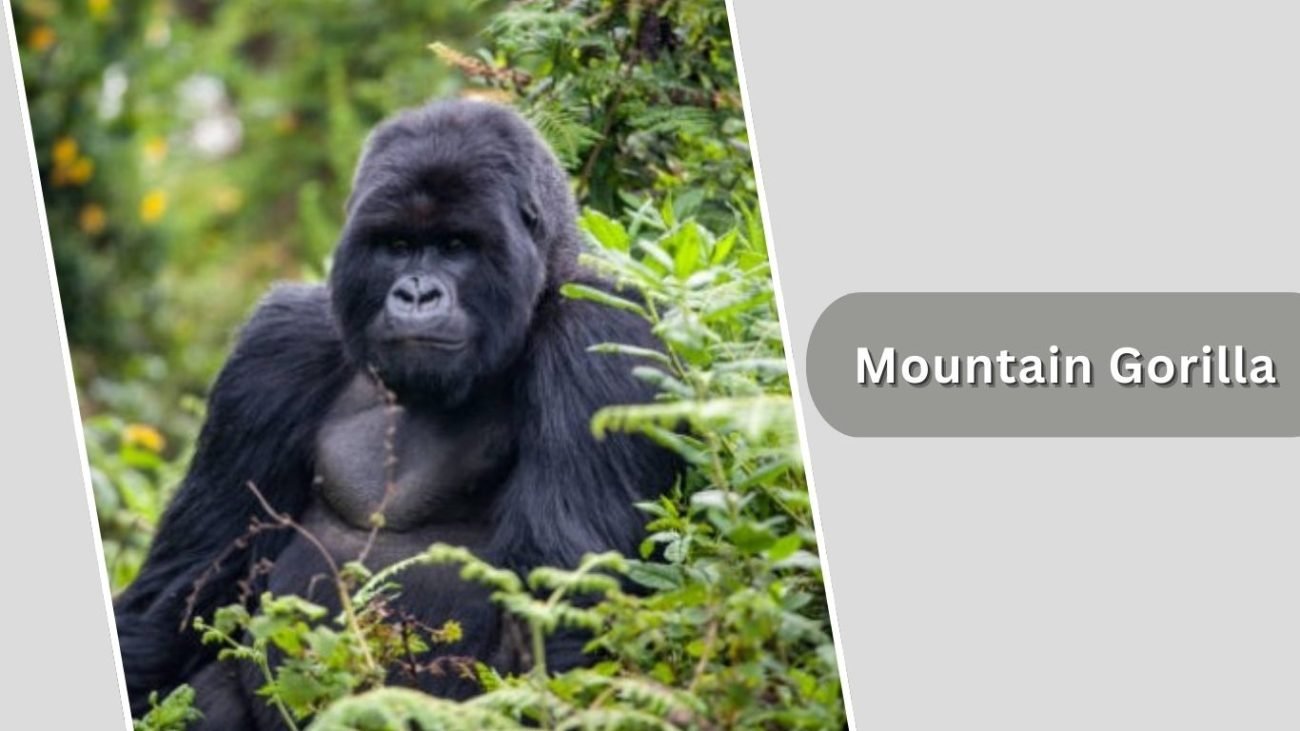
The mountain gorilla is one of the best-known gorilla types and is famous for living high in the misty forests of Central Africa. It is larger and more thick-furred than western gorillas, an adaptation that helps it survive in cold mountain climates. Mountain gorillas are highly social and intelligent animals, living in stable family groups and showing strong emotional bonds, especially between mothers and infants.
Identification
- Thick, long black fur adapted to cold climates
- Larger chest and broader shoulders than lowland gorillas
- Adult males have a wide silver patch across the back
- Shorter arms compared to western gorillas
- Large head with pronounced brow ridge
- Wide, dark face with close-set eyes
Habitat
Mountain gorillas live in high-altitude montane and bamboo forests of the Virunga Mountains and Bwindi Impenetrable Forest, across Rwanda, Uganda, and the Democratic Republic of the Congo. They inhabit elevations between about 2,200 and 4,300 meters. These regions are cool, cloudy, and rich in leafy vegetation, which forms the main part of their diet.
Behaviors
They live in stable groups led by one or more silverback males. Daily activities include feeding, resting, traveling short distances, and social grooming. Mountain gorillas are generally calm and tolerant, with less aggression between groups than seen in some other gorilla types. Communication involves grunts, roars, chest-beating, and expressive facial movements that help maintain group harmony.
Diet and Lifecycle
Mountain gorillas mainly eat leaves, shoots, stems, bark, and flowers, with very little fruit. Because food is abundant, they spend less time traveling than lowland gorillas. Females give birth after about 8.5 months of pregnancy, usually to one infant. Young gorillas stay with their mothers for several years. Mountain gorillas can live 35 to 40 years or more in the wild.
5. Western Gorilla
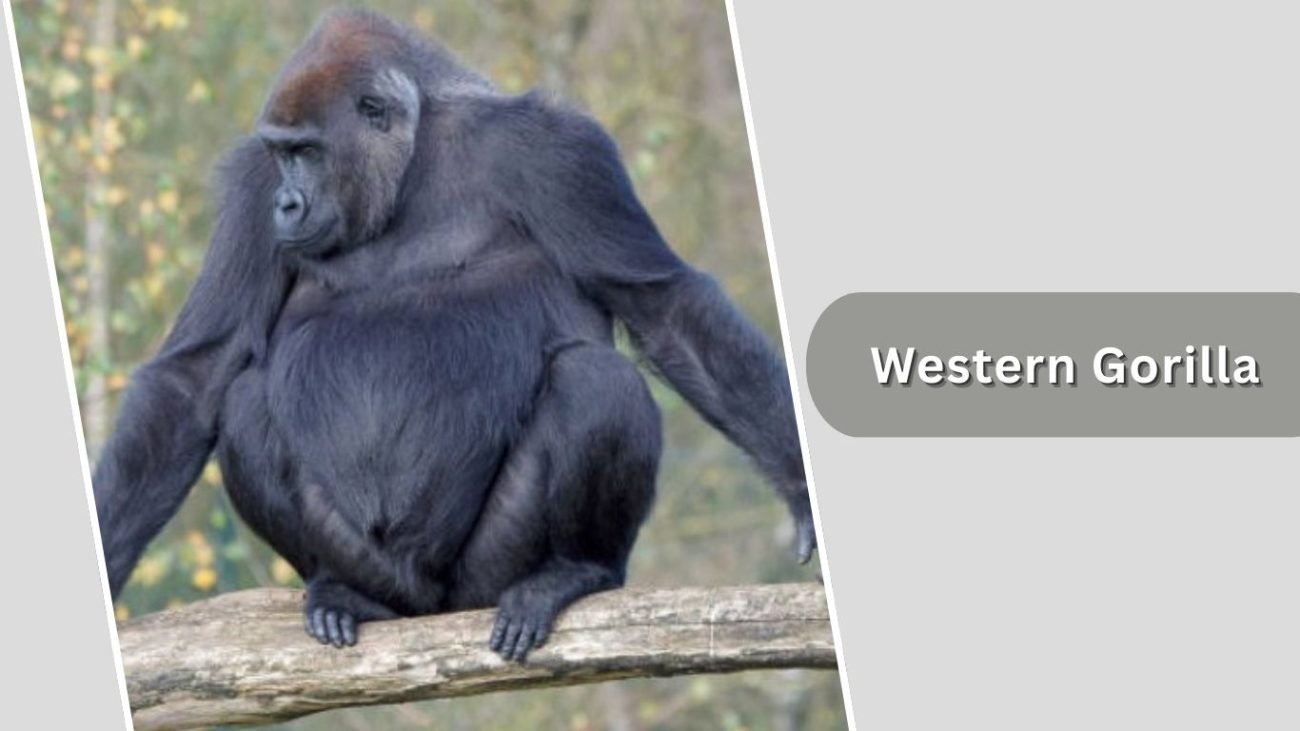
The western gorilla is one of the two main gorilla species and includes the western lowland gorilla and the Cross River gorilla. It is generally smaller and lighter than the eastern gorilla, with a brownish-gray to black coat and a more slender build. Western gorillas are excellent climbers and spend more time in trees than their eastern relatives, especially when feeding on fruit.
Identification
- Smaller and more slender than eastern gorillas
- Brownish-gray to black fur
- Reddish crown often visible in adult males
- Narrower chest and lighter frame
- Long arms adapted for climbing
- Adult males develop a silver patch on the back
Habitat
Western gorillas live mainly in lowland rainforests, swamp forests, and secondary forests of Central Africa. They are found in countries such as Gabon, Cameroon, Equatorial Guinea, the Republic of the Congo, and the Central African Republic. These habitats are warm, humid, and rich in fruiting trees, vines, and thick vegetation, allowing western gorillas to forage both on the ground and in trees.
Behaviors
They live in family groups led by a dominant silverback, along with several adult females, their young, and sometimes younger males. Western gorillas are generally shy and avoid humans. They communicate through vocal sounds, gestures, chest-beating, and facial expressions. They spend their days feeding, resting, traveling, and grooming, with strong bonds between group members.
Diet and Lifecycle
Their diet is largely based on fruit, along with leaves, shoots, stems, bark, and occasional insects. Because fruit availability changes seasonally, western gorillas often travel long distances to find food. Females usually give birth to one infant after about 8.5 months of pregnancy. Young gorillas remain dependent on their mothers for several years, and individuals may live up to 40 years in the wild.
6. Eastern Gorilla
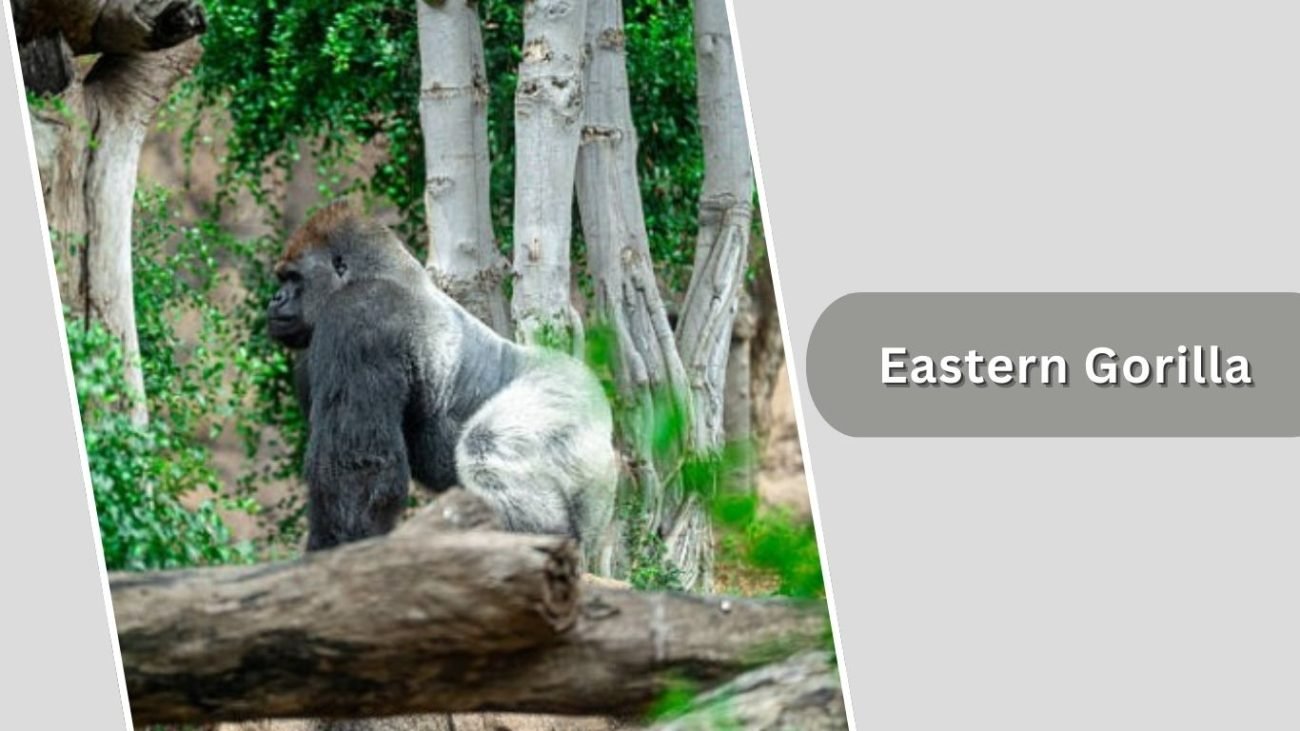
The eastern gorilla is one of the two main gorilla species and includes the mountain gorilla and the eastern lowland (Grauer’s) gorilla. It is generally larger and heavier than the western gorilla, with a broad chest, massive skull, and powerful limbs. Eastern gorillas are mostly ground-dwelling and are well adapted to both dense lowland forests and cold, high-altitude mountain environments.
Identification
- Larger and heavier than western gorillas
- Deep black, thick fur
- Very broad chest and wide shoulders
- Massive head with strong jaw muscles
- Adult males develop a wide silver saddle on the back
- Large hands and feet with strong fingers
Habitat
Eastern gorillas live only in Central Africa, mainly in the eastern Democratic Republic of the Congo, Rwanda, and Uganda. Their habitats include lowland tropical rainforests, bamboo forests, and high-altitude montane forests. Some populations live above 4,000 meters, where temperatures are cool and vegetation is dense. These environments provide abundant leaves, shoots, and stems throughout the year.
Behaviors
They live in stable family groups led by one or more silverbacks. Eastern gorillas are generally calm and social, spending most of their day feeding, resting, and grooming. Communication includes deep vocalizations, chest-beating, body postures, and facial expressions. Silverbacks protect the group and make decisions about movement and feeding sites.
Diet and Lifecycle
Eastern gorillas mainly feed on leaves, stems, shoots, bark, and roots, with fruit playing a smaller role than in western gorillas. Females usually give birth to one infant after a gestation period of about 8.5 months. Young gorillas stay close to their mothers for several years. Eastern gorillas mature slowly and can live 35 to 45 years in the wild.
FAQs
Are there really different types of gorillas?
Yes, gorillas are divided into two main species: western gorillas and eastern gorillas. These are further classified into different types such as western lowland, Cross River, mountain, and eastern lowland gorillas. Each type differs in size, habitat, population range, and some physical features.
Which type of gorilla is the rarest?
The Cross River gorilla is the rarest type of gorilla in the world. It lives only in a small forested region along the border of Nigeria and Cameroon. Fewer than a few hundred individuals are believed to survive, making it critically endangered.
What is the largest type of gorilla?
The eastern lowland gorilla, also called Grauer’s gorilla, is the largest of all gorilla types. Adult males can weigh over 200 kilograms and have massive chests, large hands, and powerful jaws adapted for eating tough plant material.
Do all gorilla types live in forests?
Yes, all types of gorillas live in forested environments, but the kind of forest differs. Some live in lowland rainforests and swamp forests, while others, like mountain gorillas, live in high-altitude montane and bamboo forests.
How long do gorillas usually live?
In the wild, most gorilla types live between 35 and 45 years. Their lifespan depends on habitat quality, food availability, disease, and protection from threats such as poaching and habitat destruction.


