










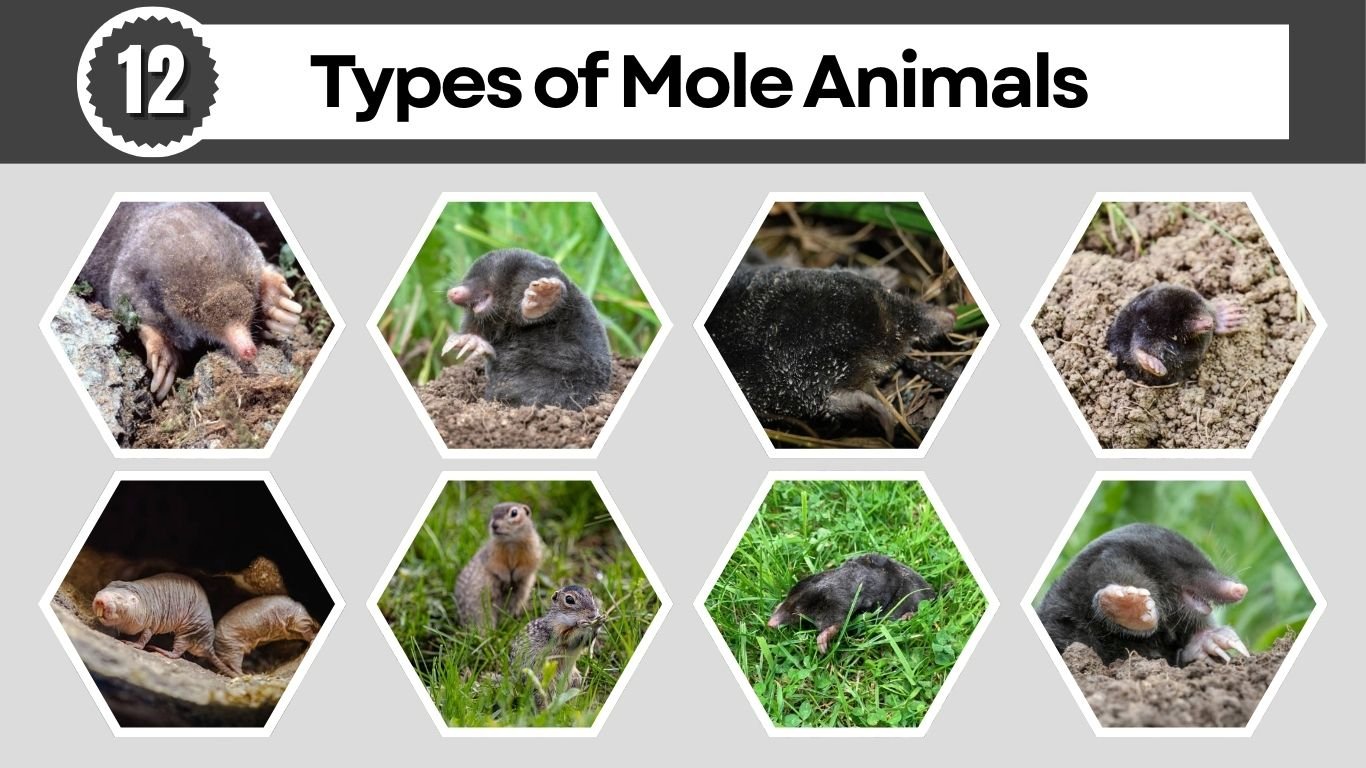
Moles are fascinating subterranean mammals renowned for their digging abilities and unique adaptations to life underground. Found across North America, Europe, and parts of Asia, these small creatures create intricate tunnel systems while hunting for earthworms, insects, and other invertebrates. Each species has distinct characteristics, from the star-shaped nose of the star-nosed mole to the long tail of the Chinese mole. Understanding their identification, habitats, behavior, and diet helps appreciate their ecological role and the diversity of these remarkable burrowers.
1. Eastern Mole (Scalopus aquaticus)
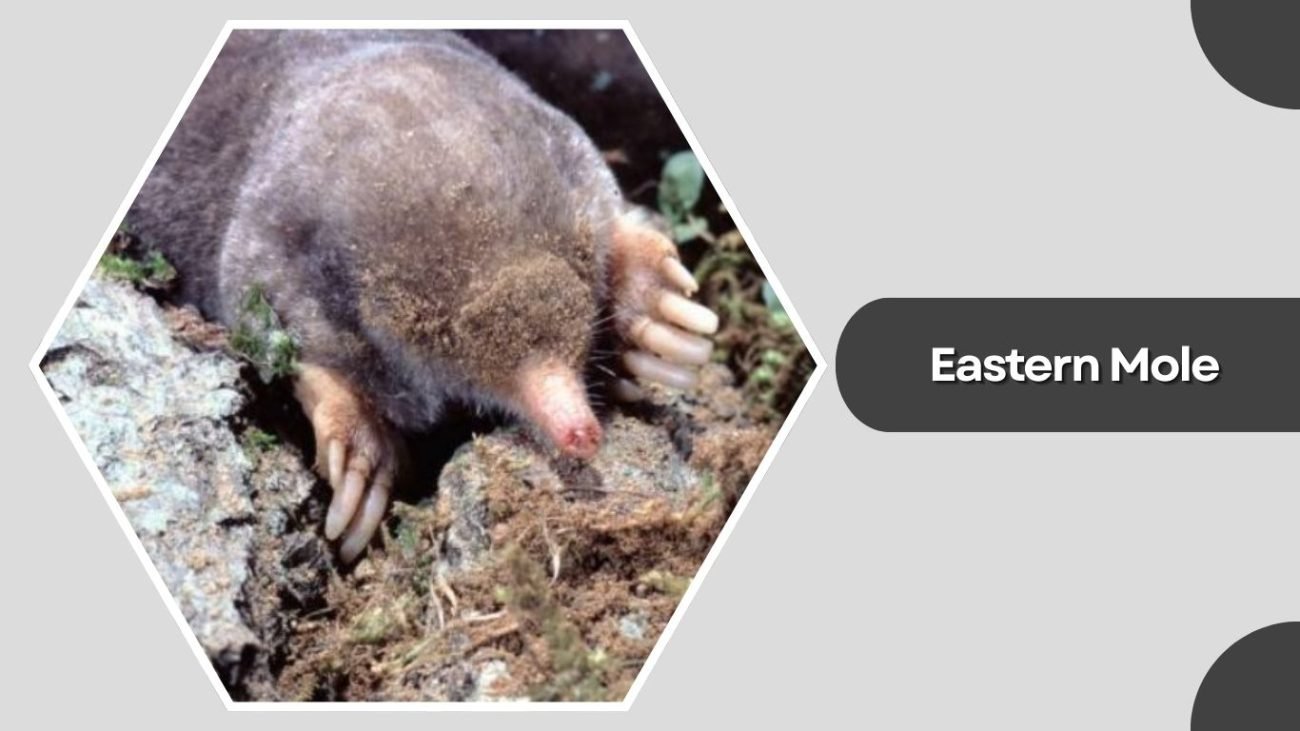
The Eastern mole is one of the most common moles in North America. It is a powerful underground digger known for creating long surface ridges and deep tunnel systems. This species is perfectly adapted to a life beneath the soil, using its broad forefeet and sensitive snout to navigate, hunt, and build complex burrows.
Identification
- Medium-sized mole with a cylindrical body
- Velvety gray to dark brown fur
- Broad, spade-like front feet turned outward
- Small eyes hidden in fur, no visible external ears
- Long, hairless, slightly pointed snout
- Short tail with fine sensory hairs
Habitat
Eastern moles are found across the eastern United States and parts of Canada. They prefer loose, moist soils in forests, meadows, lawns, gardens, and farmland. Areas rich in earthworms and insects support dense mole populations.
Behavior
This mole is highly solitary and spends nearly its entire life underground. It is active year-round and can dig new tunnels at remarkable speed. Eastern moles maintain both shallow feeding tunnels and deeper permanent burrows used for nesting and protection.
Diet and Lifecycle
Eastern moles mainly eat earthworms, beetle larvae, ants, and other soil-dwelling invertebrates. Breeding usually occurs in late winter or early spring, with females giving birth to 3–5 pups. The young mature quickly and leave the nest within a few weeks.
2. European Mole (Talpa europaea)
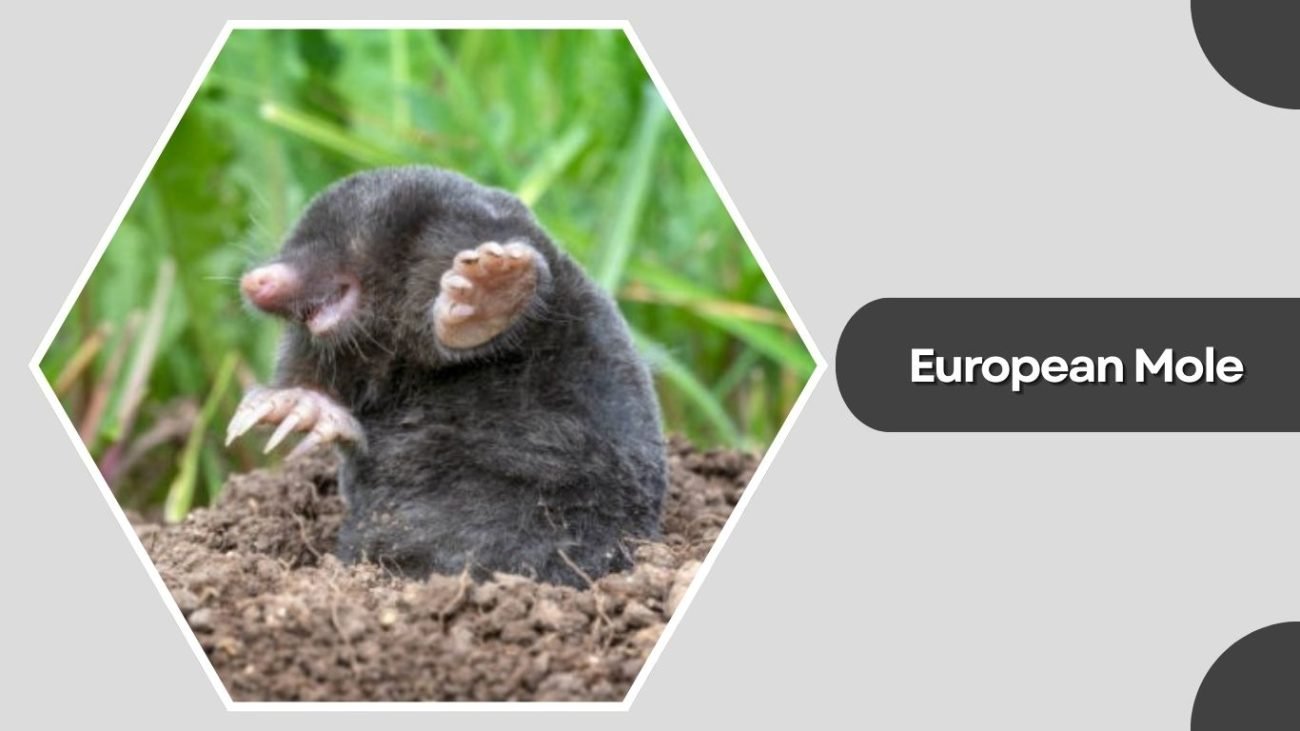
The European mole is a well-known burrowing mammal found throughout much of Europe. It is famous for creating molehills on lawns and fields as it excavates soil from its extensive tunnel systems. This species is superbly adapted for underground life, with powerful limbs, dense fur, and a highly sensitive snout.
Identification
- Compact, cylindrical body shape
- Dense black or dark gray velvety fur
- Very strong, outward-facing front feet
- Tiny eyes mostly hidden in fur
- No visible external ears
- Short tail with sensory hairs
Habitat
European moles live in woodlands, grasslands, pastures, gardens, and agricultural fields. They prefer moist, well-drained soils that are easy to dig and rich in earthworms and insects. Permanent tunnel networks are often built below the frost line.
Behavior
This species is solitary and strongly territorial. European moles are active both day and night, with short bursts of intense digging and hunting. They maintain complex tunnel systems that include feeding tunnels, nesting chambers, and deeper refuge burrows.
Diet and Lifecycle
European moles mainly feed on earthworms, insect larvae, spiders, and other small invertebrates. Breeding usually takes place in early spring. After a short gestation, females give birth to 3–6 young, which become independent within a month.
3. Star-nosed Mole (Condylura cristata)
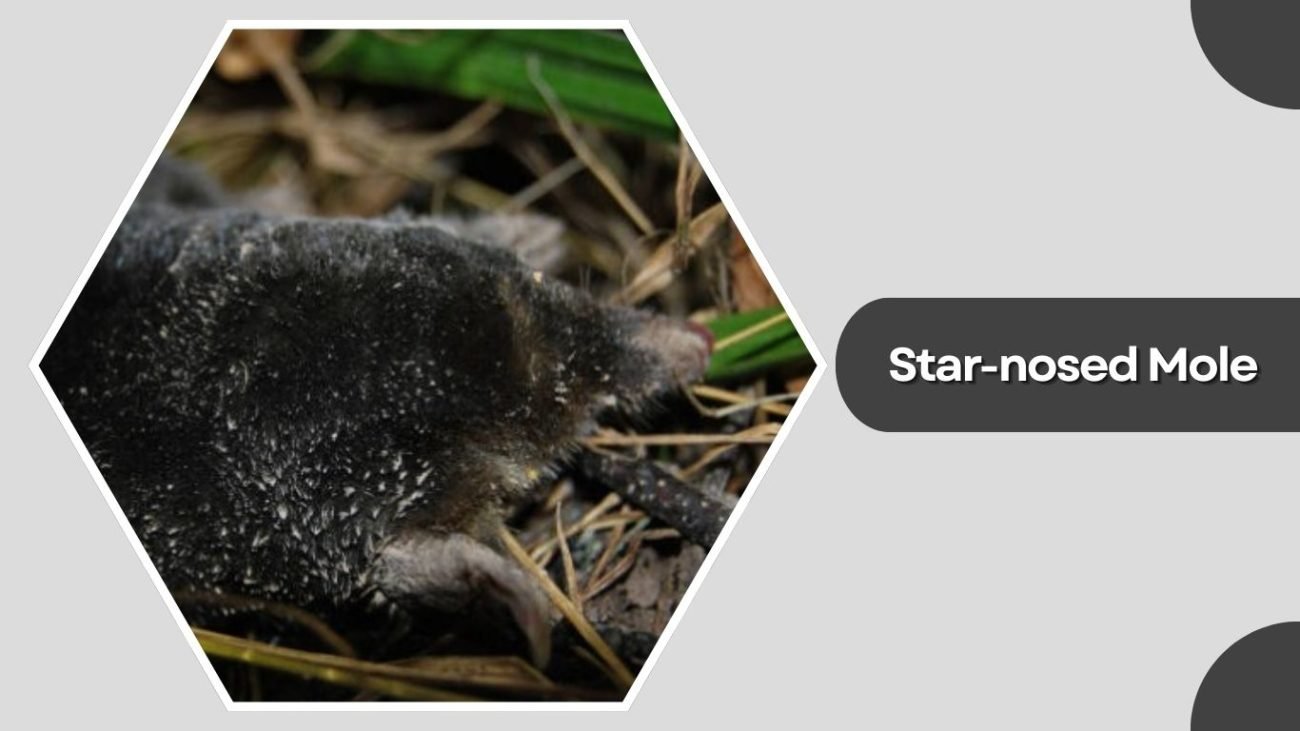
The star-nosed mole is one of the most unusual mammals in the world, instantly recognized by the pink, star-shaped ring of tentacles around its nose. It is an excellent digger and swimmer, often living in wet environments where it hunts both underground and in water with incredible speed.
Identification
- Dark brown to black, dense velvety fur
- Distinctive star-shaped nose with 22 fleshy tentacles
- Broad, powerful front feet with long claws
- Very small eyes, barely visible
- Long tail that becomes thick in winter
- Streamlined body adapted for digging and swimming
Habitat
Star-nosed moles live in wetlands, marshes, damp forests, stream banks, and wet meadows across northeastern North America. They prefer soft, muddy soils and are often found near water, where they can easily switch between burrowing and swimming.
Behavior
Unlike many other moles, this species is extremely active and often forages in water. It is known as one of the fastest-eating mammals, using its sensitive nose tentacles to identify and consume prey in fractions of a second. It remains active year-round.
Diet and Lifecycle
Its diet includes earthworms, insects, crustaceans, snails, small fish, and aquatic invertebrates. Breeding occurs in late winter or early spring. Females usually produce 2–7 young, which grow rapidly and begin independent life within about a month.
4. Hairy-tailed Mole (Parascalops breweri)

The hairy-tailed mole is a small North American mole named for the stiff hairs that cover its tail. It is a secretive, fast-digging species that spends most of its life underground, building shallow feeding tunnels and deeper nesting burrows in forested and semi-open habitats.
Identification
- Small, compact cylindrical body
- Dark gray to black velvety fur
- Short tail covered with stiff, bristly hairs
- Broad, outward-turned front feet
- Tiny eyes hidden in fur
- Pointed, flexible snout
Habitat
Hairy-tailed moles are found in eastern North America, especially in forests, woodlands, meadows, and moist fields. They prefer loose, well-drained soils and are commonly associated with wooded hillsides and areas rich in insects and earthworms.
Behavior
This species is solitary and highly territorial. It digs rapidly and creates both surface tunnels and deeper permanent burrows. Hairy-tailed moles are active year-round and do not hibernate, even in cold northern climates.
Diet and Lifecycle
Their diet mainly consists of earthworms, insect larvae, ants, and other small soil invertebrates. Breeding occurs in early spring, with females giving birth to 2–5 young. The pups develop quickly and leave the nest within several weeks.
5. Coast Mole (Scapanus orarius)
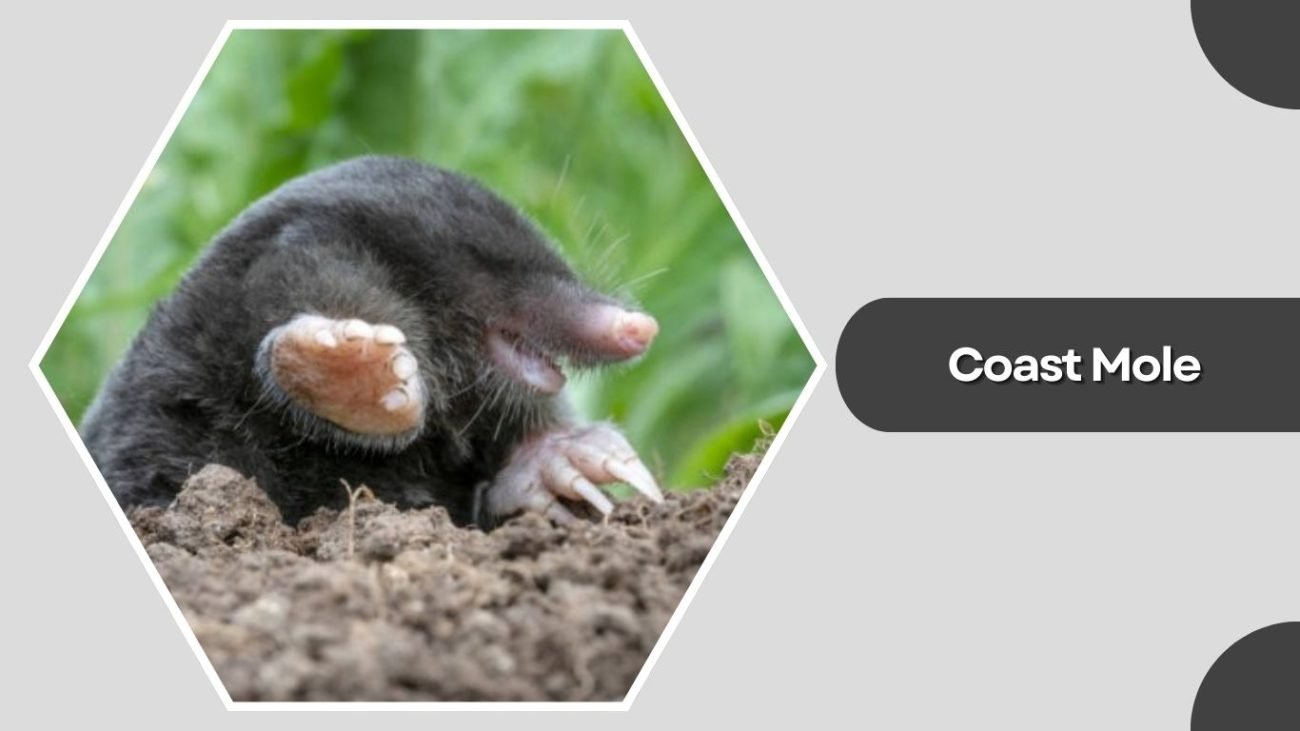
The coast mole is a robust burrowing mammal native to the Pacific Northwest of North America. It is well known for producing extensive tunnel systems and noticeable molehills in lawns, forests, and coastal lowlands. This species is an efficient digger, using its powerful forelimbs to move through soil with ease.
Identification
- Medium-sized mole with a thick, cylindrical body
- Dark gray to nearly black velvety fur
- Large, spade-like front feet with strong claws
- Tiny eyes concealed in fur
- No visible external ears
- Short tail covered with fine hairs
Habitat
Coast moles inhabit coastal forests, grasslands, farmland, gardens, and river valleys from British Columbia to northern California. They favor moist, loose soils that are easy to excavate and rich in earthworms and insects.
Behavior
This mole is solitary and territorial, maintaining complex underground tunnel systems. It is active throughout the year, digging constantly in search of food. Coast moles often create surface ridges as they forage just below the ground.
Diet and Lifecycle
Their diet includes earthworms, beetle larvae, grubs, and other soil-dwelling invertebrates. Breeding typically takes place in late winter. Females usually give birth to 2–4 young, which become independent within a few weeks.
6. Townsend’s Mole (Scapanus townsendii)
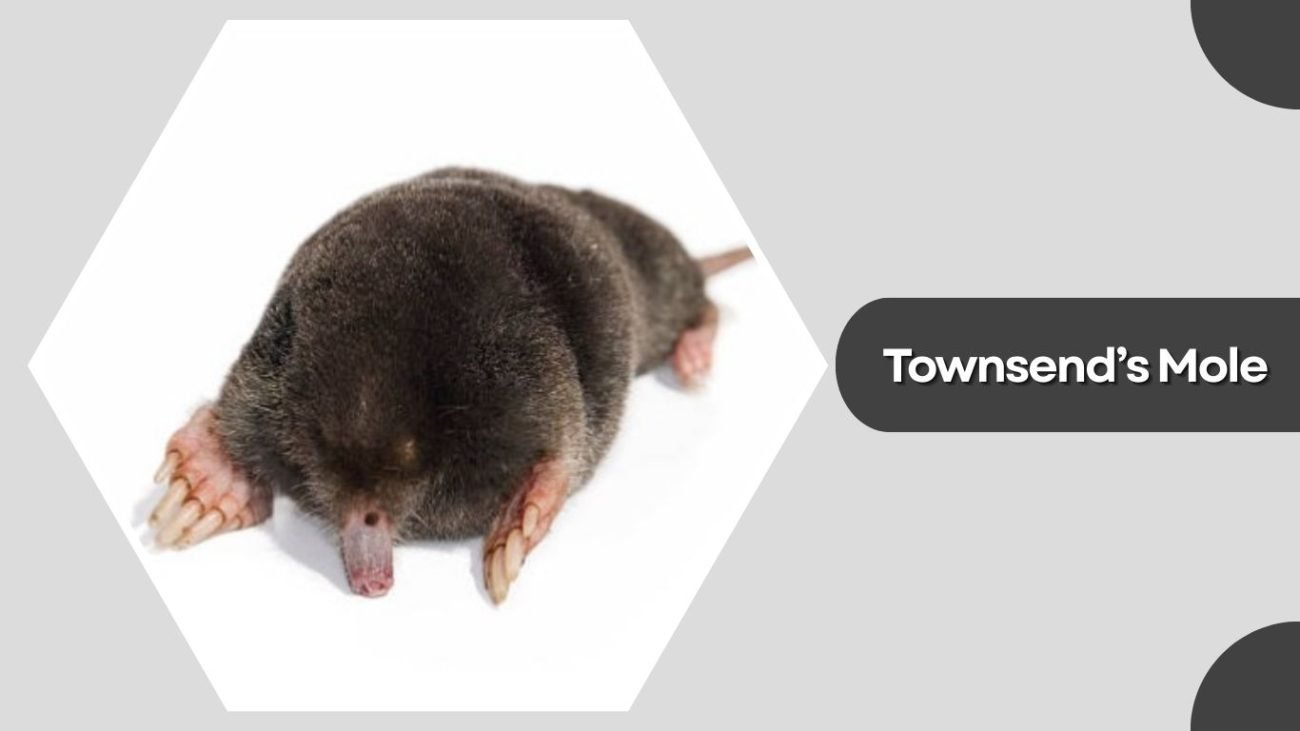
Townsend’s mole is the largest mole species in North America and is especially known for the massive tunnel systems and prominent soil mounds it creates. This powerful digger is highly specialized for life underground, with strong forelimbs and dense fur that allows it to move easily through soil.
Identification
- Large, heavy-bodied mole with a cylindrical shape
- Dark gray to black, very dense velvety fur
- Extremely broad, muscular front feet
- Tiny eyes hidden beneath fur
- No visible external ears
- Short, sparsely haired tail
Habitat
Townsend’s moles are found in the Pacific Northwest, particularly in Oregon, Washington, and parts of northern California. They live in moist lowlands, river valleys, farmland, grasslands, and forest edges with deep, soft soil.
Behavior
This species is solitary and strongly territorial. It builds deep permanent burrows as well as shallow feeding tunnels. Townsend’s moles are active year-round and are most often detected by the large molehills they push up from deep underground.
Diet and Lifecycle
They primarily feed on earthworms, insects, grubs, and other soil invertebrates. Breeding occurs in late winter to early spring. Females typically produce 2–4 offspring, which develop rapidly and disperse soon after weaning.
7. Broad-footed Mole (Scapanus latimanus)
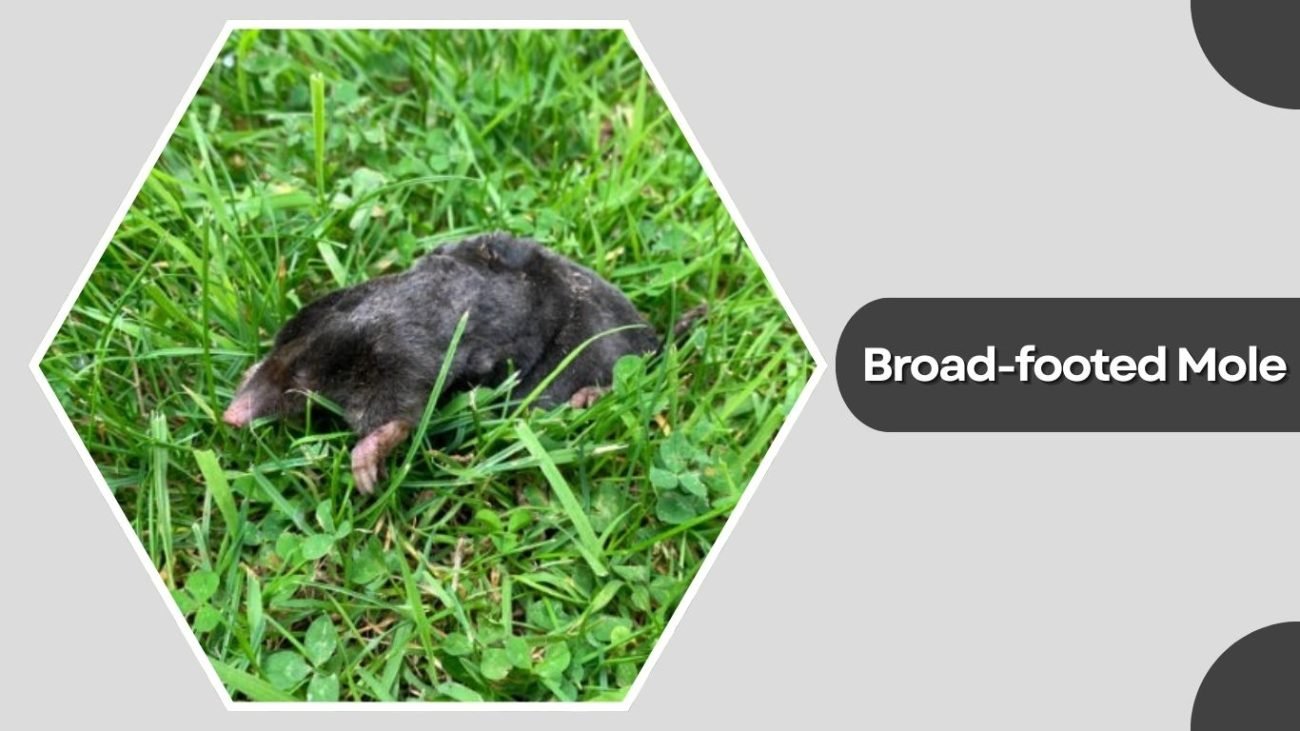
The broad-footed mole is a common burrowing mammal of western North America, named for its exceptionally wide front feet that act like natural shovels. It is an efficient digger that spends nearly all of its life underground, creating long tunnel networks used for feeding and nesting.
Identification
- Medium-sized mole with a thick, cylindrical body
- Gray to dark brown velvety fur
- Very broad, outward-facing front feet
- Tiny eyes hidden in fur
- No visible external ears
- Short, slightly hairy tail
Habitat
Broad-footed moles inhabit California and parts of the southwestern United States. They are found in grasslands, open woodlands, gardens, orchards, and agricultural areas with loose or sandy soil.
Behavior
This species is solitary and territorial. It constructs shallow surface tunnels for hunting and deeper burrows for nesting and shelter. Broad-footed moles are active throughout the year and may dig several meters of new tunnels in a single day.
Diet and Lifecycle
Their diet mainly consists of earthworms, insect larvae, grubs, and other small invertebrates. Breeding usually occurs in late winter. Females give birth to 2–5 young, which become independent after a few weeks.
8. Japanese Mole (Mogera wogura)
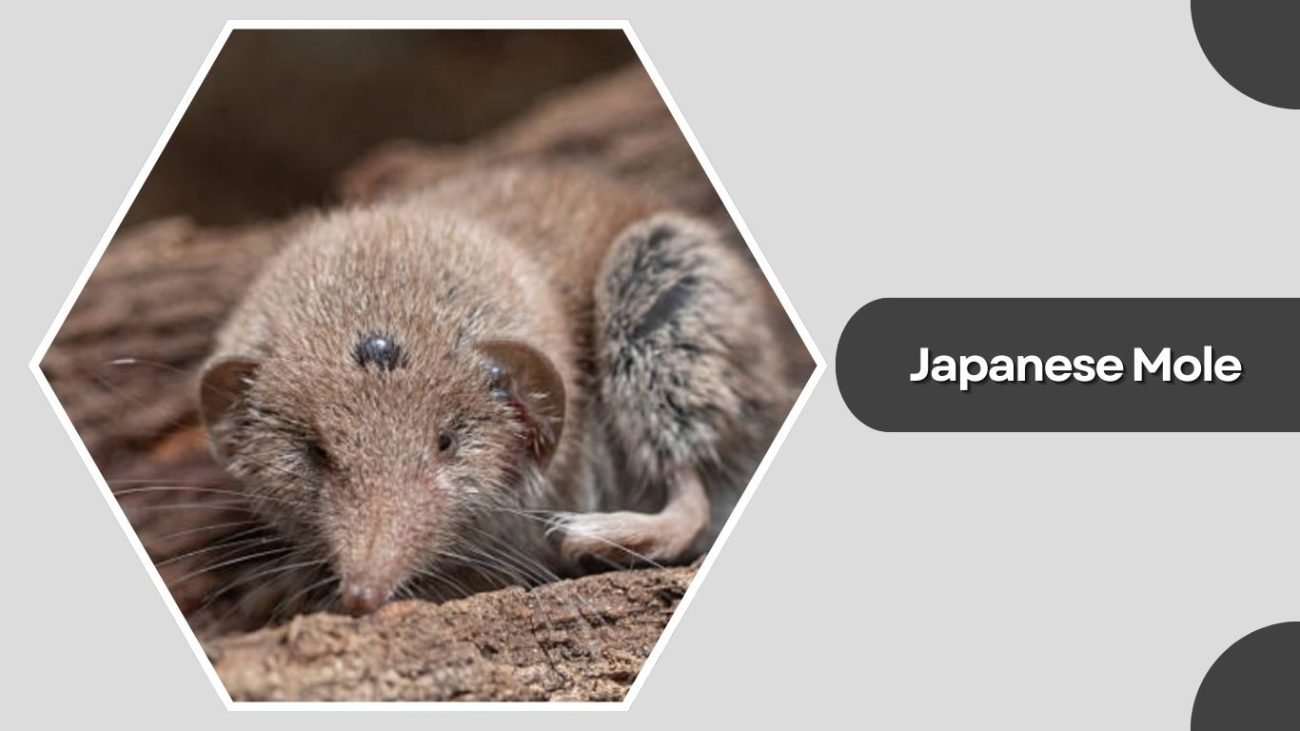
The Japanese mole is a small, secretive burrowing mammal native to Japan. It is well adapted to underground life, with powerful forelimbs, compact body shape, and sensitive facial whiskers that help it navigate and hunt in dark tunnel systems.
Identification
- Small to medium-sized cylindrical body
- Dark gray to black velvety fur
- Strong, outward-turned front feet
- Very small eyes, barely visible
- No visible external ears
- Short tail with fine sensory hairs
Habitat
Japanese moles live in forests, grasslands, farmland, and gardens across much of Japan. They prefer soft, moist soils where digging is easy and food is abundant.
Behavior
This species is solitary and territorial. It builds complex underground burrow systems with feeding tunnels and nesting chambers. Japanese moles are active year-round and spend most of their time searching for food beneath the surface.
Diet and Lifecycle
They feed mainly on earthworms, insect larvae, spiders, and other soil invertebrates. Breeding generally occurs in spring. Females usually produce small litters, and the young disperse after several weeks.
9. Siberian Mole (Talpa altaica)
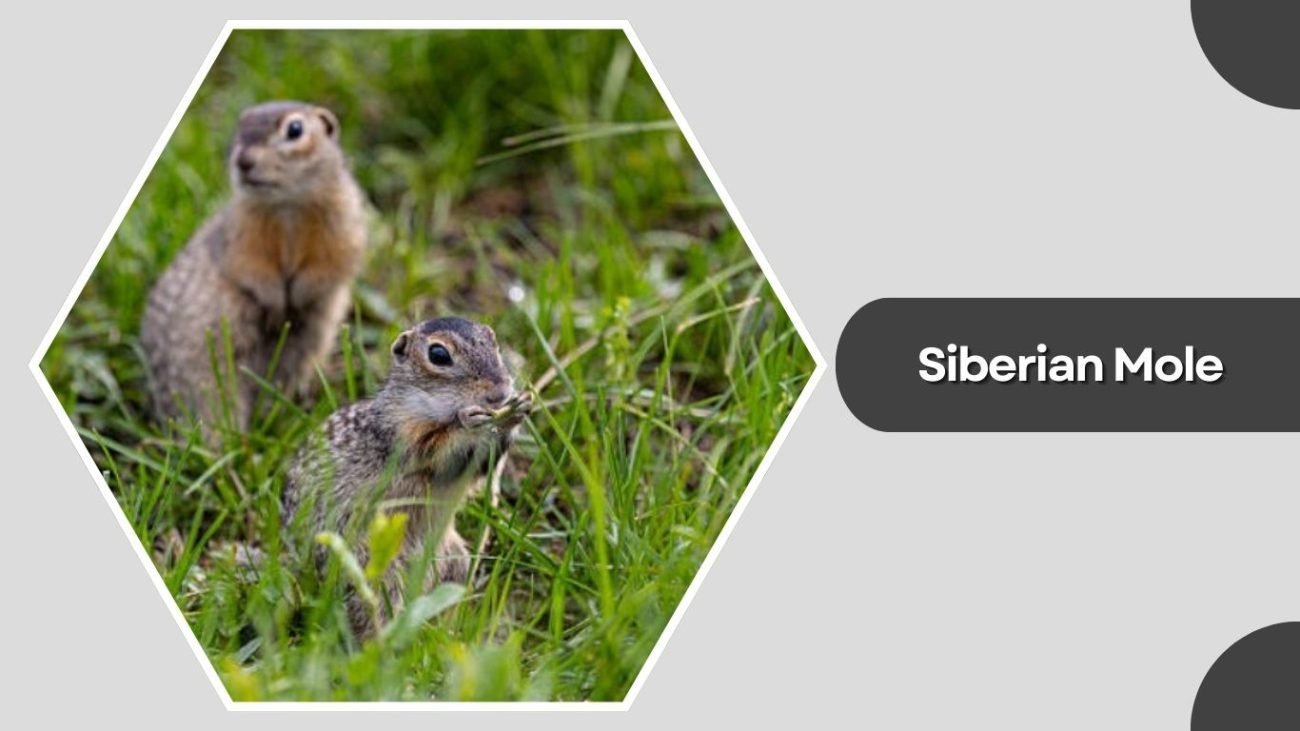
The Siberian mole is a hardy burrowing mammal adapted to cold climates and mountainous regions of Asia. It is known for its dense fur and strong digging ability, allowing it to survive in areas with long winters and compact soils.
Identification
- Medium-sized mole with a thick, cylindrical body
- Very dense dark gray to black fur
- Powerful, spade-like front feet
- Tiny eyes hidden within fur
- No visible external ears
- Short tail with fine hairs
Habitat
Siberian moles are found in parts of Russia, Mongolia, and northern China. They inhabit forests, alpine meadows, river valleys, and grassy slopes with moist but well-drained soils.
Behavior
This species is solitary and territorial. It creates deep tunnel systems that often run below the frost line, allowing activity even in winter. Siberian moles are active year-round and spend most of their lives underground.
Diet and Lifecycle
Their diet mainly includes earthworms, insects, larvae, and other small invertebrates. Breeding usually takes place in spring. Females give birth to small litters, and the young mature quickly before dispersing.
10. Blind Mole (Spalax species)
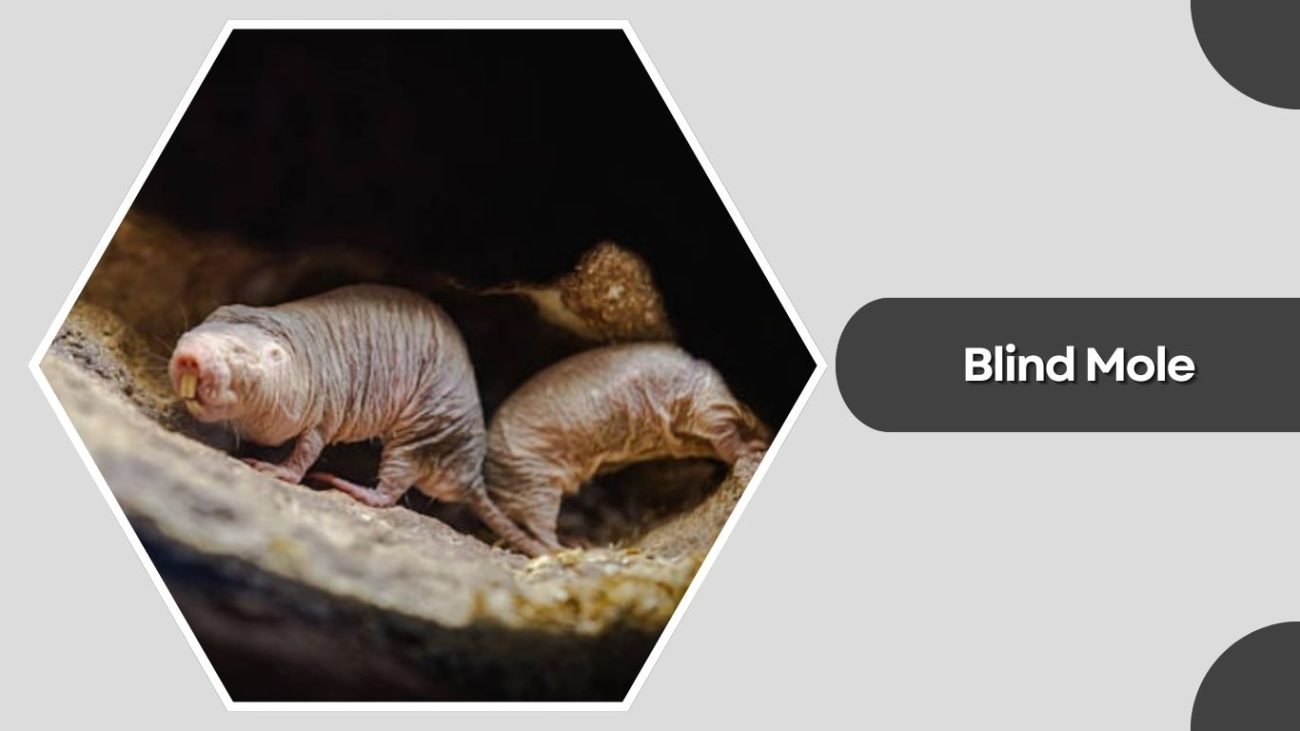
Blind moles are a group of subterranean rodents often called “blind mole rats,” known for their extremely reduced eyes and powerful digging teeth. Unlike true moles, they belong to a different mammal family but live a very similar underground lifestyle, rarely ever coming to the surface.
Identification
- Stout, cylindrical body with short limbs
- Brown to gray fur, not velvety like true moles
- Extremely reduced eyes covered by skin
- No visible external ears
- Strong front incisors used for digging
- Short tail or tail almost absent
Habitat
Blind moles are found in Eastern Europe, the Middle East, and parts of Central Asia. They live in steppes, grasslands, agricultural fields, and semi-arid regions with loose to moderately firm soils.
Behavior
They are highly solitary and aggressively territorial. Blind moles construct deep, complex tunnel systems and use their teeth to cut through soil and roots. Most of their lives are spent underground, where they gather food and defend their burrows.
Diet and Lifecycle
Blind moles feed mainly on plant roots, bulbs, tubers, and underground stems. Breeding usually occurs once a year. Females give birth to small litters, and the young eventually dig their own tunnel systems.
11. Long-tailed Mole (Euroscaptor longirostris)
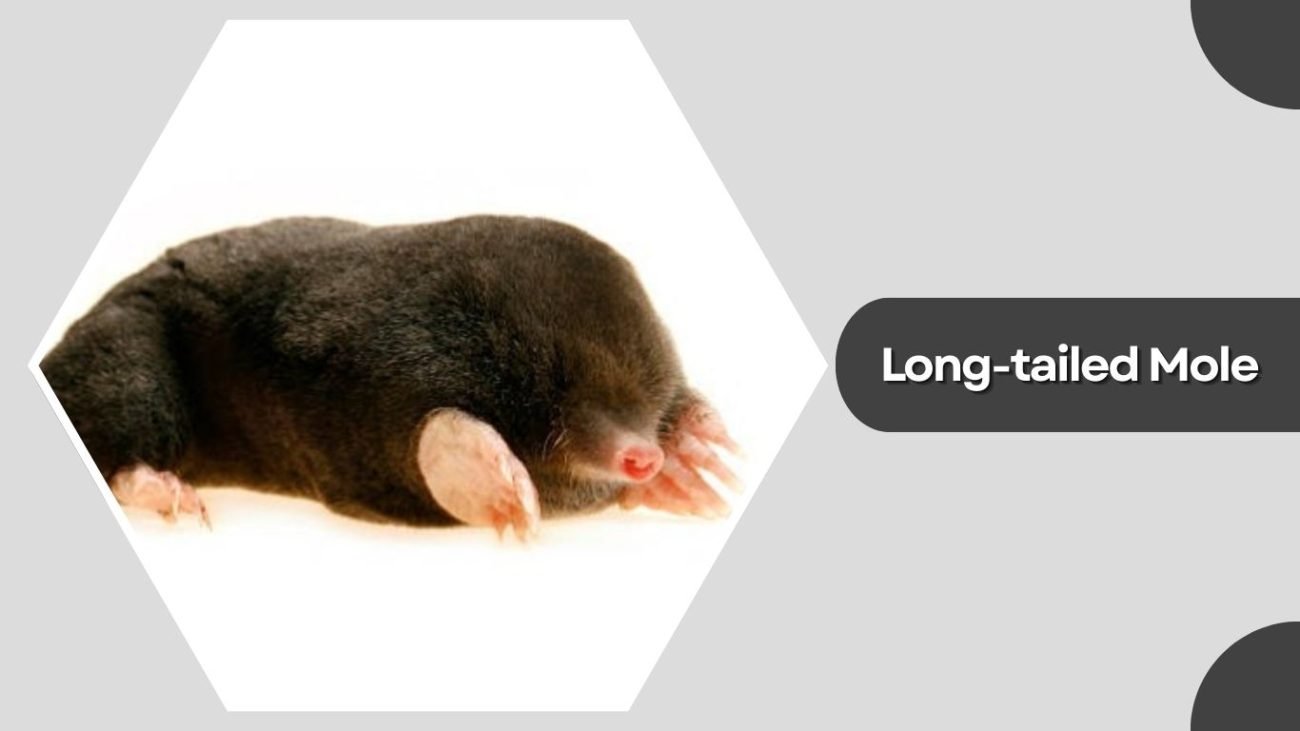
The long-tailed mole is a burrowing mammal found in parts of East and Southeast Asia. It is recognized for its unusually long tail, which is covered in fine hairs and aids in balance while moving through narrow tunnels. This species is highly adapted to life underground.
Identification
- Small to medium-sized cylindrical body
- Dark gray to brown velvety fur
- Long, thin tail with fine hairs
- Broad, outward-facing front feet for digging
- Tiny, nearly invisible eyes
- No external ears visible
Habitat
Long-tailed moles inhabit forests, grasslands, and agricultural areas with soft, moist soil. They are found in China, Vietnam, and surrounding regions, preferring areas rich in earthworms and insects.
Behavior
This mole is solitary and territorial. It maintains a network of shallow feeding tunnels and deeper burrows for nesting. Long-tailed moles are active throughout the year and spend almost their entire lives underground.
Diet and Lifecycle
They primarily eat earthworms, insect larvae, and other soil invertebrates. Breeding occurs in spring, and females give birth to 2–4 young. The offspring grow quickly and begin independent life after a few weeks.
12. Chinese Mole (Scapanulus oweni)
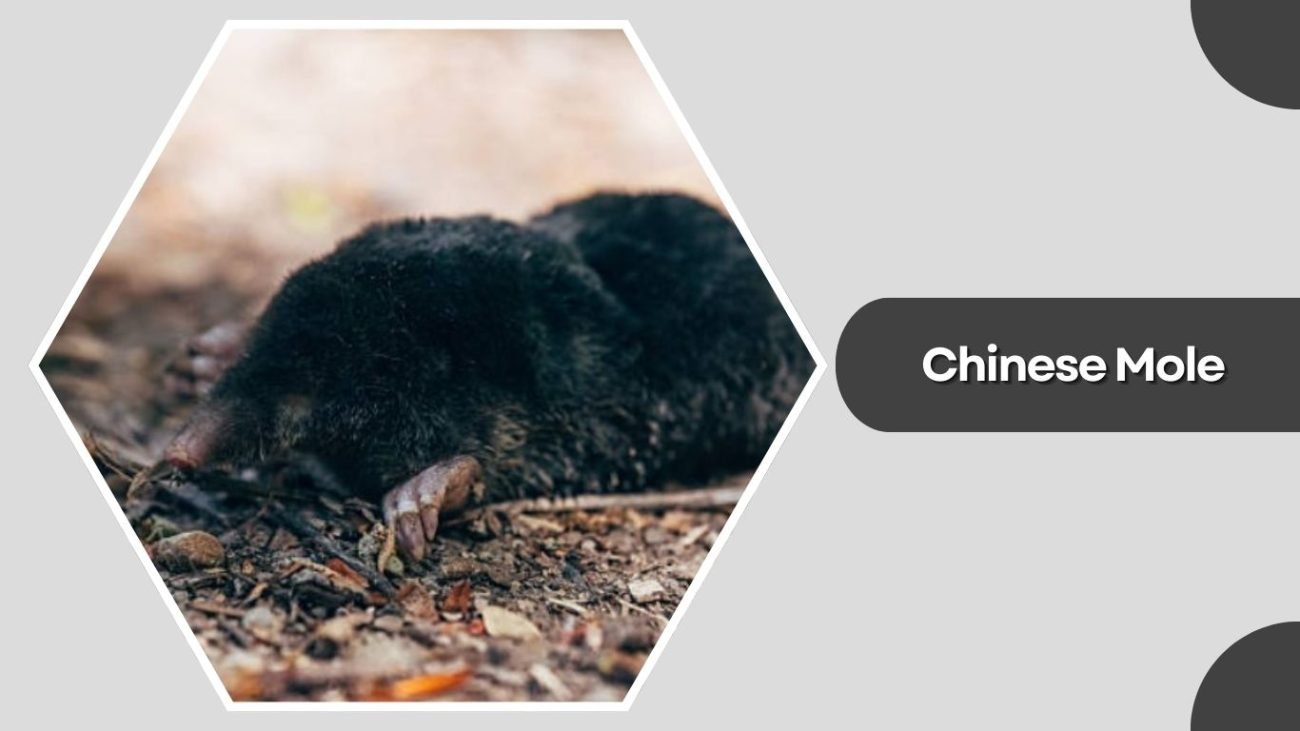
The Chinese mole is a small burrowing mammal native to mountainous and forested regions of China. It is known for its strong digging ability and preference for soft soils in high-altitude environments, where it creates intricate underground tunnels.
Identification
- Small, cylindrical body with dark gray fur
- Broad, spade-like front feet
- Tiny eyes concealed under fur
- No visible external ears
- Short tail with fine hairs
- Pointed, sensitive snout
Habitat
Chinese moles inhabit forests, meadows, and hilly farmlands in central and southern China. They prefer moist, loose soils that are easy to excavate and rich in invertebrates.
Behavior
This species is solitary and highly territorial. It constructs both shallow feeding tunnels and deeper nesting burrows. Chinese moles are active year-round and spend most of their time underground foraging and maintaining their tunnels.
Diet and Lifecycle
Their diet consists mainly of earthworms, insects, larvae, and other soil-dwelling invertebrates. Breeding occurs in early spring, with females producing 2–5 offspring. The young mature rapidly and leave the nest after several weeks.
FAQs
What is the typical lifespan of a mole?
Most moles live between 3 to 6 years in the wild, depending on the species and environmental conditions. Predation, habitat quality, and food availability can affect their lifespan.
Are moles harmful to gardens and lawns?
Moles can damage lawns and gardens by creating tunnels and molehills. While they eat insects and pests, their digging can uproot plants and disturb soil surfaces, making them a nuisance in cultivated areas.
How do moles find food underground?
Moles rely on their highly sensitive snouts, whiskers, and tactile hairs to detect vibrations and movements of earthworms, insects, and other invertebrates. Some species, like the star-nosed mole, can identify prey in fractions of a second.
Can moles swim?
Yes, certain species like the star-nosed mole are excellent swimmers. They can forage in wetland environments, moving between tunnels and water bodies with ease while hunting aquatic invertebrates.
Are moles solitary animals?
Yes, most mole species are solitary and territorial. They maintain their own tunnel systems, and interactions with other moles are limited to mating or territorial disputes.


