











Bats are one of the most fascinating and diverse groups of mammals on Earth, with species found in almost every part of the world. From tiny insect-eating bats to large fruit bats with massive wingspans, they show incredible variation in size, behavior, and diet. These nocturnal animals play a vital role in nature by controlling insect populations, pollinating plants, and spreading seeds. In this guide, you’ll explore 35 different types of bats and learn what makes each one unique.
1. Little Brown Bat (Myotis lucifugus)
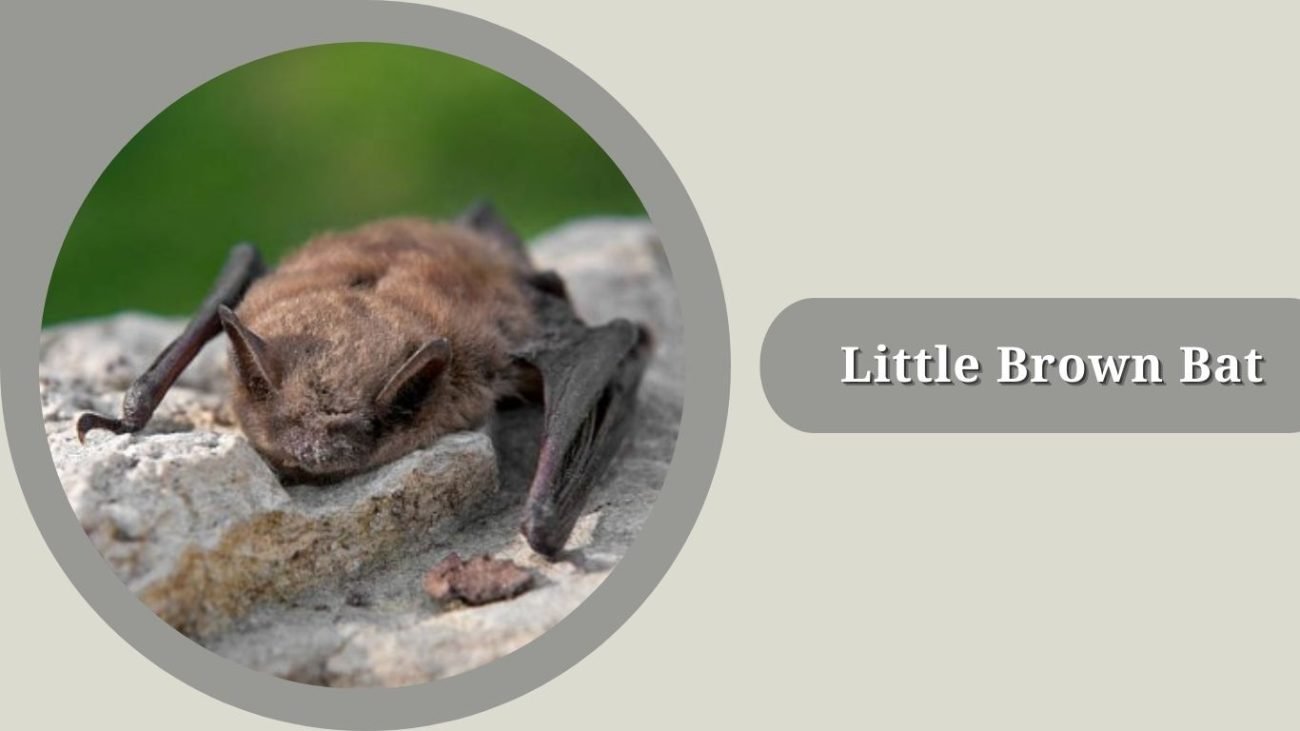
The little brown bat is one of the most widespread and well-known bat species in North America. It is small, fast-flying, and highly adaptable, often found living close to water sources and human structures. This bat plays an important ecological role by consuming large numbers of night-flying insects, helping to control mosquito and pest populations naturally.
Identification
- Small bat with a slender body and narrow wings
- Fur is glossy brown to dark chestnut on the back, lighter underneath
- Short, rounded ears with a blunt tragus
- Wingspan typically 22–27 cm (8.5–10.5 inches)
- Lightweight body, usually weighing less than half an ounce
Habitat
Little brown bats prefer areas near rivers, lakes, ponds, and wetlands where insects are abundant. They commonly roost in caves, hollow trees, rock crevices, and human-made structures such as attics and barns. During winter, they migrate to underground caves and mines to hibernate in large groups.
Behaviors
This species is nocturnal and becomes active at dusk. It uses echolocation to hunt insects while flying low over water or open spaces. Little brown bats are social animals, often forming maternity colonies in summer and dense clusters during hibernation to conserve body heat.
Diet
Little brown bats feed mainly on flying insects such as mosquitoes, midges, moths, and beetles. A single bat can consume hundreds of insects in one night. Their feeding habits make them highly beneficial to ecosystems and agriculture by naturally reducing insect populations.
Lifecycle
Mating usually occurs in late summer or fall, but fertilization is delayed until spring. Females typically give birth to one pup each year in early summer. Newborns cling to their mothers or remain in nursery roosts until they can fly and hunt independently within a few weeks.
2. Big Brown Bat (Eptesicus fuscus)
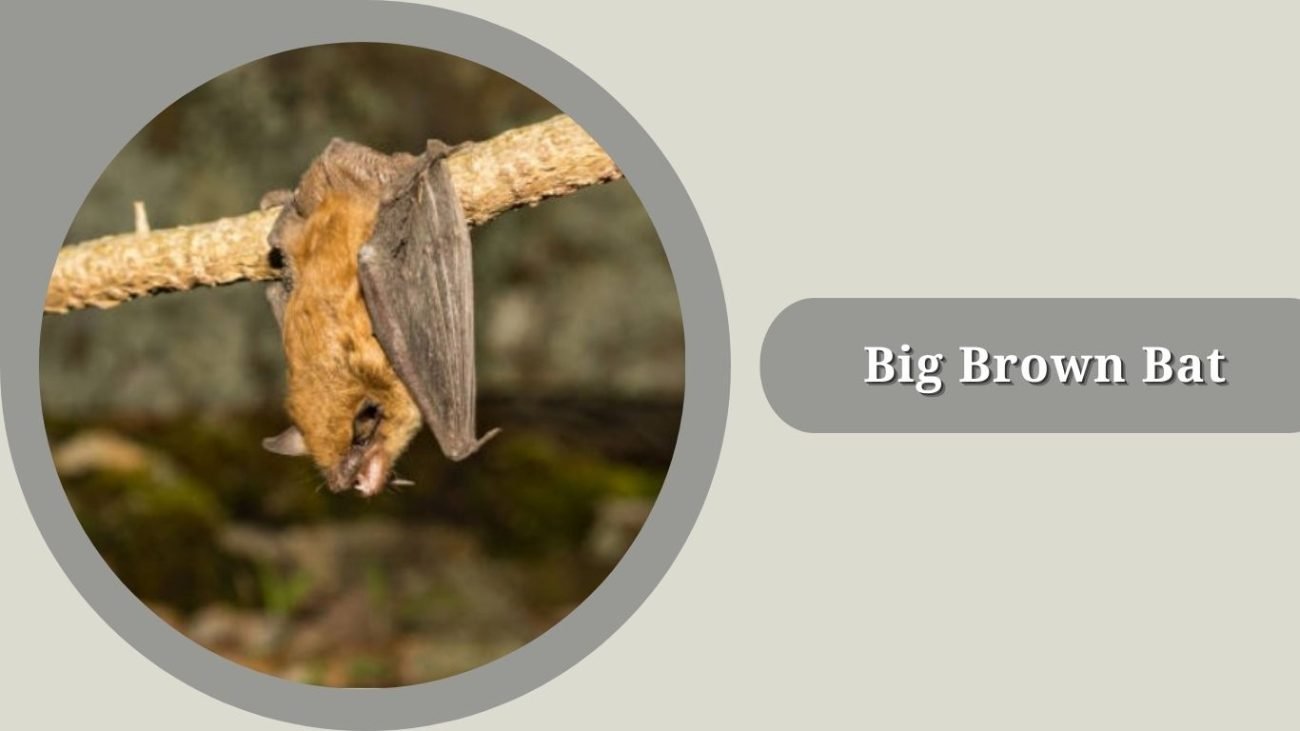
The big brown bat is a hardy, medium-sized bat species widely found across North America. It is well known for its ability to live close to humans, often roosting in buildings, barns, and attics. This bat is an important nighttime predator of insects and is especially valued for helping control agricultural and household pests.
Identification
- Medium-sized bat with a robust, muscular body
- Fur ranges from light brown to dark chocolate brown
- Broad wings and a relatively short, blunt face
- Short ears with rounded tips
- Wingspan usually between 28–33 cm (11–13 inches)
Habitat
Big brown bats adapt easily to many environments, including forests, farmland, cities, and suburbs. They often roost in tree cavities, under loose bark, rock crevices, and human structures. In colder regions, they hibernate in caves, tunnels, and buildings where temperatures remain stable.
Behaviors
These bats emerge shortly after sunset and fly in steady, direct patterns. They are strong fliers and can tolerate cooler temperatures better than many other bat species. Big brown bats are less sensitive to disturbance and may return to the same roosts year after year.
Diet
Their diet mainly consists of hard-shelled insects such as beetles, wasps, stink bugs, and flying ants. Their powerful jaws allow them to crush tough insect exoskeletons, making them highly effective natural pest controllers.
Lifecycle
Breeding takes place in late summer or fall, with females giving birth to one or two pups in early summer. Young bats grow rapidly and can usually fly within four to five weeks. Mothers nurse and protect their pups in maternity colonies until they become independent.
3. Mexican Free-tailed Bat (Tadarida brasiliensis)
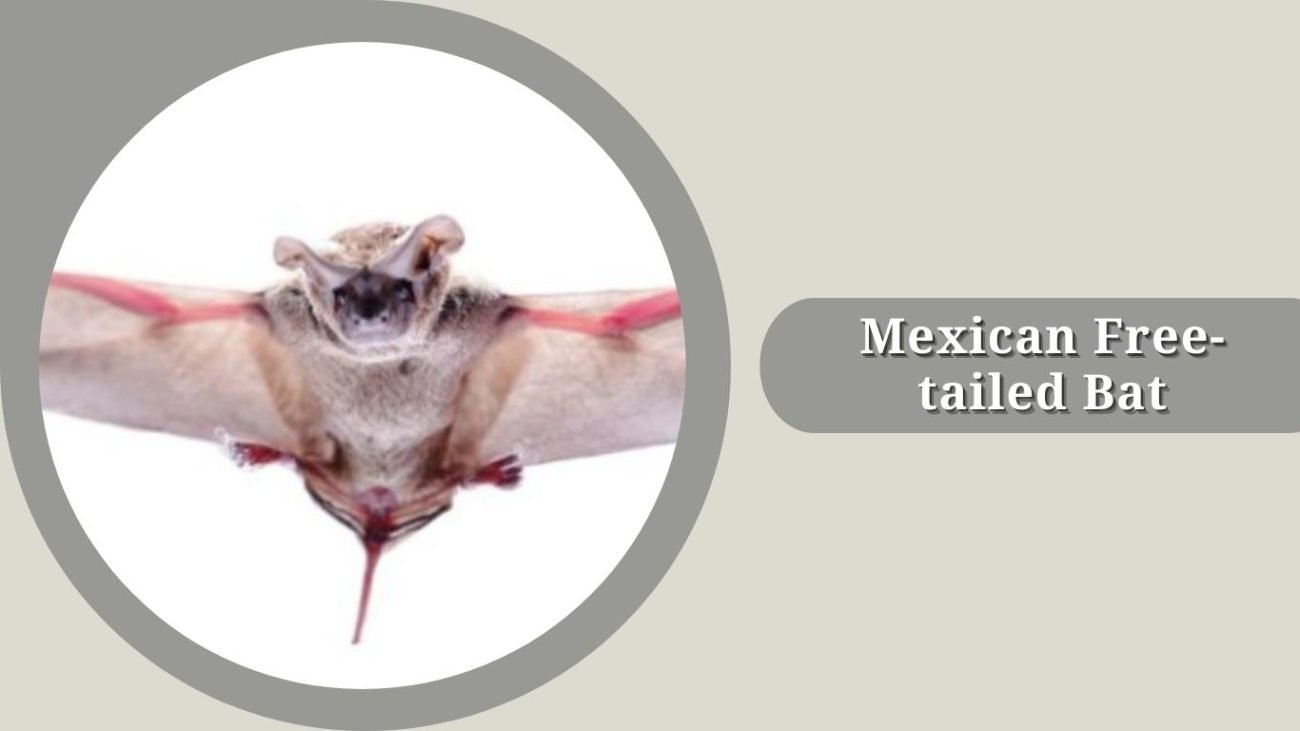
The Mexican free-tailed bat is one of the most abundant and fast-flying bat species in the world. It is famous for forming massive colonies that can include millions of individuals, creating spectacular evening emergences from caves. This bat is highly migratory and plays a major role in controlling agricultural insect pests.
Identification
- Medium-sized bat with a long, narrow body
- Tail extends noticeably beyond the tail membrane
- Fur ranges from dark brown to grayish brown
- Narrow, pointed wings adapted for fast flight
- Wrinkled upper lip that gives the species its “free-tailed” look
Habitat
Mexican free-tailed bats inhabit deserts, grasslands, forests, and urban areas. They roost primarily in caves, but also use bridges, buildings, and bat houses. Large maternity colonies often form in warm roosts, while many populations migrate southward in winter.
Behaviors
This species is an extremely strong flier, capable of traveling long distances in a single night. It emerges in dense swarms at dusk and hunts high in the sky, sometimes at great altitudes. Mexican free-tailed bats rely heavily on echolocation to locate fast-moving insect prey.
Diet
Their diet consists mainly of moths, beetles, flies, and other flying insects. Many of these insects are serious crop pests, making this bat especially valuable to farmers. Each bat can eat large quantities of insects every night.
Lifecycle
Mating occurs in late fall, and females usually give birth to a single pup in late spring or early summer. Pups are raised in huge nursery colonies where millions of young cluster together. After several weeks, the young learn to fly and begin hunting on their own.
4. Indian Flying Fox (Pteropus medius)
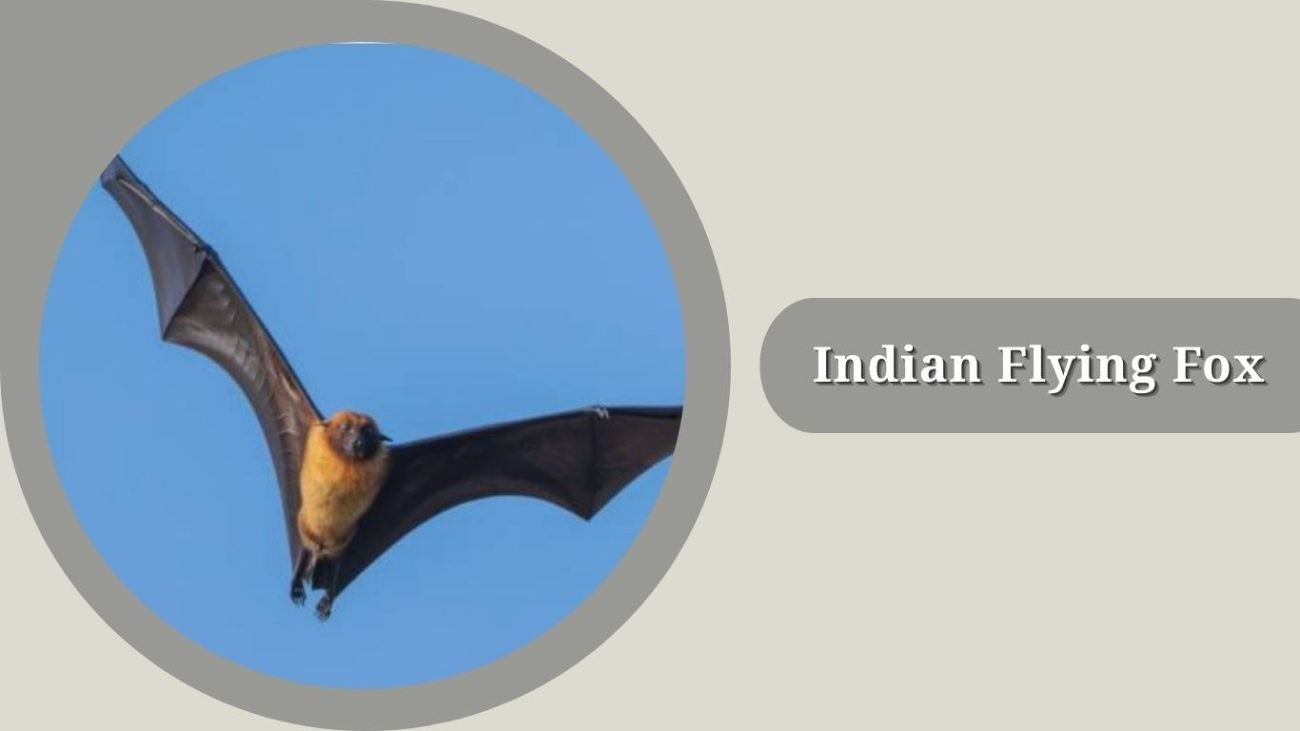
The Indian flying fox is one of the largest bat species in the world and is a prominent fruit bat found across South Asia. With its impressive wingspan and fox-like face, it is easily recognizable. Unlike insect-eating bats, this species feeds mainly on fruit and nectar and plays a major role in forest regeneration through seed dispersal and pollination.
Identification
- Very large bat with a wingspan that can exceed 1.2 meters
- Long, dog-like face with large dark eyes
- Body fur is dark brown to black with a golden or orange neck mantle
- Strong claws adapted for hanging in trees
- Leathery wings with visible finger bones
Habitat
Indian flying foxes prefer tropical and subtropical regions, especially areas with tall trees near rivers, villages, and farmland. They roost in large colonies in banyan trees, mango trees, and other tall forest trees, often close to fruiting plants and water sources.
Behaviors
This species is mainly nocturnal, leaving its roost at dusk to travel long distances in search of food. During the day, hundreds or even thousands may be seen hanging together in trees. They are very vocal, producing loud squawks, screeches, and chatter within the colony.
Diet
The Indian flying fox feeds on fruits such as mango, banana, guava, and figs, along with flower nectar and pollen. While feeding, it spreads seeds over wide areas, helping forests grow and maintain plant diversity.
Lifecycle
Breeding usually occurs once a year. Females typically give birth to a single pup, which clings to the mother’s belly during early life. As the pup grows, it is left at the roost while the mother forages, eventually learning to fly and feed independently.
5. Giant Golden-crowned Flying Fox (Acerodon jubatus)
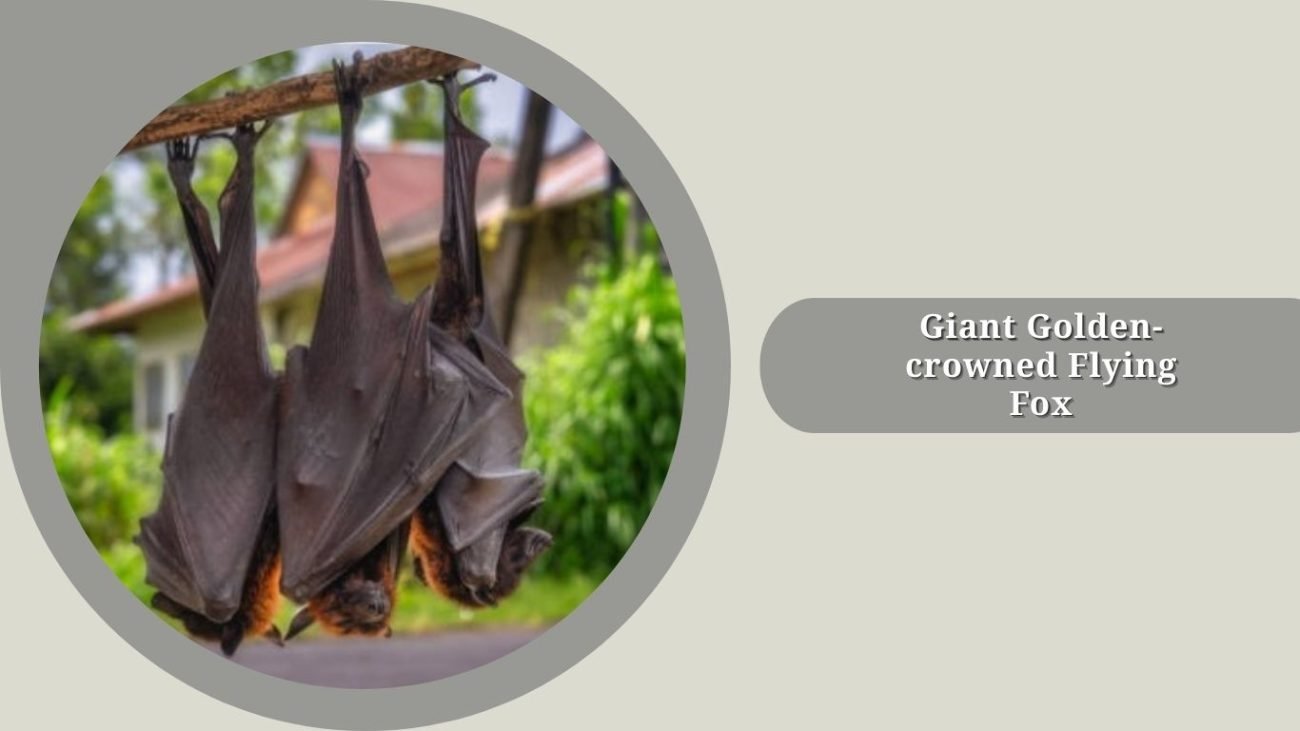
The giant golden-crowned flying fox is one of the largest and rarest bats on Earth, native to the Philippines. It is famous for its enormous wingspan and striking golden fur around the head and neck. This fruit bat is critically important to rainforest ecosystems because it spreads seeds over vast distances.
Identification
- One of the largest bats in the world, with a wingspan up to 1.7 meters
- Distinctive golden-yellow fur on the head and shoulders
- Dark brown to black body and wings
- Fox-like face with large eyes adapted for night vision
- Strong curved claws for hanging in tall trees
Habitat
This species lives mainly in tropical lowland forests, mangroves, and swamp forests. It roosts high in large trees, often near rivers or coastal areas. Colonies can include thousands of bats, although habitat loss has greatly reduced their numbers.
Behaviors
Giant golden-crowned flying foxes are nocturnal and highly social. During the day, they roost in noisy groups, constantly shifting, grooming, and spreading their wings to cool down. At night, they fly long distances to feeding sites.
Diet
Their diet consists mostly of figs and other forest fruits, along with leaves on occasion. Because they swallow fruit juices and drop seeds far from the parent tree, they are essential for maintaining healthy forest ecosystems.
Lifecycle
Females usually give birth to one pup each year. The young bat clings to its mother for the first weeks of life before being left at the roost. It gradually learns to fly and forage, reaching independence within a few months.
6. Common Vampire Bat (Desmodus rotundus)
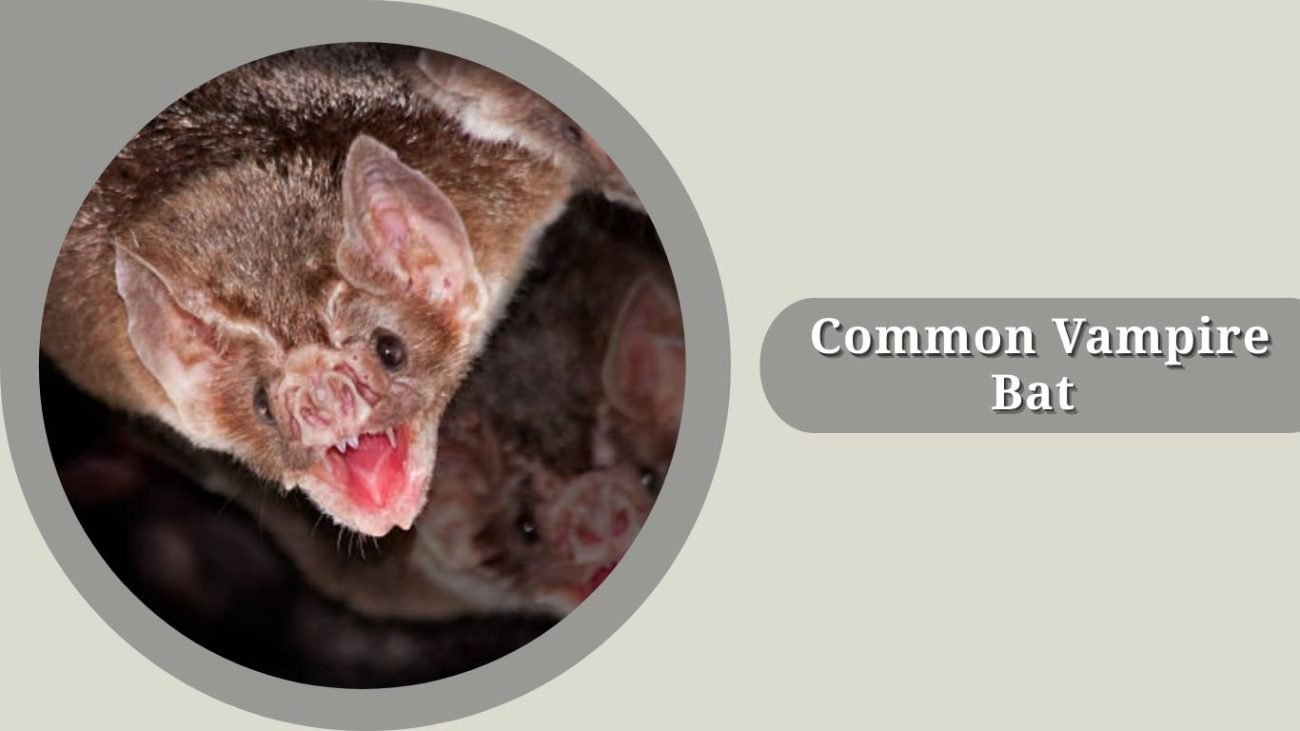
The common vampire bat is one of the most famous bat species in the world and is native to Central and South America. Unlike most bats, it feeds on the blood of animals. Despite its fearsome reputation, this bat takes very small amounts of blood and is highly specialized, social, and intelligent.
Identification
- Small bat with a compact, agile body
- Short, blunt snout without a nose leaf
- Sharp upper incisors adapted for making tiny cuts
- Thumb claws used for crawling and jumping
- Brownish-gray fur with a lighter underside
Habitat
Common vampire bats inhabit tropical forests, farmland, caves, hollow trees, and abandoned buildings. They prefer warm, humid regions where livestock and wild mammals are plentiful. Roosts are often dark, sheltered places shared with dozens to hundreds of bats.
Behaviors
This species is nocturnal and spends much of the night searching for sleeping animals. It is unusual among bats because it can run and hop on the ground using its strong forelimbs. Vampire bats are highly social and even share food by regurgitating blood to help hungry group members survive.
Diet
Common vampire bats feed almost entirely on the blood of mammals, especially cattle, horses, pigs, and wildlife. They make a small, painless incision and lap up the blood rather than sucking it. Their saliva contains anticoagulants that keep blood flowing.
Lifecycle
Females usually give birth to one pup after a gestation period of about seven months. Mothers nurse their young, and the pups remain dependent for several months. Strong social bonds form early, and young bats learn feeding behaviors from adults.
7. Common Pipistrelle (Pipistrellus pipistrellus)
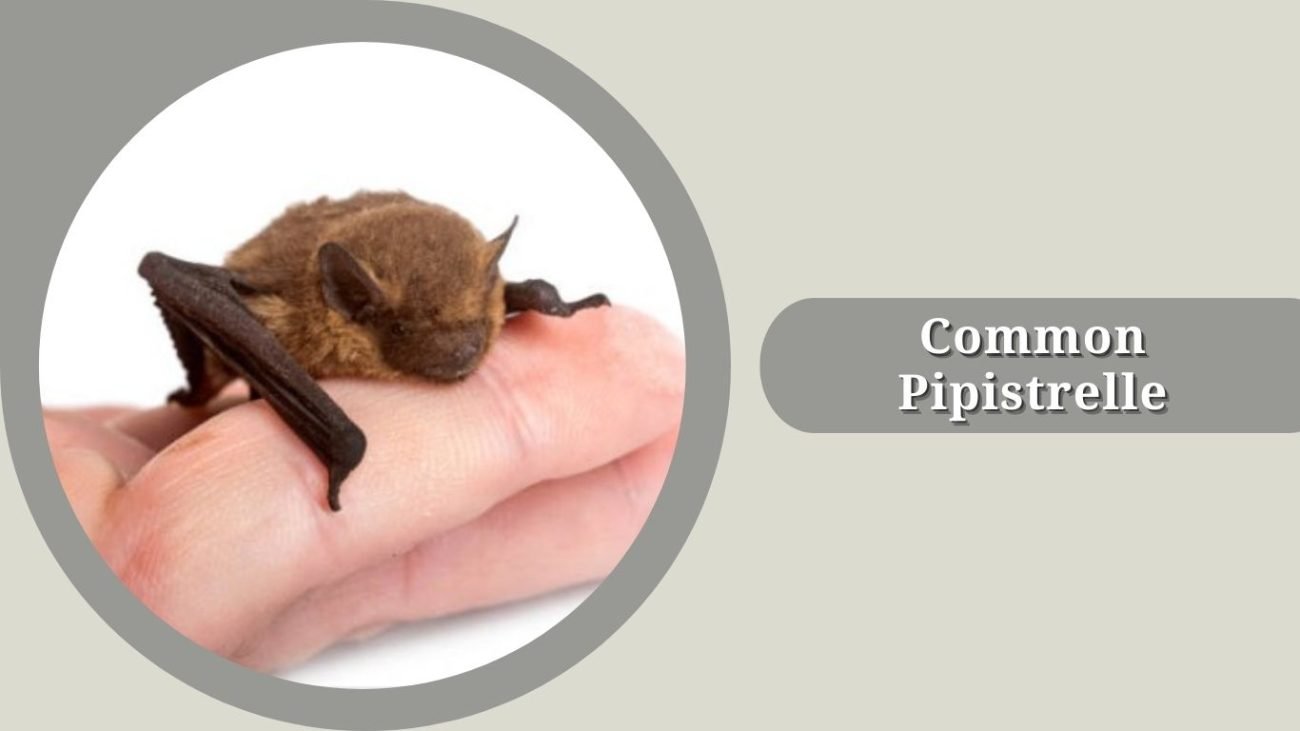
The common pipistrelle is one of the smallest and most widespread bats in Europe and parts of Asia. Despite its tiny size, it is extremely active and often the first bat seen flying at dusk. This species frequently lives close to people and is a familiar sight in towns, gardens, and farmland.
Identification
- Very small bat with a compact body
- Fur is medium brown with a slightly darker face and wings
- Short ears with a rounded tragus
- Narrow wings adapted for agile flight
- High-pitched echolocation calls, often inaudible to humans
Habitat
Common pipistrelles occupy a wide range of habitats including woodlands, wetlands, parks, farmland, and urban areas. They commonly roost in tree holes, behind loose bark, roof spaces, and wall crevices of buildings.
Behaviors
This species emerges early in the evening and flies in quick, fluttering patterns. It often hunts around streetlights where insects gather. Common pipistrelles are adaptable and may switch roosts frequently, especially during summer.
Diet
Their diet mainly consists of small flying insects such as midges, mosquitoes, small moths, and flies. A single pipistrelle can eat hundreds of insects in one night, making it very valuable for natural pest control.
Lifecycle
Mating occurs in autumn, with females giving birth to one pup, occasionally twins, in early summer. Young bats grow quickly and can usually fly within three weeks. By late summer, juveniles begin to forage independently.
8. Greater Horseshoe Bat (Rhinolophus ferrumequinum)
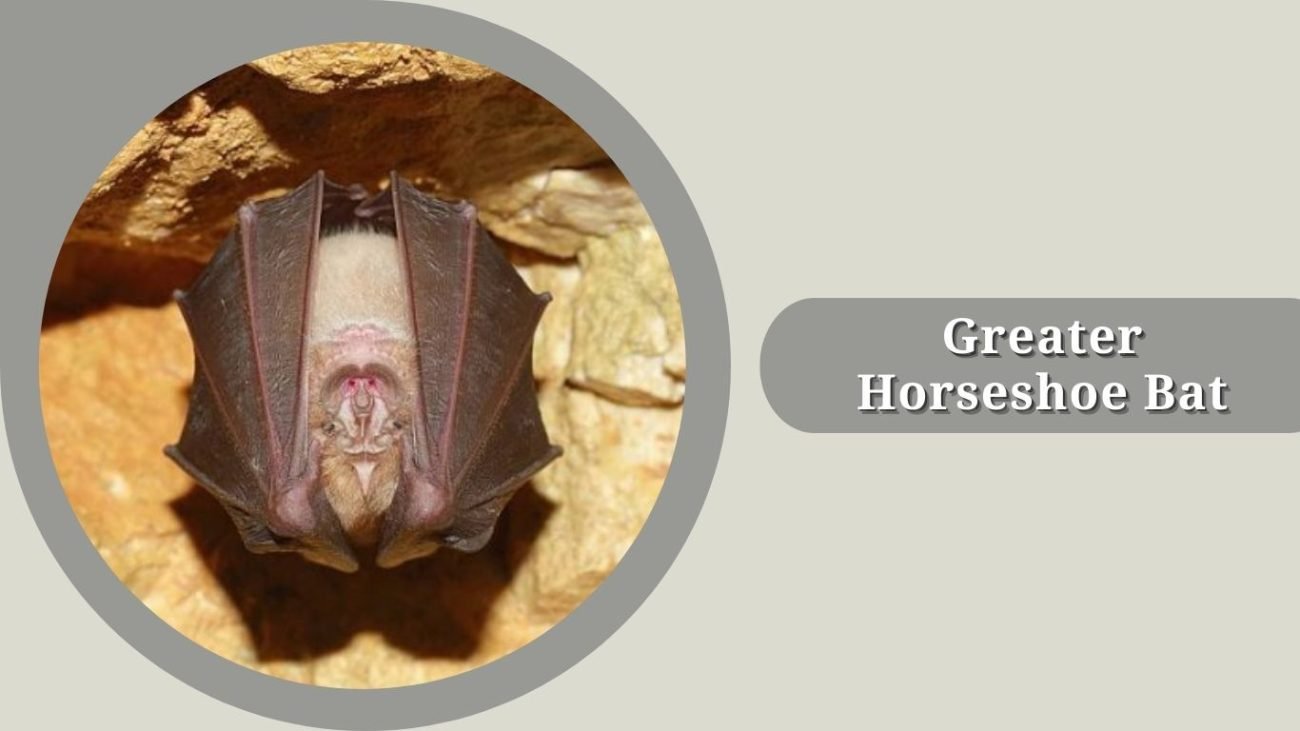
The greater horseshoe bat is a distinctive species known for the large, horseshoe-shaped nose structure on its face. This bat is native to Europe, North Africa, and parts of Asia. It prefers quiet roosting places and is an important predator of night-flying insects in woodland and farmland ecosystems.
Identification
- Medium-sized bat with broad, rounded wings
- Large horseshoe-shaped nose leaf covering the snout
- Fur is grayish-brown on the back and lighter underneath
- Rounded ears without a tragus
- Often roosts hanging freely wrapped in its wings
Habitat
Greater horseshoe bats favor warm regions with caves, old mines, tunnels, and abandoned buildings for roosting. They forage in woodlands, hedgerows, grasslands, and near water sources where insect populations are high.
Behaviors
This species usually flies low and slowly, gliding between trees and hedges. It often hunts by perching and waiting for insects to pass by. Greater horseshoe bats are sensitive to disturbance and depend on stable roosting environments.
Diet
Their diet includes moths, beetles, crane flies, and other medium-sized insects. They often catch prey in mid-air or pick insects off leaves and branches during short flights.
Lifecycle
Breeding occurs in autumn, with females forming maternity colonies in warm roosts during summer. Usually, one pup is born each year. Young bats begin flying after about four weeks and gradually learn to hunt on their own.
9. Lesser Horseshoe Bat (Rhinolophus hipposideros)
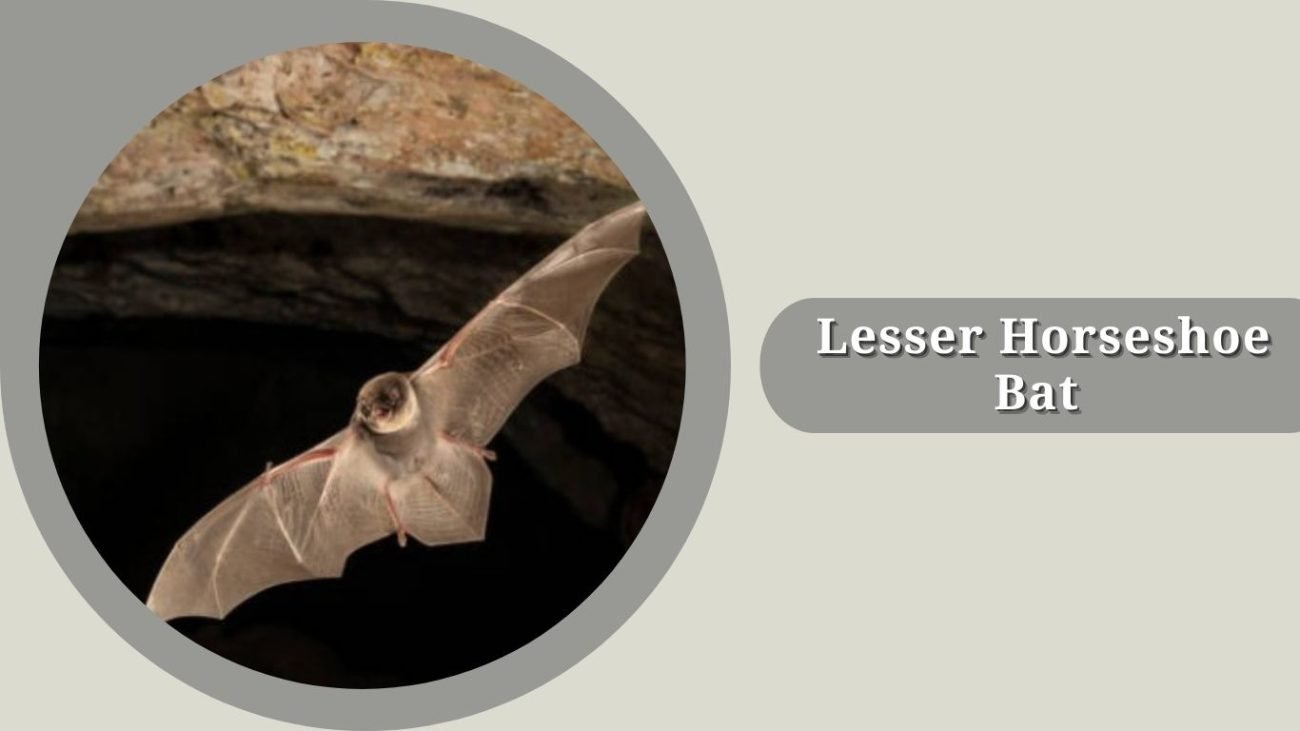
The lesser horseshoe bat is a small, delicate bat species recognized by its intricate horseshoe-shaped nose leaf. It is widely distributed across Europe, North Africa, and parts of Asia. This bat prefers quiet, sheltered environments and is often associated with old buildings, caves, and traditional rural landscapes.
Identification
- Small bat with narrow, rounded wings
- Distinct horseshoe-shaped nose leaf on the face
- Soft gray-brown fur with a pale underside
- Short ears without a visible tragus
- Usually roosts hanging freely rather than clustering tightly
Habitat
Lesser horseshoe bats are commonly found in warm lowland areas, woodlands, valleys, and farmland. They roost in caves, tunnels, cellars, and old houses. During summer, maternity colonies often form in undisturbed attics and barns.
Behaviors
This species flies slowly and with great maneuverability, often weaving through dense vegetation. It uses constant-frequency echolocation to detect insects in cluttered environments. Lesser horseshoe bats are sensitive to light and disturbance and usually emerge later in the evening.
Diet
Their diet mainly consists of small moths, midges, mosquitoes, and flies. They often hunt close to vegetation, capturing insects in flight or picking them from surfaces.
Lifecycle
Mating occurs in autumn, with females giving birth to a single pup in early summer. The young bat clings to its mother at first and later joins nursery groups. After several weeks, it learns to fly and hunt independently.
10. Fruit Bat (Flying Fox)
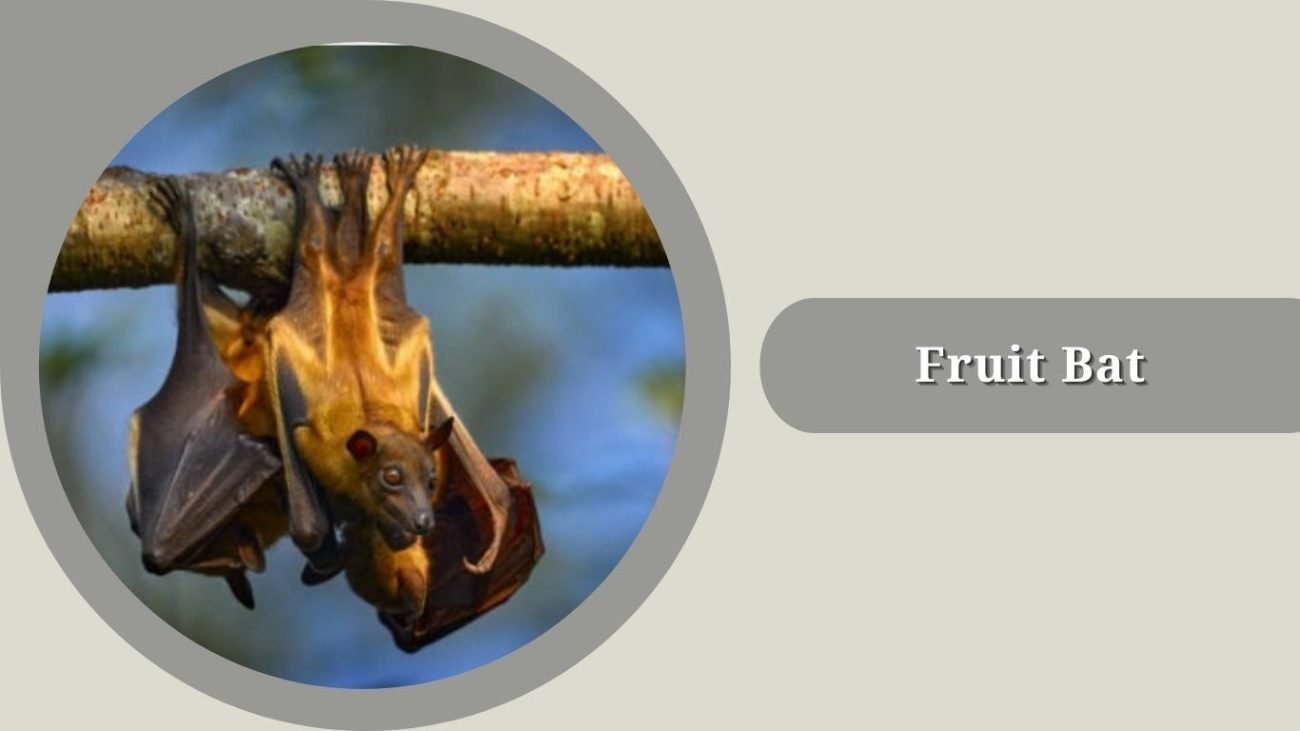
Fruit bats, commonly known as flying foxes, are a large group of bats that primarily feed on fruit, nectar, and pollen. They are found throughout tropical and subtropical regions of Africa, Asia, Australia, and the Pacific Islands. With their fox-like faces and large eyes, fruit bats are very different in appearance and behavior from insect-eating bats.
Identification
- Medium to very large bats with long wingspans
- Dog-like or fox-like face with large eyes
- Soft fur often brown, black, gray, or golden
- Claws on thumbs used for climbing and hanging
- Lack of complex nose leaves seen in many insect bats
Habitat
Fruit bats live mainly in tropical forests, mangroves, orchards, and coastal woodlands. They roost in large colonies in tall trees, caves, and sometimes in dense vegetation near fruiting plants and water sources.
Behaviors
These bats are highly social and often form large, noisy colonies. During the day, they hang upside down in trees, grooming and interacting with each other. At night, they fly long distances to feeding sites, relying mainly on eyesight and smell rather than echolocation.
Diet
Fruit bats feed on ripe fruits, flower nectar, pollen, and plant juices. While feeding, they disperse seeds and pollinate many plant species, making them vital for forest regeneration and ecosystem health.
Lifecycle
Most fruit bats give birth to a single pup once a year. The baby clings to the mother for the first weeks of life and is gradually left at the roost as it grows. Young bats learn to fly and forage over several months.
11. Egyptian Fruit Bat (Rousettus aegyptiacus)
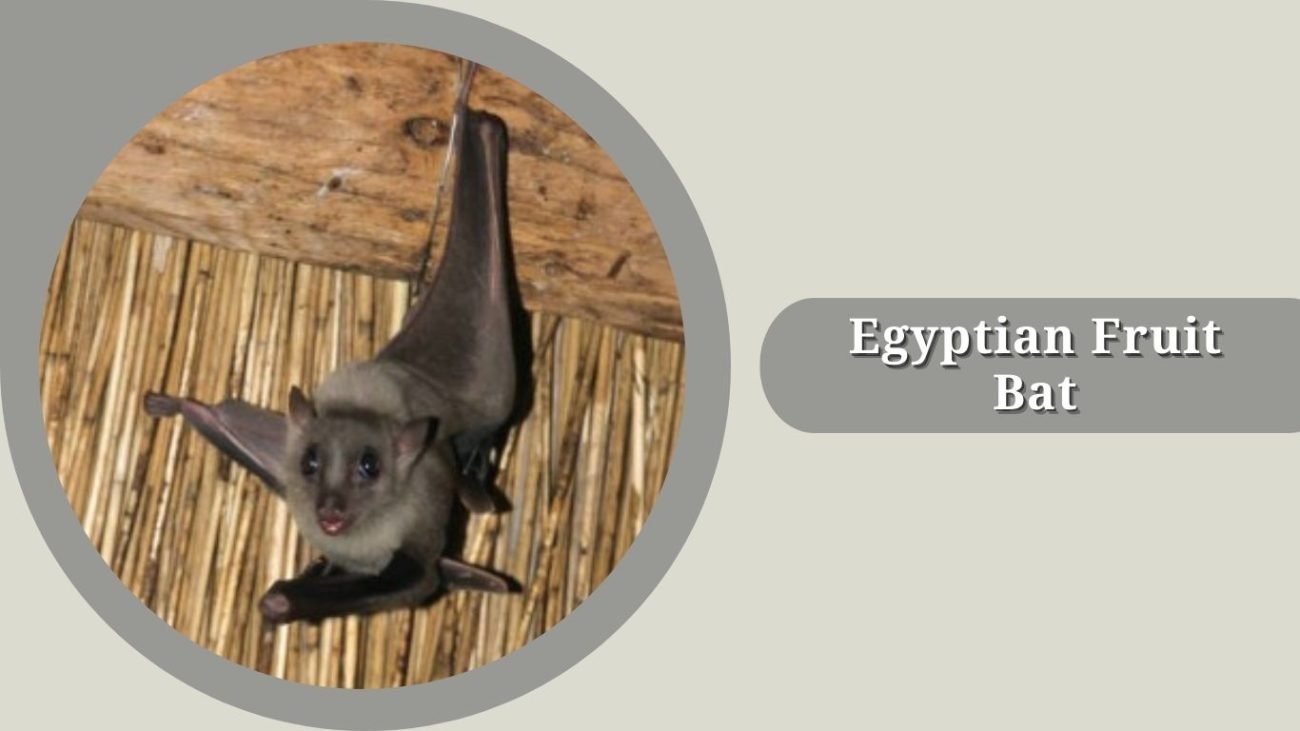
The Egyptian fruit bat is a medium-to-large fruit-eating bat widely distributed across Africa, the Middle East, and parts of South Asia. It is well known for forming large colonies in caves and ruins and for its strong role in seed dispersal and pollination of many tropical and subtropical plants.
Identification
- Medium to large bat with a wingspan up to about 60 cm
- Fox-like face with large eyes and long muzzle
- Fur is gray-brown to dark brown with a paler underside
- Long, narrow wings adapted for steady flight
- Clawed thumbs used for climbing and hanging
Habitat
Egyptian fruit bats inhabit caves, rock crevices, abandoned buildings, temples, and tunnels. They are commonly found in deserts, river valleys, orchards, and forest edges, usually close to fruiting trees and reliable water sources.
Behaviors
This species is highly social and often forms colonies numbering in the thousands. Unlike most fruit bats, it uses a simple form of echolocation based on tongue clicks to navigate in dark caves. At dusk, large groups leave the roost together to forage.
Diet
Their diet consists mainly of fruits such as figs, dates, mangoes, and guavas. They also consume nectar and flower parts. While feeding, they transport seeds over long distances, helping maintain plant diversity.
Lifecycle
Breeding may occur once or twice a year depending on location. Females usually give birth to one pup. The young cling to their mothers for the first weeks and are later left in nursery groups. Full independence is reached after several months.
12. Straw-colored Fruit Bat (Eidolon helvum)
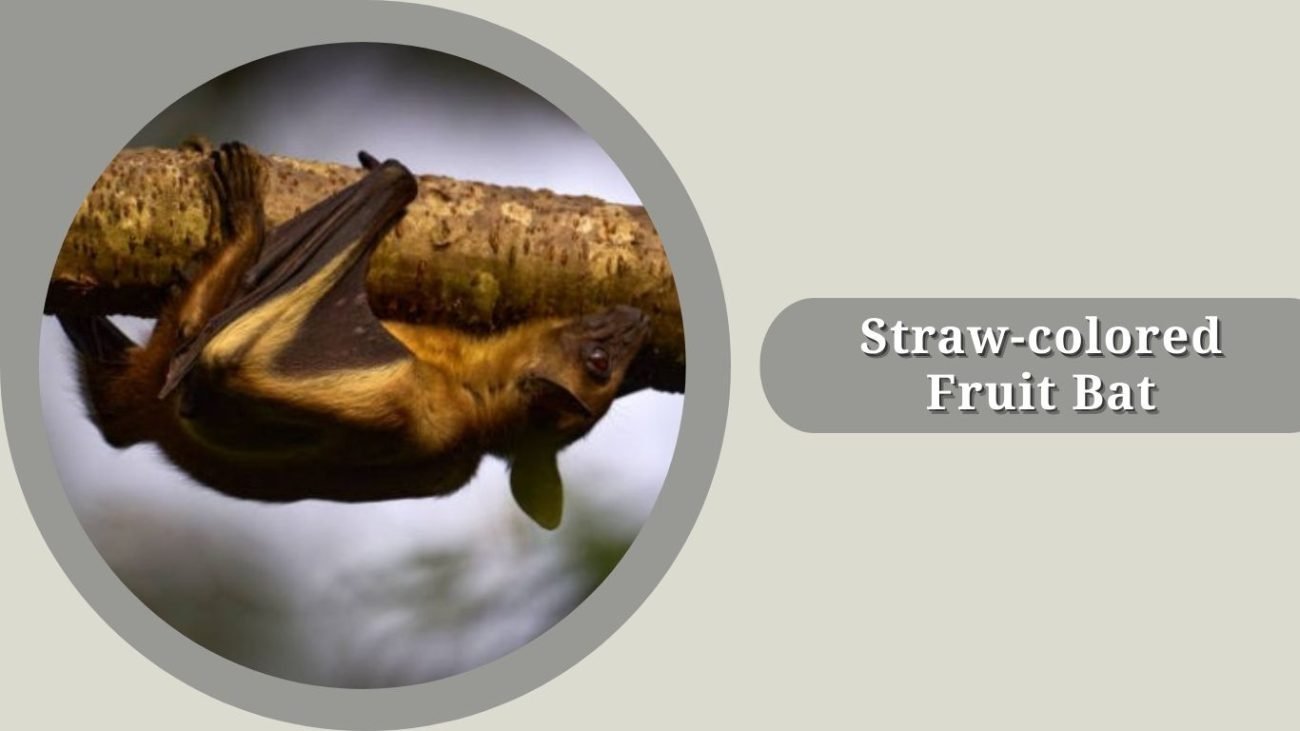
The straw-colored fruit bat is one of the most widespread and migratory fruit bats in Africa. It is named for the pale yellow or straw-colored fur around its neck and shoulders. This bat forms enormous colonies and plays a vital role in pollination and seed dispersal across African ecosystems.
Identification
- Medium to large bat with a long wingspan
- Distinct pale yellow or straw-colored fur on neck and chest
- Dark brown to black wings and back
- Fox-like face with large eyes
- Strong claws for hanging in trees
Habitat
Straw-colored fruit bats inhabit forests, savannas, mangroves, and urban areas. They often roost in massive colonies in tall trees, especially near rivers, parks, and fruiting trees. Seasonal migrations may cover hundreds or even thousands of kilometers.
Behaviors
This species is highly social and extremely vocal, forming colonies that may contain hundreds of thousands or even millions of bats. At dusk, they leave the roost in long streams to forage. They are strong fliers and capable of long-distance travel.
Diet
Their diet consists mainly of fruits such as figs, mangoes, guavas, and bananas, along with nectar and blossoms. By carrying fruit far from the parent tree, they are major contributors to forest regeneration.
Lifecycle
Females usually give birth to one pup per year. The baby clings to the mother at first and later stays in the roost while she forages. As it matures, it learns to fly and feed independently over several months.
13. Hammer-headed Bat (Hypsignathus monstrosus)
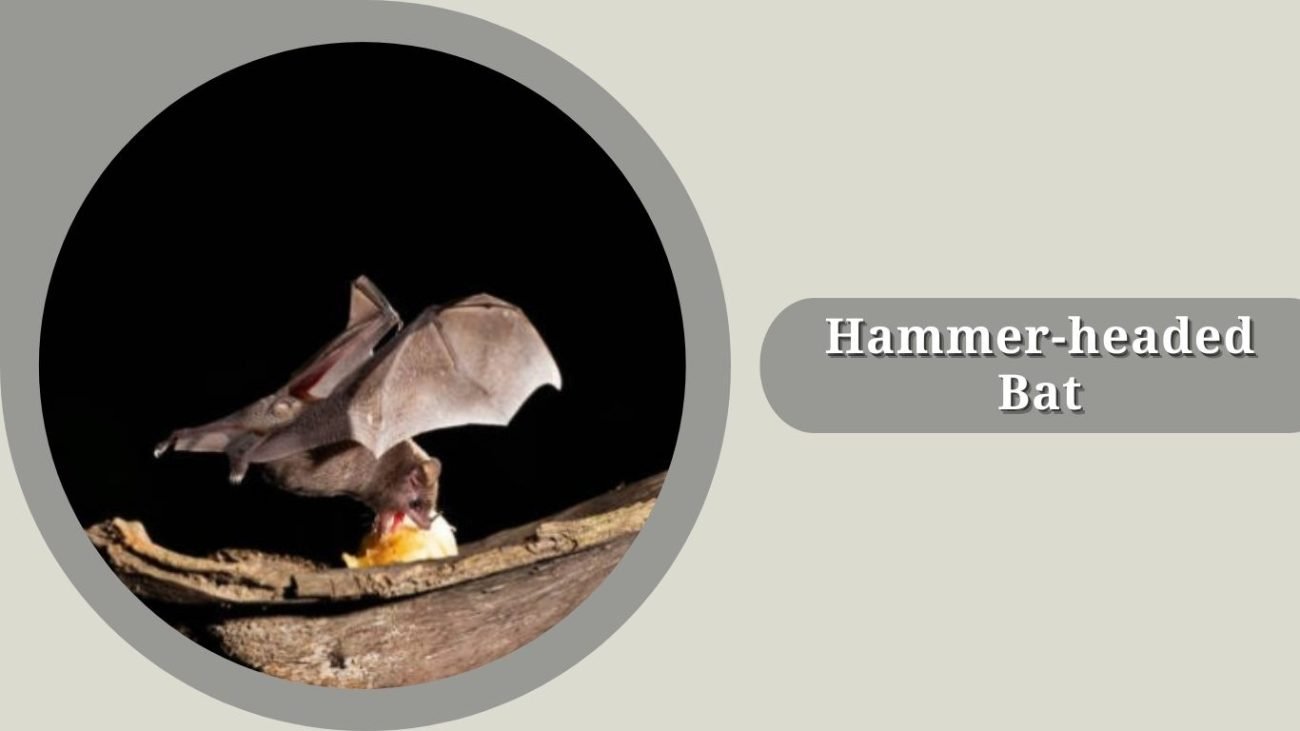
The hammer-headed bat is one of the most unusual-looking bats in the world, famous for the large, box-shaped head of adult males. Native to Central and West Africa, this fruit bat lives in dense rainforests and is well known for its loud calls and dramatic courtship displays.
Identification
- Large fruit bat with a wingspan up to about 1 meter
- Males have an enlarged, hammer-shaped head and lips
- Females are smaller with a more fox-like face
- Brown to gray fur with lighter underparts
- Large eyes adapted for night vision
Habitat
Hammer-headed bats are mainly found in tropical rainforests, swamps, and riverine forests. They roost high in tall trees, often near rivers and fruiting plants, and may form small groups or loose colonies.
Behaviors
This species is famous for its lek mating system. Males gather at traditional sites and call loudly to attract females, producing honking and croaking sounds. They are nocturnal and travel long distances at night to find fruit.
Diet
Hammer-headed bats feed mostly on figs, mangoes, guavas, and other soft fruits. They chew the fruit to extract juice and spit out the pulp, spreading seeds across wide forest areas.
Lifecycle
Females usually give birth to a single pup. The young bat clings to its mother for the first weeks of life and later stays at the roost while she feeds. Over time, it develops flight skills and becomes independent.
14. Hoary Bat (Lasiurus cinereus)
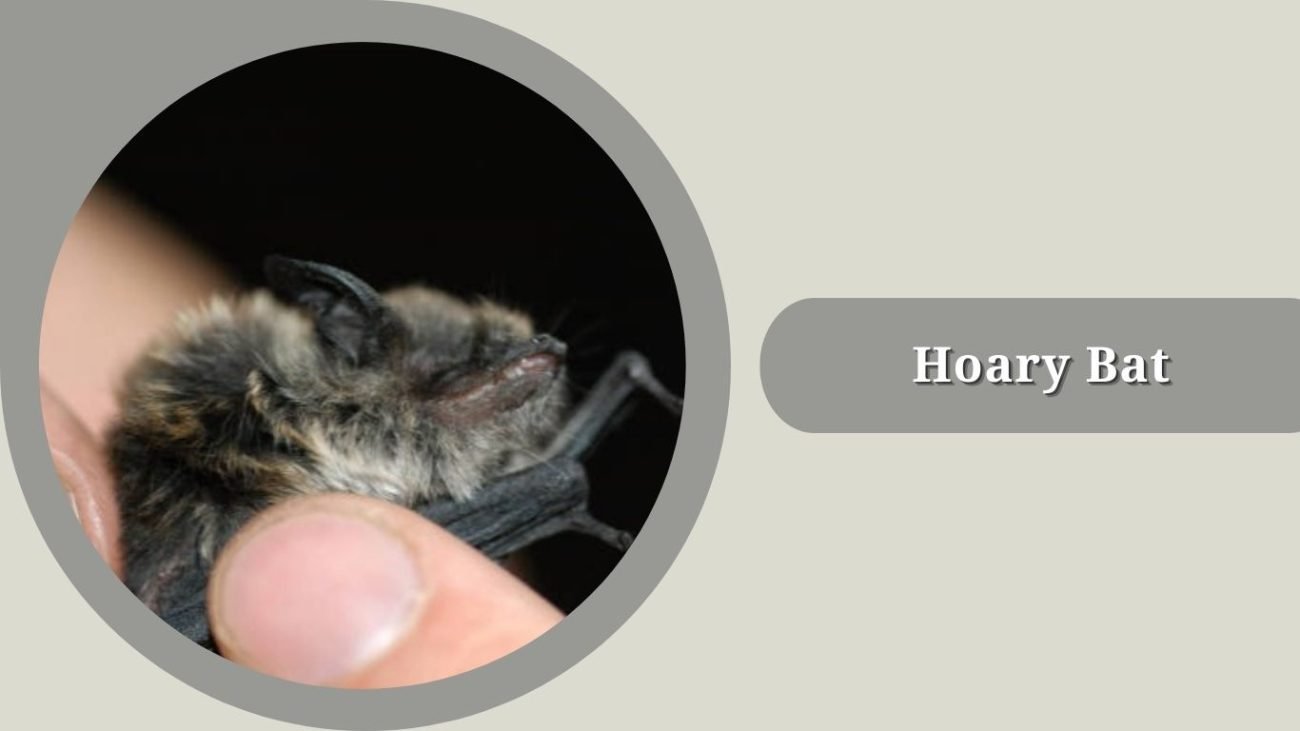
The hoary bat is one of the largest and most widespread bats in the Americas and is also found in parts of Hawaii and the Galápagos Islands. It is easily recognized by its frosted appearance, created by white-tipped fur. This solitary bat is a powerful flier and a long-distance migrant.
Identification
- Large bat with thick, long fur
- Dark brown fur heavily tipped with white, giving a frosted look
- Yellowish collar on the neck and shoulders
- Broad wings adapted for fast, strong flight
- Tail membrane densely furred
Habitat
Hoary bats inhabit forests, woodlands, and tree-lined open areas. They usually roost alone in foliage high in trees, blending in with leaves and branches. During migration, they may pass through urban and coastal areas.
Behaviors
This species is mostly solitary and becomes active later in the evening. It flies high and fast in open spaces, often along forest edges. Hoary bats migrate long distances between summer breeding grounds and wintering areas.
Diet
Hoary bats feed mainly on moths, beetles, grasshoppers, and other large night-flying insects. They often hunt high above the ground, catching insects in flight using powerful wing strokes.
Lifecycle
Mating occurs in autumn, but fertilization is delayed until spring. Females usually give birth to twins, and sometimes triplets, in early summer. Young bats grow quickly and become independent after several weeks.
15. Eastern Red Bat (Lasiurus borealis)
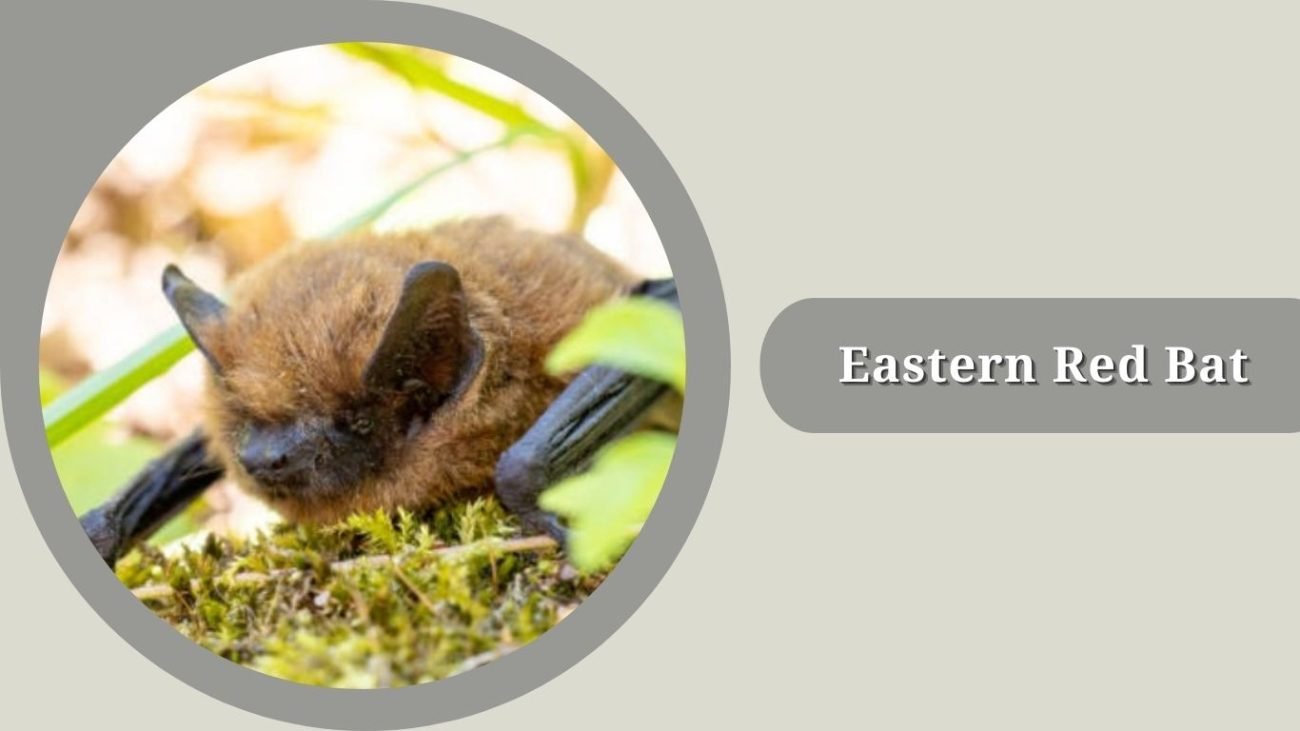
The eastern red bat is a strikingly colored bat known for its bright reddish fur and fluffy appearance. It is commonly found in eastern North America and is often seen flying alone rather than in large groups. This bat typically roosts in trees and blends in well with dead leaves.
Identification
- Medium-sized bat with long, soft fur
- Fur color ranges from orange-red to brick red
- White-tipped hairs give a frosted look
- Fully furred tail membrane
- Short, rounded ears
Habitat
Eastern red bats prefer deciduous forests, woodlands, orchards, and tree-lined suburban areas. They usually roost alone in foliage, hanging from branches where their coloring provides excellent camouflage.
Behaviors
This species is solitary and emerges early in the evening. It flies in looping, fluttering patterns along forest edges and over clearings. Eastern red bats are migratory and travel southward in winter.
Diet
Their diet mainly consists of moths, beetles, leafhoppers, and other flying insects. They often hunt around trees and lights where insects are abundant.
Lifecycle
Mating occurs in autumn, with delayed fertilization until spring. Females typically give birth to two to four pups in late spring or early summer. The young develop rapidly and begin flying within about a month.
16. Silver-haired Bat (Lasionycteris noctivagans)
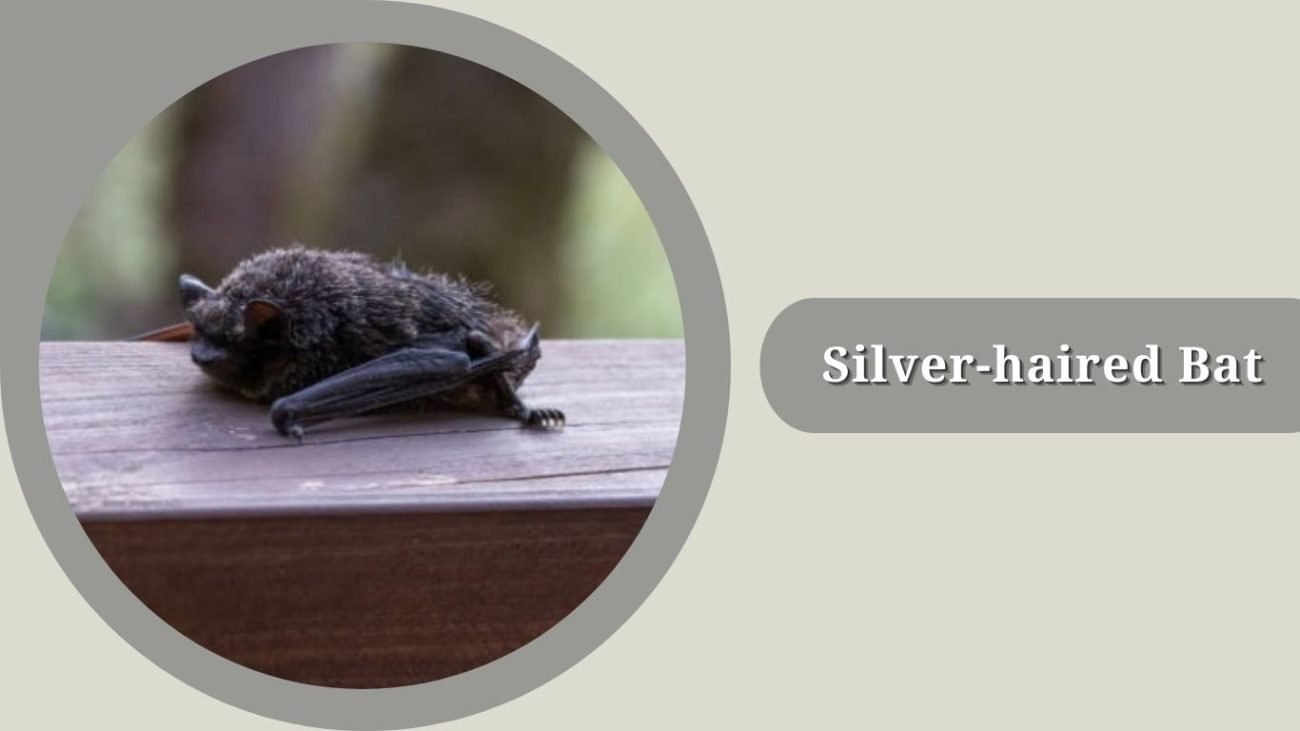
The silver-haired bat is a medium-sized bat known for its dark fur tipped with silver, giving it a shimmering appearance. It is found across North America and is especially associated with forests and wooded wetlands. This bat is adaptable and sometimes roosts in buildings during migration.
Identification
- Medium-sized bat with dense, dark fur
- White-tipped hairs create a silver-frosted look
- Black wings with short, rounded tips
- Short ears with a blunt tragus
- Heavily furred tail membrane
Habitat
Silver-haired bats inhabit coniferous and mixed forests, especially near lakes, streams, and swamps. They usually roost in tree cavities, behind loose bark, and sometimes in buildings during seasonal movements.
Behaviors
This species flies slowly and low, often close to vegetation or water. It is mostly solitary and migratory, traveling between northern breeding areas and southern wintering grounds.
Diet
Their diet consists mainly of soft-bodied insects such as moths, flies, mosquitoes, and beetles. They often forage near water and forest edges where insects are plentiful.
Lifecycle
Mating takes place in late summer or fall, with fertilization delayed until spring. Females usually give birth to two pups in early summer. Young bats mature quickly and can fly within a few weeks.
17. Townsend’s Big-eared Bat (Corynorhinus townsendii)
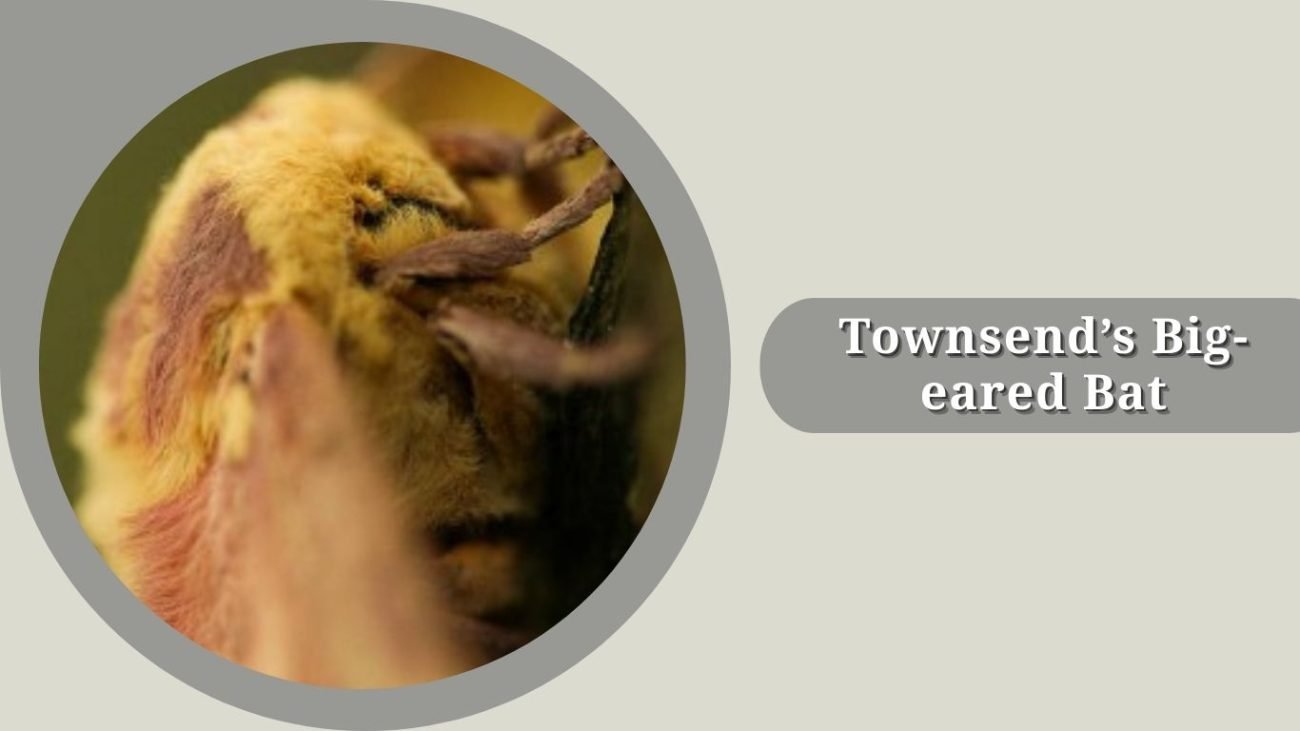
Townsend’s big-eared bat is a distinctive species known for its extremely long, flexible ears. Native to North and Central America, this bat prefers quiet, undisturbed roosts and is often associated with caves and abandoned buildings.
Identification
- Medium-sized bat with very long ears that can reach the length of its body
- Large facial glands forming noticeable lumps on the nose
- Soft gray to brown fur with paler underparts
- Short, broad wings for slow, maneuverable flight
- Ears often curled back when resting
Habitat
This bat inhabits deserts, forests, grasslands, and mountainous regions. It roosts in caves, old mines, tunnels, and abandoned structures. Maternity colonies usually choose warm, dark, and stable roosting sites.
Behaviors
Townsend’s big-eared bats are gentle, slow fliers that often hover while hunting. They are extremely sensitive to disturbance and may abandon roosts if repeatedly disturbed. Their large ears allow them to hear faint sounds made by insects.
Diet
Their diet mainly consists of moths, beetles, flies, and lacewings. They often capture insects directly from foliage or in mid-air using precise, slow flight.
Lifecycle
Mating occurs in autumn, and females give birth to one pup in late spring or early summer. Young bats grow quickly and usually begin flying within three weeks, becoming independent soon afterward.
18. Pallid Bat (Antrozous pallidus)
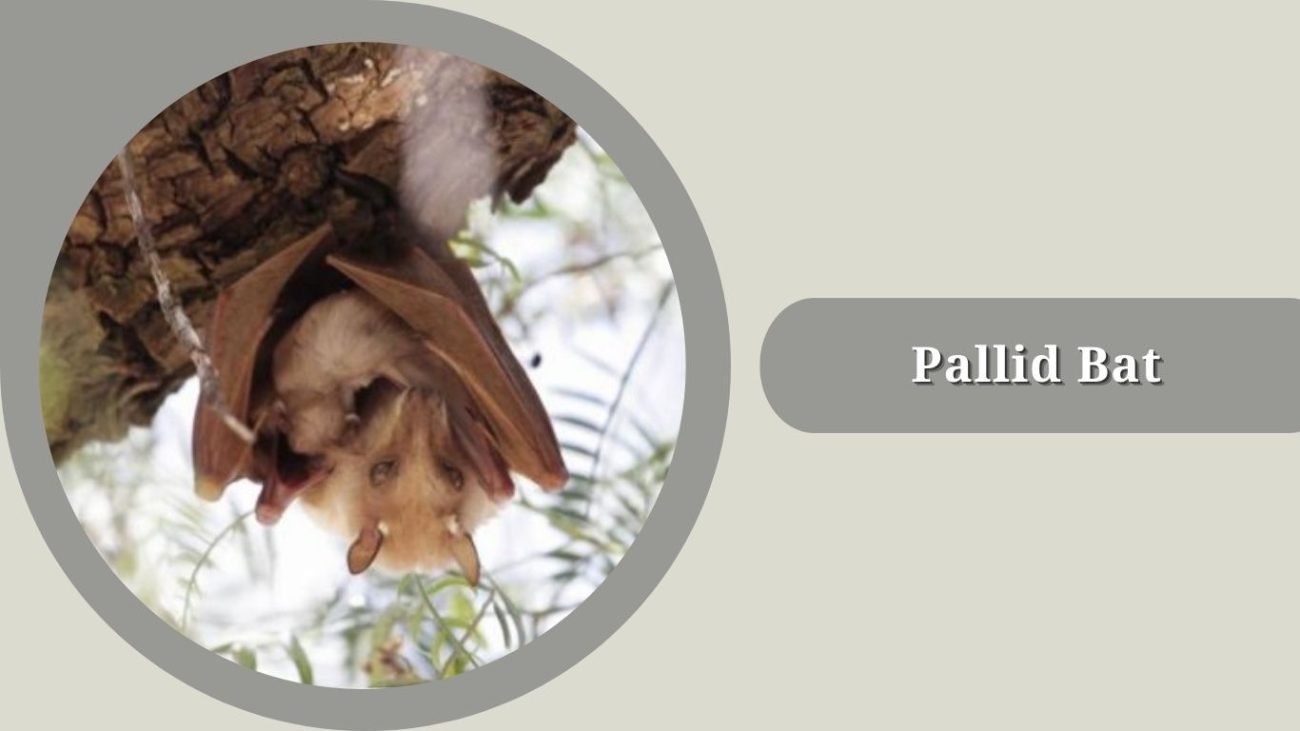
The pallid bat is a pale-colored, desert-adapted bat native to western North America. It is well known for hunting large ground-dwelling insects and even small scorpions. Unlike many bats, it often listens for prey sounds rather than relying only on echolocation.
Identification
- Medium to large bat with very pale cream to light brown fur
- Large ears and eyes
- Long, pointed face
- Broad wings adapted for slow, low flight
- Strong jaws suited for hard-bodied prey
Habitat
Pallid bats are commonly found in deserts, grasslands, rocky canyons, and open woodlands. They roost in rock crevices, cliffs, caves, and buildings, often choosing warm, dry locations.
Behaviors
This species flies low to the ground and frequently lands to capture prey. It can tolerate scorpion venom and removes the stinger before eating. Pallid bats often hunt by passive listening, detecting the movements of insects.
Diet
Their diet includes beetles, crickets, grasshoppers, centipedes, scorpions, and occasionally small vertebrates. They often carry prey to a feeding perch before consuming it.
Lifecycle
Mating occurs in fall, and females usually give birth to one or two pups in late spring or early summer. Young bats are raised in maternity colonies and become independent after several weeks.
19. Spectral Bat (Vampyrum spectrum)
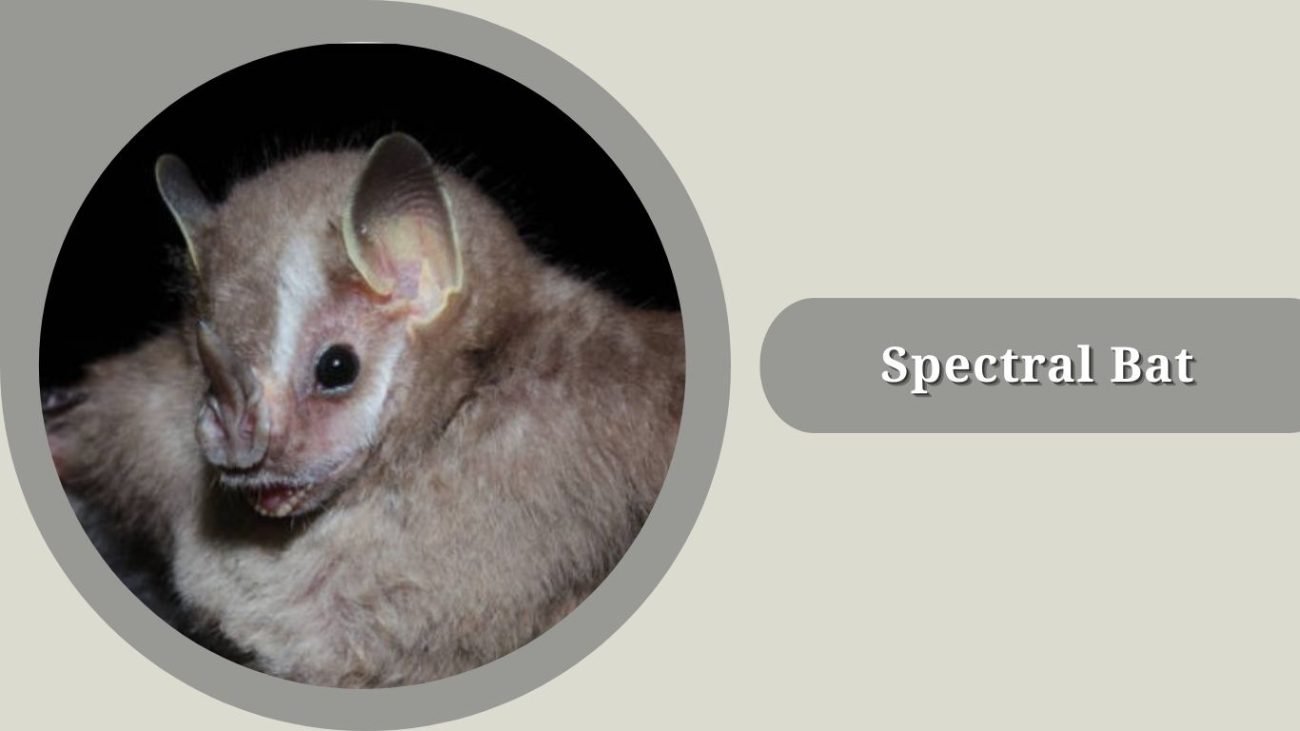
The spectral bat is the largest carnivorous bat in the world and one of the most powerful bat species. Native to Central and South America, it is a rare and secretive bat that hunts not only insects but also small animals, including birds and rodents.
Identification
- Very large bat with a wingspan that can exceed 1 meter
- Strong, elongated muzzle with large canine teeth
- Pale brown to grayish fur
- Broad wings and large ears
- Powerful legs and claws for gripping prey
Habitat
Spectral bats inhabit tropical rainforests, lowland forests, and mature woodland areas. They roost in hollow trees, caves, and occasionally abandoned buildings, often in secluded and undisturbed locations.
Behaviors
This species is nocturnal and usually hunts alone or in pairs. It often waits on a perch and launches surprise attacks on prey. Spectral bats are quiet fliers, allowing them to approach animals without being detected.
Diet
Their diet includes large insects, small birds, mice, other bats, and lizards. They use their strong jaws to quickly kill prey before carrying it to a feeding site.
Lifecycle
Females usually give birth to one pup, which is raised slowly compared to insect-eating bats. Parents may cooperate in caring for the young, and the pup remains dependent for several months.
20. Bulldog Bat (Noctilio leporinus)
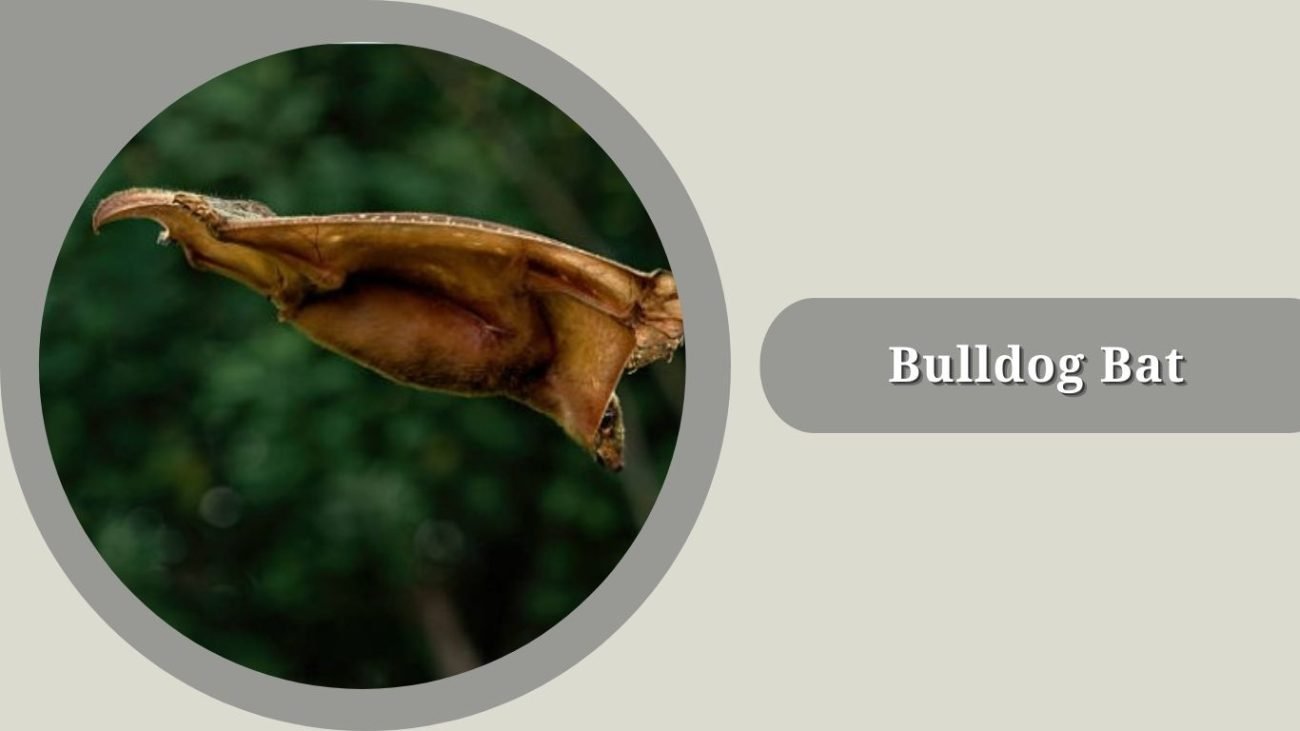
The bulldog bat, also known as the greater fishing bat, is famous for its fishing behavior. Native to Central and South America, this bat skims over water surfaces to catch fish with its long claws. It is one of the largest insect- and fish-eating bats in the Americas.
Identification
- Large bat with long, narrow wings
- Strong hind legs with elongated claws
- Wrinkled lips giving a “bulldog” facial look
- Orange-brown to gray fur
- Broad feet adapted for catching prey from water
Habitat
Bulldog bats live near rivers, lakes, mangroves, and coastal lagoons. They roost in hollow trees, caves, and rock crevices, usually close to calm bodies of water where fish are abundant.
Behaviors
This species hunts by flying low over water, dragging its feet across the surface to detect fish movements. When prey is detected, it quickly scoops the fish into its mouth. Bulldog bats often forage in small groups.
Diet
Their diet consists mainly of small fish, along with aquatic insects and crustaceans. They are highly specialized hunters, using echolocation to detect ripples on the water surface.
Lifecycle
Females usually give birth to one pup each year. Maternity colonies form in warm roosts where mothers raise their young. Juveniles learn to fly first, then gradually develop fishing skills over time.
21. Greater Mouse-eared Bat (Myotis myotis)
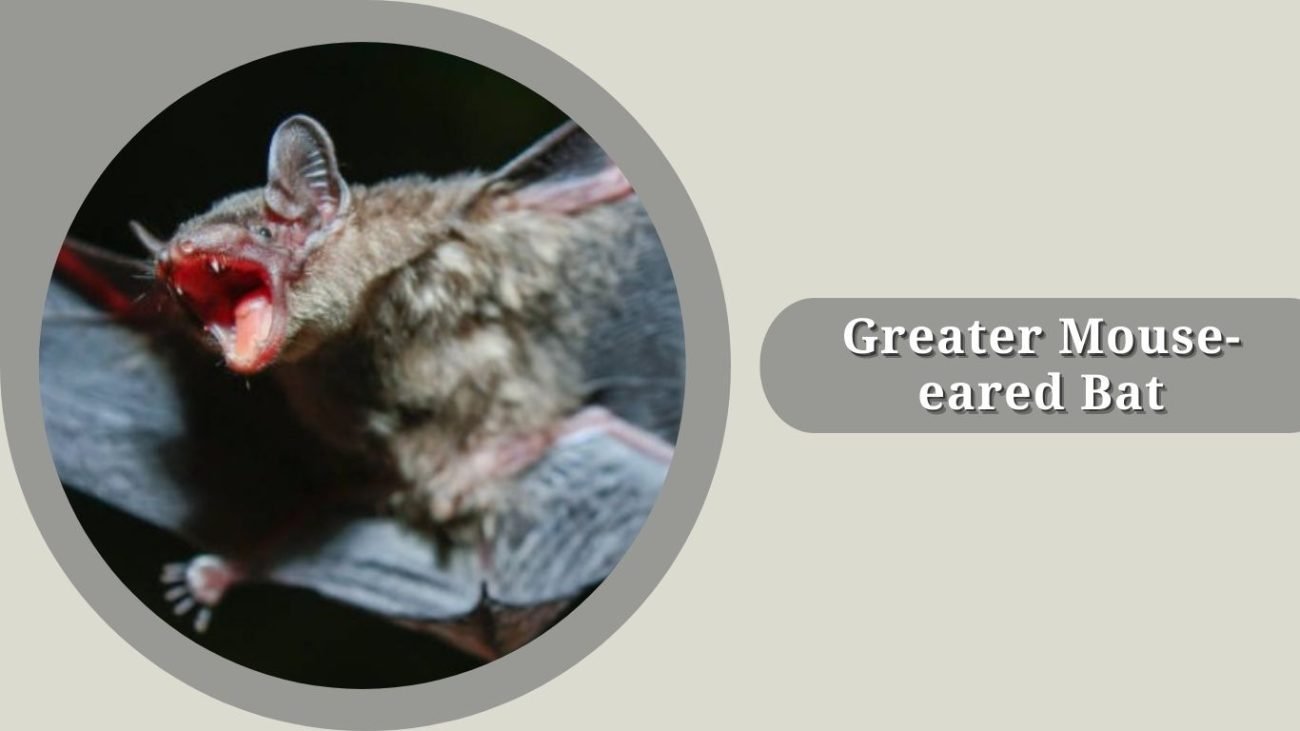
The greater mouse-eared bat is one of the largest bats in Europe and is well known for its preference for hunting insects on the ground. With its broad wings and strong body, it is adapted for slow, controlled flight and precise prey capture.
Identification
- Large bat with broad wings and a heavy body
- Fur is gray-brown on the back and pale underneath
- Large ears and a pinkish face
- Long whiskers around the muzzle
- Strong feet used for grabbing prey
Habitat
This species inhabits forests, farmland, caves, and rural landscapes across southern and central Europe. It roosts mainly in caves, underground tunnels, and large old buildings. Maternity colonies often occupy warm attics and church roofs.
Behaviors
Greater mouse-eared bats often fly low over the ground, listening for insect movements. They frequently land to seize prey and may carry it to a feeding perch. This bat is sensitive to disturbance and depends on traditional roosting sites.
Diet
Their diet consists mainly of beetles, ground-dwelling insects, spiders, and caterpillars. They rely heavily on passive listening to locate prey rather than echolocation alone.
Lifecycle
Mating occurs in autumn, and females give birth to a single pup in early summer. Young bats grow quickly and usually begin flying after about four weeks, gradually learning to forage independently.
22. Ghost Bat (Macroderma gigas)
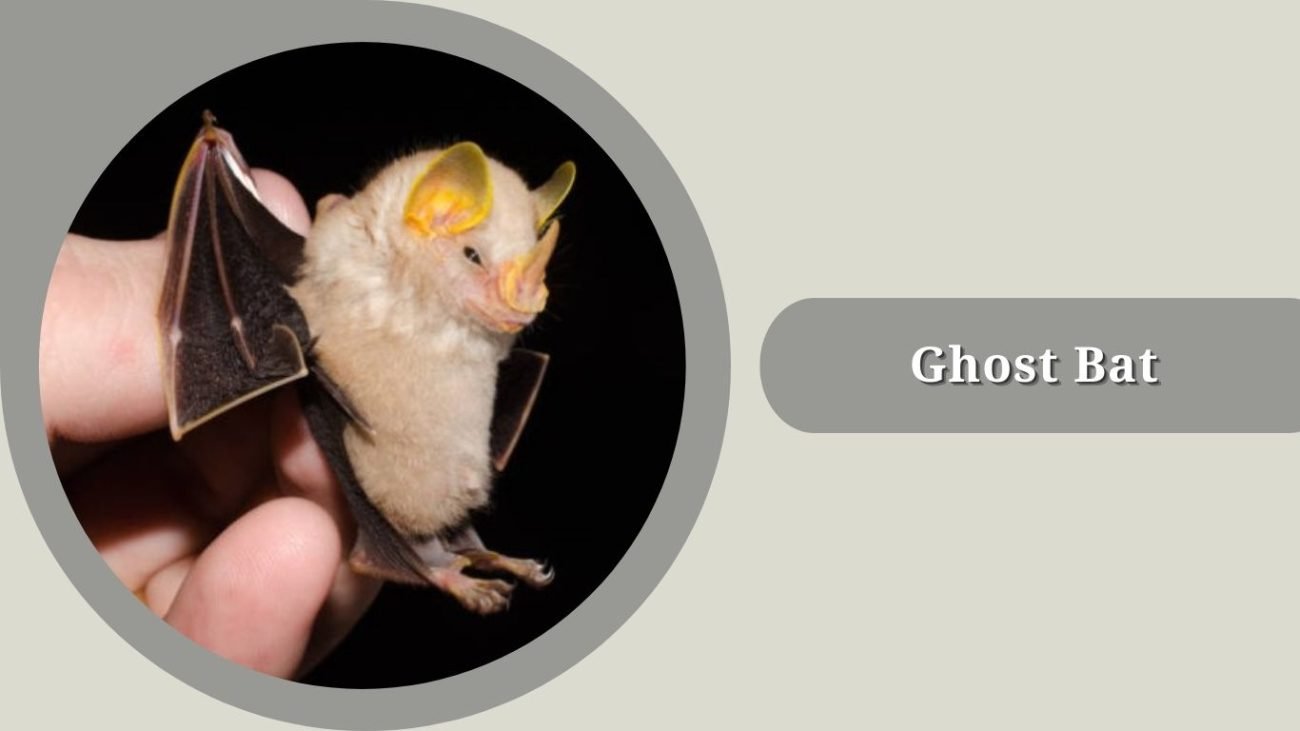
The ghost bat is Australia’s largest carnivorous bat and one of the most distinctive species in the world. It gets its name from its pale, almost translucent appearance. This powerful hunter feeds on insects and small vertebrates and is considered a top nocturnal predator in its habitat.
Identification
- Large bat with very pale gray to whitish fur
- Long, broad wings and extremely large ears
- Prominent nose leaf
- Strong jaws and sharp teeth
- Large eyes adapted for low light
Habitat
Ghost bats live in rocky outcrops, caves, old mines, and abandoned buildings across northern and central Australia. They prefer rugged landscapes with cliffs, gorges, and nearby hunting grounds.
Behaviors
This species hunts by listening for prey sounds and making short, powerful flights from a perch. Ghost bats often carry captured prey back to a feeding roost. They roost in colonies and are highly sensitive to disturbance.
Diet
Their diet includes insects, frogs, lizards, birds, mice, and even other bats. They are among the few bats that regularly hunt vertebrate prey.
Lifecycle
Females usually give birth to one pup per year. The young are slow-growing and remain dependent for several months. Both parents may help protect the roost area.
23. Kitti’s Hog-nosed Bat (Bumblebee Bat) (Craseonycteris thonglongyai)
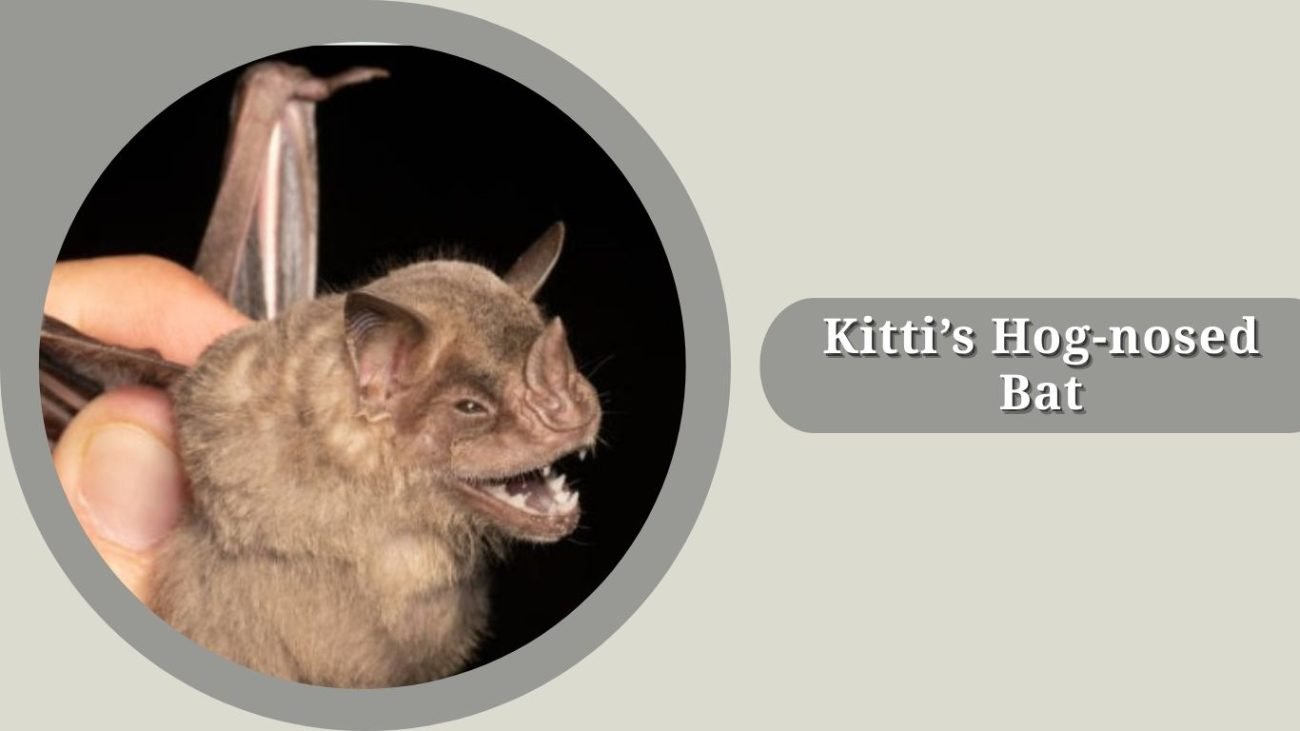
Kitti’s hog-nosed bat, commonly known as the bumblebee bat, is the smallest bat species in the world and one of the smallest mammals overall. Native to Thailand and Myanmar, it is famous for its tiny size and pig-like snout.
Identification
- Extremely small bat, about the size of a large bumblebee
- Reddish-brown to gray fur
- Short, pig-like nose without a nose leaf
- Large ears compared to body size
- Short, broad wings
Habitat
This bat lives mainly in limestone caves near rivers and forested areas. It prefers warm, stable cave environments and usually roosts in small groups rather than massive colonies.
Behaviors
Bumblebee bats emerge at dusk and fly close to vegetation while hunting. They are agile fliers and often hover briefly to catch insects. During the day, they roost deep inside caves to avoid temperature extremes.
Diet
Their diet consists mainly of small flying insects such as flies, moths, and spiders. Despite their size, they are efficient hunters and feed continuously during short nighttime flights.
Lifecycle
Females usually give birth to one pup per year. The young develop slowly and remain dependent for several months before learning to forage independently.
24. Leaf-nosed Bat
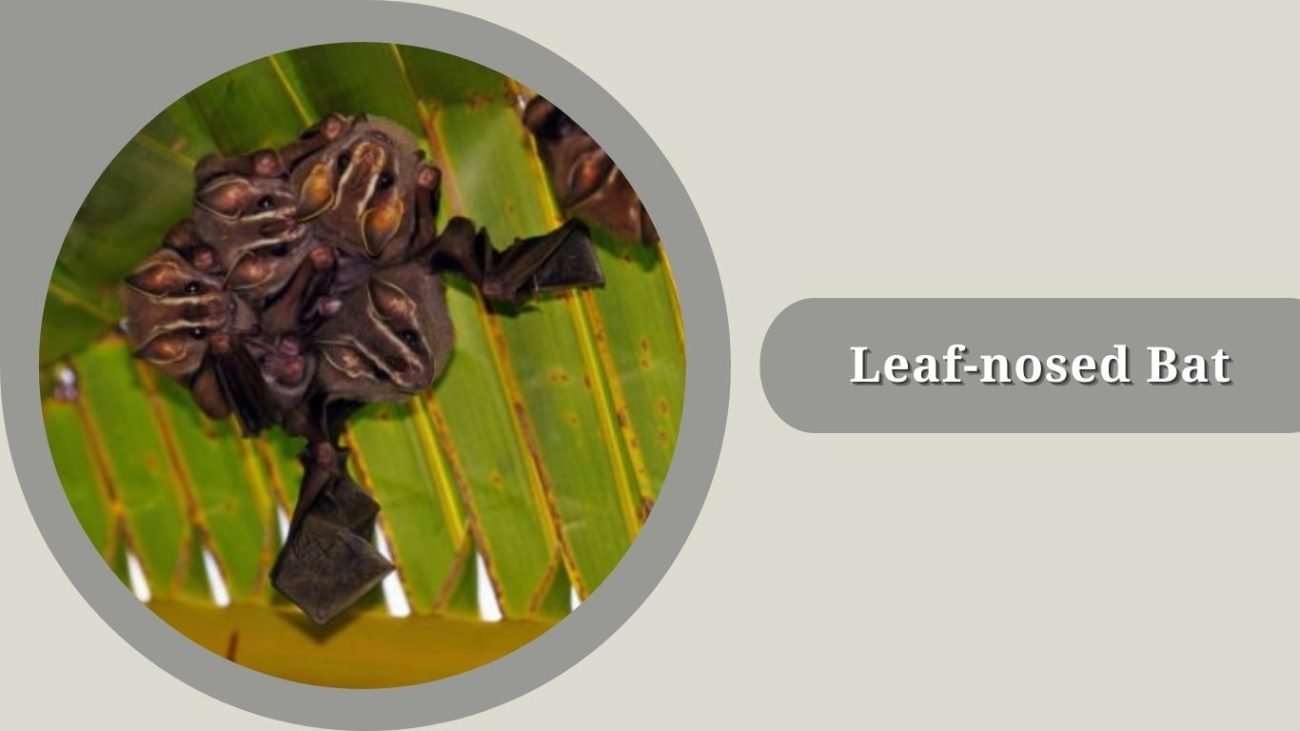
Leaf-nosed bats are a large and diverse group of bats known for the leaf-shaped skin structures on their noses. These nose leaves help direct echolocation calls and are often used in species recognition. Leaf-nosed bats are found mainly in the Americas and parts of Asia and Africa.
Identification
- Distinct leaf-shaped nose structure
- Medium-sized bodies with wide wings
- Fur color varies from gray and brown to reddish
- Large ears in many species
- Complex facial features compared to most bats
Habitat
Leaf-nosed bats inhabit tropical forests, caves, deserts, and woodlands. They roost in caves, hollow trees, rock crevices, and sometimes abandoned buildings. Many species prefer warm, humid environments.
Behaviors
These bats are nocturnal and rely heavily on echolocation. Some species hover to capture insects, while others pick fruit or nectar from plants. Many leaf-nosed bats are highly social and form colonies.
Diet
Depending on the species, leaf-nosed bats may eat insects, fruit, nectar, pollen, or even small vertebrates. This family shows some of the most diverse feeding strategies among bats.
Lifecycle
Most leaf-nosed bats give birth to one pup per year. Maternity colonies form in warm roosts where young bats are raised until they can fly and feed on their own.
25. Greater Short-nosed Fruit Bat (Cynopterus sphinx)
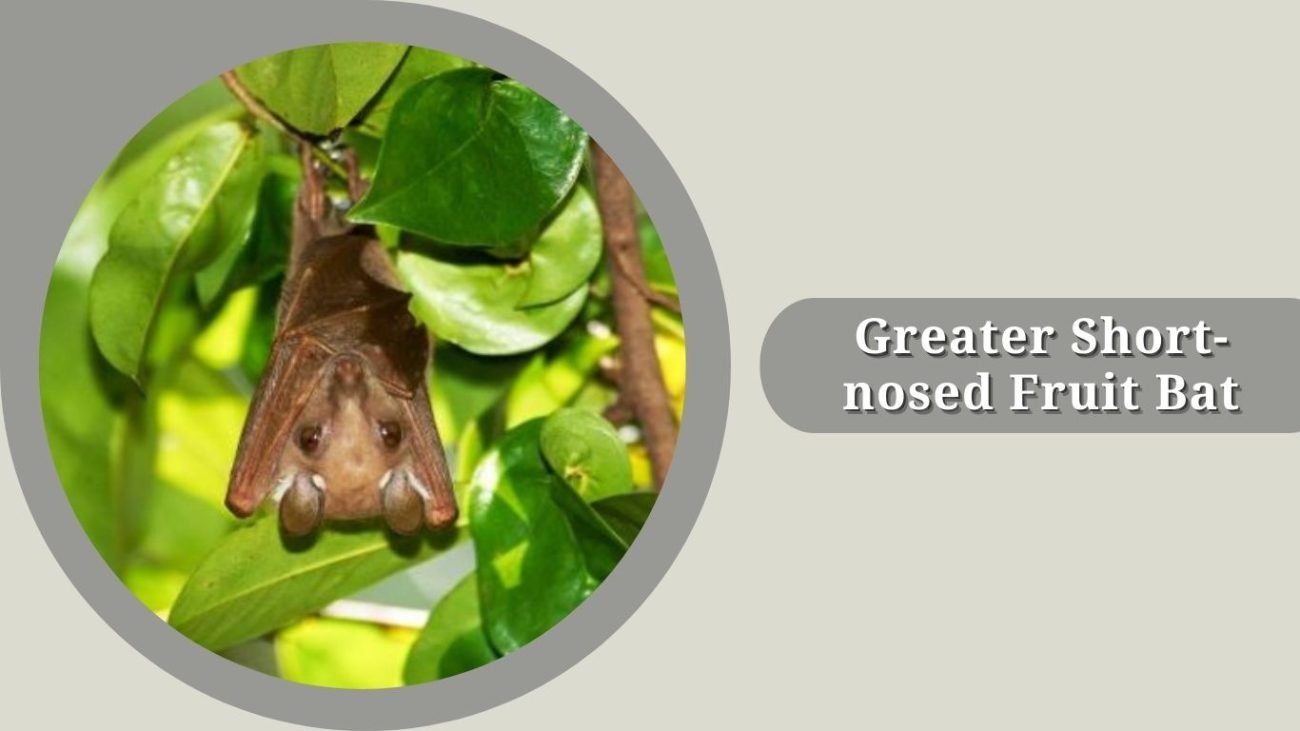
The greater short-nosed fruit bat is a common fruit bat found across South and Southeast Asia. It is well adapted to living close to humans and is often seen in gardens, orchards, and city parks. This bat is an important seed disperser and pollinator in tropical ecosystems.
Identification
- Medium-sized fruit bat with a compact body
- Short, blunt snout with large dark eyes
- Fur is brown to grayish-brown with a paler underside
- Broad wings with strong thumbs
- Males often have a visible scent gland on the neck
Habitat
This species lives in tropical forests, farmland, urban gardens, and plantations. It roosts in trees, palm leaves, caves, and sometimes buildings. Many individuals build tent-like shelters by chewing large leaves and folding them over.
Behaviors
Greater short-nosed fruit bats are nocturnal and social. They often roost in small groups and may aggressively defend feeding areas. Their leaf-tent building behavior is one of their most interesting traits.
Diet
Their diet consists mainly of fruits such as figs, guavas, bananas, and mangoes, along with nectar and flower parts. While feeding, they spread seeds and help pollinate many plant species.
Lifecycle
Females usually give birth to one pup, sometimes two. The young cling to their mothers at first and later stay in roosts while adults forage. Independence is reached after several months.
26. Wrinkle-faced Bat (Centurio senex)
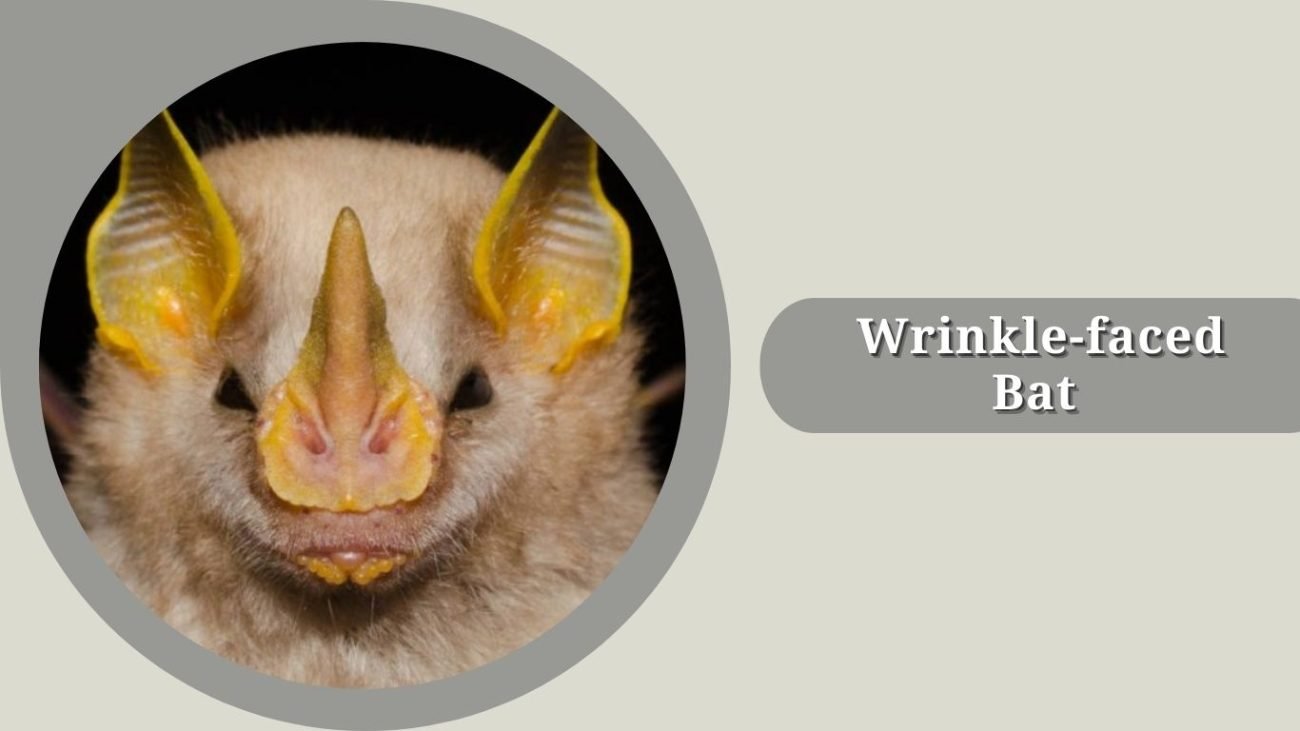
The wrinkle-faced bat is one of the strangest-looking bats in the world, named for the deep folds of skin that cover its face. Native to Central America, this fruit-eating bat is known for its unusual mating behavior and for the facial mask males use during courtship.
Identification
- Small to medium-sized bat with extremely wrinkled facial skin
- Short, broad snout with folded lips
- Yellowish-brown to gray fur
- Short, rounded wings
- Males have a facial skin mask that can be pulled over the face
Habitat
Wrinkle-faced bats inhabit tropical rainforests, forest edges, and plantations. They usually roost in trees, dense foliage, or hollow trunks, often choosing well-hidden and shaded locations.
Behaviors
This species is nocturnal and relatively solitary. Males perform unique courtship displays, sometimes pulling a skin flap over their face while calling to females. They fly slowly and maneuver carefully through forest vegetation.
Diet
Their diet consists mainly of soft fruits such as figs. They chew fruit to extract juice and discard the pulp, helping spread seeds throughout the forest.
Lifecycle
Females usually give birth to a single pup. The young bat clings to its mother during early life and later remains in the roost while she feeds. Over time, it develops flying and foraging skills.
27. Tube-nosed Fruit Bat
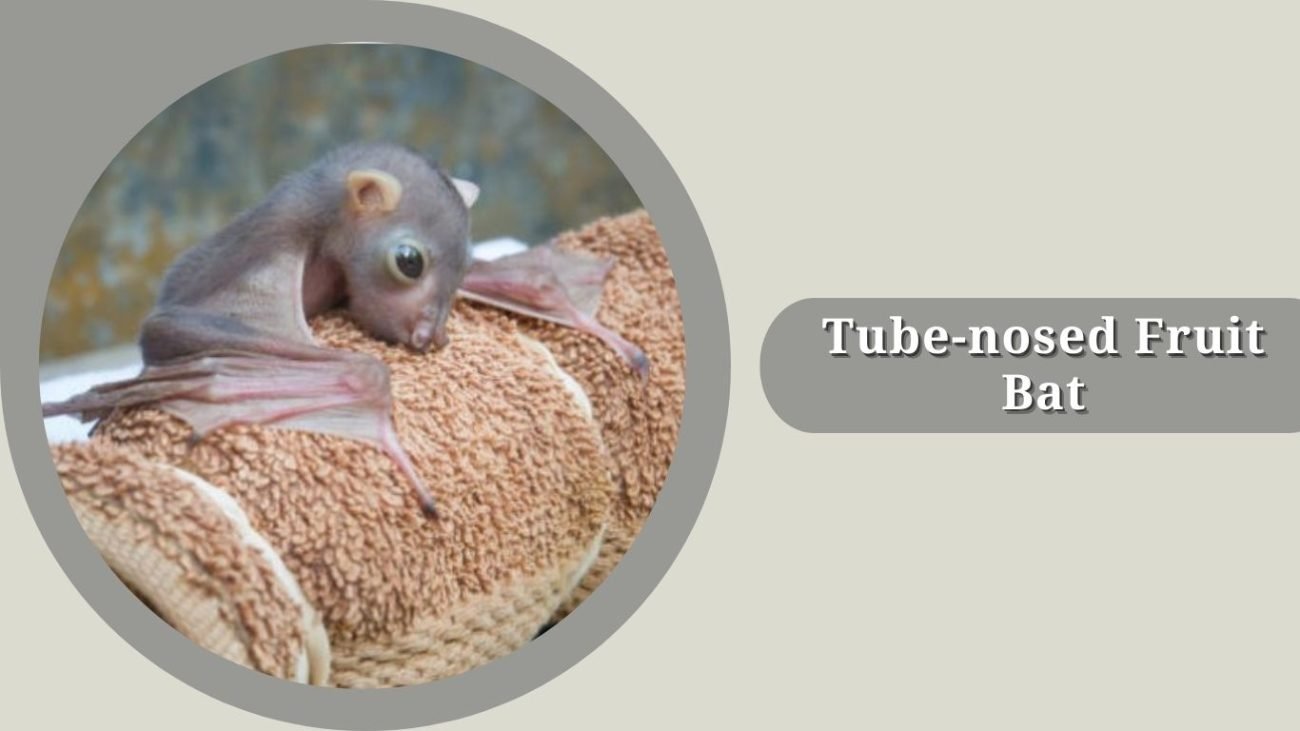
Tube-nosed fruit bats are a unique group of bats named for their tubular nostrils that protrude from the face. They are found mainly in Southeast Asia, New Guinea, and Australia. These bats are forest specialists and play an important role in seed dispersal.
Identification
- Small to medium-sized fruit bats
- Distinct tube-shaped nostrils extending outward
- Large eyes adapted for night vision
- Soft gray, brown, or reddish fur
- Short, rounded wings
Habitat
Tube-nosed fruit bats inhabit tropical rainforests, montane forests, and dense woodland. They roost in foliage, tree hollows, and sometimes in caves, often choosing shaded, humid environments.
Behaviors
These bats are nocturnal and usually forage alone or in small groups. They rely heavily on sight and smell rather than echolocation. During the day, they roost quietly in dense vegetation.
Diet
Their diet consists mostly of fruit, especially figs, along with nectar and pollen. While feeding, they spread seeds across forest areas, supporting plant regeneration.
Lifecycle
Females usually give birth to one pup per year. The young cling to the mother initially and gradually become independent after learning to fly and forage.
28. Greater False Vampire Bat (Megaderma lyra)
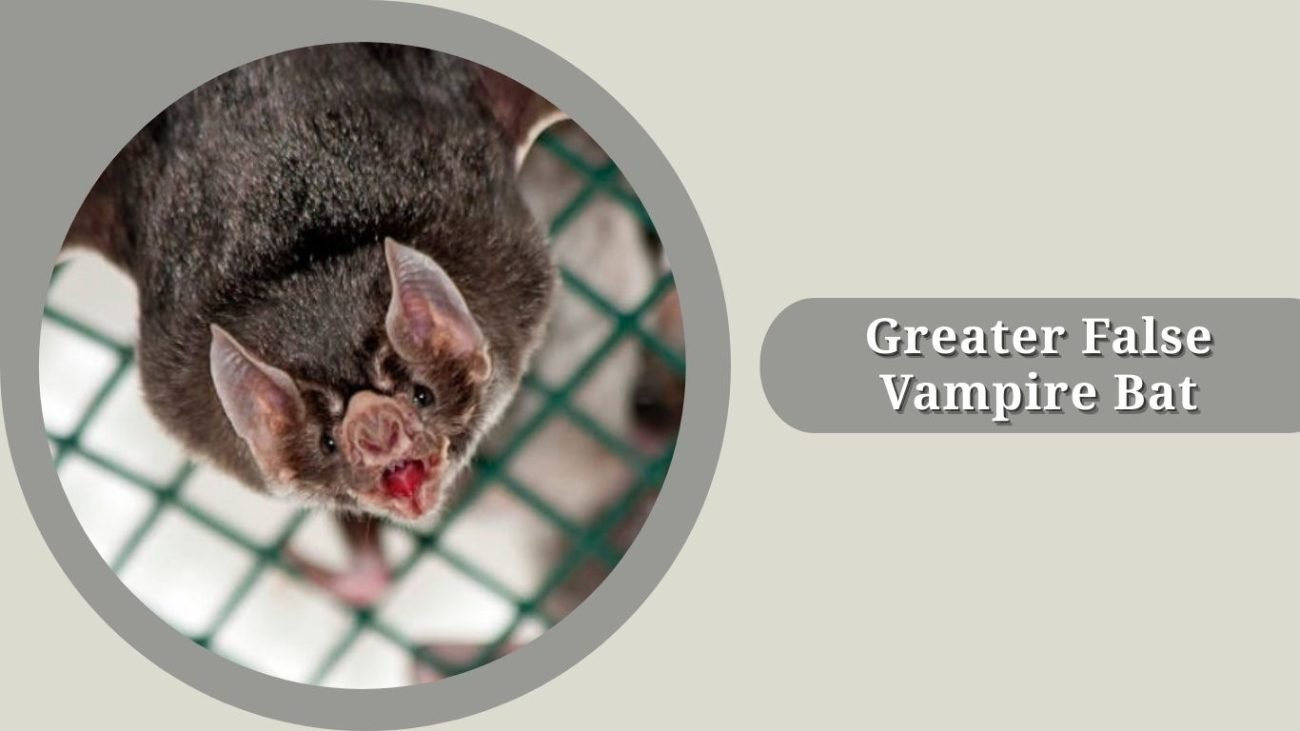
The greater false vampire bat is a carnivorous bat found across South and Southeast Asia. Despite its name, it does not drink blood. Instead, it hunts insects and small animals, using its excellent hearing and powerful jaws to capture prey.
Identification
- Medium-sized bat with very large ears
- Prominent nose leaf
- Grayish-brown fur with a pale underside
- Broad wings adapted for slow, controlled flight
- Strong jaw structure
Habitat
This species inhabits forests, farmland, rocky areas, and caves. It roosts in caves, old buildings, temples, and tree hollows, often choosing dark, undisturbed places.
Behaviors
Greater false vampire bats hunt by listening for prey sounds and making short flights from perches. They often carry prey back to a feeding roost. This species is mostly solitary or found in small groups.
Diet
Their diet includes insects, frogs, lizards, small rodents, and occasionally other bats. They are skilled predators and rely heavily on passive listening.
Lifecycle
Females usually give birth to one pup per year. The young develop slowly and remain dependent on the mother for several months before becoming independent.
29. Long-eared Bat
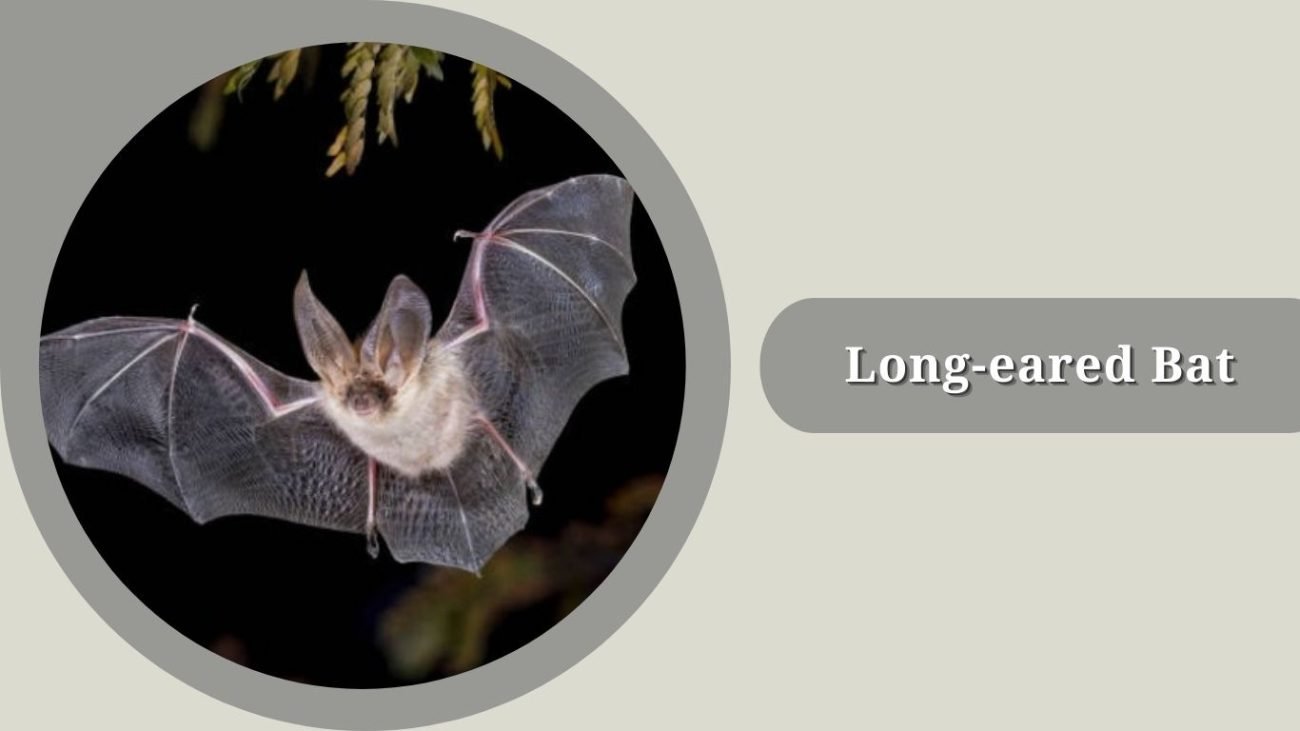
Long-eared bats are named for their noticeably long ears, which are often almost as long as their bodies. Several species are found across Europe, Asia, Africa, and Australia. These bats are excellent listeners and are especially skilled at detecting insects by sound.
Identification
- Very long, narrow ears that may fold back when resting
- Slender body with soft gray or brown fur
- Delicate facial features
- Broad wings suited for slow, maneuverable flight
- Often seen roosting with ears tucked under wings
Habitat
Long-eared bats typically inhabit woodlands, forests, gardens, caves, and old buildings. They roost in tree holes, roof spaces, barns, and caves, preferring quiet and undisturbed shelters close to feeding areas.
Behaviors
These bats fly slowly and quietly, often hovering or making short glides. They rely heavily on their hearing to locate insects resting on leaves or flying nearby. Long-eared bats are usually gentle, shy, and sensitive to disturbance.
Diet
Their diet consists mainly of moths, flies, beetles, and spiders. They frequently pick insects directly from foliage rather than catching them only in midair.
Lifecycle
Mating occurs in late summer or autumn, with females giving birth to one pup in early summer. The young bat learns to fly within a few weeks and becomes independent soon afterward.
30. Fishing Bat (Myotis vivesi)
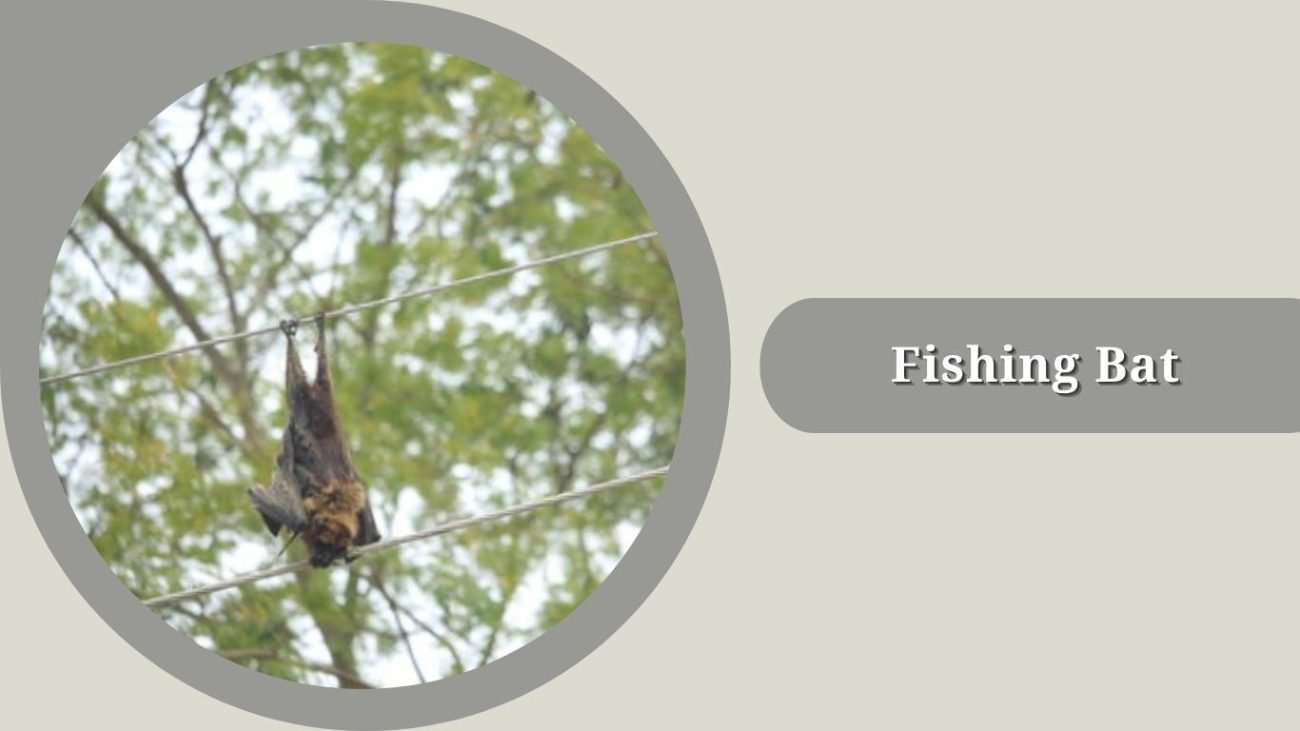
The fishing bat, also known as the fish-eating bat, is a rare and specialized bat found mainly along the Gulf of California in Mexico. It is one of the few bat species in the world that regularly catches fish, using its long feet and sharp claws to scoop prey from the water’s surface.
Identification
- Medium-sized bat with long, narrow wings
- Extra-large hind feet with sharp curved claws
- Dense, dark brown to gray fur
- Short ears and a pointed snout
- Strong legs adapted for trawling over water
Habitat
Fishing bats live along coastlines, rocky shores, islands, and mangrove areas. They roost in rock crevices, caves, and cliffs, usually very close to the sea where fishing opportunities are abundant.
Behaviors
This bat hunts by flying low over calm water, dragging its feet across the surface to detect fish movements. When prey is sensed, it quickly dips its feet to snatch the fish. It is mainly nocturnal and often forages in small groups.
Diet
Their diet consists mostly of small fish, along with aquatic insects and crustaceans. They are highly adapted hunters, using echolocation to detect ripples on the water.
Lifecycle
Females usually give birth to a single pup each year. Maternity colonies form in safe coastal roosts. Young bats first learn to fly and later develop the complex fishing skills needed to survive.
31. Yellow-winged Bat (Lavia frons)
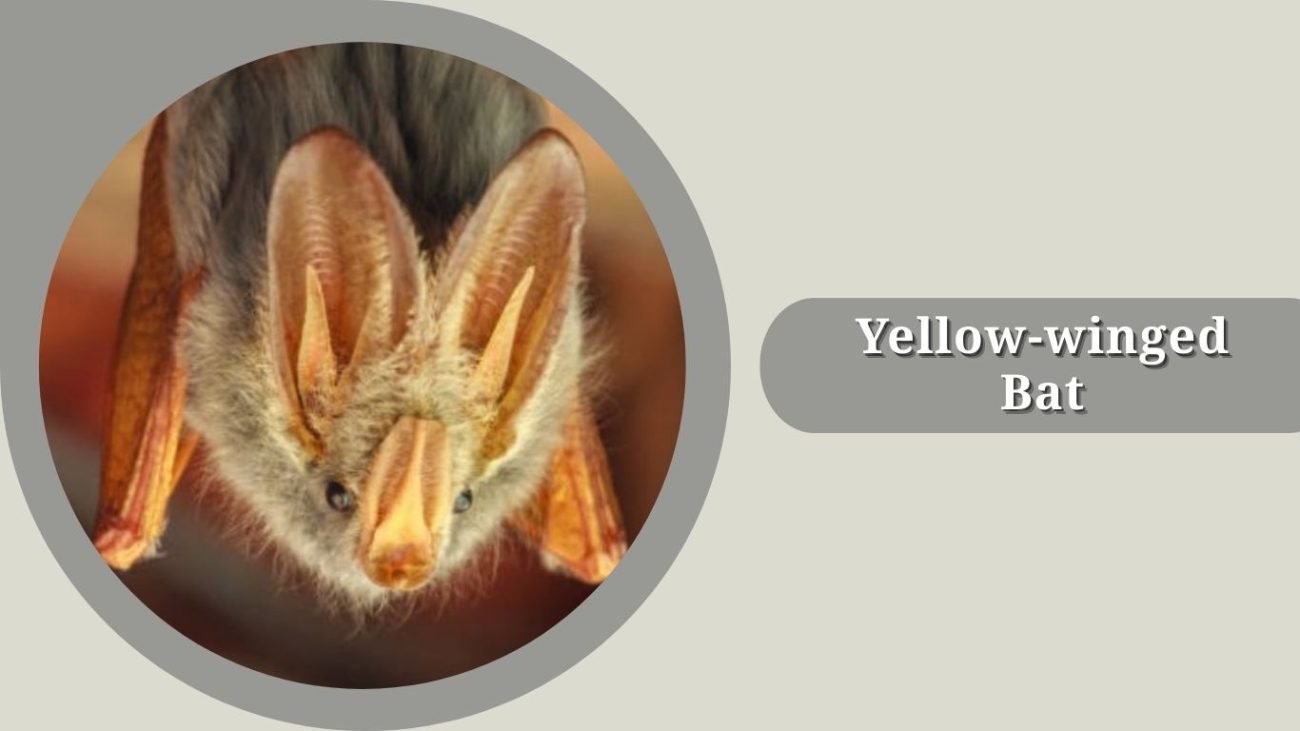
The yellow-winged bat is a striking and colorful bat species native to Africa. It is best known for its bright yellow wings contrasted against a dark body. This bat is relatively small and is often found in open savannas and lightly wooded landscapes.
Identification
- Small bat with bright yellow wing membranes
- Dark brown to black body fur
- Short, rounded ears
- Slender body with narrow wings
- Very noticeable color contrast in flight
Habitat
Yellow-winged bats inhabit savannas, open woodlands, grasslands, and forest edges. They usually roost in small groups on tree branches, under leaves, or in shrubs, often choosing exposed but shaded resting spots.
Behaviors
This species is nocturnal and often roosts in pairs or small family groups. It flies low and slowly, frequently perching between short hunting flights. Yellow-winged bats are relatively quiet and rely on both echolocation and vision.
Diet
Their diet mainly consists of insects such as moths, flies, beetles, and termites. They often hunt near vegetation and open clearings where insects gather.
Lifecycle
Females typically give birth to one pup. The young cling to the mother in early life and gradually learn to fly and forage. Independence is reached after several weeks.
32. Painted Bat (Kerivoula picta)
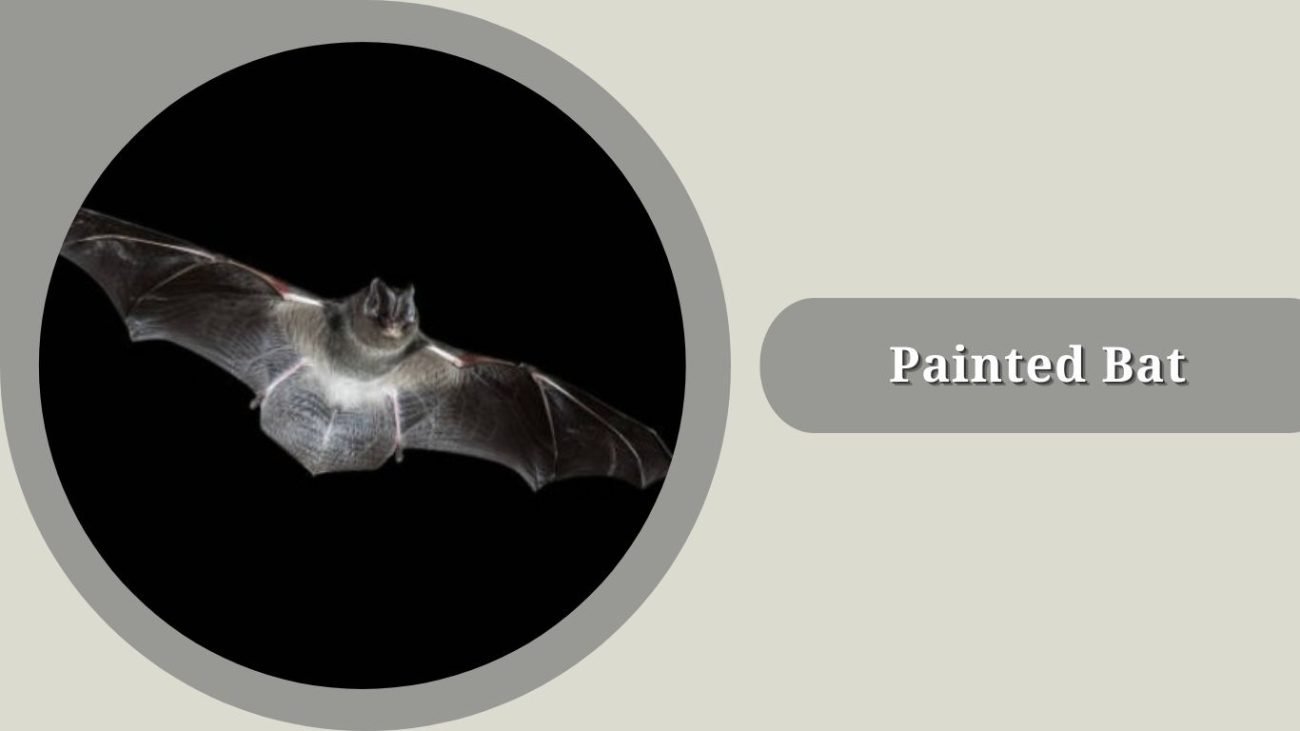
The painted bat is one of the most colorful bat species in the world, often called the “butterfly bat” because of its bright orange and black wings. Native to South and Southeast Asia, this small bat is both delicate in appearance and highly agile in flight.
Identification
- Small bat with bright orange wings marked with black
- Soft reddish-orange body fur
- Large ears compared to head size
- Slender body and narrow wings
- Very striking, butterfly-like coloration
Habitat
Painted bats inhabit tropical forests, bamboo groves, plantations, and gardens. They usually roost in rolled leaves, banana plants, and dense foliage, often well hidden from predators.
Behaviors
This species is nocturnal and emerges shortly after sunset. It flies lightly and erratically, often close to vegetation. During the day, it roosts alone or in small groups, relying on camouflage to avoid detection.
Diet
Their diet consists mainly of small flying insects such as moths, flies, and mosquitoes. They forage near forest edges and open clearings where insects are abundant.
Lifecycle
Females usually give birth to one pup per year. The young bat clings to its mother at first and later stays at the roost while she hunts. It gradually learns to fly and forage independently.
33. Bechstein’s Bat (Myotis bechsteinii)
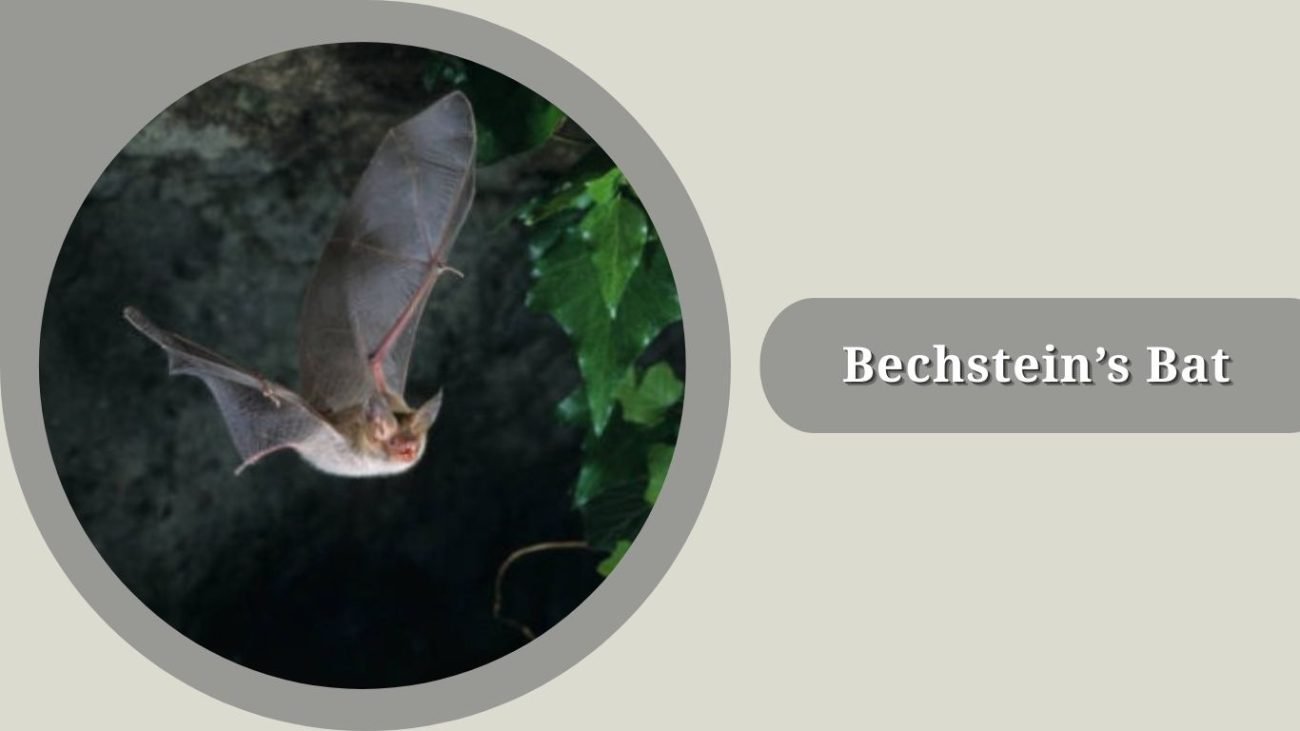
Bechstein’s bat is a forest-dwelling bat native to Europe and is considered an indicator of healthy, mature woodlands. It is shy, slow-flying, and highly dependent on old trees with natural cavities for roosting.
Identification
- Medium-sized bat with very long, broad ears
- Soft reddish-brown fur with a pale underside
- Pink face and long tragus
- Broad wings adapted for slow, maneuverable flight
- Large eyes relative to head size
Habitat
This species prefers deciduous forests, especially oak and beech woodlands. It roosts in tree holes, old woodpecker cavities, and bat boxes. Colonies often switch roosts frequently within the same forest.
Behaviors
Bechstein’s bats are highly forest-dependent and rarely travel far from woodland habitats. They forage close to vegetation, often hovering or making short flights between branches. They are sensitive to habitat loss and forest disturbance.
Diet
Their diet mainly includes moths, beetles, flies, and spiders. They often glean insects from leaves and bark rather than catching them only in flight.
Lifecycle
Mating occurs in autumn, and females usually give birth to one pup in early summer. Young bats begin flying after about four weeks and stay with maternity colonies until independence.
34. Disk-winged Bat (Thyroptera tricolor)
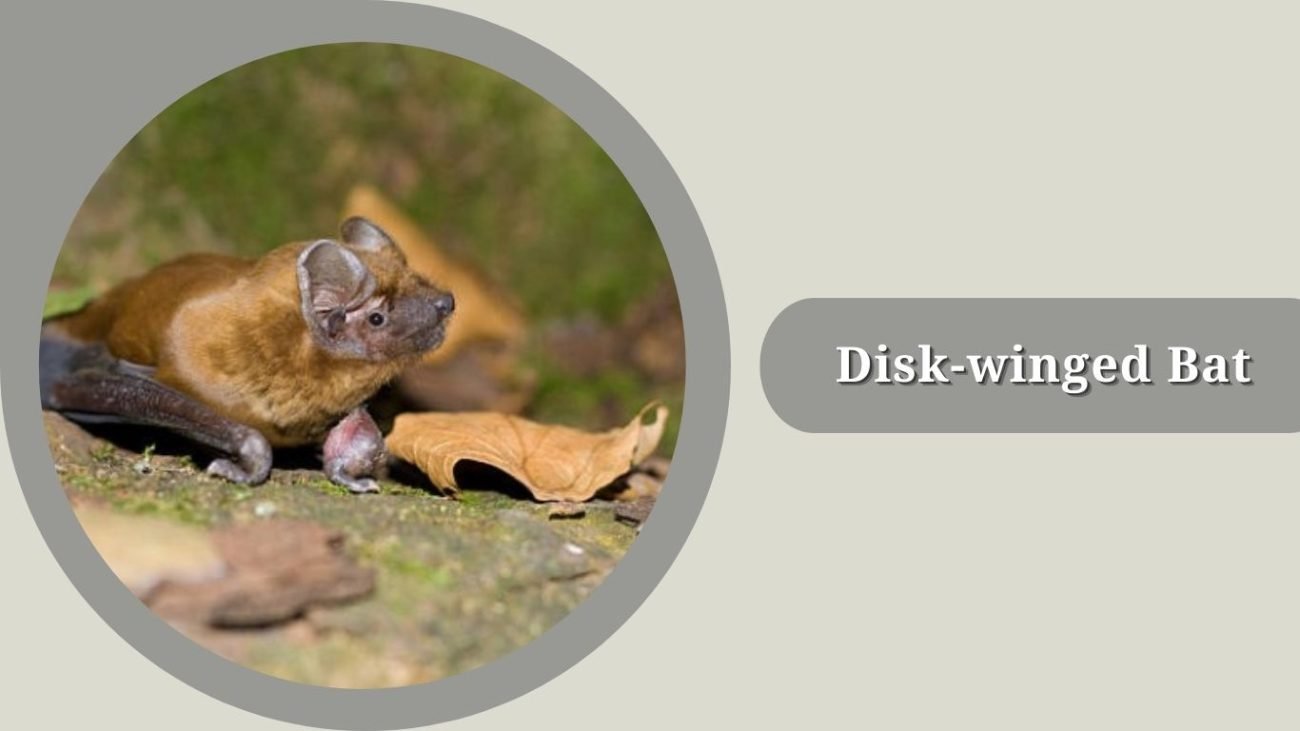
The disk-winged bat is a small, highly specialized bat best known for the suction cups on its thumbs and feet. These adhesive disks allow it to cling to smooth surfaces such as the inside of rolled leaves. It is found mainly in Central and South American rainforests.
Identification
- Small bat with suction-cup–like disks on thumbs and feet
- Soft brown to gray fur
- Slender body with narrow wings
- Short ears and pointed snout
- Lightweight, delicate appearance
Habitat
Disk-winged bats live in tropical rainforests, forest edges, and plantations. They roost almost exclusively inside young, rolled leaves of plants like heliconia and banana, which provide smooth surfaces for attachment.
Behaviors
This species is nocturnal and highly dependent on suitable roost plants. It often switches roosts as leaves unfurl. Disk-winged bats live in small social groups and use special calls to locate suitable roosting leaves.
Diet
Their diet consists mainly of small flying insects such as flies, mosquitoes, and moths. They hunt close to vegetation, using agile, controlled flight.
Lifecycle
Females usually give birth to one pup. The young bat clings to its mother at first and later attaches to the inside of leaves. It gradually develops flight and foraging skills over several weeks.
35. Woolly Bat (Kerivoula papillosa)
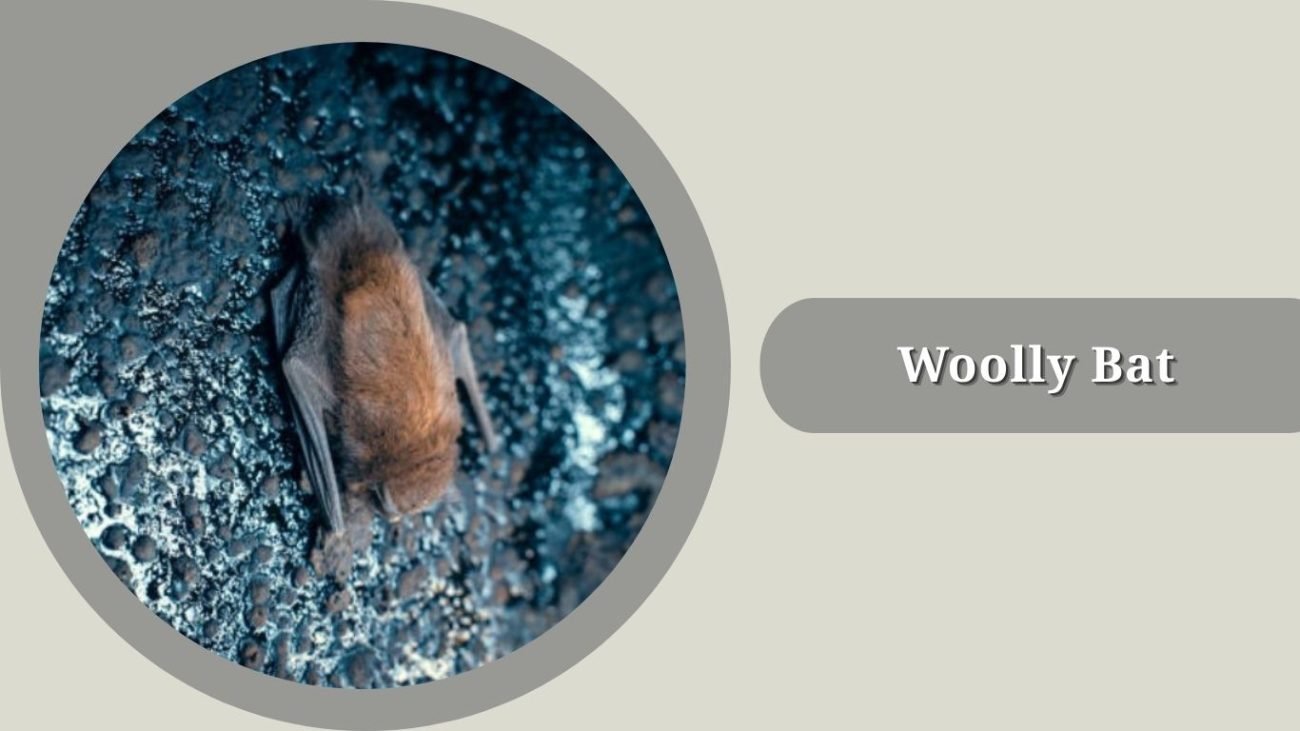
The woolly bat is a small, forest-dwelling bat known for its long, soft, wool-like fur. It is found across South and Southeast Asia and is often associated with dense tropical forests. This bat is well adapted for maneuvering through thick vegetation while hunting insects.
Identification
- Small bat with long, fluffy, wool-like fur
- Fur color ranges from brown to golden-brown
- Large ears relative to head size
- Slender body with narrow wings
- Soft, delicate appearance
Habitat
Woolly bats inhabit tropical rainforests, bamboo forests, plantations, and forest edges. They usually roost in tree hollows, rolled leaves, and dense foliage, preferring quiet and humid environments.
Behaviors
This species is nocturnal and flies slowly and carefully through cluttered forest spaces. It often forages close to leaves and branches, using precise echolocation to locate insects.
Diet
Their diet consists mainly of moths, flies, beetles, and other small insects. They frequently hunt near vegetation and water sources.
Lifecycle
Females typically give birth to one pup per year. The young bat clings to its mother initially and later remains in the roost while she feeds. Over time, it learns to fly and hunt independently.
FAQs
What are bats and why are they important to nature?
Bats are flying mammals that play a major ecological role around the world. Many species control insect populations by eating huge numbers of pests each night, while fruit bats pollinate flowers and spread seeds. Without bats, ecosystems would suffer from insect outbreaks and reduced forest regeneration.
How many types of bats are there in the world?
There are more than 1,400 known bat species worldwide, making bats the second-largest group of mammals after rodents. These species are divided into many families and vary widely in size, diet, habitat, and behavior, ranging from tiny insect hunters to large fruit-eating flying foxes.
Where do bats usually live?
Bats live on every continent except Antarctica. They can be found in forests, deserts, caves, wetlands, cities, and farmland. Most bats roost in caves, hollow trees, or buildings during the day and come out at night to feed near water, forests, or open spaces.
What do bats eat?
Bat diets depend on the species. Many eat insects such as mosquitoes, moths, and beetles. Others feed on fruit, nectar, and pollen, while a few specialize in fish or small animals. Only three species of vampire bats feed on blood, mostly from livestock or wildlife.
Are bats dangerous to humans?
Most bats are shy, harmless animals that avoid people. They rarely attack and are more interested in insects or fruit than humans. While bats can carry diseases, the risk is very low if they are not handled. Observing bats from a distance is safe and beneficial.


