




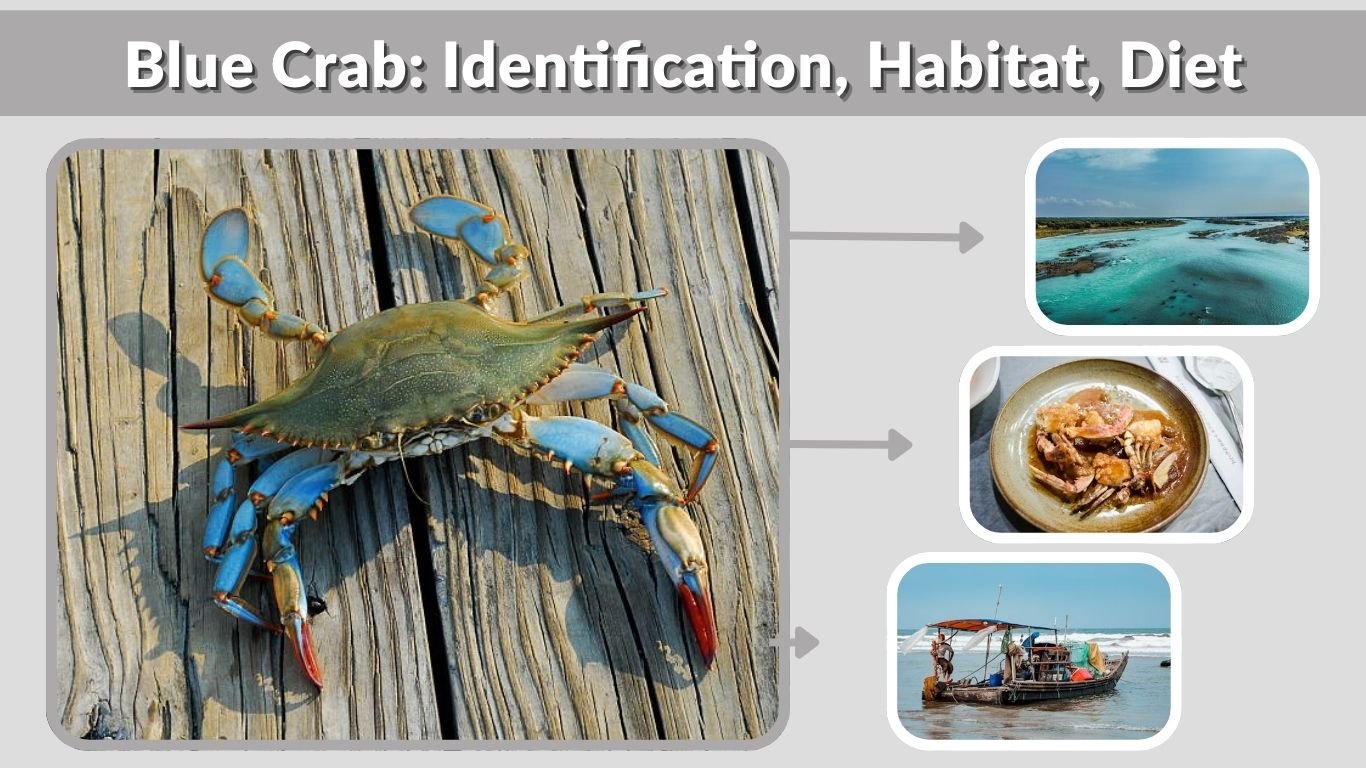
Blue crabs are among the most popular and economically valuable crustaceans found in coastal waters. Known for their distinctive blue claws and sweet, tender meat, they play an important role in both marine ecosystems and global seafood markets. Commonly found along the Atlantic coast and the Gulf of Mexico, blue crabs are admired not only for their culinary appeal but also for their adaptability and ecological significance in estuarine environments.
What is a Blue Crab?
The blue crab, scientifically known as Callinectes sapidus, is a species of crab native to the western Atlantic Ocean. The name “Callinectes sapidus” translates to “beautiful savory swimmer,” which reflects both its appearance and its reputation as a delicious seafood delicacy.
Blue crabs are easily recognized by their hard outer shell, known as a carapace, and their striking coloration. Their bodies typically display shades of olive green to bluish tones, while their claws are bright blue in males and tipped with red in females. These crabs are also excellent swimmers, thanks to their specially adapted rear legs that function like paddles.
They are highly adaptable creatures that thrive in a range of environments, from salty ocean waters to brackish estuaries. This adaptability makes them one of the most widespread and resilient crab species in North America.
Blue Crab Identification
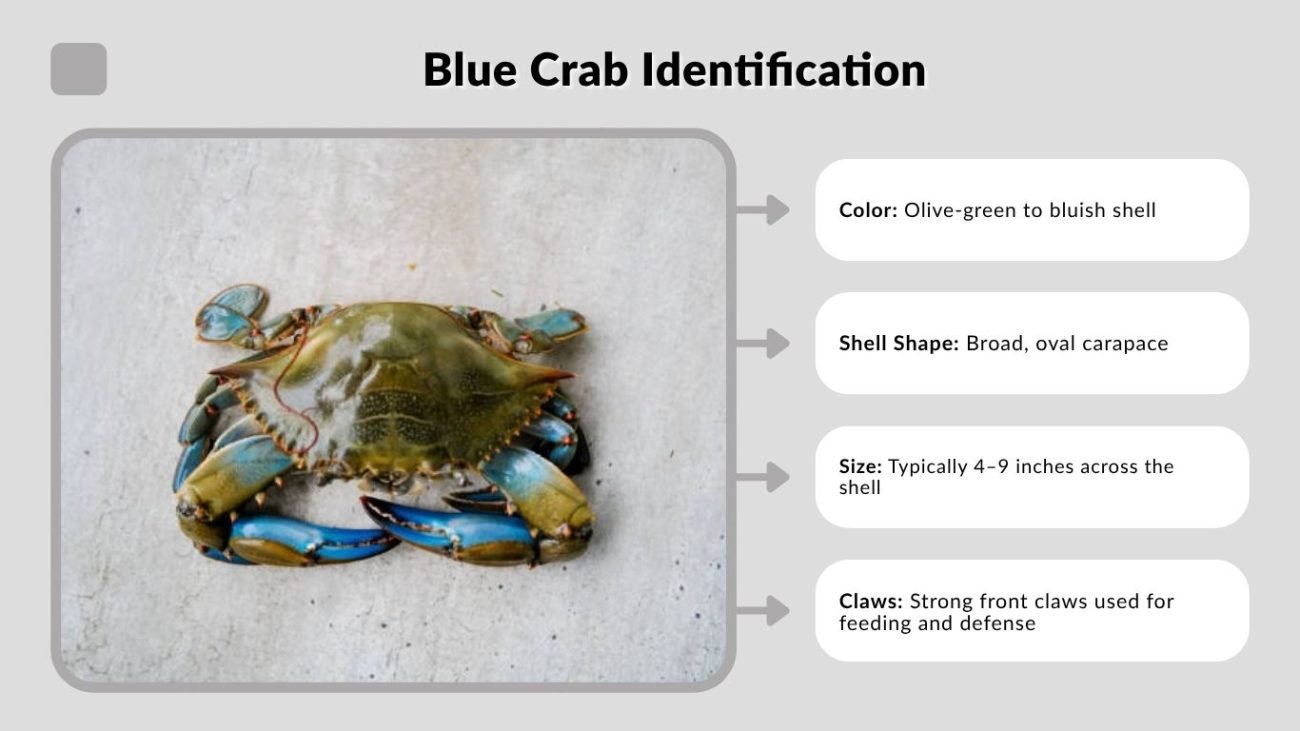
Blue crabs are relatively easy to identify due to their distinctive shape, color, and unique physical features. Knowing how to recognize them is important for fishing, cooking, and understanding their role in marine ecosystems. Their appearance can vary slightly depending on age, gender, and environment, but several key traits remain consistent across the species.
Key Identification Features
- Color: Olive-green to bluish shell; bright blue claws in males, red-tipped claws in females
- Shell Shape: Broad, oval carapace with sharp spines along the sides
- Size: Typically 4–9 inches across the shell
- Claws: Strong front claws used for feeding and defense
- Swimming Legs: Flattened, paddle-shaped rear legs for swimming
- Male Abdomen: Narrow, T-shaped underside
- Female Abdomen: Wide, rounded underside (used for carrying eggs)
- Spines: Prominent lateral spines on each side of the shell
- Soft vs Hard Shell: Soft-shell crabs have recently molted; hard-shell crabs have a firm outer shell
These features make blue crabs one of the most recognizable and unique crab species in coastal waters.
Types of Blue Crabs
Blue crabs are often categorized based on their physical condition and stage of development rather than being divided into entirely different species.
One of the main distinctions is between male and female crabs, which differ in both appearance and market value. In many regions, females—especially those carrying eggs—are protected due to their importance in reproduction.
Another common classification includes soft-shell, hard-shell, and peeler crabs. Soft-shell crabs are those that have recently molted and have a soft, edible shell. Hard-shell crabs have a fully developed shell and are commonly sold for their meat. Peeler crabs are in the transitional stage and are about to molt, making them valuable for soft-shell production.
These categories are important in both commercial fishing and culinary industries, as they determine how the crabs are harvested, sold, and prepared.
Blue Crab Habitat and Distribution
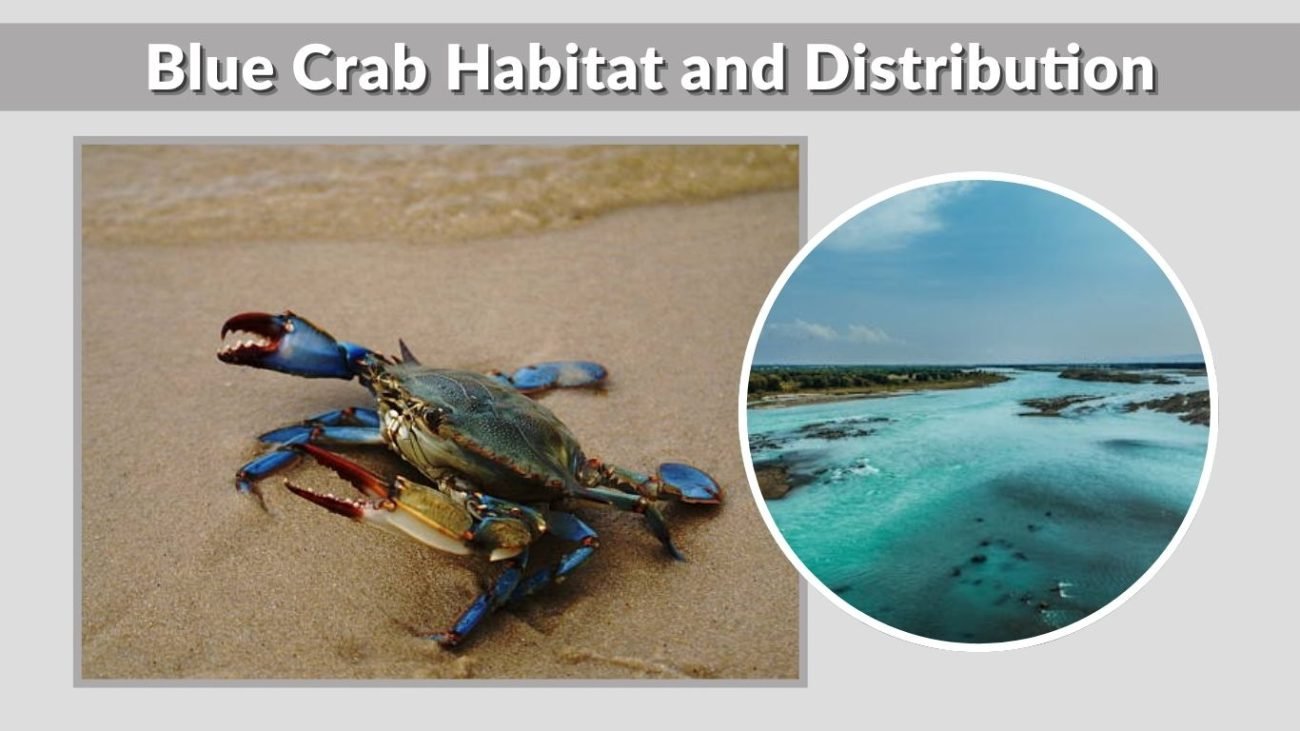
Blue crabs are widely distributed along the western Atlantic Ocean, particularly from Nova Scotia down to Argentina. However, they are most abundant along the eastern coast of the United States and throughout the Gulf of Mexico.
Geographic Range
The highest populations of blue crabs are found in coastal regions such as the Chesapeake Bay and the Gulf Coast. These areas provide ideal conditions for feeding, breeding, and growth.
Preferred Environment
Blue crabs thrive in estuaries, where freshwater from rivers mixes with saltwater from the ocean. These brackish environments offer abundant food sources and shelter. They are commonly found in muddy or sandy bottoms, as well as in seagrass beds that provide protection from predators.
Seasonal Movement
Blue crabs are known to migrate seasonally, especially during breeding periods. Females often move toward saltier waters to spawn, while males typically remain in less saline areas. Temperature changes also influence their movement, with crabs becoming less active during colder months.
Life Cycle of Blue Crabs
The life cycle of blue crabs is complex and involves several developmental stages, each crucial for their growth and survival.
Growth Stages
Blue crabs begin their life as eggs carried by the female. Once hatched, they enter the larval stage, known as zoea, where they drift in ocean currents. After several molts, they transform into the megalopa stage, which resembles a tiny crab. Eventually, they settle into estuaries and grow into juvenile crabs before reaching adulthood.
Molting Process
Molting is a vital process in the life of a blue crab. Since their hard shell does not expand, they must shed it to grow. During molting, the crab forms a new, soft shell underneath the old one and then breaks free. This stage leaves them vulnerable to predators but is essential for development.
Soft-shell crabs, which are harvested just after molting, are considered a delicacy due to their tender texture and full edibility.
Lifespan
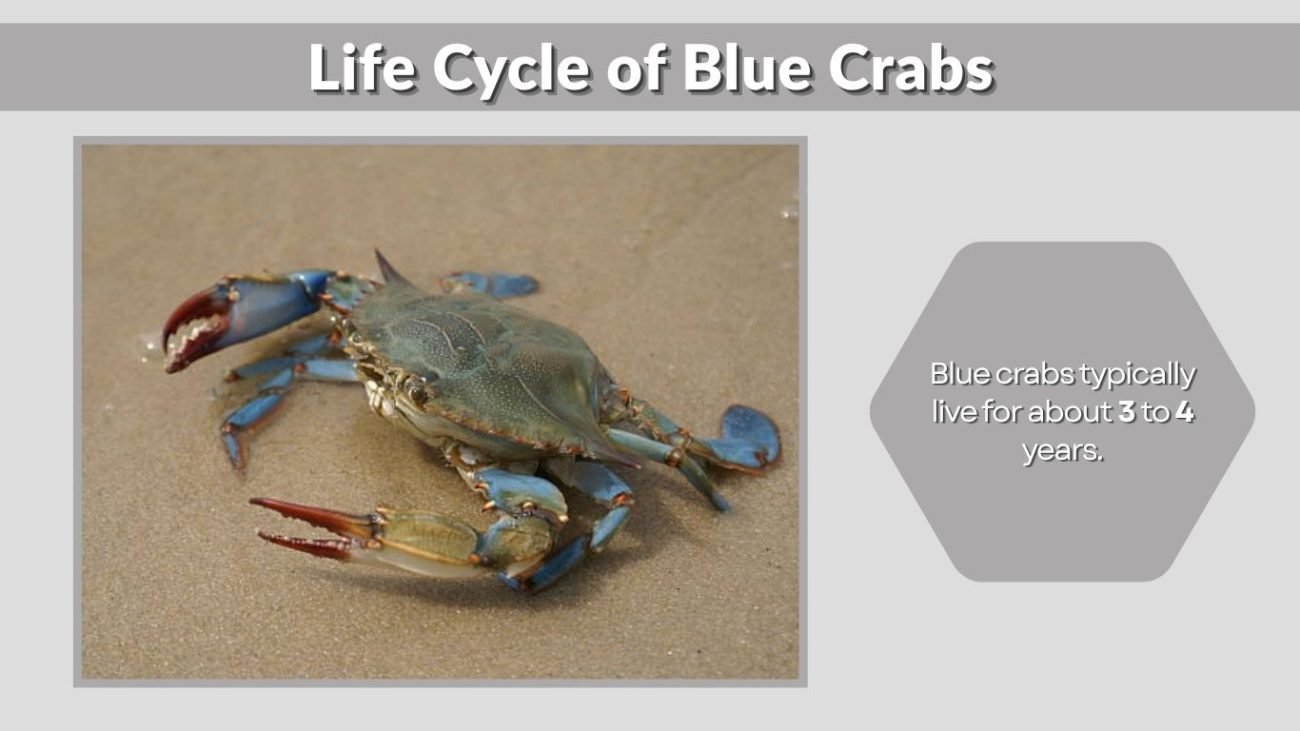
Blue crabs typically live for about 3 to 4 years. Their growth rate depends on environmental factors such as temperature, food availability, and water conditions. Warmer waters generally promote faster growth and more frequent molting.
Blue Crab Diet and Behavior
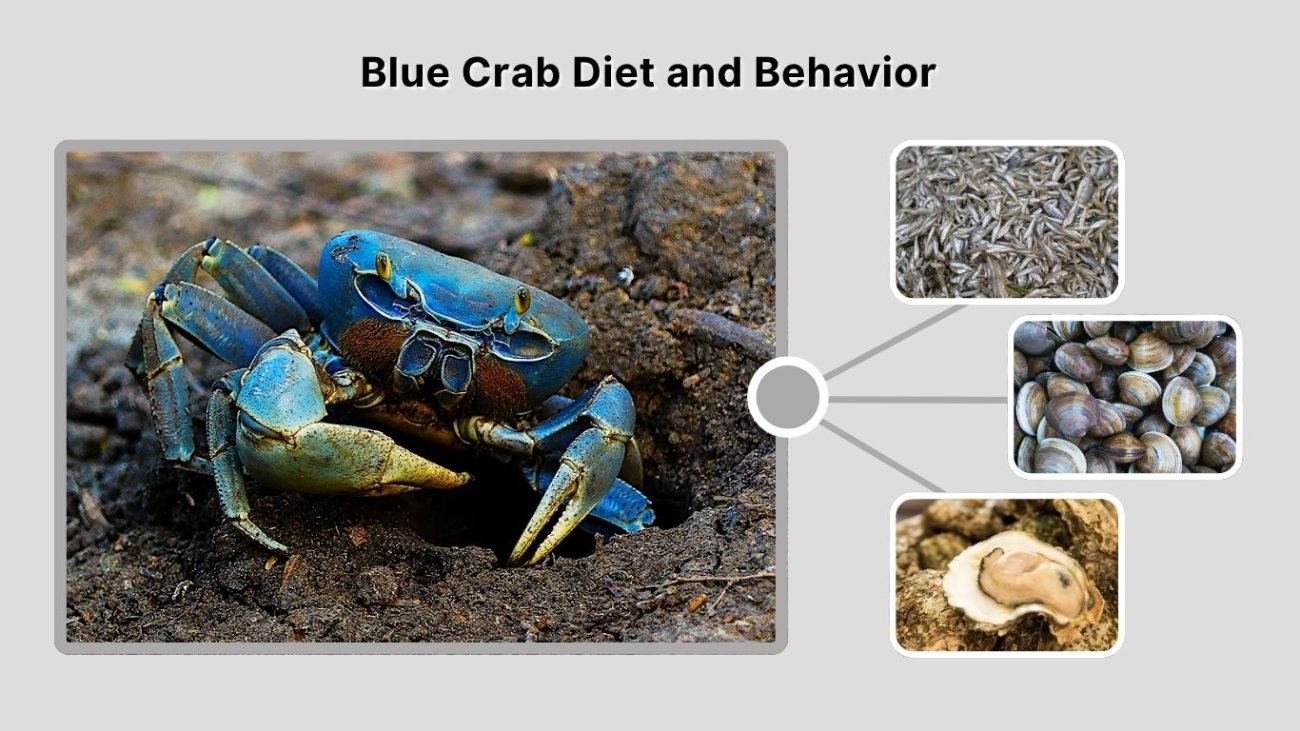
Blue crabs are opportunistic omnivores, meaning they eat a wide variety of food sources. Their diet includes fish, clams, oysters, worms, algae, and even dead organisms. This scavenging behavior helps keep their environment clean by recycling organic matter.
They are also active hunters, using their strong claws to capture prey. Blue crabs are known for their aggressive nature and will readily defend themselves when threatened. Despite this, they are also prey for larger animals such as fish, birds, and humans.
Their adaptability in feeding and behavior makes them highly successful in diverse environments.
Nutritional Value of Blue Crab
Blue crab meat is not only delicious but also highly nutritious. It is rich in high-quality protein, making it an excellent choice for muscle growth and repair.
In addition, blue crab contains essential vitamins and minerals such as vitamin B12, zinc, selenium, and omega-3 fatty acids. These nutrients support brain function, boost immunity, and promote heart health.
Another advantage is that blue crab meat is relatively low in fat and calories compared to many other protein sources, making it suitable for a balanced and healthy diet.
Blue Crab as Food
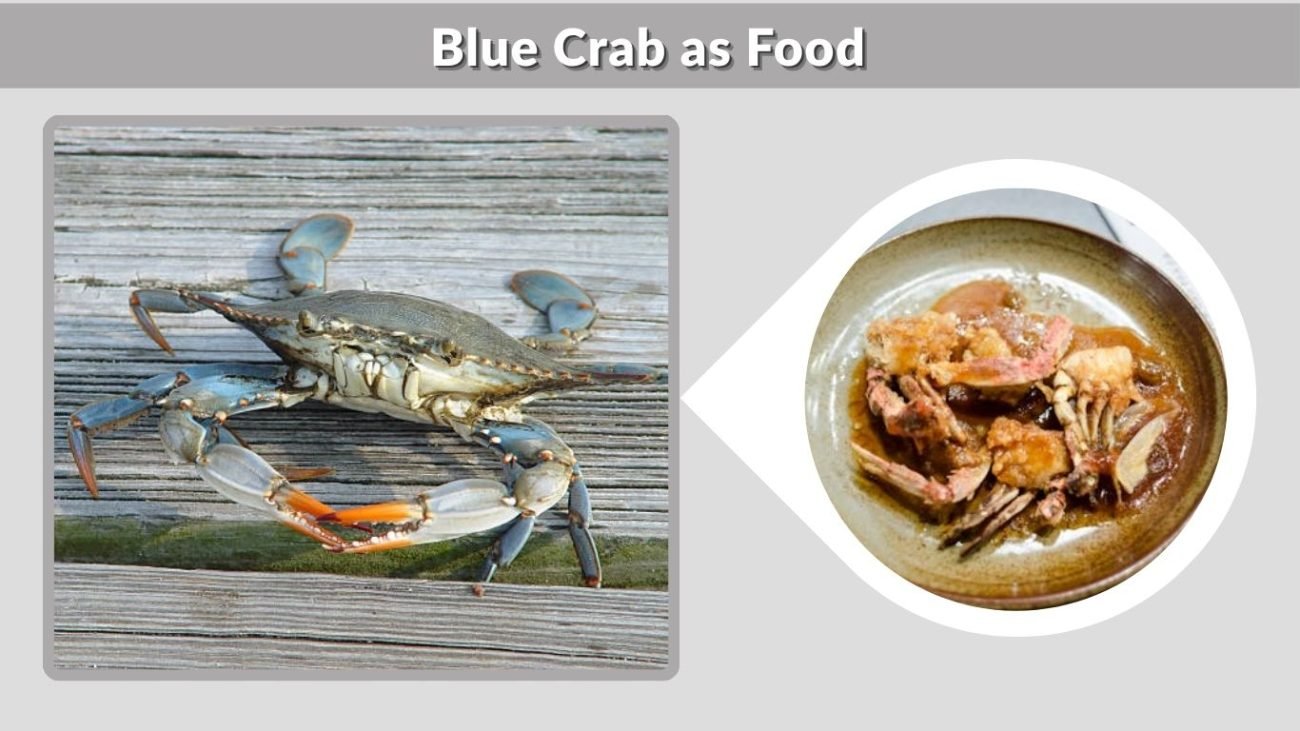
Blue crabs are widely appreciated for their sweet, delicate flavor and tender texture. They are a staple in many coastal cuisines and are prepared in a variety of ways.
Popular Dishes
Some of the most popular dishes include steamed blue crabs seasoned with spices, crab cakes, soups, and seafood stews. In many cultures, blue crab is also used in curries and rice dishes.
Cooking Methods
Common cooking methods include steaming, boiling, grilling, and frying. Steaming is particularly popular because it preserves the natural flavor of the crab while enhancing its sweetness.
Taste and Texture
The meat of blue crabs is known for its slightly sweet taste and soft, flaky texture. This makes it versatile for both simple and complex recipes.
Fishing and Commercial Importance
Blue crabs are an important part of the fishing industry, especially in the United States. They are typically harvested using traps, pots, and nets designed to capture them without damaging their habitat.
The commercial blue crab industry supports thousands of jobs, from fishermen to seafood processors and restaurant workers. Regions like the Chesapeake Bay are especially famous for their blue crab fisheries.
Due to their high demand, proper management and sustainable fishing practices are essential to ensure long-term availability.
Environmental Importance
Blue crabs play a vital role in maintaining the balance of marine ecosystems. As both predators and scavengers, they help control populations of smaller organisms and recycle nutrients within their habitats.
They are also an important food source for many larger animals, including fish, birds, and mammals. This makes them a key link in the aquatic food chain.
Threats and Conservation
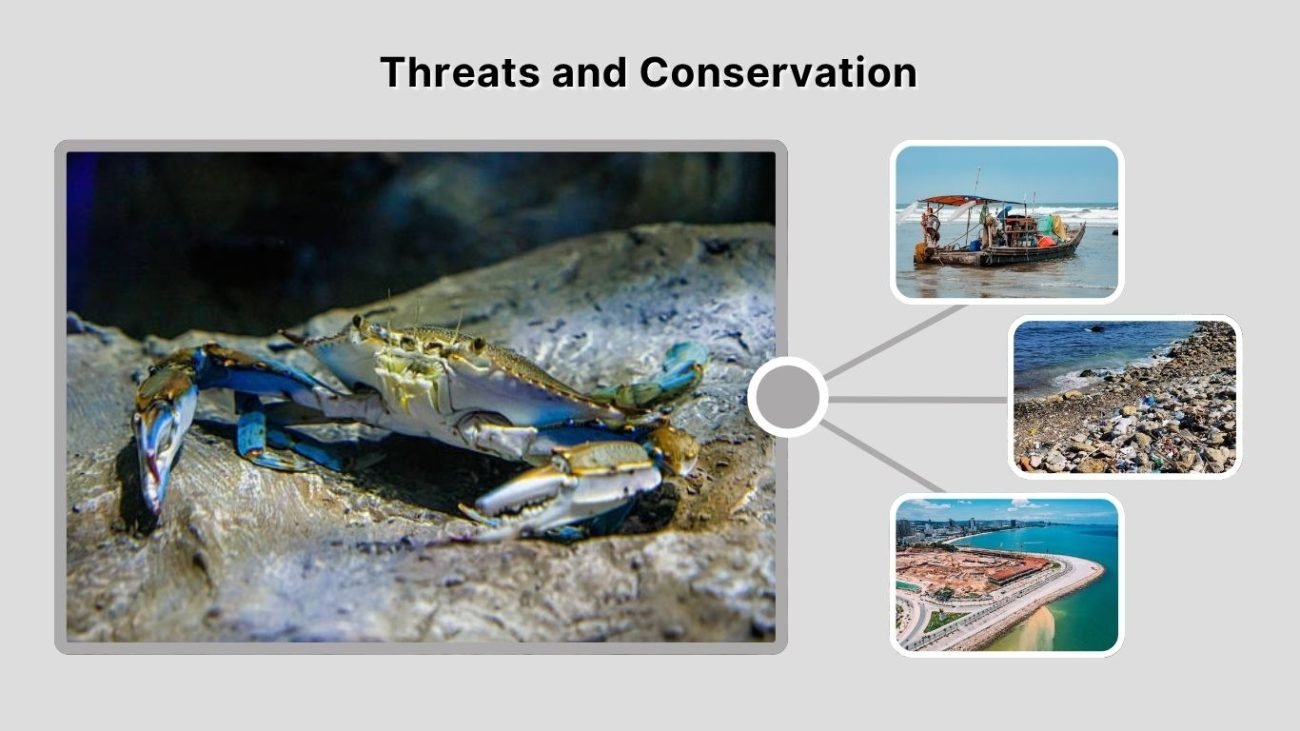
Despite their abundance, blue crab populations face several threats. Overfishing is one of the primary concerns, as high demand can lead to population decline if not properly managed.
Habitat loss, caused by pollution, coastal development, and climate change, also affects their survival. Estuaries, which are crucial for their life cycle, are particularly vulnerable.
To address these issues, many regions have implemented conservation measures such as catch limits, seasonal restrictions, and protection of breeding females. These efforts aim to ensure sustainable populations for future generations.
Interesting Facts About Blue Crabs
Blue crabs have several fascinating characteristics that make them unique. One of the most remarkable is their ability to regenerate lost limbs over time.
They are also excellent swimmers, thanks to their paddle-like legs, which set them apart from many other crab species. Additionally, blue crabs have strong cultural significance in many coastal communities, where they are celebrated in festivals and traditional dishes.
FAQs
How do you identify a blue crab?
Blue crabs can be identified by their blue-colored claws, oval-shaped shell with sharp spines, and paddle-like rear legs used for swimming. Males have bright blue claws, while females have red-tipped claws.
What is the difference between male and female blue crabs?
Male blue crabs have a narrow, T-shaped abdomen, whereas females have a wider, rounded abdomen used for carrying eggs. Females also typically have red tips on their claws.
What do blue crabs eat?
Blue crabs are omnivores and eat a variety of foods, including fish, clams, oysters, plants, and even dead animals. Their scavenging behavior helps keep aquatic environments clean.
Where do blue crabs live?
Blue crabs are commonly found in the Atlantic Ocean and Gulf of Mexico, especially in estuaries where freshwater mixes with saltwater. They prefer muddy or sandy bottoms and seagrass areas.
Are blue crabs safe and healthy to eat?
Yes, blue crabs are safe to eat when properly cooked. They are highly nutritious, rich in protein, vitamins like B12, and minerals such as zinc and selenium, while being low in fat.
Conclusion
Blue crabs are remarkable creatures that combine ecological importance with culinary value. From their distinctive appearance and complex life cycle to their role in marine ecosystems, they are truly fascinating. As demand for blue crabs continues to grow, sustainable practices and conservation efforts are essential to protect their populations. By understanding and appreciating these unique crustaceans, we can ensure that they remain a valuable resource for both nature and future generations.