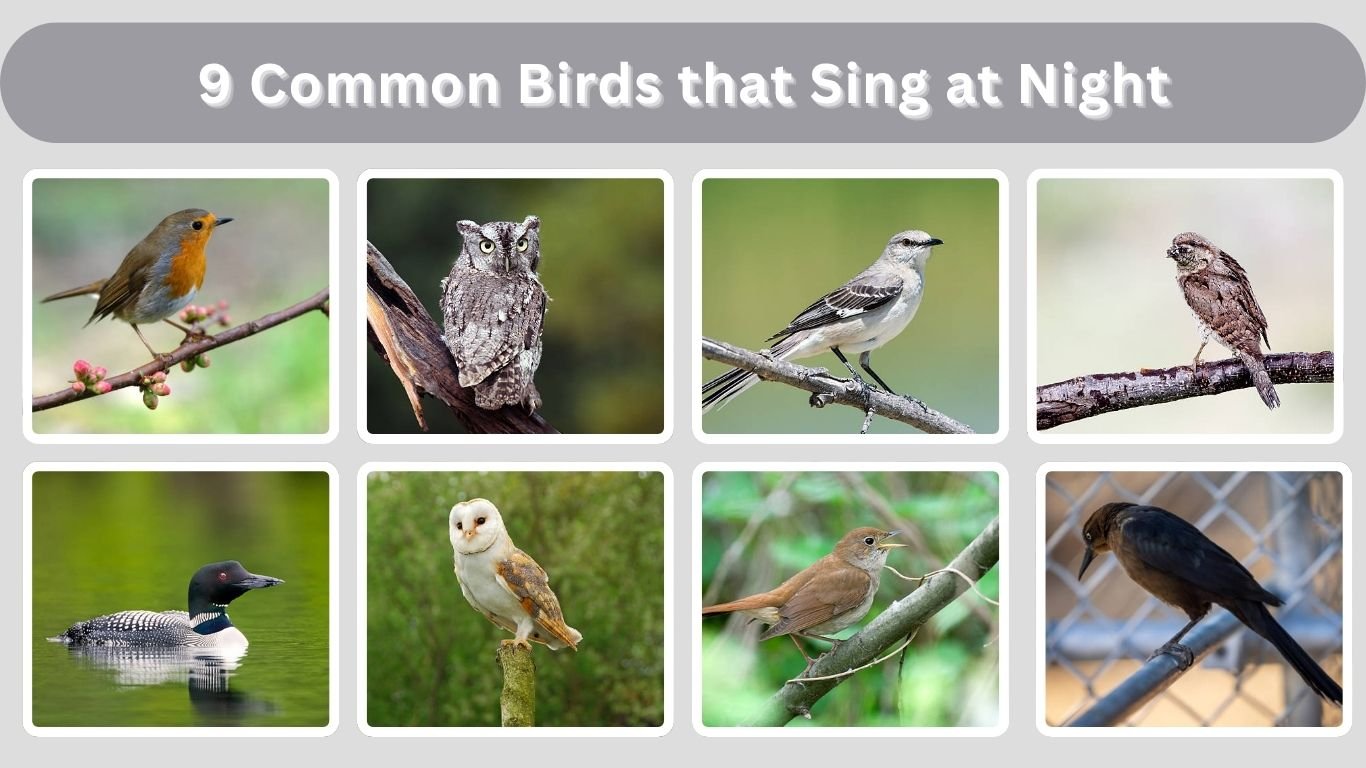
Nighttime is often associated with silence, but in reality, it can be filled with the beautiful and mysterious songs of birds. While most birds are active during the day, certain species come alive after sunset, using the quiet darkness to communicate, attract mates, and defend their territory. These nighttime singers range from melodious songbirds like the nightingale to haunting callers like owls and loons.
In this guide, we explore some of the most common birds that sing at night. Each bird has its own unique voice, behavior, and habitat, making the nocturnal soundscape surprisingly rich and diverse. Whether you’re in a forest, near water, or even in a city, these birds can turn the stillness of night into a natural symphony.
1. Nightingale
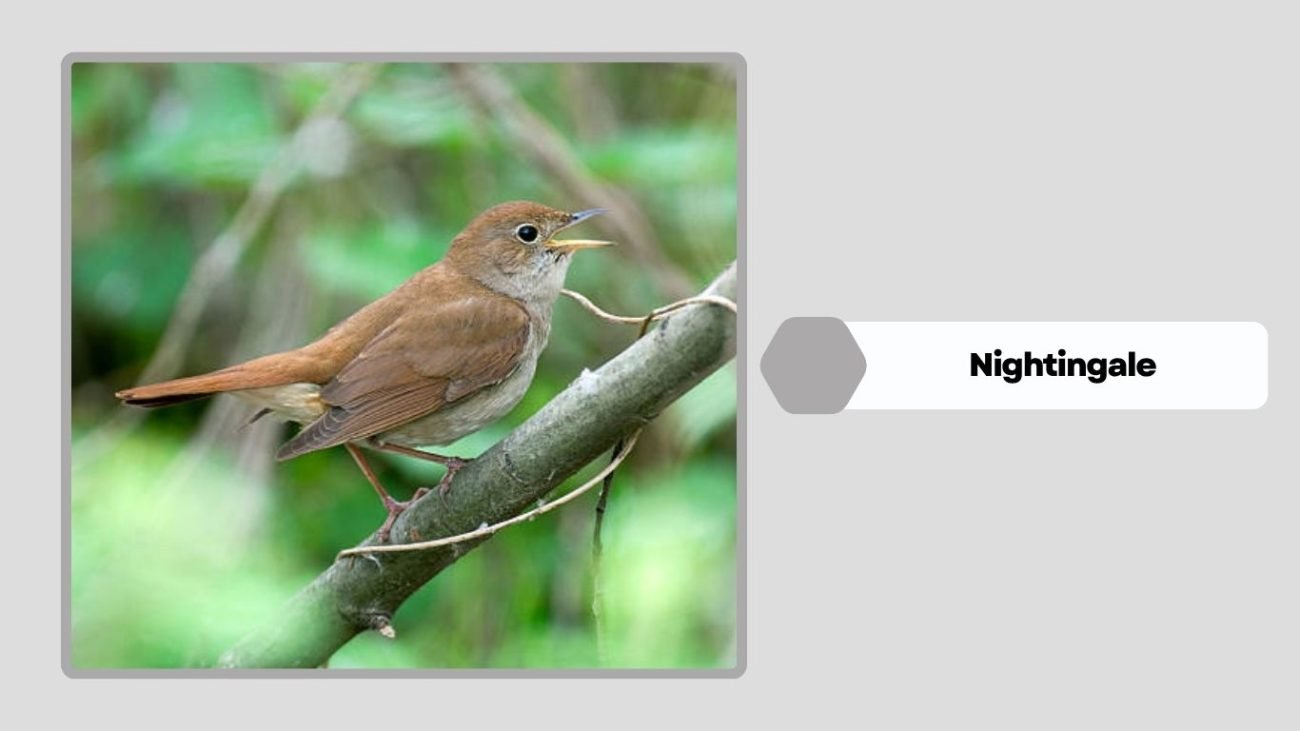
The nightingale is a small, plain-looking bird renowned worldwide for its incredibly rich and melodious song, often heard during the quiet hours of the night. Despite its modest brown appearance, it has one of the most powerful and complex vocal abilities among birds. Found across Europe, Asia, and parts of Africa, the nightingale prefers staying hidden in dense vegetation, making it more commonly heard than seen. Its nighttime singing is especially prominent during the breeding season, when males use their voice to attract mates and defend territory.
Identification
- Plain brown upperparts with a slightly warmer tone
- Pale or buff-colored underparts
- Distinct reddish or rufous tail
- Slender body with relatively long legs
- Large dark eyes adapted for low light conditions
Habitat
Nightingales thrive in dense, shrubby environments such as woodlands, forest edges, hedgerows, and thick undergrowth. They are often found near water sources like rivers, marshes, or damp thickets where vegetation is lush and provides good cover. These birds prefer habitats that offer both concealment and open spaces for foraging. During migration, they can also be spotted in gardens and parks with sufficient shrub cover.
Behavior
Nightingales are secretive and solitary birds, typically remaining hidden within dense foliage during the day. They become more active and vocal at dusk and throughout the night. Males are particularly known for their persistent singing during the breeding season, using their songs to establish territory and attract females. They are ground feeders and often hop along the forest floor in search of food.
Song
The nightingale’s song is one of the most celebrated in the natural world. It is loud, clear, and highly varied, consisting of whistles, trills, gurgles, and rapid note sequences. The song can carry over long distances, especially at night when there is less background noise. Each male has a unique repertoire, and the complexity of the song plays a key role in attracting a mate.
Diet
Nightingales primarily feed on insects and other small invertebrates. Their diet includes beetles, ants, spiders, worms, and larvae, which they typically find on the ground or among low vegetation. During late summer and autumn, they also consume berries and small fruits, which help provide energy for migration. Their feeding habits play an important role in controlling insect populations in their habitat.
2. Mockingbird
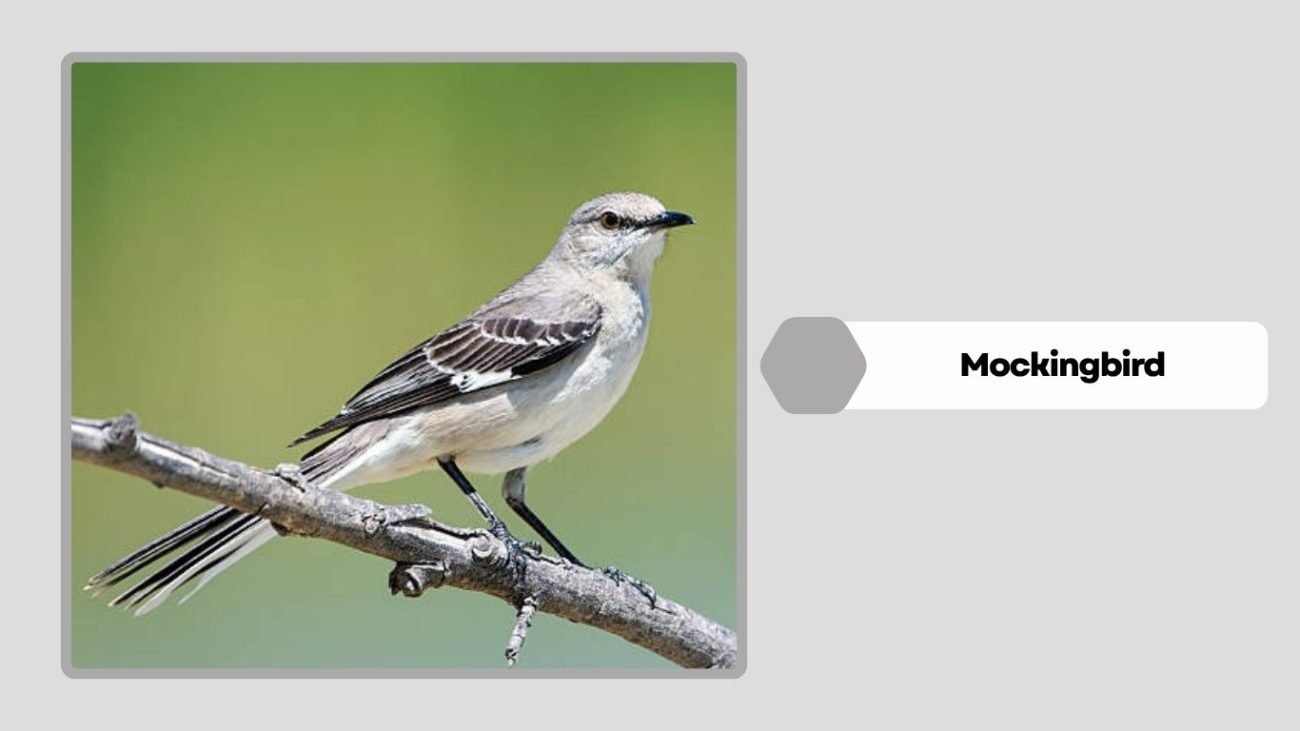
The mockingbird is a highly intelligent and adaptable bird best known for its remarkable ability to mimic the songs of other birds, animals, and even mechanical sounds. Native mainly to North and South America, it is often heard singing at night, especially during the breeding season. Its loud and repetitive singing can continue for hours, making it one of the most noticeable nighttime vocalists. Despite its common appearance, the mockingbird stands out due to its vocal versatility and bold behavior.
Identification
- Gray upperparts with lighter, whitish underparts
- Long tail with white patches visible in flight
- Slender body and medium size
- Thin, slightly curved bill
- Distinct white wing bars
Habitat
Mockingbirds are highly adaptable and can be found in a wide range of environments, including urban areas, gardens, parks, farmland, and open woodlands. They prefer areas with scattered trees, shrubs, and open spaces that allow easy movement and visibility. Their ability to live near humans makes them one of the most commonly observed birds in populated regions.
Behavior
Mockingbirds are known for their bold and sometimes aggressive nature, especially when defending their territory. They actively chase away intruders, including much larger animals and even humans if they feel threatened. These birds are active during both day and night, particularly males during breeding season, when they sing continuously to attract mates. They often perch in visible locations while singing.
Song
The song of the mockingbird is complex and ever-changing. It can imitate dozens, sometimes hundreds, of different sounds, including other birds, frogs, insects, and even artificial noises like alarms or car sounds. They often repeat each phrase several times before switching to a new one. Nighttime singing is usually performed by unmated males trying to attract a partner.
Diet
Mockingbirds have an omnivorous diet. They feed on a variety of insects such as beetles, ants, grasshoppers, and caterpillars during warmer months. In cooler seasons, they rely more on fruits and berries like holly, mulberry, and blackberry. Occasionally, they may also eat small lizards or seeds. Their flexible diet helps them survive in diverse environments.
3. Whip-poor-will
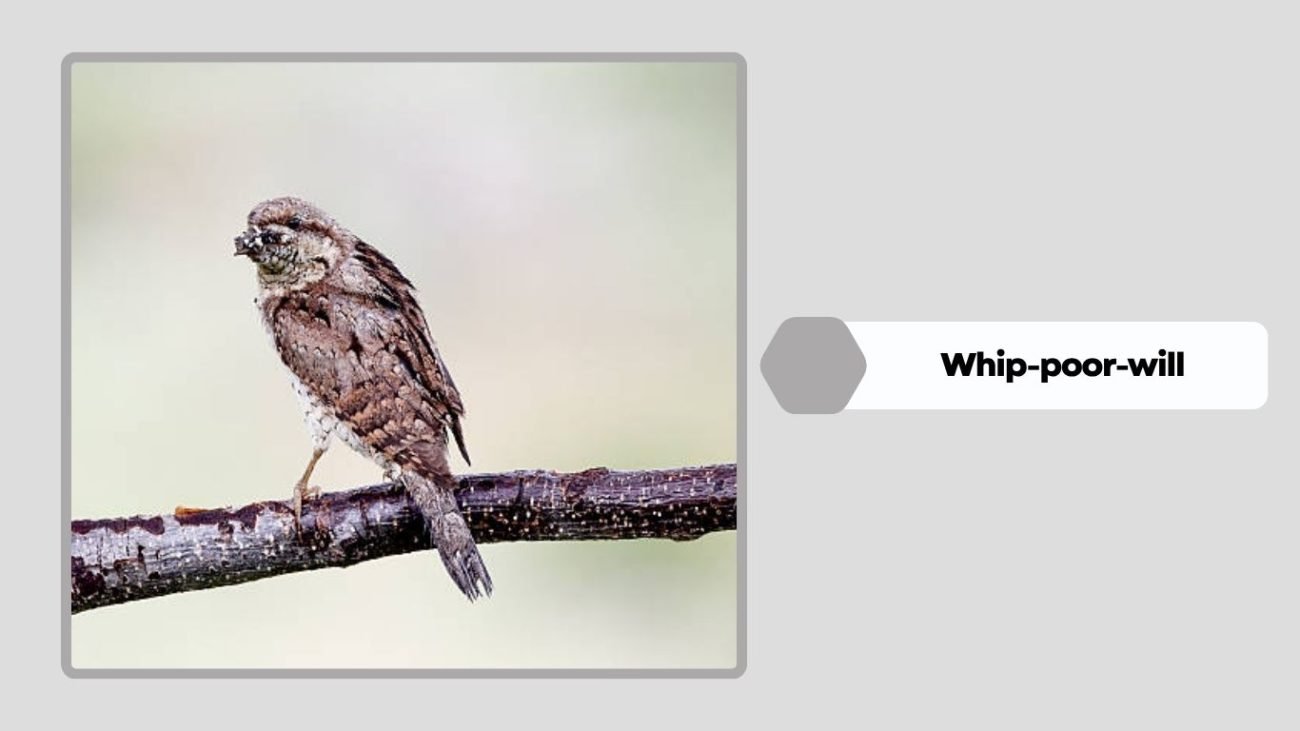
The whip-poor-will is a nocturnal bird famous for its repetitive and distinctive call that sounds like its name. It is primarily found in North America and is more often heard than seen due to its excellent camouflage and nighttime activity. This bird belongs to the nightjar family and is active mainly during dusk and night. Its haunting call can echo through forests for hours, especially during spring and summer breeding seasons.
Identification
- Mottled gray, brown, and black plumage for camouflage
- Medium-sized with a short bill and wide mouth
- Large head with big dark eyes
- Rounded wings and long tail
- White patches on the throat and tail (more visible in males)
Habitat
Whip-poor-wills prefer open woodlands, forest edges, and areas with a mix of trees and clearings. They are often found in dry, deciduous forests or pine woods where leaf litter provides excellent camouflage. These birds favor habitats that offer open ground for nesting and nearby open spaces for catching flying insects. They tend to avoid dense forests and heavily urbanized areas.
Behavior
These birds are strictly nocturnal and spend most of the day resting quietly on the ground or low branches, blending in perfectly with their surroundings. At night, they become active and hunt for insects in flight. Males are especially vocal during the breeding season, often calling repeatedly from the same perch. Their flight is silent and moth-like, making them difficult to detect.
Song
The whip-poor-will’s call is a rapid, repeated series of notes that clearly sounds like “whip-poor-will.” This call can be repeated hundreds of times in a row, often continuing for long periods during the night. The persistence and rhythm of the call make it one of the most recognizable nighttime bird sounds in its range.
Diet
Whip-poor-wills primarily feed on flying insects. Their diet includes moths, beetles, mosquitoes, and other nocturnal insects, which they catch mid-air using their wide mouths. They are most active during twilight and nighttime when insect activity is high. Their feeding behavior plays an important role in controlling insect populations in their ecosystem.
4. Chuck-will’s-widow
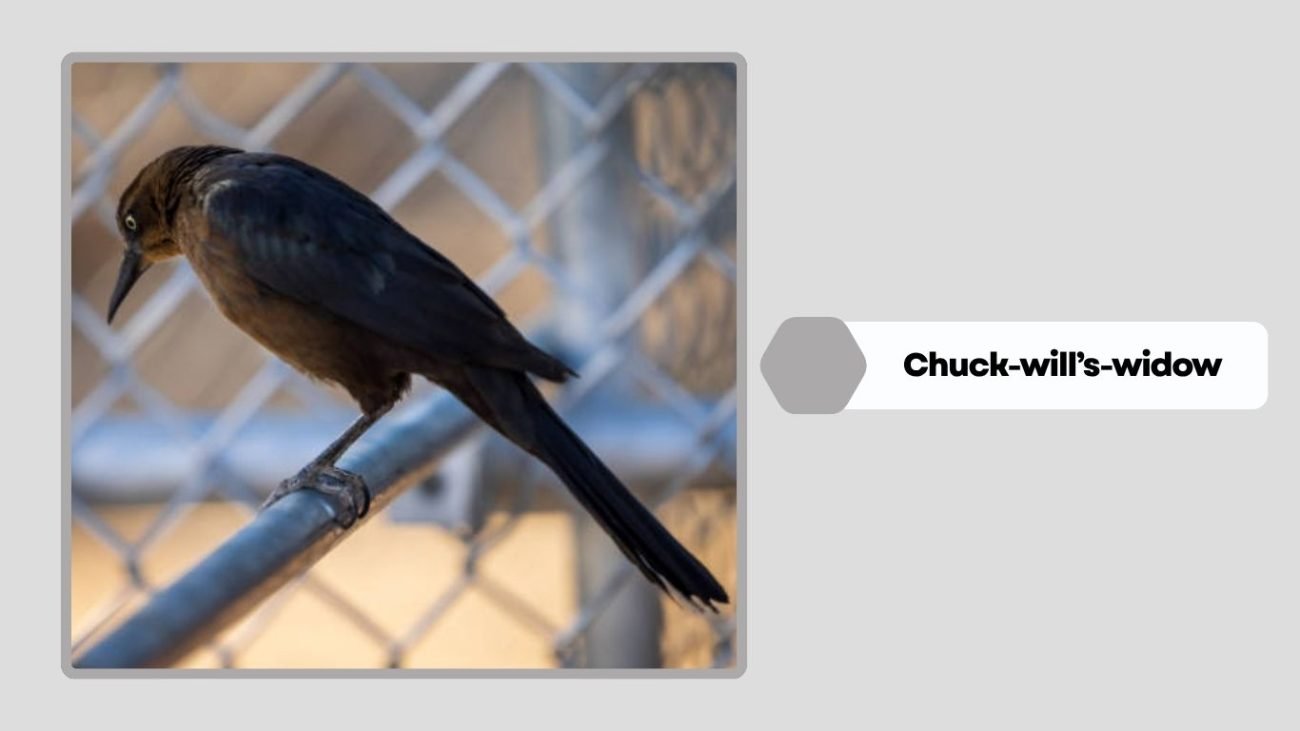
The chuck-will’s-widow is a large nocturnal bird closely related to the whip-poor-will, known for its deep, repetitive nighttime call. Native to the southeastern United States and parts of the Caribbean and Central America, it is rarely seen due to its excellent camouflage and nocturnal habits. Its name comes directly from its song, which echoes through forests at night. This bird is most active during warm months and is a familiar sound in rural and wooded areas after sunset.
Identification
- Mottled gray, brown, and black plumage for camouflage
- Larger and bulkier than the whip-poor-will
- Broad head with a very wide mouth
- Large dark eyes adapted for night vision
- Subtle barring patterns on wings and tail
Habitat
Chuck-will’s-widows prefer open woodlands, pine forests, scrublands, and forest edges. They are often found in areas with sandy soil and scattered vegetation, which provide ideal nesting and resting conditions. These birds avoid dense forests and heavily urban areas, favoring quiet, rural environments where insect populations are abundant.
Behavior
These birds are nocturnal and spend their days resting on the ground or on low branches, blending seamlessly into their surroundings. At night, they become active hunters, flying low and silently to catch insects. Males are highly vocal during the breeding season and often call from the same location for extended periods. They are generally solitary and rarely seen even when present.
Song
The song of the chuck-will’s-widow is a slow, rhythmic series of notes that sound like “chuck-will’s-widow.” It is deeper and more drawn out than the call of the whip-poor-will. The call is repeated many times and can carry over long distances, especially on warm, still nights, making it a defining sound of its habitat.
Diet
Chuck-will’s-widows primarily feed on large flying insects such as moths, beetles, and grasshoppers. They catch prey in mid-air using their wide mouths. Occasionally, they may also consume small birds or bats, which is unusual among nightjars. Their feeding activity helps regulate insect populations in their ecosystem.
5. Eastern Screech Owl
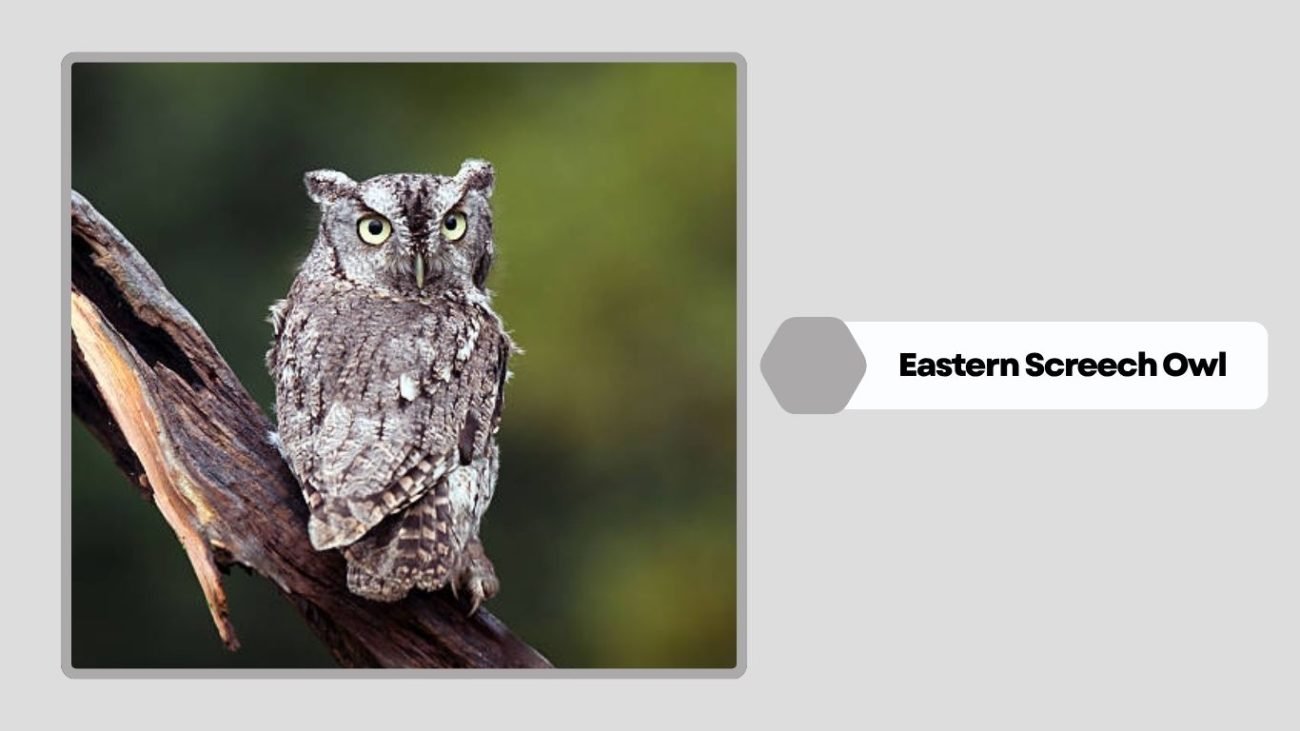
The Eastern Screech Owl is a small, nocturnal owl commonly found in eastern North America. Despite its name, it does not typically “screech” but produces a variety of soft trills and whinnies. It is highly adaptable and often lives close to human settlements, though it remains well hidden during the day. Its nighttime calls are frequently heard in quiet neighborhoods, woodlands, and parks, especially during breeding season.
Identification
- Small, compact body with a large rounded head
- Prominent ear tufts (“horns”)
- Gray or reddish-brown color morphs
- Yellow eyes with a sharp, hooked beak
- Excellent camouflage against tree bark
Habitat
Eastern Screech Owls inhabit a wide range of environments including deciduous forests, suburban areas, orchards, and city parks. They prefer areas with plenty of trees and natural cavities for nesting. Their adaptability allows them to thrive even in populated regions as long as there is sufficient cover and food availability.
Behavior
These owls are strictly nocturnal and spend their days roosting in tree cavities or dense foliage. At night, they become active hunters, silently gliding through the air in search of prey. They are territorial and often remain in the same area year-round. Their ability to stay still and blend into surroundings makes them difficult to spot.
Song
Instead of a harsh screech, this owl produces a series of soft, haunting sounds including descending whinnies and gentle trills. These calls are often heard at night and are used for communication between mates and for marking territory. The sound is eerie but not loud, blending smoothly into the nighttime atmosphere.
Diet
Eastern Screech Owls have a varied diet that includes insects, small mammals, birds, frogs, and even fish. They are opportunistic hunters, feeding on whatever prey is available in their environment. Their hunting is aided by excellent night vision and silent flight, allowing them to capture prey efficiently.
6. Barn Owl
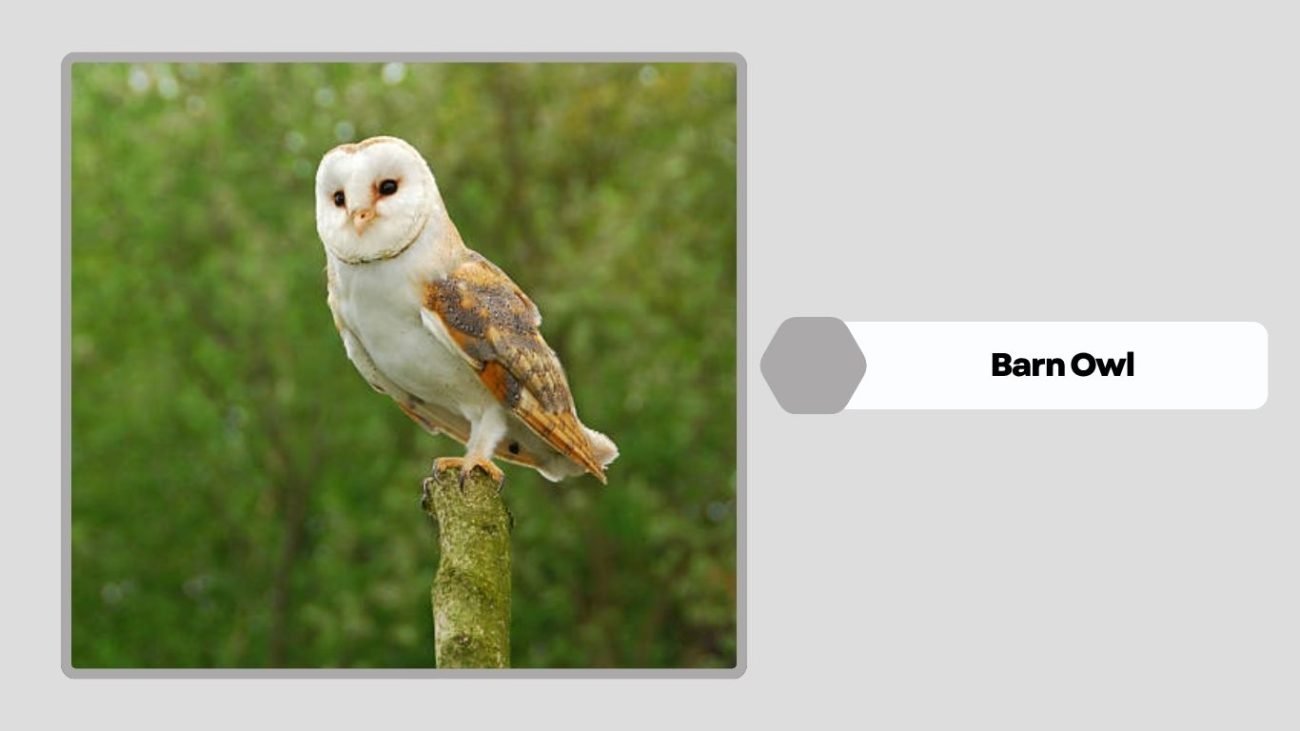
The barn owl is one of the most widespread and recognizable nocturnal birds in the world, known for its eerie nighttime calls and ghostly appearance. Found on every continent except Antarctica, it is often associated with open countryside, farms, and rural areas. Unlike many other owls, its call is not a hoot but a long, harsh screech that can sound unsettling in the quiet of night. Its silent flight and pale coloration make it especially striking in low light.
Identification
- Pale, heart-shaped facial disk
- White to light golden underparts
- Long wings and slender body
- Dark eyes set in a distinctive face
- Soft, silent flight feathers
Habitat
Barn owls prefer open habitats such as farmland, grasslands, marshes, and fields where prey is abundant. They often nest in barns, old buildings, tree cavities, and cliffs. These birds favor areas with wide open spaces for hunting and nearby structures or trees for roosting and nesting.
Behavior
Barn owls are strictly nocturnal and spend daylight hours resting in quiet, sheltered places. At night, they hunt by flying low over open ground, using their exceptional hearing to locate prey even in complete darkness. They are generally solitary hunters but may nest in pairs during breeding season. Their flight is nearly silent, giving them an advantage when catching prey.
Song
Instead of traditional owl hoots, barn owls produce a drawn-out, raspy screech. This call is often sudden and piercing, making it quite noticeable at night. They may also make hissing or clicking sounds, especially when threatened or communicating with their young. Their vocalizations contribute to their mysterious reputation.
Diet
Barn owls primarily feed on small mammals, especially rodents such as mice, rats, and voles. They may also eat small birds, insects, and amphibians when available. Their diet makes them highly beneficial to farmers, as they help control pest populations. A single barn owl can consume a large number of rodents in a single night.
7. Common Loon

The common loon is a large, water-dwelling bird best known for its haunting and echoing calls that often fill the night air near lakes. Found mainly in North America, it is strongly associated with remote, quiet freshwater lakes. Its eerie vocalizations are a signature sound of wilderness at night. Though primarily active during the day, loons frequently call after dark, especially during the breeding season.
Identification
- Large, heavy-bodied bird with a long neck
- Black head and neck with a glossy sheen
- Distinctive black-and-white checkered back
- Red eyes and sharp, pointed bill
- White underparts
Habitat
Common loons live on clear, freshwater lakes and ponds, particularly in forested regions. They prefer large, undisturbed bodies of water with abundant fish and minimal human disturbance. During winter, they migrate to coastal marine waters. Their breeding habitats are typically remote and quiet, which enhances the carrying distance of their calls at night.
Behavior
Loons are excellent swimmers and divers, spending most of their time in the water. They are capable of diving deep and staying submerged for extended periods while hunting. On land, they are awkward and rarely seen. They are territorial during the breeding season and use vocalizations to communicate with mates and defend their space.
Song
The common loon produces a variety of haunting calls, including wails, yodels, tremolos, and hoots. These sounds are often heard at night and can travel long distances across water. The calls are used for communication between mates, signaling distress, or marking territory. Their eerie quality makes them one of the most iconic nighttime bird voices.
Diet
Common loons primarily feed on fish, which they catch by diving underwater. They also consume aquatic insects, crustaceans, and small amphibians. Their sharp bills and strong swimming abilities make them highly effective hunters. They typically swallow prey whole and rely on clear water to visually locate food.
8. Black-crowned Night Heron
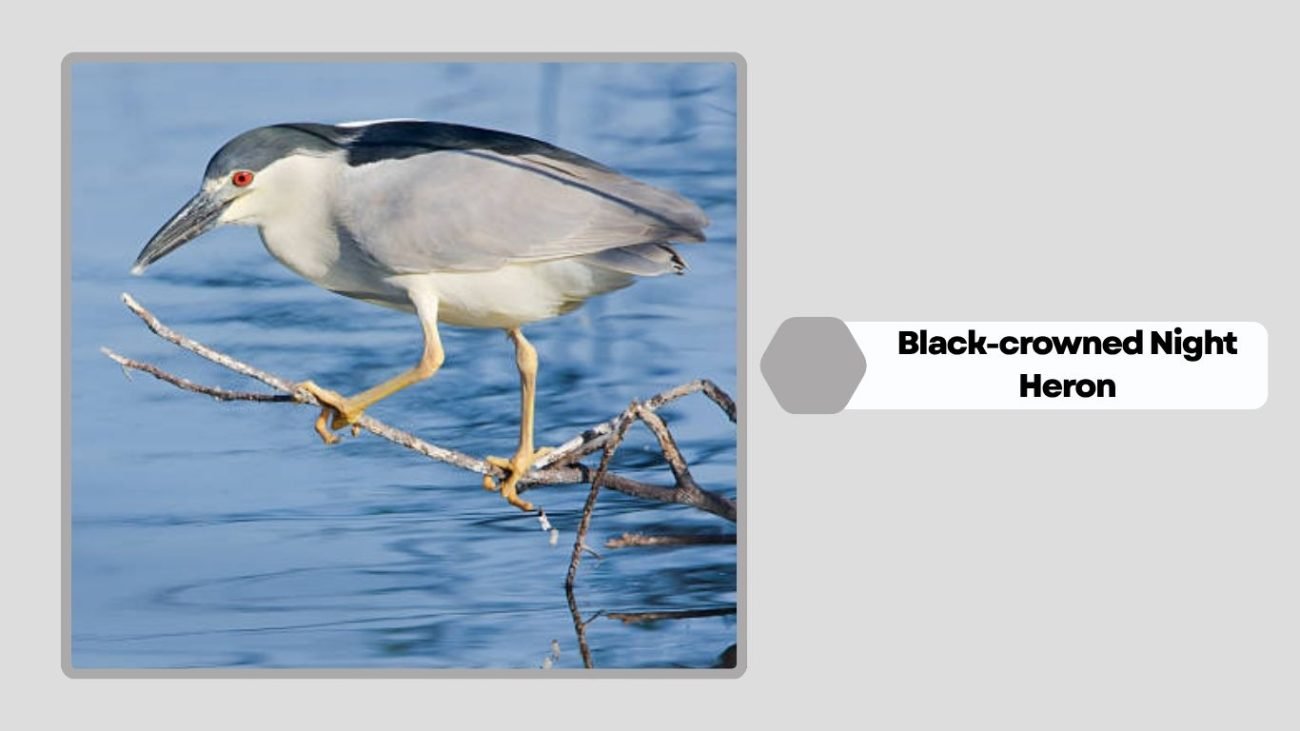
The black-crowned night heron is a medium-sized, stocky bird known for its quiet, nocturnal habits and sudden, harsh nighttime calls. Found across many parts of the world, including Asia, Europe, and the Americas, it is most active during dusk and night. Unlike many herons that hunt during the day, this species prefers darkness, making its presence known through its distinctive “quawk” calls.
Identification
- Stocky body with relatively short neck and legs
- Black crown and back with pale gray wings
- White or light underparts
- Red eyes and thick, pointed bill
- Short legs compared to other herons
Habitat
Black-crowned night herons are commonly found near wetlands such as marshes, lakes, rivers, ponds, and coastal areas. They prefer habitats with shallow water where they can easily hunt. During the day, they roost in trees or dense vegetation, often in groups, staying hidden until nightfall.
Behavior
These birds are mostly inactive during the day, resting quietly in trees or shrubs. At dusk, they become active and begin hunting. They move slowly and deliberately, often standing still near water before striking quickly at prey. They are social birds and often nest in colonies, sometimes with other waterbird species.
Song
Their call is a loud, sharp “quawk” or “kawk,” usually given in flight or when disturbed. This call is often heard at night as they move between feeding and roosting areas. While not musical, the sound is distinctive and easy to recognize in wetland environments.
Diet
Black-crowned night herons have a varied diet that includes fish, frogs, insects, crustaceans, and small mammals. They are opportunistic feeders and will eat whatever prey is available in their habitat. Their slow hunting style and quick reflexes make them effective nighttime predators.
9. European Robin
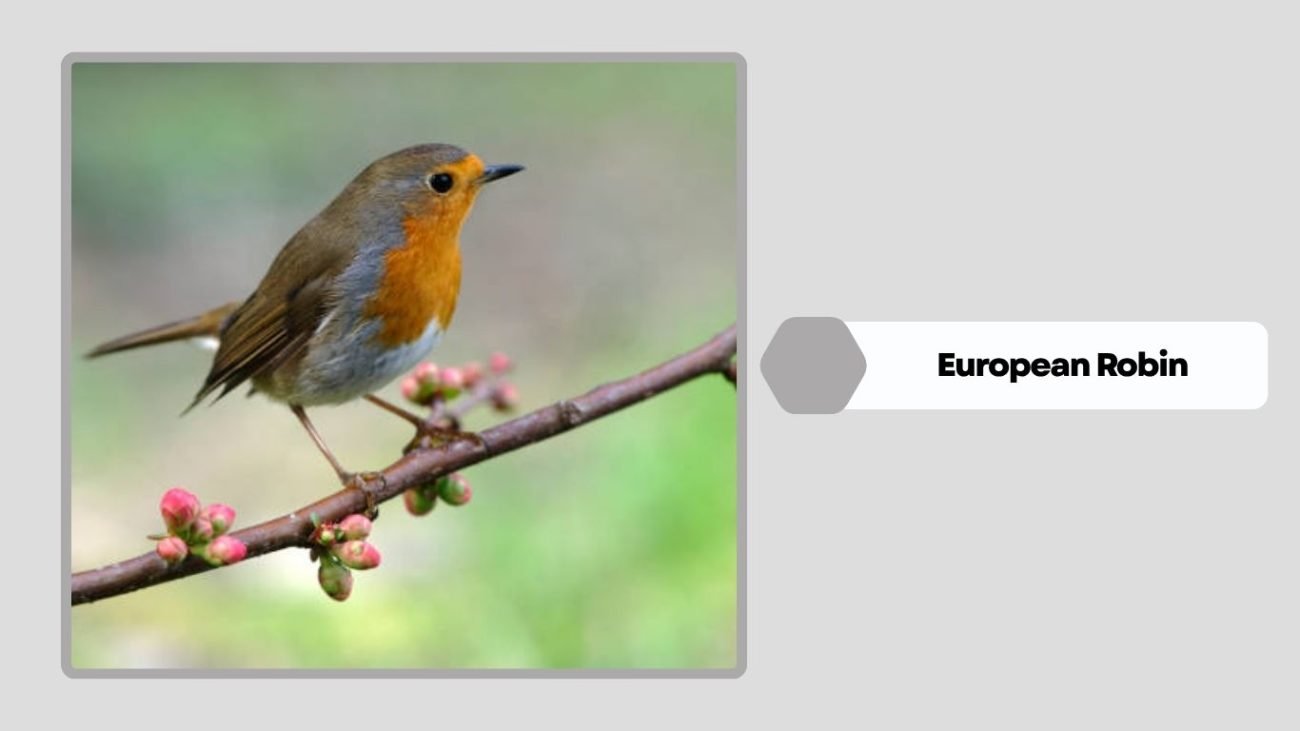
The European robin is a small, charming bird widely known for its bright orange-red breast and surprisingly strong, melodic voice. Found throughout Europe and parts of western Asia, it is one of the few birds that frequently sings at night, especially in urban areas where artificial lighting can extend its activity. Despite its delicate appearance, the robin is territorial and confident, often staying close to human habitation.
Identification
- Small, round-bodied bird
- Bright orange-red face and chest
- Brown upperparts with pale underparts
- Thin, pointed bill
- Large, dark eyes giving a gentle appearance
Habitat
European robins are highly adaptable and can be found in woodlands, gardens, parks, hedgerows, and urban areas. They prefer habitats with dense vegetation for nesting and open ground for foraging. Their comfort around humans makes them a common sight in backyards and city parks.
Behavior
Robins are active both during the day and at night, especially in well-lit areas. They are strongly territorial and will defend their space aggressively against other robins. They often follow gardeners or animals to catch disturbed insects. Unlike many small birds, they are quite bold and curious.
Song
The European robin has a clear, sweet, and melodious song made up of varied phrases and notes. It often sings at night in urban environments, where streetlights can trigger extended singing behavior. The song is softer than some other night singers but remains continuous and expressive.
Diet
European robins primarily feed on insects such as beetles, worms, spiders, and larvae. They also eat berries, fruits, and seeds, especially during winter when insects are less available. Their diet is flexible, allowing them to survive in a wide range of environments.
FAQs
Why do some birds sing at night?
Some birds sing at night mainly to attract mates and defend their territory. Nighttime offers a quieter environment with less background noise, allowing their songs to travel farther. In urban areas, artificial lighting can also confuse birds into singing outside their normal daytime schedule.
Which bird is most famous for singing at night?
The nightingale is the most famous nighttime singer. It is well known for its powerful, beautiful, and complex song, which has inspired poets and writers for centuries.
Do all owls sing at night?
Owls are nocturnal and vocal at night, but they do not “sing” like songbirds. Instead, they produce hoots, screeches, or whistles used for communication, mating, and marking territory.
Is it normal to hear birds singing at night in cities?
Yes, it is quite common in cities. Artificial lights, noise, and human activity can disrupt birds’ natural rhythms, causing species like robins and mockingbirds to sing at night more frequently.
Are nighttime bird songs seasonal?
Yes, most nighttime singing happens during the breeding season, typically in spring and early summer. During this time, male birds are more active vocally as they try to attract mates and establish territories.