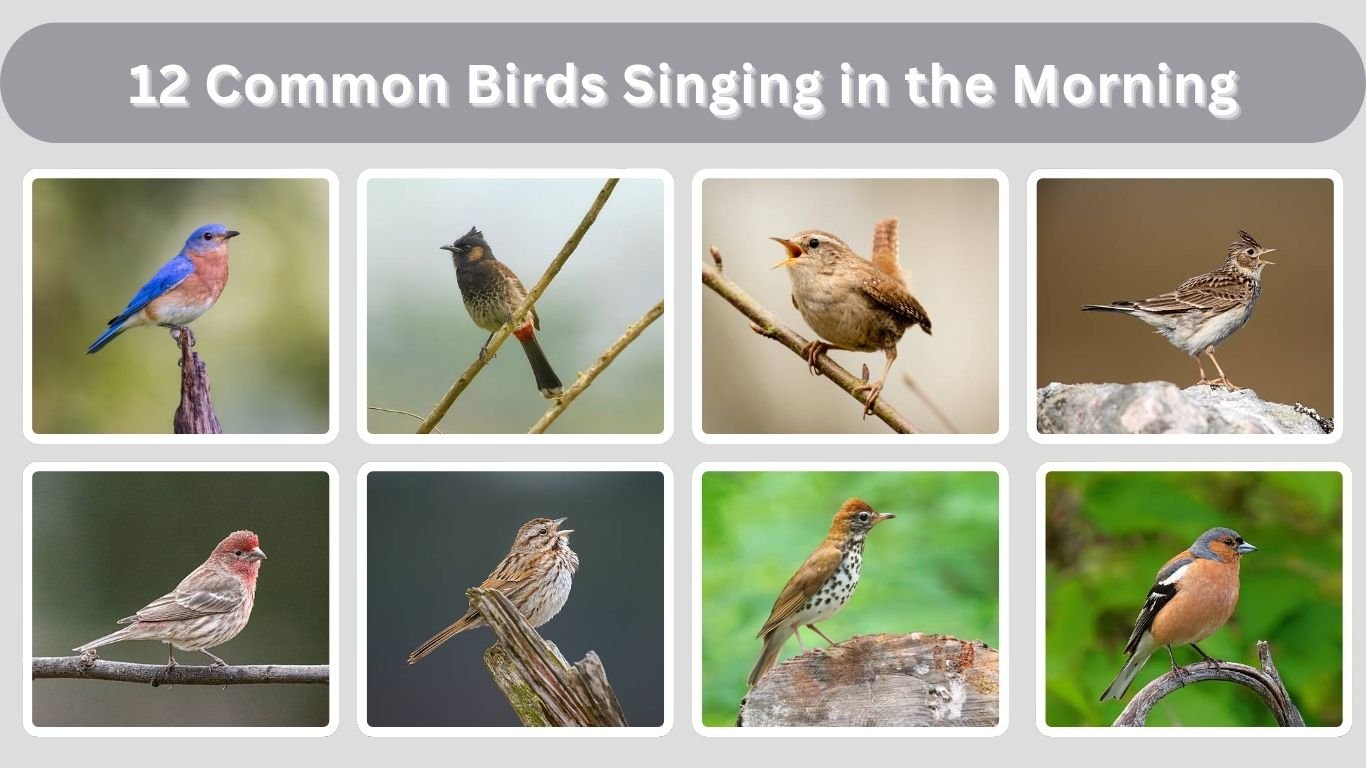
Birds singing in the morning create one of the most peaceful and refreshing natural experiences. Known as the “dawn chorus,” this daily event fills the air with beautiful melodies as birds communicate, mark their territory, and attract mates. From gardens to forests, many common birds are most active and vocal during these early hours. In this guide, you’ll discover 12 common birds that sing in the morning, along with details to help you identify and understand their habits.
1. American Robin
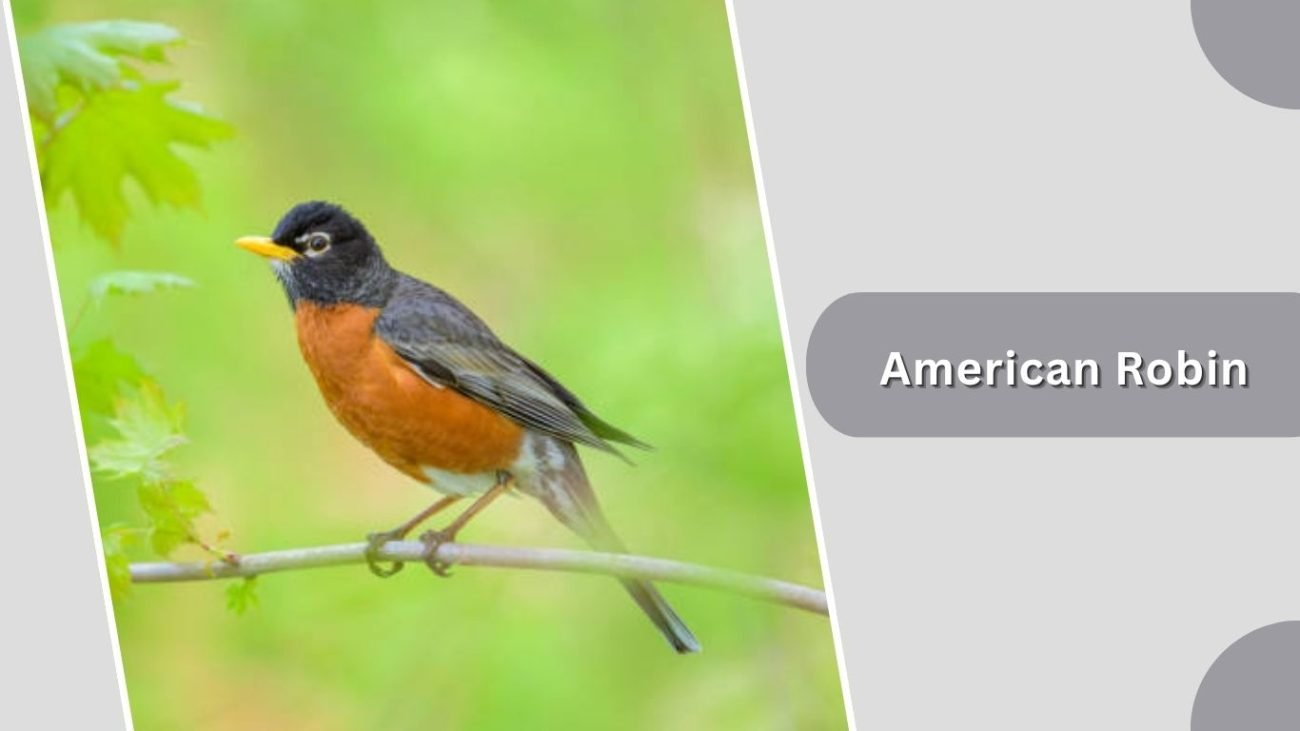
The American robin is one of the most recognizable morning songbirds, famous for its cheerful, whistling tune that often signals the start of a new day. Commonly associated with the arrival of spring, this bird is widely seen across gardens, parks, and open landscapes. Its bright appearance and friendly behavior make it easy to notice, even for beginners. The robin’s early morning song is not only pleasant but also serves important purposes like communication and territory marking. Because of its adaptability and strong presence in human environments, it has become one of the most familiar birds to people around the world.
Identification
- Medium-sized bird with a rounded body
- Bright orange or reddish breast, especially noticeable in males
- Grayish-brown upperparts including back and wings
- White throat with fine black streaks
- Yellow bill, slightly curved
- Long, sturdy legs suited for ground movement
- Dark head in some individuals, creating contrast with the chest
Habitat
American robins are highly adaptable birds found in a wide range of habitats. They commonly live in forests, woodlands, gardens, parks, lawns, and agricultural areas. These birds prefer open ground for feeding, especially areas with short grass where they can easily find worms and insects. At the same time, they need nearby trees, shrubs, or structures for nesting and resting. Robins are frequently seen in suburban and urban environments, often building nests on ledges, tree branches, or even human-made structures. During migration and winter, they may gather in large flocks and move to areas with abundant fruit sources.
Behaviors
American robins are among the earliest birds to sing at dawn, producing a series of clear, melodic phrases that repeat rhythmically. Males sing to attract mates and defend their territory, especially during the breeding season. These birds are active during the day and are often seen hopping or running across lawns in search of food. Unlike many birds, robins rely heavily on their sight to detect movement in the soil. They may pause frequently, tilting their heads to locate prey. Outside the breeding season, they become more social and may gather in groups, particularly when feeding or migrating.
Diet and Lifecycle
The diet of the American robin consists mainly of earthworms, insects, and a variety of fruits and berries. During warmer months, they rely more on animal-based food, while in colder seasons, fruits become an important part of their diet. Robins typically build cup-shaped nests using grass, twigs, and mud, often placed in trees or sheltered locations. The female lays several blue eggs and is primarily responsible for incubation. Both parents participate in feeding the chicks after hatching. The young birds grow quickly and usually leave the nest within a few weeks, though they may still depend on their parents for a short time afterward.
2. Blackbird
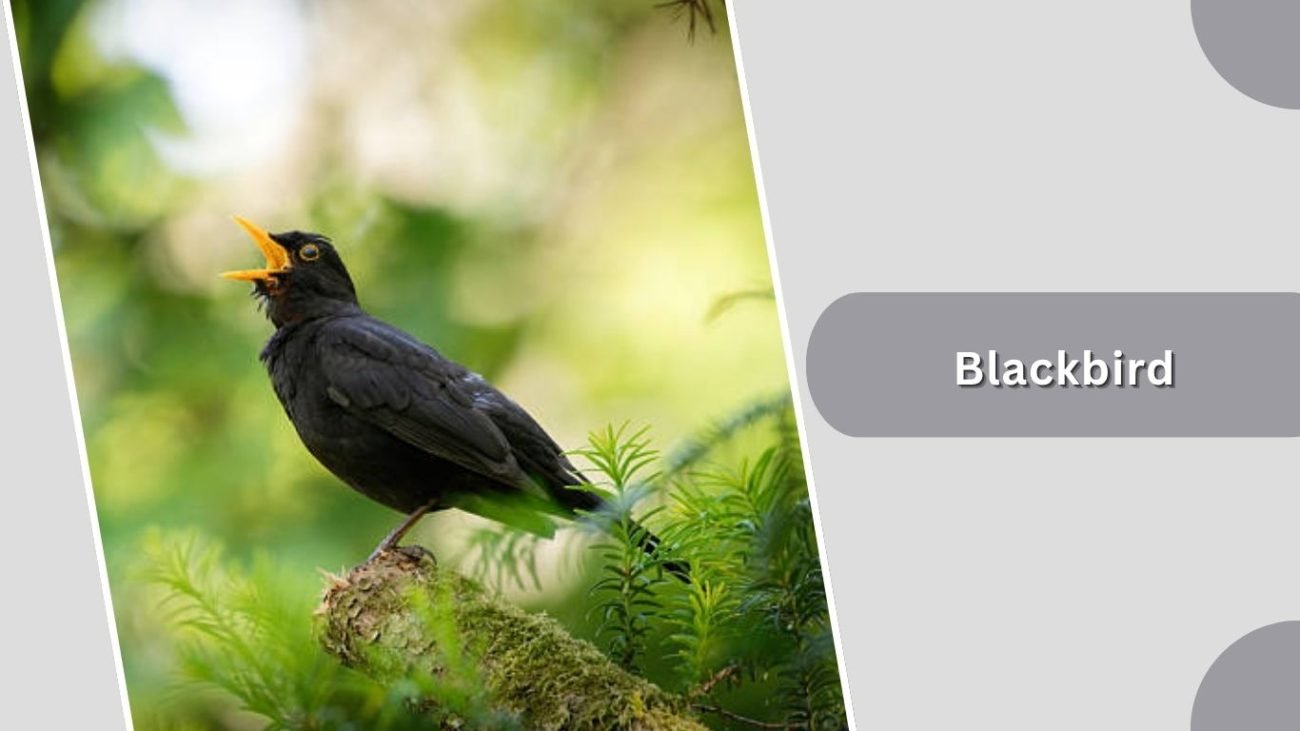
The blackbird is a well-known morning singer, especially famous for its rich, flute-like song that is often heard at dawn. Its clear and melodious voice carries over long distances, making it one of the most pleasant birds to listen to in early hours. Males are particularly striking with their glossy black feathers and bright yellow beaks, while females have a more subtle brown appearance. The blackbird’s song is calm yet expressive, often marking territory and attracting mates. It is a common bird in both natural and human environments, easily recognized by its sound and behavior.
Identification
- Medium-sized bird with a strong body
- Males are glossy black all over
- Bright yellow or orange beak (in males)
- Yellow eye-ring around dark eyes
- Females are brown with lighter streaks
- Long tail and rounded wings
- Strong legs adapted for ground feeding
Habitat
Blackbirds are highly adaptable and can be found in a variety of habitats including forests, woodlands, gardens, parks, and hedgerows. They prefer areas that offer a mix of open ground for feeding and dense vegetation for nesting. These birds are commonly seen in urban and suburban areas, often close to human settlements. They favor environments with moist soil, which makes it easier to find worms and insects. Blackbirds also use trees and shrubs for shelter and nesting, making gardens an ideal habitat.
Behaviors
Blackbirds are active during the day and are especially vocal in the early morning. Males often sing from high perches such as tree branches, rooftops, or poles to establish territory and attract mates. Their song is slow, rich, and musical, with pauses between phrases. On the ground, they are frequently seen hopping and stopping to listen for prey. They can be territorial during breeding season but are generally calm birds. Outside the breeding period, they may become more social and less aggressive.
Diet and Lifecycle
Their diet mainly includes earthworms, insects, snails, and fruits. Blackbirds are skilled ground foragers, using their sharp vision and hearing to locate food. They build neat, cup-shaped nests in shrubs or trees using grass, mud, and twigs. The female lays several eggs and incubates them while the male helps protect the territory. After hatching, both parents feed the chicks. The young birds grow quickly and leave the nest within a few weeks but may stay nearby as they learn to survive independently.
3. Song Sparrow
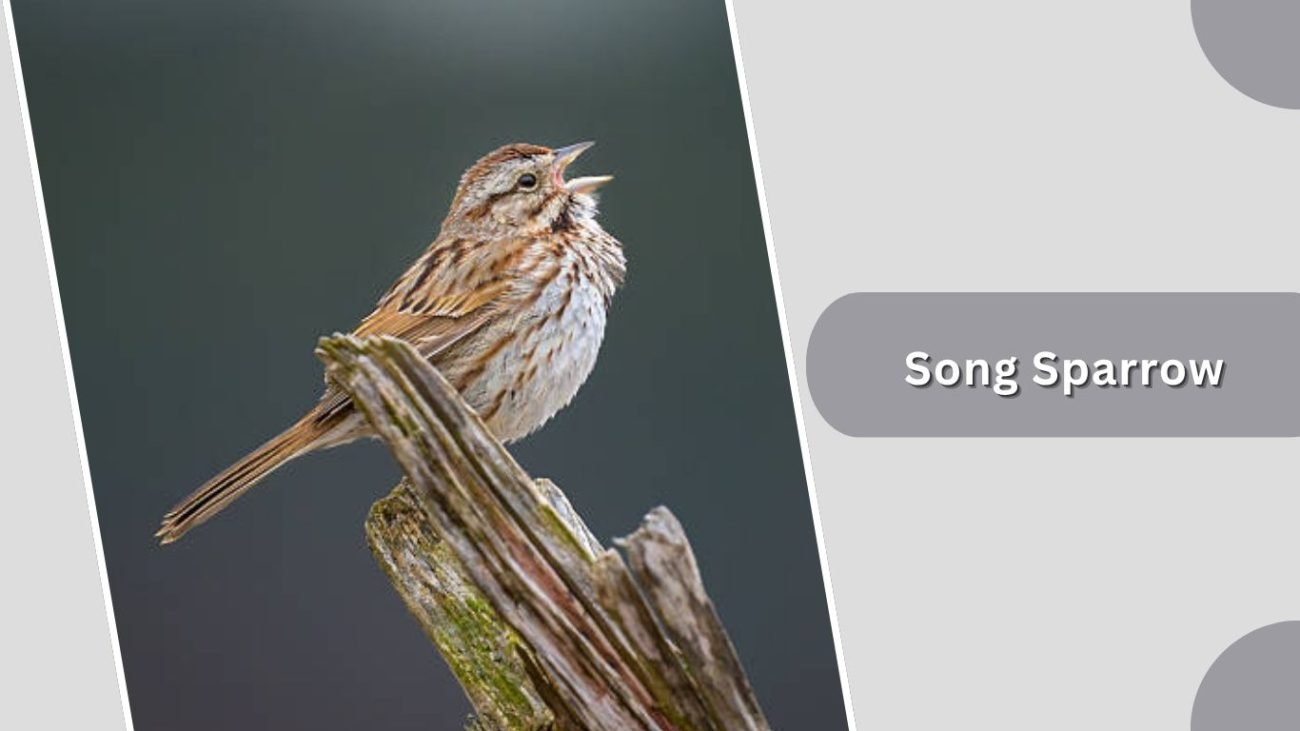
The song sparrow is a small but expressive bird known for its sweet and varied morning songs. Often heard at dawn, its musical voice consists of a mix of clear notes and trills. Despite its simple appearance, it is one of the most recognizable singing birds due to its consistent and lively vocalizations. It is commonly found across a wide range of environments and is especially active in the early hours of the day.
Identification
- Small, plump bird with a rounded body
- Brown and gray streaked plumage
- Distinct dark spot in the center of the chest
- Rounded tail
- Short, thick bill
- Subtle facial markings with light and dark stripes
Habitat
Song sparrows are highly adaptable and live in a variety of habitats such as wetlands, marshes, gardens, forest edges, and grasslands. They prefer areas with dense shrubs or low vegetation where they can hide and nest safely. These birds are often found near water sources, but they also thrive in suburban and urban environments with sufficient greenery.
Behaviors
They are active and often seen hopping or moving through low vegetation. Males are particularly vocal in the morning, singing from exposed perches to establish territory and attract mates. Their songs can vary between individuals but usually begin with clear notes followed by trills. Song sparrows are generally solitary or found in pairs during breeding season.
Diet and Lifecycle
Their diet includes insects, seeds, and small fruits. They forage mainly on the ground or among low plants. Song sparrows build well-hidden nests in shrubs or grasses. The female lays several eggs and incubates them, while both parents help feed the chicks. The young birds grow quickly and leave the nest within a short period.
4. House Finch
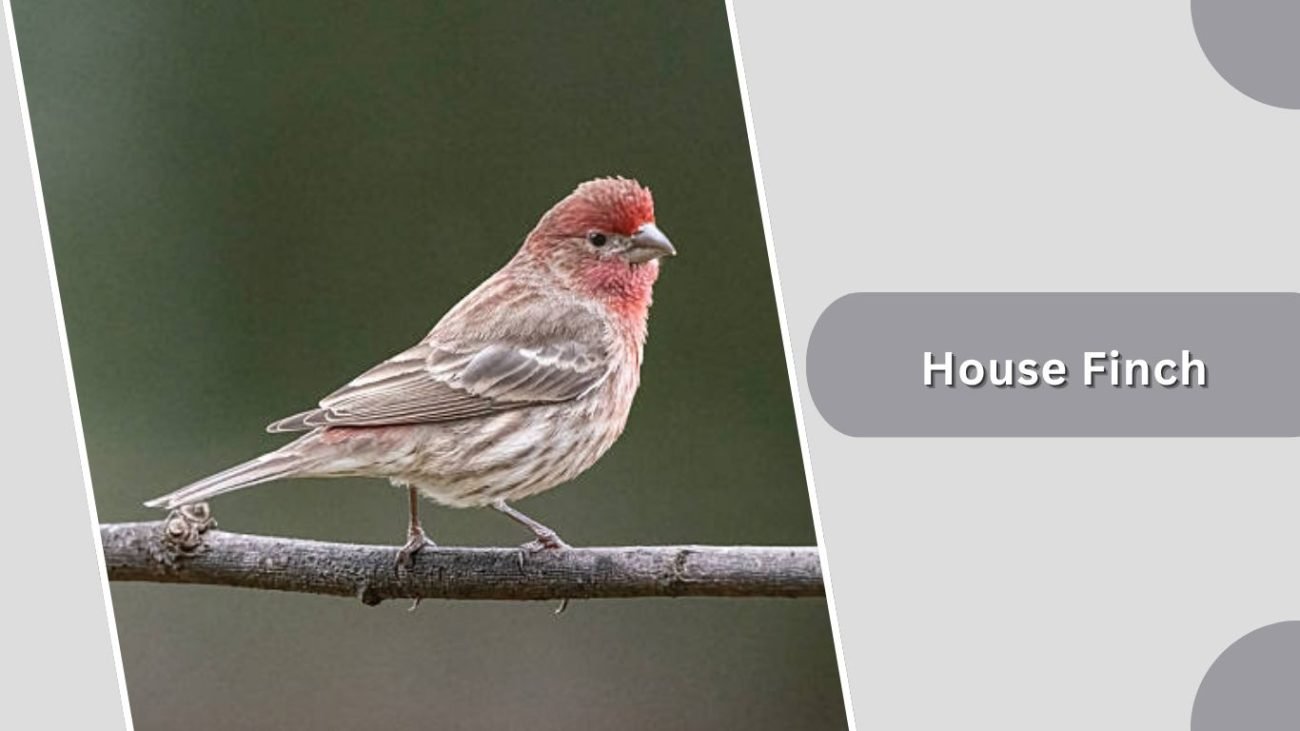
The house finch is a cheerful and active songbird well known for its pleasant, warbling song that is often heard in the early morning. It is a common sight in towns and cities, easily recognized by its friendly nature and frequent visits to feeders. Males are especially colorful and vocal, using their song to attract mates and communicate with other birds.
Identification
- Small, compact bird with a rounded body
- Males have red or orange coloring on the head and chest
- Females are brown with heavy streaks and no red color
- Short, conical beak
- Slightly notched tail
- Dark eyes and smooth feathers
Habitat
House finches are highly adaptable and thrive in urban and suburban environments. They are commonly found in gardens, parks, farmlands, and residential areas. These birds prefer open spaces with scattered trees or buildings and are often seen near human activity. They frequently nest on ledges, rooftops, hanging plants, or other structures, making them one of the most common birds around homes.
Behaviors
They are social birds and are often seen in small groups or flocks. Males sing frequently, especially in the morning, producing a long series of cheerful chirps and warbles. House finches are active during the day and are comfortable around humans. They are generally peaceful and can often be observed feeding alongside other bird species.
Diet and Lifecycle
Their diet mainly consists of seeds, grains, buds, and fruits. They rely less on insects compared to many other songbirds. House finches build cup-shaped nests using grass, twigs, and feathers. Females lay several eggs, and both parents share the responsibility of feeding and caring for the chicks until they become independent.
5. Skylark
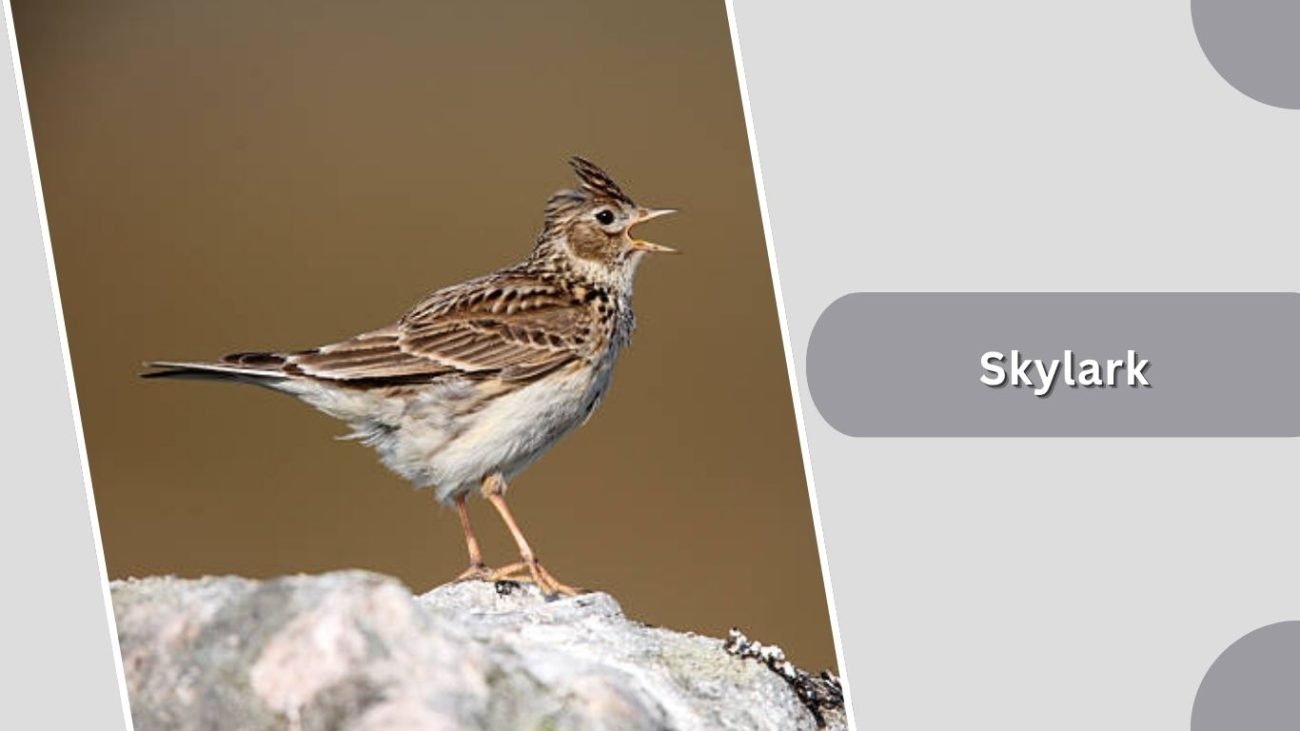
The skylark is a remarkable songbird famous for its continuous and melodious singing while flying high in the sky. Its morning song is long, rich, and full of varied notes, often delivered during a hovering flight. This unique behavior makes it one of the most iconic birds of open countryside. Despite its plain appearance, the skylark is highly valued for its powerful and uplifting voice.
Identification
- Small to medium-sized bird
- Brown, streaked plumage for camouflage
- Slight crest on the head
- Pale underparts
- Short tail with white outer edges
- Strong legs suited for ground living
Habitat
Skylarks prefer open landscapes such as grasslands, meadows, farmlands, and fields. They avoid dense forests and urban areas, choosing wide, open spaces with low vegetation. These habitats allow them to nest safely on the ground and perform their singing flights. Skylarks are most commonly found in rural areas where natural grass cover is available.
Behaviors
They are best known for their vertical singing display, where males rise high into the air while continuously singing. This behavior is mainly used to attract mates and defend territory. Skylarks spend much of their time on the ground, walking or running rather than hopping. They are generally shy and rely on their camouflage to avoid predators.
Diet and Lifecycle
Their diet includes seeds, grains, and insects, especially during the breeding season. Skylarks forage on the ground, picking food from soil and vegetation. They build well-hidden nests on the ground among grasses. The female lays several eggs, and both parents may help in feeding the chicks. The young birds grow quickly and leave the nest early.
6. Nightingale
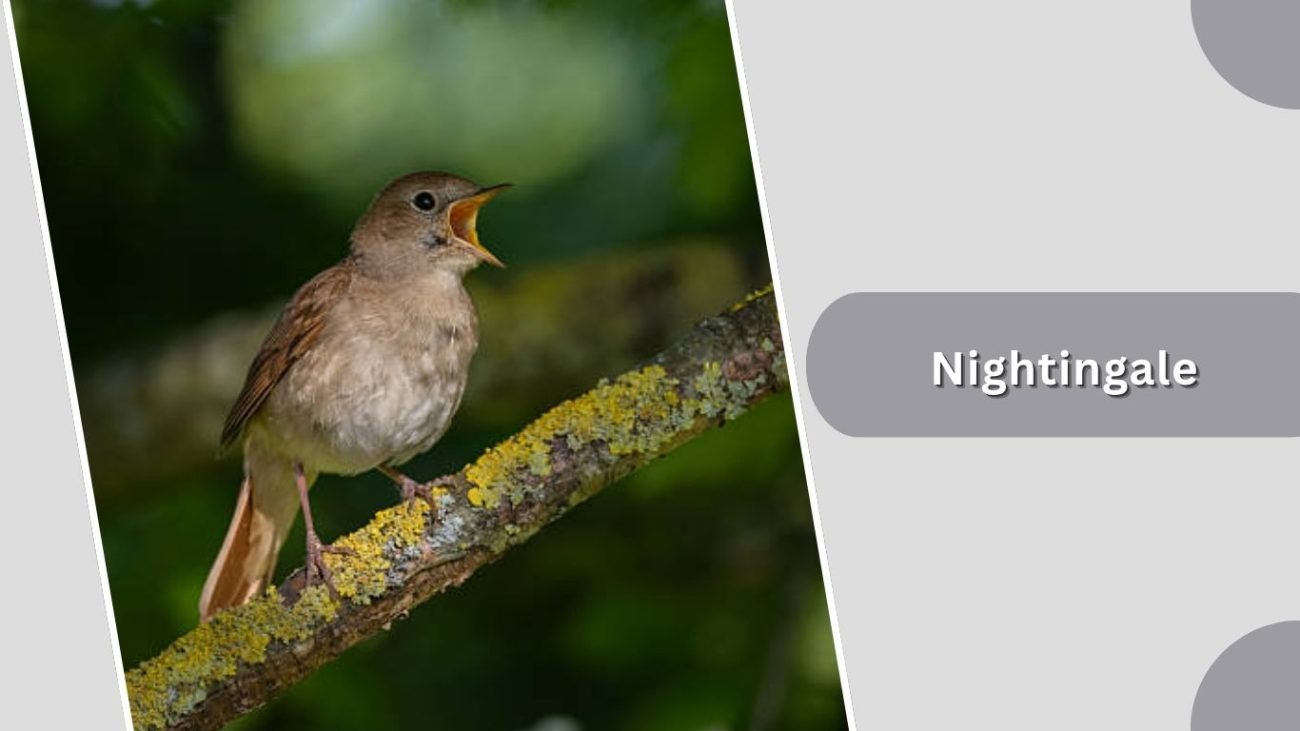
The nightingale is one of the most famous singing birds, known for its powerful and beautiful voice. Although it often sings at night, it is also active in the early morning, producing rich and varied melodies. Despite its plain appearance, it is highly admired for its musical ability and has inspired poets and nature lovers for centuries.
Identification
- Small, slender bird
- Plain brown upperparts
- Pale or whitish underparts
- Reddish-brown tail
- Large, dark eyes
- Thin, pointed beak
Habitat
Nightingales prefer dense vegetation such as forests, woodlands, and thick shrubs. They are often found near water sources like streams or wetlands where food is abundant. These birds require good ground cover to stay hidden and safe from predators. They may also appear in gardens and parks with suitable vegetation.
Behaviors
They are shy and secretive birds, usually staying hidden in bushes. However, males are very vocal, especially during breeding season. Their song is loud, rich, and complex, consisting of whistles, trills, and varied notes. They sing to attract mates and defend territory, often choosing concealed perches.
Diet and Lifecycle
Their diet mainly includes insects, worms, spiders, and berries. Nightingales forage on the ground or in low vegetation. They build nests close to the ground using leaves and grass. The female lays eggs and incubates them, while both parents may help feed the chicks until they become independent.
7. Mockingbird
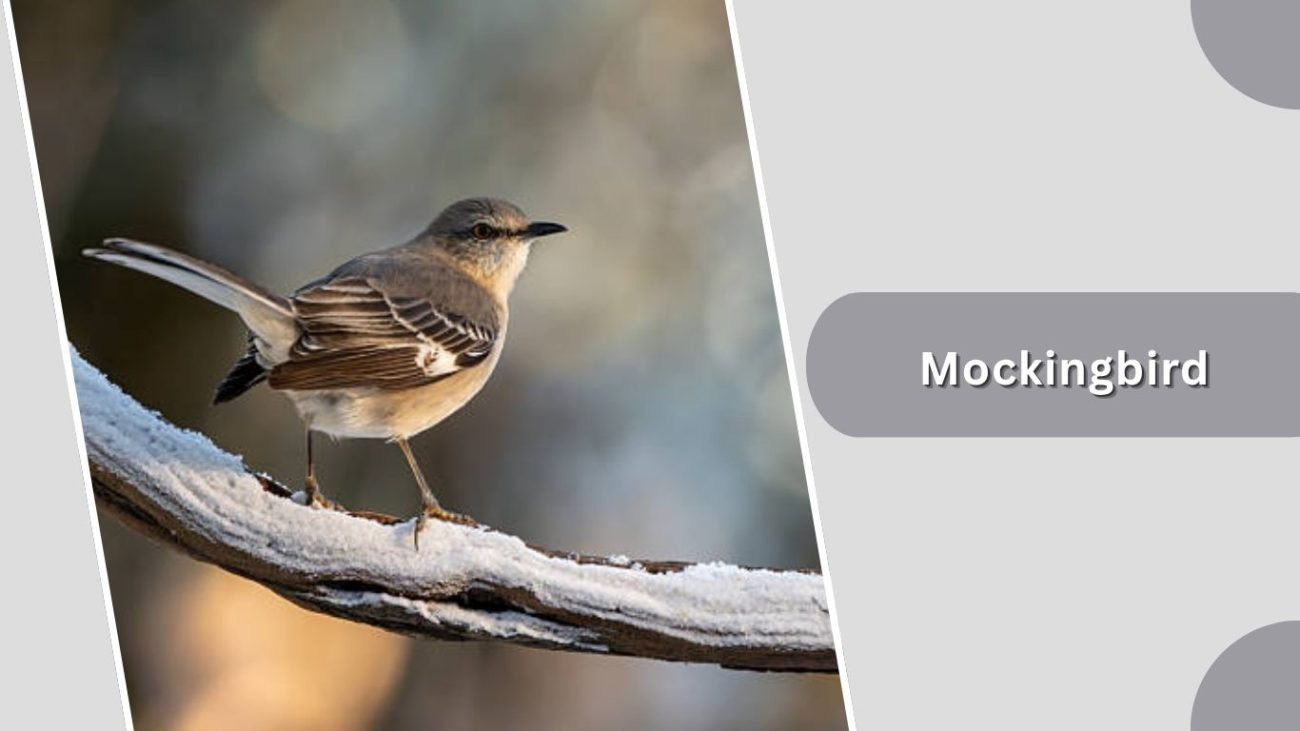
The mockingbird is a highly talented songbird known for its ability to imitate the sounds of other birds and even environmental noises. Its morning song is lively and varied, often consisting of repeated phrases and different tones. This bird is admired for its intelligence, bold nature, and impressive vocal skills.
Identification
- Medium-sized, slender bird
- Gray upperparts with lighter underparts
- Long tail with white edges
- White patches on wings visible during flight
- Slightly curved bill
- Long legs
Habitat
Mockingbirds are commonly found in open areas such as gardens, parks, farmlands, and suburban neighborhoods. They prefer habitats with scattered trees and shrubs for nesting, along with open ground for feeding. These birds adapt very well to human environments and are often seen near homes.
Behaviors
They are active and bold birds, often perched in visible spots while singing. Mockingbirds can mimic a wide range of sounds and repeat them several times. They are highly territorial and may aggressively defend their nesting area from intruders. Their singing is especially frequent in the morning and evening.
Diet and Lifecycle
Their diet includes insects, fruits, and berries. They forage on the ground or in low vegetation. Mockingbirds build cup-shaped nests in shrubs or small trees. Females lay eggs, and both parents share the responsibility of feeding and protecting the chicks until they are fully grown.
8. Chaffinch
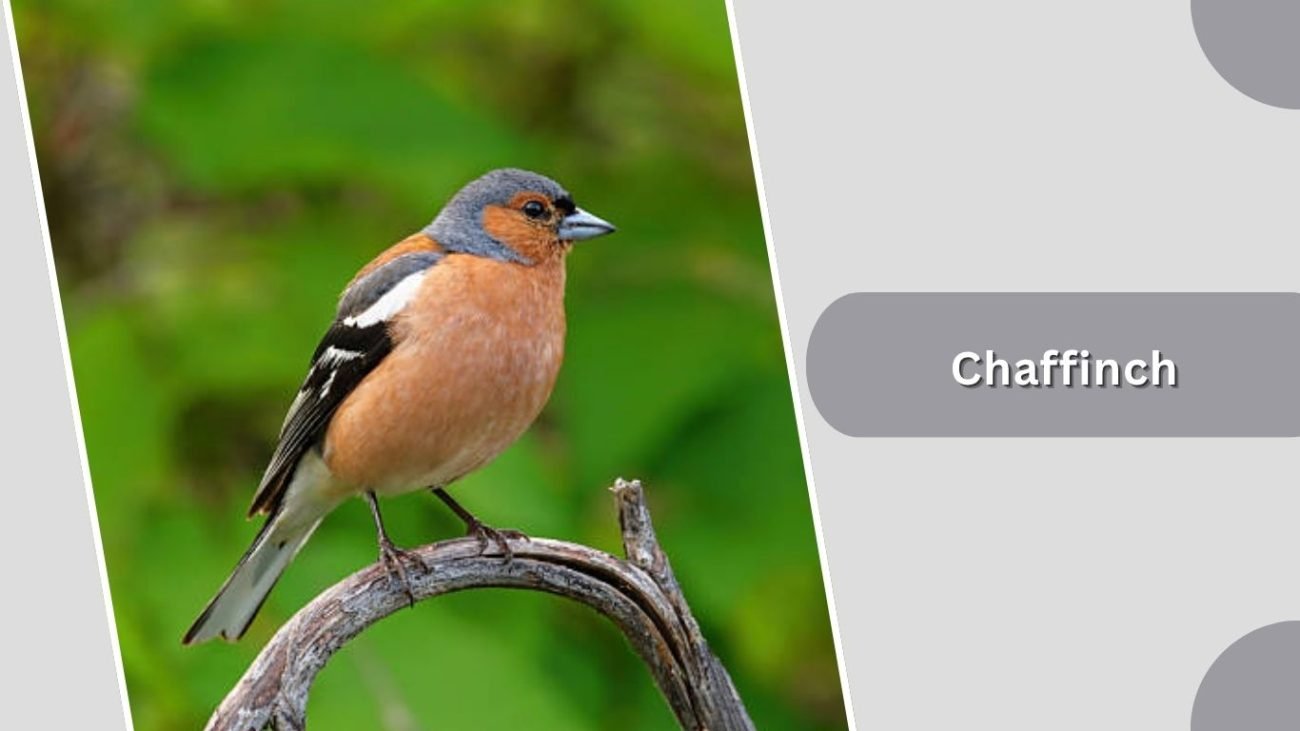
The chaffinch is a colorful and lively songbird known for its clear, rhythmic morning song. Often heard at dawn, its repeated notes create a cheerful and recognizable sound. It is one of the most common birds in many regions and is easily spotted due to its bright plumage and active behavior.
Identification
- Small, compact bird
- Males have a reddish-pink breast and face
- Blue-gray cap and nape (in males)
- Females are more brown and less colorful
- White wing bars visible in flight
- Short, strong beak
Habitat
Chaffinches are found in a wide range of habitats including woodlands, gardens, parks, and farmland. They prefer areas with trees for nesting and open ground for feeding. These birds are highly adaptable and are often seen in both rural and urban environments, especially where food sources are available.
Behaviors
They are active birds, often seen hopping on the ground or perching in trees. Males sing frequently in the morning from exposed perches to attract mates and defend territory. Their song is a repeated and structured series of notes. Outside the breeding season, chaffinches may form small flocks.
Diet and Lifecycle
Their diet includes seeds, insects, and small invertebrates. During breeding season, they rely more on insects to feed their young. Chaffinches build neat nests in trees or shrubs using moss, grass, and feathers. Females lay eggs, and both parents help in feeding and raising the chicks until they become independent.
9. Wren
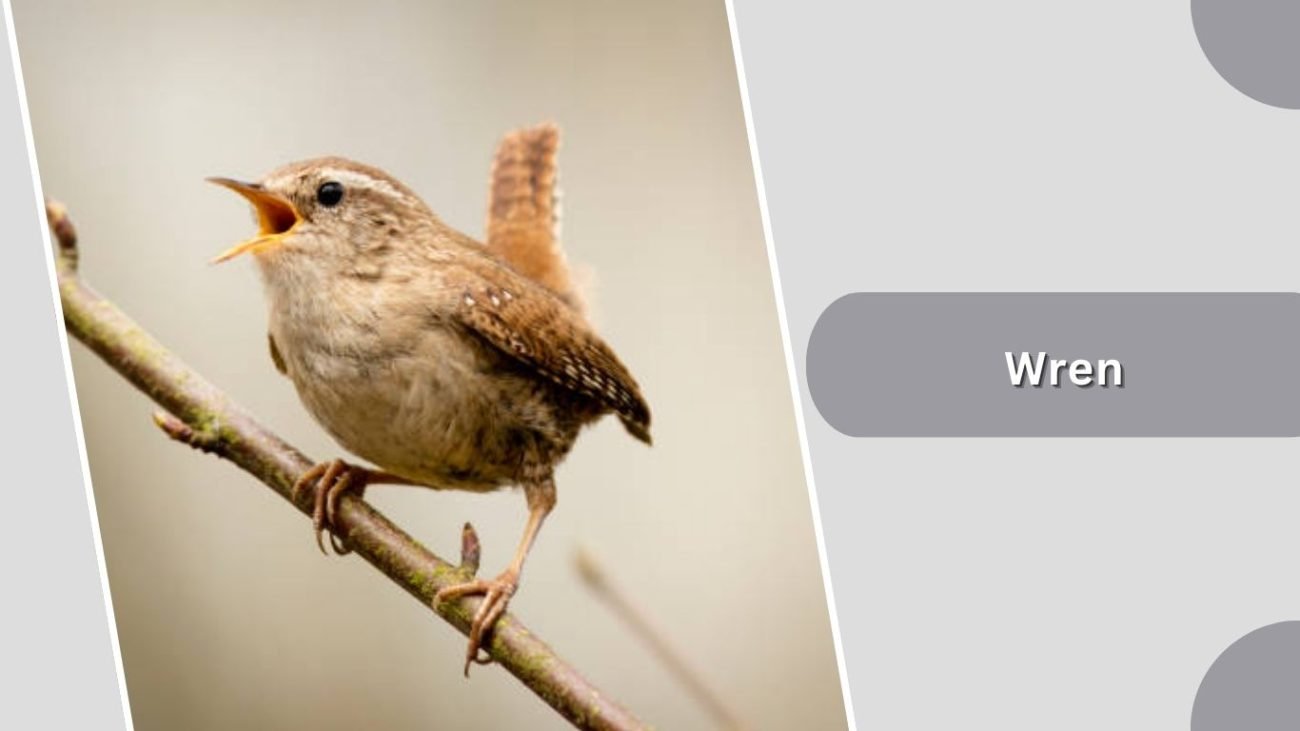
The wren is a tiny but energetic songbird known for its surprisingly loud and lively morning song. Despite its small size, it produces a powerful and complex series of notes that can be heard clearly at dawn. Wrens are active, curious, and often seen darting quickly through bushes and vegetation.
Identification
- Very small, round-bodied bird
- Brown plumage with fine barring
- Short, upright tail
- Thin, slightly curved bill
- Pale eyebrow stripe (in some species)
- Strong legs for quick movement
Habitat
Wrens are found in a variety of habitats including woodlands, gardens, hedges, and grasslands. They prefer dense vegetation that provides shelter and safe nesting spots. These birds are highly adaptable and are commonly found near human habitation, especially in areas with shrubs and thick plant cover.
Behaviors
Wrens are extremely active and rarely stay still for long. They constantly move through foliage, searching for food. Males are known for their loud and complex songs, especially in the early morning, which they use to attract mates and defend territory. They often flick their tails while moving.
Diet and Lifecycle
Their diet mainly consists of insects, spiders, and other small invertebrates. Wrens forage in crevices, bark, and leaf litter. They build dome-shaped nests in hidden locations such as bushes or cavities. Females lay eggs, and both parents help feed the chicks until they are ready to leave the nest.
10. Bluebird
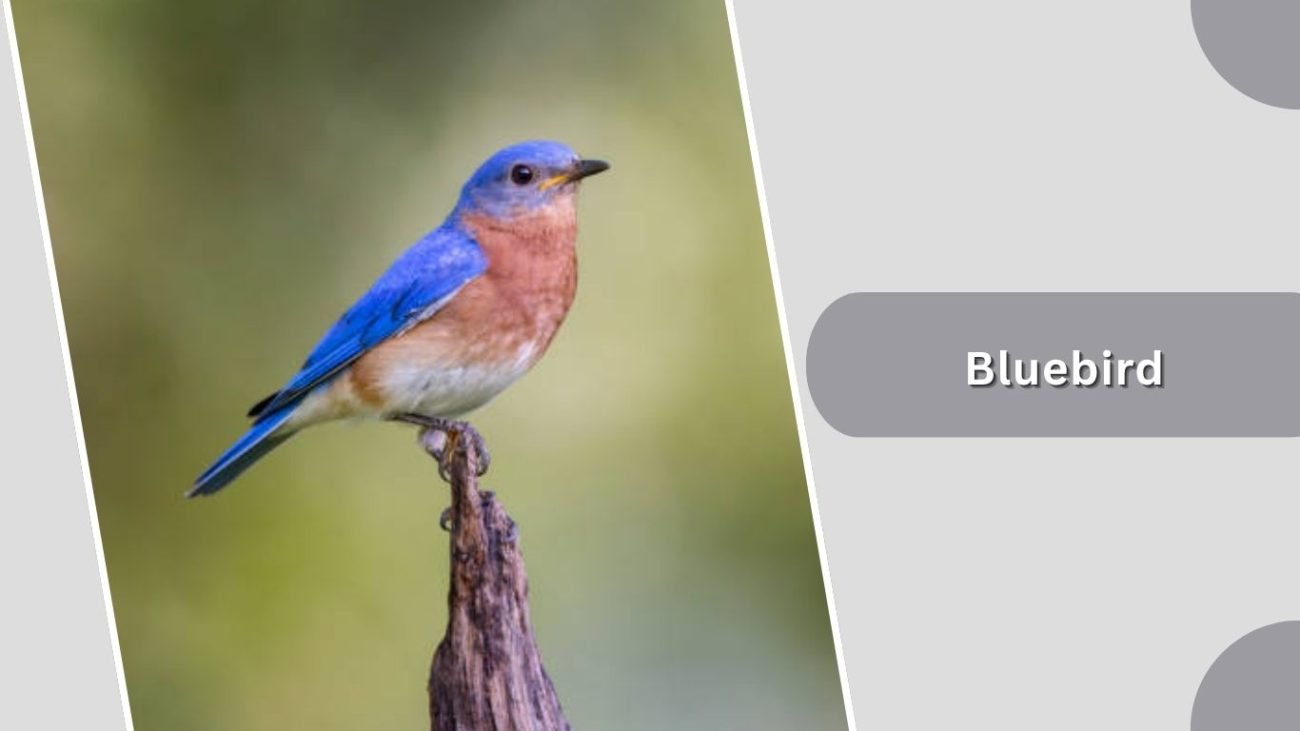
The bluebird is a charming and colorful songbird known for its soft, pleasant morning song. Often associated with happiness and calm, it is commonly seen perched quietly before flying down to catch food. Its gentle voice and bright colors make it a favorite among bird watchers.
Identification
- Small, compact bird
- Bright blue upperparts (in males)
- Reddish or orange chest
- White or pale belly
- Short, straight bill
- Rounded wings and short tail
Habitat
Bluebirds prefer open areas such as meadows, grasslands, orchards, and farmlands. They are also commonly found in parks and suburban areas where nest boxes are available. These birds favor habitats that provide open ground for feeding and cavities for nesting, such as tree holes or artificial boxes.
Behaviors
They are calm and often seen perched while scanning the ground for food. Bluebirds sing soft, melodious songs in the early morning. They are generally social outside the breeding season and may gather in small groups. During nesting, they become more territorial and protective.
Diet and Lifecycle
Their diet includes insects, caterpillars, and berries. Bluebirds catch insects from the ground or during short flights. They nest in cavities, laying several eggs per clutch. Both parents help feed the chicks, and the young birds leave the nest after a few weeks but may stay nearby for some time.
11. Wood Thrush
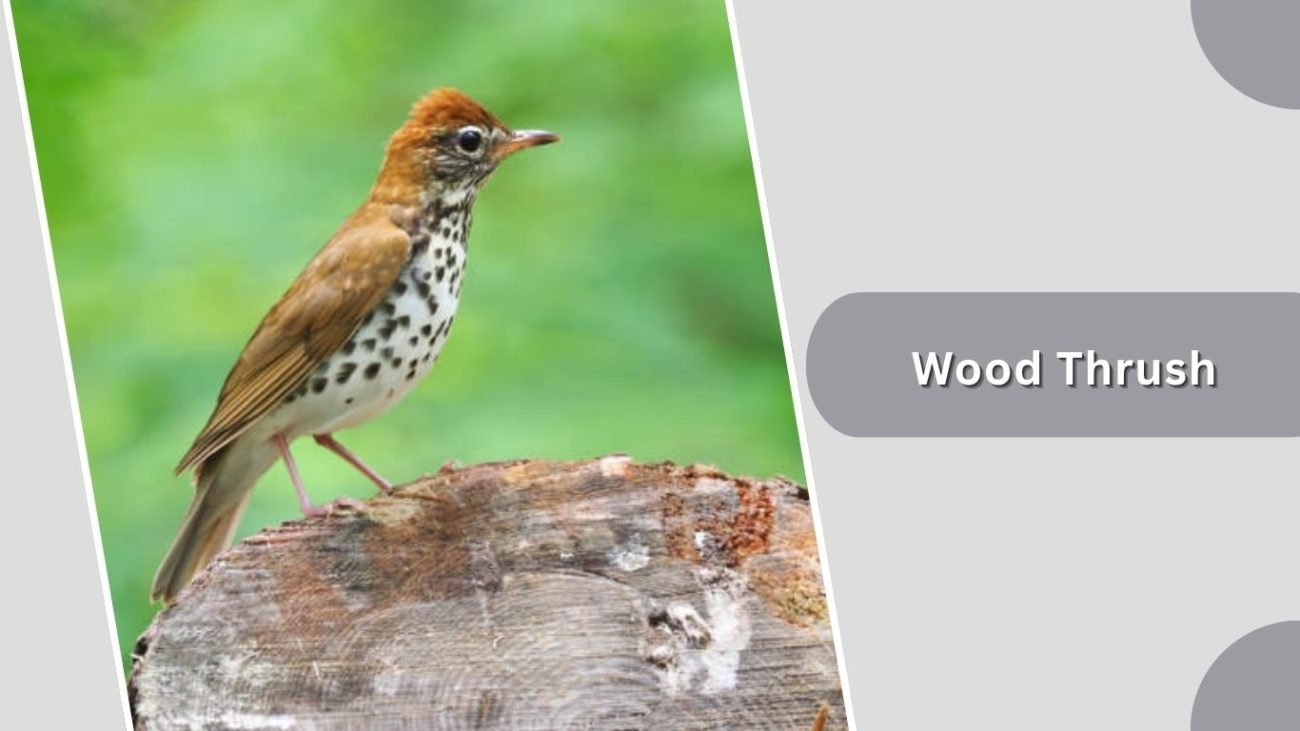
The wood thrush is a beautiful songbird known for its rich, flute-like morning song that echoes through forests. Its voice is clear and haunting, often described as one of the most musical bird songs. Though it is shy and not always easy to see, its song makes it a favorite among bird lovers.
Identification
- Medium-sized bird
- Warm brown back with a slightly reddish head
- White underparts with bold dark spots
- Large, round dark eyes
- Straight, medium-length bill
- Pinkish legs
Habitat
Wood thrushes prefer mature forests with dense understory and moist ground. They are often found near streams, wetlands, or shaded woodland areas. These birds need thick vegetation for nesting and protection, and they may also appear in parks or large gardens during migration.
Behaviors
They are shy and usually stay hidden within forest cover. Males sing from perches in the early morning to attract mates and defend territory. Their song is soft yet powerful, carrying through the trees. Wood thrushes are most active during dawn and dusk.
Diet and Lifecycle
Their diet includes insects, worms, and fruits. They forage mainly on the forest floor, turning leaves to find food. Nests are built in trees or shrubs using leaves, mud, and grass. Females lay eggs, and both parents help feed the chicks until they are ready to leave the nest.
12. Bulbul
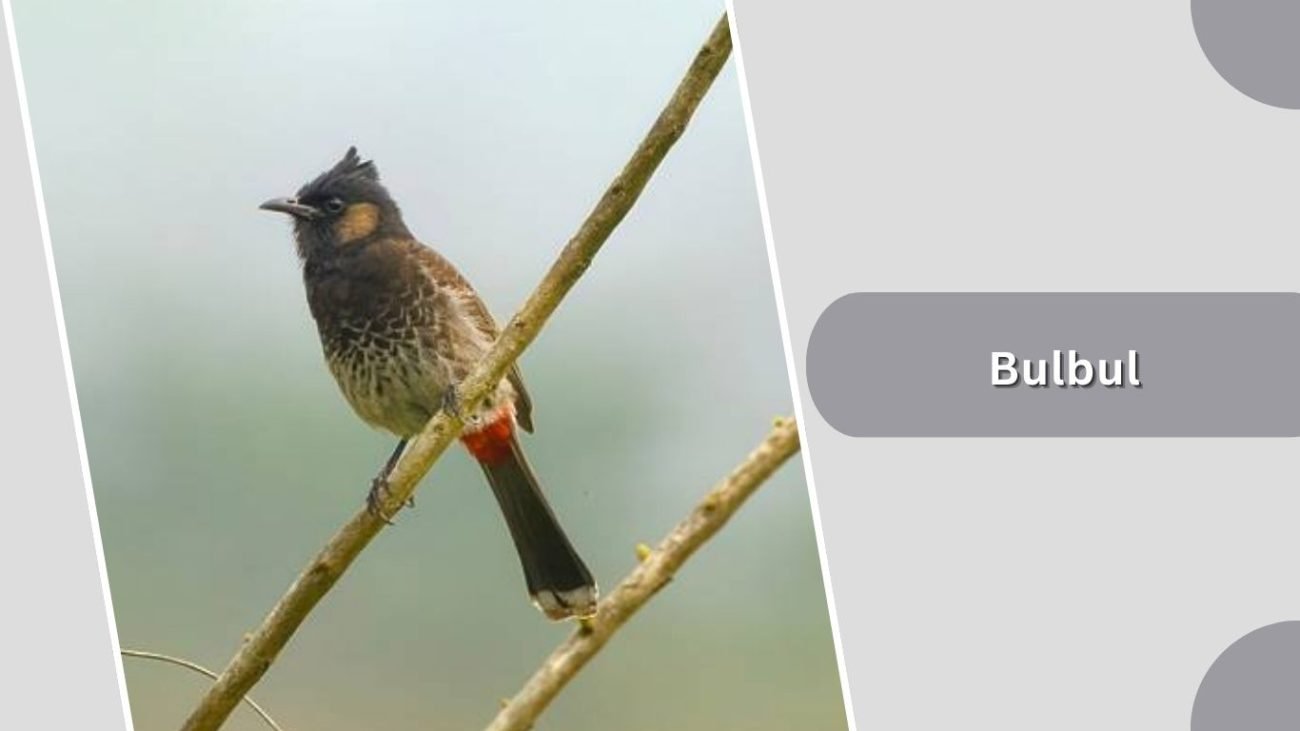
The bulbul is a lively and vocal songbird commonly heard in the early morning. Known for its cheerful and bubbling calls, it adds a pleasant sound to gardens and natural areas. Bulbuls are active, adaptable, and often seen near human habitation, making them one of the most familiar singing birds in many regions.
Identification
- Medium-sized bird
- Soft brown or gray body
- Dark head, sometimes with a slight crest
- Bright undertail (often red or yellow in some species)
- Slender, slightly curved bill
- Long tail
Habitat
Bulbuls are commonly found in gardens, forests, shrublands, and urban areas. They prefer places with plenty of trees and bushes, which provide both food and shelter. These birds adapt easily to different environments and are often seen in parks, villages, and cultivated lands where fruiting plants are available.
Behaviors
Bulbuls are active and social birds, often seen in pairs or small groups. They are known for their pleasant and varied calls, especially during the early morning hours. They are curious and bold, frequently visiting fruit trees and gardens. Their movements are quick and lively.
Diet and Lifecycle
Their diet includes fruits, nectar, insects, and small invertebrates. Bulbuls play an important role in seed dispersal. They build cup-shaped nests in shrubs or trees. Females lay a few eggs, and both parents share the responsibility of feeding and protecting the chicks until they grow and become independent.
FAQs
Why do birds sing more in the morning?
Birds sing more in the early morning, often called the “dawn chorus,” because the air is calm and sound travels farther. This is the best time for males to attract mates and establish their territory before the day becomes noisy and busy.
Which bird has the most beautiful morning song?
Many birds are known for beautiful songs, but the nightingale, wood thrush, and blackbird are often considered among the best. However, beauty can be subjective, and each species has its own unique and pleasant sound.
Are all singing birds male?
Most of the time, male birds are the primary singers, especially during breeding season. They sing to attract females and defend their territory. However, in some species, females may also sing, though usually less frequently.
Can birds recognize each other’s songs?
Yes, birds can recognize the songs of their own species and even identify individual birds. This helps them respond to rivals, find mates, and communicate effectively within their environment.
When is the best time to hear birds singing?
The best time to hear birds singing is early in the morning, just before and after sunrise. This is when most birds are active and vocal, making it the ideal time for birdwatching and enjoying their natural songs.