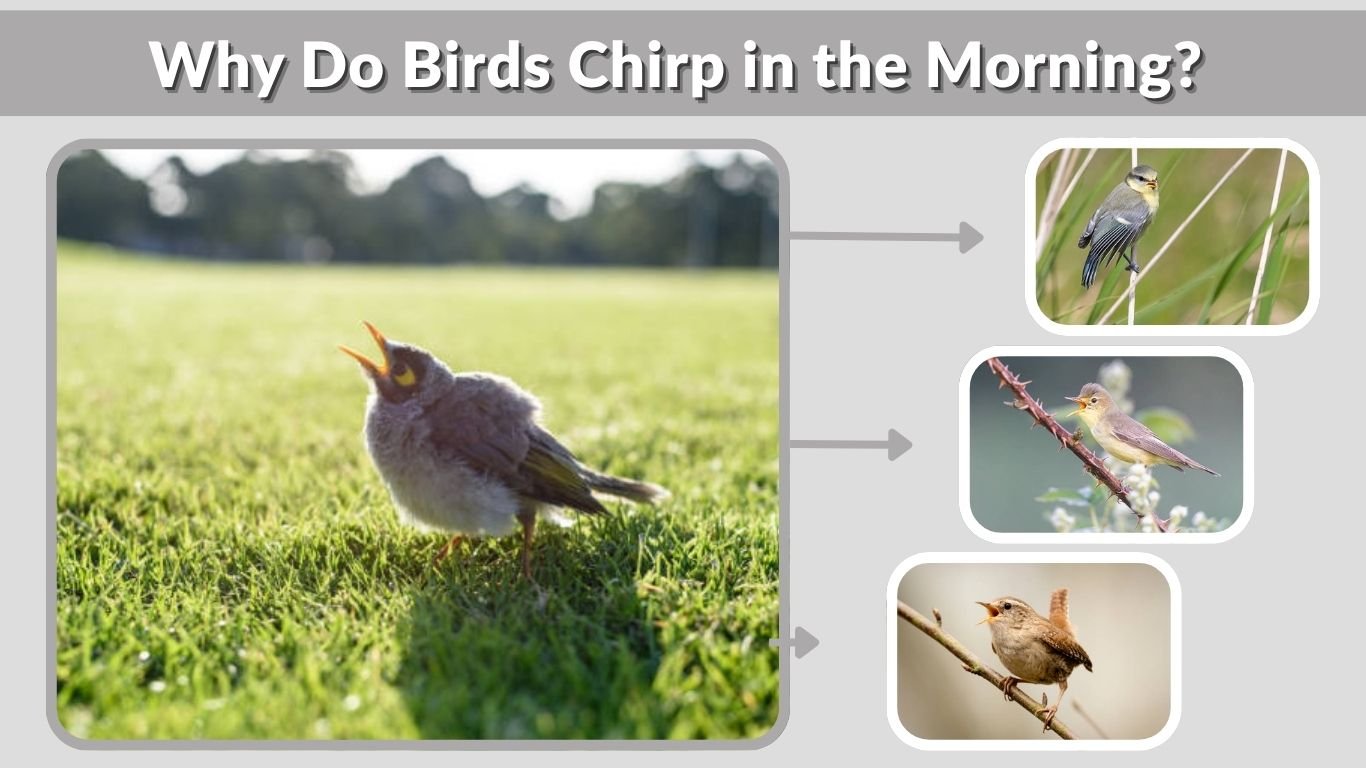
If you’ve ever woken up early, you’ve likely noticed the cheerful (and sometimes loud) sound of birds chirping outside your window. This natural morning symphony is not random—it’s a well-known phenomenon called the dawn chorus. While it may seem like birds are simply greeting the day, there are actually several important reasons behind this behavior.
Birds chirp in the morning due to a combination of communication needs, biological rhythms, and environmental advantages. From attracting mates to defending territory, their early-morning songs play a crucial role in survival and reproduction. Understanding why birds are most vocal at this time reveals fascinating insights into how nature operates.
What Is the Dawn Chorus?
The dawn chorus refers to the burst of bird songs that occurs just before and shortly after sunrise. During this time, many bird species sing simultaneously, creating a rich and layered soundscape. This behavior is observed all over the world and is especially noticeable in spring and early summer.
Not all birds participate equally in the dawn chorus. Some species begin singing earlier than others, often depending on their size, habitat, and sensitivity to light. For example, smaller birds tend to start earlier because they are more vulnerable and need to establish their presence quickly.
The dawn chorus is not just a random event—it is a coordinated and purposeful activity. Each bird is using sound as a tool to communicate, compete, and survive in its environment.
Main Reasons Birds Chirp in the Morning
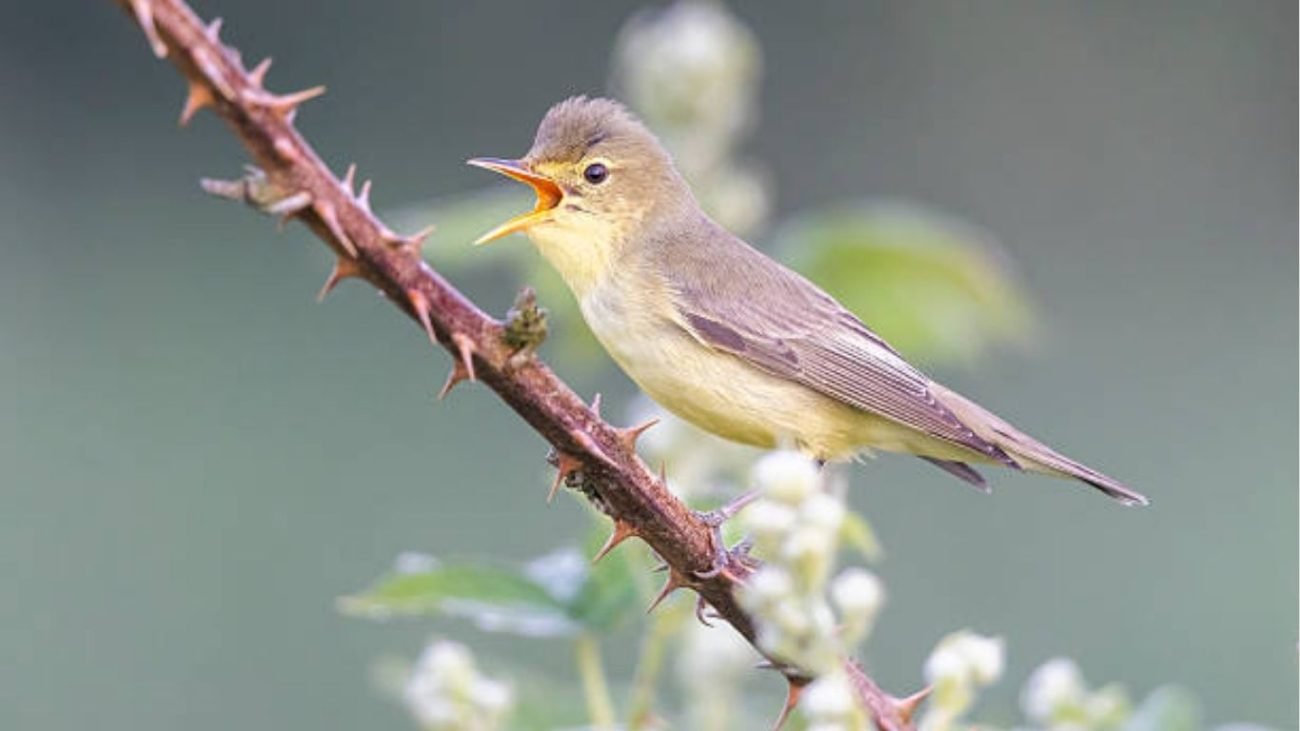
Attracting Mates
One of the primary reasons birds chirp in the morning is to attract potential mates. In many species, it is the males that sing, using their vocal abilities to impress females. A strong, clear, and complex song signals that the bird is healthy, energetic, and genetically fit.
Morning is the ideal time for this display because the environment is quieter, allowing songs to travel farther. Females can better evaluate the quality of a male’s song without interference. As a result, males often put extra effort into their early-morning performances, making this the most competitive time for attracting mates.
Defending Territory
Birds are highly territorial, and chirping is an effective way to mark and defend their space. By singing loudly in the morning, a bird is essentially announcing, “This area is mine.”
This vocal warning helps reduce the need for physical confrontation. Instead of fighting, birds can avoid conflict by recognizing each other’s songs and respecting boundaries. The morning chorus acts as a daily reminder to neighboring birds about established territories.
Communication and Social Interaction
Beyond mating and territory, birds also chirp to communicate with one another. These vocalizations can signal a variety of messages, such as identifying location, maintaining group cohesion, or indicating safety.
For birds that live in flocks, early-morning chirping helps coordinate movement and activity for the day ahead. It ensures that members of the group stay connected and aware of each other’s presence. In this way, chirping plays a vital role in social organization and survival.
Why Morning Is the Best Time for Chirping
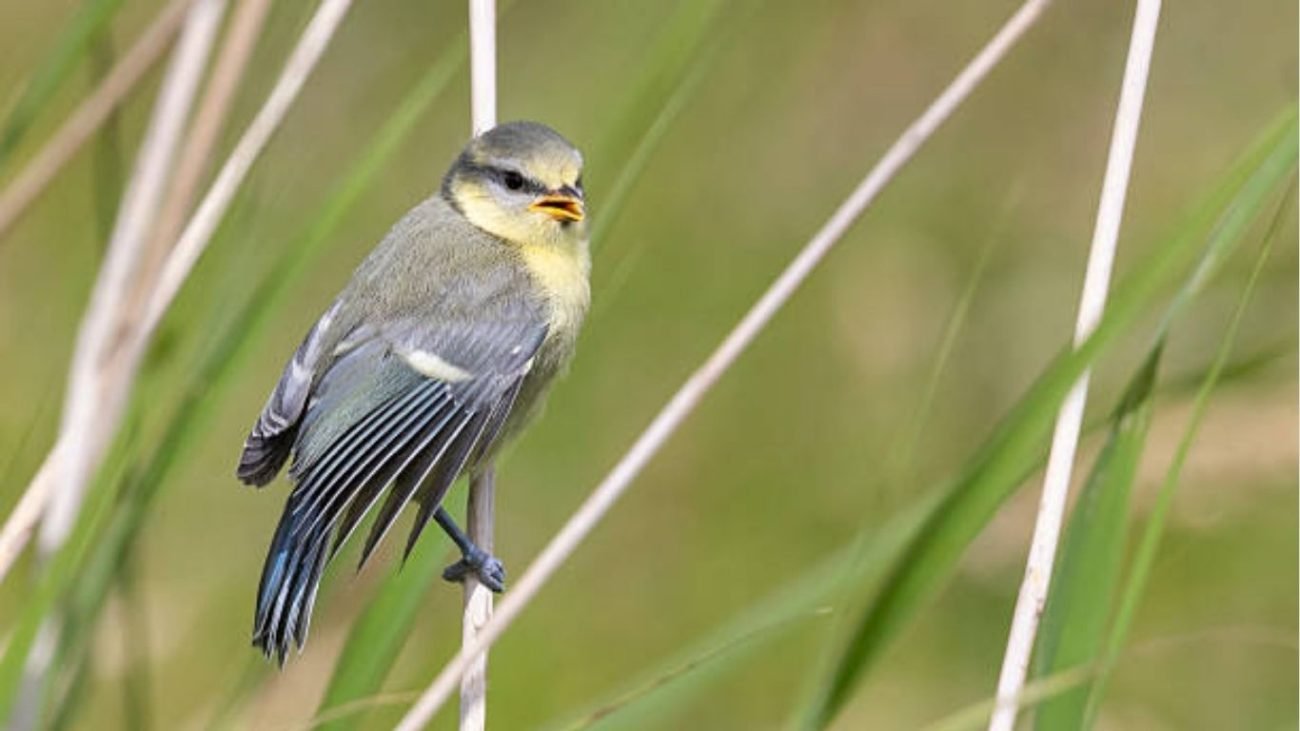
Better Sound Travel
One of the key reasons birds chirp in the morning is that sound travels better at this time of day. The air is typically cooler and denser, which allows sound waves to carry farther and more clearly.
Additionally, there is less wind and environmental noise in the early morning. Human activity, traffic, and other disturbances are minimal, creating ideal conditions for communication. This means that a bird’s song can reach a wider audience with less effort.
Low Light Limits Other Activities
Early morning light conditions are not ideal for many bird activities, especially feeding. Since visibility is low, it can be difficult for birds to find food or spot predators. Instead of wasting energy on inefficient foraging, birds use this time productively by singing.
Chirping allows them to accomplish important tasks—such as attracting mates and defending territory—without needing full daylight. Once the sun rises and visibility improves, they can shift their focus to feeding and other survival activities.
Energy and Rest
After a night of rest, birds are typically at their highest energy levels in the early morning. Singing requires effort, so it makes sense for birds to perform this activity when they are most physically prepared.
As the day progresses, energy levels decrease due to feeding, flying, and avoiding predators. By completing their most important vocal activities early, birds can conserve energy for the rest of the day.
Biological Factors Behind Morning Chirping
Circadian Rhythms
Birds, like humans, follow a natural internal clock known as the circadian rhythm. This biological system regulates sleep, activity, and behavior based on the cycle of day and night. For birds, this rhythm is closely tied to sunrise and sunset.
As dawn approaches, hormonal changes in a bird’s body increase alertness and activity. This triggers the urge to sing, making early morning the peak time for vocal behavior. Essentially, birds are biologically programmed to become active and communicative as soon as the day begins.
Sensitivity to Light
Birds are highly sensitive to even the smallest changes in light. Unlike humans, they can detect subtle shifts in brightness before the sun is fully visible. This is why many birds begin chirping before sunrise.
This early response gives them an advantage—they can start communicating, marking territory, and attracting mates ahead of others. Species that react faster to light often begin the dawn chorus earlier, creating a staggered pattern of singing among different birds.
Why Birds Stop Chirping Later in the Day
As the morning progresses, bird activity shifts from singing to feeding and survival tasks. Once daylight is strong enough, birds prioritize finding food, caring for offspring, and staying alert to predators.
Another reason chirping decreases is the rise in environmental noise. Wind, human activity, and other daytime sounds make communication less effective. Singing requires energy, and if the message cannot travel clearly, it becomes less worthwhile.
Additionally, heat and fatigue play a role. Midday temperatures can be high, especially in warmer climates, causing birds to conserve energy. Instead of singing continuously, they reduce vocal activity and focus on essential tasks.
Seasonal and Species Differences
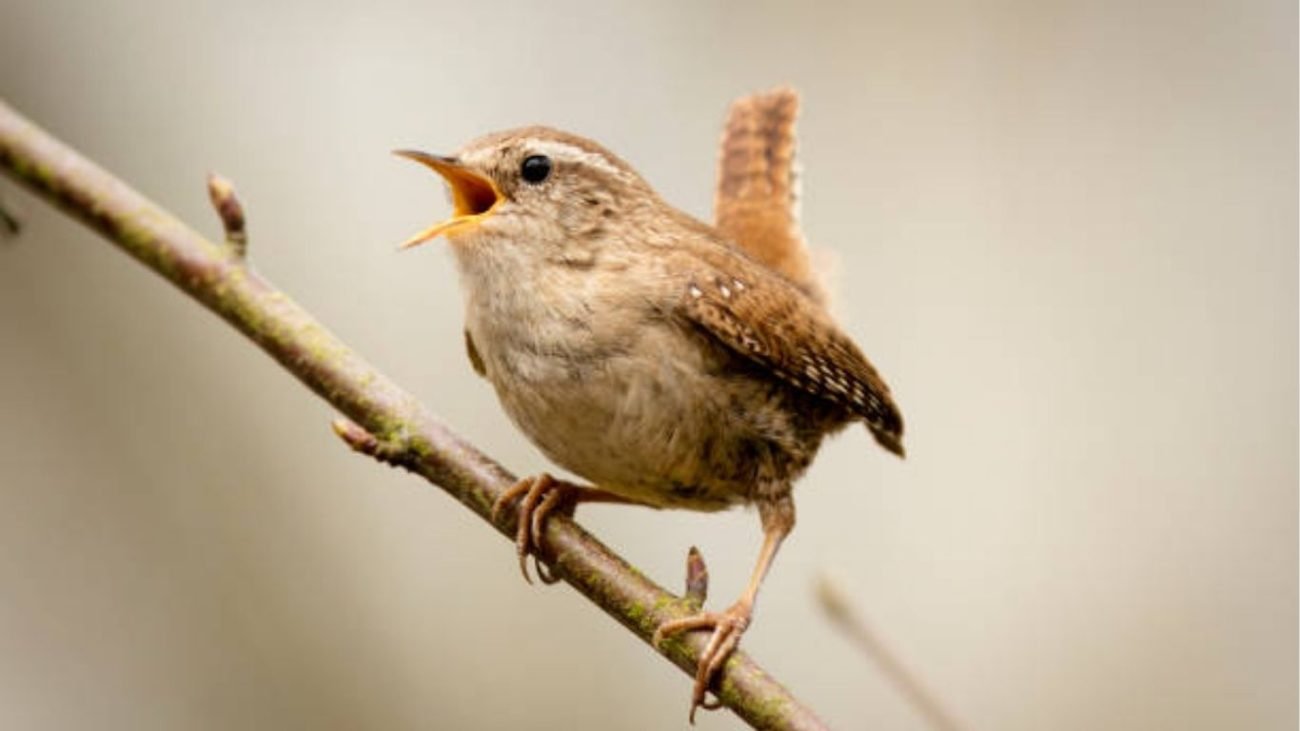
Bird chirping patterns are not the same throughout the year. The dawn chorus is most noticeable during the breeding season, typically in spring. During this time, males are actively trying to attract mates and establish territory, leading to increased singing.
In contrast, during winter, many birds are less vocal. The need for mating decreases, and conserving energy becomes more important for survival. As a result, mornings are generally quieter.
Different bird species also have unique singing schedules. Some birds start chirping earlier, while others join later in the morning. Factors such as body size, habitat, and light sensitivity influence these differences, creating a layered and dynamic chorus.
Why Birds Sound Louder Near Humans
If you live in a city or town, you might notice that birds seem especially loud in the morning. This is partly because urban environments amplify sound. Buildings, walls, and narrow spaces can reflect and carry bird songs, making them appear louder than they actually are.
Another reason is the contrast with the quiet of early morning. Before traffic and human activity begin, bird songs stand out more clearly. As the day gets busier, these sounds blend into the background.
In some cases, birds in urban areas may also sing louder to compete with noise pollution. This adaptation helps ensure their calls are still heard despite the challenges of a human-dominated environment.
FAQs
Why are birds louder in the morning?
Birds sound louder in the morning because the environment is quieter and sound travels better in cool, dense air. With less noise from wind and human activity, their songs carry farther and clearer.
Do female birds chirp too?
Yes, but in most species, male birds are more vocal. They sing mainly to attract mates and defend territory, while females usually chirp less frequently.
Why do birds chirp before sunrise?
Birds are highly sensitive to light and can detect early changes before sunrise. Their internal biological clock (circadian rhythm) triggers them to start singing even when it’s still dark.
Why do birds stop chirping later in the day?
As the day progresses, birds focus on feeding, avoiding predators, and other survival tasks. Increased noise and heat also make chirping less effective and more energy-consuming.
Is bird chirping a sign of happiness?
Not exactly. While it may sound cheerful to humans, chirping is mainly a form of communication. Birds use it to attract mates, defend territory, and interact with others rather than express emotions like happiness.
Conclusion
Birds chirp in the morning for a variety of interconnected reasons, including communication, biological rhythms, and environmental advantages. The dawn chorus is not just a beautiful natural sound—it is a vital part of how birds attract mates, defend territory, and interact with one another.
Morning provides the perfect conditions for these activities, with clear air, low noise, and high energy levels. As the day progresses, birds shift their focus to feeding and survival, reducing their need to sing.
Understanding why birds chirp at dawn allows us to better appreciate this everyday phenomenon. Rather than seeing it as noise, it can be viewed as a fascinating glimpse into the natural world—a reminder of the complex and purposeful behaviors that surround us each morning.