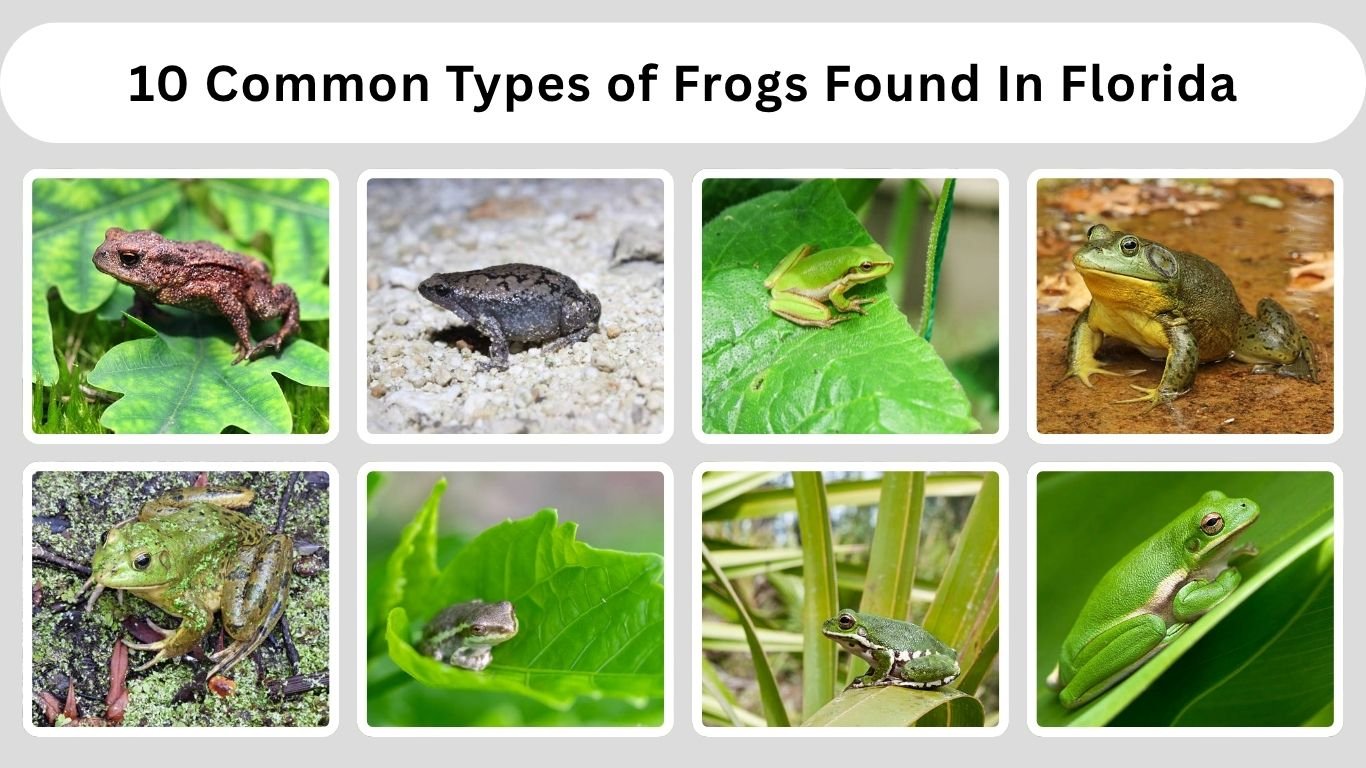
Florida is home to a rich diversity of frog species thanks to its warm climate, abundant rainfall, and variety of wetland habitats. From tiny tree frogs clinging to windows to large aquatic species lurking in ponds, these amphibians play an essential role in the ecosystem by controlling insect populations and serving as food for other wildlife. In this guide, we’ve explored 10 common types of frogs found in Florida, along with tips to help you identify them, understand their habitats, and learn about their diets. Whether you’re a nature enthusiast or just curious about the frogs around your home, this list offers a helpful starting point.
1. American Green Tree Frog
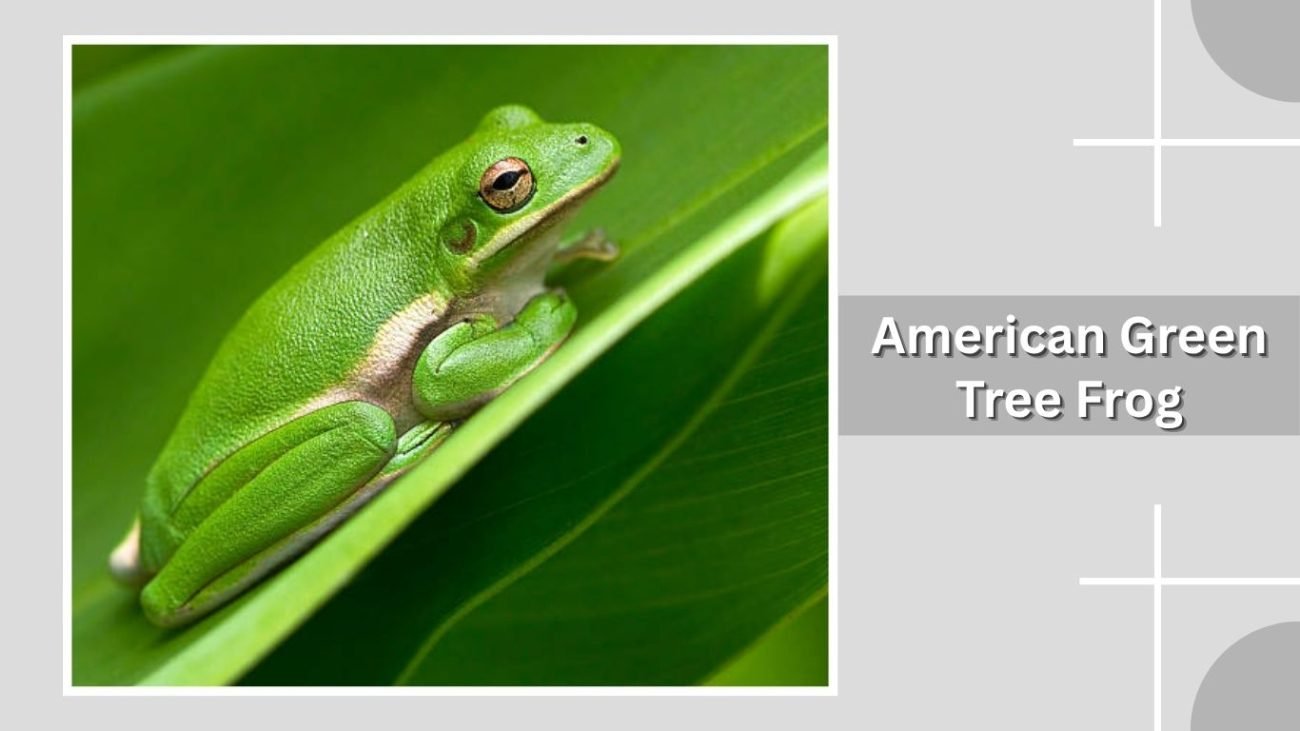
The American Green Tree Frog (Hyla cinerea) is one of the most recognizable frogs in Florida. With its bright green color and signature white stripe, it is commonly seen in wetlands, gardens, and even around homes. This adaptable species is Florida’s state amphibian and is most active during warm, humid nights.
Identification
- Bright green body, sometimes with yellowish tones
- White or cream stripe along each side
- Smooth skin and slender shape
- Large toe pads that help with climbing
- Grows about 1.5 to 2.5 inches long
Habitat and Behavior
American Green Tree Frogs prefer moist environments such as ponds, marshes, swamps, and areas with dense vegetation. They are excellent climbers and are often found on plants, walls, or windows. These frogs are nocturnal and spend most of their time hunting at night, especially around lights where insects gather.
Diet
Their diet mainly consists of small insects and other invertebrates. Common prey includes flies, mosquitoes, moths, crickets, and spiders. They use their long, sticky tongues to quickly catch prey, making them effective natural pest controllers in both wild and residential areas.
2. Southern Leopard Frog
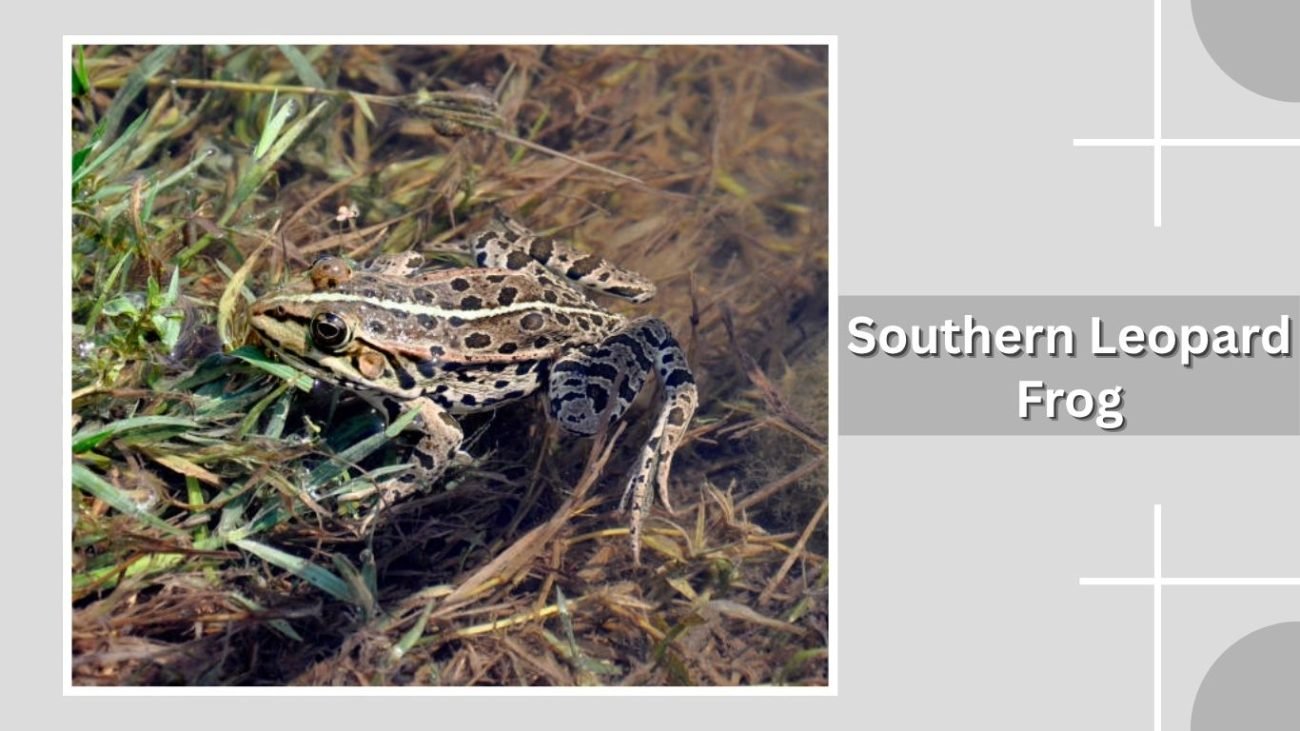
The Southern Leopard Frog (Lithobates sphenocephalus) is a common and widespread frog throughout Florida. Known for its distinctive spotted pattern, this species is often found near freshwater sources such as ponds, marshes, and ditches. It is active both day and night and is frequently seen hopping along the edges of water.
Identification
- Light green or brown body with dark, rounded spots
- Two light-colored ridges (dorsolateral folds) running down the back
- White underside with little to no spotting
- Long, powerful hind legs for jumping
- Typically 2 to 3.5 inches in length
Habitat and Behavior
Southern Leopard Frogs prefer freshwater habitats with abundant vegetation. They are commonly found along pond edges, wetlands, and grassy areas near water. These frogs are strong jumpers and quick swimmers, often escaping predators by leaping into water. They are active year-round in Florida’s warm climate.
Diet
Their diet consists mainly of insects and other small invertebrates. They commonly feed on beetles, ants, flies, and spiders. Occasionally, they may eat small amphibians or other tiny animals. Their opportunistic feeding habits make them an important part of the ecosystem.
3. Cuban Tree Frog
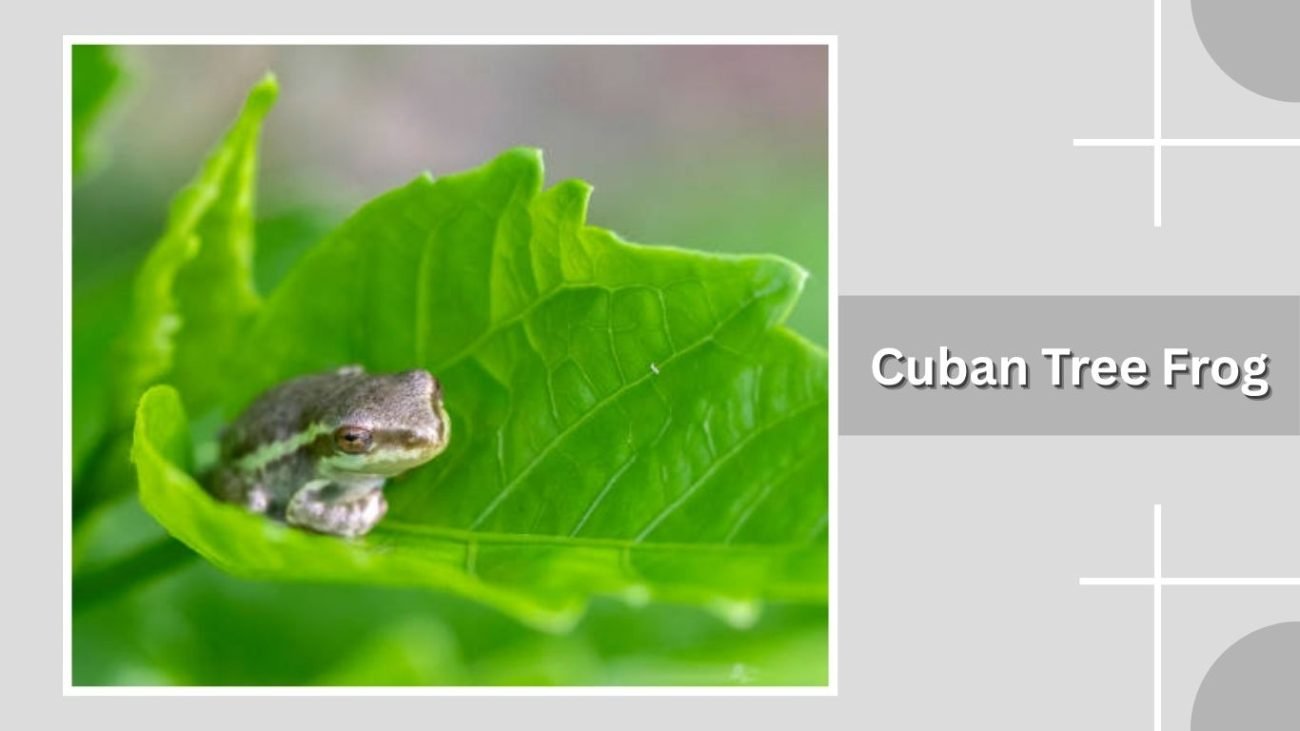
The Cuban Tree Frog (Osteopilus septentrionalis) is a large, invasive species in Florida. Originally from the Caribbean, it has spread widely across the state and is known for its adaptability and impact on native wildlife. These frogs are often found around homes and buildings.
Identification
- Large size, ranging from 2 to 5.5 inches
- Color varies: gray, brown, green, or tan
- Warty skin with a somewhat bumpy texture
- Very large toe pads compared to native tree frogs
- Bulging eyes and broad head
Habitat and Behavior
Cuban Tree Frogs thrive in urban and suburban environments, as well as natural habitats like swamps and forests. They are excellent climbers and are often found on walls, windows, and inside buildings. Being nocturnal, they are most active at night and can outcompete native frog species for food and shelter.
Diet
This species has a very broad diet. It feeds on insects, spiders, and even small frogs, lizards, and other amphibians. Their aggressive feeding behavior and large appetite contribute to their status as an invasive species in Florida.
4. Barking Tree Frog
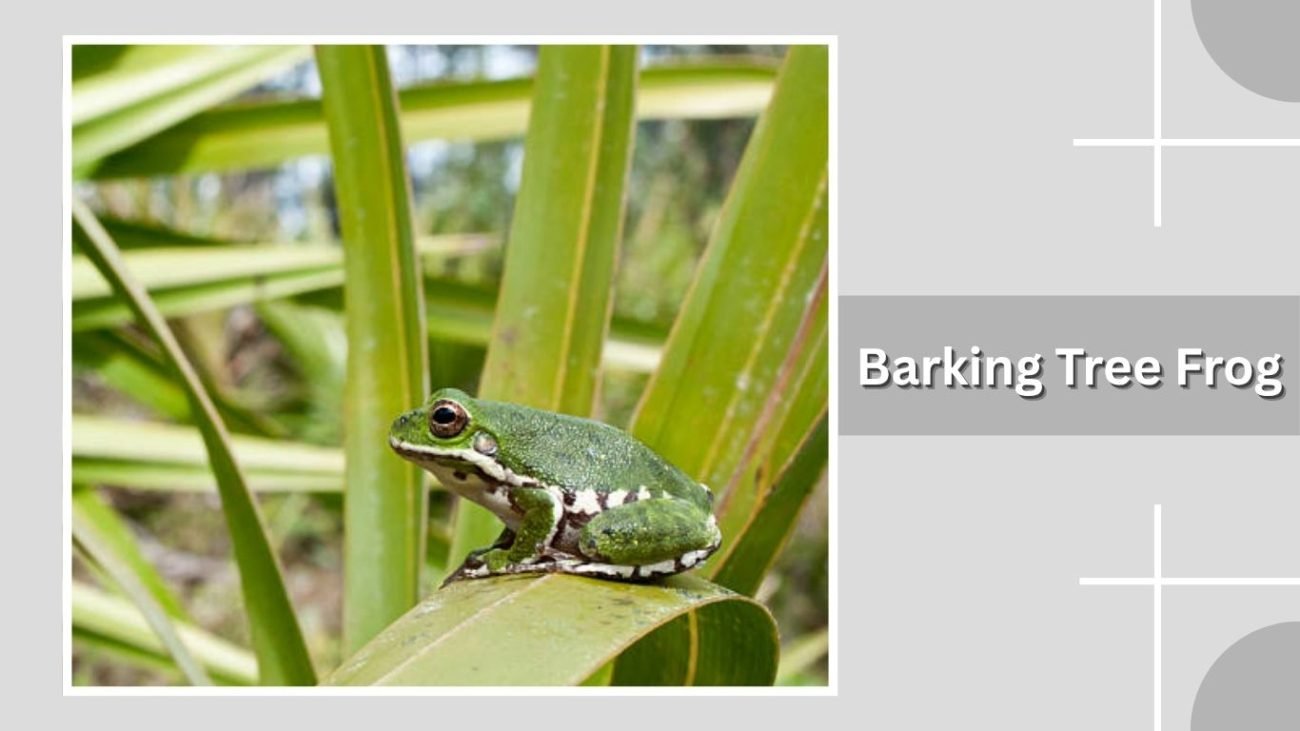
The Barking Tree Frog (Hyla gratiosa) is one of the largest native tree frogs in Florida. It gets its name from its unique call, which sounds similar to a dog barking. This species is less commonly seen than others but is widely distributed across the state, especially in wooded areas near water.
Identification
- Large size, typically 2 to 2.8 inches long
- Green, gray, or brown coloration with dark spots
- Rough, slightly bumpy skin compared to other tree frogs
- Yellow or cream underside with some markings
- Prominent toe pads for climbing
Habitat and Behavior
Barking Tree Frogs prefer forests, wetlands, and areas near ponds or temporary water bodies. They spend much of their time hidden in tree cavities or vegetation. These frogs are mostly nocturnal and are known for their loud, barking calls, especially during the breeding season after heavy rains.
Diet
Their diet mainly includes insects and small invertebrates such as beetles, ants, moths, and spiders. As larger tree frogs, they may occasionally consume slightly bigger prey. They play an important role in controlling insect populations in their habitats.
5. Pig Frog
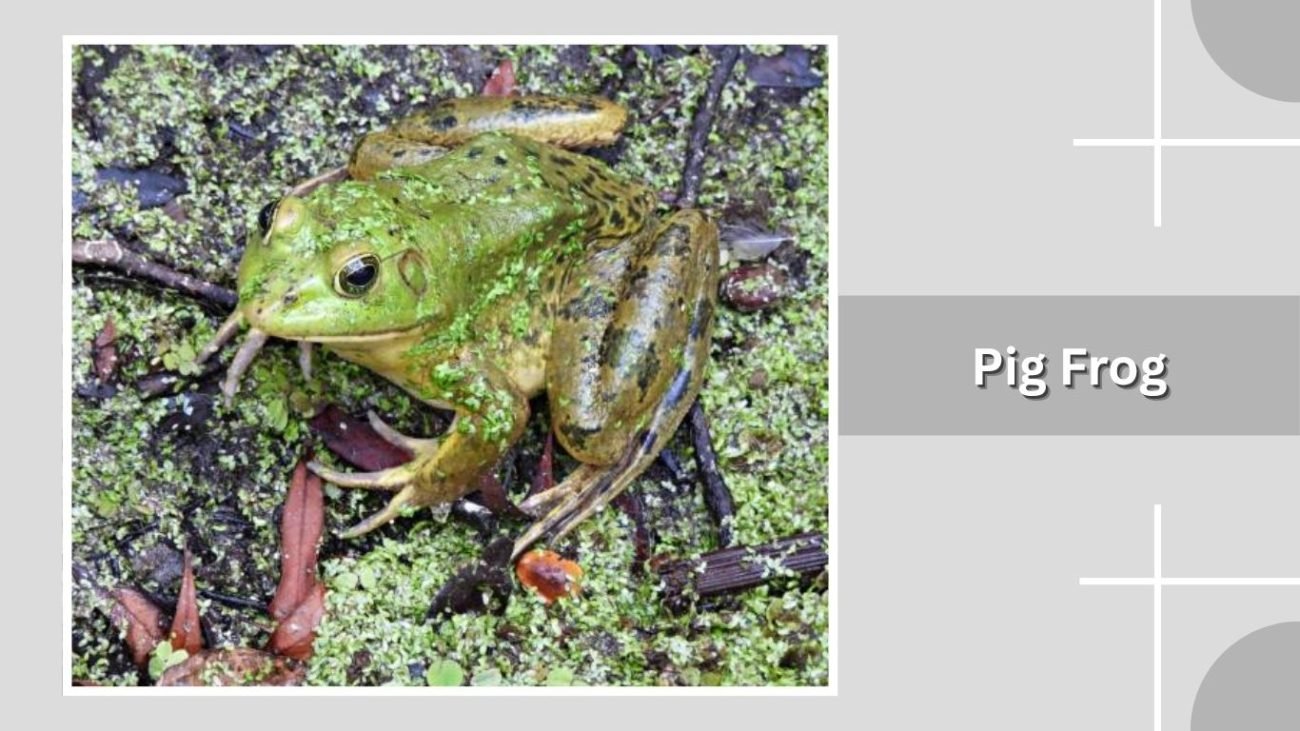
The Pig Frog (Lithobates grylio) is a large aquatic frog commonly found in Florida’s freshwater environments. It gets its unusual name from its deep, grunting call, which resembles the sound of a pig. This species is often mistaken for the American Bullfrog due to its similar appearance.
Identification
- Large size, ranging from 3 to 6 inches long
- Olive green to brown coloration
- No distinct dorsolateral ridges on the back
- Fully webbed hind feet for swimming
- Large tympanum (eardrum) behind the eye
Habitat and Behavior
Pig Frogs are highly aquatic and are typically found in lakes, ponds, marshes, and slow-moving rivers. They rarely stray far from water and are strong swimmers. These frogs are mostly active at night and will quickly dive into water when threatened.
Diet
They are opportunistic predators with a varied diet. Pig Frogs feed on insects, crayfish, fish, and even smaller frogs. Their size allows them to consume larger prey than many other frog species, making them important predators in aquatic ecosystems.
6. Florida Chorus Frog
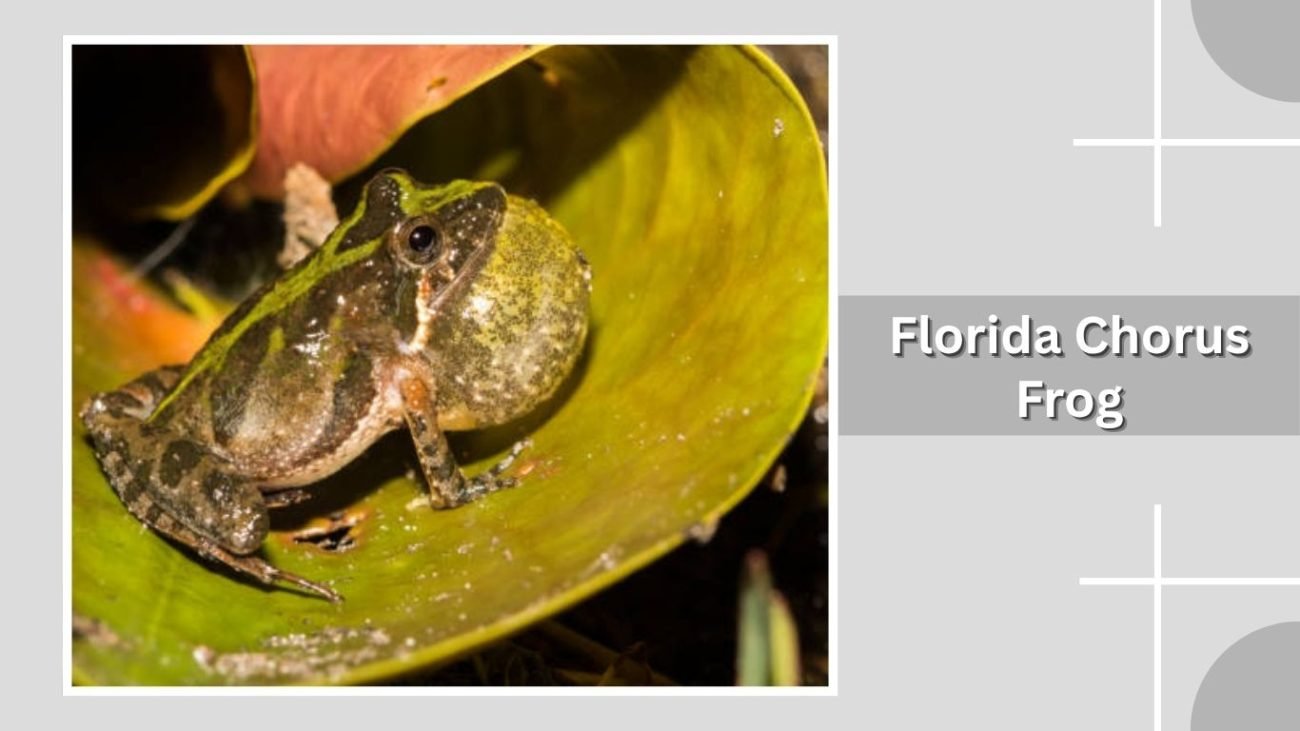
The Florida Chorus Frog (Pseudacris nigrita verrucosa) is a small, secretive frog commonly found in northern Florida. Despite its small size, it is well known for its loud and distinctive breeding calls, often heard during cooler months. These frogs are rarely seen but are easily identified by their sound.
Identification
- Small size, about 1 to 1.5 inches long
- Brown, gray, or reddish coloration
- Three dark stripes running down the back
- Light-colored belly
- Slightly warty skin
Habitat and Behavior
Florida Chorus Frogs prefer temporary wetlands, grassy fields, and shallow ponds. They are mostly active during the cooler months, especially in winter and early spring. These frogs spend much of their time hidden under vegetation or leaf litter, making them difficult to spot despite their loud calls.
Diet
Their diet mainly consists of small insects and other tiny invertebrates. They feed on ants, beetles, flies, and spiders. Due to their small size, they target smaller prey compared to larger frog species.
7. American Bullfrog
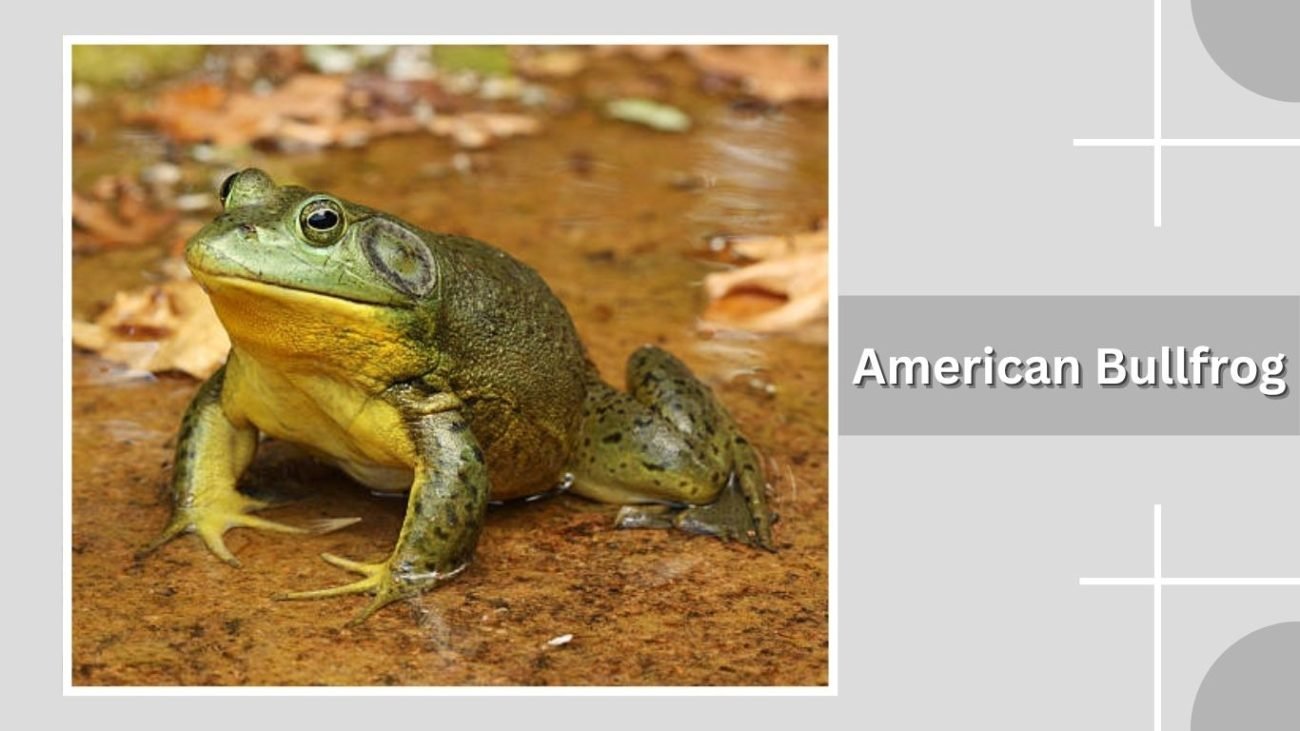
The American Bullfrog (Lithobates catesbeianus) is the largest frog species found in Florida. Known for its deep, booming call, this frog is commonly found in permanent bodies of water. It is highly adaptable and can thrive in a variety of aquatic environments.
Identification
- Very large size, typically 3.5 to 6 inches long
- Green to brown coloration, often with darker mottling
- No dorsolateral ridges running down the back
- Large head with a wide mouth
- Prominent tympanum (eardrum) behind the eye
Habitat and Behavior
American Bullfrogs are found in ponds, lakes, marshes, and slow-moving rivers. They prefer permanent water sources with abundant vegetation. These frogs are mostly nocturnal and are strong swimmers. When threatened, they quickly leap into the water and hide.
Diet
Bullfrogs are aggressive and opportunistic predators. Their diet includes insects, fish, small mammals, birds, and even other frogs. They will eat almost anything they can fit into their mouths, making them one of the top predators among amphibians in Florida.
8. Squirrel Tree Frog
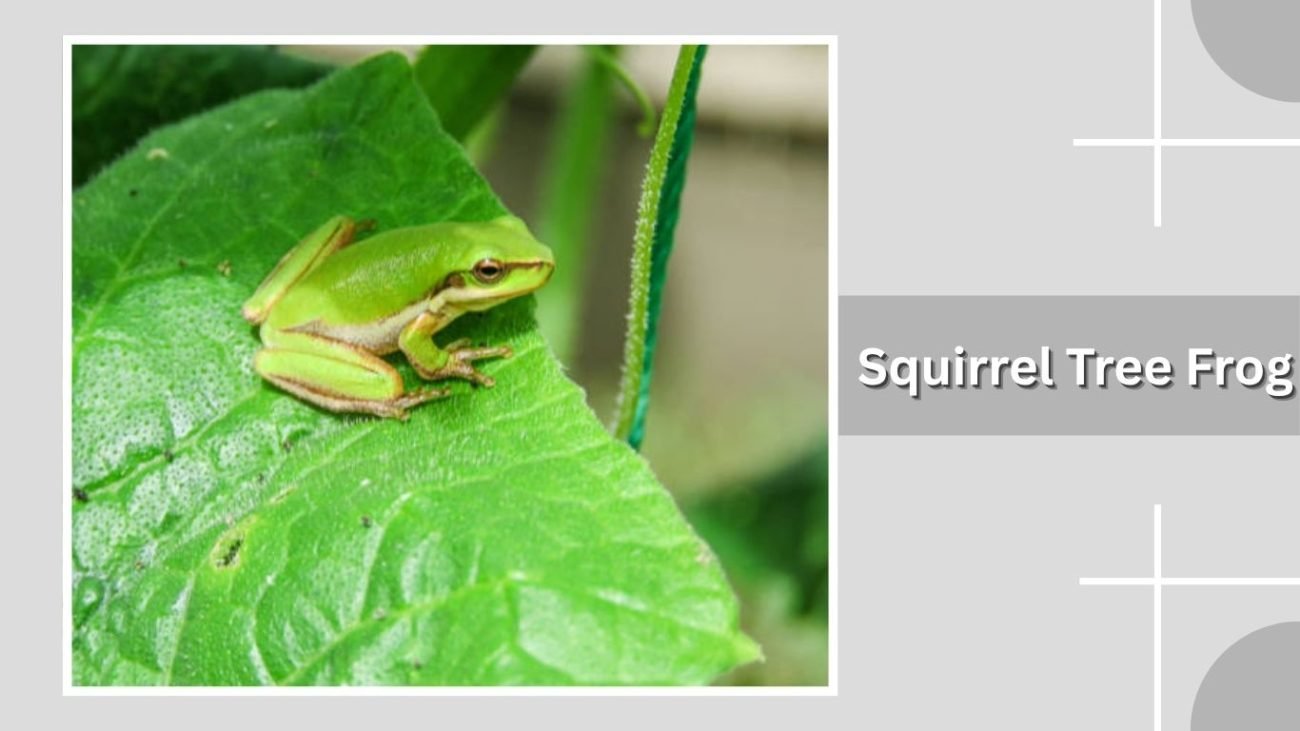
The Squirrel Tree Frog (Hyla squirella) is a small, adaptable species commonly found throughout Florida. It gets its name from its quick, darting movements, similar to a squirrel. This frog is often seen around homes, gardens, and wetlands, making it one of the most familiar frogs in the state.
Identification
- Small size, about 1 to 1.5 inches long
- Color varies widely: green, brown, or gray
- Often has a slightly blotchy or mottled pattern
- Smooth skin and slender body
- Large toe pads for climbing
Habitat and Behavior
Squirrel Tree Frogs are highly adaptable and can live in a wide range of environments, including wetlands, forests, and urban areas. They are excellent climbers and are often found on vegetation, fences, or buildings. These frogs are nocturnal and are especially active during warm, rainy nights.
Diet
Their diet consists mainly of small insects and invertebrates. They commonly feed on ants, beetles, flies, and spiders. Their presence around homes can be beneficial, as they help control insect populations.
9. Eastern Narrow-mouthed Toad
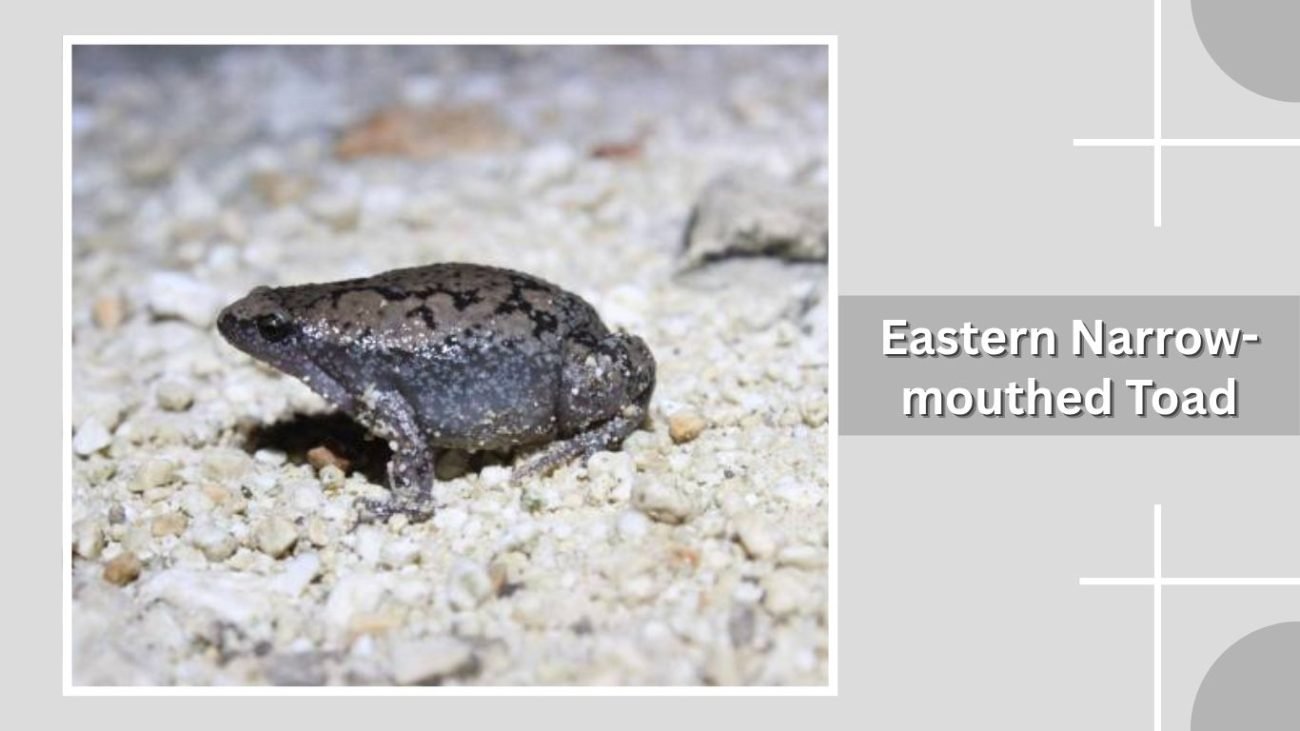
The Eastern Narrow-mouthed Toad (Gastrophryne carolinensis) is a small, unique amphibian found in Florida. Despite its name, it is actually more closely related to frogs than true toads. It is known for its pointed head and narrow mouth, as well as its preference for feeding on ants.
Identification
- Very small, about 1 to 1.5 inches long
- Oval-shaped body with a pointed head
- Smooth, dark gray to brown coloration
- Often has a fold of skin across the back of the head
- Narrow mouth compared to other frogs
Habitat and Behavior
These frogs prefer moist environments such as forests, wetlands, and areas with plenty of leaf litter. They spend much of their time hidden underground or under debris. Eastern Narrow-mouthed Toads are mostly active at night and are often seen after heavy rains.
Diet
Their diet is highly specialized compared to other frogs. They primarily feed on ants and termites, using their sticky tongues to capture prey. This specialized feeding habit helps control insect populations in their natural habitats.
10. Oak Toad
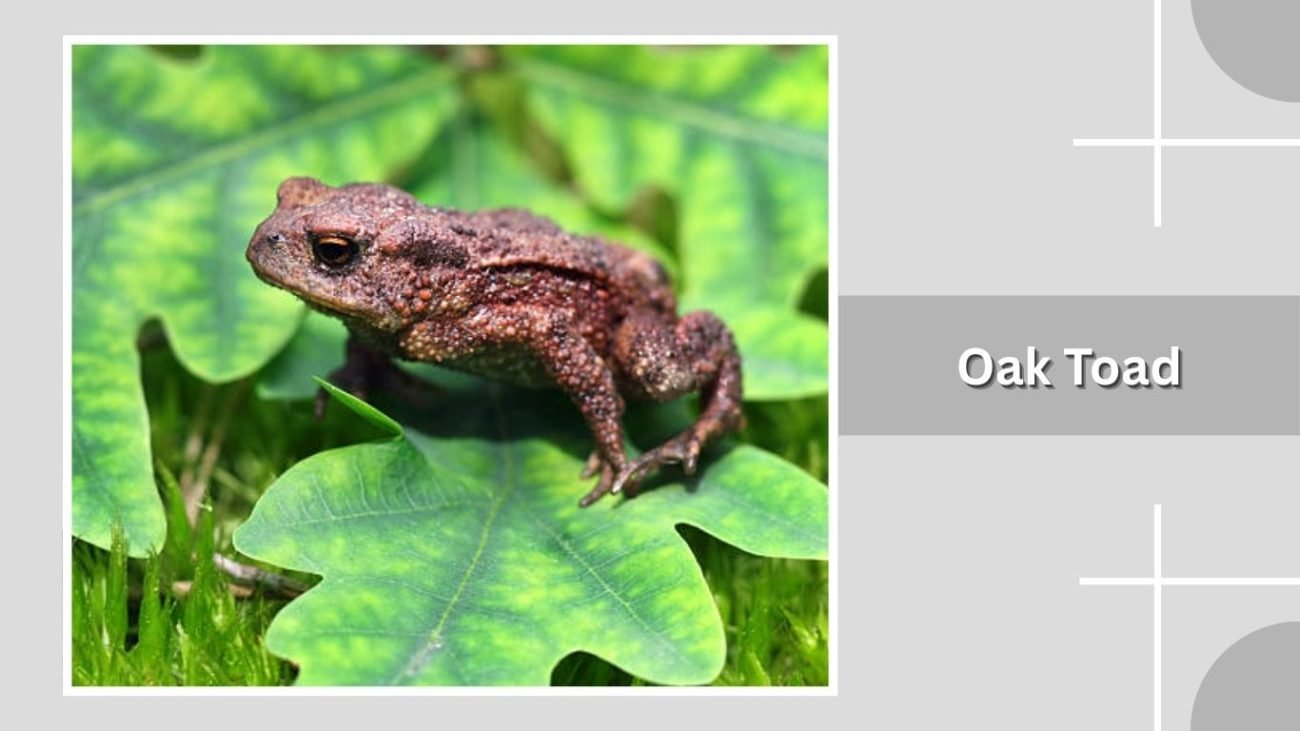
The Oak Toad (Anaxyrus quercicus) is the smallest toad species in North America and is commonly found in Florida’s sandy habitats. Despite its tiny size, it is easily recognizable by the light stripe running down its back. These toads are active during the day, which is unusual compared to many other amphibians.
Identification
- Very small size, about 0.75 to 1.25 inches long
- Gray, brown, or black body with a distinct white or light stripe down the center of the back
- Slightly warty skin
- Short legs compared to frogs
- Rounded body shape
Habitat and Behavior
Oak Toads prefer sandy areas such as pine flatwoods, oak forests, and open woodlands. They are often found near shallow, temporary pools used for breeding. Unlike many frogs, they are active during the day and can often be seen hopping in open areas. During dry conditions, they may burrow into the soil to retain moisture.
Diet
Their diet mainly consists of small insects and other tiny invertebrates. They commonly feed on ants, beetles, and small spiders. Due to their small size, they focus on very small prey but play an important role in controlling insect populations in their ecosystem.
FAQs
1. What is the most common frog in Florida?
The American Green Tree Frog is one of the most common and recognizable frogs in Florida. It is frequently seen around homes, gardens, and wetlands.
2. Are there any poisonous frogs in Florida?
Most frogs in Florida are not dangerous to humans. However, some species like the Cuban Tree Frog can secrete a mild toxin that may irritate skin or eyes.
3. When are frogs most active in Florida?
Frogs are generally most active at night, especially during warm and rainy weather. Some species, like the Oak Toad, are active during the day.
4. Why do frogs make loud noises at night?
Male frogs call to attract females during the breeding season. These sounds are often louder after rain and near water sources.
5. What do frogs eat in Florida?
Most frogs eat insects such as mosquitoes, flies, beetles, and spiders. Larger species may also eat small fish, other frogs, or even small animals.