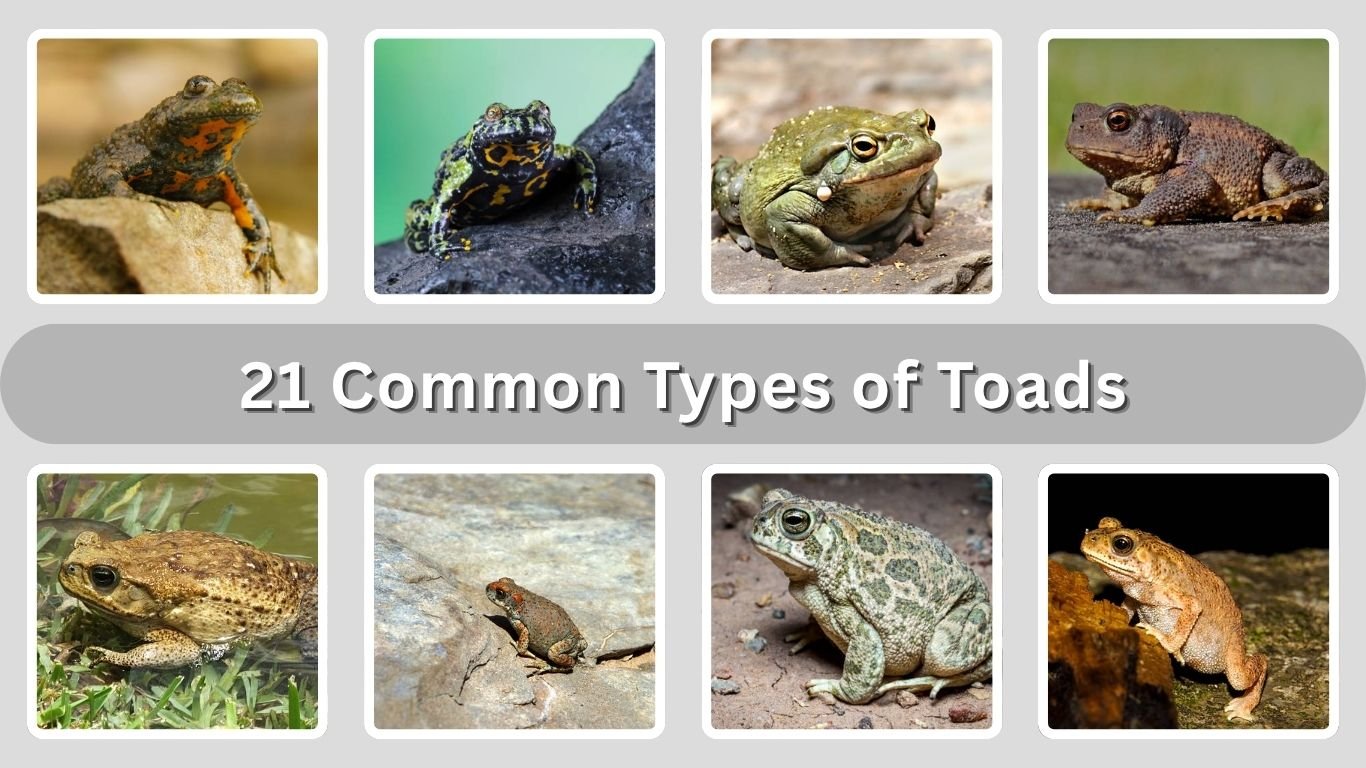
Toads are a group of amphibians known for their dry, warty skin and strong adaptability to life on land. Found across many regions of the world, they inhabit environments ranging from forests and grasslands to deserts and urban areas. Unlike many frogs, toads are less dependent on water but still require it for breeding. They play a crucial ecological role by controlling insect populations and serving as prey for other animals. This guide explores common types of toads and their unique characteristics.
1. American Toad
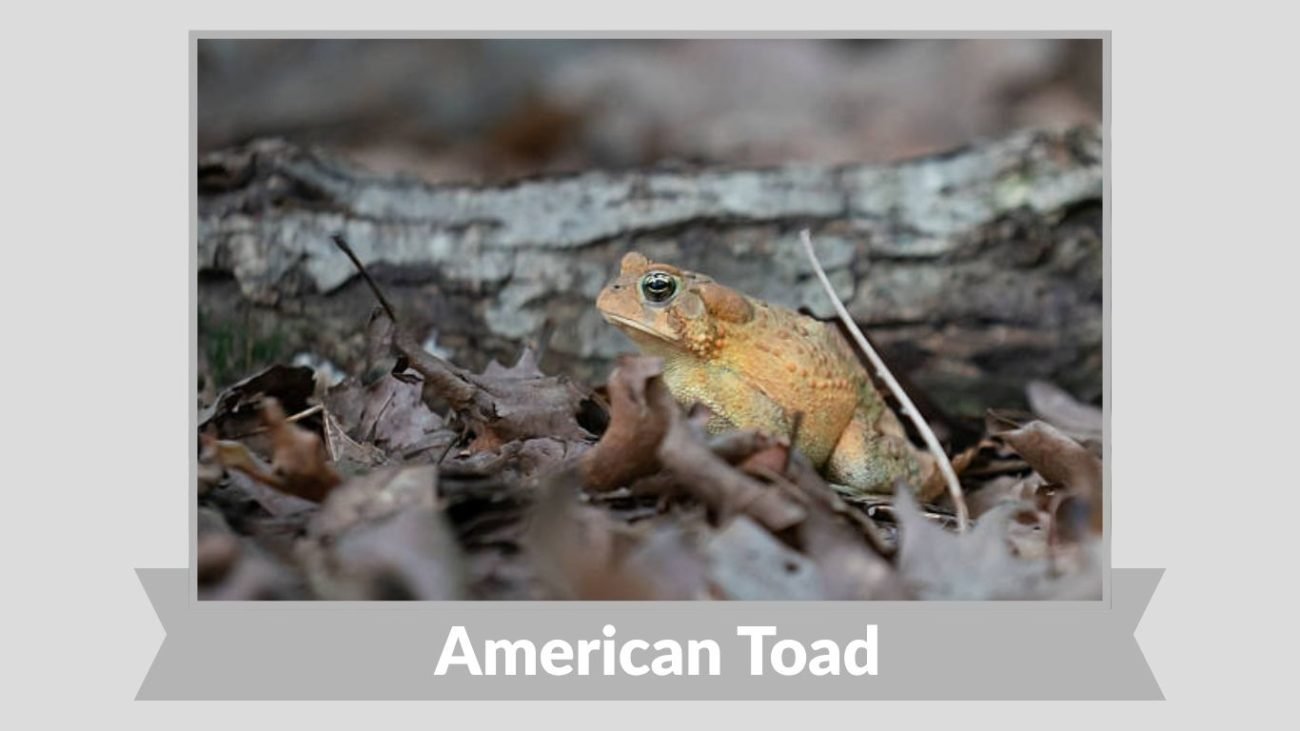
The American Toad is a common and widely recognized amphibian found throughout North America. It is known for its warty skin, earthy coloration, and adaptability to different environments. This toad is often seen in gardens, forests, and near water sources, playing a helpful role in controlling insect populations.
Identification
- Medium size, typically 2–4 inches (5–10 cm)
- Dry, warty skin with brown, gray, or reddish coloration
- Dark spots on the back, each usually containing one or two warts
- Light-colored underside, often with small dark markings
- Prominent parotoid glands behind the eyes
Habitat
American Toads are highly adaptable and can live in forests, grasslands, gardens, and suburban areas. They prefer moist environments but can tolerate drier conditions better than many frogs. During breeding season, they gather in shallow ponds, lakes, and slow-moving water bodies.
Behavior
These toads are mostly nocturnal and spend their days hiding under logs, rocks, or in burrows to stay cool and moist. They move slowly compared to frogs but can hop when necessary. During the breeding season, males produce long, musical trills to attract females.
Diet
American Toads are carnivorous and feed mainly on insects such as beetles, ants, and flies. They also eat worms, slugs, and other small invertebrates. Using their sticky tongues, they quickly capture prey, making them beneficial for natural pest control.
2. Cane Toad
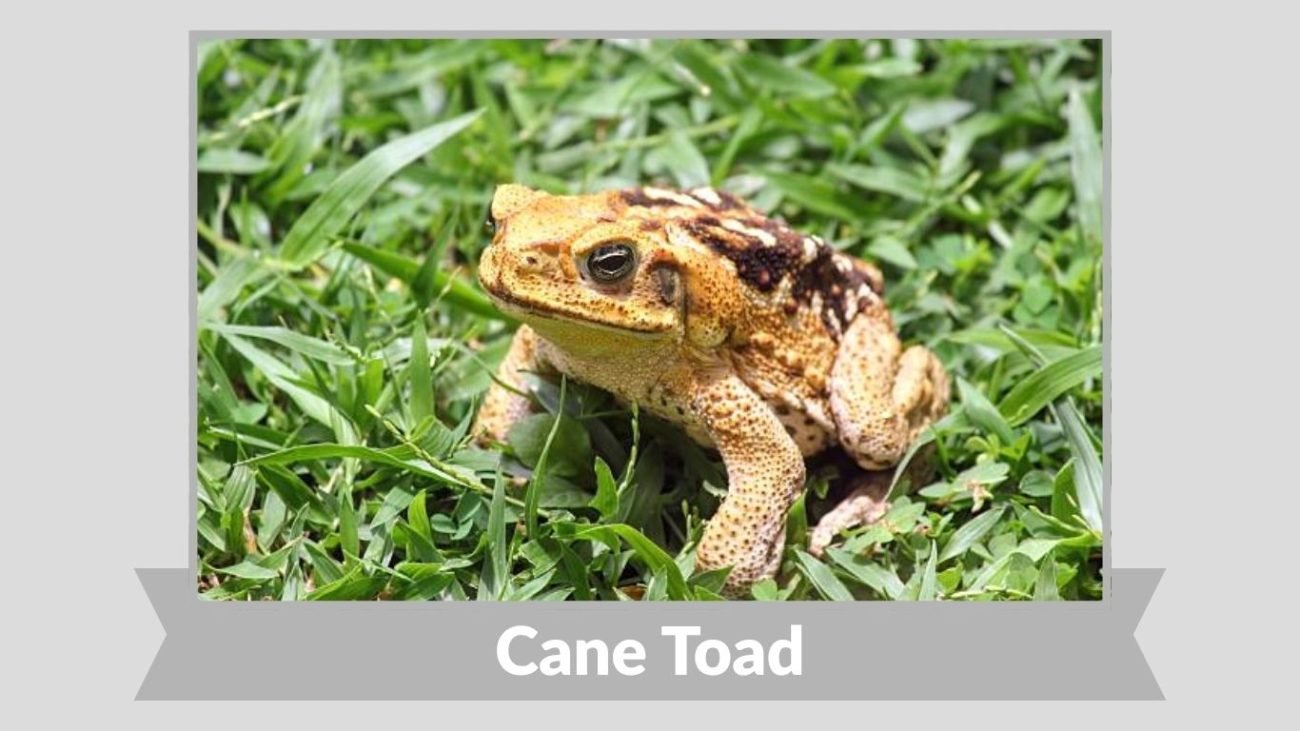
The Cane Toad is a large and highly adaptable toad native to Central and South America. It has been introduced to many other regions to control pests but is now considered invasive in some areas. This toad is known for its tough skin and powerful toxin.
Identification
- Large, heavy body, often 4–6 inches (10–15 cm) or more
- Dry, rough, warty skin
- Brown or gray coloration
- Large parotoid glands behind the eyes
- Short legs compared to body size
Habitat
Cane Toads live in a variety of environments including forests, grasslands, urban areas, and agricultural lands. They prefer warm climates and are often found near water sources, though they can travel far from water.
Behavior
They are mostly nocturnal and become active at night to hunt. Cane Toads are highly adaptable and can survive in disturbed environments. When threatened, they release toxins from their glands as a defense against predators.
Diet
Their diet includes insects, small reptiles, amphibians, and even pet food in urban areas. They are opportunistic feeders and will eat almost anything they can catch.
3. Fowler’s Toad
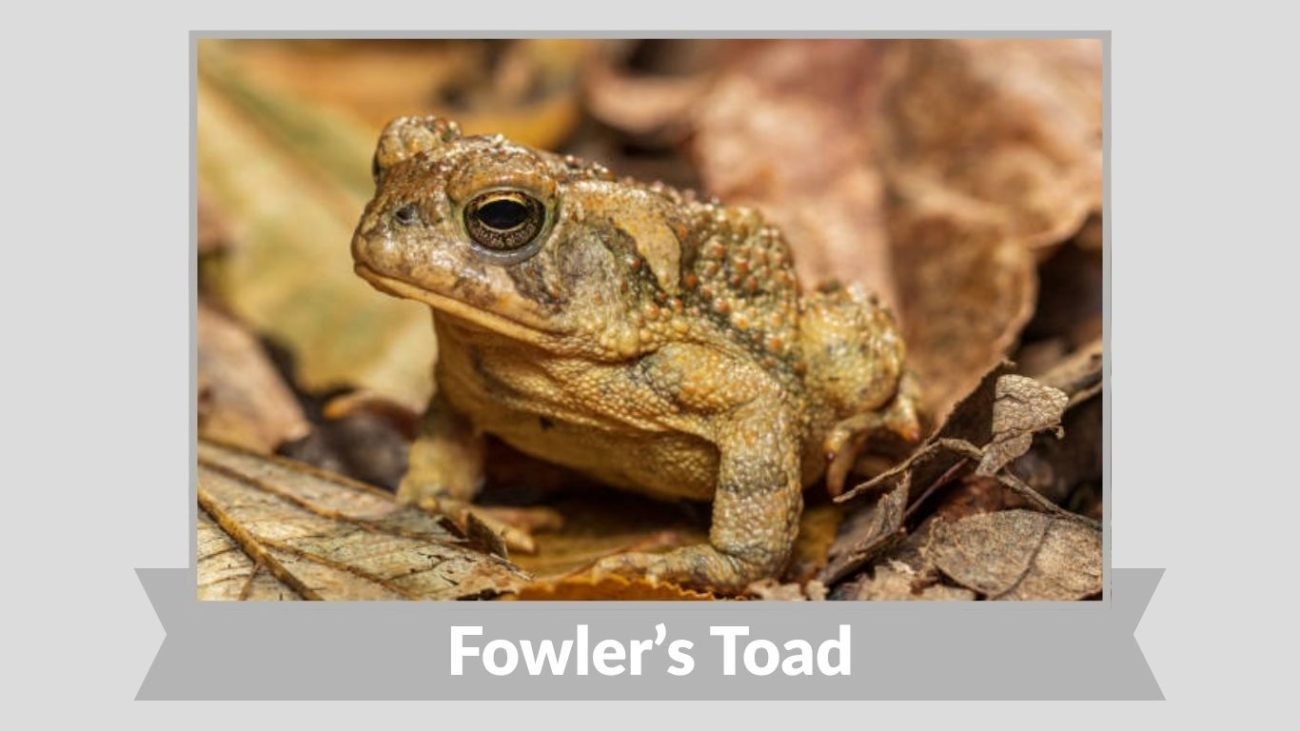
Fowler’s Toad is a medium-sized toad commonly found in eastern North America. It is closely related to the American Toad and often shares similar habitats but has distinct features.
Identification
- Medium size, about 2–3.5 inches (5–9 cm)
- Gray or brown body with dark spots
- Each dark spot usually contains three or more warts
- Pale underside, often without many markings
- Slightly rough, warty skin
Habitat
Fowler’s Toads prefer sandy or loose soils near rivers, lakes, and coastal areas. They are often found in open woodlands, fields, and dunes where they can easily burrow.
Behavior
They are nocturnal and spend much of the day buried in soil or hidden under objects. During breeding season, males produce a short, nasal call to attract females. They are less active during colder months and hibernate underground.
Diet
Their diet mainly consists of insects such as ants, beetles, and flies. They also eat spiders and other small invertebrates. Fowler’s Toads help control insect populations in their habitats.
4. European Common Toad
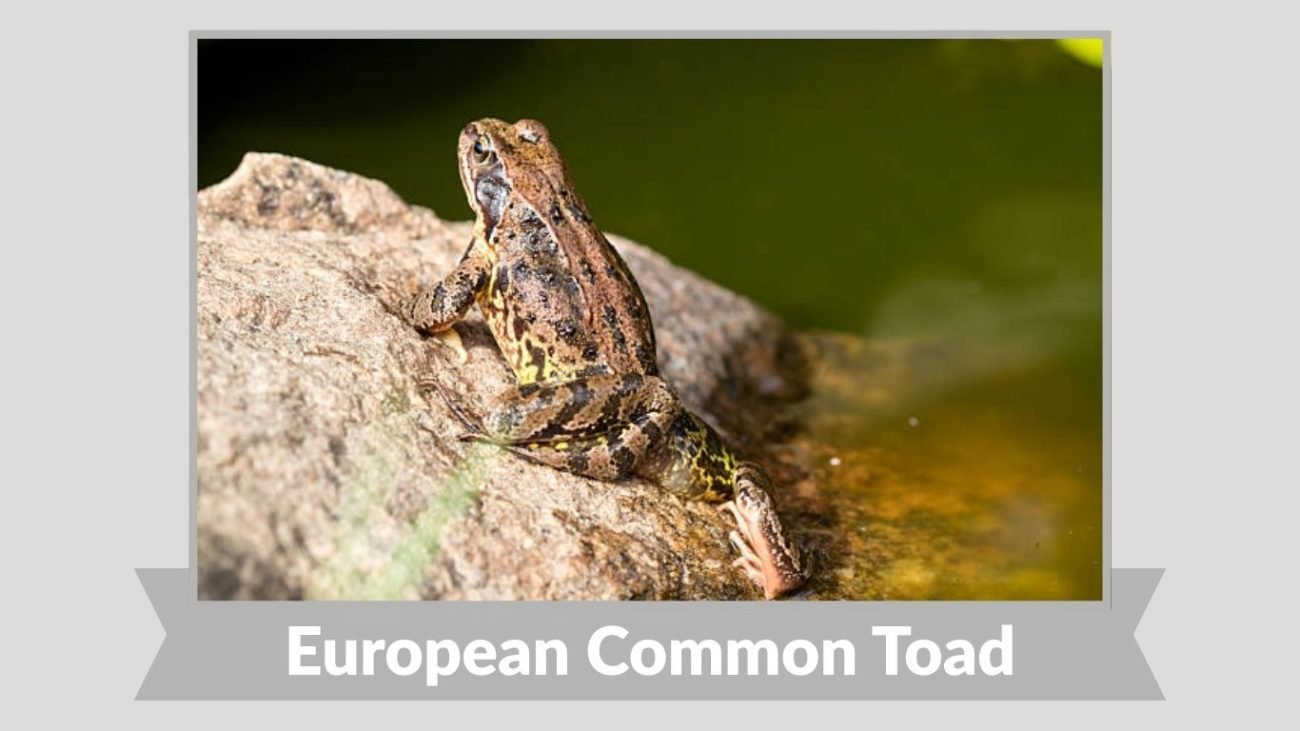
The European Common Toad is a widespread species found across Europe and parts of Asia. It is well known for its sturdy body, slow movements, and preference for damp environments. This toad is often seen in gardens, forests, and near ponds.
Identification
- Medium to large size, about 2.5–5 inches (6–13 cm)
- Brown, gray, or olive-colored skin
- Dry, warty skin texture
- Large parotoid glands behind the eyes
- Short legs and a broad body
Habitat
European Common Toads inhabit forests, grasslands, gardens, and wetlands. They prefer damp areas but can travel far from water. During breeding season, they migrate to ponds, lakes, and slow-moving water bodies.
Behavior
These toads are mostly nocturnal and move slowly compared to frogs. They often walk rather than hop. During breeding season, large numbers gather in water, and males may compete for females. In winter, they hibernate in burrows or under debris.
Diet
Their diet includes insects, worms, slugs, and other small invertebrates. They are beneficial in gardens as they help control pests. They catch prey using their sticky tongues.
5. Asian Common Toad
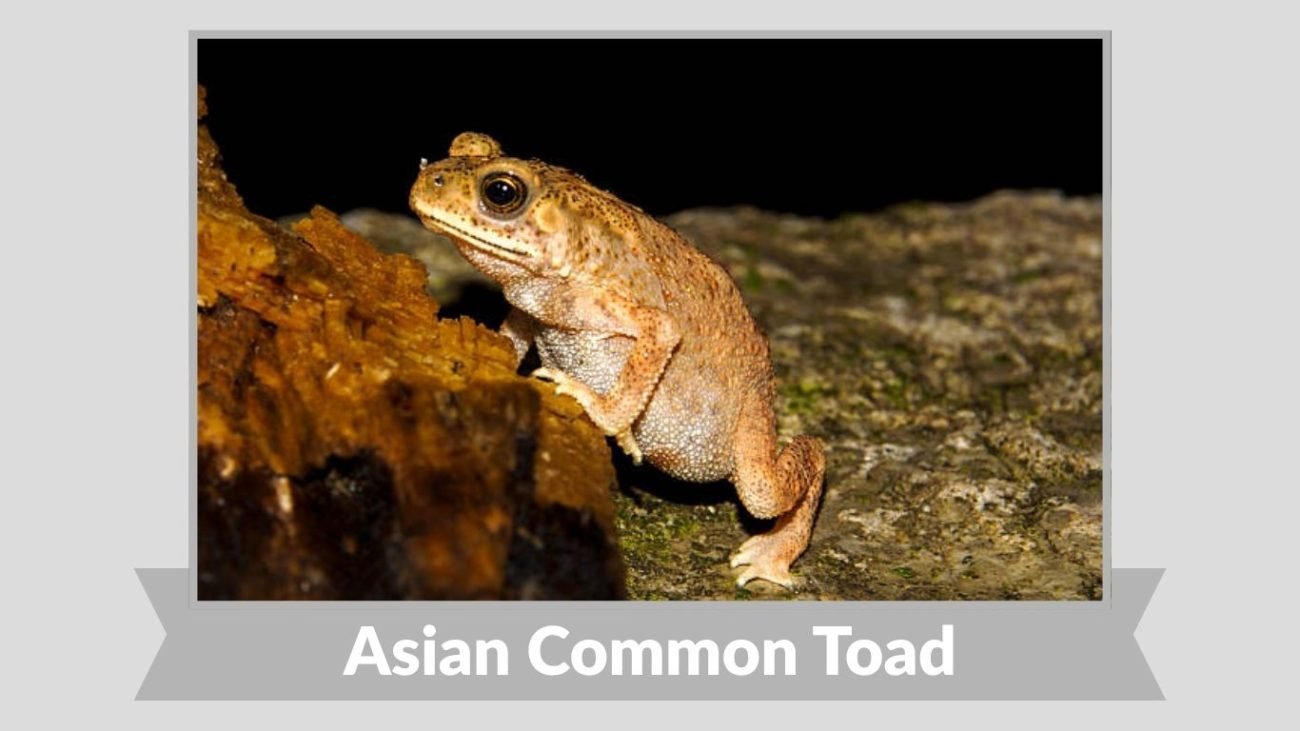
The Asian Common Toad is a widely distributed species found across South and Southeast Asia. It is highly adaptable and commonly seen in both natural and urban environments.
Identification
- Medium size, about 2–4 inches (5–10 cm)
- Brown or gray body with rough, warty skin
- Prominent ridges on the head
- Large parotoid glands
- Light underside
Habitat
Asian Common Toads live in forests, fields, urban areas, and near water bodies. They are often found in gardens, roadsides, and agricultural lands. They prefer warm, humid environments.
Behavior
They are mostly nocturnal and hide during the day under rocks, logs, or soil. These toads are very adaptable and can survive in human-altered environments. During breeding season, they gather in water and produce loud calls.
Diet
Their diet mainly consists of insects such as ants, beetles, and termites. They also eat worms and other small invertebrates. Their feeding habits make them useful for controlling pests.
6. Colorado River Toad
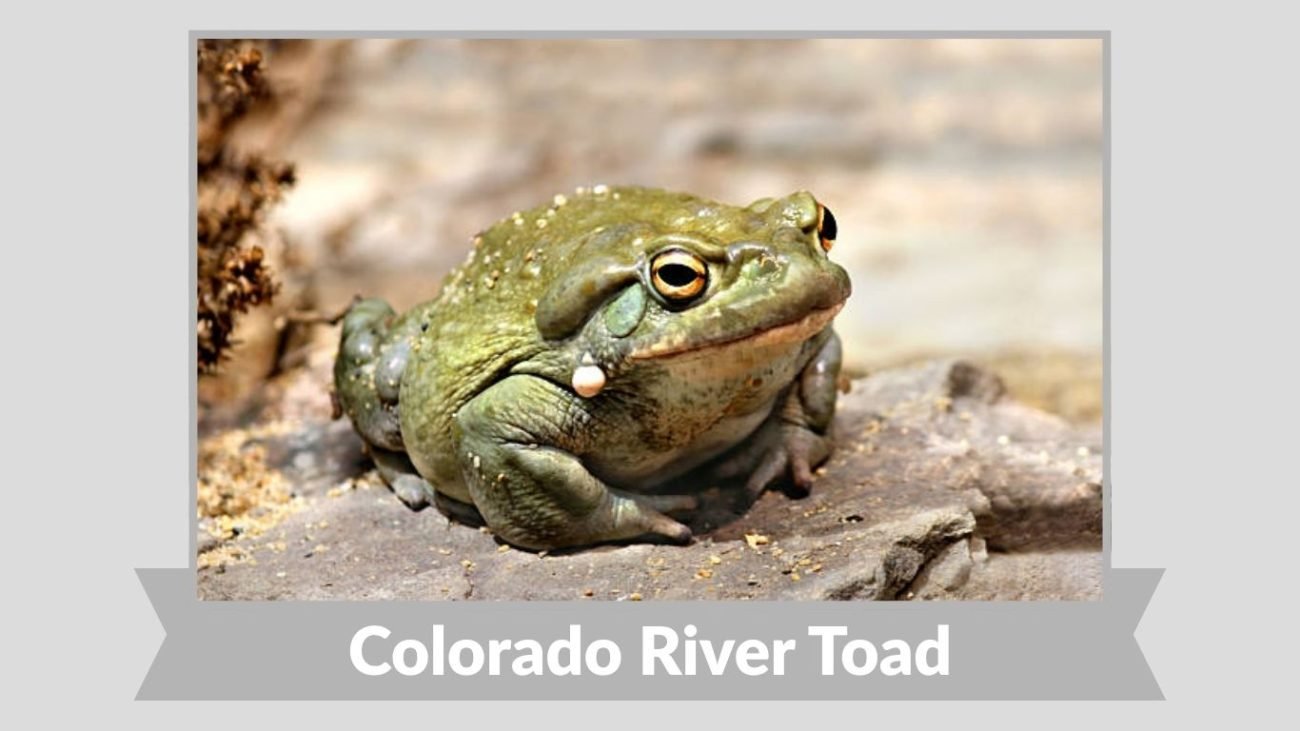
The Colorado River Toad, also known as the Sonoran Desert Toad, is one of the largest toads in North America. It is famous for its powerful toxins and is commonly found in desert and semi-arid regions.
Identification
- Large size, about 4–7 inches (10–18 cm)
- Smooth, leathery skin with fewer warts than other toads
- Olive green to brown coloration
- Large kidney-shaped parotoid glands
- Broad, flat head
Habitat
These toads inhabit deserts, grasslands, and scrublands, especially near rivers, streams, and temporary pools. They prefer areas with access to water during the breeding season but spend much of their time in burrows.
Behavior
Colorado River Toads are mostly nocturnal and emerge during warm, rainy nights. They are solitary and spend long periods underground to avoid heat. When threatened, they release strong toxins from their glands.
Diet
Their diet includes insects, spiders, small mammals, and even other amphibians. They are opportunistic feeders and will eat a wide variety of prey available in their environment.
7. Great Plains Toad
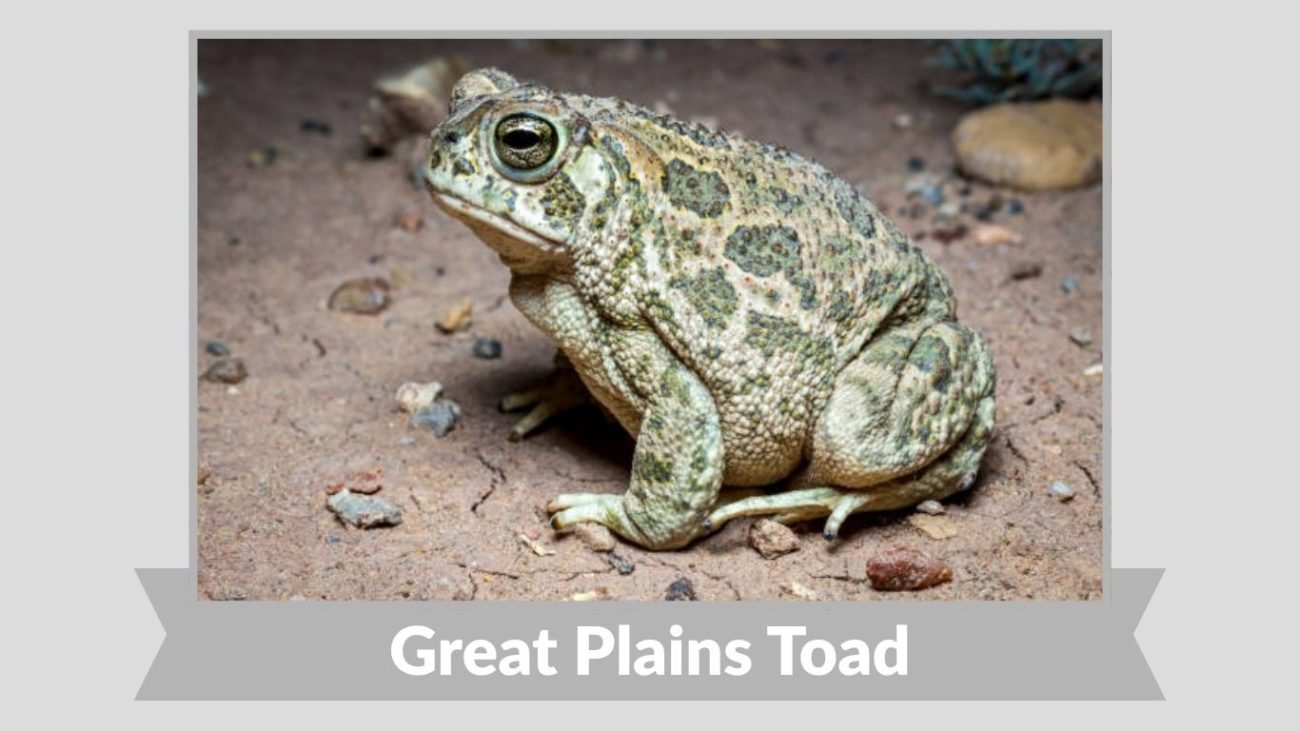
The Great Plains Toad is a medium-sized species found in central North America. It is known for its distinctive markings and its loud breeding calls after heavy rains.
Identification
- Medium size, about 2–4 inches (5–10 cm)
- Gray, brown, or greenish body with dark blotches
- Pale stripe running along the back
- Warty skin texture
- Horizontal pupils
Habitat
Great Plains Toads live in prairies, grasslands, and open areas. They prefer loose soil where they can burrow. These toads are often found near temporary pools formed after rainfall.
Behavior
They are mostly nocturnal and become especially active after rains. During breeding season, males gather in large numbers and produce loud, trilling calls. They spend dry periods buried underground.
Diet
Their diet consists mainly of insects such as beetles, ants, and grasshoppers. They also eat other small invertebrates. Their feeding helps control insect populations in their habitat.
8. Oak Toad
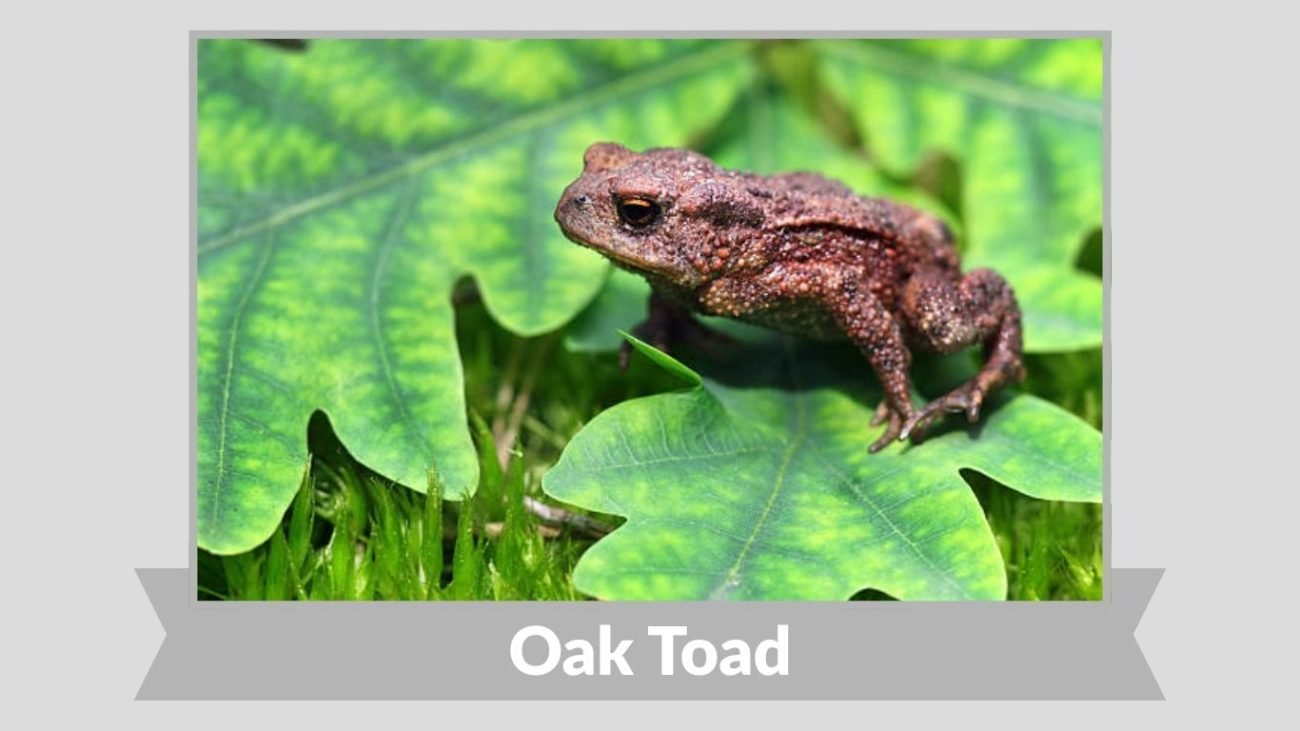
The Oak Toad is one of the smallest toads in North America. It is easily recognized by its tiny size and the distinct light stripe running down its back. Despite its small size, it is quite active and commonly found in sandy habitats.
Identification
- Very small size, about 1–1.5 inches (2.5–4 cm)
- Dark brown or black body
- Distinct white or light-colored stripe along the back
- Fine warty skin
- Slender body compared to other toads
Habitat
Oak Toads live in sandy pine forests, scrublands, and open woodlands. They prefer dry, sandy soils where they can easily burrow. They are often found near temporary pools used for breeding.
Behavior
These toads are mostly active during the day, which is unusual for many toads. They are often seen hopping quickly across open ground. During breeding season, males produce a high-pitched chirping call.
Diet
Their diet mainly includes small insects such as ants, beetles, and spiders. Due to their small size, they feed on tiny prey. They play a role in controlling insect populations.
9. Southern Toad
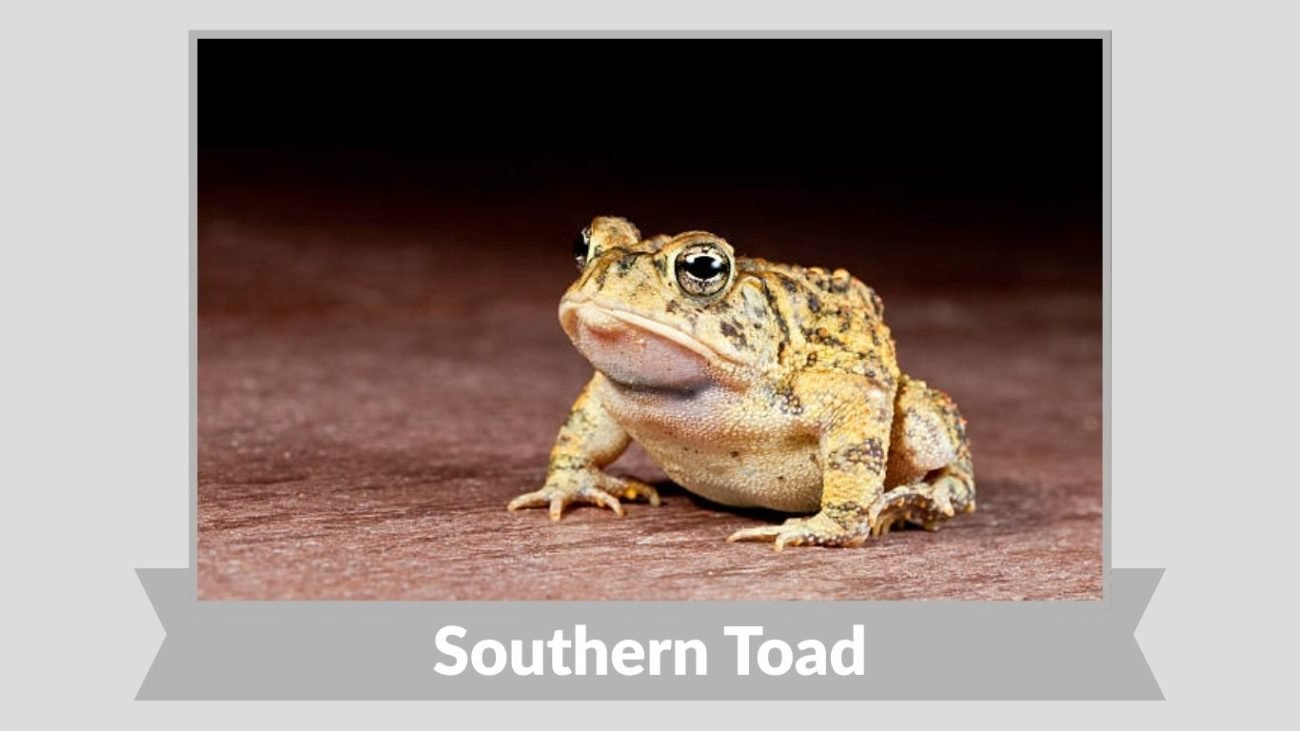
The Southern Toad is a common species found in the southeastern United States. It is known for its distinctive head ridges and adaptability to various environments, including urban areas.
Identification
- Medium size, about 2–4 inches (5–10 cm)
- Brown, reddish, or gray body
- Prominent ridges (cranial crests) on the head
- Warty skin with dark spots
- Light underside
Habitat
Southern Toads inhabit forests, gardens, wetlands, and suburban areas. They prefer moist environments but can tolerate dry conditions. They are often found near water during the breeding season.
Behavior
They are mostly nocturnal and hide during the day under logs, rocks, or debris. These toads are active hunters at night. During breeding season, males produce long, musical trills to attract females.
Diet
Their diet includes insects, worms, spiders, and other small invertebrates. They use their sticky tongues to catch prey quickly. Southern Toads are beneficial in controlling pests in gardens and natural habitats.
10. Texas Toad
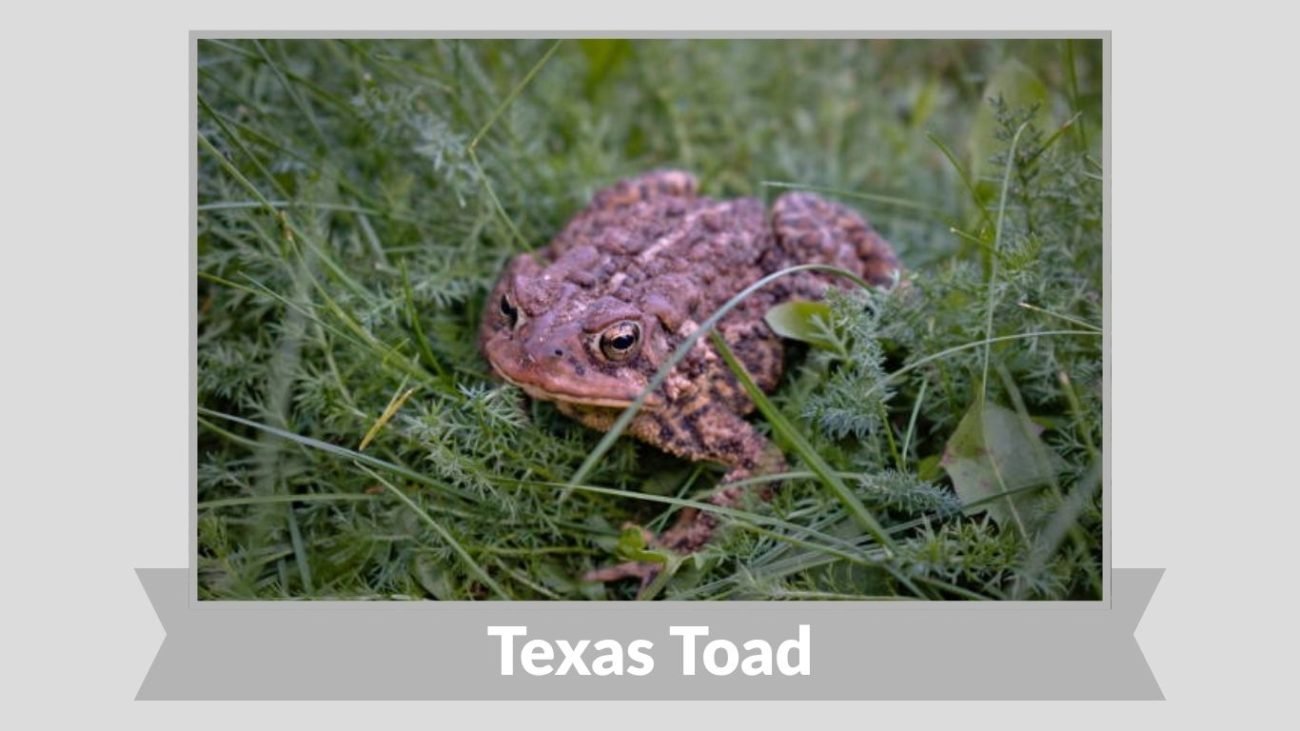
The Texas Toad is a medium-sized species native to the southern United States and northern Mexico. It is well adapted to dry environments and is commonly found in open areas and near human settlements.
Identification
- Medium size, about 2–3.5 inches (5–9 cm)
- Brown, gray, or greenish coloration
- Warty skin with irregular dark spots
- Prominent cranial crests on the head
- Light-colored underside
Habitat
Texas Toads live in grasslands, deserts, open woodlands, and suburban areas. They prefer loose soil for burrowing and are often found near temporary water sources during breeding season.
Behavior
They are mostly nocturnal and spend the day hidden in burrows or under debris. These toads are active after rainfall and during humid nights. During breeding season, males produce calls to attract females in shallow water.
Diet
Their diet mainly consists of insects such as beetles, ants, and grasshoppers. They also eat spiders and other small invertebrates. Their feeding helps control insect populations in their environment.
11. Red-Spotted Toad
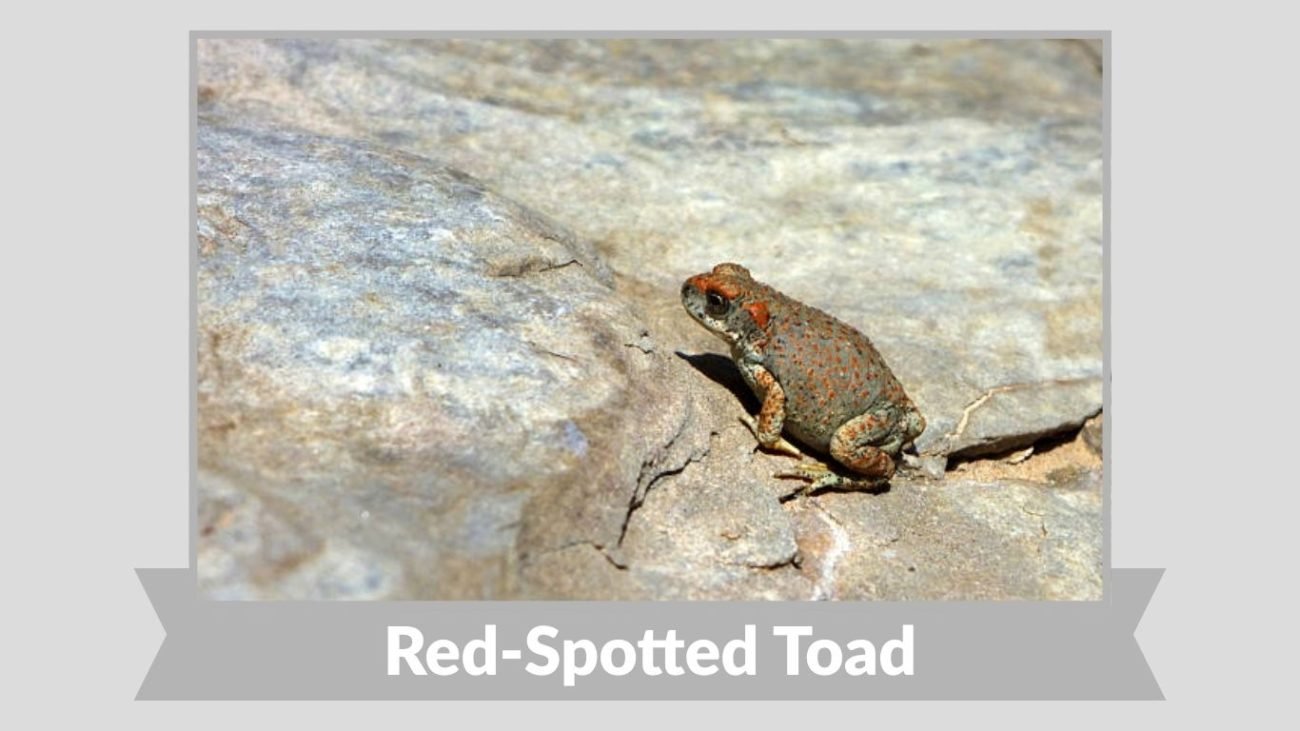
The Red-Spotted Toad is a small toad found in the southwestern United States and northern Mexico. It is easily recognized by its small size and distinctive reddish spots.
Identification
- Small size, about 1.5–3 inches (4–7.5 cm)
- Light gray or tan body with reddish-orange spots
- Smooth skin with fewer warts than other toads
- Large parotoid glands
- Rounded body shape
Habitat
Red-Spotted Toads inhabit deserts, rocky areas, and canyon regions. They are often found near streams, springs, or temporary water pools. They prefer warm and dry environments.
Behavior
They are mostly nocturnal and become active during warm nights, especially after rainfall. Unlike many toads, they are good climbers and can be found on rocks. Their calls are short and high-pitched.
Diet
Their diet includes small insects such as ants, beetles, and flies. They also eat spiders and other invertebrates. They use their sticky tongues to catch prey efficiently.
12. Wyoming Toad
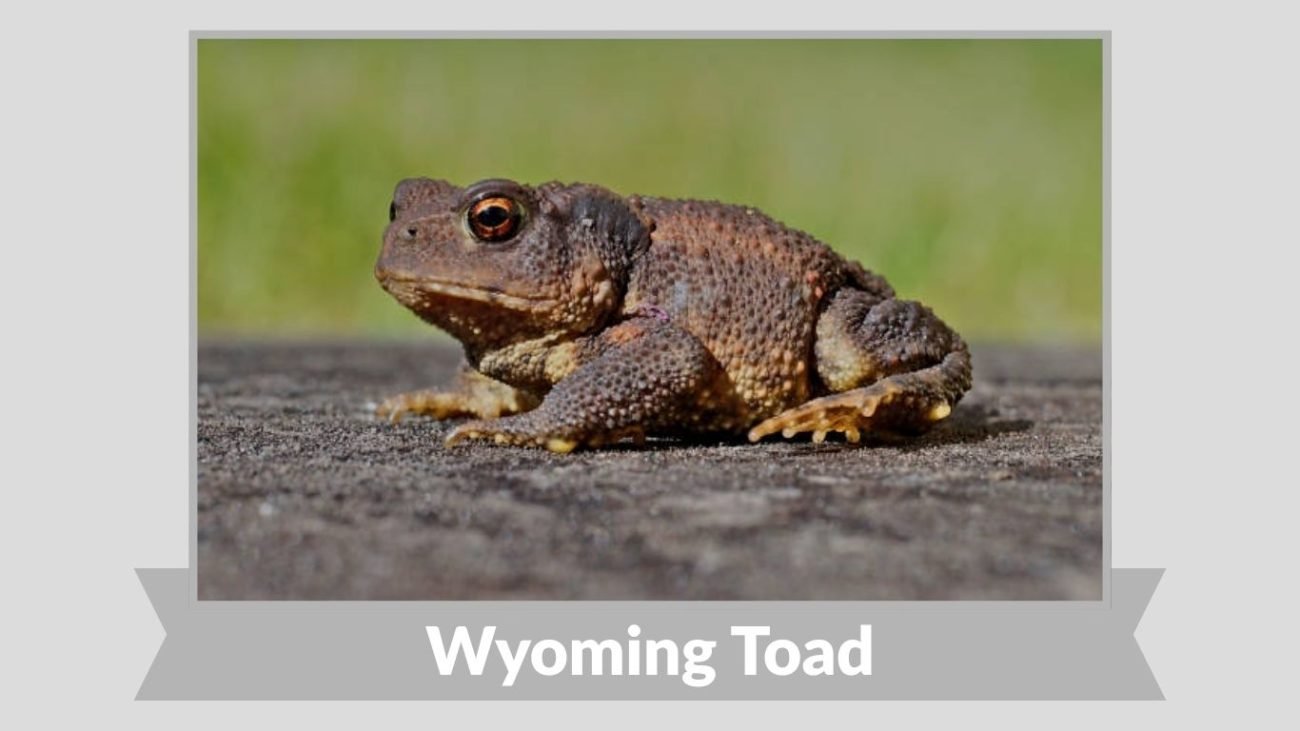
The Wyoming Toad is a rare and critically endangered species native to the United States. Once widespread, it is now found only in limited areas and is the focus of conservation efforts to prevent extinction.
Identification
- Medium size, about 2–2.5 inches (5–6.5 cm)
- Dark brown, gray, or black body
- Thick, warty skin
- Numerous small dark spots
- Short legs and a stout body
Habitat
Wyoming Toads prefer floodplains, grasslands, and areas near ponds or wetlands. They require moist environments for survival and breeding. Today, they are mainly found in protected habitats due to their endangered status.
Behavior
They are mostly nocturnal and spend the day hiding in burrows or under vegetation. During breeding season, they gather in shallow water. Their populations have declined due to habitat loss and disease.
Diet
Their diet consists of insects such as beetles, ants, and flies. They also consume spiders and other small invertebrates. Their feeding behavior helps maintain ecological balance.
13. Natterjack Toad
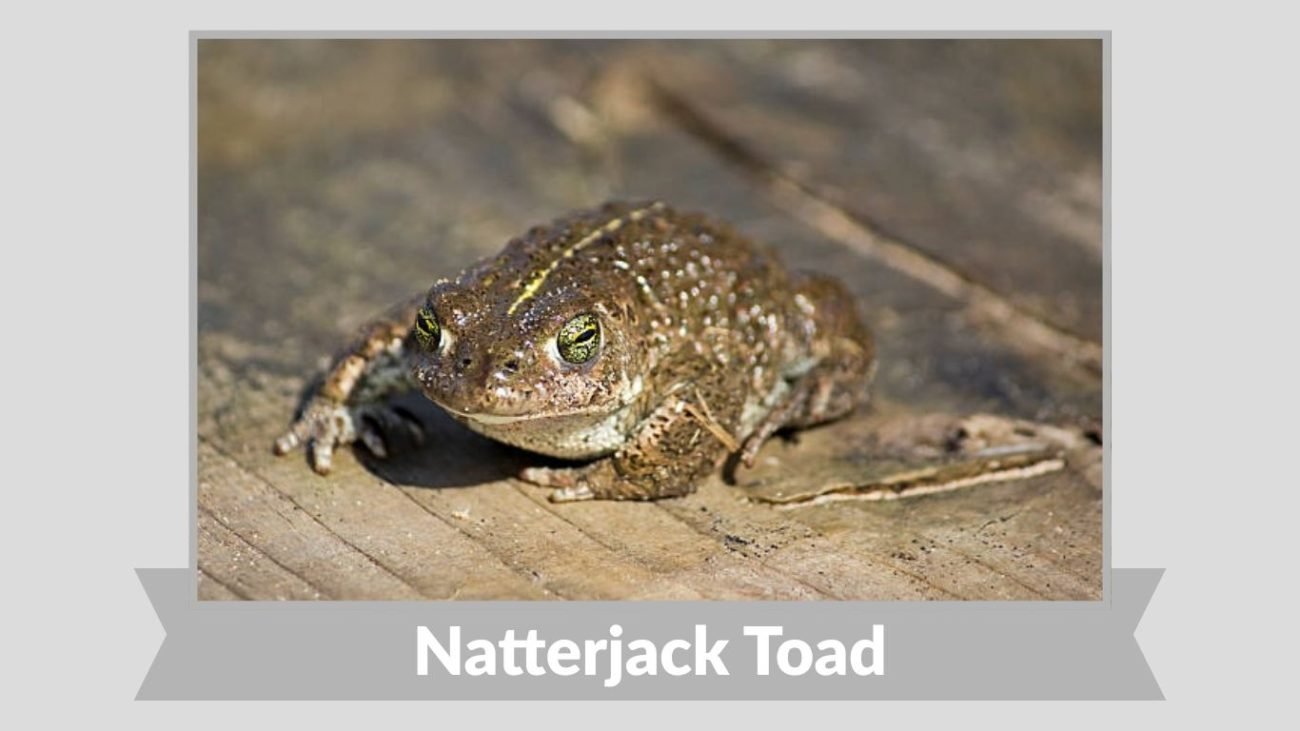
The Natterjack Toad is a distinctive species found in Europe, known for its loud call and unique running movement instead of hopping. It is well adapted to sandy environments.
Identification
- Medium size, about 2–3 inches (5–7.5 cm)
- Yellow stripe running down the center of the back
- Green or brown body with dark patches
- Warty skin
- Short legs compared to other toads
Habitat
Natterjack Toads live in sandy habitats such as dunes, heathlands, and coastal areas. They prefer shallow, temporary pools for breeding and open areas for movement.
Behavior
They are mostly nocturnal and are known for their loud, rasping calls that can be heard over long distances. Unlike many toads, they tend to run rather than hop. They are active during warm nights.
Diet
Their diet includes insects, worms, and other small invertebrates. They forage actively on land and use their sticky tongues to capture prey.
14. Yellow-Bellied Toad
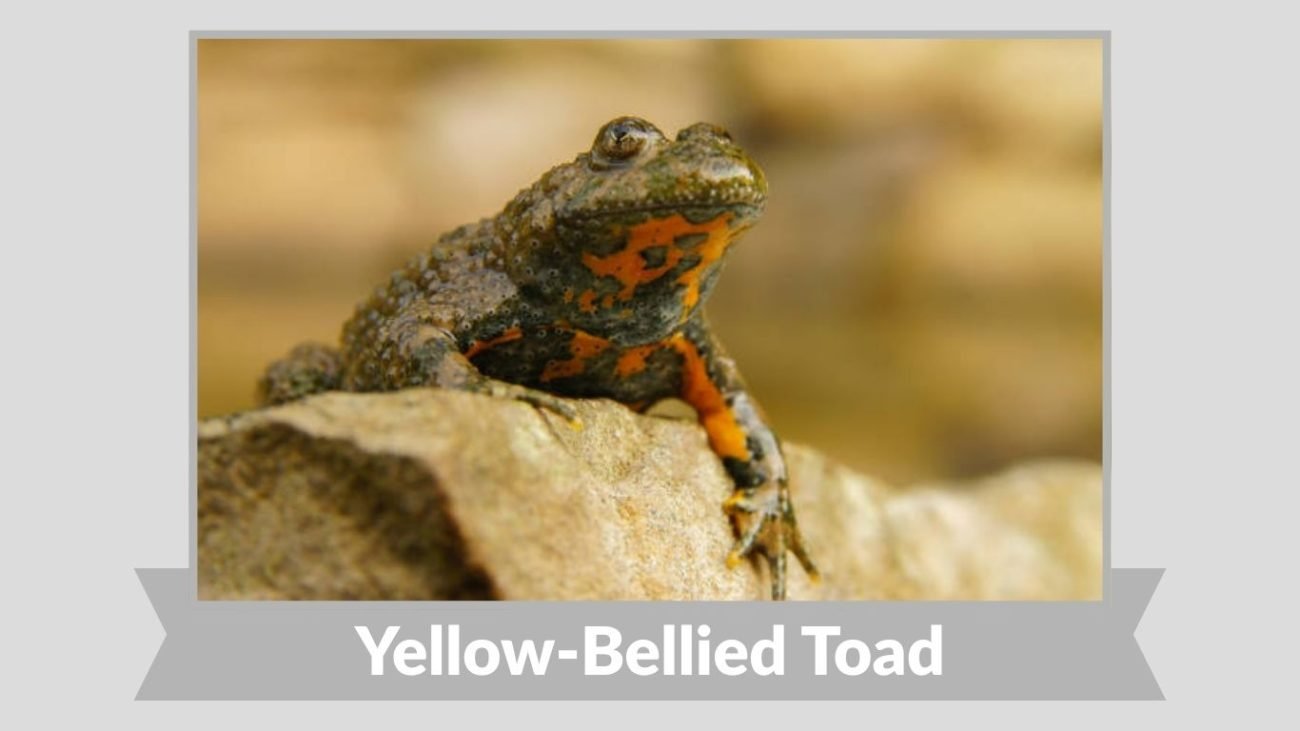
The Yellow-Bellied Toad is a small amphibian found in parts of Europe. It is best known for its bright, warning-colored underside, which it displays to deter predators. Despite its name, it is technically more frog-like in behavior.
Identification
- Small size, about 1.5–2 inches (4–5 cm)
- Gray or brown back with rough, warty skin
- Bright yellow underside with black patches
- Flattened body shape
- Small limbs with partially webbed feet
Habitat
Yellow-Bellied Toads inhabit shallow ponds, puddles, and slow-moving water bodies. They prefer areas with muddy or soft bottoms and are often found in forest clearings, meadows, and mountainous regions.
Behavior
They are mostly active during the day and are often seen basking near water. When threatened, they perform a defensive display by arching their bodies to show their bright yellow belly, warning predators of their toxicity.
Diet
Their diet includes insects, worms, and small aquatic invertebrates. They feed both in water and on land, helping to control insect populations in their habitats.
15. Fire-Bellied Toad
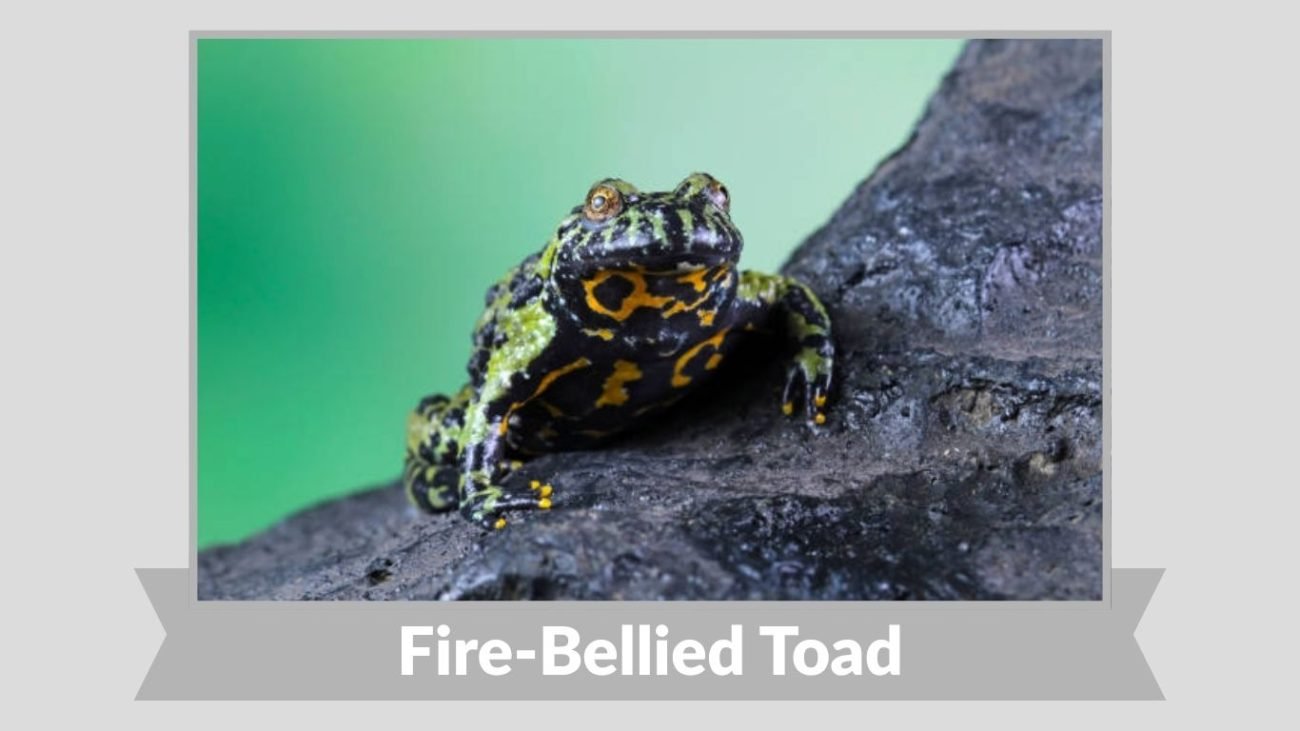
The Fire-Bellied Toad is a small, colorful amphibian native to Asia and parts of Europe. It is popular due to its striking appearance and unique defensive behavior.
Identification
- Green or brown back with dark markings
- Bright red or orange belly with black spots
- Small, compact body
- Slightly warty skin
- Size about 1.5–2.5 inches (4–6 cm)
Habitat
Fire-Bellied Toads live in ponds, marshes, and slow-moving streams. They prefer shallow water with plenty of vegetation and are often found in humid environments.
Behavior
They are active during the day and often float in water. When threatened, they display their bright underside as a warning. They are social and can be found in groups.
Diet
Their diet consists of insects, worms, and small aquatic creatures. They feed both on land and in water using their sticky tongues to catch prey.
16. Surinam Toad
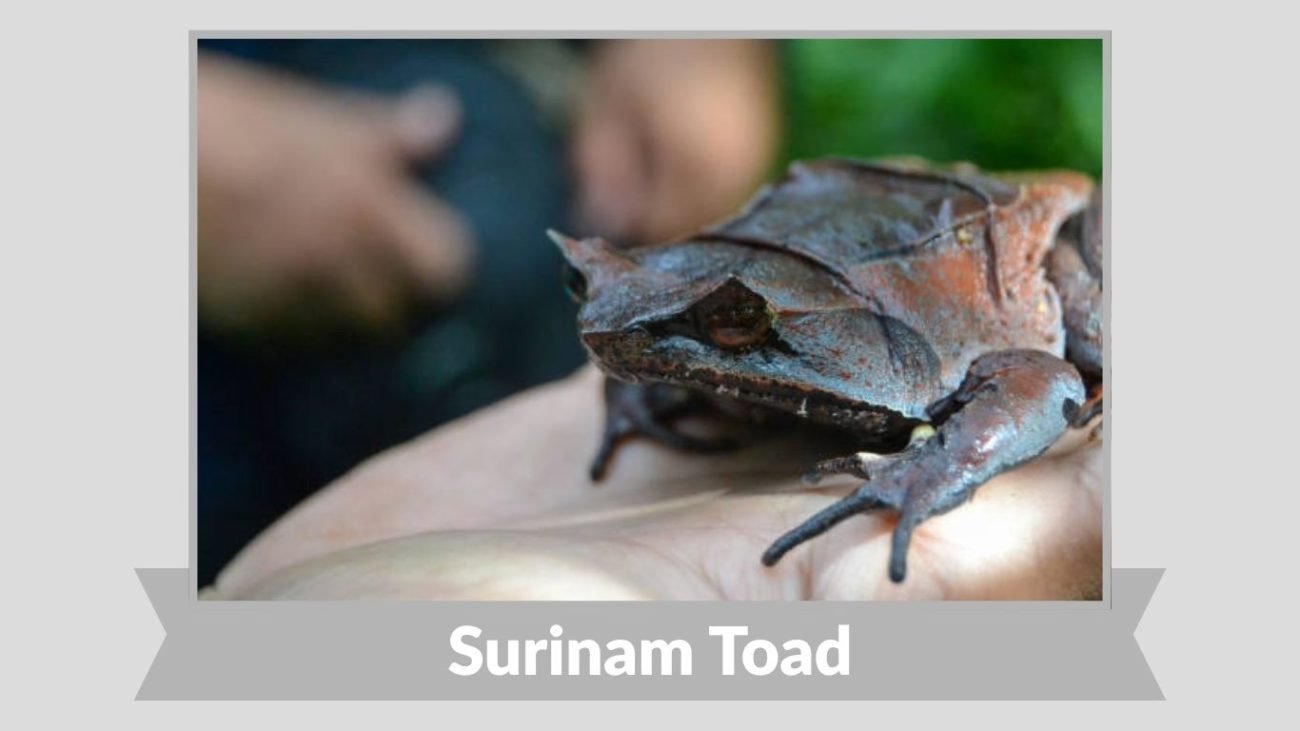
The Surinam Toad is a highly unusual amphibian native to South America. It is best known for its unique reproduction method, where eggs develop in the skin on the female’s back. Its flat body and aquatic lifestyle make it very different from typical toads.
Identification
- Flat, leaf-like body shape
- Brown or gray coloration for camouflage
- Small, lidless eyes
- Long fingers with star-shaped tips
- Rough, textured skin
Habitat
Surinam Toads live in slow-moving waters such as ponds, swamps, and rivers. They prefer muddy environments with lots of debris where they can easily blend in and remain hidden from predators.
Behavior
They are fully aquatic and rarely leave the water. These toads rely on camouflage and remain motionless to avoid detection. Their most unique behavior is their breeding process, where eggs become embedded in the female’s back and develop there.
Diet
Their diet includes small fish, insects, and aquatic invertebrates. They use a suction-feeding method, quickly opening their mouths to draw in prey along with water.
17. Green Toad
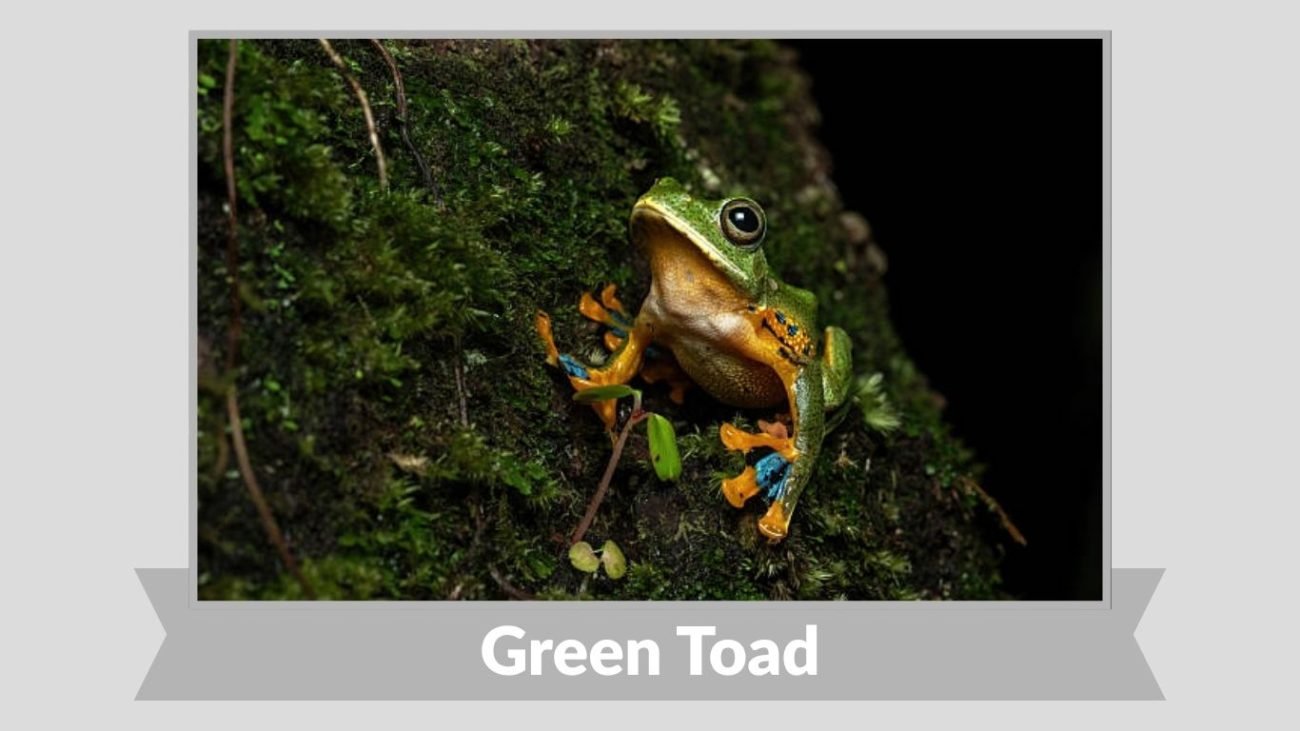
The Green Toad is a colorful and adaptable species found across Europe, North Africa, and parts of Asia. It is known for its striking green patches and ability to survive in a variety of environments.
Identification
- Light-colored body with bright green patches
- Smooth to slightly warty skin
- Medium size, about 2–4 inches (5–10 cm)
- Pale underside
- Distinct pattern that varies between individuals
Habitat
Green Toads inhabit grasslands, deserts, steppes, and urban areas. They are highly adaptable and can live in both dry and moist environments. They often stay near temporary water bodies during breeding season.
Behavior
They are mostly nocturnal and become active during warm nights. Green Toads are known for their resilience and ability to survive in harsh conditions. During breeding, males produce loud calls to attract females.
Diet
Their diet mainly consists of insects such as beetles, ants, and flies. They also consume spiders and other small invertebrates. Their feeding helps control insect populations in their habitats.
18. Western Toad
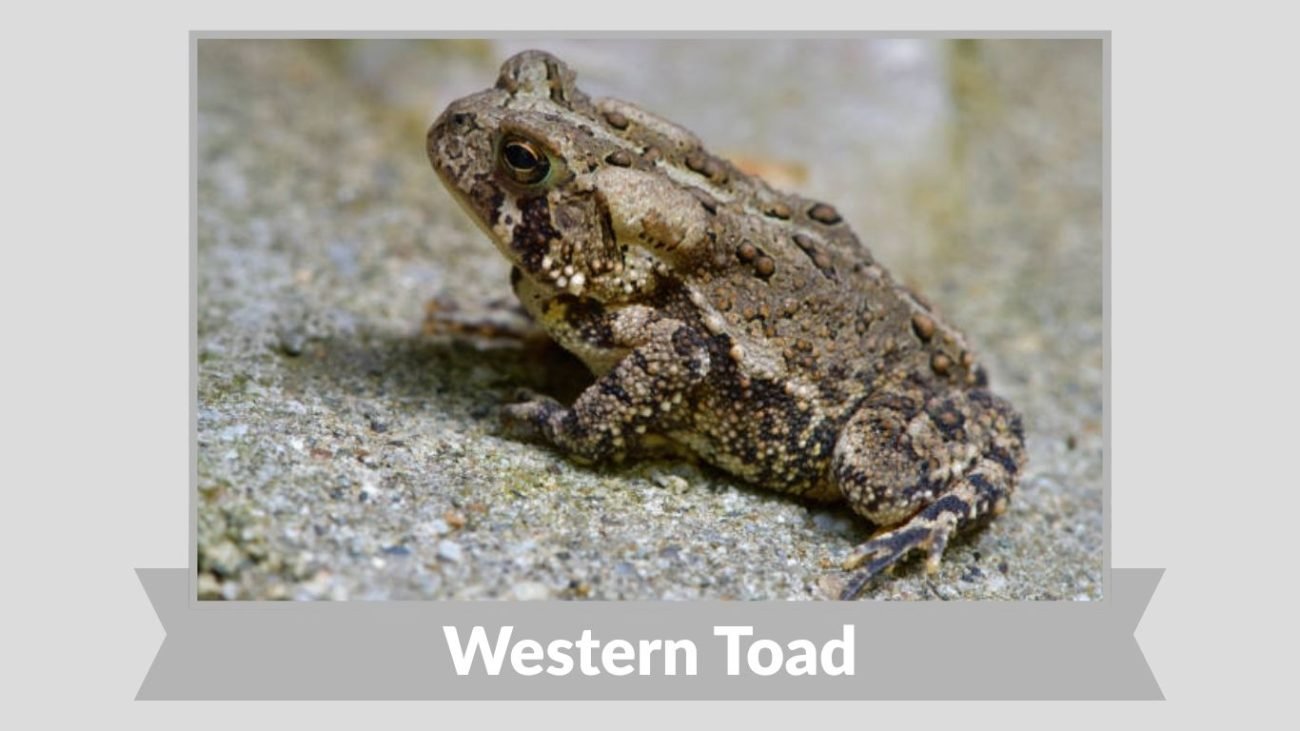
The Western Toad is a widespread species found in western North America. It is known for its adaptability and ability to live in a variety of environments, from forests to mountainous regions.
Identification
- Medium size, about 2–5 inches (5–13 cm)
- Brown, gray, or greenish coloration
- Prominent white or light stripe along the back
- Warty skin
- Oval-shaped parotoid glands
Habitat
Western Toads inhabit forests, grasslands, wetlands, and mountainous areas. They prefer moist environments but can travel far from water. During breeding season, they gather in ponds, lakes, and slow-moving streams.
Behavior
They are mostly nocturnal and spend the day hiding under rocks, logs, or in burrows. During breeding season, large numbers may gather in shallow water. They move slowly but can hop when needed to escape predators.
Diet
Their diet consists of insects, spiders, worms, and other small invertebrates. They help control insect populations and are important for maintaining ecological balance.
19. Sonoran Desert Toad
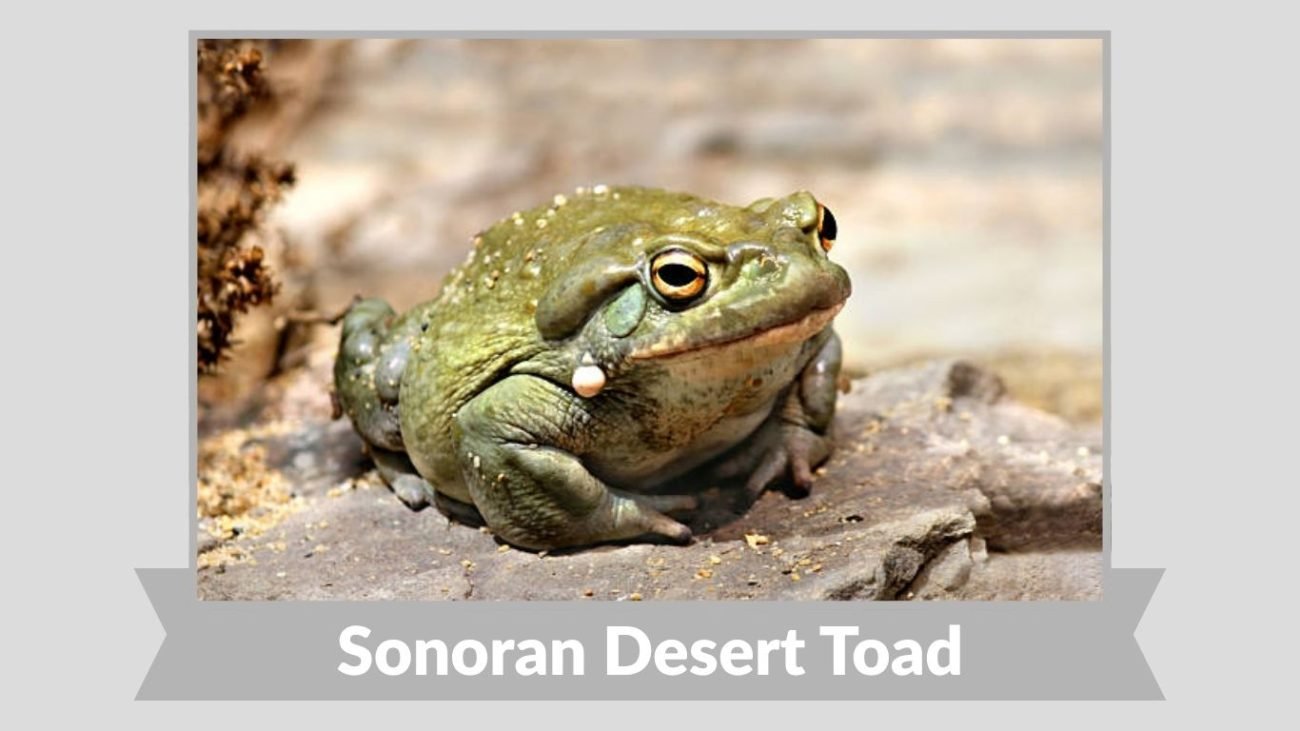
The Sonoran Desert Toad, also known as the Colorado River Toad, is one of the largest toads in North America. It is well adapted to desert life and is known for its potent toxins.
Identification
- Large size, about 4–7 inches (10–18 cm)
- Smooth, leathery skin
- Olive green to brown coloration
- Large, prominent parotoid glands
- Broad head and stout body
Habitat
These toads live in desert and semi-arid regions, especially near streams, irrigation canals, and temporary pools. They spend much of their time in burrows to escape extreme heat and dryness.
Behavior
They are mostly nocturnal and emerge during warm, rainy nights. These toads are solitary and spend long periods underground. When threatened, they secrete toxins as a defense mechanism.
Diet
Their diet includes insects, small mammals, reptiles, and other amphibians. They are opportunistic feeders and will consume a wide variety of prey available in their environment.
20. Gulf Coast Toad
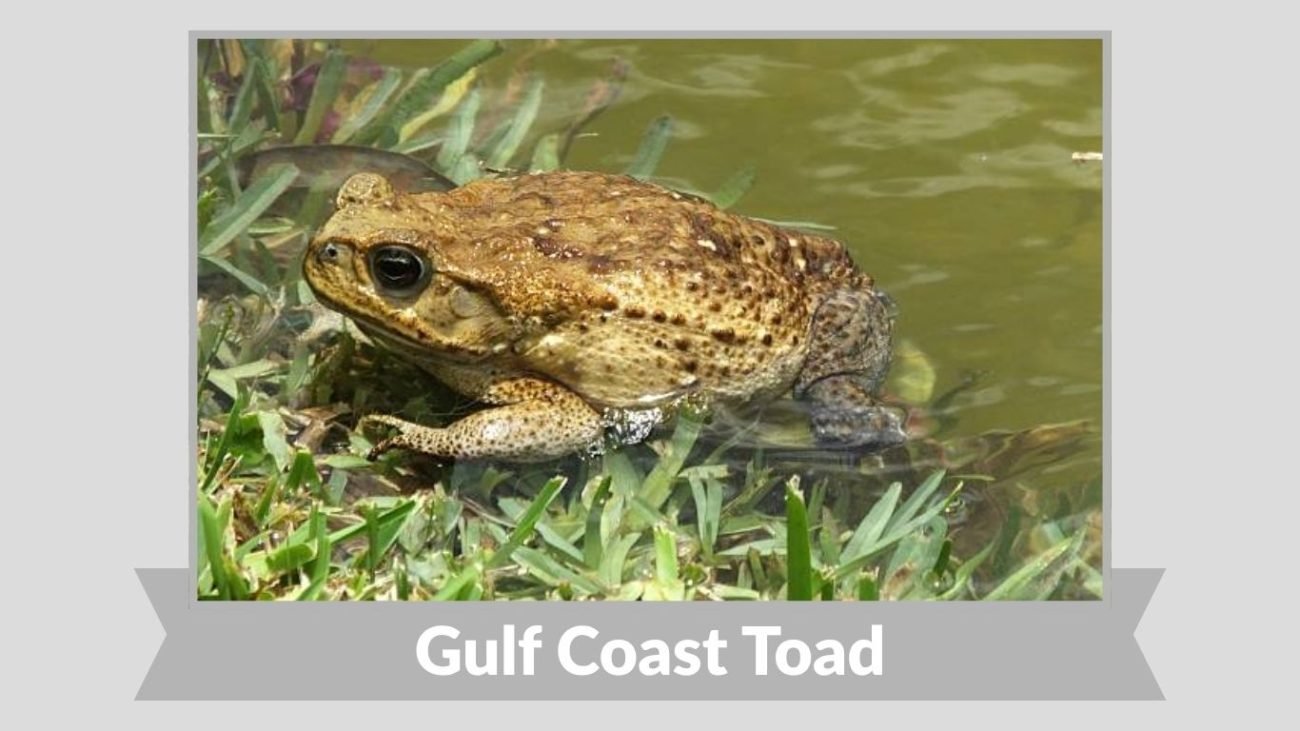
The Gulf Coast Toad is a common species found in the southern United States, especially near coastal regions. It is known for its adaptability and is often seen in urban areas, gardens, and near water sources.
Identification
- Medium size, about 2–4 inches (5–10 cm)
- Gray, brown, or olive coloration
- Warty skin with dark spots
- Prominent cranial crests on the head
- Light stripe along the back (sometimes visible)
Habitat
Gulf Coast Toads inhabit forests, grasslands, wetlands, and suburban areas. They are highly adaptable and often live near human settlements. They prefer moist environments but can survive in drier conditions.
Behavior
They are mostly nocturnal and become active at night. These toads are often seen near lights where insects gather. During breeding season, males produce loud calls near water bodies to attract females.
Diet
Their diet includes insects such as beetles, ants, flies, and mosquitoes. They also eat spiders and other small invertebrates. Their feeding helps control pest populations.
21. Smooth-Sided Toad
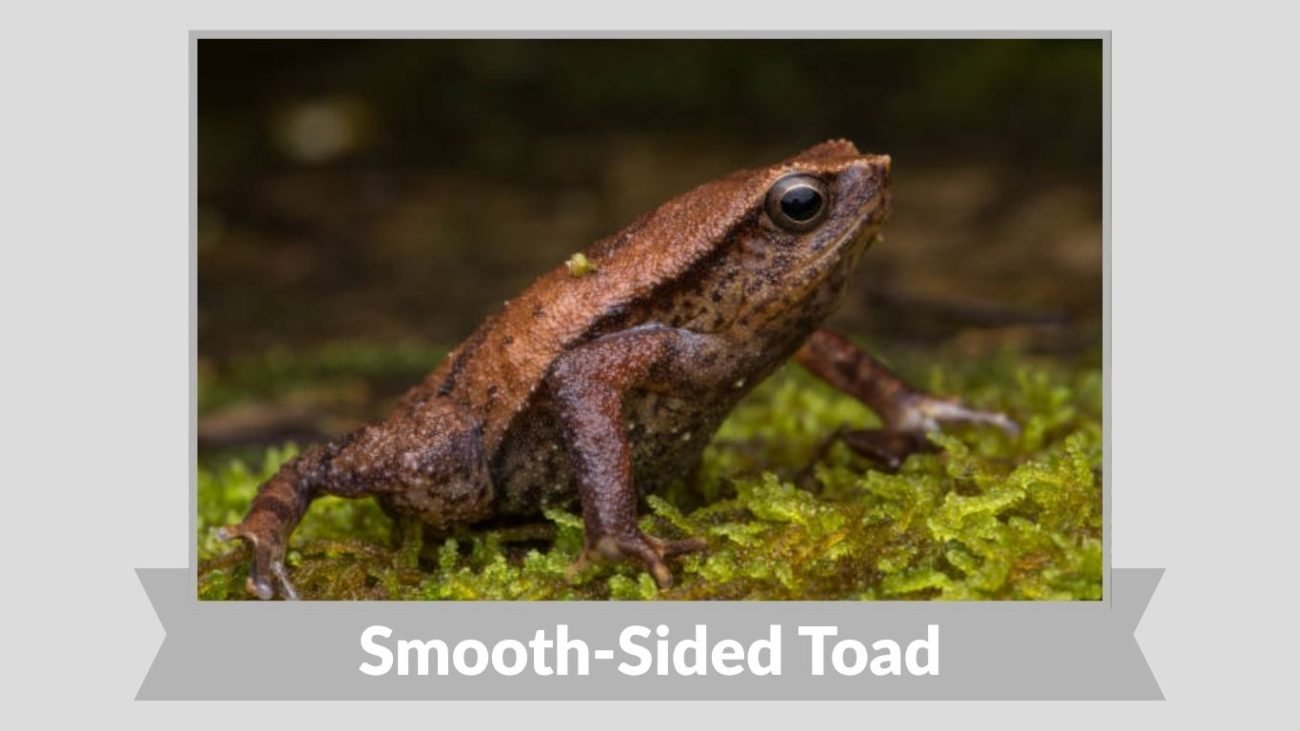
The Smooth-Sided Toad is a lesser-known species found in parts of Central and South America. It is named for its relatively smoother skin compared to other toads.
Identification
- Medium size, about 2–4 inches (5–10 cm)
- Smooth to slightly rough skin
- Brown, gray, or olive coloration
- Slender body shape
- Small parotoid glands
Habitat
Smooth-Sided Toads live in tropical forests, grasslands, and near freshwater sources such as ponds and streams. They prefer warm, humid environments with plenty of vegetation.
Behavior
They are mostly nocturnal and hide during the day under leaves, logs, or soil. These toads are quiet and less vocal compared to other species. They become more active during rainy periods.
Diet
Their diet mainly consists of insects, worms, and other small invertebrates. They hunt at night using their sticky tongues and play a role in maintaining insect balance in their ecosystem.
FAQs
1. What is the difference between frogs and toads?
Toads generally have dry, warty skin and shorter legs, while frogs have smooth, moist skin and are better jumpers. Toads are also more adapted to living on land.
2. Are toads poisonous to humans?
Some toads secrete toxins from their skin, but most are not dangerous to humans. However, their toxins can be harmful if ingested or if they come into contact with sensitive areas.
3. Where do toads live?
Toads live in a wide range of habitats including forests, deserts, grasslands, and urban areas. Most prefer moist environments but can tolerate drier conditions.
4. What do toads eat?
Toads mainly eat insects, worms, and other small invertebrates. Larger species may also eat small animals like rodents or other amphibians.
5. Do toads need water to survive?
Toads can live on land but need water for breeding. They lay their eggs in water, where the young develop before becoming adults.