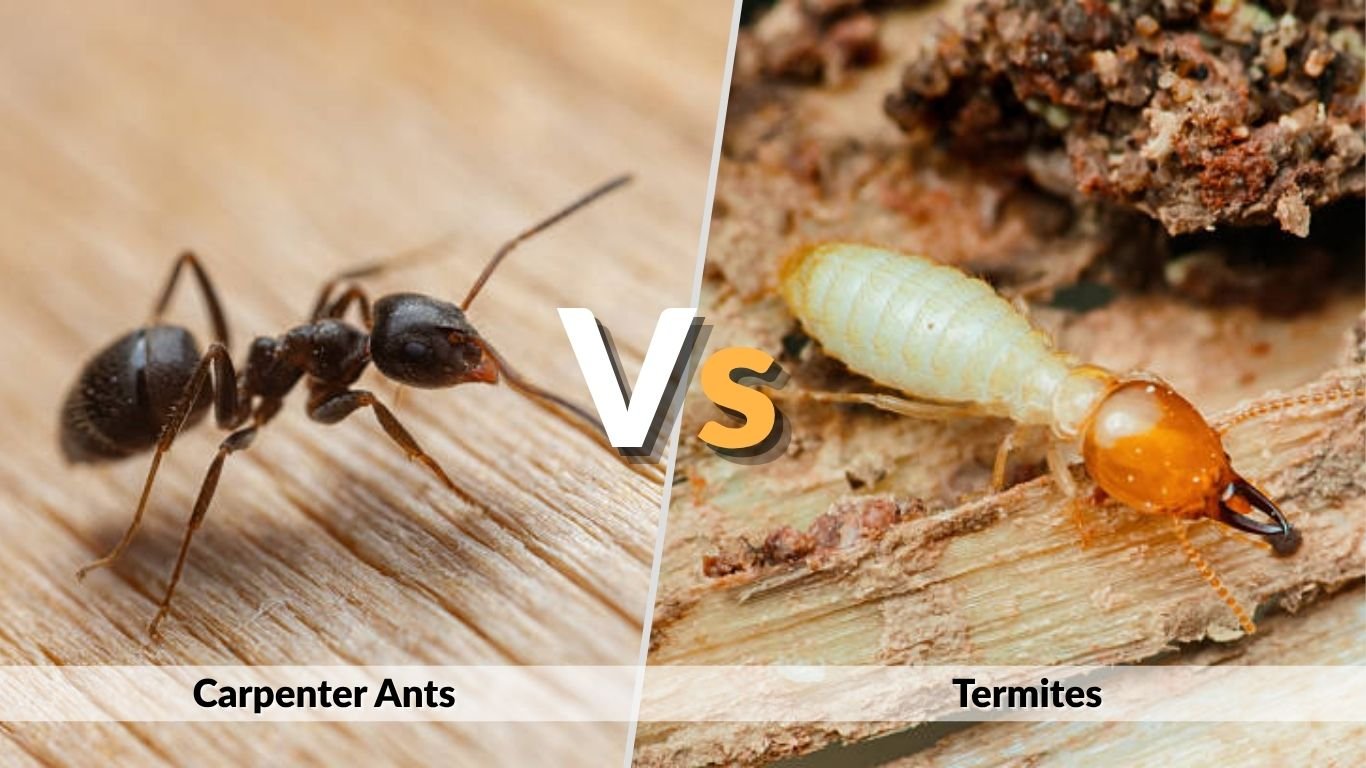
Carpenter ants and termites are often confused because both are associated with wood damage in homes. However, they are very different pests with different behaviors, risks, and treatment methods. Understanding the difference between carpenter ants vs termites is essential to protect your home from costly structural damage.
While termites eat wood and cause rapid destruction, carpenter ants tunnel through wood to build nests. Proper identification helps you choose the right control strategy and act before the problem worsens.
What Are Carpenter Ants?
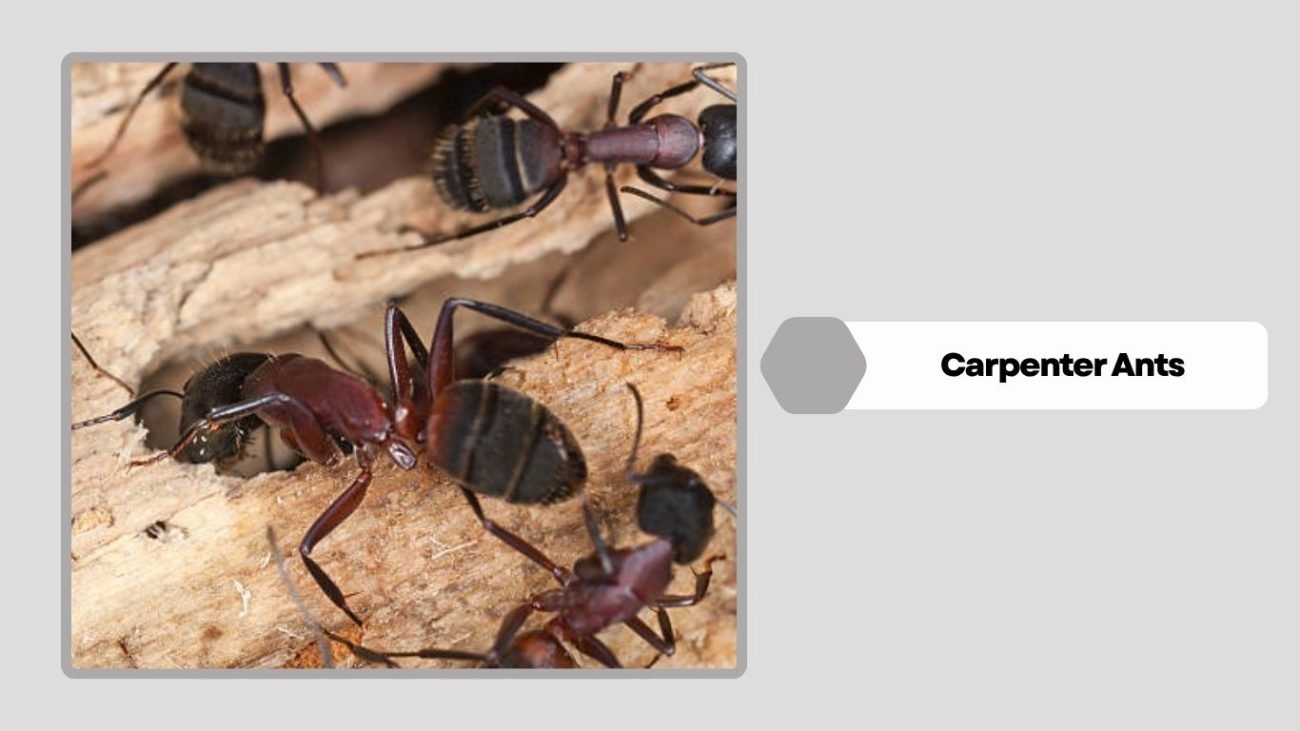
Carpenter ants are large ants known for nesting in wood. They are commonly found in homes, especially in areas with moisture or decaying wood.
Identification Features
- Large size (6–12 mm)
- Black or red and black color
- Elbowed antennae
- Narrow, pinched waist
These features make them easy to distinguish from termites when observed closely.
Habitat & Nesting
Carpenter ants prefer environments where wood is soft and moist. Common nesting locations include:
- Wooden beams and structures
- Damp or rotting wood
- Tree stumps and logs
- Inside walls and ceilings
They often create hidden galleries inside wood, which can expand over time.
Do Carpenter Ants Eat Wood?
Carpenter ants do not eat wood. Instead, they excavate it to create smooth tunnels for their colonies. Even though they don’t consume wood, their activity can still weaken structures over time.
What Are Termites?
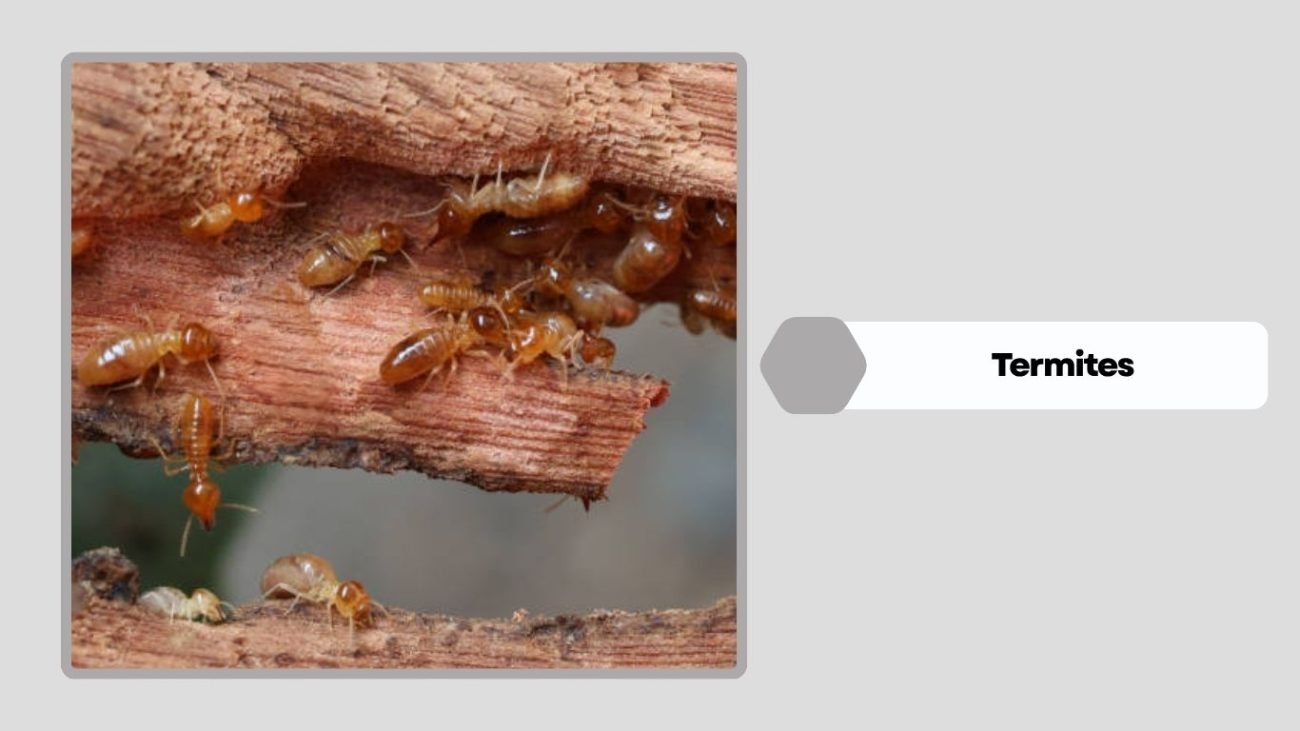
Termites are highly destructive insects that feed on wood and cellulose materials. They are considered one of the most serious pests for homeowners.
Identification Features
- Small size
- Pale white or light brown color
- Straight antennae
- Thick, straight body without a defined waist
These traits clearly separate termites from carpenter ants.
Habitat & Colonies
Termites typically live in large colonies and are often hidden from view. They are commonly found:
- Underground (subterranean termites)
- Inside wooden structures
- In walls, floors, and foundations
They build mud tubes to travel between their nest and food sources, which is a strong sign of termite activity.
Why Termites Are Dangerous
Termites actively consume wood, which allows them to cause severe structural damage quickly. Because they often remain hidden, damage may go unnoticed until it becomes serious.
Carpenter Ants vs Termites (Key Differences)
Understanding the difference between carpenter ants vs termites is critical for accurate identification.
Key Differences Table
| Feature | Carpenter Ants | Termites |
| Size | Larger (6–12 mm) | Smaller |
| Body Shape | Narrow waist | Thick, straight body |
| Antennae | Elbowed | Straight |
| Wings | Unequal size | Equal size |
| Wood Behavior | Tunnel through wood | Eat wood |
| Damage Type | Smooth galleries | Rough, mud-filled tunnels |
Carpenter Ant Damage vs Termite Damage
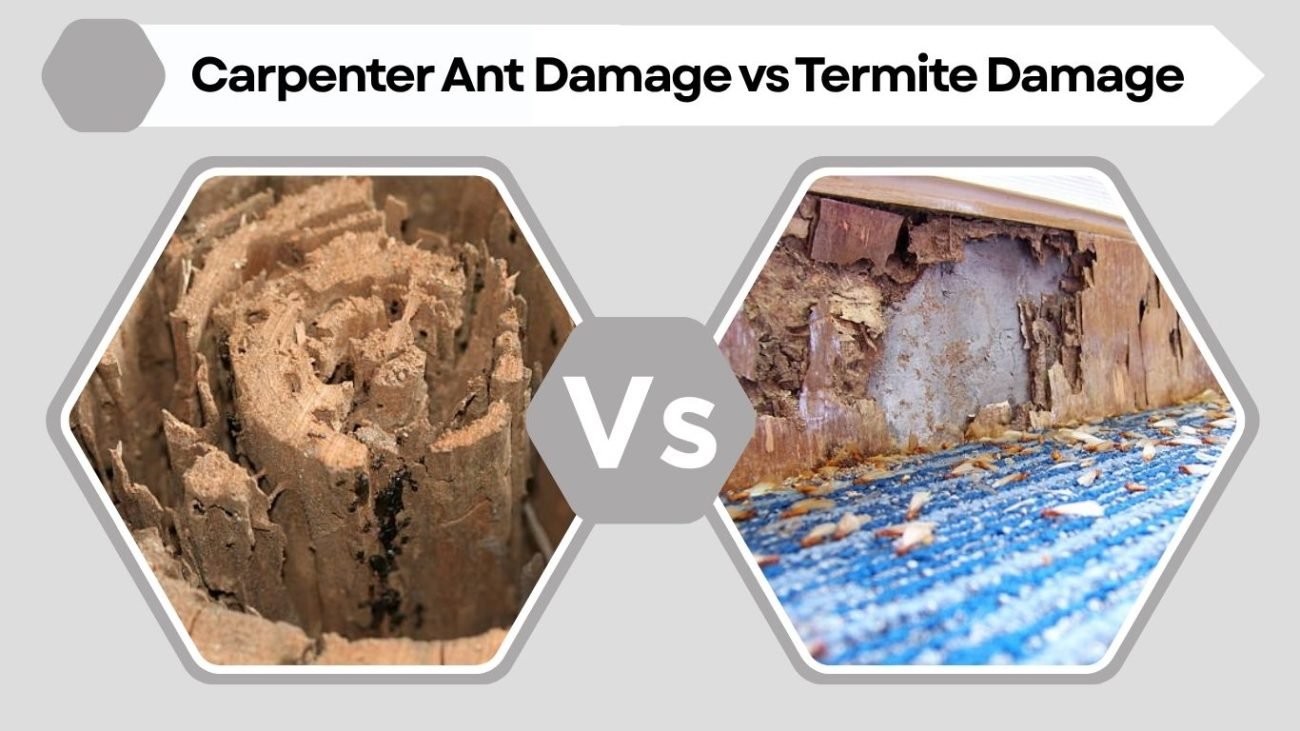
One of the most important differences is how these pests affect wood.
Wood Damage Pattern
- Carpenter ants create smooth, clean tunnels inside wood
- Termites create rough tunnels filled with mud and debris
Structural Impact
Termites are generally more destructive because they continuously consume wood. Carpenter ants damage wood more slowly, but over time, their tunneling can still weaken structures significantly.
Carpenter Ant Frass vs Termite Frass
One of the easiest ways to identify the pest is by examining what they leave behind.
Key Differences Table
| Feature | Carpenter Ant Frass | Termite Frass |
| Appearance | Sawdust-like material | Small pellet-like droppings |
| Texture | Soft, wood shavings | Hard, grainy pellets |
| Location | Near nest openings | Near infested wood or tunnels |
| Contents | Wood fragments, insect parts | Digested wood particles |
Carpenter ants push out debris as they dig tunnels, while termites leave behind digested wood in pellet form.
Signs of Carpenter Ants vs Termites
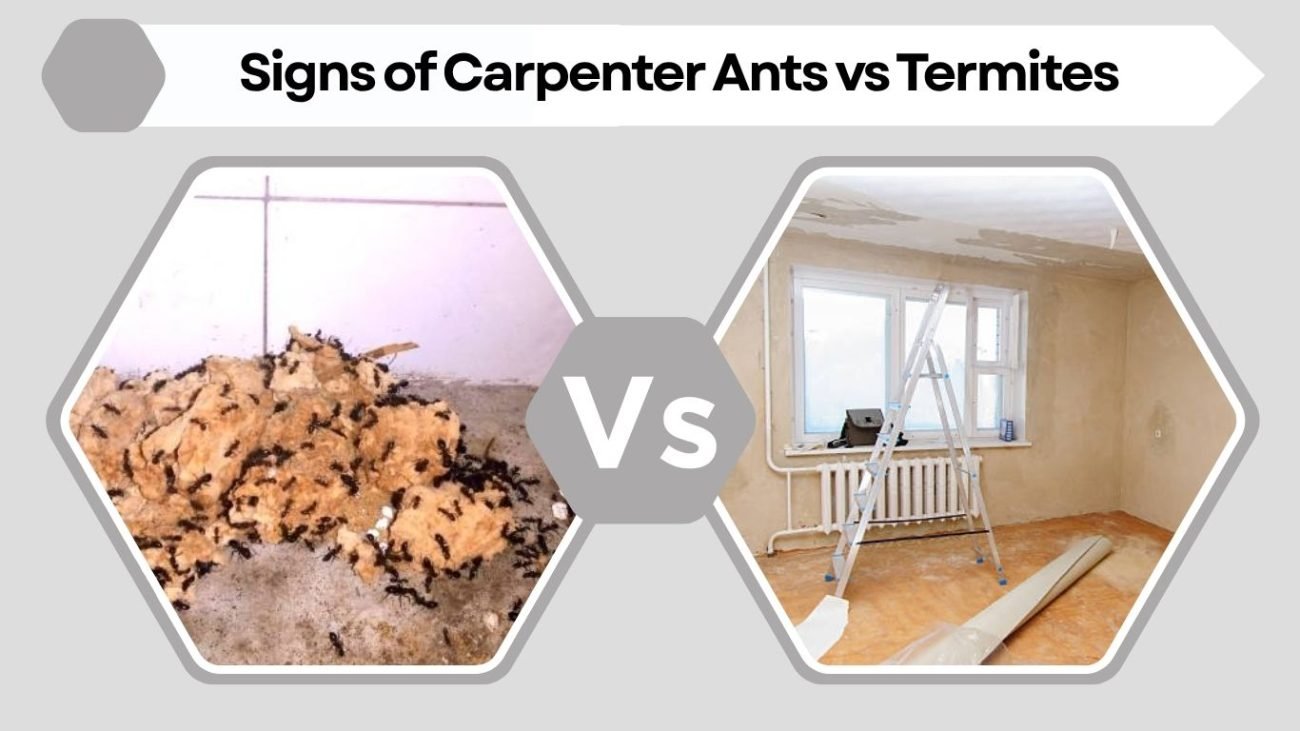
Recognizing early signs can help prevent serious damage.
Common Signs of Carpenter Ants
- Large black ants inside the house
- Sawdust-like material (frass) near wood
- Rustling sounds inside walls
Common Signs of Termites
- Mud tubes along walls or foundations
- Hollow-sounding wood
- Discarded wings near windows or doors
How to Know If You Have Termites or Carpenter Ants
- Check body shape and size
- Look for frass type (sawdust vs pellets)
- Inspect wood damage pattern
Carpenter Ants or Termites: Which Is Worse?
Both pests are harmful, but termites are generally more destructive.
- Termites cause faster and more severe structural damage
- Carpenter ants damage wood slowly but still weaken structures
The level of risk depends on infestation size and how early it is detected.
Carpenter Ants with Wings vs Termites
Flying insects often cause confusion during swarming season.
Wing Differences
- Carpenter ants: front wings longer than back wings
- Termites: all wings equal in size
Behavior During Swarming
- Carpenter ants swarm to expand colonies
- Termites swarm to reproduce and establish new colonies
How to Tell the Difference Quickly (Checklist)
Use this simple checklist for fast identification.
- Body shape (pinched waist vs straight body)
- Antennae (elbowed vs straight)
- Wings (uneven vs equal)
- Damage type (smooth vs rough tunnels)
- Droppings (sawdust vs pellets)
Treatment: Carpenter Ants vs Termites
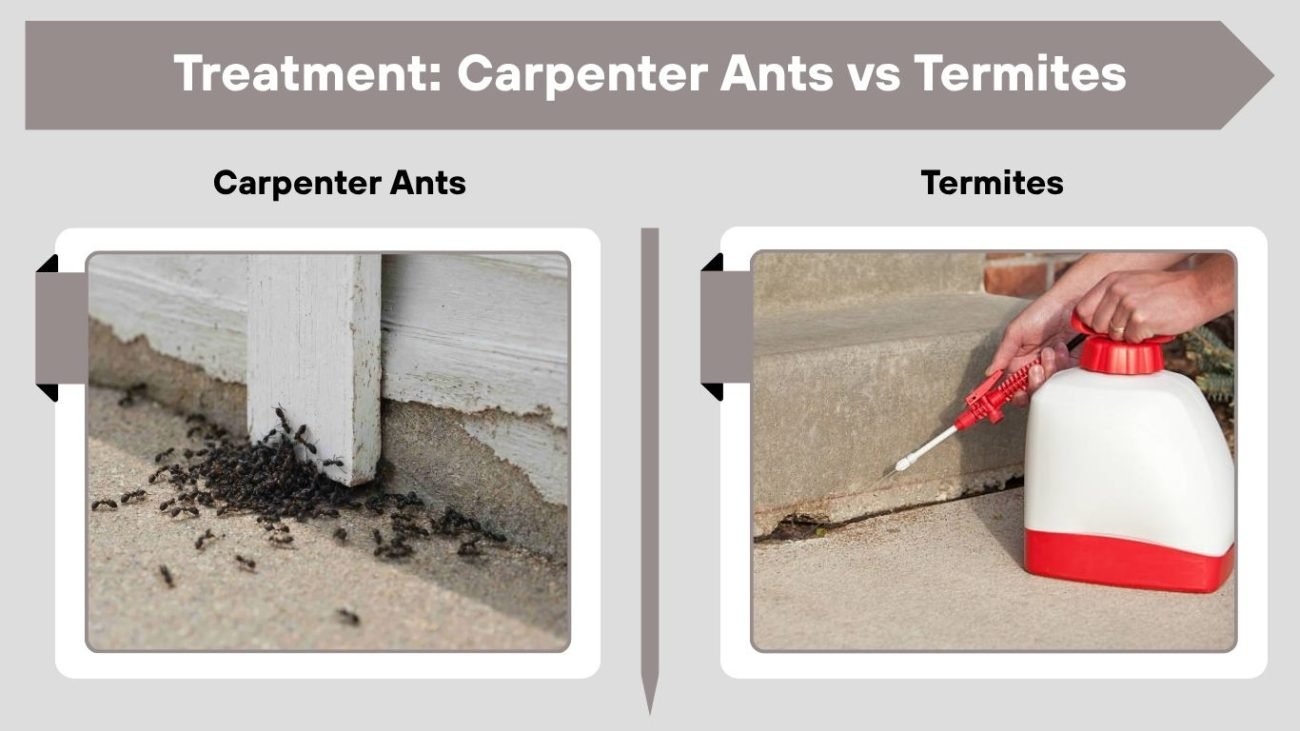
Treatment methods differ significantly depending on the pest.
Carpenter Ant Treatment
- Use bait systems to eliminate the colony
- Apply insecticides if necessary
- Locate and destroy the nest
Termite Treatment
- Soil treatment around the foundation
- Use professional-grade termiticides
- Call pest control for severe infestations
Prevention Tips
Preventing infestations saves time and money.
Key Prevention Actions
- Fix moisture issues and leaks
- Store wood away from the house
- Seal cracks and entry points
- Inspect your home regularly
FAQs
What is the difference between carpenter ants and termites?
Carpenter ants tunnel through wood without eating it, while termites consume wood as food, causing faster and more severe damage.
Are carpenter ants as bad as termites?
Termites are generally worse because they destroy wood continuously, but carpenter ants can still cause significant structural damage over time.
How do you know if you have termites or carpenter ants?
You can identify them by checking body shape, droppings, and damage patterns. Termites leave mud tubes, while carpenter ants leave sawdust-like frass.
Do carpenter ants eat termites?
Yes, carpenter ants may feed on termites, but they are still destructive pests and should not be ignored.