Carpenter ants in trees are a common issue for homeowners and gardeners, especially in areas where trees are exposed to moisture or decay. While these ants are a natural part of the ecosystem, their presence can indicate underlying problems in your tree.
Unlike termites, carpenter ants do not eat wood, but they tunnel through it to build nests. This behavior can weaken trees over time and even create a pathway for ants to spread into nearby structures. Identifying the problem early is key to protecting both your trees and your property.
Why Carpenter Ants Live in Trees
Carpenter ants are naturally drawn to wood, making trees one of their preferred nesting environments. Trees provide shelter, moisture, and easy access to food sources.
Do Carpenter Ants Live in Trees?
Yes, carpenter ants commonly nest in trees. They use the wood to create tunnels and chambers for their colonies. These nests are often hidden inside trunks or branches, making them difficult to detect at first.
Types of Trees They Infest
Carpenter ants can infest a wide variety of trees, especially those that are weakened or damaged. They are frequently found in hardwood and softwood trees alike, including oak, maple, pine, and palm. Tree stumps and fallen wood are also common nesting sites.
Why Trees Attract Carpenter Ants
Trees become attractive to carpenter ants when conditions are favorable. The main reasons include:
- Presence of moisture or water damage
- Decaying or soft wood
- Cracks and openings in bark
- Dead branches or hollow sections
These conditions make it easier for ants to tunnel and establish colonies.
Signs of Carpenter Ants in Trees
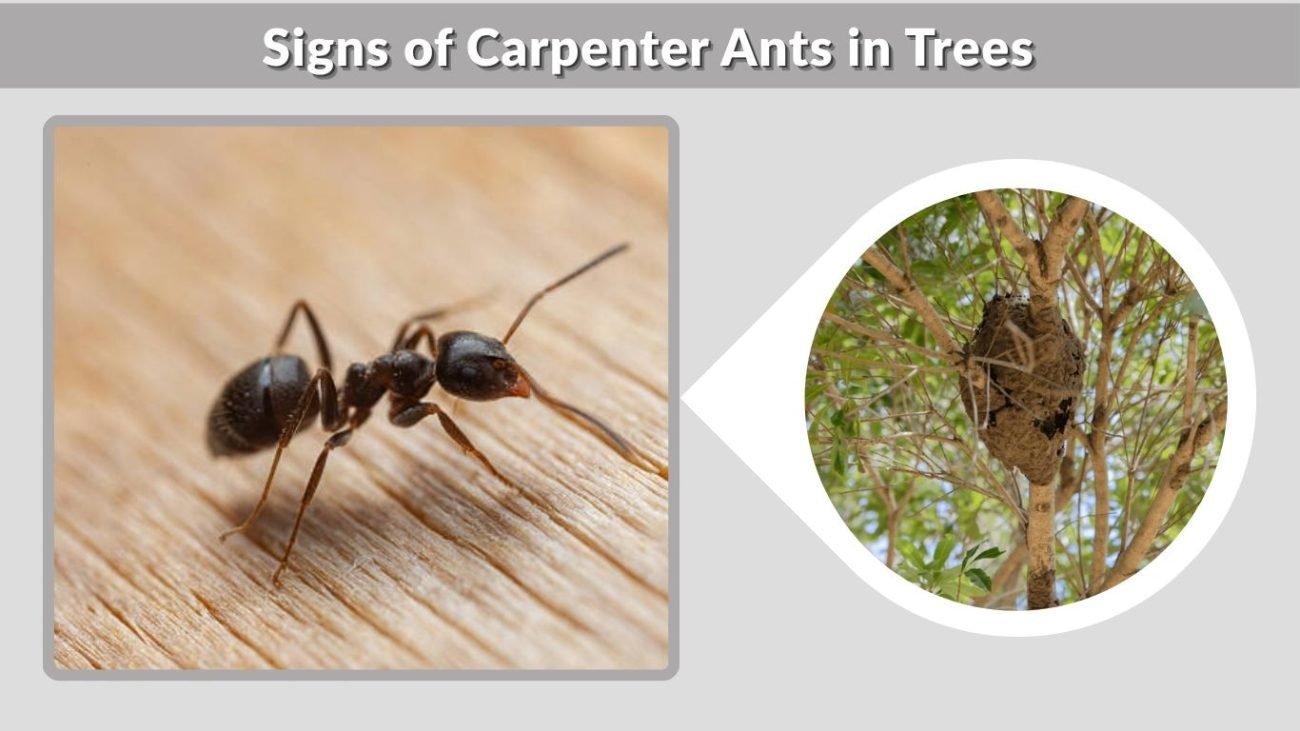
Detecting carpenter ants early can help prevent serious damage. While some signs are visible, others require closer inspection.
Visible Signs
One of the first things you may notice is ant activity on or around the tree. Carpenter ants often travel in trails as they move between their nest and food sources. Small openings or holes in the bark can also indicate entry points.
Internal Signs
Inside the tree, carpenter ants create tunnels that weaken the structure. You may notice soft or hollow areas when tapping the wood. In some cases, faint rustling sounds may come from within the tree as ants move through their tunnels.
Carpenter Ant Nest in Tree
Carpenter ant nests are usually located in hidden areas such as the trunk, large branches, or tree stumps. These nests are not always visible from the outside, but they can often be identified by the presence of frass, a sawdust-like material pushed out of the tunnels.
Carpenter Ant Tree Damage
Carpenter ants can cause gradual but significant damage to trees, especially when infestations go unnoticed.
How Carpenter Ants Damage Trees
Carpenter ants tunnel through wood to create galleries where they live and reproduce. Over time, these tunnels expand and weaken the internal structure of the tree. This can make branches more likely to break and reduce the overall stability of the tree.
Tree Damage from Carpenter Ants
Damage caused by carpenter ants often appears as hollow sections, cracks, or weakened wood. Trees that are already stressed or diseased are more vulnerable to this type of damage.
Can Carpenter Ants Kill a Tree?
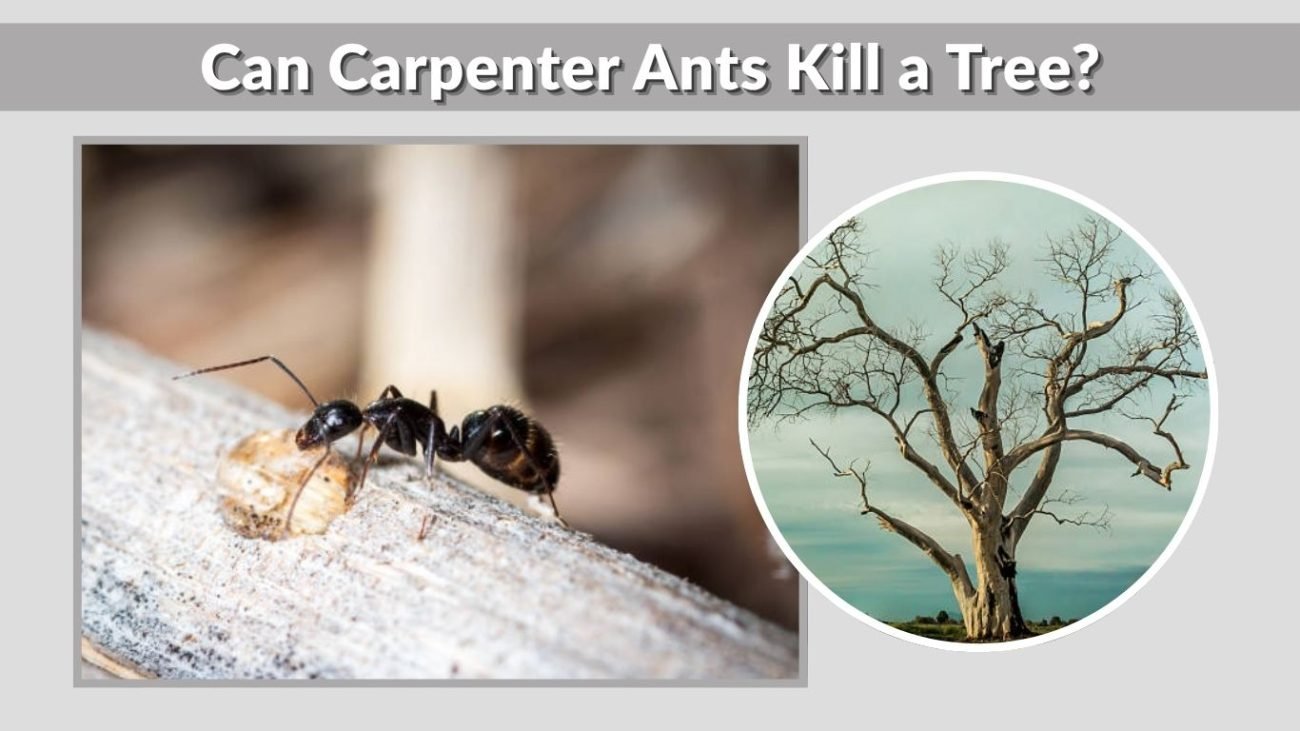
Many people wonder whether carpenter ants can completely destroy a tree. The answer depends on the condition of the tree.
Do Carpenter Ants Kill Trees?
Carpenter ants rarely kill healthy trees directly. However, they can accelerate the decline of trees that are already weakened by disease, rot, or environmental stress.
When Trees Become Vulnerable
Trees are most at risk when they have existing damage. Carpenter ants take advantage of these weaknesses to expand their nests, which can worsen the condition over time.
Can a Tree with Carpenter Ants Be Saved?
In many cases, a tree can still be saved if the infestation is detected early. Removing damaged wood, treating the infestation, and improving overall tree health can help restore stability and prevent further damage.
Carpenter Ants in Tree Near House: Risks
Carpenter ants in trees become more concerning when the tree is located close to your home. In such cases, the infestation may not stay limited to the tree.
Ants often travel from trees to nearby structures in search of food and new nesting areas. Over time, this can lead to indoor infestations, especially if there are moisture issues or exposed wood in your home. Keeping trees properly maintained and at a safe distance from buildings helps reduce this risk.
How to Get Rid of Carpenter Ants in Trees
Effective treatment focuses on eliminating the colony rather than just the visible ants. Targeting the source ensures long-term control.
Natural Methods
Natural solutions can help manage small infestations or serve as preventive measures. Vinegar solutions can disrupt ant trails, while borax-based baits can be used to reduce colony size over time.
Chemical Treatments
For more serious infestations, chemical treatments are often necessary. Ant baits are particularly effective because worker ants carry the poison back to the nest, eventually eliminating the colony. Surface sprays may provide temporary relief but are less effective on their own.
Carpenter Ant Treatment for Trees
Treating carpenter ants in trees requires a more focused approach to reach hidden nests inside the wood.
Direct application methods such as injecting insecticides into tree cavities can help target the colony more effectively. Surface treatments may also be used around entry points and along ant trails. Tree stumps should not be ignored, as they often serve as nesting sites.
Best Carpenter Ant Killer for Trees
Choosing the right product plays a key role in successful control. Bait systems are generally the most reliable option for long-term results, while sprays can be used for immediate reduction in visible activity.
Professional-grade products are often more effective for severe infestations. However, proper application is important to avoid harming the tree or surrounding environment.
How to Prevent Carpenter Ants in Trees
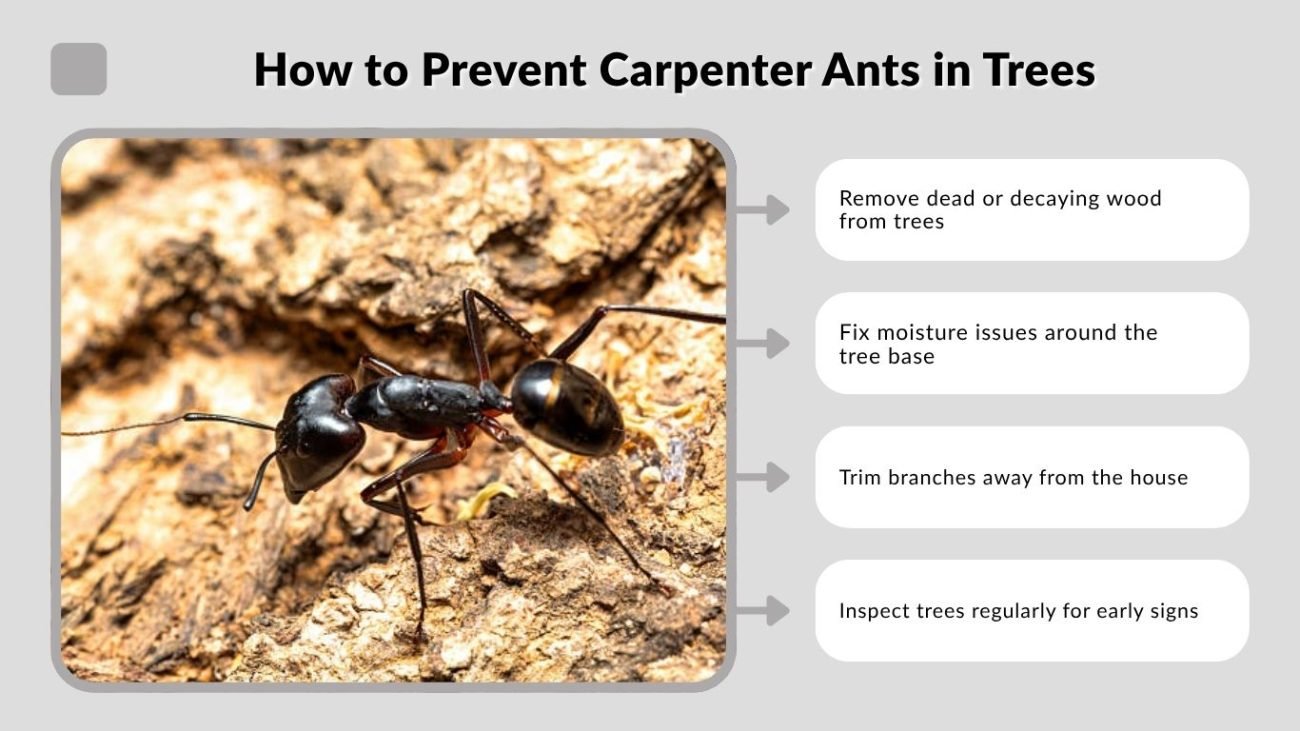
Preventing carpenter ants is easier than dealing with an active infestation. Regular maintenance and proper care can significantly reduce the risk.
Key Prevention Actions
- Remove dead or decaying wood from trees
- Fix moisture issues around the tree base
- Trim branches away from the house
- Inspect trees regularly for early signs
Special Cases (Tree Types)
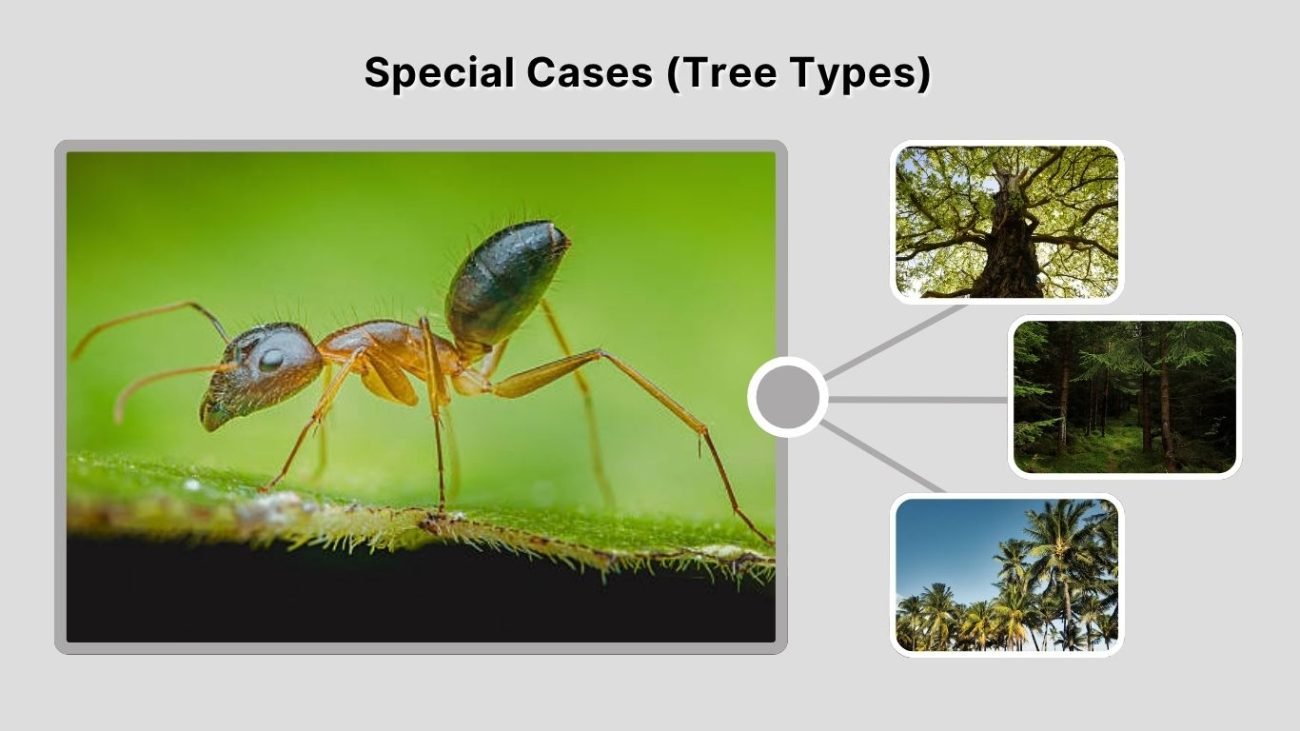
Carpenter ants can infest many types of trees, but some situations require special attention.
Trees like oak and maple are commonly affected due to their size and structure, while pine and palm trees may attract ants if they become damaged or weakened. Monitoring different tree types helps identify risks early and apply appropriate treatment.
When to Call a Professional
In some cases, professional help is necessary to fully resolve the problem.
Large infestations, severe tree damage, or ants spreading toward your home are clear signs that expert treatment is needed. Professionals can locate hidden nests, apply advanced treatments, and prevent further damage effectively.
FAQs
Are carpenter ants bad for trees?
Carpenter ants do not eat wood, but their tunneling can weaken trees, especially those that are already damaged or decaying.
How do you get rid of carpenter ants in trees?
The most effective method is using bait systems combined with targeted treatments to eliminate the colony and prevent reinfestation.
Can carpenter ants destroy a tree?
They rarely destroy healthy trees directly, but they can significantly worsen existing damage and lead to structural weakness over time.
Do carpenter ants eat live trees?
No, carpenter ants do not eat wood. They only tunnel through it to create nests, usually in soft or decaying areas.