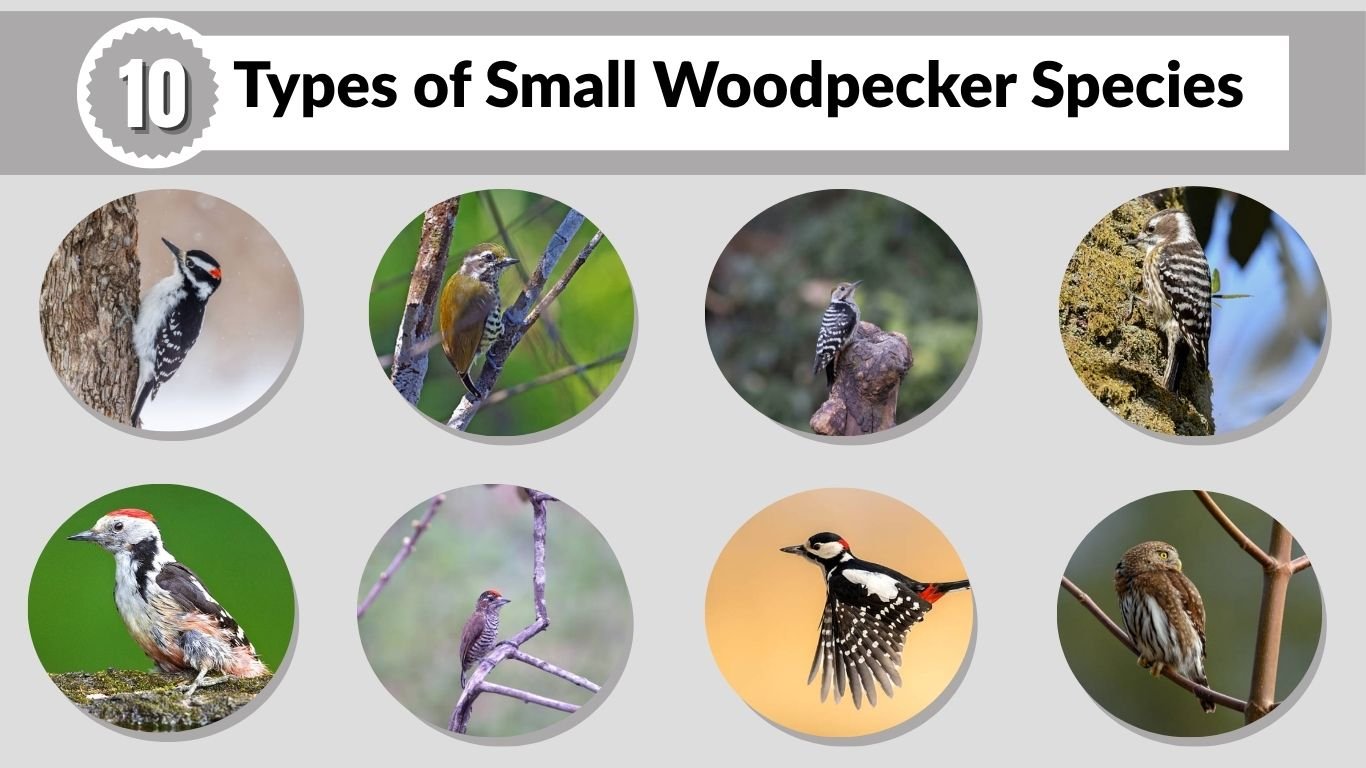
Small woodpeckers are fascinating birds known for their compact size, quick movements, and important role in nature. Despite being smaller than their larger relatives, they are just as skilled at climbing trees and searching for insects hidden beneath bark. These birds are found across different regions of the world, from dense forests to urban gardens, showing remarkable adaptability. Their unique patterns, soft drumming sounds, and active behavior make them interesting to observe for both beginner and experienced bird watchers.
1. Downy Woodpecker

The Downy Woodpecker is a small, widespread bird known for its adaptability and friendly presence around humans. It is commonly seen in forests, parks, and backyard feeders across North America. Despite its tiny size, it plays a valuable role in controlling insect populations. Its soft drumming and active movement make it easy to spot, even for beginners. This species is often confused with the larger Hairy Woodpecker, but its shorter bill and smaller body help distinguish it.
Identification
- Black-and-white plumage with a spotted and barred pattern
- White underside and a clear white stripe on the back
- Males have a red patch on the back of the head; females do not
- Short, stubby bill compared to similar species
- Compact body with a rounded head and short tail
Habitat
Downy Woodpeckers live in a wide range of habitats, including deciduous forests, orchards, gardens, and urban parks. They are highly adaptable and often thrive near human settlements. These birds prefer areas with plenty of trees, especially where dead wood is available for nesting and feeding. They are commonly seen visiting backyard feeders, particularly in winter when natural food sources are limited.
Behaviors
This species is active and agile, frequently seen climbing tree trunks and branches in search of insects. It uses quick tapping motions to find food beneath bark. Its drumming is softer and less intense than larger woodpeckers. Downy Woodpeckers may also join mixed-species flocks during colder months. They are known for their curious nature and are often comfortable around humans.
Size
The Downy Woodpecker measures about 14–18 cm (5.5–7 inches) in length, making it one of the smallest woodpeckers. Its wingspan ranges from 25–31 cm. Its small size and short bill are key features that help distinguish it from similar species.
Diet and Lifespan
Downy Woodpeckers mainly feed on insects such as beetles, ants, and larvae found in tree bark. They also eat seeds, berries, and suet, especially in winter. Their ability to adapt their diet helps them survive in various environments. In the wild, they typically live around 4 to 6 years, though some may live longer depending on habitat conditions and food availability.
next
Show moreShow less
2. Lesser Spotted Woodpecker
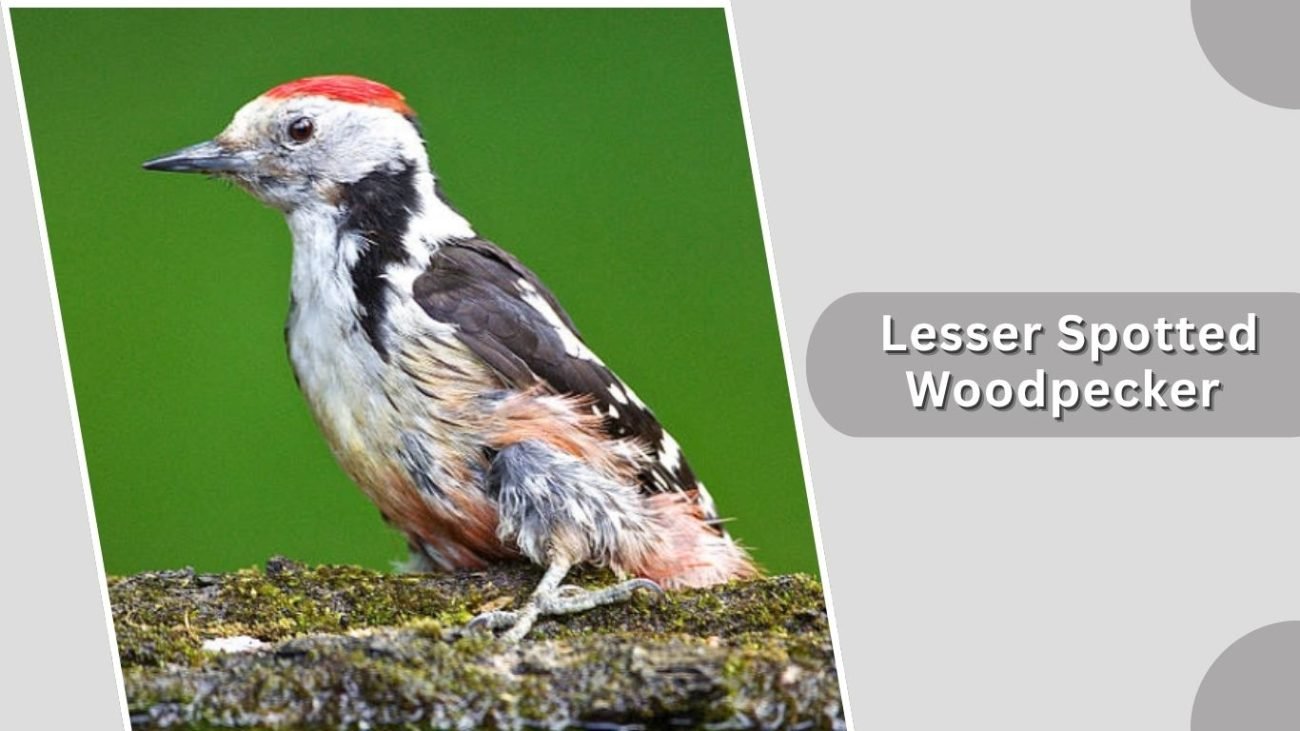
The Lesser Spotted Woodpecker is one of the smallest woodpeckers found in Europe and parts of Asia. It is shy and less frequently seen than larger species, often staying high in tree canopies. Despite its small size, it is an important part of woodland ecosystems, helping control insect populations. Its subtle drumming and quiet nature make it harder to detect, but patient observation can reveal its presence in mature forests and wooded areas.
Identification
- Black-and-white barred back with spotted wings
- White underparts with fine streaking on the sides
- Males have a red crown; females have a black-and-white head
- Small, rounded body with a short bill
- Lacks the bold facial markings seen in larger woodpeckers
Habitat
This species prefers mature deciduous woodlands, especially areas with old trees and dead wood. It is also found in orchards, parks, and riverine forests. Unlike many woodpeckers, it tends to stay in the upper canopy, making it less visible. It favors quiet, undisturbed habitats with plenty of insects.
Behaviors
The Lesser Spotted Woodpecker is quiet and elusive, often moving quickly among branches. It forages by tapping and probing into thin branches rather than large trunks. Its drumming is fast but faint compared to larger species. During breeding season, it becomes more vocal, using high-pitched calls to communicate.
Size
It is very small, measuring about 14–16 cm (5.5–6.3 inches) in length. Its wingspan is around 24–29 cm. Its compact size and short bill make it one of the tiniest woodpeckers in its range.
Diet and Lifespan
Its diet mainly includes insects such as beetle larvae, ants, and small invertebrates found in bark and twigs. It occasionally eats seeds and berries. The Lesser Spotted Woodpecker typically lives around 3 to 5 years in the wild, though survival depends on habitat quality and food availability.
next
Show moreShow less
3. Japanese Pygmy Woodpecker
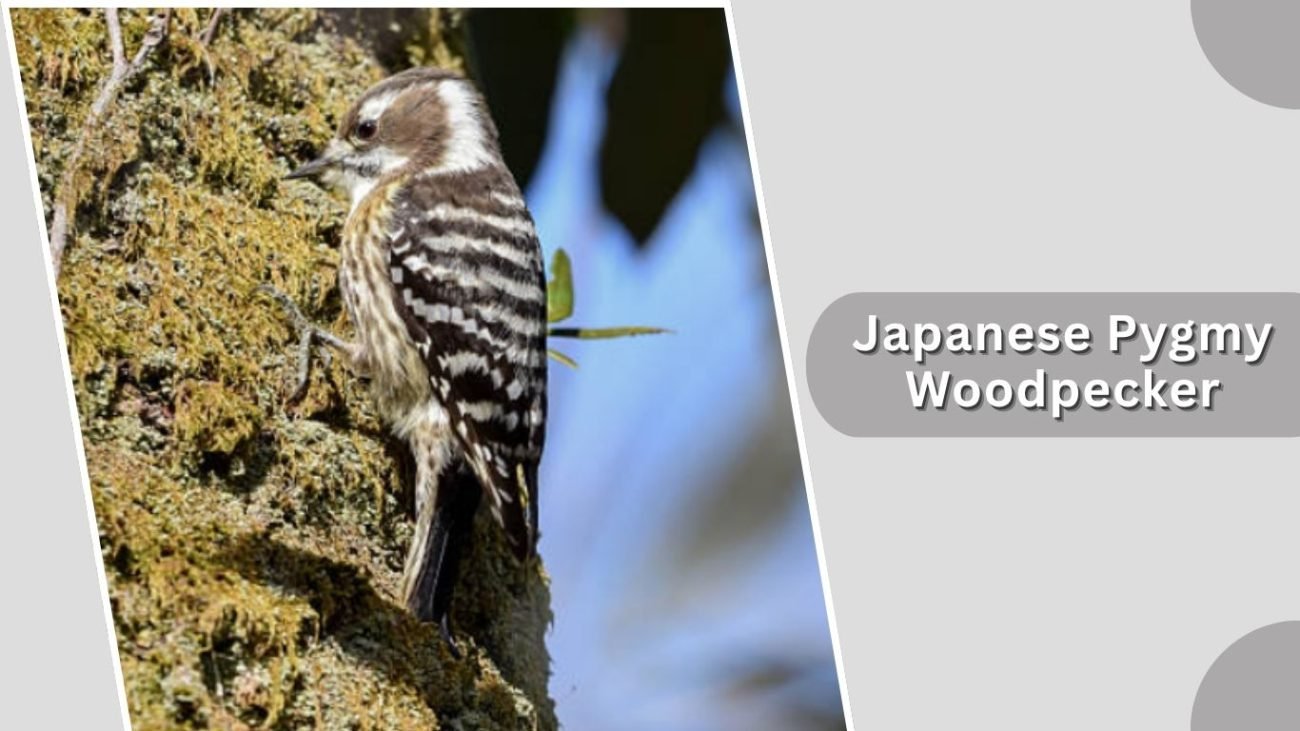
The Japanese Pygmy Woodpecker is a small and attractive species native to Japan, Korea, and parts of eastern Asia. It is commonly found in both natural forests and human-altered landscapes such as parks and gardens. This bird is known for its calm behavior and distinctive patterned plumage. Despite its small size, it is quite active and plays an important role in controlling insects, making it beneficial to both ecosystems and agriculture.
Identification
- Brown and white plumage with horizontal barring on the back
- White face with dark eye stripes and subtle markings
- Light underparts with fine streaking
- Small, compact body with a short bill
- Males and females look similar, with slight differences in head markings
Habitat
Japanese Pygmy Woodpeckers inhabit a variety of environments, including deciduous and mixed forests, bamboo groves, and urban parks. They are adaptable and often seen in suburban areas with sufficient tree cover. They prefer places with older trees, where insects are abundant and nesting sites are available.
Behaviors
This species is active and often seen climbing tree trunks and branches in search of food. It uses quick pecking motions to find insects beneath bark. Compared to larger woodpeckers, its drumming is softer and less noticeable. It may also forage in pairs or small groups, especially outside the breeding season.
Size
The Japanese Pygmy Woodpecker is small, measuring about 13–15 cm (5–6 inches) in length. Its wingspan is relatively short, reflecting its compact body structure and agile movement through trees.
Diet and Lifespan
Its diet mainly consists of insects such as beetles, larvae, and ants. It may also consume seeds and small fruits when insects are scarce. This adaptability helps it survive in different seasons. The typical lifespan is around 4 to 6 years in the wild, depending on environmental conditions and predation risks.
next
Show moreShow less
4. Brown-capped Pygmy Woodpecker
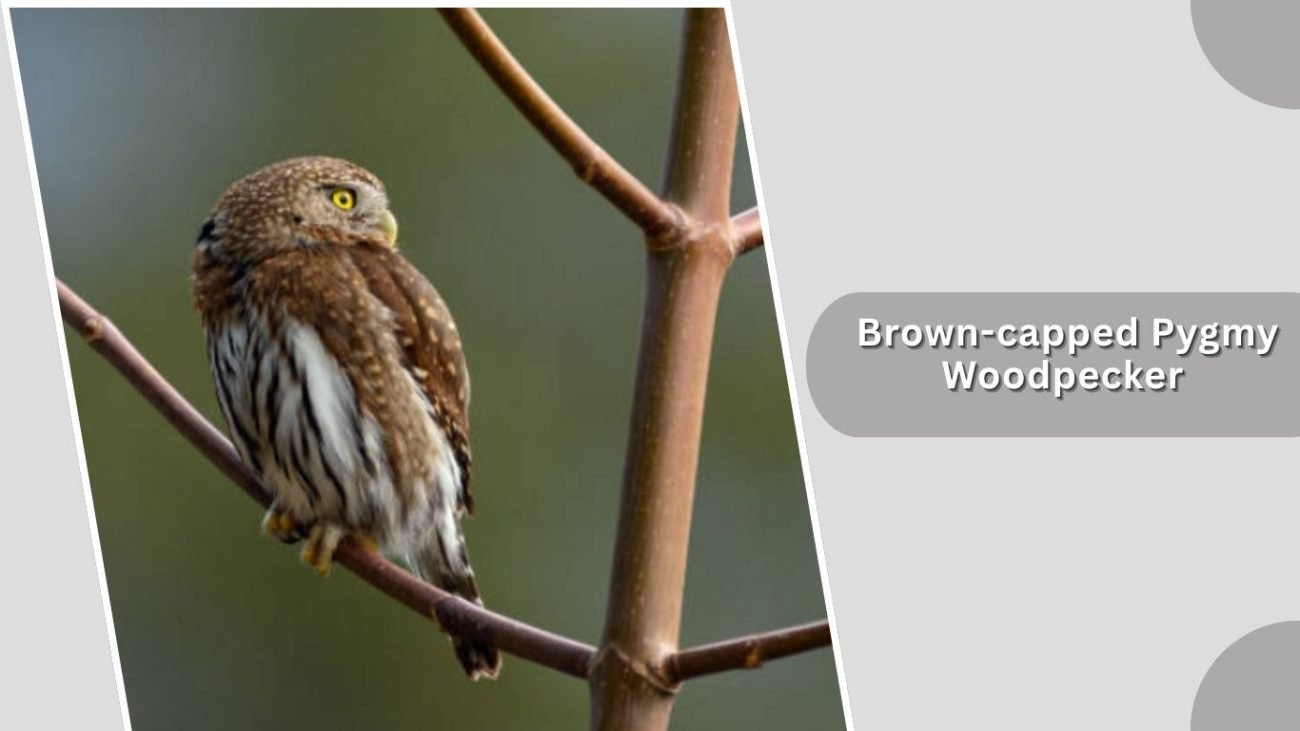
The Brown-capped Pygmy Woodpecker is a small woodpecker found across the Indian subcontinent, including Bangladesh. It is commonly seen in open woodlands, gardens, and farmlands, making it one of the more familiar small woodpeckers in the region. Its subtle colors help it blend into tree bark, while its active behavior makes it interesting to observe. This species plays an important role in controlling insects and maintaining healthy trees.
Identification
- Brown cap on the head, more visible in males
- Black-and-white barred pattern on the back
- White underparts with fine streaking
- Small body with a short, pointed bill
- Males have a small red patch hidden under the brown crown
Habitat
This species prefers open forests, plantations, orchards, and village areas with scattered trees. It is highly adaptable and often found in human-altered landscapes such as gardens and roadside trees. It requires trees for nesting and feeding, especially those with soft or decaying wood.
Behaviors
The Brown-capped Pygmy Woodpecker is active and often seen moving quickly along branches and trunks. It forages by tapping lightly and probing into bark to find insects. Its drumming is soft and less frequent than larger woodpeckers. It is usually seen alone or in pairs and may join mixed bird flocks.
Size
It is a very small species, measuring about 13–15 cm (5–6 inches) in length. Its compact size and short bill make it well-suited for feeding on smaller branches and twigs.
Diet and Lifespan
Its diet mainly includes insects such as ants, beetles, and larvae. It may also eat small fruits and seeds when insects are less available. The Brown-capped Pygmy Woodpecker typically lives around 4 to 6 years in the wild, depending on habitat conditions and food supply.
next
Show moreShow less
5. Yellow-crowned Woodpecker
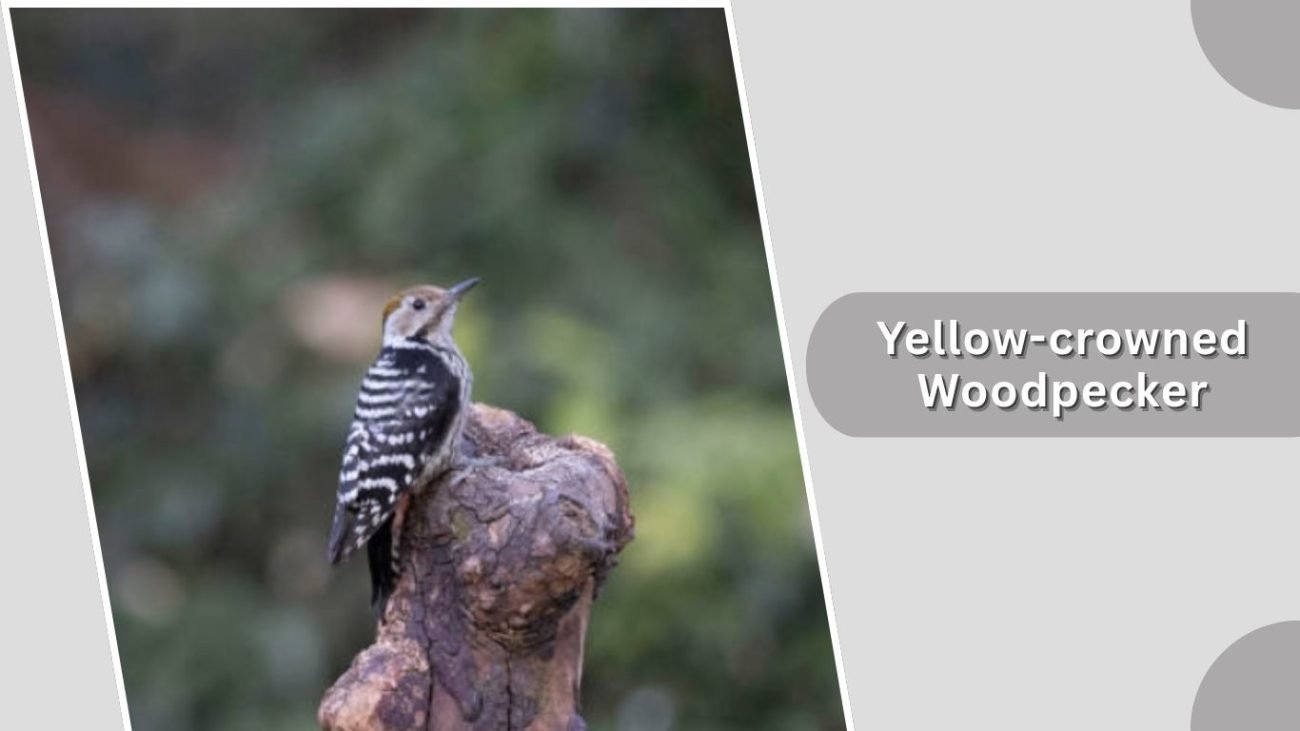
The Yellow-crowned Woodpecker is a small and less commonly known species found in parts of South America. It is recognized for its subtle coloration and distinctive crown marking. This bird prefers quiet forested areas and is often difficult to spot due to its size and behavior. Despite being less visible, it plays a useful role in maintaining forest health by feeding on insects hidden in tree bark.
Identification
- Small body with brownish and barred upperparts
- Pale underparts with fine streaking
- Distinct yellowish crown, more visible in males
- Short, slender bill adapted for probing
- Blends well with tree bark due to muted colors
Habitat
The Yellow-crowned Woodpecker is typically found in tropical and subtropical forests, especially in lowland and secondary growth areas. It may also occur in wooded edges and plantations. This species prefers areas with plenty of trees and dead wood, which provide both food and nesting opportunities.
Behaviors
This woodpecker is quiet and often stays hidden among branches. It forages by tapping and probing into bark, focusing on small insects. Its drumming is soft and not as noticeable as larger species. It is usually seen alone or in pairs and moves steadily through the forest canopy.
Size
It is a small species, generally measuring around 14–16 cm (5.5–6.3 inches) in length. Its compact build allows it to move easily along thin branches and tree trunks.
Diet and Lifespan
Its diet mainly consists of insects such as beetles, ants, and larvae. It may also eat small fruits when available. The Yellow-crowned Woodpecker typically lives around 4 to 6 years in the wild, depending on environmental conditions and predation levels.
next
Show moreShow less
6. Little Woodpecker
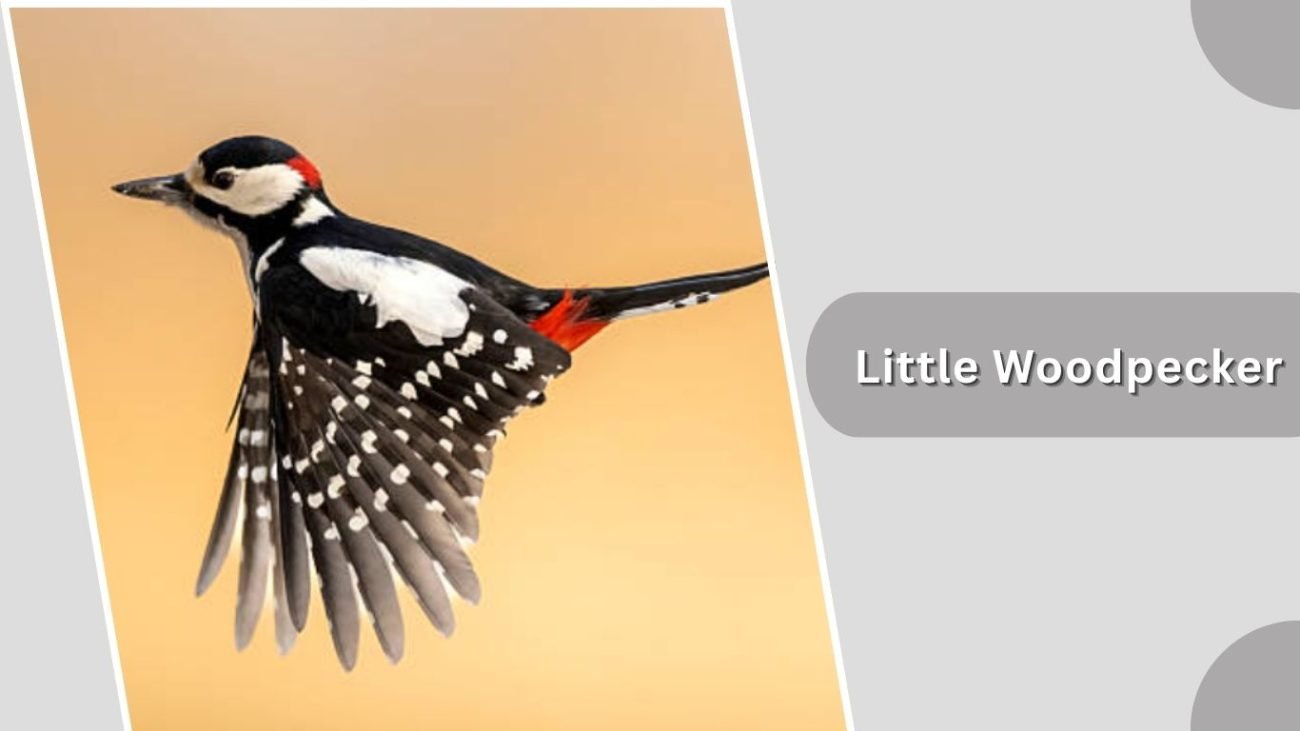
The Little Woodpecker is a small and active species commonly found across parts of Europe and Asia. It is known for its delicate appearance and quick movements along tree branches. This bird often stays high in the canopy, making it less noticeable despite being fairly widespread. Its ability to adapt to different wooded environments helps it survive in both natural forests and semi-urban areas.
Identification
- Black-and-white barred back with spotted wings
- White underside with light streaking
- Males have a red crown, while females have a plain head
- Small, rounded body with a short, pointed bill
- Subtle facial markings compared to larger woodpeckers
Habitat
The Little Woodpecker prefers deciduous forests, orchards, and wooded parks. It is often found in areas with mature trees and plenty of dead wood. Although it can live near human settlements, it generally favors quieter environments with less disturbance.
Behaviors
This species is lively and constantly on the move, climbing thin branches and twigs in search of food. It uses light tapping rather than heavy drumming. The Little Woodpecker is usually seen alone or in pairs and may join mixed-species flocks during the non-breeding season.
Size
It is a very small woodpecker, measuring about 13–15 cm (5–6 inches) in length. Its wingspan is relatively short, supporting its agile movement through dense branches.
Diet and Lifespan
The diet mainly includes insects such as larvae, ants, and small beetles found in bark and twigs. It may also eat seeds and berries occasionally. The Little Woodpecker typically lives around 3 to 5 years in the wild, depending on habitat quality and food availability.
next
Show moreShow less
7. Speckled Piculet
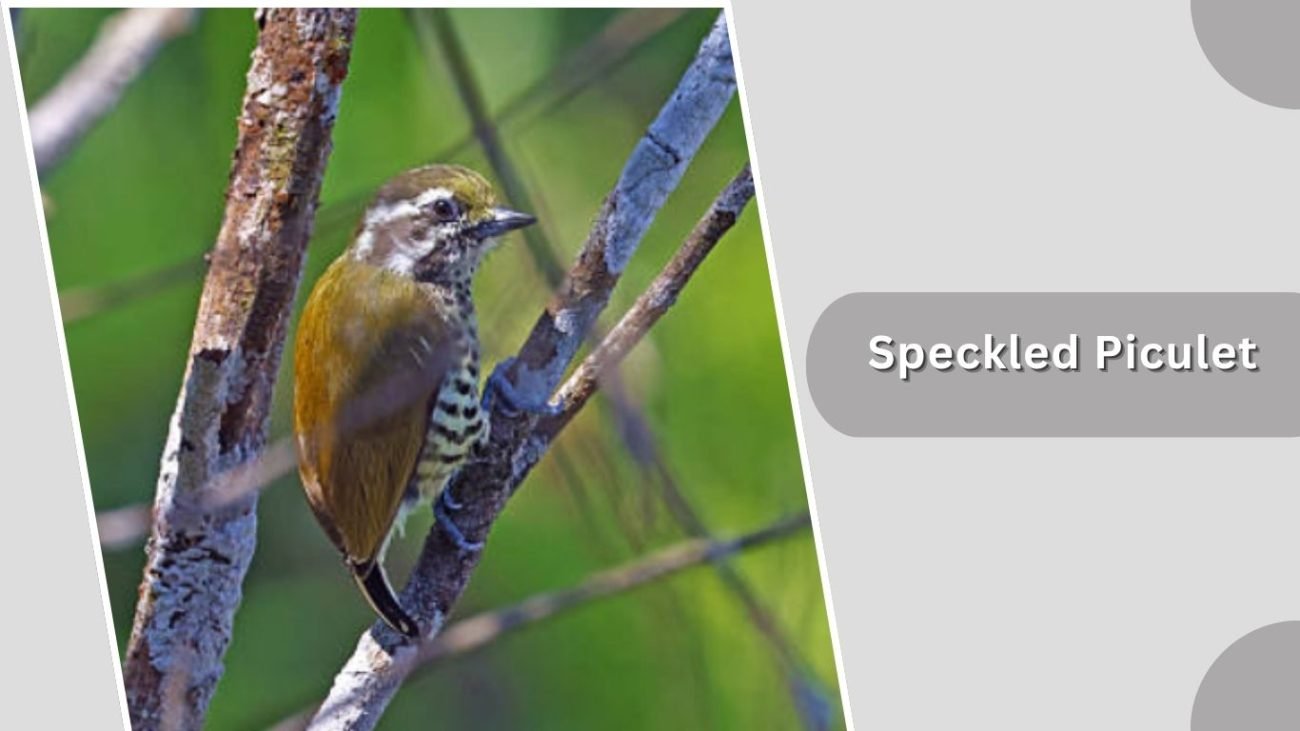
The Speckled Piculet is a very small woodpecker-like bird found in parts of South America. Unlike typical woodpeckers, it has a softer appearance and lacks strong drumming behavior. It is often seen in pairs or small groups, moving quietly through shrubs and low trees. Despite its tiny size, it plays a helpful role in controlling insect populations in its habitat.
Identification
- Brownish upperparts covered with fine white speckles
- Pale underparts with subtle markings
- Small head with a short, pointed bill
- Males often have a small yellow or orange crown patch
- Compact body with a short tail
Habitat
The Speckled Piculet prefers dry forests, scrublands, and woodland edges. It is often found in low vegetation rather than tall trees. This species adapts well to secondary growth and disturbed habitats, as long as there are enough shrubs and small trees for feeding.
Behaviors
This bird is quiet and less aggressive than typical woodpeckers. It moves slowly along branches, probing bark and twigs for insects rather than drilling deeply. It is often seen in pairs and may join mixed-species flocks. Its calls are soft and high-pitched.
Size
The Speckled Piculet is very small, measuring about 9–10 cm (3.5–4 inches) in length. Its tiny size and short bill make it one of the smallest members of the woodpecker family.
Diet and Lifespan
Its diet mainly consists of small insects such as ants, larvae, and beetles. It may also eat tiny fruits or seeds occasionally. Due to its small size, its lifespan is generally shorter, typically around 3 to 5 years in the wild, depending on environmental conditions.
next
Show moreShow less
8. White-barred Piculet
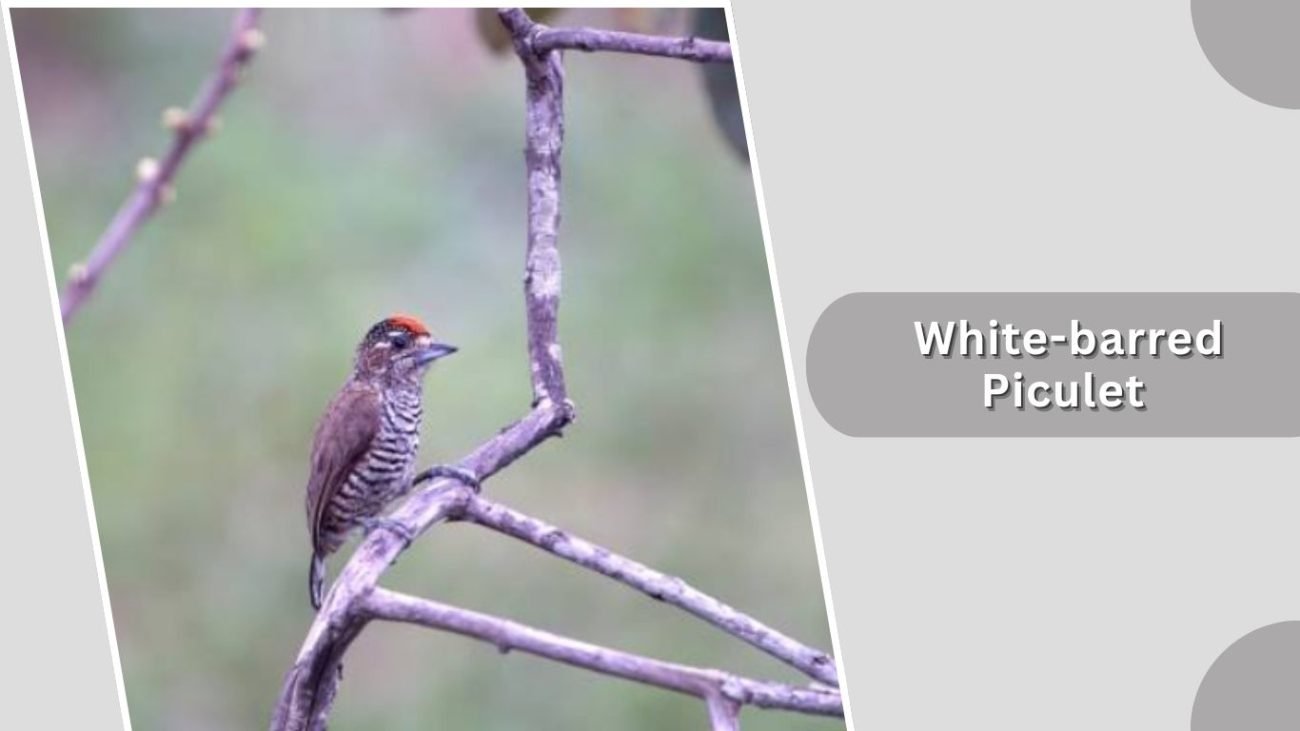
The White-barred Piculet is a tiny woodpecker species found in South America, especially in Brazil, Bolivia, and Paraguay. It is known for its delicate size and subtle coloring, which helps it blend into its surroundings. Unlike larger woodpeckers, it does not rely heavily on strong drumming. Instead, it quietly forages in shrubs and small trees, making it a less noticeable but important part of its ecosystem.
Identification
- Brownish upperparts with distinct white barring
- Pale underparts with fine streaks
- Small, rounded head with a short bill
- Males have a small yellow or buff-colored crown patch
- Very compact body with a short tail
Habitat
This species is commonly found in dry forests, scrublands, and woodland edges. It prefers areas with low trees and dense shrubs rather than tall forests. The White-barred Piculet is also seen in secondary growth and semi-open habitats where insects are abundant.
Behaviors
It is a quiet and slow-moving bird, often seen creeping along branches while searching for food. Instead of heavy pecking, it gently probes bark and twigs. It is usually found in pairs and may occasionally join mixed-species flocks. Its calls are soft and not easily heard.
Size
The White-barred Piculet is very small, measuring about 10–11 cm (4–4.3 inches) in length. Its tiny size makes it one of the smallest members of the woodpecker group.
Diet and Lifespan
Its diet mainly includes ants, beetles, and small insect larvae. It may also consume small fruits occasionally. The White-barred Piculet typically lives around 3 to 5 years in the wild, depending on habitat quality and environmental conditions.
next
Show moreShow less
9. Grey-capped Pygmy Woodpecker
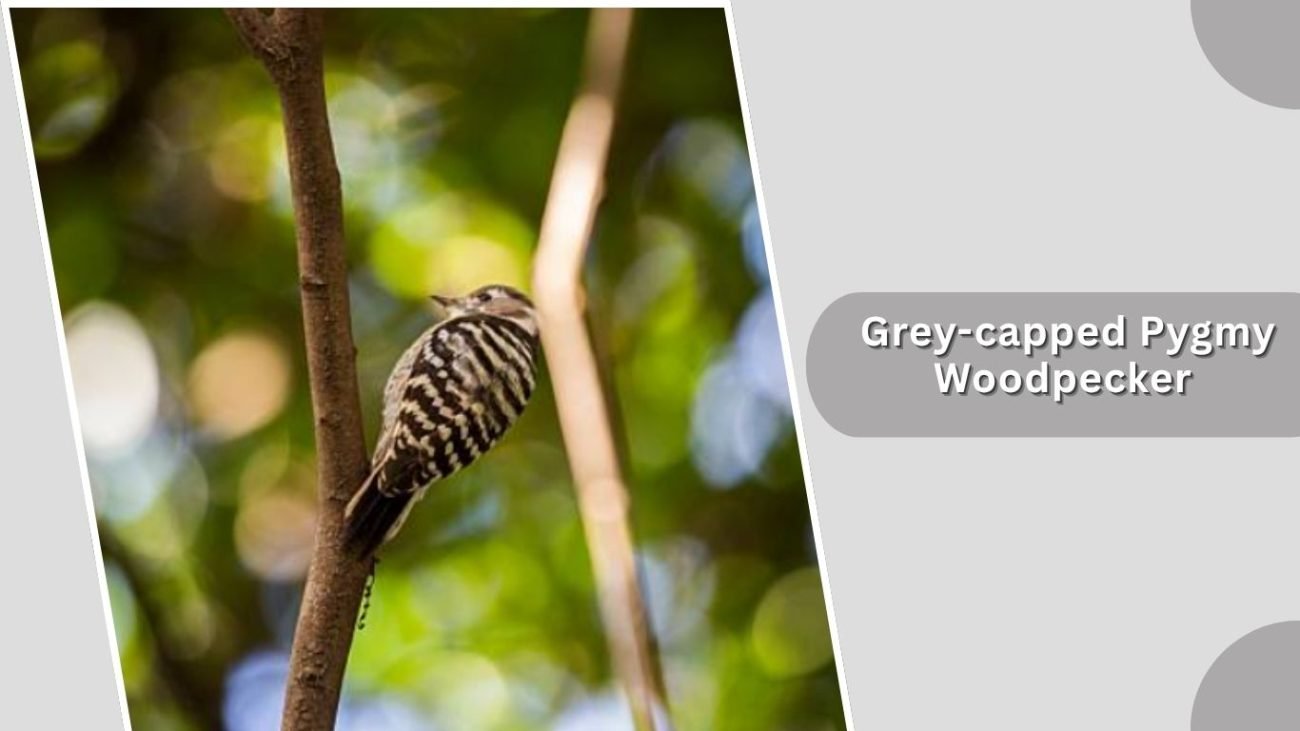
The Grey-capped Pygmy Woodpecker is a small and active species found across parts of Asia, including India, Nepal, and Southeast Asia. It is commonly seen in open woodlands, gardens, and agricultural areas. This bird is known for its subtle coloration and energetic movements. Despite its small size, it plays an important role in controlling insect populations and is often observed in both rural and semi-urban environments.
Identification
- Grey-colored cap on the head
- Black-and-white barred pattern on the back
- Pale underparts with fine streaking
- Small, compact body with a short bill
- Males may show a faint red patch on the crown
Habitat
This species prefers open forests, plantations, orchards, and village areas with scattered trees. It adapts well to human presence and is often seen in gardens and roadside trees. It requires trees with soft wood or dead branches for feeding and nesting.
Behaviors
The Grey-capped Pygmy Woodpecker is active and restless, frequently moving along branches and trunks. It forages by tapping lightly and probing into bark to find insects. Its drumming is soft and less noticeable than larger woodpeckers. It is usually seen alone or in pairs and may join mixed bird flocks.
Size
It is a small woodpecker, measuring about 13–15 cm (5–6 inches) in length. Its compact body and short bill allow it to forage efficiently on thin branches and twigs.
Diet and Lifespan
Its diet mainly consists of insects such as ants, beetles, and larvae. It may also eat small fruits and seeds when insects are scarce. The Grey-capped Pygmy Woodpecker typically lives around 4 to 6 years in the wild, depending on habitat conditions and food availability.
10. Rufous Piculet
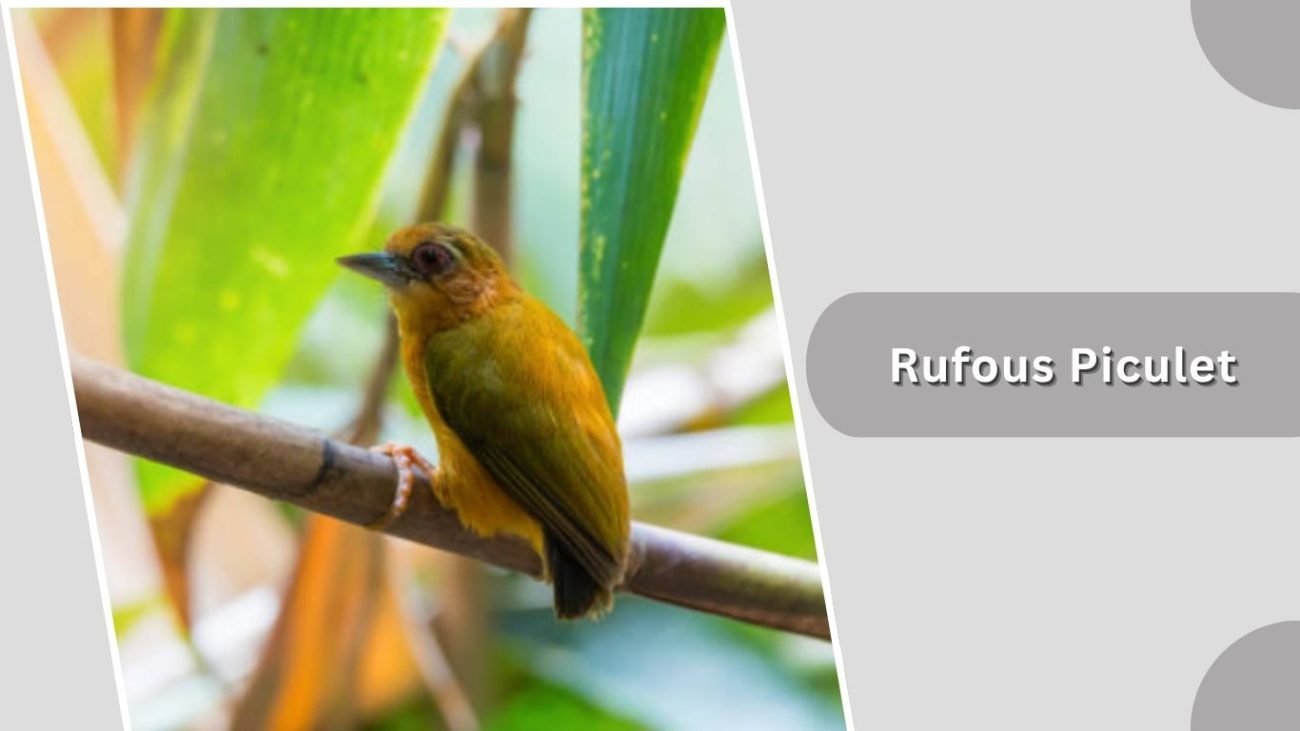
The Rufous Piculet is a tiny and distinctive woodpecker species found in South America, particularly in Brazil. It stands out due to its warm reddish-brown coloration, which is unusual compared to the typical black-and-white patterns of many woodpeckers. This species prefers quiet habitats and is often overlooked because of its small size and subtle behavior. Despite this, it plays an important ecological role by feeding on insects and helping maintain plant health.
Identification
- Reddish-brown (rufous) upperparts and head
- Lighter underparts with soft shading
- Small head with a short, pointed bill
- Compact body with a short tail
- Males may have slightly brighter head coloration
Habitat
The Rufous Piculet is commonly found in dry forests, scrublands, and woodland edges. It prefers areas with dense shrubs and smaller trees rather than tall forests. This species can also adapt to secondary growth habitats where vegetation is regenerating, as long as there is enough cover and food.
Behaviors
This bird is quiet and slow-moving, often seen creeping along thin branches while searching for food. Unlike larger woodpeckers, it does not drum loudly but instead gently probes bark and twigs. It is usually seen alone or in pairs and occasionally joins mixed-species flocks.
Size
The Rufous Piculet is very small, measuring about 10–11 cm (4–4.3 inches) in length. Its tiny size and lightweight body make it one of the smallest members of the woodpecker family.
Diet and Lifespan
Its diet mainly includes small insects such as ants, larvae, and beetles. It may also consume tiny fruits or seeds occasionally. The Rufous Piculet typically lives around 3 to 5 years in the wild, depending on environmental conditions and habitat quality.
FAQs
What is the smallest woodpecker species?
The smallest woodpeckers are usually piculets, such as the Speckled Piculet and Rufous Piculet. These birds can be as small as 9–10 cm in length. Among true woodpeckers, the Downy Woodpecker is one of the smallest and most commonly recognized species.
Where are small woodpeckers commonly found?
Small woodpeckers are found worldwide, including North America, Europe, Asia, and South America. They live in forests, woodlands, gardens, and even urban parks. Many species adapt well to human environments as long as trees are available.
What do small woodpeckers eat?
Most small woodpeckers feed mainly on insects such as ants, beetles, and larvae. They also eat seeds, berries, and fruits when insects are scarce. Some species visit bird feeders and enjoy suet, peanuts, and sunflower seeds.
How can you identify a small woodpecker?
Small woodpeckers can be identified by their compact size, short bills, and distinct plumage patterns. Many have black-and-white markings, while others show brown or rufous tones. Head markings, such as red or yellow patches, often help distinguish males from females.
Do small woodpeckers make loud sounds?
Compared to larger woodpeckers, small species produce softer drumming sounds. They still tap on wood to communicate and search for food, but their sounds are usually quicker and less powerful, making them harder to hear from a distance.