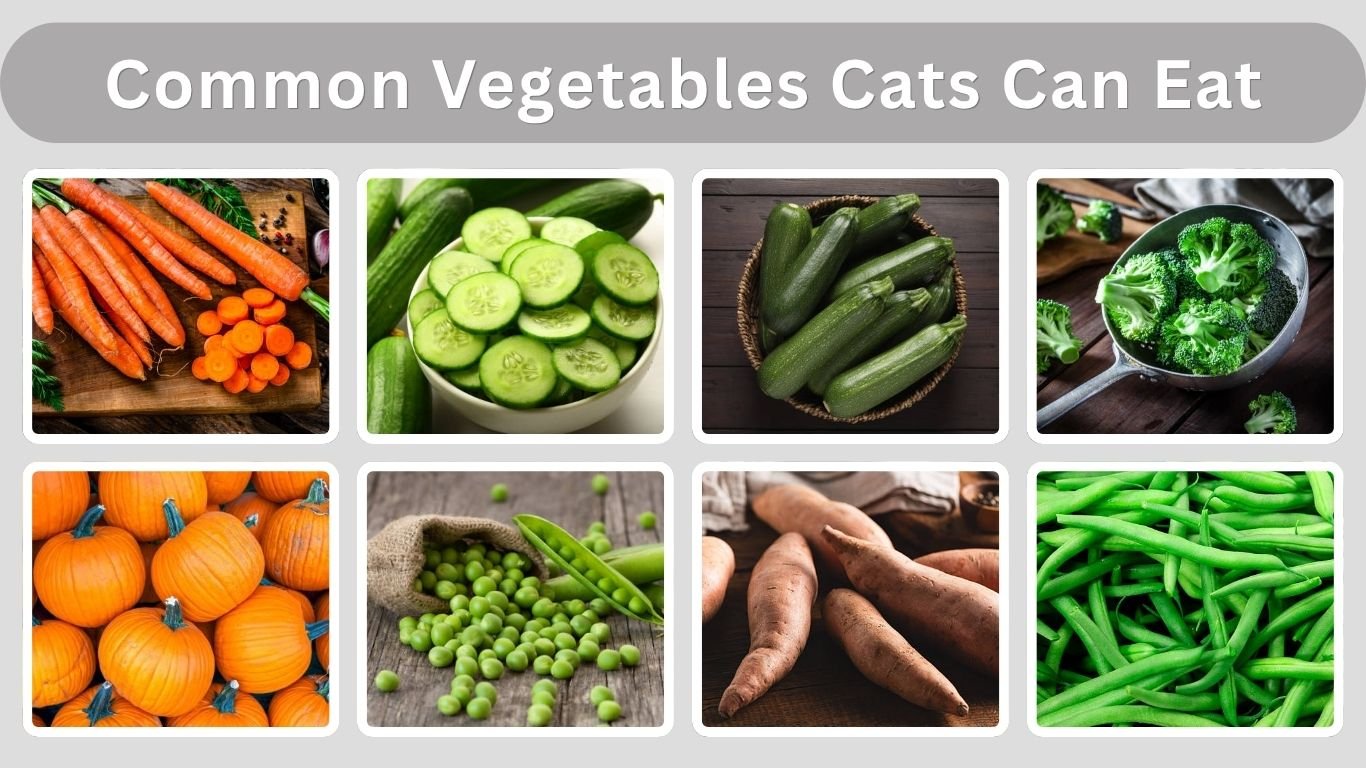
Cats are obligate carnivores, but some vegetables can be safely offered as occasional treats. While they don’t need vegetables for nutrition, certain options can provide fiber, hydration, and small amounts of vitamins. The key is proper preparation—always serve vegetables plain, cooked when necessary, and in small portions. These foods should only complement a balanced cat diet, not replace it.
1. Carrots
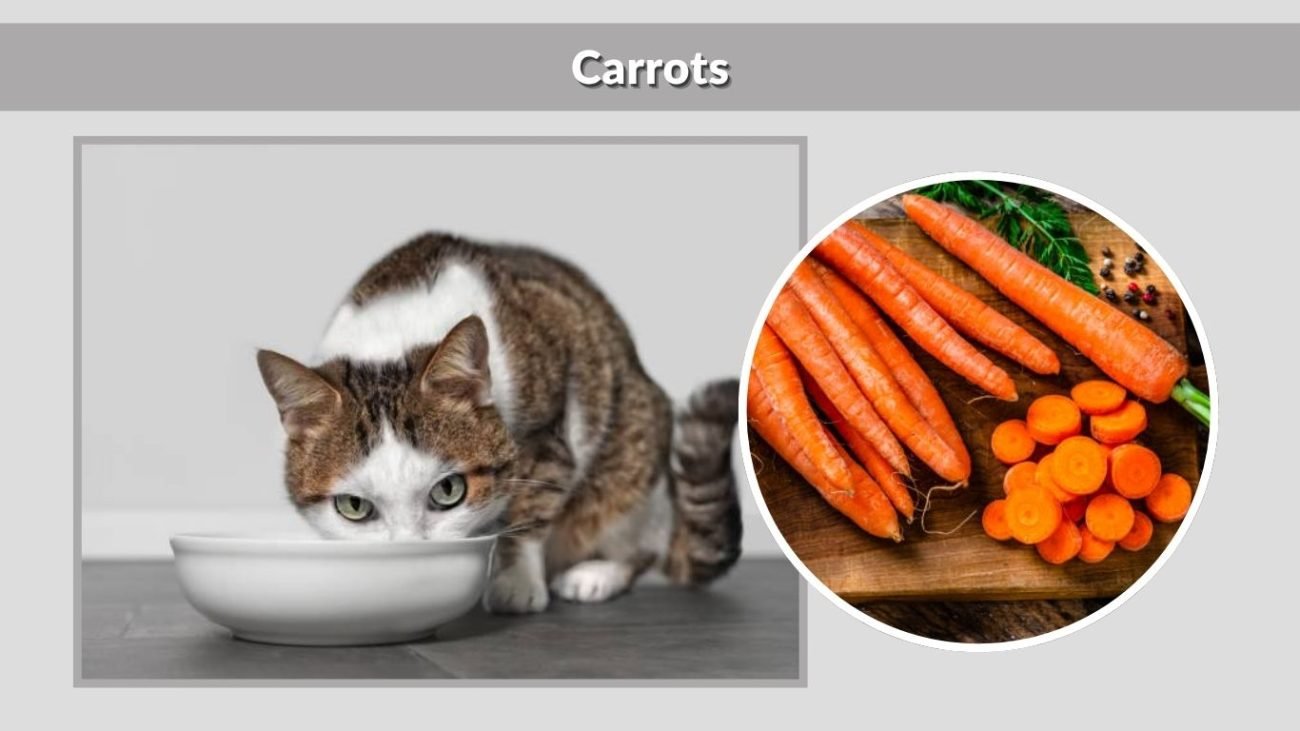
Carrots are a safe and nutritious vegetable that cats can eat in small amounts. Although cats are obligate carnivores, certain vegetables like carrots can provide extra vitamins and fiber when properly prepared. They should only be offered as an occasional treat alongside a balanced diet.
Benefits of Carrots
- Rich in beta-carotene for eye health
- Contains fiber that supports digestion
- Low in calories, making it a light snack
- Provides vitamins and antioxidants
How to Prepare Carrots
Carrots should always be cooked before feeding them to your cat. Raw carrots are too hard and may pose a choking risk. Boiling or steaming until soft is the best method. Avoid adding salt, butter, or spices. Once cooked, cut or mash the carrots into small, soft pieces so your cat can easily chew and digest them.
How Much to Feed
Carrots should be given in small portions only. A few tiny pieces once or twice a week is enough. Since cats do not require vegetables in their diet, carrots should never replace their regular food. Overfeeding can lead to digestive upset or unnecessary calorie intake.
Things to Avoid
Avoid feeding raw or seasoned carrots to your cat. Do not use canned carrots with added salt or preservatives. Also, avoid giving large chunks, as they can be difficult to chew. Always ensure the carrots are soft, plain, and served in moderation to keep your cat safe and healthy.
2. Green Beans
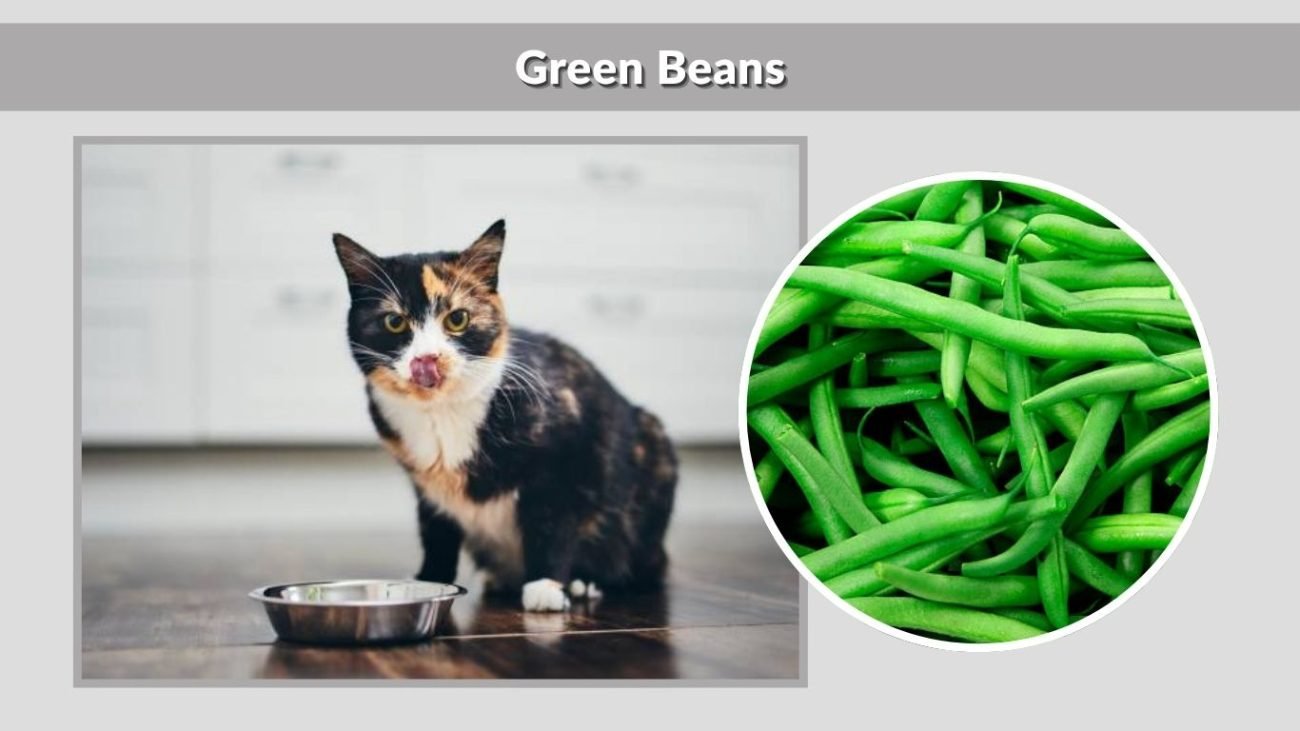
Green beans are a healthy and low-calorie vegetable that cats can eat in moderation. They are often used as a light snack, especially for cats that need to manage their weight. When served plain and properly prepared, they can be a safe addition to your cat’s diet.
Benefits of Green Beans
- Low in calories, helpful for weight control
- Good source of fiber for digestion
- Contains vitamins like A, C, and K
- Adds variety to your cat’s diet
How to Prepare Green Beans
Green beans should be cooked before serving to make them soft and easy to eat. Steaming or boiling without salt, oil, or seasoning is best. You can use fresh or plain canned green beans, but ensure there are no added preservatives or sodium. Cut them into small, bite-sized pieces to prevent choking.
How Much to Feed
Green beans should be given occasionally and in small portions. A few small pieces once or twice a week is enough. They should only be a supplement and not replace your cat’s regular balanced food, as cats need nutrients mainly from animal-based sources.
Things to Avoid
Avoid raw or seasoned green beans, as they can be hard to digest or harmful. Do not use canned beans with added salt or sauces. Also, avoid feeding large amounts, as too much fiber can upset your cat’s stomach. Always introduce new foods slowly and monitor your cat’s reaction.
3. Pumpkin
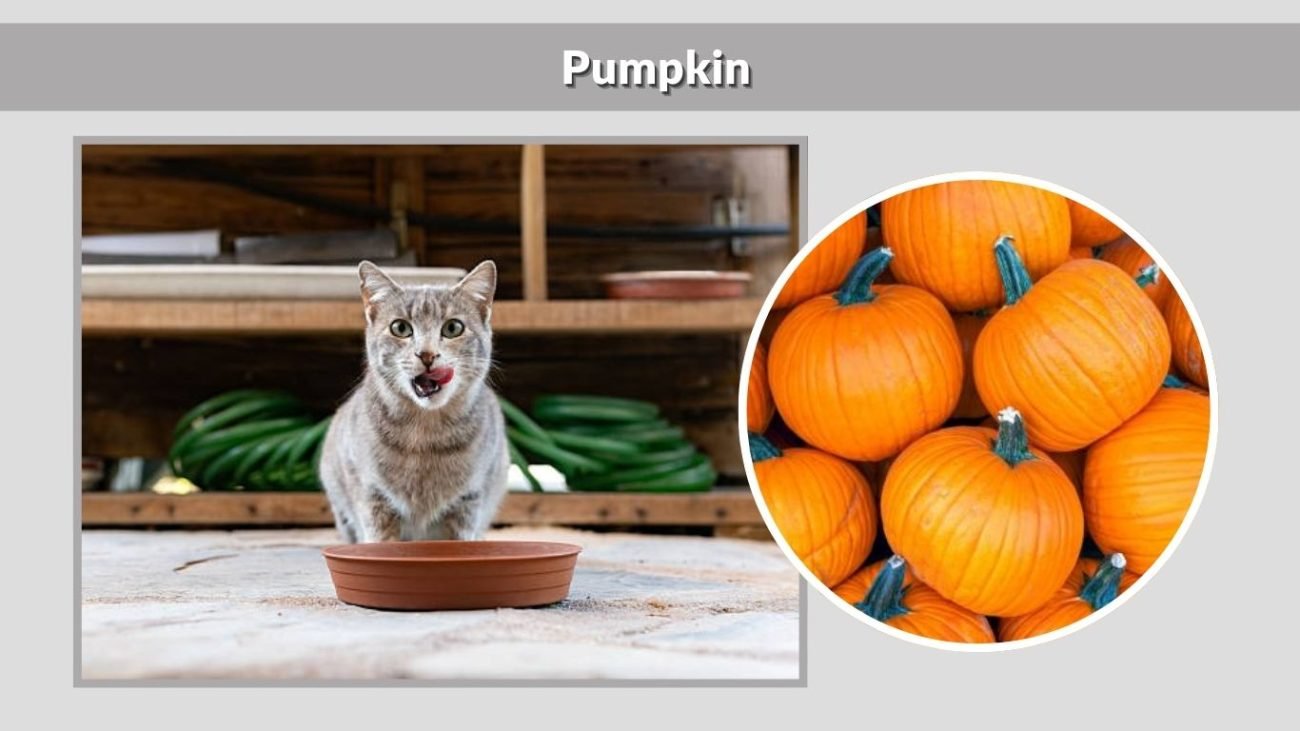
Pumpkin is a safe and beneficial vegetable that cats can eat in small amounts. It is especially known for supporting digestive health and is often recommended for mild stomach issues. When served plain and properly prepared, pumpkin can be a gentle addition to your cat’s diet.
Benefits of Pumpkin
- High in fiber, helping with digestion
- Can relieve constipation and mild diarrhea
- Low in calories, making it a healthy treat
- Contains vitamins A and C for overall health
How to Prepare Pumpkin
Pumpkin should always be cooked and served plain. You can boil or bake fresh pumpkin until soft, then mash it. Plain canned pumpkin is also a good option, but make sure it is 100% pumpkin and not pumpkin pie filling. Avoid adding sugar, salt, or spices. Serve it in smooth, soft portions for easy eating.
How Much to Feed
Pumpkin should be given in small amounts. About one teaspoon mixed into your cat’s regular food once or twice a week is enough. Feeding too much can upset your cat’s digestion, so moderation is important.
Things to Avoid
Avoid pumpkin products with added sugar, spices, or artificial ingredients. Do not feed raw pumpkin, as it is hard to digest. Also, avoid overfeeding, as too much fiber can cause stomach issues. Always introduce pumpkin gradually and observe your cat’s response.
4. Peas
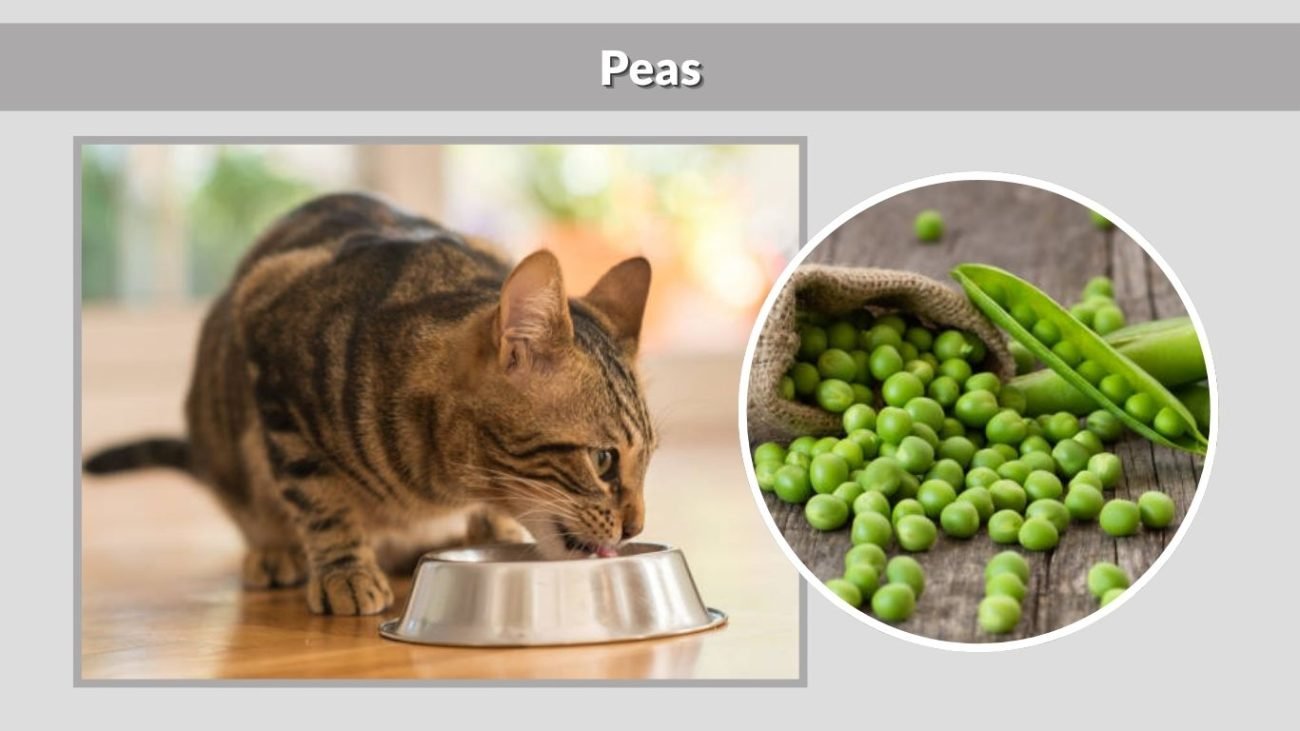
Peas are a safe and nutritious vegetable that cats can eat in moderation. They are commonly found in many commercial cat foods due to their nutritional value. When served plain and properly prepared, peas can be a healthy and easy-to-digest treat.
Benefits of Peas
- Good source of plant-based protein
- Contains fiber for healthy digestion
- Rich in vitamins like A, B, and K
- Provides essential minerals like iron and potassium
How to Prepare Peas
Peas should be cooked before serving to make them soft and easy to eat. You can use fresh, frozen, or plain canned peas. If using frozen peas, thaw and cook them properly. Avoid adding salt, butter, or any seasoning. Mash or slightly crush the peas to make them easier for your cat to consume.
How Much to Feed
Peas should be given in small amounts as an occasional treat. A few peas once or twice a week is enough. They should not replace your cat’s main diet, as cats rely primarily on animal-based nutrients for proper health.
Things to Avoid
Avoid feeding raw or seasoned peas. Do not use canned peas with added salt or preservatives. Also, avoid overfeeding, as too much fiber can lead to digestive issues. Always introduce peas slowly and monitor your cat for any unusual reactions.
5. Spinach
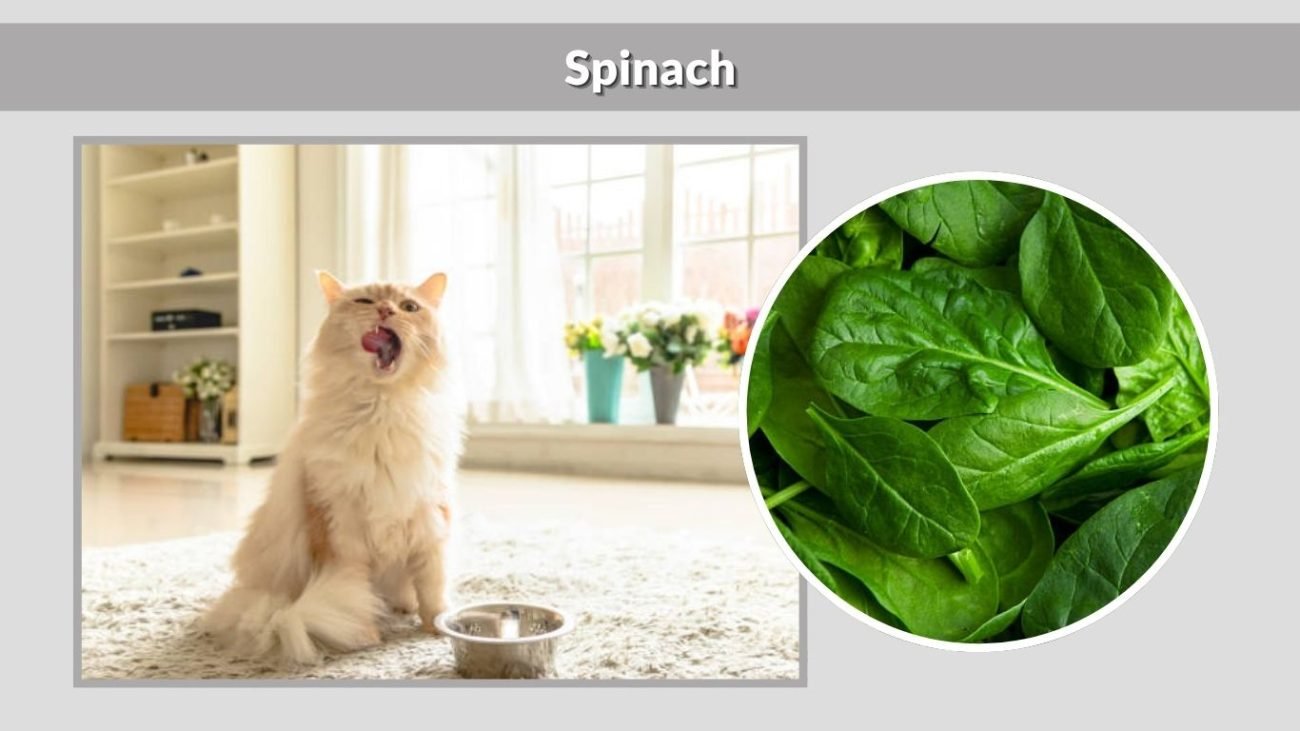
Spinach is a nutrient-rich leafy vegetable that cats can eat in small amounts. It contains vitamins and minerals that can support overall health. However, it should only be offered occasionally and with caution, especially for cats with certain health conditions.
Benefits of Spinach
- Rich in vitamins A, C, and K
- Contains iron and antioxidants
- Supports overall immune health
- Provides a small amount of fiber
How to Prepare Spinach
Spinach should always be cooked before feeding it to your cat. Lightly steaming or boiling is the best method to make it soft and easier to digest. Do not add salt, oil, or seasoning. Chop the spinach into small pieces or mash it to make it safe and easy for your cat to eat.
How Much to Feed
Spinach should be given in very small amounts and only occasionally. A small spoonful once in a while is enough. It should never replace your cat’s regular diet, as cats need nutrients primarily from meat-based foods.
Things to Avoid
Avoid feeding spinach to cats with urinary or kidney issues, as it contains oxalates that may cause problems. Do not serve raw or seasoned spinach. Also, avoid overfeeding, as too much can upset your cat’s stomach. Always introduce it slowly and watch for any reactions.
6. Zucchini
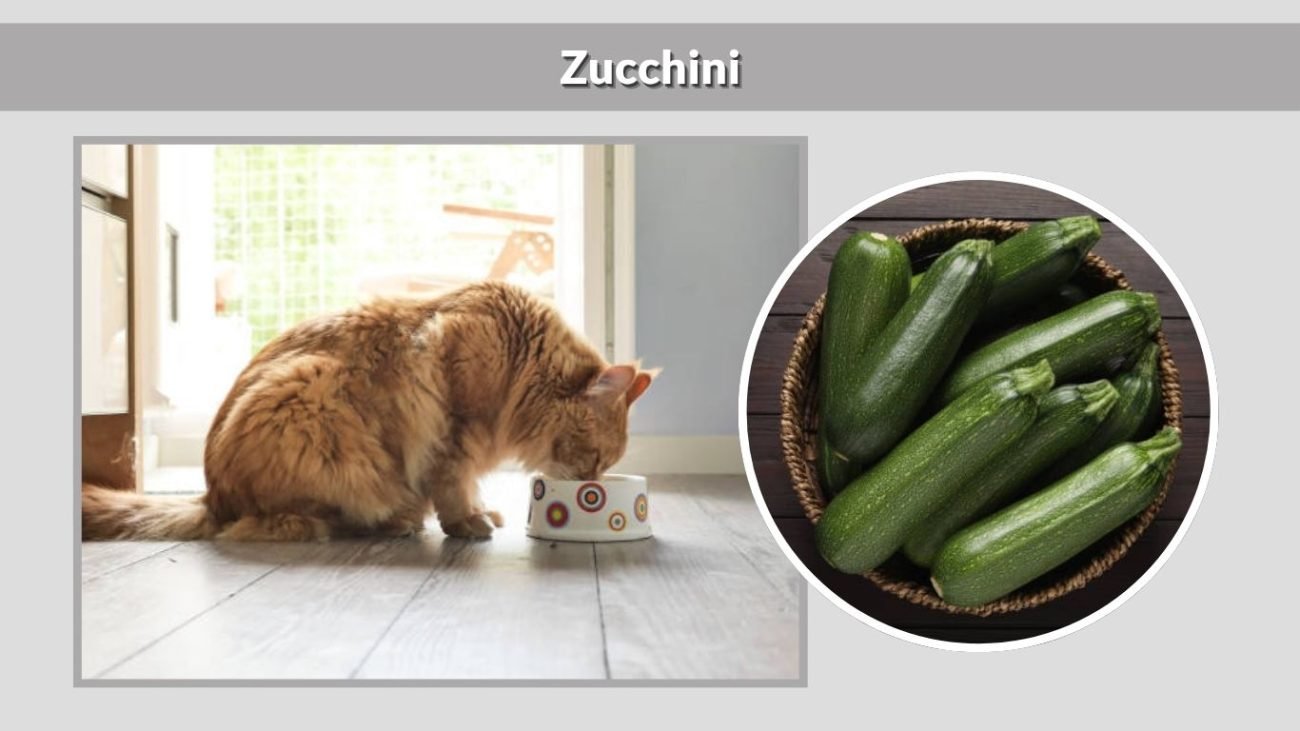
Zucchini is a mild and hydrating vegetable that cats can eat in small amounts. It is easy to digest and can be a light, occasional addition to your cat’s diet. When prepared properly, zucchini is a safe and gentle option for most cats.
Benefits of Zucchini
- Low in calories, suitable for weight control
- High water content for hydration
- Contains vitamins like C and potassium
- Easy to digest for most cats
How to Prepare Zucchini
Zucchini should be cooked before serving to make it soft and safe to eat. Steaming or boiling without any seasoning is the best method. Avoid adding salt, oil, or spices. Cut the zucchini into small, soft pieces or mash it so your cat can eat it easily.
How Much to Feed
Zucchini should be given occasionally in small portions. A few small pieces once or twice a week is enough. It should only be a supplement and not replace your cat’s regular food, as cats need a meat-based diet for proper nutrition.
Things to Avoid
Avoid feeding raw or seasoned zucchini. Do not give zucchini cooked with oil, garlic, or spices. Also, avoid overfeeding, as too much can lead to digestive upset. Always introduce new foods slowly and monitor your cat’s response.
7. Broccoli
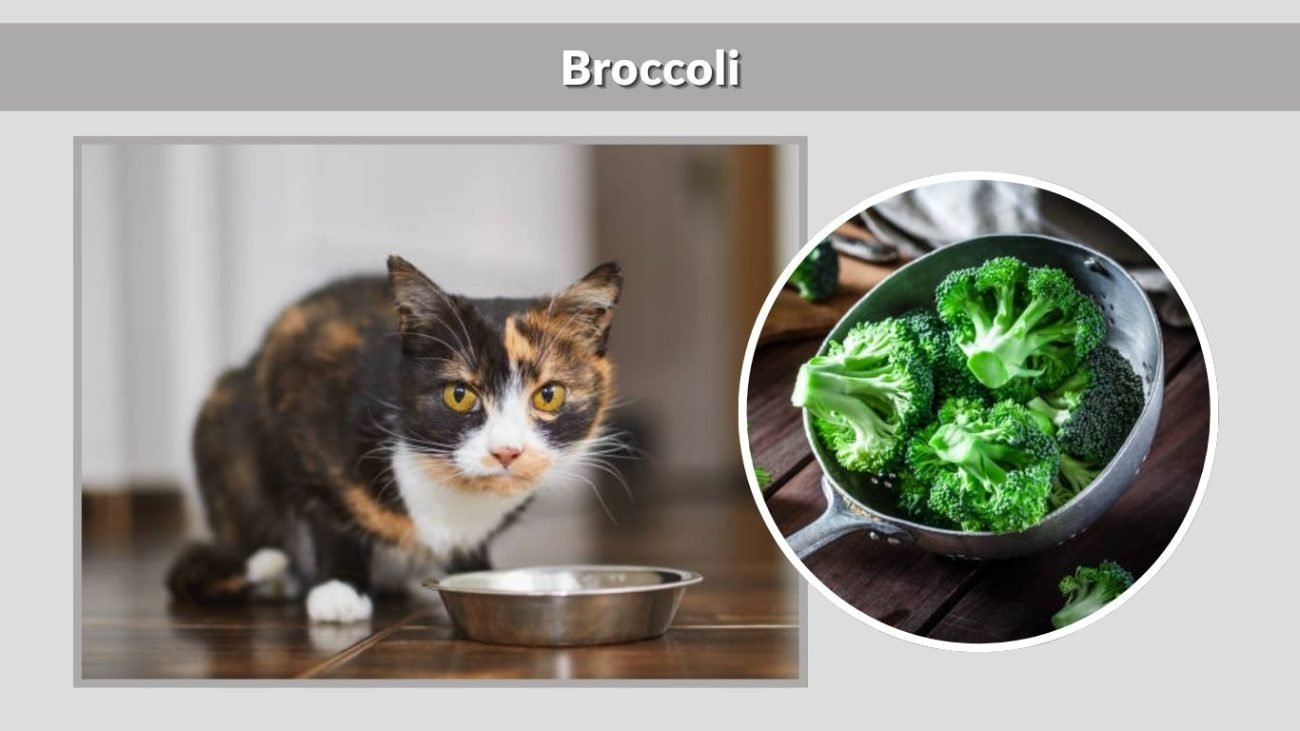
Broccoli is a safe vegetable that cats can eat in small amounts. It contains useful nutrients and can be offered as an occasional treat. When properly cooked and served plain, broccoli can be a light and healthy addition to your cat’s diet.
Benefits of Broccoli
- Contains fiber for digestive support
- Rich in vitamins like C and K
- Provides antioxidants for overall health
- Low in calories, making it a healthy snack
How to Prepare Broccoli
Broccoli should always be cooked before feeding it to your cat. Steaming or boiling is the best method to soften it. Avoid adding salt, butter, oil, or any seasoning. Cut the broccoli into very small, soft pieces so it is easy for your cat to chew and swallow safely.
How Much to Feed
Broccoli should be given in moderation. A few tiny pieces once in a while is enough. It should not replace your cat’s regular meals, as cats require nutrients mainly from animal-based foods for proper health.
Things to Avoid
Avoid feeding raw broccoli, as it can be hard to digest. Do not give broccoli cooked with spices, garlic, or sauces. Also, avoid overfeeding, as too much fiber may cause gas or digestive discomfort. Always introduce broccoli slowly and monitor your cat’s reaction.
8. Cucumber
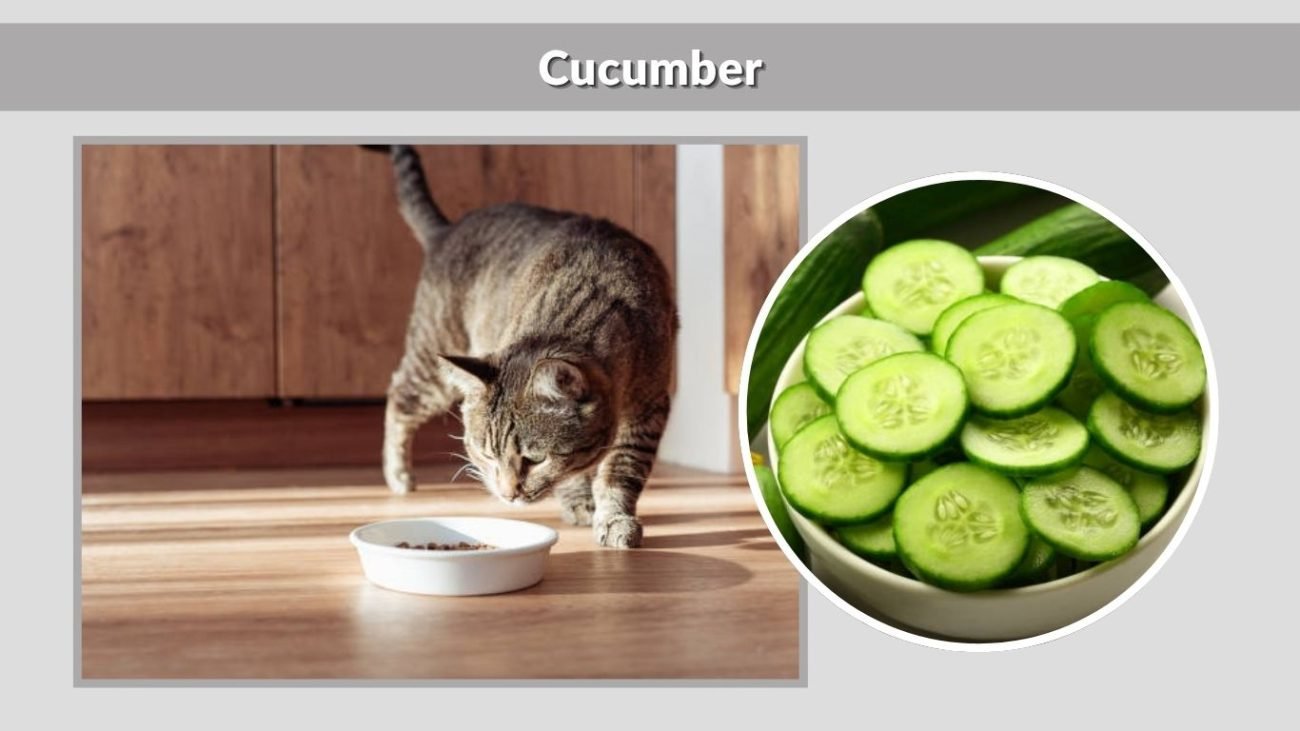
Cucumber is a refreshing and hydrating vegetable that cats can eat in small amounts. It has a high water content and a mild taste, making it a light and safe treat when served properly. It can be a good option, especially in warm weather.
Benefits of Cucumber
- High water content helps with hydration
- Low in calories, suitable for weight control
- Contains small amounts of vitamins and minerals
- Light and easy on the digestive system
How to Prepare Cucumber
Cucumber should be washed thoroughly before serving. It is best to peel the skin and remove any seeds if they are large. Cut the cucumber into very small, thin slices or bite-sized pieces. Serve it raw and plain without adding salt, spices, or any flavoring.
How Much to Feed
Cucumber should be given occasionally and in small portions. A few tiny slices once in a while are enough. It should not replace your cat’s regular diet, as cats rely mainly on meat-based nutrition for their health.
Things to Avoid
Avoid giving cucumber with added salt, spices, or dressings. Do not feed large chunks, as they can be difficult to chew. Also, avoid overfeeding, as too much may cause digestive upset. Always introduce it slowly and observe your cat’s reaction.
9. Lettuce
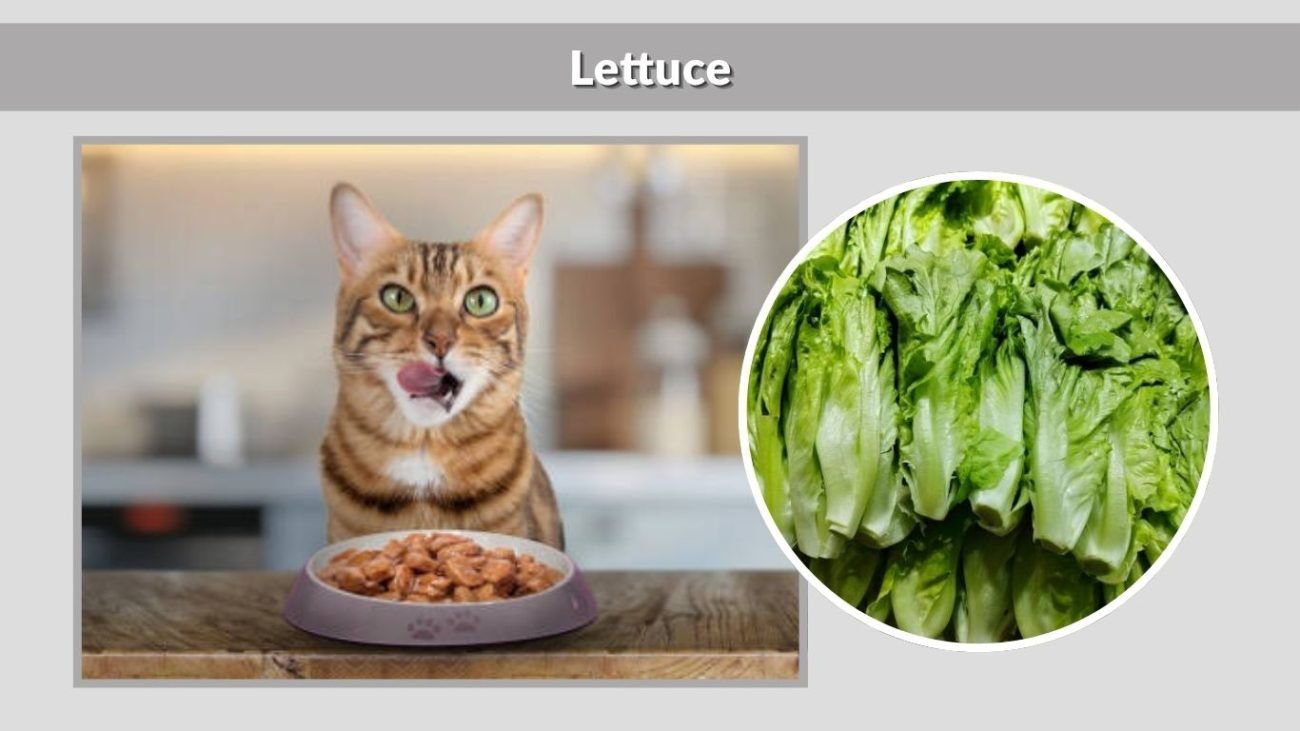
Lettuce is a light and safe vegetable that cats can eat in small amounts. It has a high water content and a mild taste, making it an easy occasional treat. While it does not provide major nutrients for cats, it can add a bit of variety to their diet.
Benefits of Lettuce
- High water content helps with hydration
- Low in calories, making it a light snack
- Contains small amounts of vitamins like A and K
- Gentle on the digestive system
How to Prepare Lettuce
Lettuce should be washed thoroughly before feeding it to your cat. Choose fresh, crisp leaves and avoid wilted ones. Chop the lettuce into very small pieces to make it easy to chew and swallow. Serve it raw and plain without any dressing, salt, or seasoning.
How Much to Feed
Lettuce should only be given occasionally and in small amounts. A few tiny pieces once in a while are enough. It should never replace your cat’s regular food, as it does not provide the essential nutrients cats need.
Things to Avoid
Avoid feeding lettuce with dressings, sauces, or added salt. Do not give large or tough pieces, as they may be difficult to chew. Also, avoid overfeeding, as too much can cause mild digestive upset. Always introduce new foods slowly and monitor your cat’s reaction.
10. Sweet Potatoes
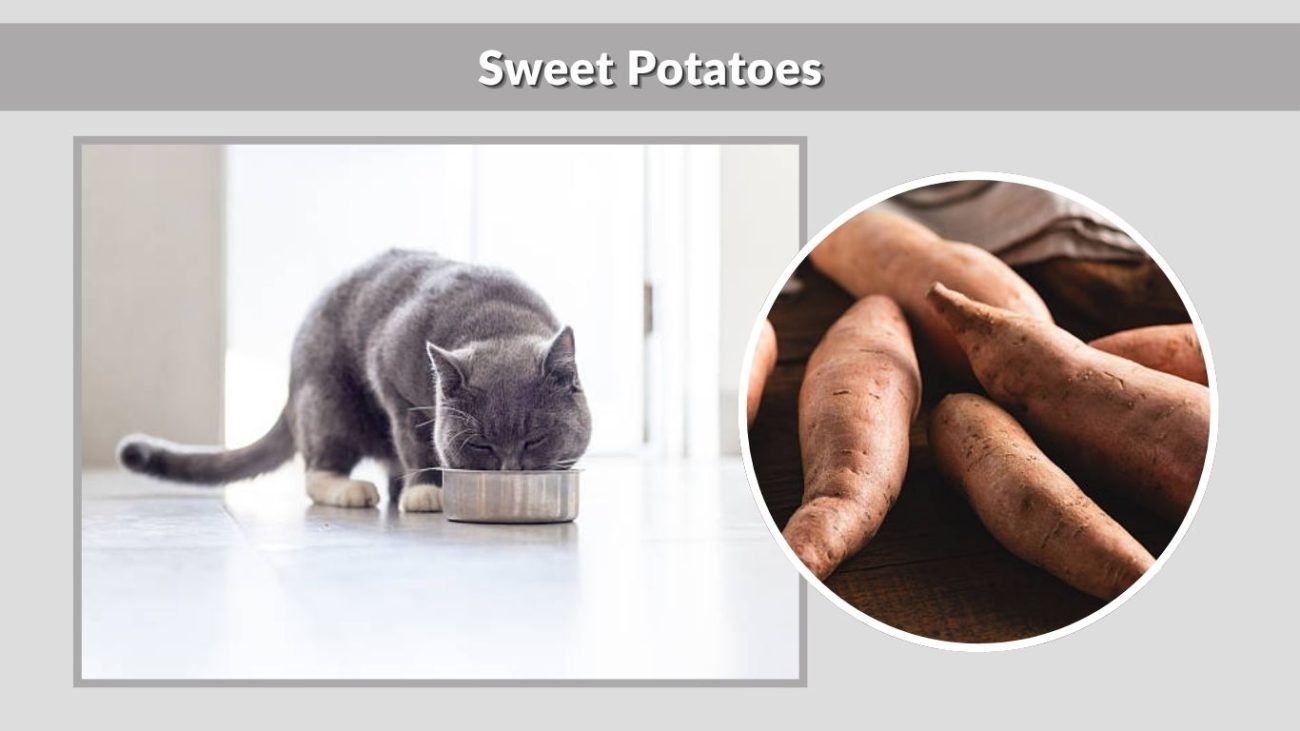
Sweet potatoes are a safe and nutritious vegetable that cats can eat in small amounts. They are soft when cooked and contain beneficial nutrients. While not essential for a cat’s diet, they can be given occasionally as a healthy treat.
Benefits of Sweet Potatoes
- Rich in fiber for digestive support
- Contains vitamins A and C
- Provides antioxidants for overall health
- Naturally low in fat
How to Prepare Sweet Potatoes
Sweet potatoes should always be cooked before feeding. Boiling or baking until soft is the best method. Do not add salt, butter, sugar, or spices. Once cooked, mash or cut into small, soft pieces so your cat can eat them easily and safely.
How Much to Feed
Sweet potatoes should be given in moderation. A small spoonful once in a while is enough. They should only be a supplement and not replace your cat’s regular diet, which should be primarily meat-based.
Things to Avoid
Avoid feeding raw sweet potatoes, as they are hard to digest. Do not give sweet potato dishes with added sugar, spices, or oils. Also, avoid overfeeding, as too much can lead to digestive issues. Always introduce slowly and observe your cat’s reaction.
FAQs
Can cats eat vegetables every day?
Cats should not eat vegetables every day. Their main diet must come from high-quality cat food that provides complete nutrition. Vegetables can be offered occasionally as treats, but daily feeding may lead to nutritional imbalance since cats primarily need animal-based nutrients.
Are raw vegetables safe for cats?
Most raw vegetables are not ideal for cats. They can be hard to chew and digest, and some may pose a choking risk. Cooking vegetables until soft makes them safer and easier for cats to eat and digest properly.
Which vegetables should cats avoid?
Cats should avoid onions, garlic, leeks, and chives, as these are toxic and can damage red blood cells. Also, avoid any vegetables prepared with spices, salt, or sauces, as these can be harmful to your cat’s health.
How do I introduce vegetables to my cat?
Introduce vegetables slowly and in very small amounts. Mix a tiny portion with your cat’s regular food and observe for any digestive issues. If your cat shows signs of discomfort like vomiting or diarrhea, stop feeding that vegetable immediately.
Can kittens eat vegetables like adult cats?
Kittens have more sensitive digestive systems and specific nutritional needs. While small amounts of safe vegetables may be okay, their diet should mainly consist of specially formulated kitten food. It’s best to consult a vet before introducing vegetables to kittens.