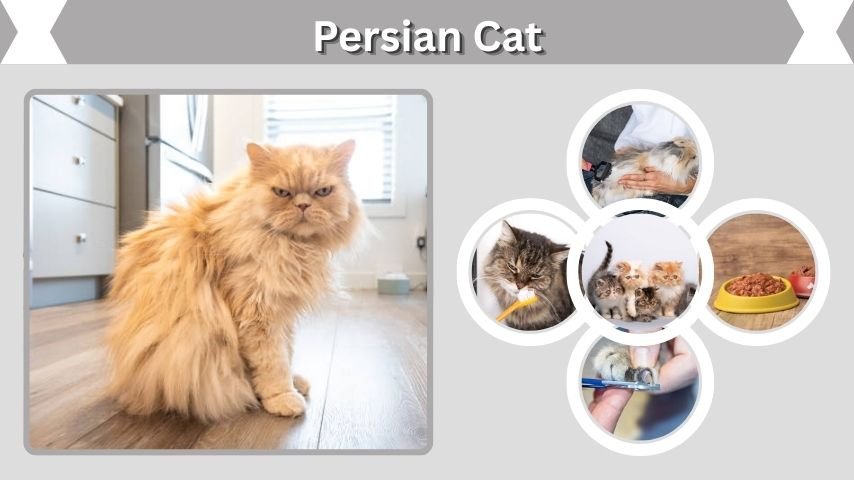
Persian cats are among the most recognizable and beloved cat breeds in the world. Known for their luxurious coats, sweet expressions, and calm personalities, these cats have been cherished as companions for centuries. Whether you are considering bringing home a Persian kitten or simply want to learn more about this elegant breed, understanding their characteristics, grooming needs, health concerns, and lifestyle requirements is essential. This guide explores everything you need to know about Persian cats, helping you determine whether this affectionate and beautiful breed is the right fit for your home.
Persian Cat Breed Overview
Persian cats are famous for their long, silky fur, round faces, and gentle nature. They are considered one of the oldest and most popular cat breeds worldwide. Unlike highly energetic breeds, Persian cats prefer a peaceful environment where they can relax comfortably near their owners. Their affectionate behavior and quiet temperament make them ideal indoor companions for families, seniors, and apartment dwellers.
History and Origin
The Persian cat originated in the Middle East, particularly in regions that were once part of ancient Persia, now modern-day Iran. During the 1600s, traders introduced these cats to Europe, where they quickly gained popularity among aristocrats and royal families. Over time, selective breeding refined their appearance, resulting in the luxurious and distinctive Persian cats we know today.
Physical Characteristics
Persian cats have a sturdy, medium-to-large body with short legs and a broad chest. Their most noticeable feature is their long, dense coat, which comes in a wide variety of colors and patterns. They also have large, expressive eyes and a round head that contributes to their unique appearance.
Persian Cat Temperament
Persian cats are known for their calm and affectionate personalities. They enjoy spending time with their owners but are generally less demanding than many other cat breeds. Rather than climbing and exploring constantly, they prefer lounging in comfortable places and observing their surroundings quietly.
Types of Persian Cats
Persian cats come in several varieties, each with unique physical traits and appeal. While their personalities remain similar, their facial structure and coat patterns can vary significantly.
Traditional (Doll Face) Persian Cat
The Doll Face Persian is considered closer to the breed’s original appearance. These cats have a more natural facial structure with a longer nose and fewer breathing issues than their flat-faced counterparts. Many owners appreciate this variety because it combines the beauty of the Persian breed with fewer health concerns.
Flat Face Persian Cat
Flat Face Persians, also known as Peke-Face Persians, have a dramatically shortened nose and flatter facial profile. This appearance is highly sought after in cat shows and breeding programs. However, these cats often require additional care due to respiratory and tear drainage issues.
Himalayan Persian Cat
The Himalayan is a popular variation that combines Persian and Siamese ancestry. These cats feature striking blue eyes and color-point markings while maintaining the luxurious coat and gentle personality associated with Persian cats.
Persian Cat Colors and Patterns
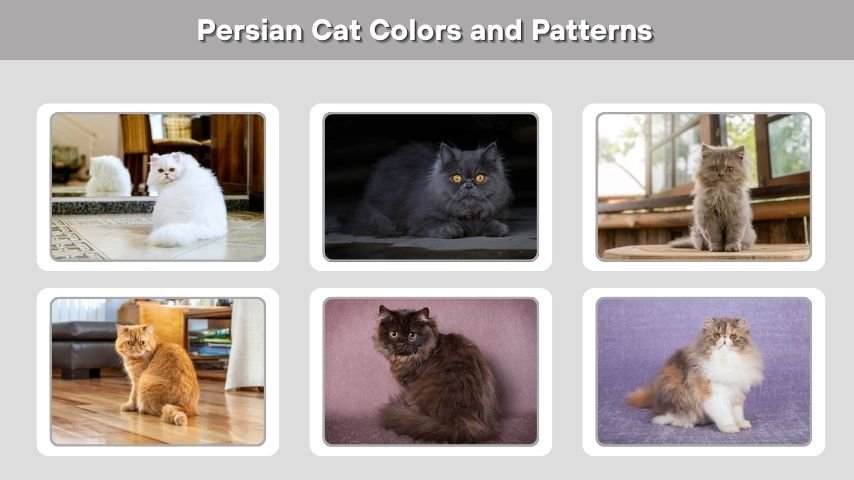
One of the reasons Persian cats remain highly popular is the incredible variety of colors and coat patterns available. Breeders have developed numerous beautiful combinations that appeal to different preferences.
Popular Persian Cat Colors
Some of the most sought-after Persian cat colors include:
- White Persian Cat
- Black Persian Cat
- Blue Persian Cat
- Grey Persian Cat
- Orange Persian Cat
- Chocolate Persian Cat
- Calico Persian Cat
- Tortoiseshell Persian Cat
Each color variation possesses its own unique charm, though personality traits generally remain consistent across all coat colors.
Rare and Unique Variations
Several Persian cat varieties are considered rarer and often command higher prices from reputable breeders.
- Chinchilla Persian Cat
- White Persian Cat with Blue Eyes
- Silver Shaded Persian Cat
- Golden Persian Cat
- Rare Chocolate Persian Cat
These unique coat patterns are highly prized among cat enthusiasts and breeders around the world.
Persian Cat Personality
Persian cats have earned a reputation as one of the most gentle and affectionate cat breeds. Their laid-back attitude makes them excellent companions for owners seeking a relaxed and loving pet. Unlike highly active breeds that demand constant stimulation, Persian cats prefer a slower pace of life.
Are Persian Cats Friendly?
Persian cats are generally very friendly toward their owners and trusted family members. They enjoy attention and companionship but usually express affection in a calm and quiet manner. Instead of following their owners everywhere, they often choose to stay nearby and enjoy peaceful interaction.
Are Persian Cats Good Family Pets?
These cats can adapt well to family environments when treated gently and respectfully. Their calm demeanor makes them suitable for households with older children who understand how to handle pets properly. Persian cats also tend to coexist peacefully with other calm pets when introductions are managed carefully.
Do Persian Cats Like Being Held?
Many Persian cats enjoy being held and cuddled, although individual preferences vary. They often appreciate gentle affection and lap time but typically dislike rough handling or excessive activity. Providing a calm environment helps them feel secure and comfortable.
Persian Cat Lifespan
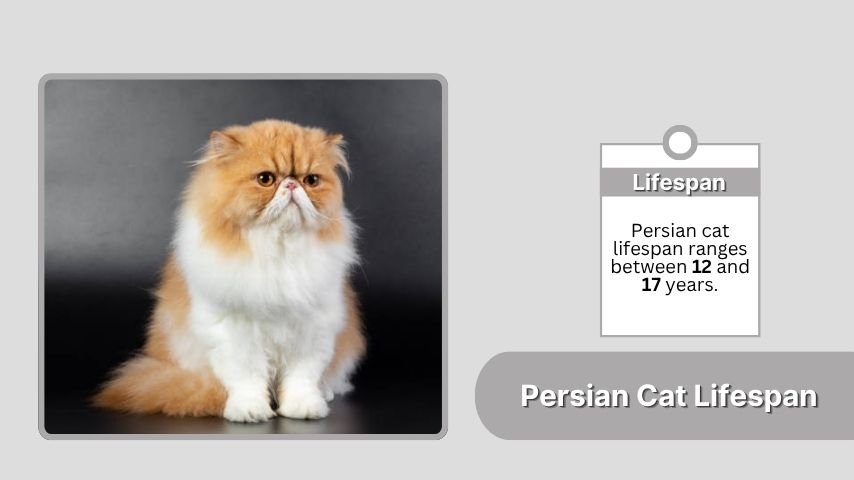
Persian cats are capable of living long and fulfilling lives when provided with proper care, nutrition, and regular veterinary attention. Understanding their lifespan and common health concerns can help owners make informed decisions and support their pet’s long-term wellbeing.
Average Persian Cat Lifespan
The average Persian cat lifespan ranges between 12 and 17 years. Some well-cared-for Persian cats may live even longer, especially when health issues are detected early and managed appropriately.
Persian Cat Grooming Guide
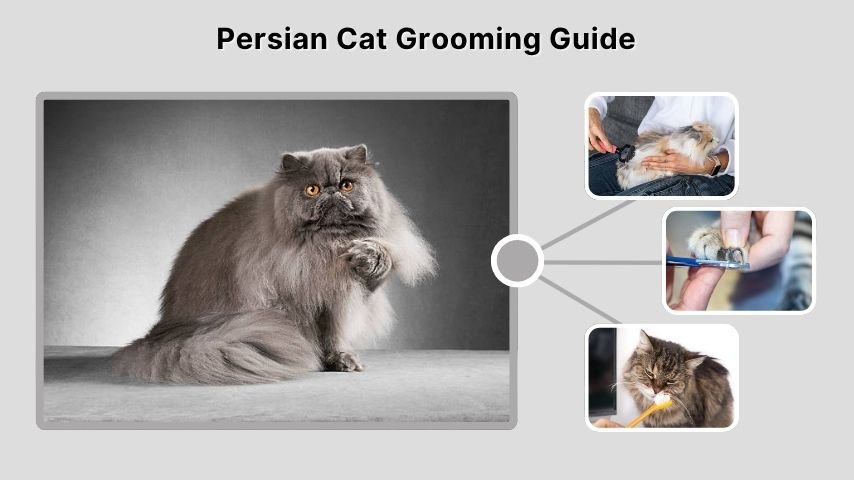
Persian cats require more grooming than most other cat breeds due to their long, thick coats. Without proper care, their fur can become tangled and matted, leading to discomfort and skin problems. Establishing a consistent grooming routine is one of the most important responsibilities of Persian cat ownership.
Why Persian Cats Need Daily Grooming
The dense double coat of a Persian cat sheds regularly and can easily form knots. Daily brushing helps remove loose hair, prevent matting, and reduce hairballs. Regular grooming also allows owners to monitor their cat’s skin and detect potential health issues early.
Essential Grooming Tasks
A complete Persian cat grooming routine should include:
- Daily brushing and combing
- Regular eye cleaning
- Weekly ear inspections
- Nail trimming every few weeks
- Occasional bathing
- Dental care and teeth cleaning
Maintaining these habits helps keep Persian cats healthy, comfortable, and looking their best.
Best Grooming Tools for Persian Cats
Investing in quality grooming tools can make the process easier and more effective. Popular options include wide-tooth combs, slicker brushes, grooming gloves, and detangling sprays designed specifically for long-haired cats.
Best Food for Persian Cats
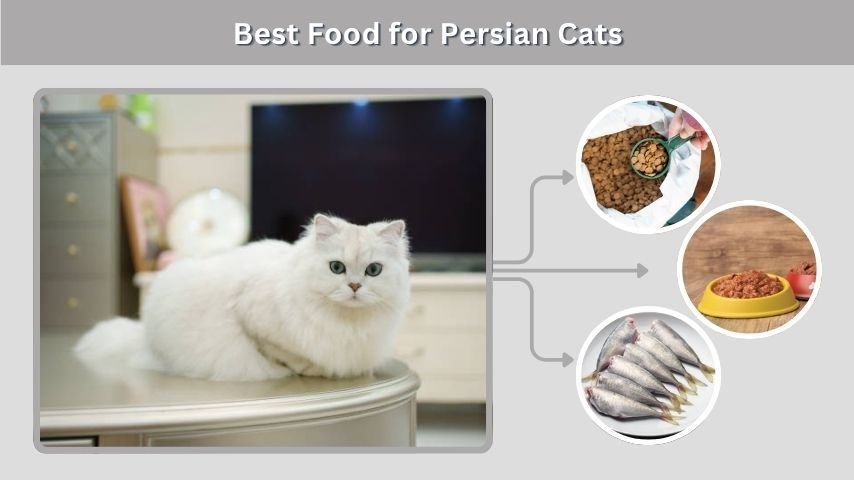
Proper nutrition plays a major role in maintaining a Persian cat’s health, coat quality, and overall wellbeing. Since Persian cats are generally less active than some breeds, balanced feeding is essential to prevent obesity and related health problems.
Nutritional Requirements
Persian cats benefit from high-quality diets rich in animal protein, healthy fats, vitamins, and minerals. Adequate hydration is also important, particularly for cats that primarily eat dry food.
Recommended Food Choices
When selecting food for a Persian cat, consider:
- High-protein cat food
- Premium wet food formulas
- Breed-specific Persian cat diets
- Foods containing omega fatty acids
- Products that support skin and coat health
Consulting a veterinarian can help determine the most suitable diet based on your cat’s age, weight, and medical history.
Foods to Avoid
Certain foods can be harmful to Persian cats and should never be offered. Chocolate, onions, garlic, alcohol, and foods containing excessive salt or artificial additives should be avoided. Human foods should only be given under veterinary guidance.
Persian Cat Price and Ownership Costs
Before purchasing a Persian cat, it is important to understand both the initial cost and the ongoing expenses associated with ownership. Persian cats are often more expensive than many other breeds because of their grooming needs and specialized breeding programs.
How Much Does a Persian Cat Cost?
The price of a Persian cat varies depending on factors such as breeder reputation, bloodline, age, color, and location. Pet-quality Persian kittens generally cost less than show-quality cats from championship bloodlines.
Rare colors and highly desirable coat patterns may also increase the purchase price. Potential owners should prioritize reputable breeders who prioritize health and ethical breeding practices.
Ongoing Expenses
Persian cat ownership may include costs for:
- Premium cat food
- Veterinary examinations
- Vaccinations
- Grooming supplies
- Pet insurance
- Emergency medical care
Budgeting for these recurring expenses ensures a better quality of life for your pet.
Persian Cat Kittens
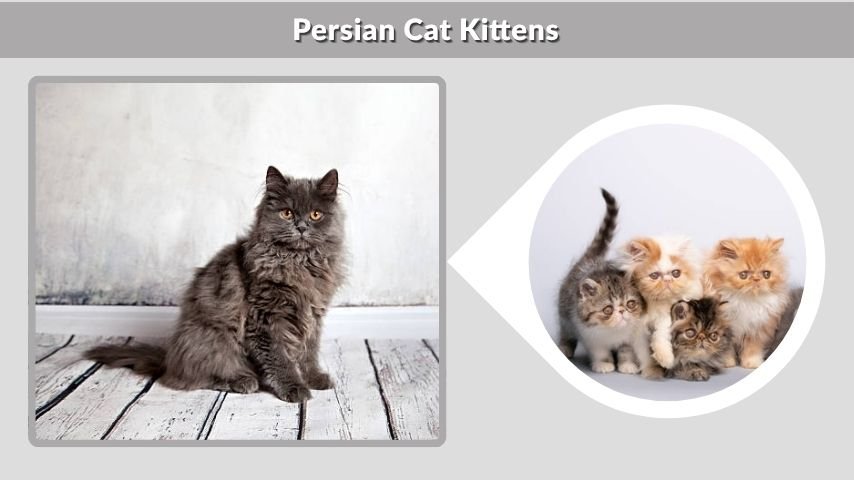
Persian kittens are playful, curious, and affectionate. While they eventually develop the calm personality associated with adult Persians, kittens require additional supervision, training, and socialization during their early months.
Caring for a Persian Kitten
Young Persian kittens benefit from a safe environment, proper nutrition, and regular veterinary visits. Early socialization helps them become confident, friendly adults that adapt well to different situations.
Training and Development
Persian kittens can learn household routines quickly when positive reinforcement methods are used. Consistent litter box training, gentle handling, and interactive play contribute to healthy emotional development.
Persian Cat Breeders and Adoption
Finding a healthy Persian cat starts with choosing a responsible breeder or adoption organization. Reputable sources prioritize animal welfare and provide documentation regarding health testing and vaccinations.
Choosing a Reputable Persian Cat Breeder
A trustworthy breeder should be willing to answer questions, provide health records, and allow prospective owners to observe the kitten’s living environment. Transparency is often a strong indicator of ethical breeding practices.
Persian Cat Adoption Options
Adoption can be a rewarding alternative to purchasing from a breeder. Many rescue organizations and shelters occasionally have Persian cats available for adoption. Adopting a cat in need provides a loving home while supporting animal welfare efforts.
Are Persian Cats Hypoallergenic?
Many prospective owners wonder whether Persian cats are hypoallergenic. Unfortunately, no cat breed is completely hypoallergenic. Persian cats produce allergens found in saliva, skin cells, and dander, just like other breeds.
Understanding Cat Allergies
Most cat allergies are triggered by proteins produced naturally by cats rather than by fur itself. While regular grooming may help reduce loose hair and dander, it does not eliminate allergens completely.
Managing Allergies Around Persian Cats
People with mild cat allergies may be able to live comfortably with Persian cats by maintaining a clean environment, using air purifiers, and following a consistent grooming schedule. Individual reactions vary, so spending time around the breed before adoption is recommended.
FAQs
How long do Persian cats live?
The average Persian cat lifespan ranges from 12 to 17 years. With proper nutrition, routine veterinary care, regular grooming, and a healthy indoor lifestyle, some Persian cats can live even longer.
Are Persian cats good pets for first-time owners?
Yes, Persian cats can be excellent pets for first-time owners who are prepared for their grooming requirements. Their calm temperament, affectionate nature, and low activity level make them relatively easy to manage compared to more energetic breeds.
How much does a Persian cat cost?
The cost of a Persian cat varies depending on factors such as breeder reputation, bloodline, age, and coat color. Pet-quality Persian kittens generally cost less than show-quality cats, while rare colors and champion bloodlines typically command higher prices.
Do Persian cats shed a lot?
Yes, Persian cats shed throughout the year due to their long, dense coats. Daily brushing helps control shedding, prevents mats and tangles, and reduces the amount of loose hair around the home.
Are Persian cats hypoallergenic?
No, Persian cats are not hypoallergenic. They produce the same allergy-causing proteins found in other cat breeds. However, regular grooming, frequent cleaning, and air filtration may help reduce allergen levels in the home for some allergy sufferers.