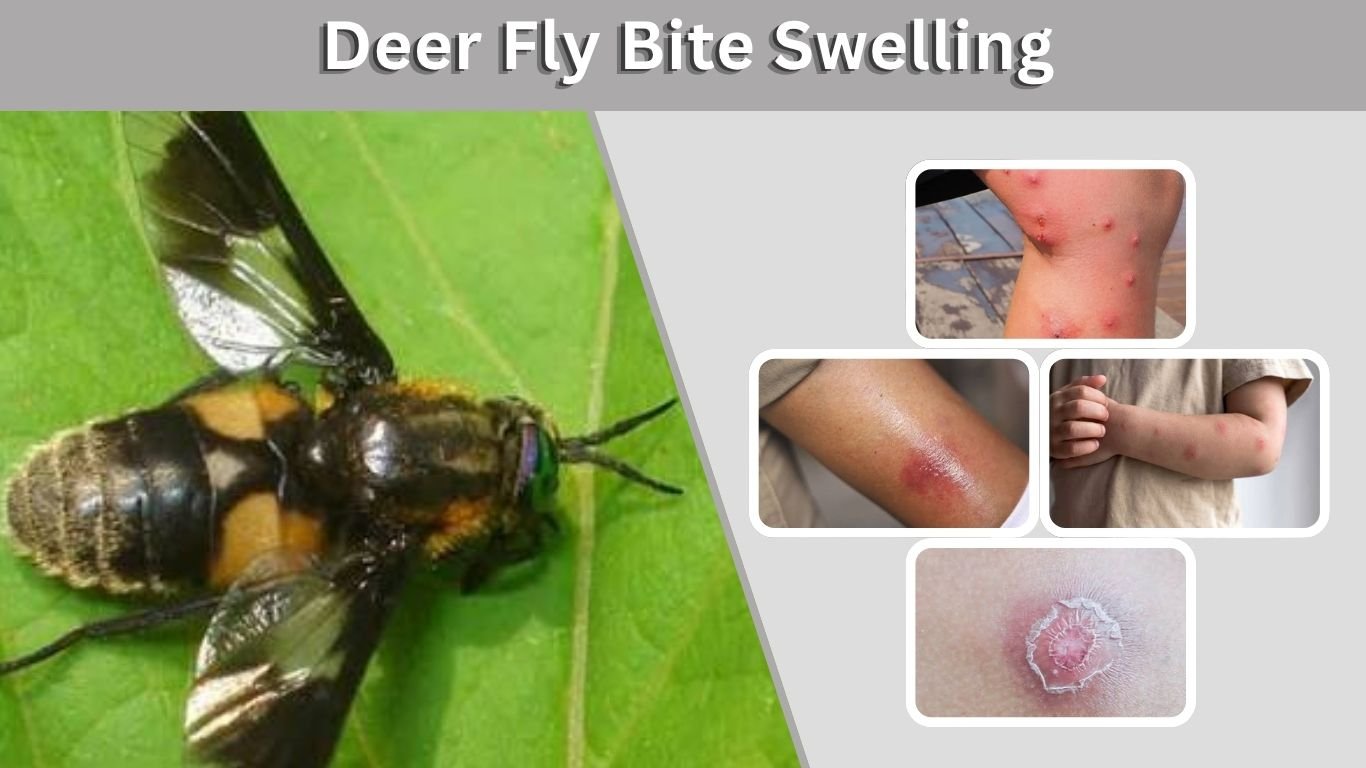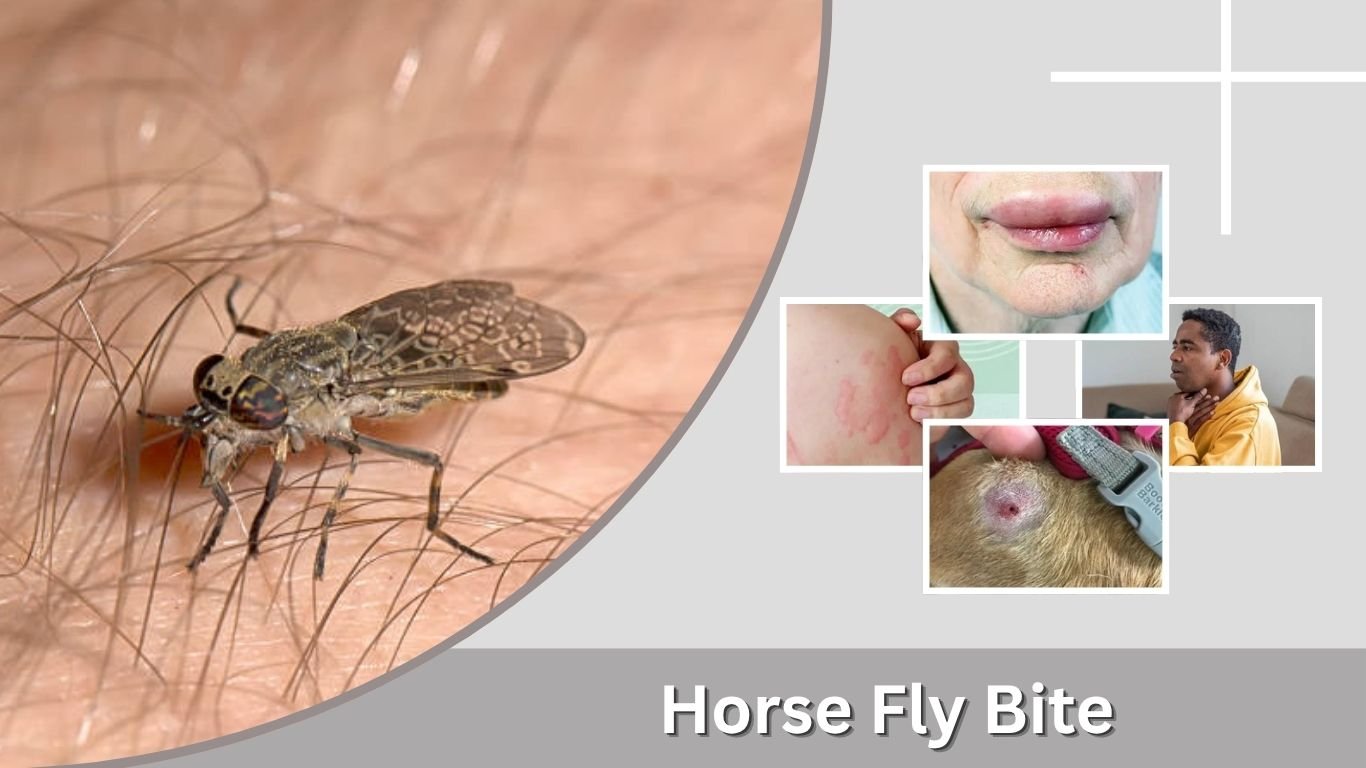
A horse fly bite usually causes immediate sharp pain, followed by a raised red mark, itching, tenderness and swelling. Unlike mosquitoes, horse flies cut the skin instead of piercing it with a needle-like mouthpart. This creates a small wound that may bleed and take several days to heal. Most bites can be treated at home, but spreading redness, pus, fever, breathing difficulty or facial swelling requires medical attention.
Do Horse Flies Bite Humans?
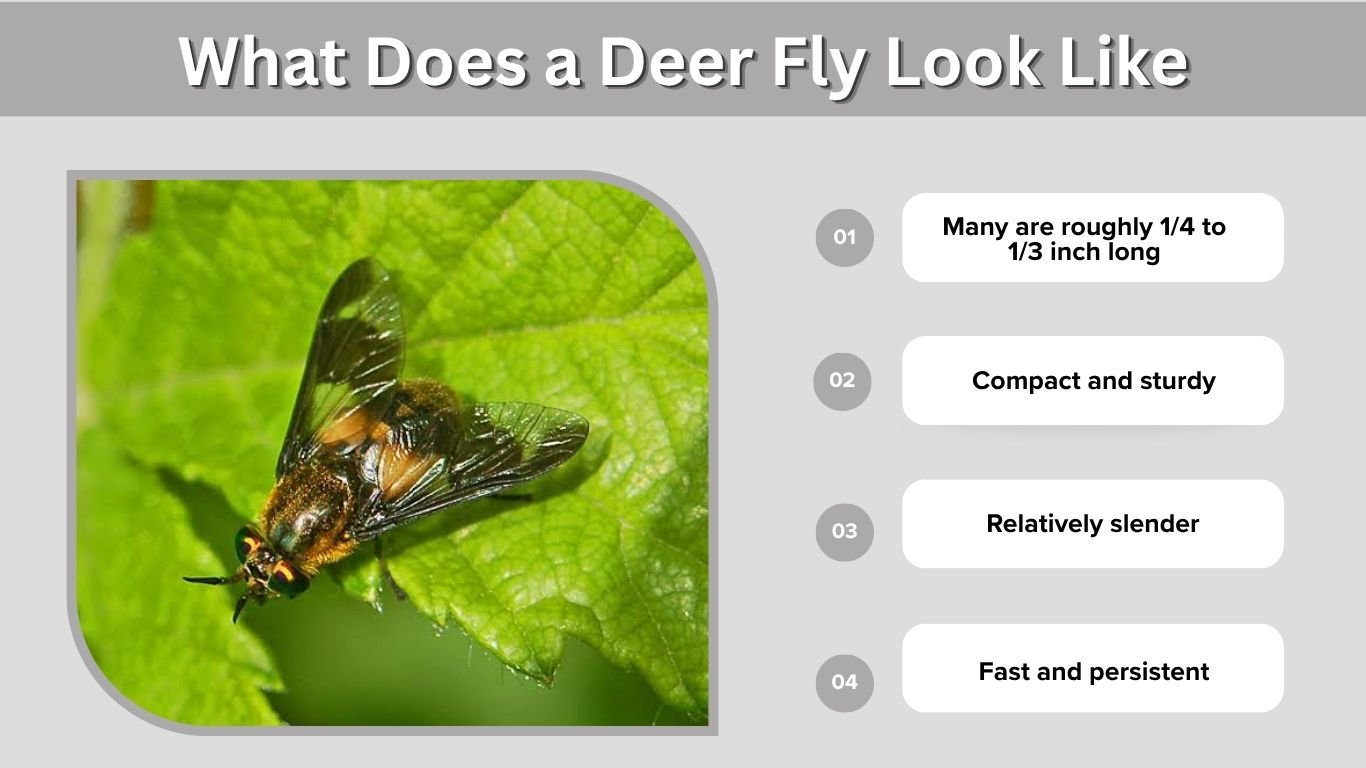
Horse flies are large, strong-flying insects in the family Tabanidae. They commonly feed on horses and cattle, but they can also bite humans, dogs and other warm-blooded animals.
Why Do Horse Flies Bite?
Only female horse flies take blood meals. They require nutrients from blood to develop healthy eggs. Male horse flies do not bite; they feed primarily on flower nectar and other plant sugars.
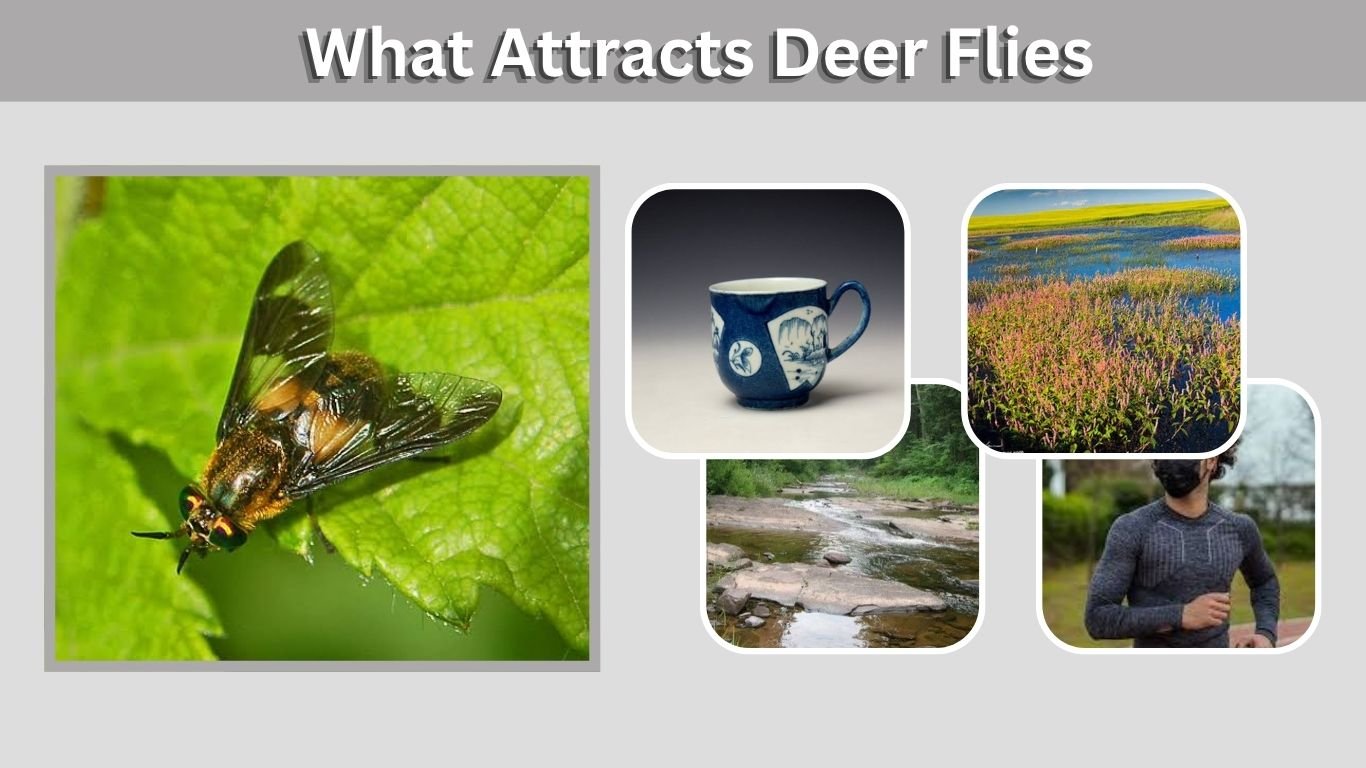
Female horse flies are attracted to movement, carbon dioxide, warmth and large dark objects. This explains why they frequently follow people, livestock and pets during warm outdoor conditions.
Do Horse Flies Bite or Sting?
Horse flies bite rather than sting. Their mouthparts act like small cutting blades that open the skin. The fly releases saliva that helps prevent blood from clotting and then drinks from the resulting pool.
Because the skin is physically cut, the bite is normally more painful than a mosquito bite. There is no stinger left behind that needs to be removed.
What Does a Horse Fly Bite Look Like?
The appearance varies depending on skin tone, bite location and individual sensitivity. A horse fly bite cannot always be identified from a photograph because many insect bites produce similar marks.
Common Identification Signs
A horse fly bite may have the following features:
- A raised red, pink, purple or darkened bump
- A small central cut or bleeding spot
- Immediate pain, burning or stinging
- Itching and tenderness around the wound
- Localized warmth and swelling
- A small bruise around the bite
- A welt larger than a typical mosquito bite
A single fly may attempt to feed repeatedly, producing several nearby wounds. Bites frequently occur on exposed arms, shoulders, legs, ankles or the back of the neck.
What Does the Bite Feel Like?
Most people feel the bite immediately. It may resemble a sharp pinch, cut or bee sting. Pain can continue after the fly has been removed because its saliva and the physical injury trigger inflammation.
The area may become itchy as it heals. Scratching can reopen the wound, increase swelling and introduce bacteria from the fingers.
Horse Fly Bite Healing Stages
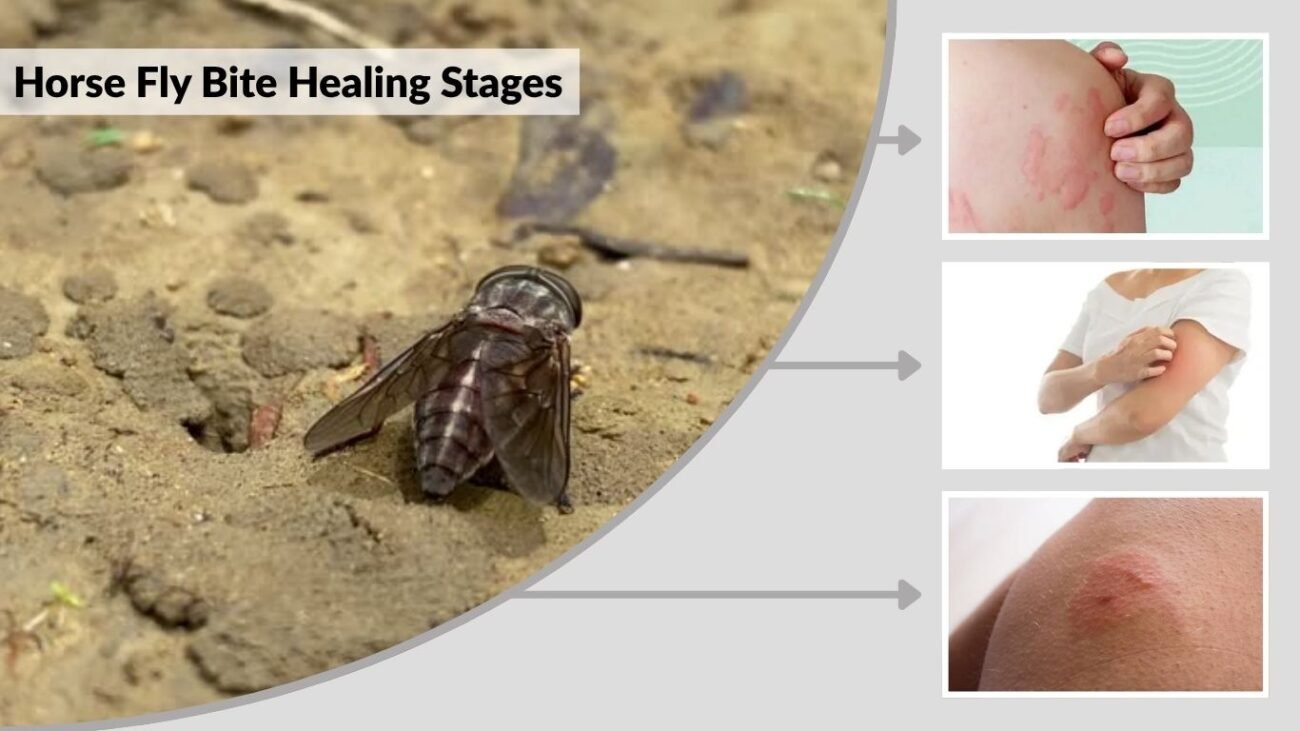
There is no universal set of medical “stages” for a horse fly bite. Reactions vary, but an uncomplicated bite commonly follows the progression below.
| Time after bite | Possible appearance and symptoms |
| Immediately | Sharp pain, a small cut, bleeding and early redness |
| First 24 hours | Raised welt, itching, tenderness and localized swelling |
| Days 2–3 | Pain usually decreases; itching or swelling may remain |
| Days 3–7 | Mark becomes flatter and gradually fades |
| After one week | Most bites are healing; a small scab or discoloration may remain |
Large local reactions can remain swollen for more than a week. The mark may also take longer to fade on sensitive skin. Worsening symptoms are not a normal healing stage and may indicate infection or an allergic reaction.
Horse Fly Bite Symptoms
Most symptoms remain close to the bite and improve without medical treatment. However, the reaction should be monitored because horse flies create an open skin wound.
Normal Local Reaction
A mild reaction can include pain, redness, itching, warmth and swelling around the bite. A small amount of bleeding or clear fluid may be present initially.
Some people develop a larger, firm welt. Local swelling can appear dramatic when the bite occurs near an ankle, knee, hand, eyelid or another area where fluid collects easily.
Large Local Reaction
A large local reaction may produce swelling extending several inches beyond the wound. The skin can feel hot, firm and uncomfortable, but the symptoms remain limited to the general bite area.
Large swelling does not automatically mean the wound is infected. However, medical advice is appropriate when swelling continues to expand, restricts movement or fails to improve.
How to Treat a Horse Fly Bite
Prompt cleaning lowers the chance of bacteria entering the cut. Most uncomplicated bites respond well to basic first aid and symptom relief.
Immediate First Aid
Follow these steps after being bitten:
- Move away from the area to prevent additional bites.
- Wash the wound gently with soap and clean water.
- Pat the skin dry without rubbing it.
- Apply a cold pack wrapped in cloth for 10–20 minutes.
- Elevate the affected arm or leg if swelling develops.
- Avoid scratching, squeezing or breaking any blister.
- Cover the wound lightly if clothing or dirt may irritate it.
The NHS guidance for insect bites recommends a wrapped ice pack or cold wet cloth for at least 20 minutes when swelling occurs.
Medication for Pain and Itching
An oral antihistamine may help control itching, while hydrocortisone cream can reduce mild inflammation. A suitable over-the-counter pain reliever may be used for discomfort.
Follow the product label and ask a pharmacist or healthcare professional before giving medication to a child, combining products, or treating someone who is pregnant, takes other medicines or has an existing medical condition.
Remedies to Avoid
Do not cut, squeeze or attempt to drain the bite. Avoid applying undiluted essential oils, bleach, household chemicals or irritating homemade mixtures.
Antibiotics should not be used unless a medical professional diagnoses an infection. They do not treat the normal inflammatory reaction caused by the bite.
Allergic Reaction to a Horse Fly Bite
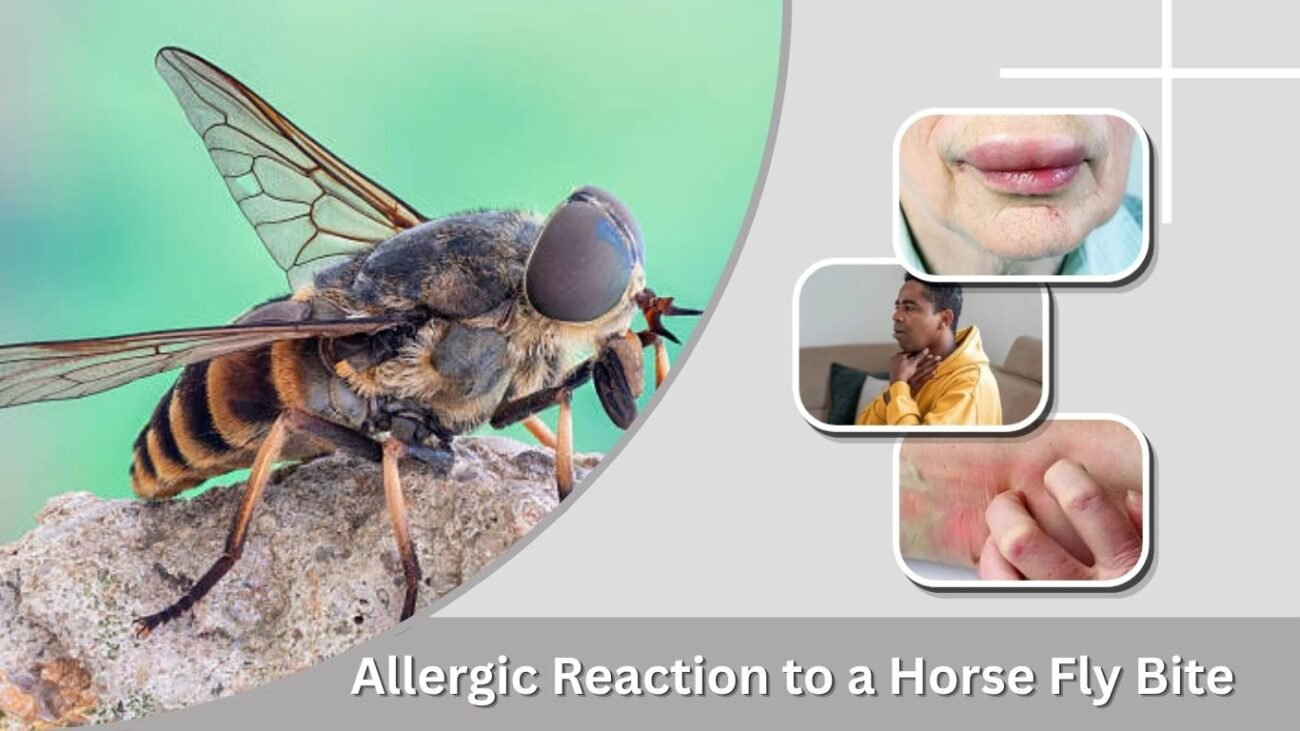
Horse fly saliva can trigger an allergic response. Most reactions are local, but a severe whole-body reaction is possible.
Signs of a Severe Allergy
Call emergency services immediately if the person experiences:
- Trouble breathing, wheezing or throat tightness
- Swelling of the lips, tongue, face or neck
- Difficulty swallowing or speaking
- Widespread hives away from the bite
- Dizziness, confusion, weakness or fainting
- Rapid heartbeat, vomiting or collapse
Use an epinephrine auto-injector immediately if one has been prescribed, then seek emergency care. Do not leave the affected person alone.
Infected Horse Fly Bite
The fly’s cutting action creates a wound through which bacteria can enter. Scratching with unwashed hands further increases the risk.
Signs of Infection or Cellulitis
Seek medical advice if you notice:
- Redness or swelling that continues spreading
- Increasing warmth, tenderness or pain
- Yellow or green discharge
- Red streaks extending from the wound
- Swollen lymph nodes
- Fever, chills or general illness
- A wound that is not improving after several days
Cellulitis is a bacterial skin infection requiring medical treatment. A healthcare professional may outline the redness with a marker to determine whether it continues to spread.
Can Horse Flies Spread Disease?
Horse flies are not major human disease carriers in the way mosquitoes and ticks are. However, certain biting flies can occasionally transmit infections in particular regions.
Tularemia is a rare bacterial illness associated more commonly with infected ticks and deer flies in the United States. The CDC advises seeking care for an ulcer at the bite site accompanied by fever and swollen lymph glands.
Horse Fly Bites on Dogs
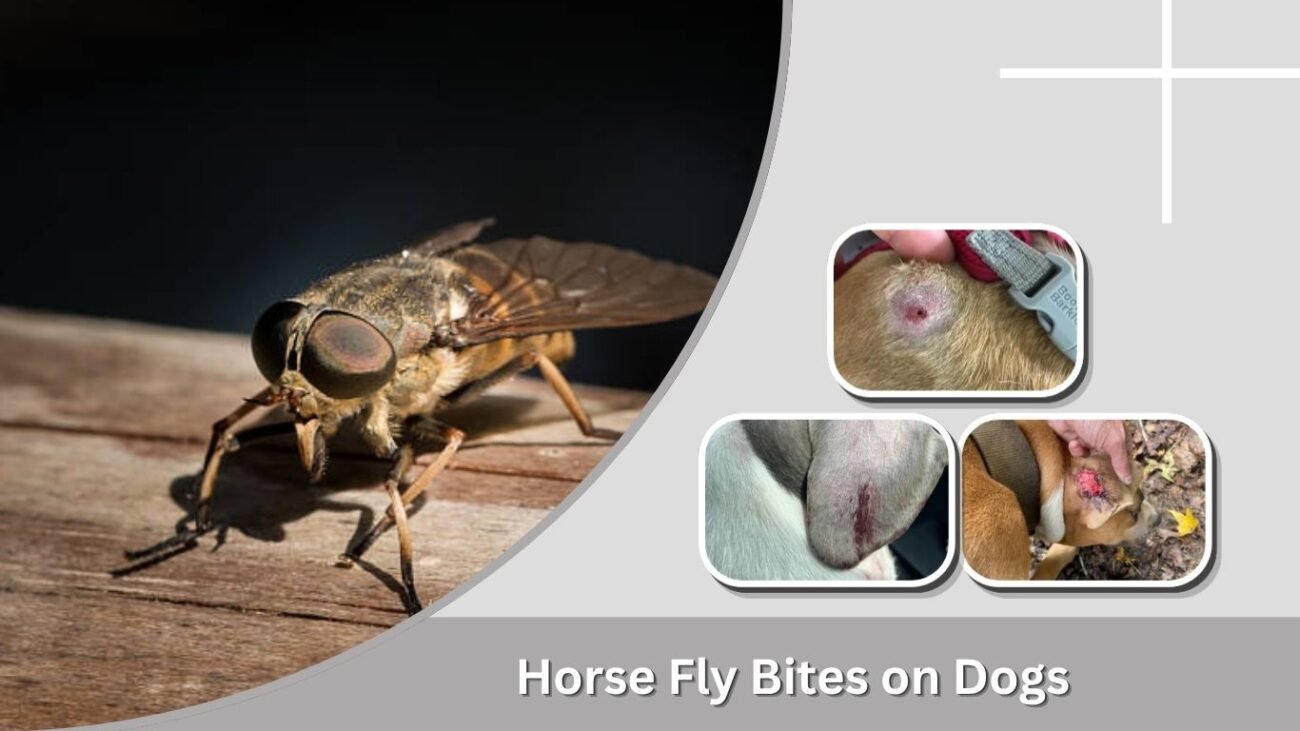
Horse flies may target a dog’s ears, nose, belly and other areas with thin fur. A bite can leave a bleeding spot, red bump or swollen patch.
Treating a Bite on a Dog
Move the dog indoors and gently clean the wound with water and a pet-safe cleanser recommended by a veterinarian. Prevent licking and scratching, and apply a wrapped cold compress if the dog tolerates it.
Contact a veterinarian if swelling is severe, the wound becomes infected, the dog appears weak, or breathing and facial swelling change suddenly. Never give a dog human pain medication without veterinary instructions.
Horse Fly Bites on Horses
Repeated fly bites can cause pain, blood loss, skin irritation and behavioral stress in horses. Affected animals may stamp, kick, shake their heads or run in an effort to escape.
Protecting Horses From Bites
Use properly fitted fly sheets, masks and leg protection where appropriate. Keep stalls clean, remove wet organic material and use fans in sheltered areas. Veterinarian-approved repellents can provide additional protection, although they may require frequent reapplication.
Examine open wounds regularly because continued fly activity can delay healing and increase contamination.
How to Prevent Horse Fly Bites
Horse flies are especially active during warm, sunny weather near wetlands, streams, ponds, woodland edges, livestock areas and damp fields.
Personal Protection
Wear long sleeves, long trousers, socks and closed shoes in high-risk areas. Lighter-colored clothing may be less attractive than large dark surfaces. Apply an insect repellent according to its label, although repellents may not work as consistently against horse flies as they do against mosquitoes.
Avoid outdoor livestock areas during peak fly activity when possible. Moving into a building or shaded vehicle is often more effective than attempting to outrun a persistent fly.
FAQs
How long does a horse fly bite last?
Pain usually improves within a few hours, while redness, itching and swelling may continue for several days. A larger local reaction can last more than a week. Seek medical advice when symptoms worsen instead of improving or when infection signs appear.
Why are horse fly bites so painful?
A female horse fly uses blade-like mouthparts to cut the skin and create a small pool of blood. This physical tearing, combined with the inflammatory response to its saliva, produces immediate pain, bleeding, swelling and tenderness.
Can a horse fly bite cause a large swelling?
Yes. Some people develop a large local reaction extending well beyond the original bite. Use a wrapped cold pack, elevate the area and consider pharmacist-recommended treatment. Expanding swelling accompanied by severe pain, fever or breathing difficulty requires medical assessment.
Should I pop a blister caused by a horse fly bite?
No. Breaking a blister removes its protective covering and allows bacteria to enter the wound. Keep the area clean, avoid scratching and cover it loosely if necessary. Consult a healthcare professional if the blister becomes increasingly painful, hot or filled with pus.
When should I see a doctor for a horse fly bite?
Seek medical advice for spreading redness, worsening pain, pus, fever, swollen lymph nodes or symptoms that fail to improve. Call emergency services immediately for breathing difficulty, throat tightness, facial swelling, widespread hives, dizziness or fainting.