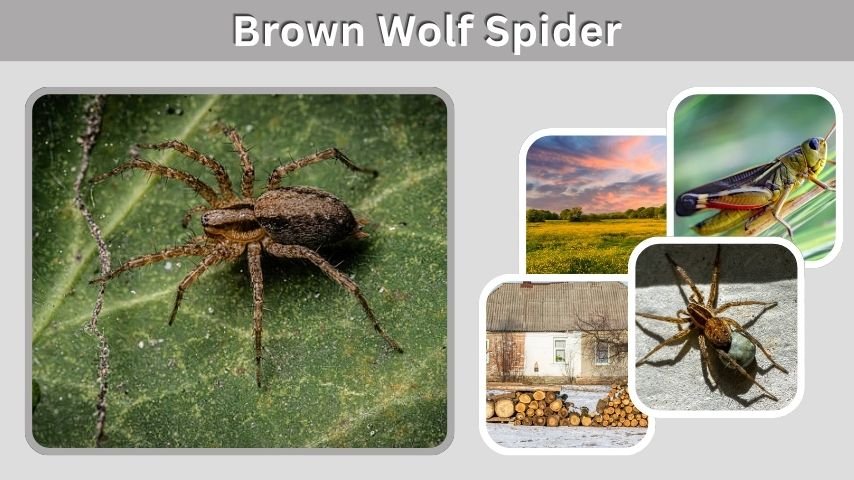
A brown wolf spider is a common ground-dwelling spider often found in gardens, lawns, woodpiles, basements, and sheds. These spiders can look intimidating because they are fast, hairy, and usually brown or gray, but they are not aggressive toward people. This guide explains how to identify a brown wolf spider, where it lives, what it eats, and what to do if you find one indoors.
What Is a Brown Wolf Spider?
A brown wolf spider is not one single species. It is a general name people use for brown-colored spiders in the wolf spider family, Lycosidae. Wolf spiders are active hunters that chase prey instead of catching insects in a web.
Why They Are Called Wolf Spiders
Wolf spiders get their name from their hunting behavior. They do not build sticky webs to trap prey. Instead, they run across the ground, wait in hiding spots, and pounce on insects.
Their speed and hunting style can make them seem scary, but they are helpful predators. They eat many pests, including flies, crickets, ants, beetles, and other small insects.
Are Brown Wolf Spiders Common?
Yes, brown wolf spiders are common in many parts of the world. They often live in grassy areas, under leaves, around rocks, and near building foundations.
People usually notice them when they accidentally enter homes, garages, or basements. They may come inside while searching for food, shelter, or warmer conditions.
Brown Wolf Spider Identification
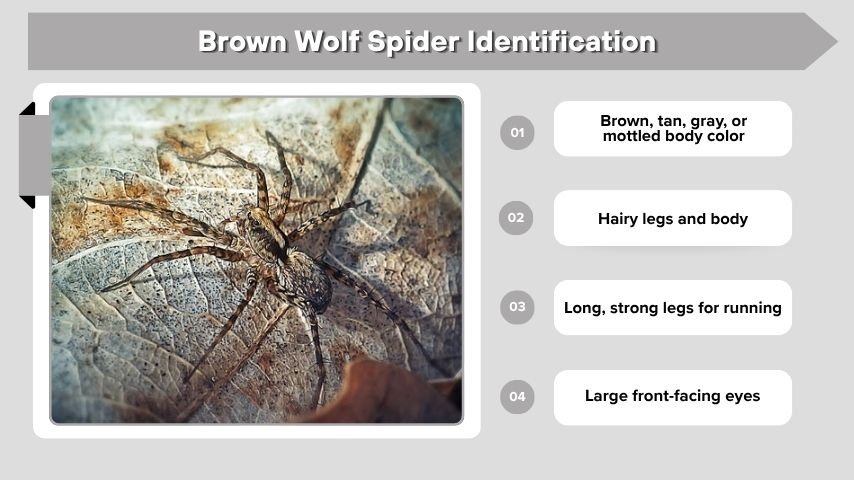
Brown wolf spiders can be confused with other brown spiders, including house spiders and sometimes brown recluse spiders. Careful identification is important before assuming a spider is dangerous.
What Does a Brown Wolf Spider Look Like?
Brown wolf spiders usually have a sturdy body, long legs, and hairy appearance. Their color can range from tan and light brown to dark brown or grayish brown.
Common features include:
- Brown, tan, gray, or mottled body color
- Hairy legs and body
- Long, strong legs for running
- Dark stripes or markings on the body
- Large front-facing eyes
- Robust body shape
- Fast movement on the ground
Wolf spiders are often larger and more athletic-looking than many common house spiders.
Eye Pattern
One of the best ways to identify a wolf spider is by its eyes. Wolf spiders have eight eyes arranged in a distinctive pattern. They have two large eyes that face forward, with smaller eyes above and below.
Their large eyes help them hunt at night. If you shine a flashlight across grass at night, wolf spider eyes may reflect light and appear as tiny shining dots.
Brown Wolf Spider Size
Brown wolf spiders vary in size depending on the species, age, and sex. Some are small, while others can look quite large.
| Feature | Typical Description |
|---|---|
| Color | Brown, tan, gray, or mottled |
| Body shape | Sturdy and hairy |
| Movement | Fast ground runner |
| Web use | Does not use webs to catch prey |
| Common habitat | Grass, leaves, soil, rocks, basements |
| Human risk | Low, but bites can happen if handled |
Brown Wolf Spider vs Brown Recluse
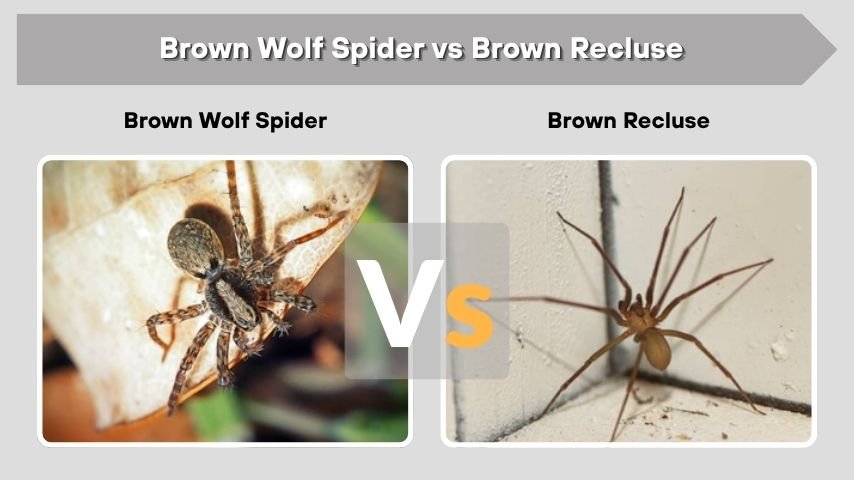
Many people mistake brown wolf spiders for brown recluse spiders. This matters because brown recluse spiders can cause more serious bites, while wolf spiders are usually much less concerning.
Body Shape Differences
Wolf spiders are usually hairier, faster, and more robust. Brown recluse spiders tend to have smoother bodies, thinner legs, and a more uniform brown color.
A brown recluse often has a violin-shaped marking on the top of the body, though markings alone are not always reliable. Wolf spiders commonly have stripes, patterns, or mottled markings instead.
Behavior Differences
Wolf spiders run and hunt in open areas. They may be seen crossing floors, patios, or garden soil.
Brown recluse spiders are more secretive. They prefer dark, undisturbed places such as closets, storage boxes, attics, and hidden corners.
Web Differences
Wolf spiders do not build trapping webs. They hunt prey directly.
Brown recluse spiders may make irregular webs in hidden areas. If you see a brown spider running quickly across the ground, it may be a wolf spider rather than a recluse.
Where Do Brown Wolf Spiders Live?
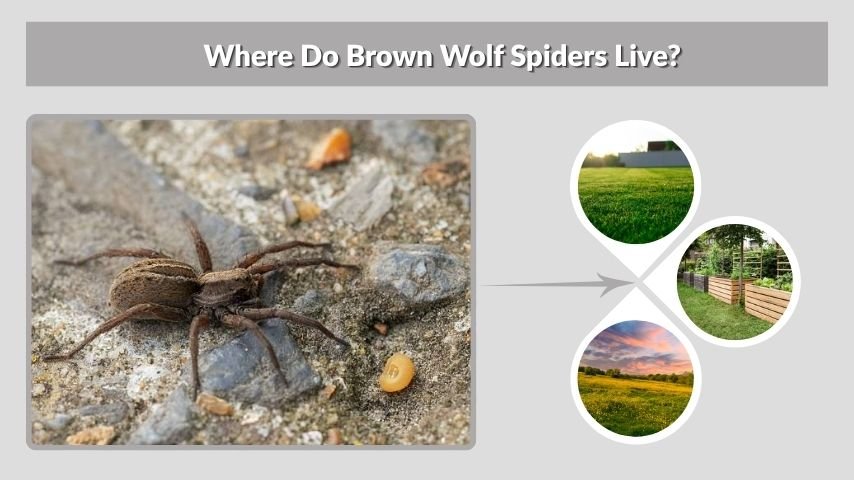
Brown wolf spiders live in places where they can hide during the day and hunt at night. They prefer ground-level habitats with insects to eat.
Outdoor Habitat
Outside, brown wolf spiders are often found in:
- Grass and lawns
- Leaf litter
- Garden beds
- Mulch
- Under stones
- Around logs
- Woodpiles
- Fields and meadows
- Near foundations
- Under outdoor furniture
They are useful in gardens because they help control insect populations naturally.
Indoor Habitat
Brown wolf spiders may enter houses by accident. Indoors, they are commonly found in basements, garages, sheds, laundry rooms, crawl spaces, and dark corners.
They do not usually want to live near people. If they are inside, they may be following insects or looking for shelter.
What Do Brown Wolf Spiders Eat?
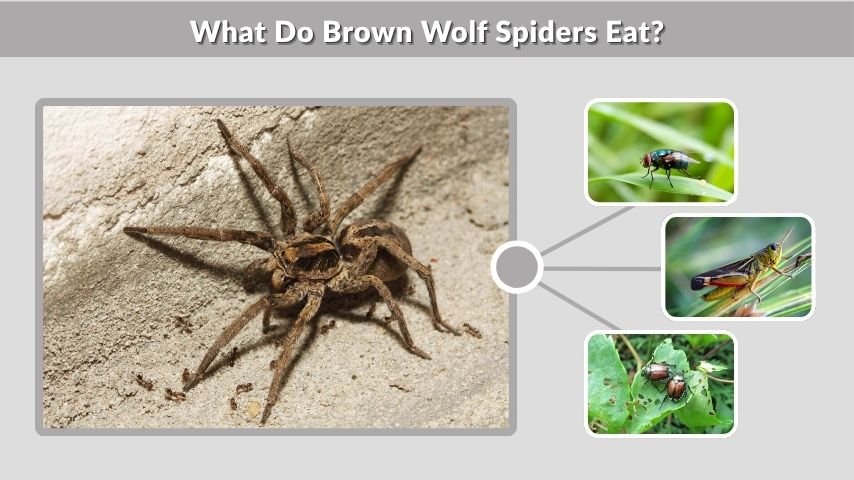
Brown wolf spiders are carnivores. They feed on insects and other small arthropods. Their hunting behavior makes them important natural pest controllers.
Common Prey
Brown wolf spiders may eat:
- Flies
- Crickets
- Grasshoppers
- Ants
- Beetles
- Cockroaches
- Moths
- Small spiders
- Earwigs
- Other small insects
They help reduce pests in gardens, lawns, and sometimes inside homes.
How They Hunt
Wolf spiders rely on speed, eyesight, and ambush tactics. They may wait for prey, chase it down, or pounce suddenly.
Unlike web-building spiders, they do not sit in a web waiting for insects. Their strong legs and sharp senses make them effective hunters.
Are Brown Wolf Spiders Dangerous?
Brown wolf spiders are not considered highly dangerous to humans. They are venomous, like most spiders, but their venom is mainly used to subdue small prey.
Are They Aggressive?
Brown wolf spiders are not aggressive toward people. They usually run away when disturbed. A bite is most likely to happen if the spider is trapped against skin, handled, stepped on, or accidentally pressed.
They do not chase humans, and they do not seek people out.
Brown Wolf Spider Bite
A brown wolf spider bite may cause mild pain, redness, swelling, or itching. Some people may feel a brief sting similar to a bee sting.
Most bites are not serious, but reactions can vary. If symptoms are severe, spreading, infected, or unusual, medical advice is recommended.
What to Do After a Bite
If you think a wolf spider bit you, basic care may help:
- Wash the area with soap and water.
- Apply a cold compress.
- Avoid scratching the bite.
- Keep the area clean.
- Watch for swelling, pain, or signs of infection.
- Seek medical help if symptoms worsen.
Try to identify the spider if it can be done safely, but do not handle it with bare hands.
Brown Wolf Spider Behavior
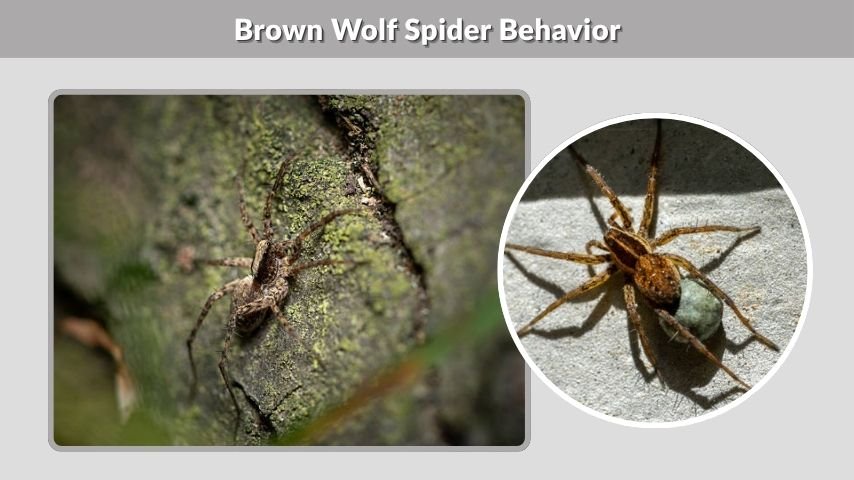
Brown wolf spiders have interesting behaviors that make them different from many other spiders. They are active hunters, protective mothers, and mostly solitary animals.
Night Activity
Many wolf spiders are most active at night. They use their strong eyesight to search for prey in low light.
During the day, they often hide under leaves, rocks, logs, or other shelter. This is why people may suddenly see them when moving outdoor items.
Carrying Egg Sacs
Female wolf spiders are known for carrying egg sacs attached to their spinnerets. The round egg sac may look like a small ball attached to the back of the spider.
This is a key feature of wolf spiders. The mother carries the eggs until they hatch.
Carrying Spiderlings
After the eggs hatch, baby wolf spiders climb onto the mother’s back. She carries them for a short time until they are ready to disperse.
This behavior can surprise people, but it is normal and shows how protective wolf spider mothers are.
Why Are Brown Wolf Spiders in the House?
A brown wolf spider inside the house usually does not mean you have a spider infestation. It may have wandered in accidentally.
Common Reasons They Come Indoors
Wolf spiders may enter homes because of:
- Cold weather
- Hot or dry outdoor conditions
- Insects inside the house
- Open doors or windows
- Gaps under doors
- Cracks in foundations
- Cluttered storage areas
- Outdoor lights attracting insects
If you see several wolf spiders indoors, there may be many insects attracting them.
Do They Reproduce Indoors?
Wolf spiders can survive indoors if food and hiding places are available, but they usually prefer outdoor habitats. They do not create large colonies.
Finding one wolf spider does not mean there are hundreds hidden in the house.
How to Get Rid of Brown Wolf Spiders
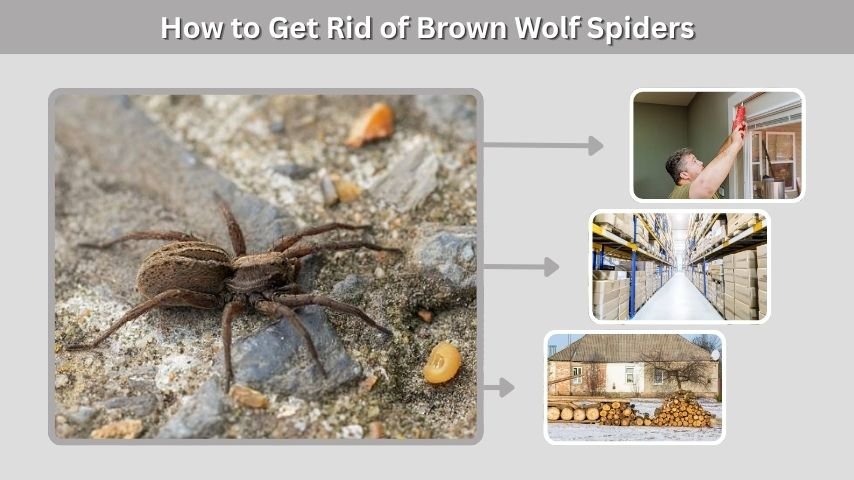
Brown wolf spiders are beneficial outdoors, so killing them is not always necessary. If they are indoors, removal and prevention are usually the best approach.
Safe Removal
To remove a wolf spider, place a cup over it, slide a piece of paper underneath, and release it outside away from doors.
Avoid grabbing the spider with your hands. Even non-aggressive spiders may bite if squeezed or trapped.
Prevention Tips
To reduce brown wolf spiders indoors:
- Seal gaps around doors and windows.
- Install door sweeps.
- Repair window screens.
- Reduce clutter in basements and garages.
- Store boxes off the floor.
- Keep firewood away from the house.
- Vacuum corners and baseboards.
- Reduce indoor insects.
- Turn off unnecessary outdoor lights at night.
The best long-term control is reducing entry points and hiding places.
Benefits of Brown Wolf Spiders
Although many people dislike spiders, brown wolf spiders are helpful predators. They eat pests and support a balanced ecosystem.
Natural Pest Control
Wolf spiders help control insects without chemicals. In gardens, they may reduce pests that damage plants.
Because they hunt on the ground, they can catch insects that web-building spiders may miss.
Part of the Food Chain
Brown wolf spiders are also food for birds, lizards, frogs, small mammals, and other predators. Their role in the food chain makes them important in natural habitats.
FAQs
Are brown wolf spiders poisonous?
Brown wolf spiders are venomous, but they are not considered highly dangerous to humans. Their venom is used to catch insect prey. A bite may cause mild pain, redness, or swelling, but serious reactions are uncommon.
How do I identify a brown wolf spider?
A brown wolf spider usually has a hairy brown or gray body, strong legs, fast movement, and large forward-facing eyes. Many have stripes or mottled markings. They hunt on the ground instead of using webs to trap prey.
Do brown wolf spiders bite?
Yes, brown wolf spiders can bite, but they usually only bite when trapped, handled, or pressed against skin. They are not aggressive and usually run away from people. Most bites cause mild local irritation.
Why do I have brown wolf spiders in my house?
Brown wolf spiders may enter homes while looking for insects, shelter, warmth, or moisture. They often get inside through gaps under doors, cracks, or open windows. Reducing insects and sealing entry points can help prevent them.
Should I kill a brown wolf spider?
You do not need to kill a brown wolf spider if it can be safely removed. Wolf spiders are beneficial because they eat insects. Use a cup and paper to move it outdoors, or prevent entry by sealing gaps and reducing indoor pests.