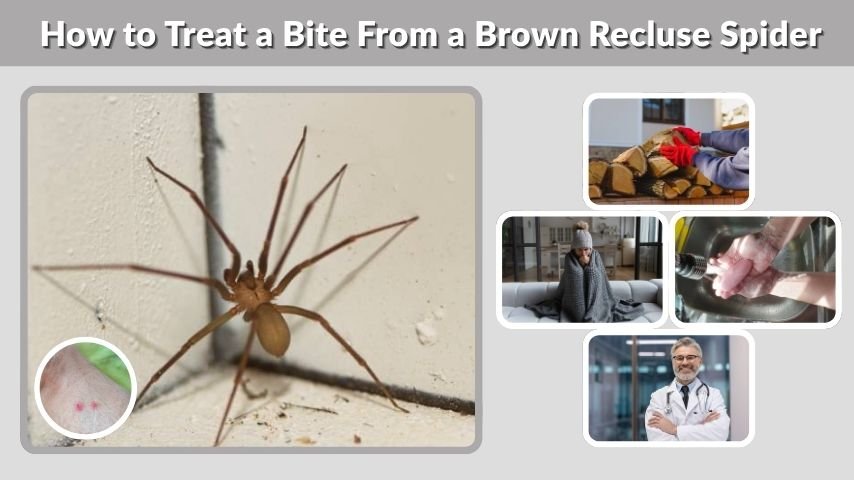
A bite from a brown recluse spider can be mild at first, but it should be watched carefully because symptoms may worsen over several hours or days. The best first steps are to wash the bite, use a cold compress, reduce swelling, avoid scratching, and seek medical care if pain, redness, blistering, or skin damage increases. Most suspected bites are not life-threatening, but proper treatment helps prevent infection and supports safer healing.
What to Do First After a Brown Recluse Bite
The first response should be calm, simple, and safe. Do not cut the wound, squeeze it, or use harsh home remedies. Start with basic wound care and then watch the bite closely for changes.
Immediate First Aid Steps
- Wash the bite area gently with mild soap and water.
- Apply a cold compress or ice pack wrapped in cloth.
- Keep the affected area elevated if possible.
- Avoid scratching, squeezing, or picking at the bite.
- Cover broken skin with a clean bandage.
- Use over-the-counter pain medicine if it is safe for you.
- Contact a doctor if symptoms worsen or the bite changes quickly.
Mayo Clinic recommends cleaning spider bites with soap and water, using antibiotic ointment to help prevent infection, and applying a cool compress for pain and swelling. A recluse bite can take longer to heal than many other spider bites and may leave a scar.
What Not to Do
Do not apply bleach, alcohol, gasoline, heat, or strong chemicals to the bite. Do not try to suck out venom or cut the skin. These actions can damage tissue and increase infection risk.
Also, do not assume every red sore is a brown recluse bite. Many skin infections, allergic reactions, and insect bites can look similar. If the wound is worsening, treat it as a medical issue rather than guessing.
How to Treat Pain, Swelling, and Redness
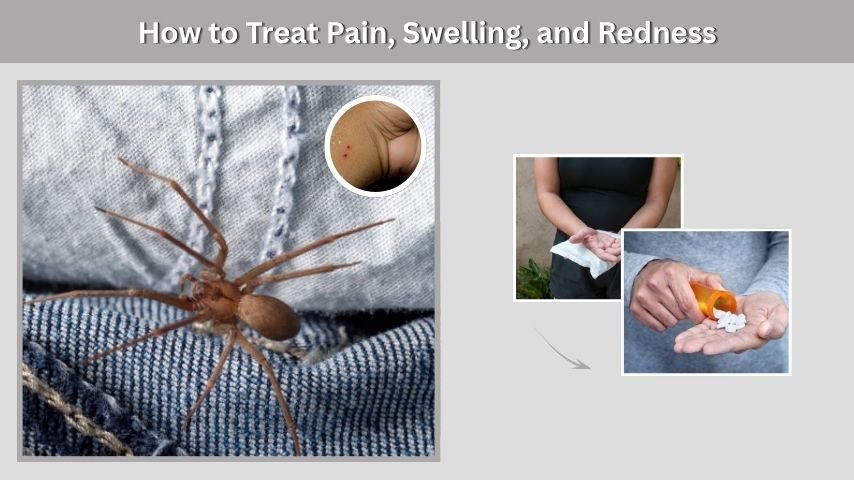
Pain and swelling can develop slowly after a brown recluse bite. Some bites are almost painless at first, while others begin to burn, itch, or sting within a few hours. The goal is to reduce irritation and protect the skin while it heals.
Cold Compress and Elevation
A cold compress can reduce swelling and discomfort. Wrap ice or a cold pack in a cloth and apply it for short periods. Do not place ice directly on the skin because it can cause tissue injury.
If the bite is on an arm or leg, keep it raised when possible. Elevation can help reduce swelling, especially during the first day. Resting the area also helps prevent irritation from movement and friction.
Pain Relief and Itch Control
Over-the-counter pain relievers may help with soreness, but they should be used according to label directions. People with medical conditions, pregnancy, kidney disease, stomach ulcers, blood-thinner use, or medication restrictions should ask a healthcare professional before taking medicine.
Itching can make the wound worse if scratching breaks the skin. A clean covering may help protect the bite. If itching is strong, a pharmacist or doctor can suggest safe options.
When to See a Doctor
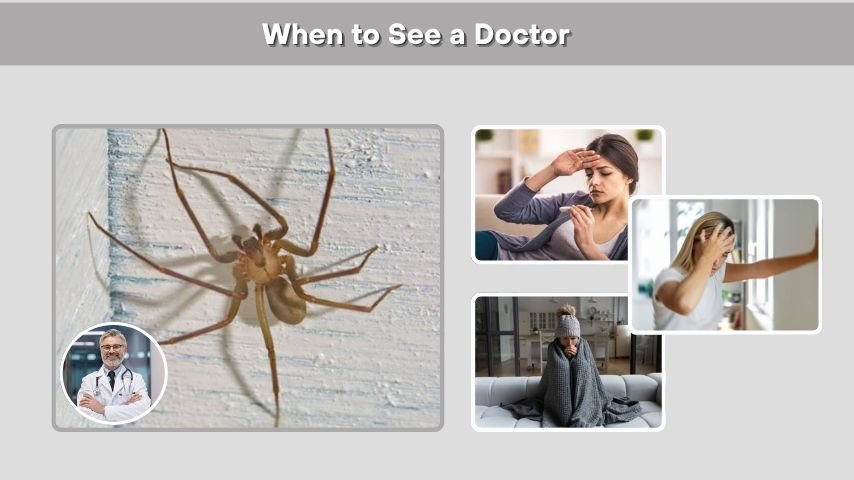
A brown recluse bite should be checked if symptoms are more than mild or if the wound changes quickly. Medical care is especially important for children, older adults, people with weak immune systems, and anyone with diabetes or poor circulation.
Warning Signs That Need Medical Care
- Pain becomes severe or keeps increasing.
- Redness spreads outward from the bite.
- A blister forms or the skin turns blue, purple, or black.
- The bite becomes an open sore.
- Pus, warmth, or red streaks appear.
- Fever, chills, nausea, weakness, or headache develop.
- The bite is on the face, hand, foot, or near the eye.
Mayo Clinic says emergency care is needed for dangerous-spider bites, severe pain, abdominal cramping, a growing wound, or trouble breathing or swallowing. Many skin sores can look like spider bites but may have other causes, such as bacterial infection.
What a Doctor May Do
A doctor may examine the wound, clean it, check for infection, update tetanus protection if needed, and recommend pain control. If infection is present, antibiotics may be used. Antibiotics do not neutralize venom, but they can treat bacterial infection if the skin becomes infected.
Severe wounds may require follow-up visits and wound care. Surgery is usually not the first treatment and may only be considered later if damaged tissue needs professional management.
What to Expect After the Bite
Brown recluse bites can change over time. Some remain small and heal with basic care. Others may blister, darken, or become slow-healing wounds. The bite’s appearance alone does not always prove the spider species.
| Time After Bite | Possible Changes |
| First few hours | Mild redness, burning, itching, or little pain |
| 2–8 hours | Pain, swelling, tenderness, or a blister may develop |
| 1–3 days | Center may look pale, purple, blue, or darker |
| 1–2 weeks | Serious bites may form an ulcer or scab |
| Several weeks | Healing continues; deeper wounds may scar |
Early Symptoms
A brown recluse bite may feel like a small sting, or it may not be noticed at all. Later, the area may itch, burn, swell, or become tender. Some bites develop a pale center with redness around it.
Cleveland Clinic notes that brown recluse bites can cause itching, pain, and wounds, and that proper spider identification helps with symptom management.
Later Symptoms
A more serious bite may develop a blister, dark center, or open wound. MedlinePlus explains that brown recluse venom contains toxic chemicals that can damage skin and blood vessels, sometimes causing tissue death called necrosis.
This does not happen with every bite. Many suspected brown recluse bites heal without major tissue damage. Still, a darkening or expanding wound should be evaluated by a healthcare professional.
Can You Die From a Brown Recluse Spider Bite?
Death from a brown recluse spider bite is rare, but serious illness can happen. Most people recover, especially with proper care and medical attention when needed. The risk is higher in children, older adults, and people with weaker health.
How Dangerous Is the Bite?
A brown recluse bite can be dangerous because the venom may damage tissue and, in rare cases, cause symptoms beyond the skin. A person may feel sick, weak, feverish, nauseated, or achy. Some severe reactions may affect the blood or kidneys.
Cleveland Clinic notes that brown recluse and black widow bites are among the more dangerous spider bites, especially for children and older adults. It also states that fewer than three people die from spider bites each year in the United States.
When It Becomes an Emergency
Seek urgent medical help if the person has trouble breathing, trouble swallowing, fainting, confusion, severe weakness, rapid swelling, severe pain, or a fast-spreading wound. A child with a suspected brown recluse bite should be checked quickly, especially if symptoms are worsening.
A bite that turns black, opens into a sore, drains pus, or comes with fever should not be treated casually at home.
Infection After a Brown Recluse Bite
Infection can occur when bacteria enter damaged skin. This may happen after scratching, picking, poor wound care, or skin breakdown. Sometimes an infection is mistaken for a brown recluse bite from the beginning.
Signs of Infection
- Redness spreads instead of improving.
- The area becomes warm, swollen, and very tender.
- Pus or cloudy drainage appears.
- Red streaks move away from the bite.
- Fever or chills develop.
- The wound smells bad or becomes increasingly painful.
- The skin around the bite becomes tight and shiny.
If these signs appear, medical care is needed. A bacterial infection may require antibiotics or more advanced wound care.
Cellulitis and Staph Concerns
Cellulitis is a skin infection that can look like a spreading red, swollen patch. Staph infections, including MRSA, may also look like spider bites. Because these conditions need specific treatment, a worsening wound should not be ignored.
If no spider was seen, it may be safer to describe the problem as a “worsening skin wound” rather than assuming it is a brown recluse bite.
Recovery and Healing Time
Recovery time depends on how severe the bite is. A mild bite may improve within a few days and heal fully in one to two weeks. A more serious bite may take weeks or months if tissue damage occurs.
Mild Bite Recovery
Mild bites usually stay small and gradually improve. Redness, itching, and soreness may fade with basic care. Keeping the area clean, covered, and protected from scratching helps the skin heal.
If the bite is clearly getting smaller and less painful, that is usually a good sign. Continue to watch it until the skin returns to normal.
Severe Bite Recovery
A severe bite may form a blister, ulcer, or dark scab. These wounds can take much longer to heal and may leave a scar. Medical wound care may be needed to prevent complications and support healing.
Do not remove scabs or dead-looking skin yourself. Let a healthcare professional decide how the wound should be managed.
Can Dogs Die From a Brown Recluse Bite?
Dogs can be bitten by brown recluse spiders, especially if they disturb spiders in garages, basements, sheds, bedding, or outdoor hiding places. Most pets do not die from spider bites, but serious reactions can occur.
Signs in Dogs
A dog may show swelling, pain, licking, redness, a sore, fever, weakness, or unusual behavior. The bite may be hard to find under fur. If the area becomes dark, swollen, or open, a veterinarian should check it.
Small dogs, older dogs, and dogs with health problems may be at higher risk for complications.
When to Call a Vet
Call a veterinarian if you suspect a brown recluse bite, especially if your dog seems sick, weak, painful, or develops a worsening wound. Do not give human medication unless a vet tells you to. Some human pain relievers are dangerous for pets.
How to Prevent Future Brown Recluse Bites
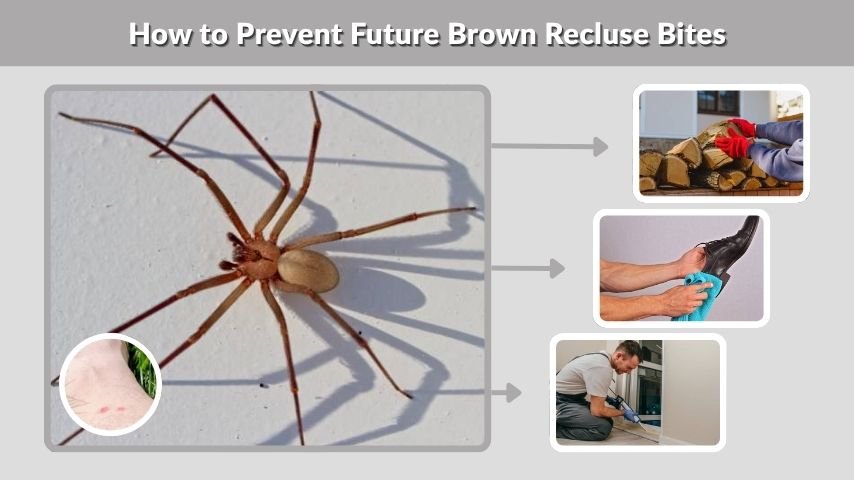
Brown recluse spiders usually bite when they are trapped against skin. Prevention focuses on reducing hiding places and avoiding accidental contact.
Home Prevention Tips
- Shake out shoes, clothing, towels, and bedding before use.
- Wear gloves when moving boxes, firewood, or stored items.
- Keep clothes off the floor in high-risk areas.
- Reduce clutter in closets, garages, basements, and attics.
- Seal cracks around doors, windows, baseboards, and utility openings.
- Use sticky traps to monitor spider activity.
- Call pest control if suspected brown recluses appear repeatedly.
Brown recluse spiders prefer dark, sheltered areas such as storage spaces, woodpiles, and undisturbed corners. Careful cleaning and storage habits reduce the chance of accidental bites.
Safer Storage Habits
Use sealed plastic containers instead of open cardboard boxes when possible. Keep beds slightly away from walls, avoid bed skirts touching the floor, and do not leave shoes under beds in areas where brown recluses are common.
If you live in a brown recluse range, small daily habits can lower the risk of bites more than panic-based control methods.
FAQs
What is the first thing to do after a brown recluse bite?
Wash the bite area gently with soap and water, then apply a cold compress wrapped in cloth. Keep the affected area raised if possible and avoid scratching, squeezing, or cutting the bite. Watch the wound closely for spreading redness, increasing pain, blistering, dark skin, fever, or other worsening symptoms.
Can I treat a brown recluse bite at home?
A mild suspected bite may be managed at home with cleaning, cold compresses, elevation, and careful monitoring. However, home care is not enough if the bite becomes more painful, spreads, forms a blister, turns dark, or opens into a sore. Medical care is also important for children, older adults, or people with health problems.
When should I go to the hospital for a brown recluse bite?
Go to urgent care or the hospital if you have trouble breathing, severe pain, fever, chills, weakness, nausea, a rapidly growing wound, red streaks, pus, or skin turning blue, purple, or black. A bite on the face, near the eye, on the hand, or on a child should also be checked quickly.
Can you die from a brown recluse spider bite?
Death from a brown recluse spider bite is very rare, but serious complications can happen. Some bites may cause tissue damage, infection, fever, or illness beyond the skin. Children, older adults, and people with weak immune systems may face higher risk, so worsening symptoms should always be taken seriously.
How long does a brown recluse bite take to heal?
A mild brown recluse bite may improve within a few days and heal in one to two weeks. A more serious bite can take several weeks or longer, especially if an ulcer, infection, or tissue damage develops. Proper wound care and early medical advice can help reduce scarring and complications.