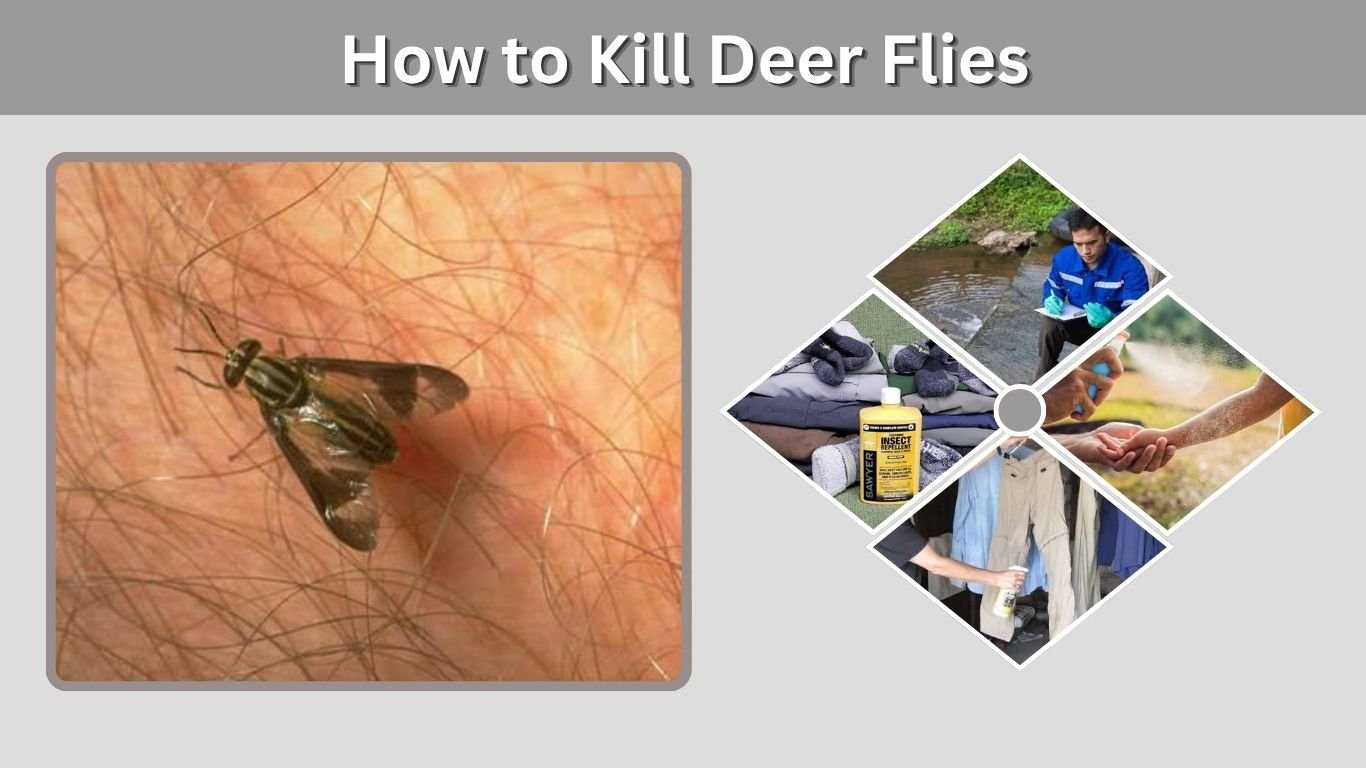
Deer flies are aggressive biting flies that can make yards, farms, trails, and other outdoor areas uncomfortable during warm weather. If you are wondering how to kill deer flies, the most effective approach usually combines traps, personal protection, and targeted outdoor control rather than relying on one spray. Deer flies are strong flyers and often breed in wet or muddy habitats that are difficult to treat directly. Understanding what attracts them and where they reproduce can help you reduce their numbers and prevent painful bites.
What Kills Deer Flies?
Deer flies can be killed with physical traps and appropriately labeled insecticides, but controlling an entire outdoor population is difficult. Adults can travel into your property from surrounding wetlands, woods, ponds, and other breeding areas.
For most homes, reducing the number of flies around people is more realistic than completely eliminating them.
Effective Deer Fly Control Methods
Common options include:
- Deer fly traps
- Sticky traps
- Targeted outdoor insecticides
- Permethrin-treated clothing
- Protective clothing
- Outdoor fans
- Screening
- Reducing suitable breeding conditions where practical
- Removing individual flies with swatters or electric rackets
Traps are especially useful because they can continuously capture adult flies without requiring repeated spraying.
How to Kill Deer Flies Outside
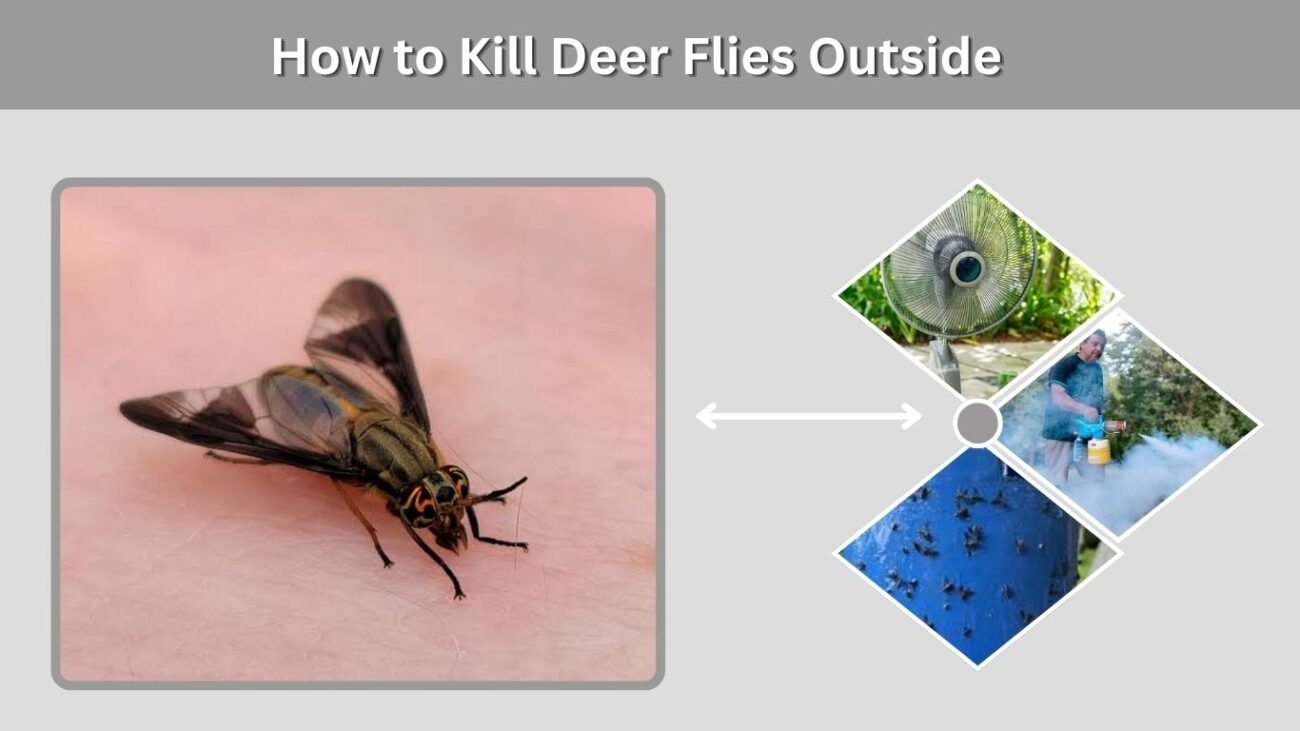
Outdoor deer fly control works best when you concentrate on locations where people spend time. Treating an entire property or surrounding landscape may be impractical because deer flies can fly in from considerable distances.
Use Deer Fly Traps
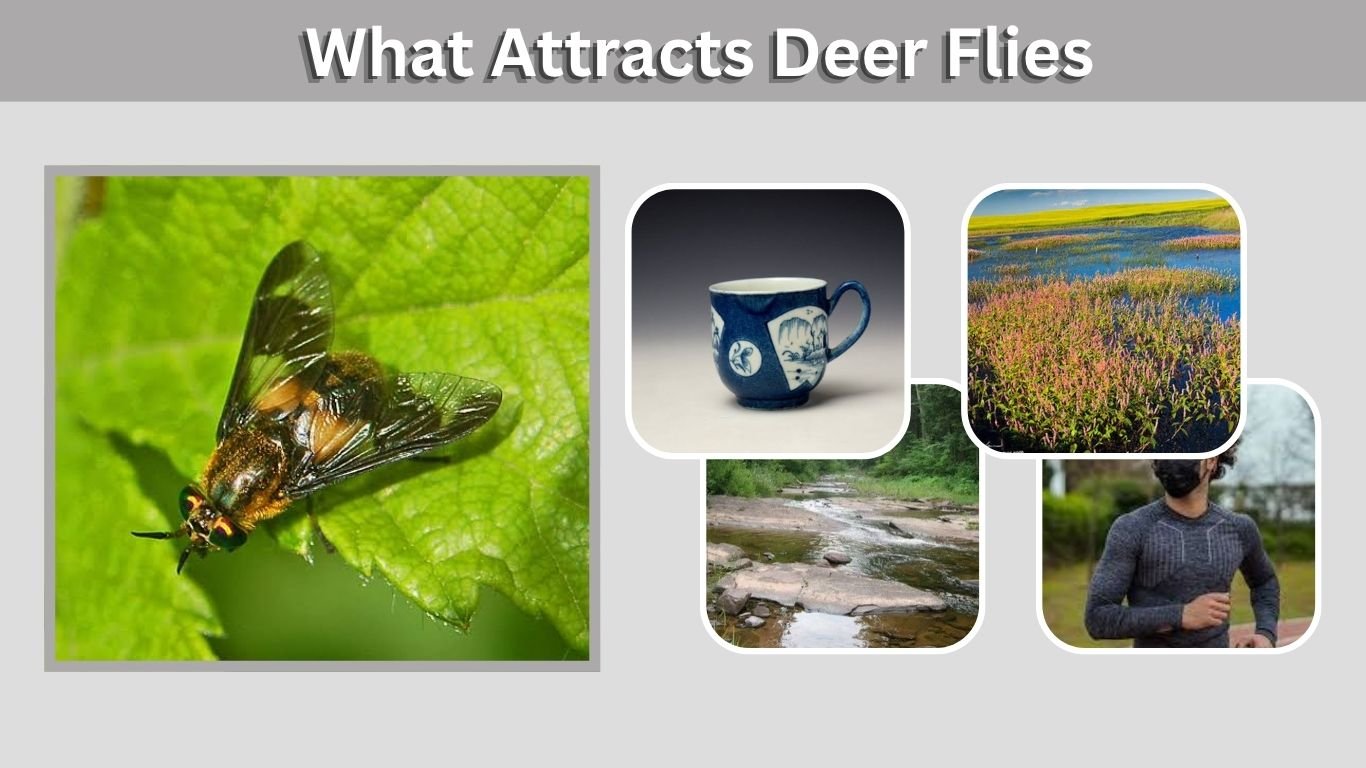
Deer flies are attracted to movement, dark objects, warmth, and other signals associated with potential hosts.
Specialized traps may use:
- Dark moving objects
- Blue or black surfaces
- Sticky coatings
- Large visual targets
- Carbon dioxide in some advanced traps
Sticky traps positioned away from sitting areas can capture flies before they reach people.
Avoid placing attractive traps immediately beside a patio or doorway because they may draw flies toward the area you are trying to protect.
Use Outdoor Fans
Strong airflow can make it difficult for deer flies to approach and land.
A large fan positioned beside a porch, deck, picnic table, or outdoor work area can therefore provide useful localized protection.
Fans do not kill large numbers of flies, but they can considerably reduce contact while people are sitting outside.
Best Way to Kill Deer Flies
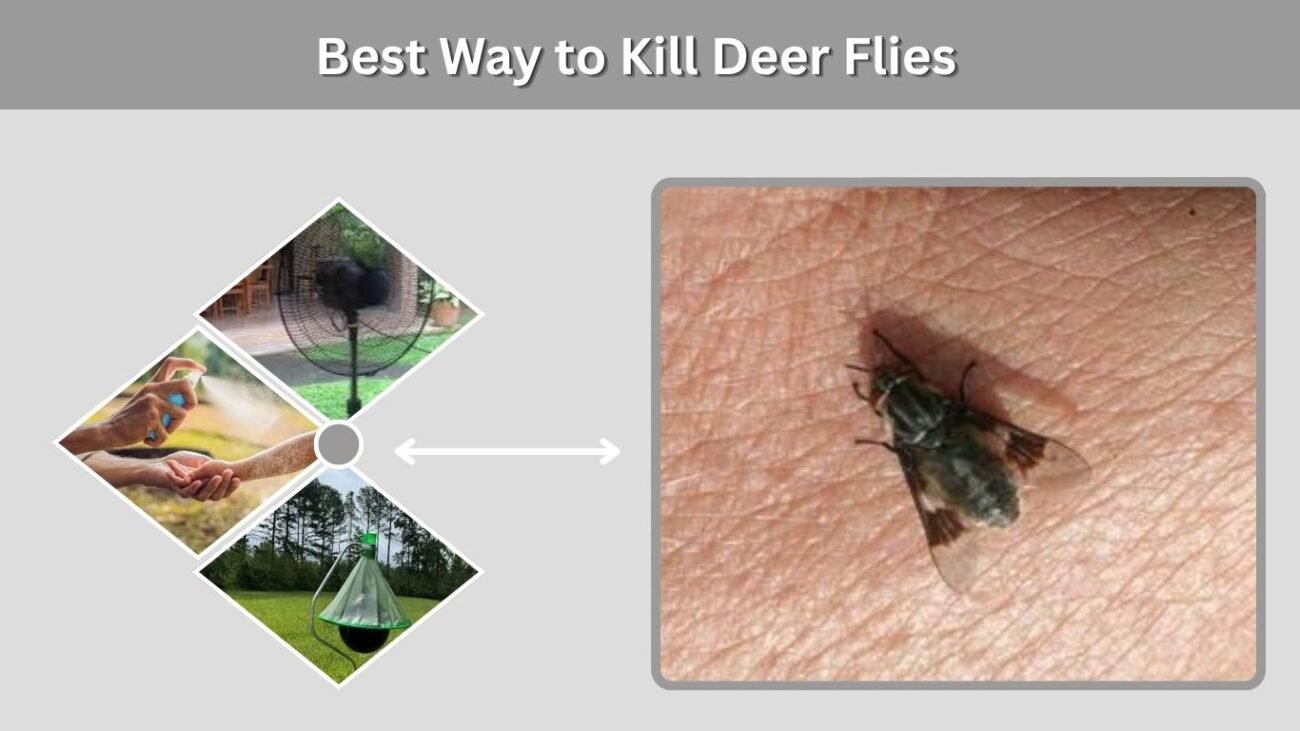
There is no single method that works perfectly everywhere. The best strategy depends on whether you are dealing with a few flies around the house or a large seasonal population near wetlands.
A Practical Control Plan
For a typical property:
- Identify where deer flies are most active.
- Place traps away from frequently used areas.
- Use fans around patios and seating areas.
- Wear protective clothing when populations are high.
- Apply an appropriate personal repellent.
- Use targeted insecticide treatments only when necessary.
- Avoid unnecessary broad spraying.
- Continue trapping throughout peak deer fly season.
This combination targets adult flies while reducing your chances of being bitten.
What Spray Kills Deer Flies?
Some insecticides labeled for outdoor biting-fly control can kill deer flies when the flies contact treated surfaces or spray droplets. However, results are often temporary because new adults can continually enter from surrounding areas.
Always choose a product whose label specifically allows its intended use.
Deer Fly Killer Sprays
Products used for biting-fly management may contain active ingredients from groups such as synthetic pyrethroids.
Depending on the product and label, treatments may be intended for:
- Exterior surfaces
- Barns and livestock areas
- Vegetation
- Outdoor resting areas
- Clothing treatment
Never assume that an agricultural, lawn, livestock, or structural insecticide can automatically be used around people or pets.
Follow all label directions regarding application sites, protective equipment, re-entry periods, and environmental restrictions.
Does Permethrin Kill Deer Flies?
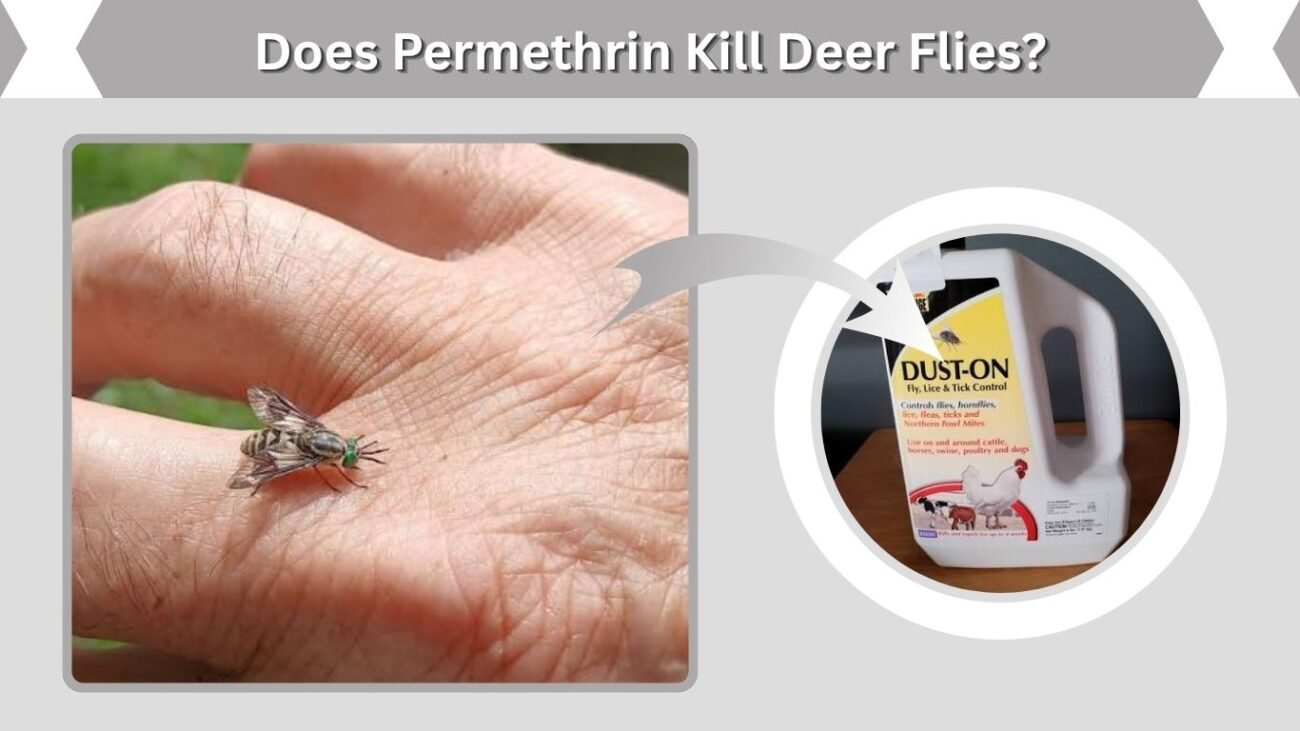
Permethrin can kill or repel various biting insects when used in products specifically labeled for that purpose. For people spending time in deer fly habitat, permethrin-treated clothing can provide an additional layer of protection.
How to Use Permethrin Safely
If using a clothing-treatment product:
- Apply it only as the product label directs.
- Treat clothing or gear rather than bare skin when the label specifies clothing use.
- Allow treated items to dry before wearing.
- Keep wet products away from pets and children.
- Do not apply more frequently than instructed.
Permethrin should not be treated as a substitute for ordinary skin repellents.
For exposed skin, use an insect repellent specifically labeled for direct skin application.
Do Malathion or Bifenthrin Kill Deer Flies?
Some insecticide products containing ingredients such as malathion or bifenthrin may be labeled for certain fly-control situations. Whether a particular product can legally and effectively be used for deer flies depends on its exact formulation and label.
Why Chemical Control Has Limitations
Outdoor spraying can be disappointing because:
- Deer flies are highly mobile.
- New flies can arrive after treatment.
- Adults may not rest long on treated surfaces.
- Breeding areas may extend beyond your property.
- Broad-spectrum insecticides may also kill beneficial insects.
Chemical treatments therefore work better as one part of a broader management plan rather than as the only control method.
Do Bug Zappers Kill Deer Flies?
A bug zapper may occasionally kill a deer fly that enters it, but conventional UV bug zappers are generally not the best method for controlling deer flies.
These flies locate hosts largely through visual cues, movement, body heat, carbon dioxide, and other signals rather than simply flying toward ultraviolet lights.
Better Alternatives to Bug Zappers
For deer flies, consider:
- Visual deer fly traps
- Sticky traps
- Protective clothing
- Fans
- Repellents
- Targeted insecticide treatment
Another disadvantage of general-purpose bug zappers is that they may kill many harmless or beneficial insects while doing little to reduce the biting flies bothering you.
How to Attract and Kill Deer Flies
A trap works by taking advantage of the deer fly’s host-seeking behavior.
Dark or moving objects are often highly noticeable to these flies, especially against a bright background.
Simple Deer Fly Trap Strategy
You can use commercially produced traps or traps designed around:
- Blue or dark-colored targets
- Sticky surfaces
- Movement
- Heat or visual contrast
Place traps where flies commonly patrol but a reasonable distance from doors, patios, and play areas.
Regularly inspect sticky traps and replace them when they become covered with insects, dust, or debris.
How to Kill Deer Flies Naturally
If you want to minimize insecticide use, focus on trapping, barriers, and avoiding exposure.
Natural control is unlikely to eliminate all deer flies, particularly if you live near productive breeding habitat.
Non-Chemical Methods
Try:
- Sticky deer fly traps
- Outdoor fans
- Long sleeves
- Long pants
- Light-colored clothing
- Fine-mesh screens
- Avoiding peak activity areas
- Keeping doors and windows screened
- Clearing unnecessary dense vegetation around heavily used spaces
Some plant-based repellents may provide temporary protection, but their effectiveness and duration can vary substantially.
Do not depend exclusively on homemade essential-oil mixtures in areas where biting flies are abundant.
How to Kill Deer Fly Larvae
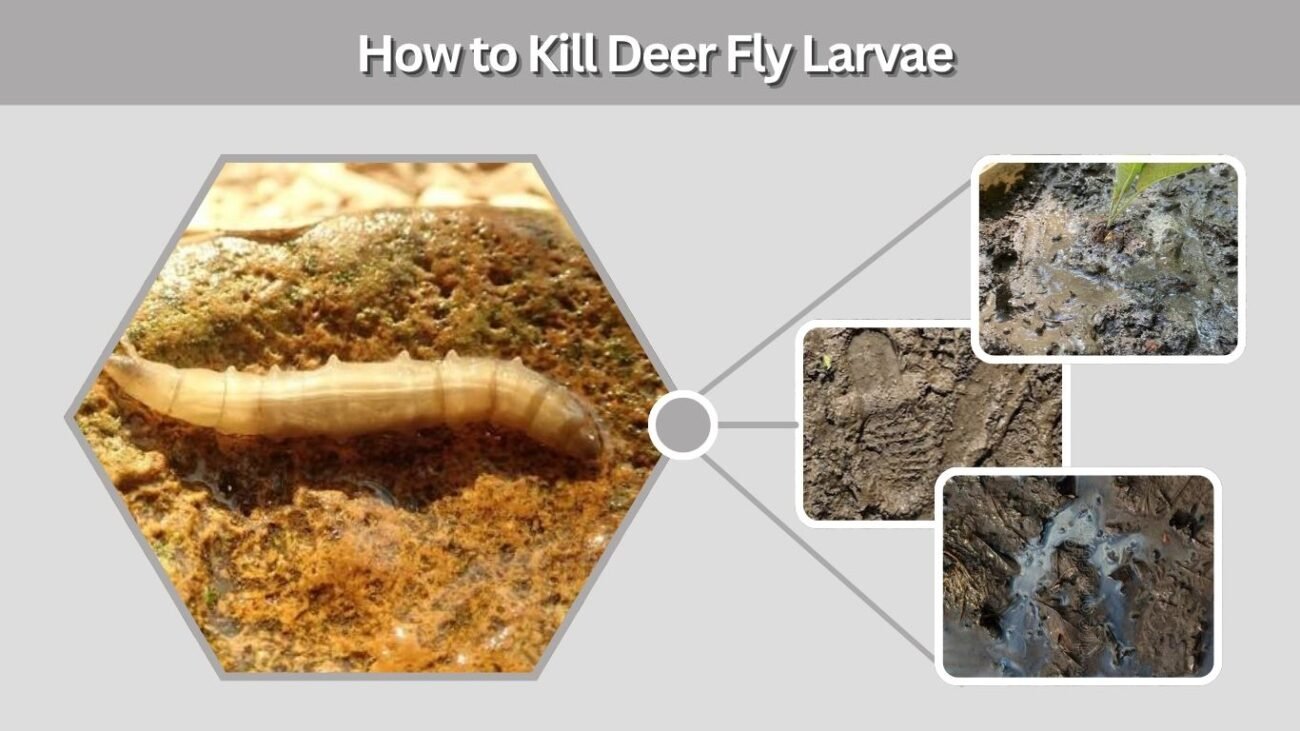
Controlling deer fly larvae is considerably more difficult than killing adults.
Deer fly larvae usually develop in wet or semi-aquatic environments such as muddy soil, marshes, pond edges, wetland vegetation, and saturated organic material.
Why Larval Control Is Difficult
Trying to treat larvae can cause problems because:
- Larvae may be spread over a large area.
- They can live below the surface.
- Breeding areas may be wetlands.
- Treatments can harm aquatic organisms.
- The breeding site may not be on your property.
For homeowners, adult trapping and bite prevention are generally much more practical than attempting widespread larval treatment.
Do not apply pesticides directly to ponds, streams, wetlands, or drainage areas unless the product specifically permits that use.
How to Keep Deer Flies From Biting You
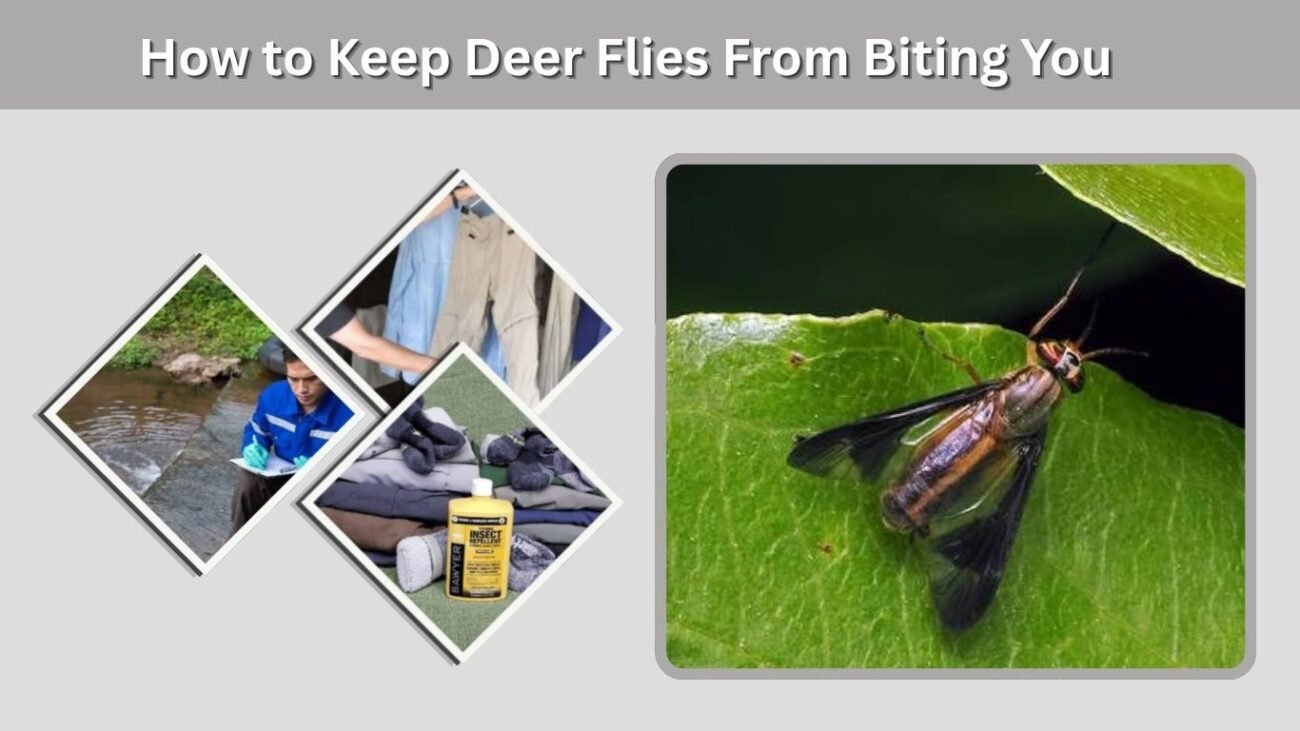
Killing every deer fly outdoors is rarely possible, so personal protection remains extremely important during peak season.
Deer Fly Bite Prevention
When deer flies are active:
- Wear long sleeves and pants.
- Choose lighter-colored clothing.
- Wear a hat.
- Use an appropriate insect repellent.
- Treat clothing with an approved permethrin product if desired.
- Avoid heavily infested wetland areas when possible.
- Use screens around porches and buildings.
- Keep moving if flies begin circling your head.
Deer flies frequently target exposed areas around the head, shoulders, arms, and legs.
Deer Fly vs Horse Fly Control
Deer flies and horse flies belong to the same family and share several behaviors, so similar management strategies can work for both.
| Control Method | Deer Flies | Horse Flies |
| Visual traps | Effective | Effective |
| Sticky traps | Useful | Useful |
| Outdoor fans | Helpful | Helpful |
| Repellents | Helpful | Helpful |
| Protective clothing | Helpful | Helpful |
| Bug zappers | Limited | Limited |
| Broad outdoor spraying | Temporary | Temporary |
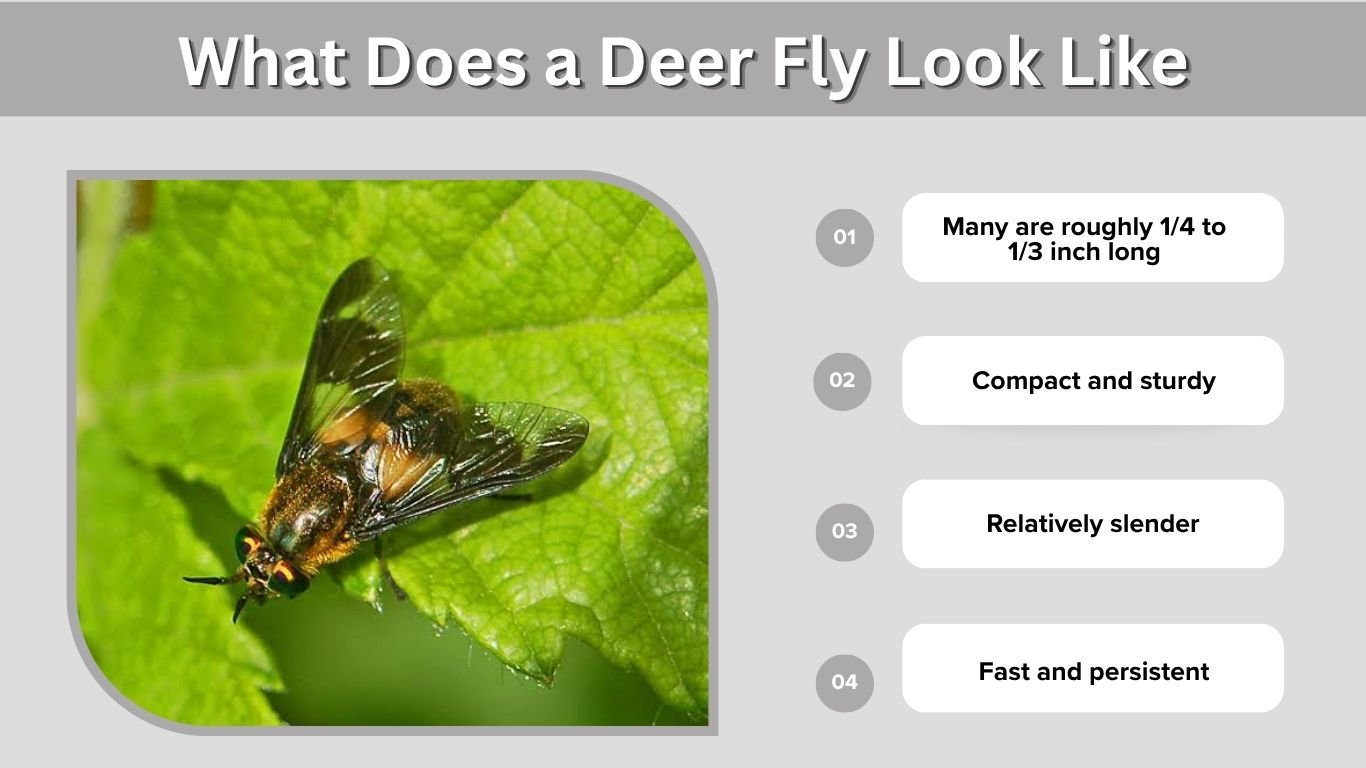
Horse flies are generally larger, while many deer flies have patterned wings and brightly colored eyes.
Can Deer Fly Bites Kill You?
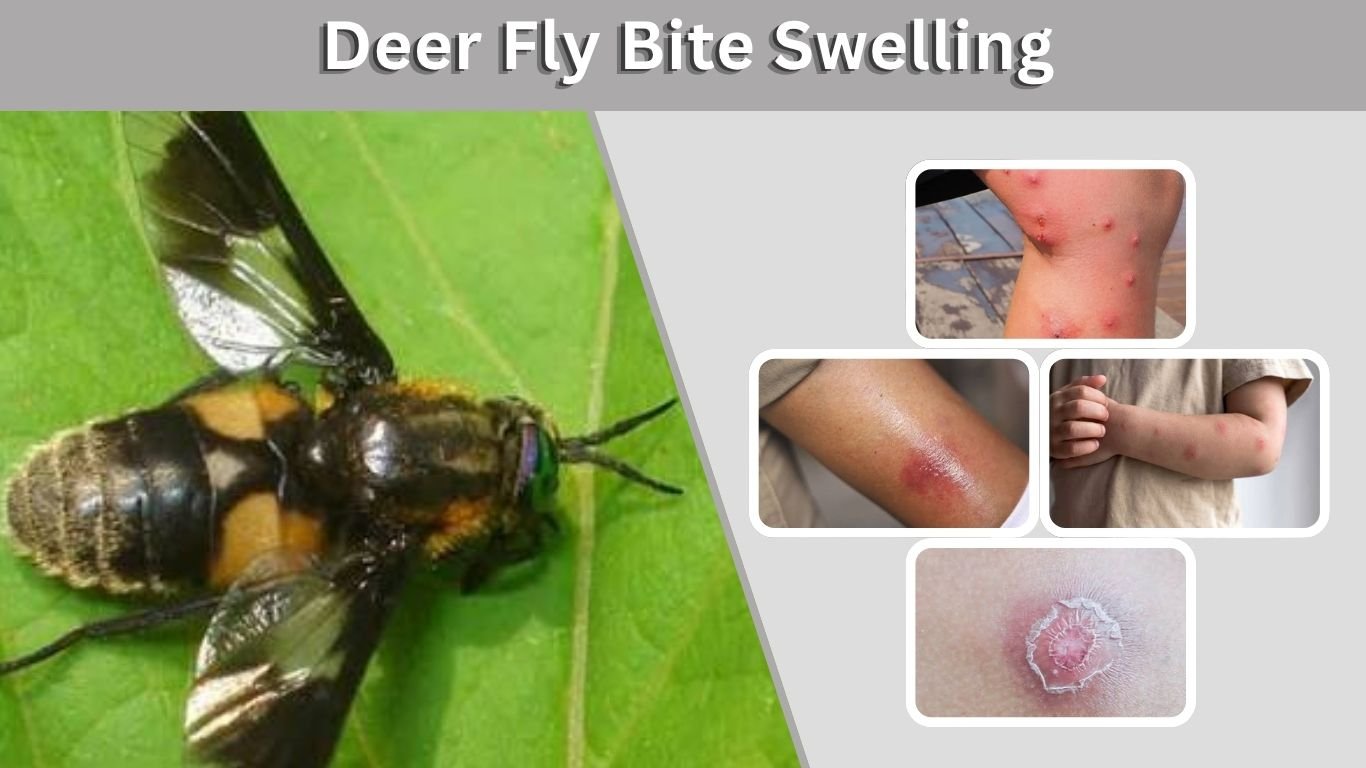
A typical deer fly bite is painful but is not normally life-threatening. Female deer flies cut the skin and feed on blood, often leaving redness, swelling, itching, and soreness.
Serious problems are uncommon, although unusually severe allergic reactions or infection of a scratched bite can require medical care.
Seek urgent medical attention if a bite is followed by difficulty breathing, severe facial or throat swelling, faintness, or another serious reaction.
FAQs
What Is the Best Way to Kill Deer Flies?
Using deer fly traps around high-activity areas is one of the most practical approaches. Combine traps with fans, protective clothing, repellents, and targeted insecticide treatment where appropriate. Completely eliminating deer flies outdoors is usually difficult because adults can fly in from nearby breeding habitats.
What Spray Will Kill Deer Flies?
Certain appropriately labeled outdoor insecticides can kill deer flies on contact or after they land on treated surfaces. Always check that the exact product is approved for the intended location and pest, and follow its application and safety instructions carefully.
Does Permethrin Kill Deer Flies?
Permethrin can affect deer flies when used in properly labeled products. Permethrin-treated clothing may also help protect people from biting insects. Products intended only for clothing should never be applied directly to skin.
Do Bug Zappers Kill Deer Flies?
Bug zappers might kill occasional deer flies but are generally not an efficient control method. Deer flies rely heavily on movement, visual contrast, heat, and host-related signals. Specialized visual or sticky traps are usually more useful.
How Do You Kill Deer Flies Naturally?
Use visual sticky traps, outdoor fans, protective clothing, screens, and avoidance of heavily infested areas. These methods can reduce encounters without relying heavily on pesticides, although they may not eliminate a large deer fly population completely.