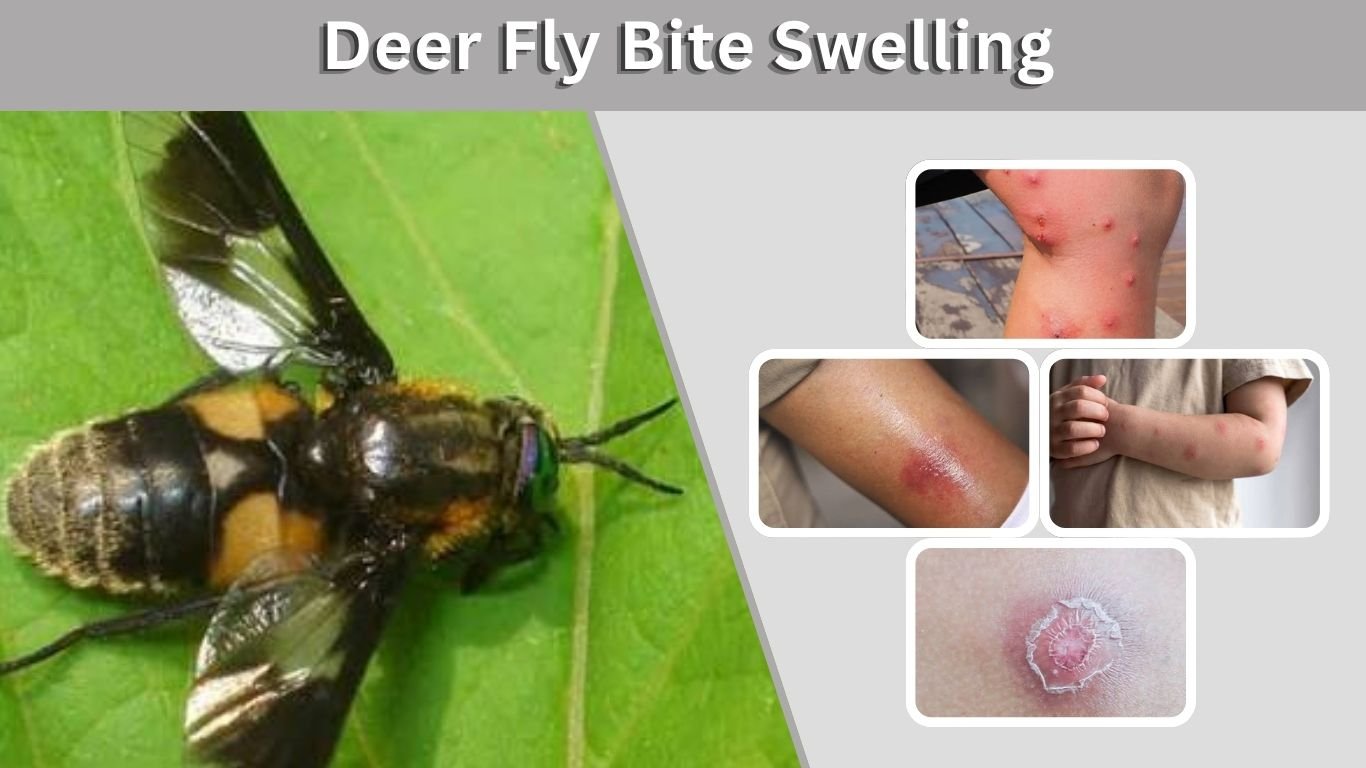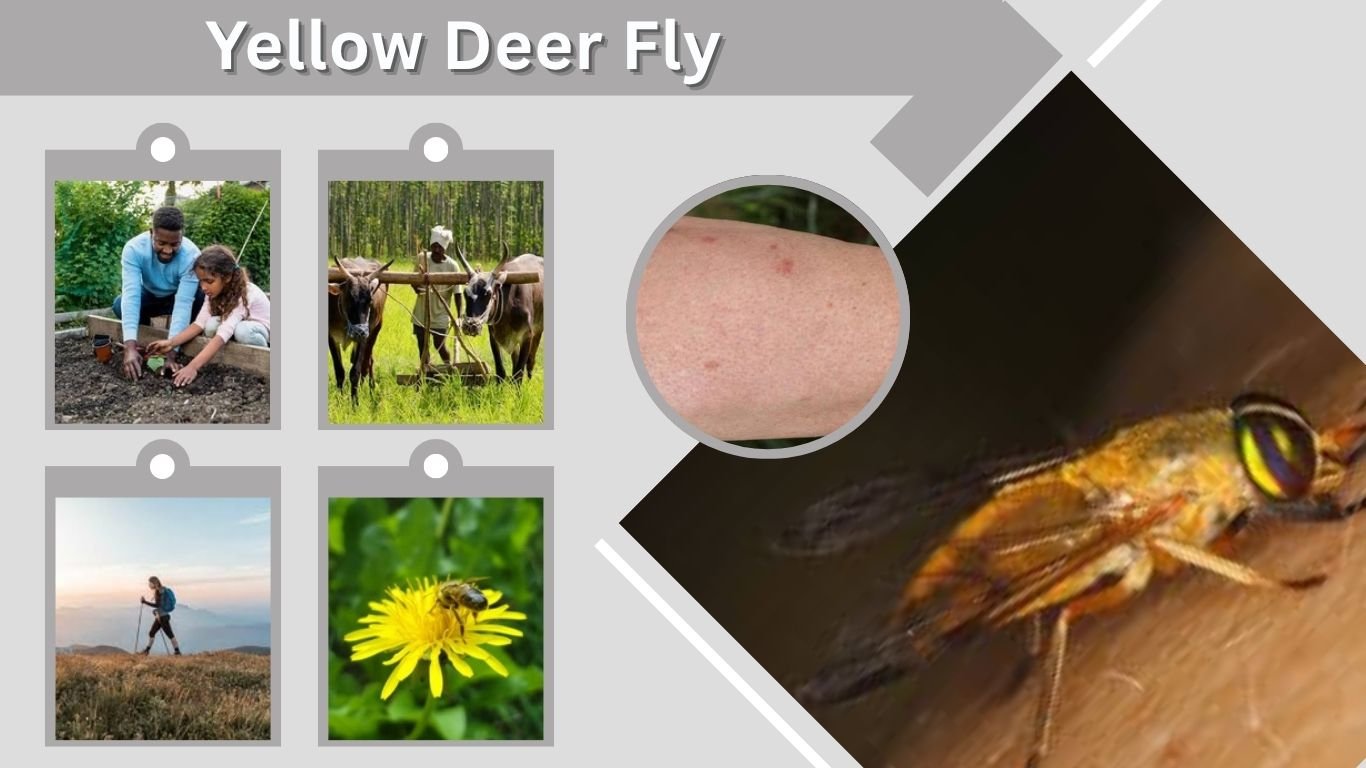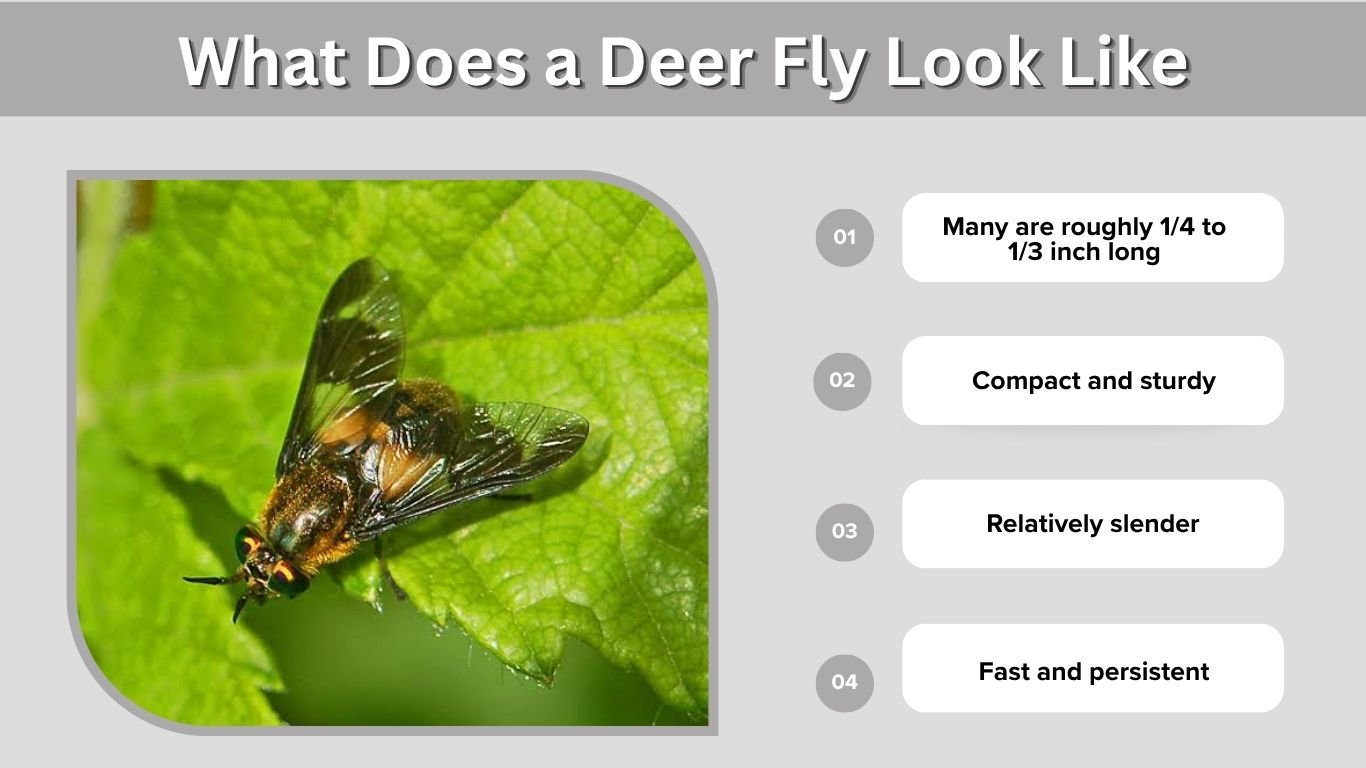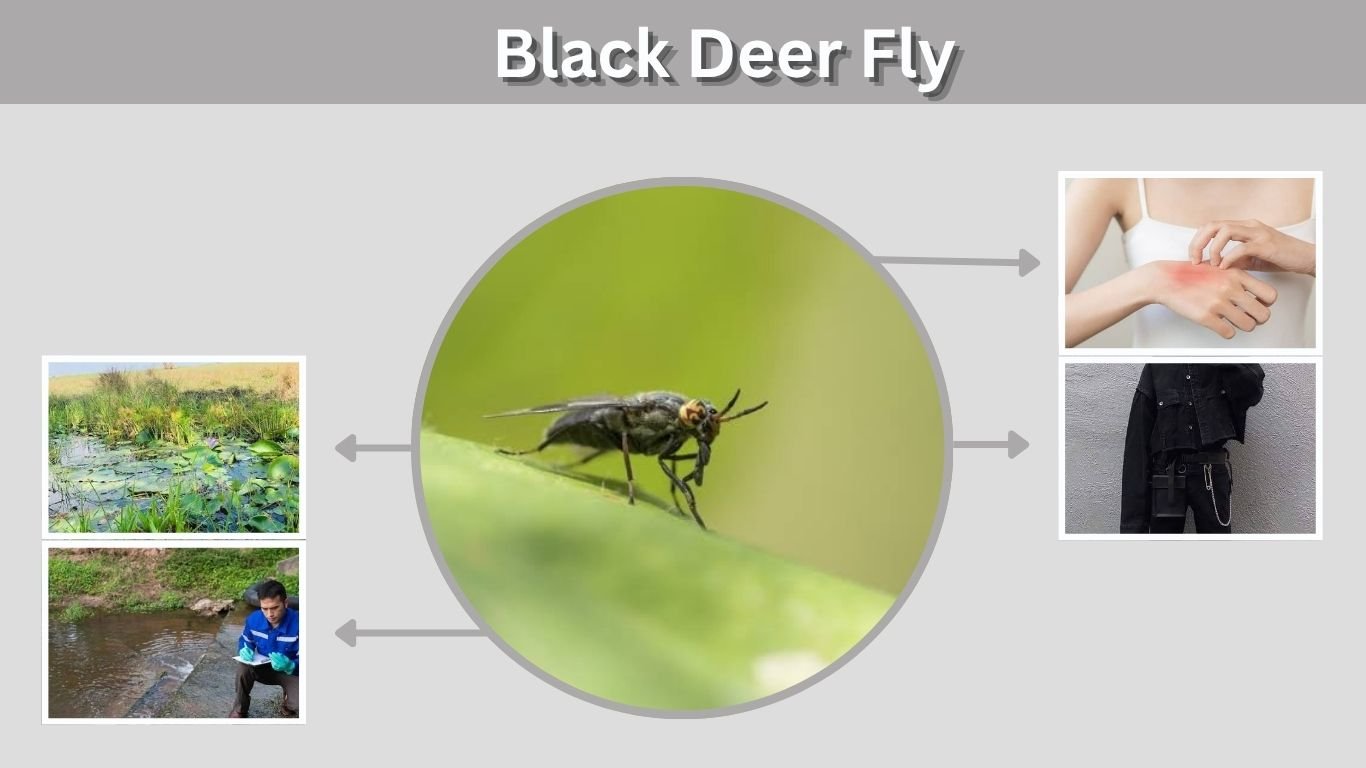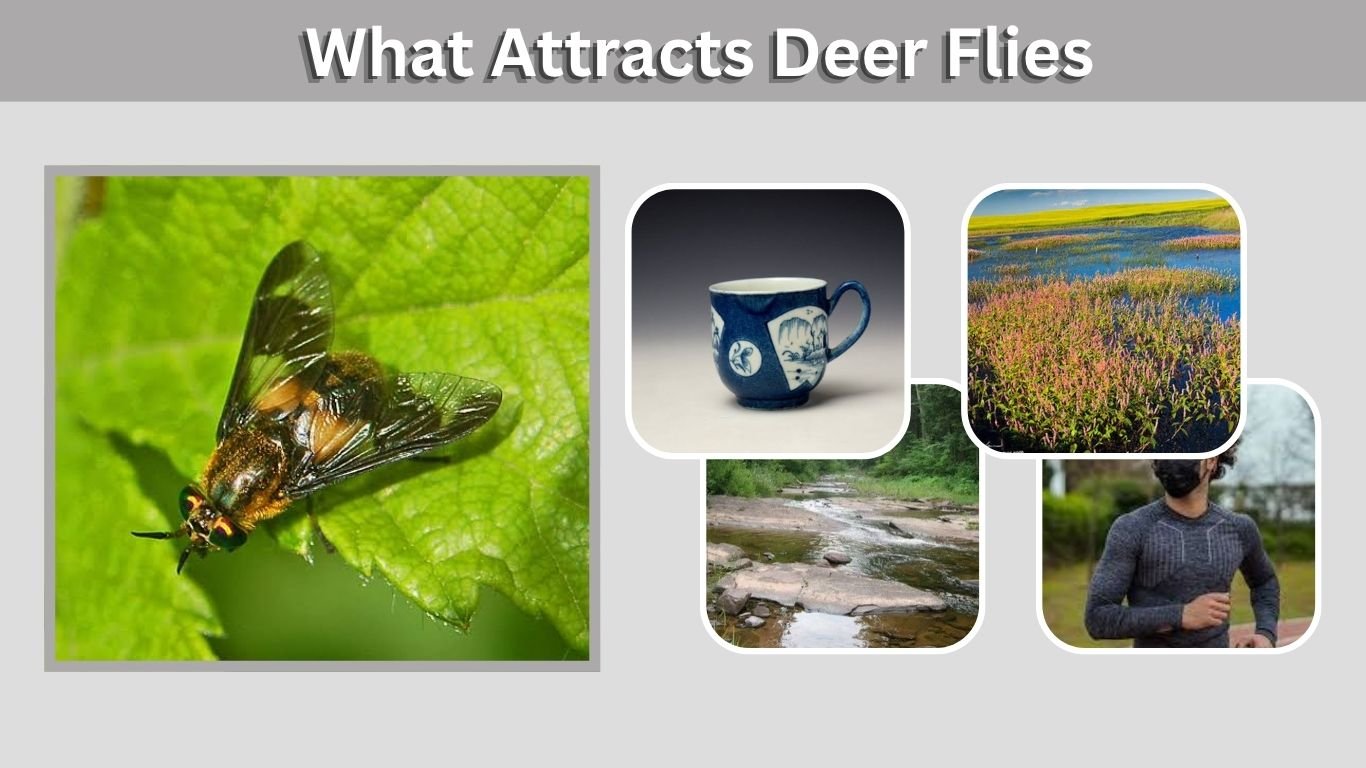
Deer flies can quickly turn an outdoor walk, gardening session, or day near the water into an uncomfortable experience. These persistent biting flies locate hosts through a combination of movement, visual contrast, carbon dioxide, warmth, and other cues associated with animals and people. Certain colors, especially dark shades and blue, can also make a potential host or trap more noticeable. Understanding what attracts deer flies can explain why they repeatedly circle some people and help you make your yard, clothing, and outdoor activities less appealing to them.
What Attracts Deer Flies?
Deer flies are blood-feeding flies in the family Tabanidae. Only females require blood meals, which provide nutrients needed for egg development. To locate a suitable host, they rely heavily on visual and environmental signals rather than just one attraction. Moving animals and people are especially noticeable to these fast, persistent flies.
Main Things That Attract Deer Flies
Deer flies may respond strongly to:
- Movement
- Carbon dioxide from breathing
- Body heat
- Dark-colored objects
- Blue-colored objects
- Large moving shapes
- Animals and people
- Warm outdoor conditions
- Moist habitats nearby
- Visual contrast against the surroundings
Several of these signals occurring together can make a person particularly noticeable.
Why Movement Attracts Deer Flies
Movement is one of the strongest visual cues used by deer flies while searching for hosts. A walking person, running animal, moving vehicle, or swinging object can become highly noticeable.
This helps explain why deer flies often begin circling hikers, runners, cyclists, and people working outdoors. Remaining completely motionless is not a practical control method, but understanding their response to movement explains why moving traps can be effective.
Are Deer Flies Attracted to Carbon Dioxide?
Carbon dioxide can help blood-feeding insects locate living animals. People and mammals release carbon dioxide every time they breathe.
Deer flies can combine this chemical information with movement, warmth, size, and visual contrast. Carbon dioxide alone does not explain every attack, but it contributes to the collection of host signals these insects use.
What Colors Are Deer Flies Attracted To?
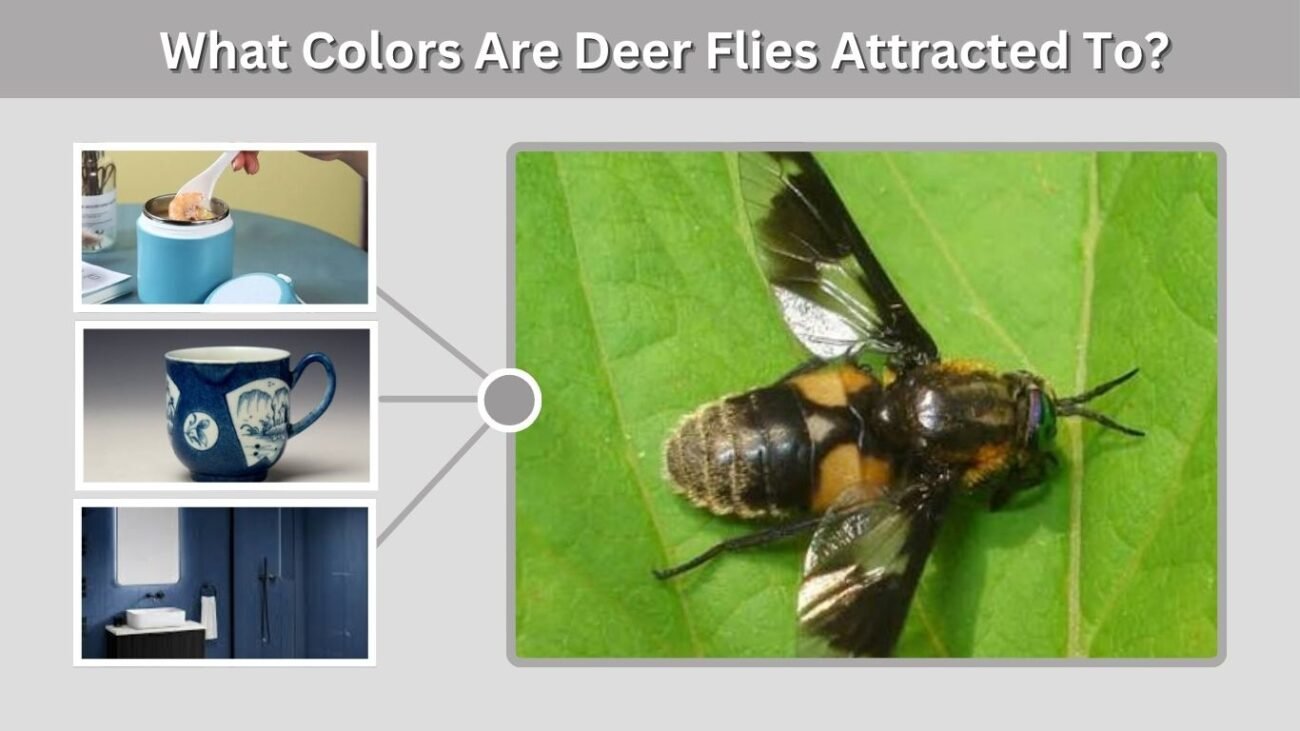
Color plays an important role in how deer flies visually identify possible hosts. Research and trapping methods involving tabanid flies frequently use dark or blue objects because these can attract the insects. Contrast also matters, meaning an object that stands out strongly from its surroundings may receive greater attention.
Are Deer Flies Attracted to Blue?
Yes, blue can be attractive to deer flies and related horse flies. This is why blue containers, panels, cups, and other blue-colored components are sometimes incorporated into fly traps.
Blue alone does not guarantee that deer flies will approach. A moving blue object can be particularly effective because it combines color with another important host-seeking signal.
Are Deer Flies Attracted to Black?
Dark colors, including black, can also attract deer flies. Dark objects absorb heat and create strong visual contrast, potentially making them resemble large animal hosts.
Wearing black or very dark clothing may therefore make a person more visually noticeable in areas with heavy deer fly activity.
Colors That May Attract Deer Flies
Colors and visual characteristics associated with greater attraction can include:
- Blue
- Black
- Dark navy
- Other very dark shades
- Strongly contrasting objects
- Large solid-colored moving objects
Choosing lighter clothing may help reduce visual attraction, although it cannot completely prevent deer fly bites.
What Attracts Deer Flies to Humans?
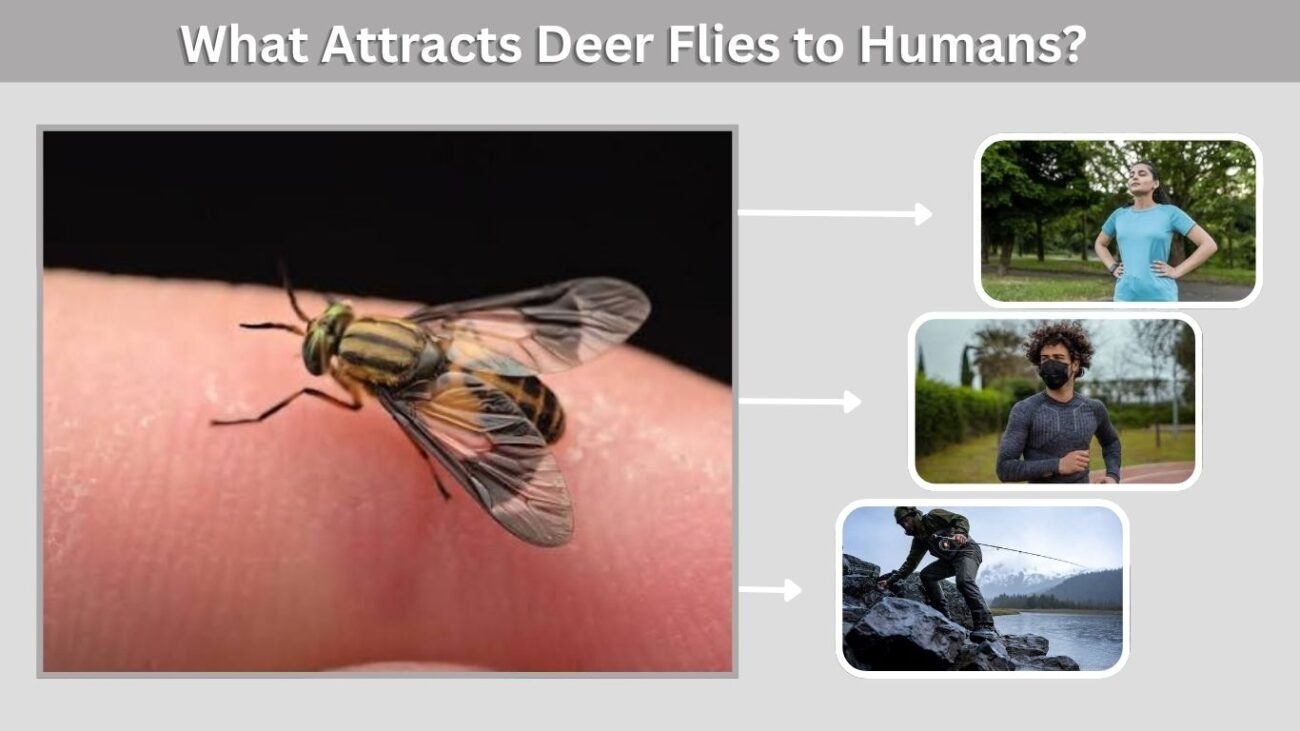
Humans produce many of the same signals deer flies use to find wildlife. We breathe out carbon dioxide, generate body heat, move through the environment, and create large visual silhouettes. These combined signals can make people easy targets, particularly during warm weather when female deer flies are active.
Why Are Deer Flies Attracted to Me?
A deer fly repeatedly following you does not necessarily mean there is something unusual about your body.
It may be responding to several ordinary cues at once. You may be moving, wearing dark clothing, breathing heavily during exercise, or producing a strong visual contrast against nearby vegetation.
People hiking or exercising can be particularly noticeable because they combine continuous movement with increased breathing and body heat.
Body Heat and Odor
Heat can provide an additional indication that a nearby object is a living animal.
Body odors and other chemical cues may also contribute to host selection. However, deer flies are especially visually oriented, making movement, shape, and contrast particularly important compared with some other biting insects.
Why Deer Flies Circle Your Head
Deer flies frequently circle around the upper body and head before landing.
Your head is elevated, continuously moving, warm, and associated with exhaled carbon dioxide. Hair can also create a dark visual target. The fly may repeatedly circle while deciding where to land.
What Attracts Deer Flies to Your Yard?
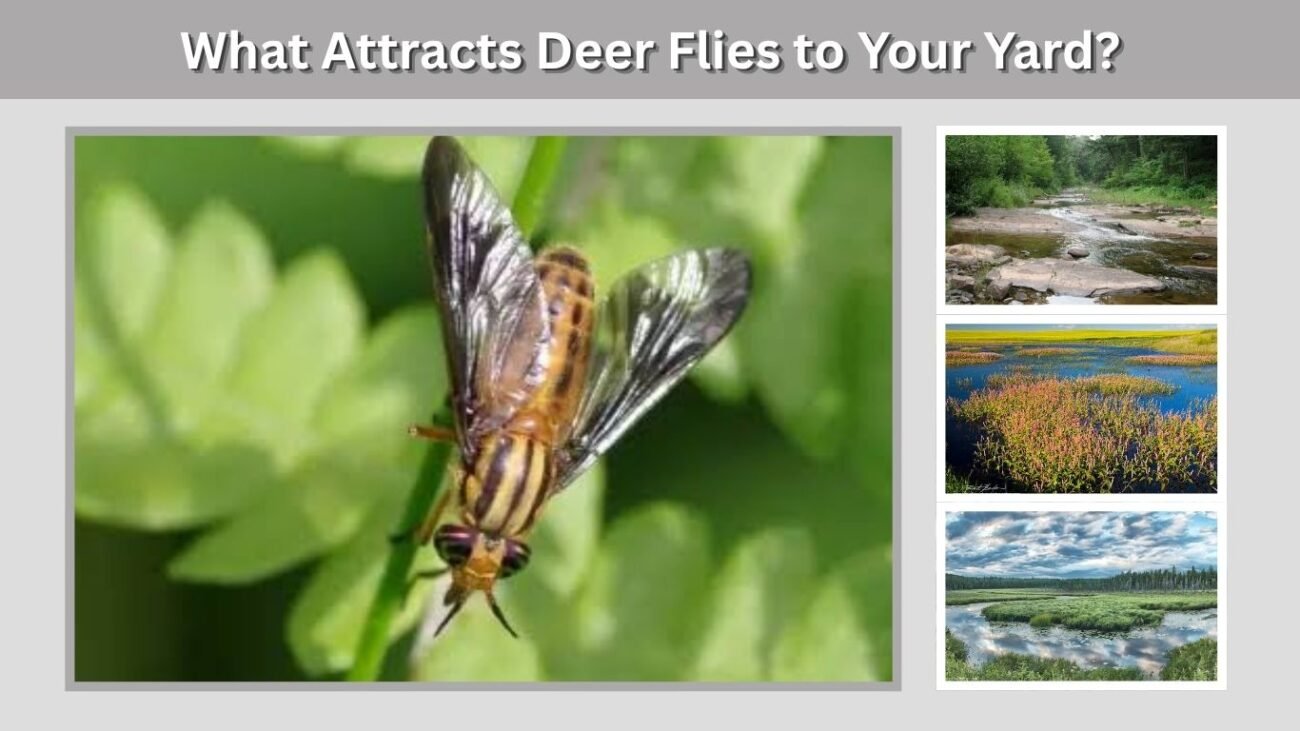
Having deer flies in a yard does not necessarily mean something on the property is specifically attracting them. Their immature stages develop in wet or damp environments, so homes located near wetlands, marshes, ponds, streams, or damp woodland can experience much greater activity.
Yard Conditions Associated With Deer Flies
Deer flies are often more noticeable around properties near:
- Wetlands
- Marshes
- Ponds
- Streams
- Lakes
- Damp woodland
- Muddy areas
- Moist soil
- Dense vegetation
- Areas with abundant wildlife
Adults can fly some distance from their breeding habitat while looking for animals on which to feed.
Does Standing Water Attract Deer Flies?
Deer flies are connected to wet environments, but their breeding requirements are different from those of mosquitoes.
Their larvae generally develop in damp soil, muddy edges, marshes, or aquatic and semi-aquatic habitats rather than simply reproducing in a small bucket of standing water. Removing unnecessary standing water is still good pest management, but it may not eliminate nearby deer flies.
Do Animals Attract Deer Flies?
Yes. Deer, livestock, horses, pets, and other mammals can provide blood meals for female deer flies.
Properties near livestock or abundant wildlife may consequently offer more feeding opportunities. Deer flies can move between animal hosts and people while searching for blood.
Are Deer Flies Attracted to Light?
Deer flies are primarily daytime insects that locate hosts largely through visual movement, contrast, carbon dioxide, and related signals. Their attraction to artificial lights is not as dependable as that of many moths, mosquitoes, or night-flying insects.
Do Bug Zappers Attract Deer Flies?
Standard UV bug zappers are generally not the most reliable method for controlling deer flies.
Deer flies search for hosts differently from insects that strongly approach ultraviolet lamps. A zapper may kill occasional flies, but it does not necessarily reproduce the combination of movement, color, warmth, and host signals that deer flies actively seek.
Why Visual Traps Work Differently
Successful deer fly traps often exploit host-seeking behavior rather than simply producing light.
A trap may use:
- Blue or dark surfaces
- Moving objects
- Large visual targets
- Sticky coatings
- Contrasting shapes
When the fly approaches what appears to be a potential host, it becomes trapped on the sticky surface.
Deer Fly Attractants and Traps
A useful deer fly attractant typically combines visual characteristics that mimic a host. Dark or blue moving objects can attract searching females, allowing sticky traps to capture them. This approach is especially useful around specific outdoor working or recreation areas rather than attempting to eliminate every deer fly across a large property.
Homemade Deer Fly Attractant
One simple approach involves using a bright blue or dark-colored object coated with an insect trapping adhesive.
The object can be placed where movement or wind makes it noticeable. Some people use blue cups, balls, or similar objects as the visual portion of homemade traps.
Sticky material should be positioned carefully so birds, pets, and beneficial wildlife cannot contact it.
Personal Deer Fly Traps
Some deer fly traps are designed to move with a person. A blue cup or similar visual target may be attached above head level and covered with trapping adhesive.
The movement makes the object more noticeable as the wearer walks. Deer flies that investigate the visual target may land on the sticky surface rather than reaching exposed skin.
Where to Place Deer Fly Traps
Traps are generally most useful around areas where deer fly activity is concentrated, such as near trails, garden workspaces, pasture edges, or transition zones between yards and wooded or wet habitats.
Avoid putting sticky traps where children, pets, birds, or other animals could accidentally contact them.
How to Make Yourself Less Attractive to Deer Flies
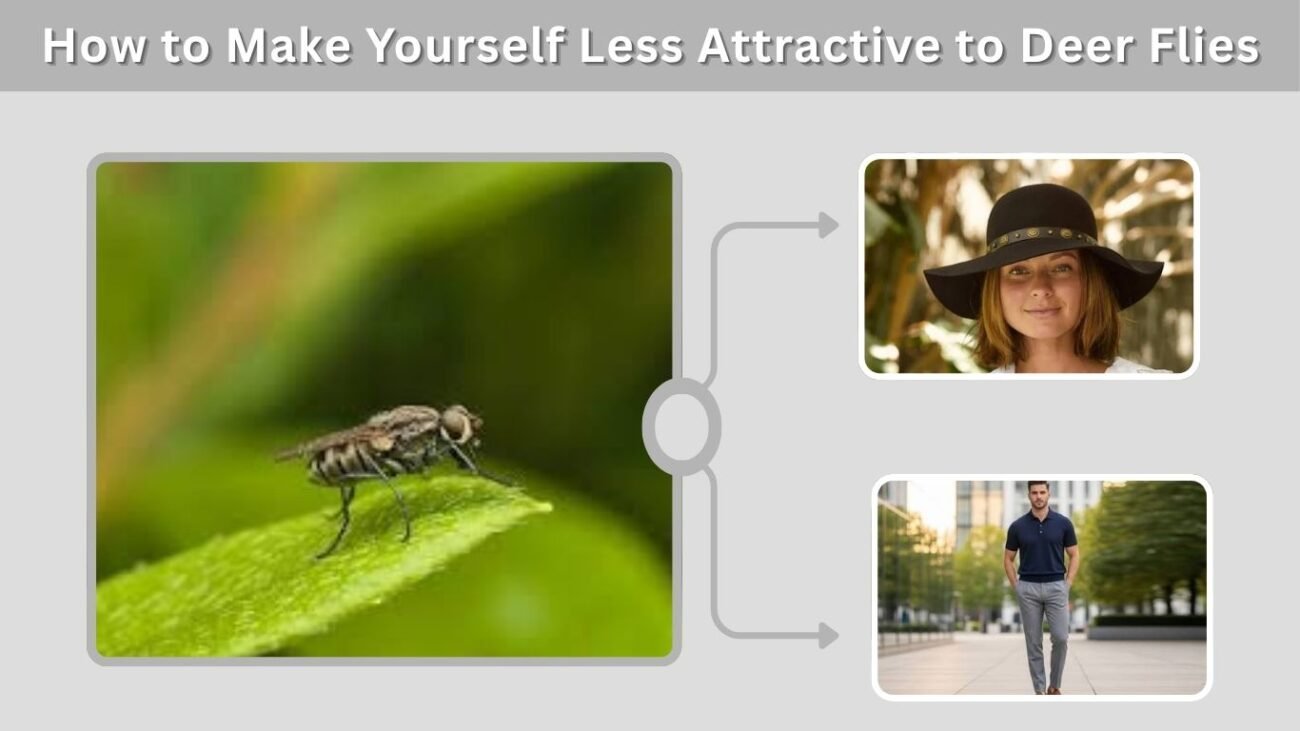
It is difficult to become completely invisible to deer flies because breathing and movement naturally provide host signals. However, reducing strong visual attraction and protecting exposed skin can make outdoor encounters more manageable.
Ways to Reduce Deer Fly Attraction
Consider:
- Wear light-colored clothing.
- Avoid black or dark blue outfits in heavily infested areas.
- Cover exposed arms and legs.
- Wear a hat.
- Use an appropriate insect repellent according to its label.
- Avoid peak activity areas when flies are especially abundant.
- Use physical screens around outdoor sitting spaces.
- Consider visual deer fly traps in problem areas.
Physical barriers are particularly useful because deer flies can be persistent once they locate a potential host.
What Attracts Deer Flies and Horse Flies?
Deer flies and horse flies belong to the same family and use many similar host-seeking signals. Both groups contain females that take blood meals and can be attracted to large moving objects, dark colors, carbon dioxide, and warmth.
Shared Attractions
Both may respond to:
- Movement
- Large dark objects
- Blue or dark colors
- Carbon dioxide
- Warm-blooded animals
- Body heat
- Strong visual contrast
Their attraction to these cues is why visually based traps can work for multiple kinds of tabanid flies.
FAQs
What attracts deer flies the most?
Movement is an important attraction for deer flies, especially when combined with dark or blue coloration, carbon dioxide, body heat, and the shape of a large animal. Female deer flies use several signals together while searching for hosts rather than relying on one attractant.
Why are deer flies attracted to blue?
Blue objects can provide a strong visual signal to deer flies and related biting flies. For this reason, blue is frequently used in visual trapping systems. A blue object that also moves may become particularly noticeable because it combines color with host-like movement.
Are deer flies attracted to black clothing?
Dark colors such as black can make a person more visually noticeable to deer flies. Dark surfaces also absorb heat. Wearing lighter clothing may reduce some visual attraction, although it cannot completely prevent flies from detecting your movement, breathing, and body heat.
Will a bug zapper kill deer flies?
A bug zapper may occasionally kill a deer fly, but traditional light-based zappers are generally not the most effective way to target them. Deer flies rely heavily on visual host cues, including movement and dark or blue objects, so specialized visual traps are often more appropriate.
What attracts deer flies to your yard?
Properties near wetlands, streams, ponds, marshes, damp woodland, livestock, or abundant wildlife may experience more deer flies. Their larvae depend on moist or aquatic environments, while adult females move through surrounding areas searching for mammals and other suitable blood-meal hosts.